EN10219 S355JR Structural Steel Pipes Manufacturer for Sale
Not all S355 steel is created equal.
EN10219 S355JR structural steel pipes are cold-formed hollow sections that offer superior dimensional accuracy and surface finish compared to hot-finished alternatives, but they require strict verification of cold-forming certifications and CE marking for EU and Middle East projects to avoid customs rejection.
I still remember the silence on the other end of the phone line when a buyer in Dubai realized his container of structural steel was stuck at Jebel Ali Port. He had ordered what he thought was standard S355 grade tubing for a warehouse framework. The mill certificates accompanying the shipment listed S275, and the dimensional tolerances were clearly from a hot-rolled process, not the cold-formed standard specified in his tender documents. The cargo sat for weeks, accruing demurrage charges that quickly eclipsed the value of the steel itself. That incident wasn’t just about a paperwork error; it was a fundamental misunderstanding of how production methods alter mechanical properties and compliance requirements. [NEED_CITE: distinction between cold-formed and hot-finished structural steel standards]
This experience highlights why sourcing EN10219 S355JR structural steel pipes demands more than just checking the grade name. It requires a deep dive into the manufacturing standard, the forming process, and the documentation trail. For construction contractors and distributors, the difference between a smooth project and a logistical nightmare often lies in these technical details.
What Defines EN10219 S355JR Structural Steel Pipes?
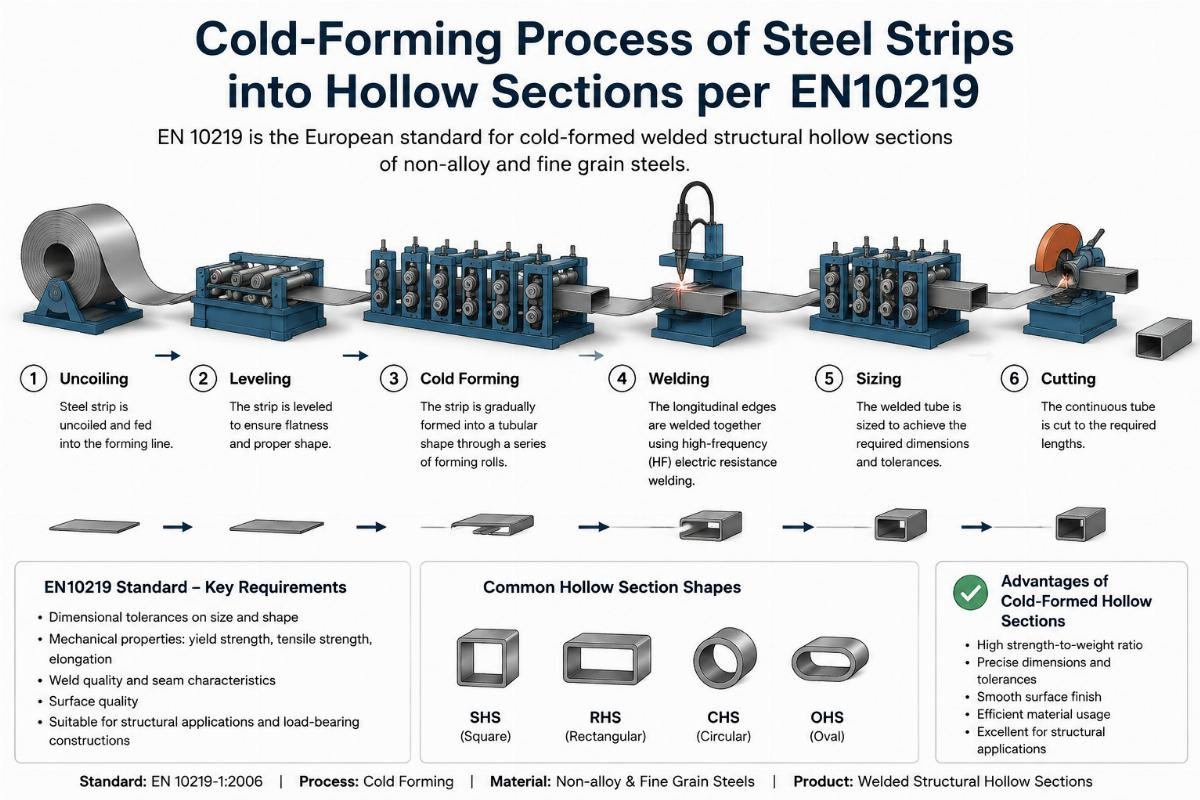
EN10219 defines the technical delivery conditions for cold-formed welded structural hollow sections, distinguishing them fundamentally from hot-finished products.
The core of this standard lies in the “cold-formed” designation. Unlike hot-finished tubes, which are shaped while the steel is still malleable from high heat, cold-formed sections are shaped at room temperature. This process work-hardens the material, particularly at the corners, leading to increased yield strength in those areas but also altering the stress distribution across the section. [NEED_CITE: effects of cold-forming on yield strength and corner radius]
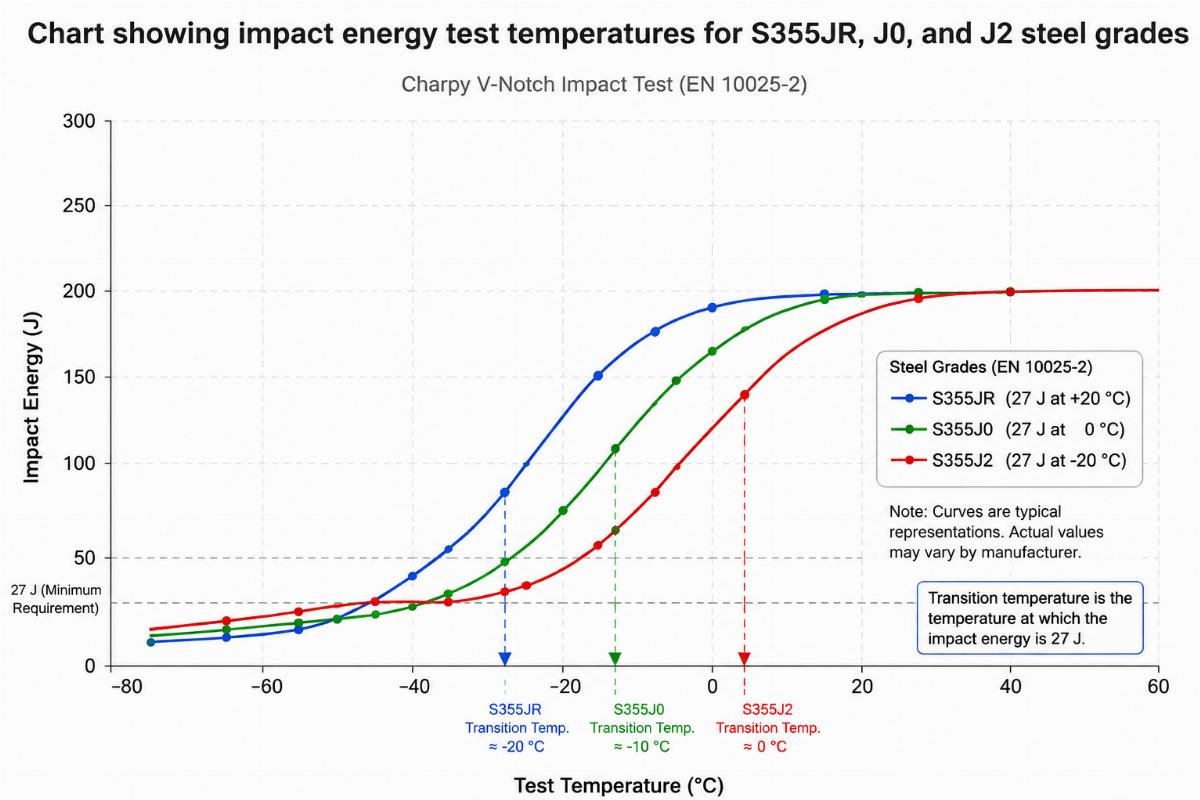
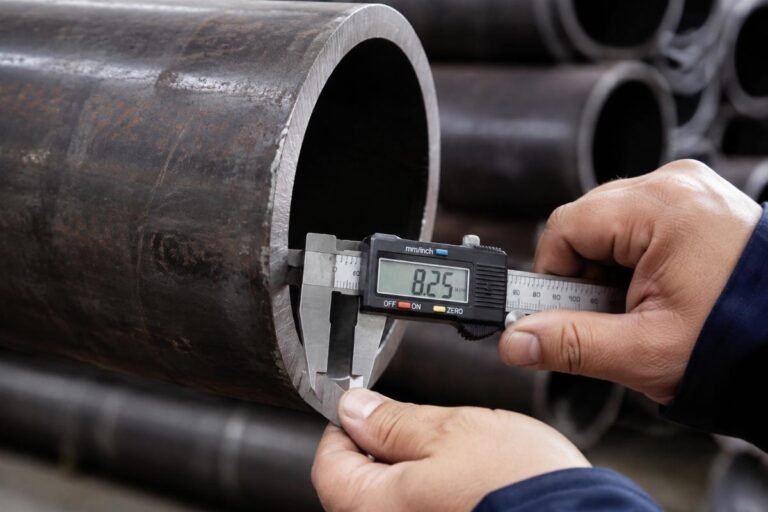
For S355JR grade, the “JR” indicates a minimum impact energy value tested at +20°C. This is crucial for structures in temperate climates but may be insufficient for colder regions where J0 or J2 grades (tested at 0°C and -20°C respectively) are required. The cold-forming process also allows for tighter dimensional tolerances. A typical cold-formed tube will have a much more consistent outer diameter and wall thickness compared to its hot-rolled counterpart, which is vital for bolted connections and modular construction where fit-up is critical.
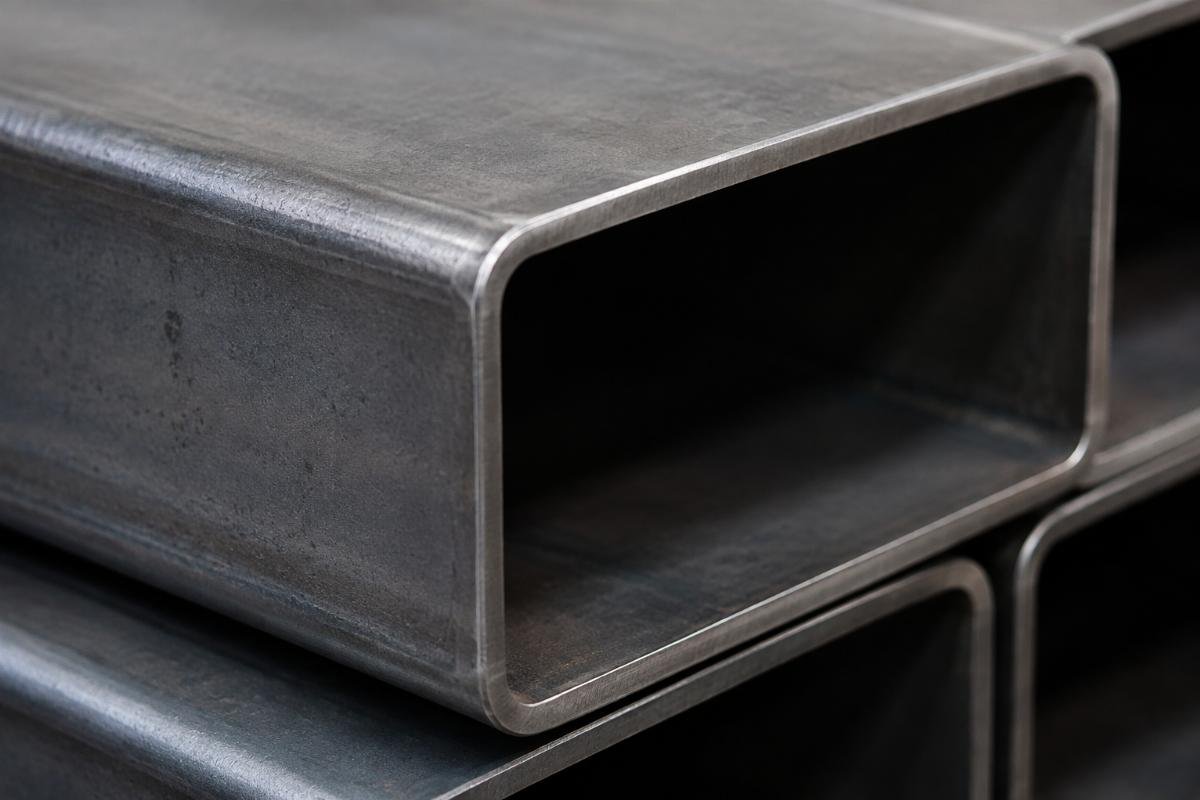
When you source EN10219 S355JR structural steel pipes, you are not just buying steel; you are buying a specific geometric and mechanical profile. The surface finish is typically smoother, with fewer scale marks, reducing the need for extensive surface preparation before painting or galvanizing. This makes them a preferred choice for architectural applications where aesthetics matter as much as structural integrity. However, this precision comes with a caveat: the material must be handled carefully to avoid damaging the protective oxide layer or deforming the precise geometry during transport.
EN10219 vs EN10210: Which Standard Fits Your Project?
Choosing between EN10219 and EN10210 depends less on strength and more on tolerance requirements and connection methods.
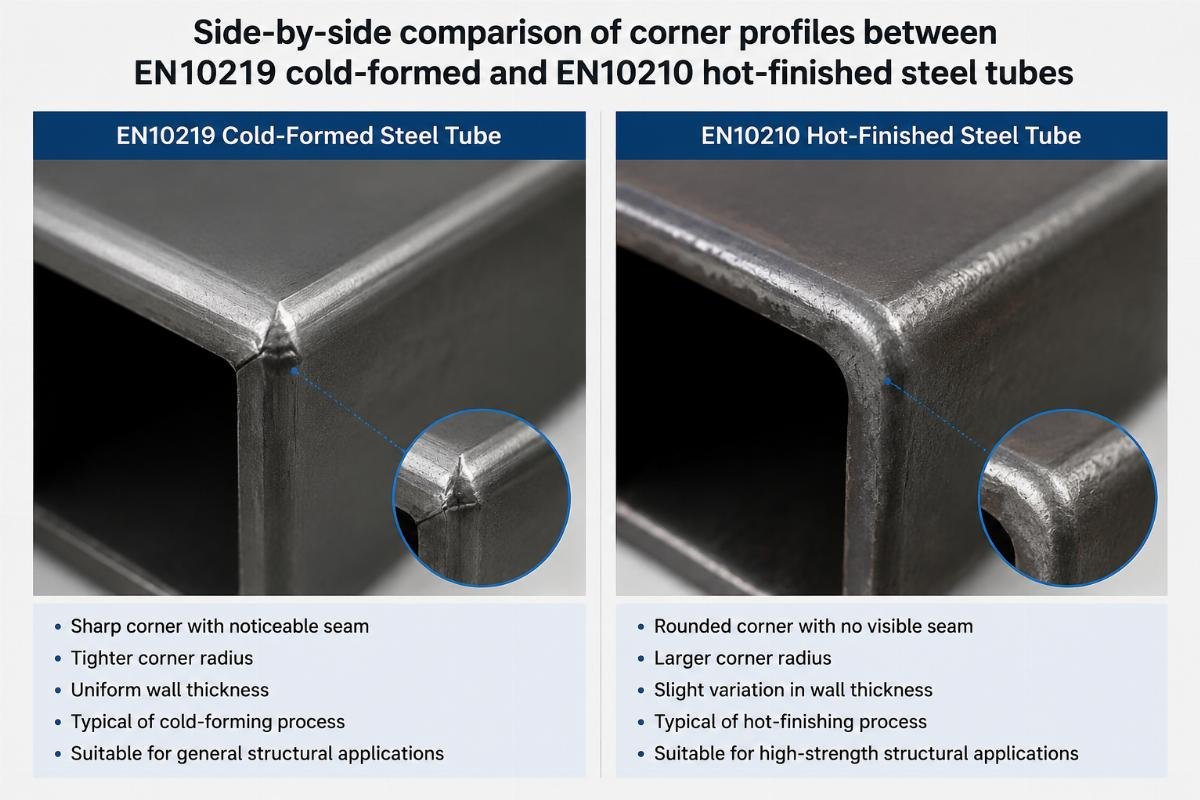
Many buyers assume that if the grade is S355, the standard doesn’t matter. This is a costly misconception. EN10210 covers hot-finished seamless and welded hollow sections, while EN10219 covers cold-formed welded hollow sections. The production method dictates the physical characteristics of the final product.
Feature
EN10219 (Cold-Formed)
EN10210 (Hot-Finished)
Production Method
Cold-forming at room temperature
Hot-forming at elevated temperatures
Dimensional Tolerance
Tight (±0.5mm typical for OD)
Looser (±1% typical for OD)
Surface Finish
Smooth, minimal scale
Rougher, with oxide scale
Corner Radius
Small, sharp corners
Large, rounded corners
Yield Strength Variation
Higher in corners due to work hardening
Uniform across the section
Best For
Bolted connections, architectural use
Welded connections, heavy industrial use
[NEED_CITE: comparison of dimensional tolerances between EN10219 and EN10210]
A European fabricator once shared how switching from hot-finished to cold-formed EN10219 S355JR structural steel pipes reduced their assembly time by a noticeable margin. The tight tolerances meant that beams and columns fit together without the need for grinding or forcing, which is common with hot-rolled sections that have larger corner radii and inconsistent dimensions. For projects involving prefabricated modules or intricate steel frameworks, the precision of EN10219 is non-negotiable.
However, for heavy-duty applications where welding is the primary connection method and aesthetic finish is irrelevant, EN10210 might be more cost-effective. The key is to match the standard to the fabrication method. If your project relies on bolted connections, the sharp corners and precise dimensions of EN10219 are essential. If it involves heavy welding and load-bearing in harsh environments, the uniform properties of EN10210 might be preferable.
Why S355JR Grade Matters for Structural Integrity
S355JR offers a balanced combination of strength and toughness for general structural applications, but its impact resistance limits its use in cold climates.
The “S355” designation indicates a minimum yield strength of 355 MPa for thicknesses up to 16mm. This makes it a versatile choice for bridges, buildings, and offshore structures. The “JR” suffix, however, is the critical differentiator. It signifies that the material has been tested for impact resistance at +20°C. [NEED_CITE: impact energy requirements for S355JR per EN10025]
In many Middle Eastern and Southeast Asian projects, this is sufficient. However, buyers often overlook the temperature requirement when sourcing for regions with seasonal cold snaps. A structure that performs well in Dubai summer might become brittle in a European winter if the wrong sub-grade is selected. For such environments, S355J0 (tested at 0°C) or S355J2 (tested at -20°C) is required.
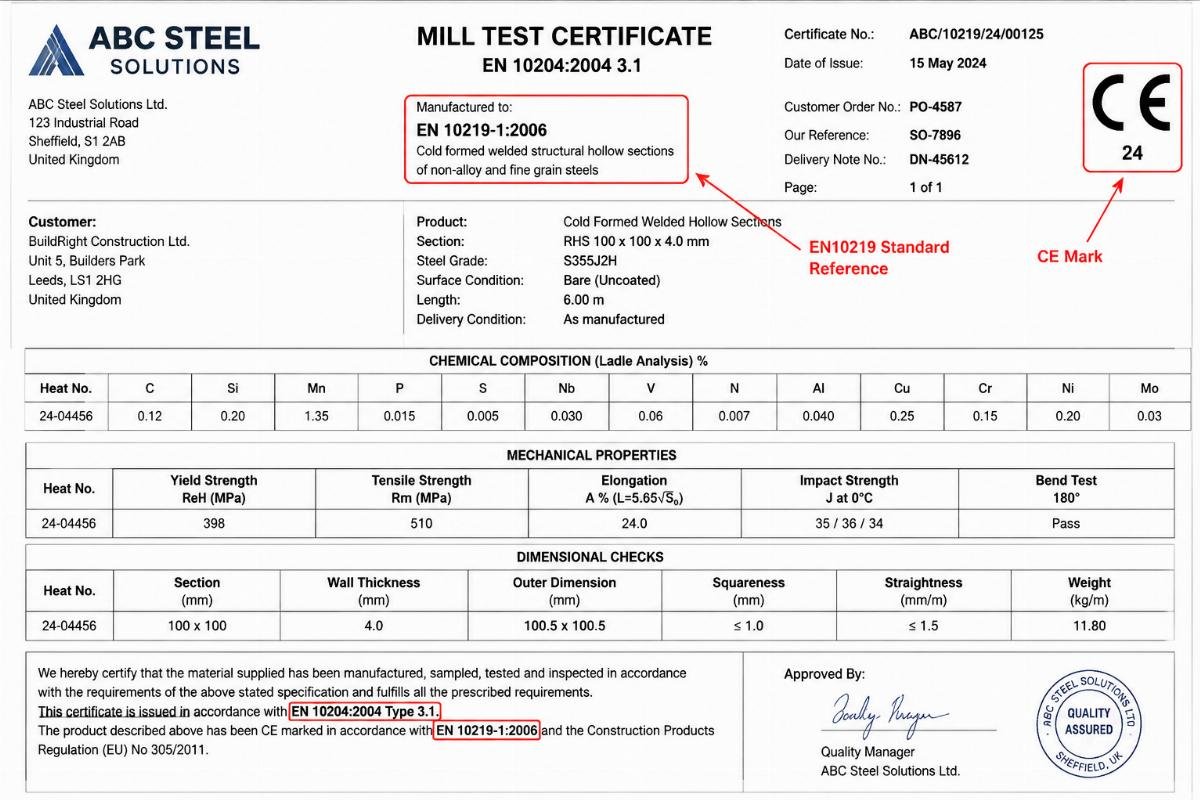
When verifying EN10219 S355JR structural steel pipes, always check the mill test certificate for the actual impact energy values, not just the pass/fail status. Reputable manufacturers will provide detailed charts showing the energy absorbed at the specified temperature. This data is crucial for engineers calculating the safety margins of dynamic structures, such as cranes or wind-loaded facades. Ignoring this detail can lead to catastrophic failures under sudden load impacts, even if the static load capacity is adequate.
How to Verify Authenticity and Avoid Customs Pitfalls
Documentation mismatches are the primary cause of customs delays for structural steel imports, not the physical quality of the material.
Customs officials in many countries, particularly in the Middle East and Africa, now mandate strict compliance with EN standards for structural steel. They look for specific markers: the CE mark, the Declaration of Performance (DoP), and mill test certificates that explicitly reference EN10219. A certificate that lists ASTM A500 or a generic “S355” without the standard number is often rejected.
A common pitfall is the mismatch between the physical marking on the pipe and the documentation. EN10219 requires that each pipe be marked with the manufacturer’s name, the standard number, the grade, and the heat number. If these markings are missing or illegible, customs may hold the shipment for inspection, causing significant delays. [NEED_CITE: marking requirements for EN10219 structural hollow sections]
To avoid this, buyers should request a pre-shipment inspection report that includes photos of the markings and a copy of the DoP. Verify that the heat numbers on the certificates match those on the physical goods. For EN10219 S355JR structural steel pipes, ensure the certificate specifies “Cold-Formed” and lists the correct impact test temperature. Any deviation here is a red flag that the material may not meet the project’s structural requirements.
Sourcing Tips for Global Buyers
Flexibility in order quantity and access to in-house testing facilities are key indicators of a reliable manufacturer for specialized structural steel.
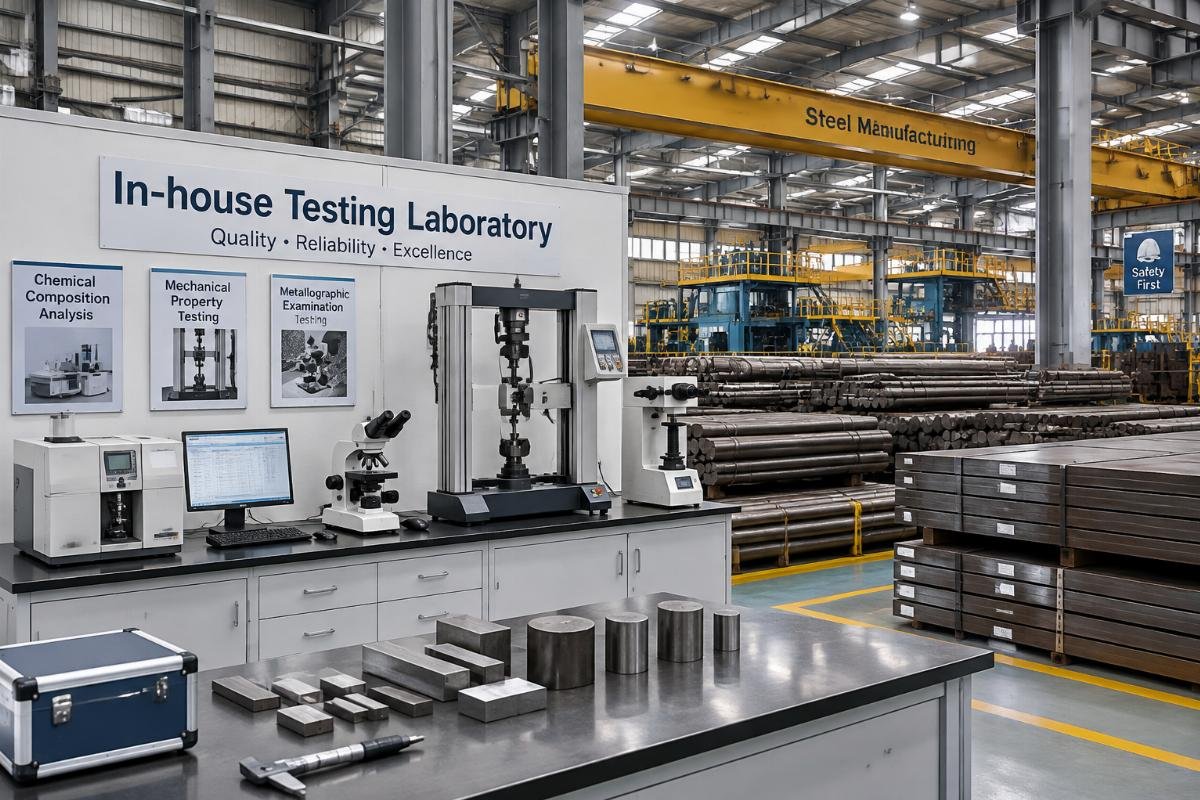
Sourcing structural steel is not just about finding the lowest price. It is about finding a partner who understands the technical nuances of EN standards. Look for manufacturers who have in-house laboratories capable of performing tensile and impact tests according to EN10219. This ensures that any discrepancies can be resolved quickly without relying on third-party labs, which can add weeks to the timeline.
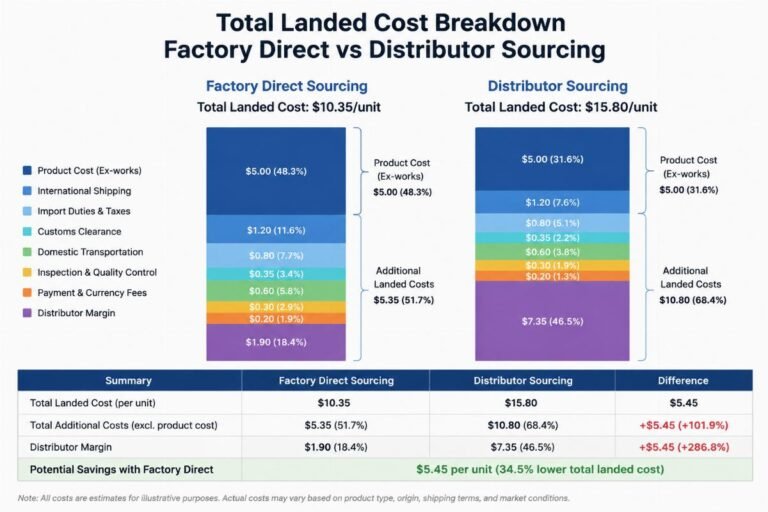
Another critical factor is MOQ flexibility. Projects vary in size, from small renovation jobs requiring a few tons to large infrastructure projects needing hundreds of tons. A manufacturer who can accommodate both single-piece custom cuts and full container loads offers greater supply chain resilience. This flexibility allows buyers to consolidate orders, reducing shipping costs and inventory holding times.
When evaluating suppliers for EN10219 S355JR structural steel pipes, ask for references from similar projects in your region. A manufacturer with experience exporting to your country will already be familiar with local customs requirements and documentation standards. This local knowledge can save you from unexpected hurdles and ensure a smoother delivery process. Additionally, verify their ability to provide surface treatment options like shot blasting or galvanizing, as these processes must be compatible with the cold-formed geometry to avoid distortion.
Conclusion
Precision in standards prevents expensive delays in construction.
Sourcing EN10219 S355JR structural steel pipes requires a clear understanding of the differences between cold-formed and hot-finished products, as well as strict adherence to documentation requirements. By focusing on verified certifications, accurate grade selection, and reliable manufacturing partners, buyers can ensure their projects proceed without the costly interruptions caused by compliance issues.
Editor covering global sourcing, supplier verification, and industrial product knowledge. Content is compiled from manufacturer specifications, industry standards, and hands-on experience with international B2B buyers. Every article is fact-checked before publishing to help procurement professionals make informed decisions.


Discussion
0 Comments