Buy EN-Certified S355JR Structural Steel from China Manufacturer
Learn how to buy EN-certified structural steel from China without risking customs detention. Verify mill test certificates against official EU databases and distinguish between EN 10219 and EN 10210 s...
Buy EN-Certified S355JR Structural Steel from China Manufacturer
A PDF certificate is not proof of compliance; it is merely a claim.
Successfully importing structural steel requires verifying the issuing body against official EU databases before payment, as customs authorities reject documents that lack traceable Notified Body endorsement. To buy EN-certified structural steel from China, you must prioritize database-verified mill test certificates over price negotiations to prevent costly port detentions and project delays.
I still remember the silence on the phone when a client in Rotterdam told me their container had been held for over a month. The issue was not the quality of the S355JR square hollow sections inside, but a mismatched heat number on the mill test certificate. The factory had provided a document that looked perfect to the untrained eye, complete with logos and signatures. However, Dutch customs cross-referenced the certificate ID with the European database and found no record of the issuing body’s authorization for that specific production line. The resulting demurrage charges exceeded the savings we had achieved on the initial purchase price. That incident shifted my entire approach to procurement. I no longer view documentation as administrative paperwork but as the primary technical specification of the order. [NEED_CITE: common causes of steel import rejection at EU ports]
The market is flooded with suppliers claiming compliance, but few understand the rigorous traceability required by European standards. When you buy EN-certified structural steel from China, the risk is not necessarily that the steel is weak, but that its provenance cannot be legally verified upon arrival. This guide breaks down the verification process, highlighting the critical differences between standard claims and actual compliance.
Why Do EU Customs Reject Chinese Steel Certificates?
Mismatched heat numbers and unverified issuing bodies are the primary causes of detention.
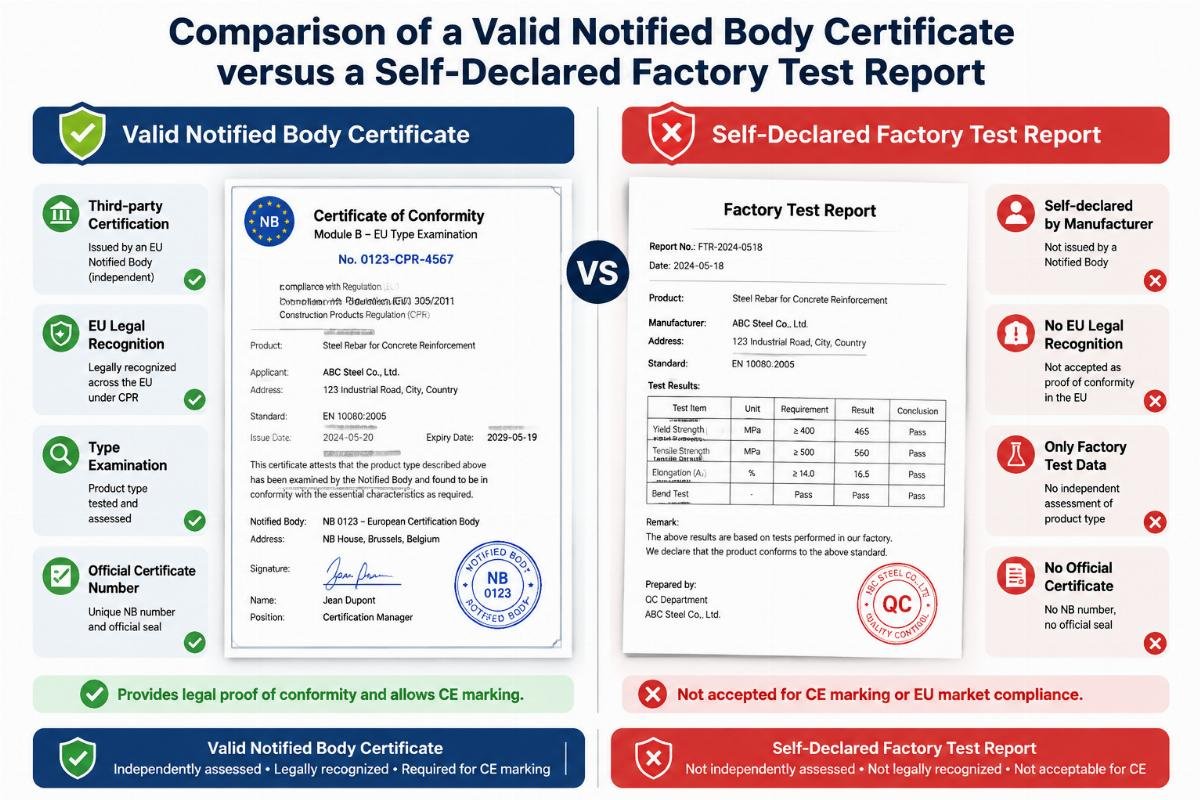
Customs officers in major European ports do not inspect every beam or pipe physically. Instead, they audit the paperwork. If the documentation fails to establish a clear chain of custody from the melt shop to the final product, the cargo is flagged. A frequent error involves the confusion between self-declared compliance and third-party certified compliance. Many manufacturers issue their own test reports, which may be accurate regarding chemical composition and mechanical properties, but lack the authority of a Notified Body. [NEED_CITE: difference between self-declaration and Notified Body certification under EU Construction Products Regulation]
Consider a recent case involving a batch of rectangular hollow sections destined for a warehouse project in Northern Europe. The supplier provided an EN 10219 certificate. On the surface, it listed the correct yield strength and impact test values for S355J0. However, the certificate number did not correspond to any entry in the recognized Notified Body registry. The factory had used a template from a previous audit but failed to update the authorization status after their certification had lapsed. The goods were rejected not because they were substandard, but because they were undocumented in the eyes of the law.
Verification Aspect
Self-Declared Certificate
Notified Body Verified Certificate
Issuing Authority
Factory Quality Department
Independent Third-Party Agency
Database Traceability
None
Verifiable via Official EU Registry
Customs Acceptance
High Risk of Rejection
Standard Clearance Process
Legal Liability
Limited to Supplier Contract
Recognized under EU Construction Law
Audit Frequency
Internal Only
Regular External Surveillance
To buy EN-certified structural steel from China safely, you must demand certificate numbers that can be independently verified. Do not accept scanned copies without the original digital reference codes. The cost of a third-party inspection before shipment is negligible compared to the expense of returning a full container load from a foreign port. [NEED_CITE: cost comparison of pre-shipment inspection vs port detention fees]
How to Verify EN Certification Before Payment?
Validate certificate IDs through official Notified Body databases, not just factory emails.
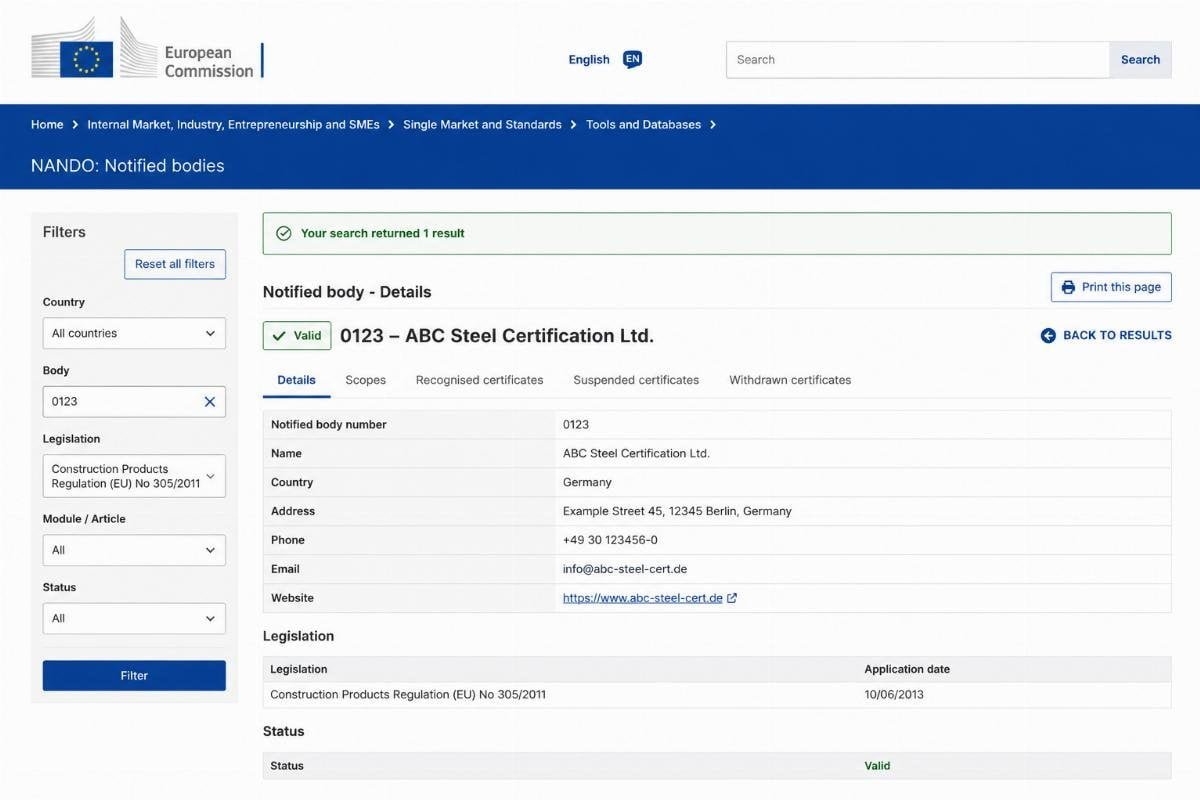
Verification is a proactive step, not a reactive one. Once you receive the draft mill test certificate, the first action is to check the issuer. The European Union maintains a public list of Notified Bodies authorized to certify construction products. If the logo on the certificate belongs to an agency not listed for the specific standard (such as EN 10219 for cold-formed welded structural hollow sections), the document is invalid for regulated construction projects. [NEED_CITE: EU Official Journal list of Notified Bodies for construction products]
I once reviewed a proposal from a new supplier who claimed their S355JR plates were certified by a renowned international inspection firm. A quick search revealed that while the firm was indeed a Notified Body, their scope of approval did not cover the specific thickness range of the plates being ordered. They were authorized for thin-gauge sheet metal, not heavy structural plates. This subtle distinction would have caused a failure during the building control inspection at the destination site. By catching this early, we avoided a potential project stoppage.
The verification process involves three key steps. First, identify the Notified Body number on the certificate. Second, access the official EU database or the specific national authority website where the body is registered. Third, confirm that the scope of notification includes the exact standard and product type you are purchasing. Some bodies are only authorized for EN 10210 (hot-finished), while others cover EN 10219 (cold-formed). Mixing these up is a common administrative error that leads to compliance failures.
When you buy EN-certified structural steel from China, ask the manufacturer to provide the link to their current certification status on the Notified Body’s website. Reputable manufacturers, such as those with established export histories like Xin Jiyuan, maintain transparent records and often have in-house laboratories that work directly with these agencies to ensure continuous compliance. This transparency allows buyers to verify the status without relying solely on the supplier’s word. [NEED_CITE: procedure for verifying Notified Body scope of certification]
What Are the Critical Differences Between EN 10219 and EN 10210?
Choose based on cold-formed versus hot-finished requirements for your specific structural application.
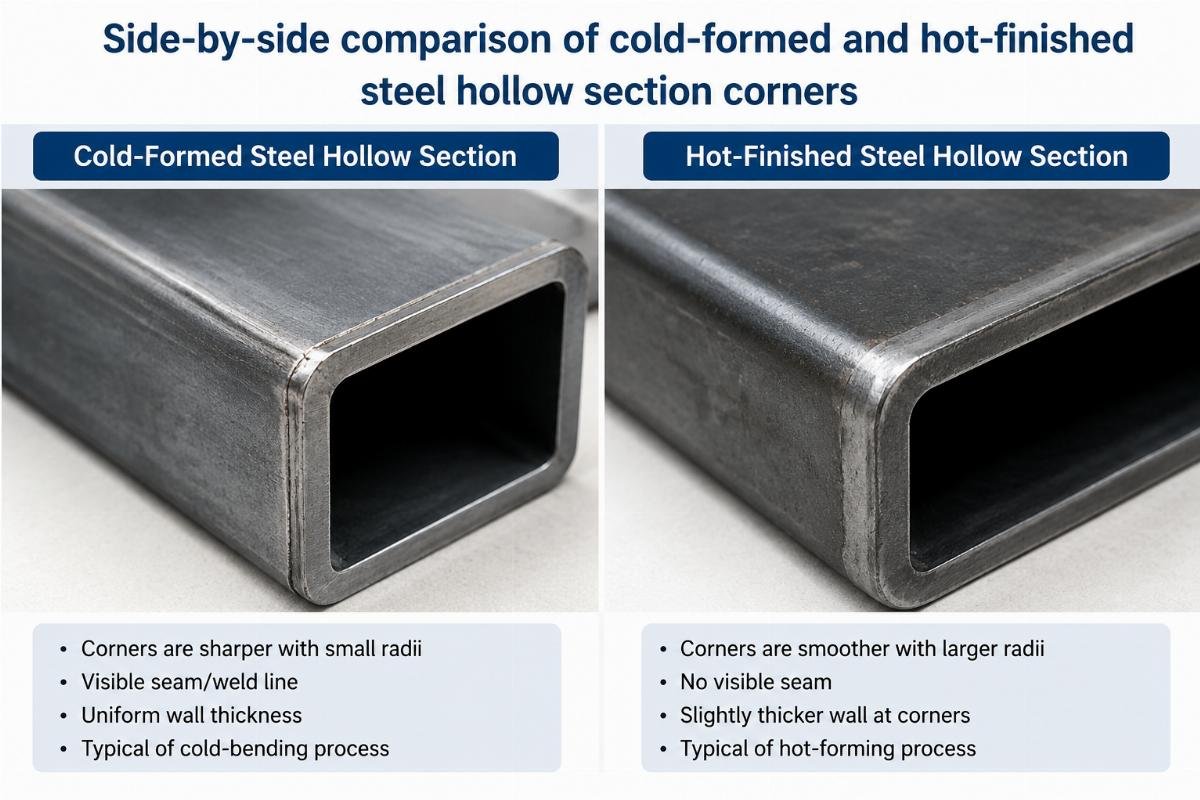
Confusion between these two standards is a frequent source of specification errors. EN 10219 covers cold-formed welded structural hollow sections, while EN 10210 applies to hot-finished welded structural hollow sections. The manufacturing process affects the mechanical properties, particularly the yield strength and corner radius. Cold-formed sections typically have higher yield strength due to work hardening but may have reduced ductility in the corner areas. Hot-finished sections offer more uniform properties throughout the cross-section. [NEED_CITE: mechanical property differences between cold-formed and hot-finished structural steel]
A structural engineer for a multi-story car park project in Southeast Asia initially specified EN 10210 for all columns. However, the available stock from the Chinese manufacturer was primarily EN 10219. While both are S355 grade, the design calculations assumed the uniformity of hot-finished steel. Using cold-formed steel without adjusting the design parameters could compromise the structural integrity under certain load conditions, particularly in seismic zones. We had to revisit the engineering drawings to account for the different stress distributions in the cold-formed corners.
Feature
EN 10219 (Cold-Formed)
EN 10210 (Hot-Finished)
Manufacturing Process
Room Temperature Forming
High Temperature Forming
Corner Radius
Small, Sharp Corners
Larger, Rounded Corners
Yield Strength
Higher due to Work Hardening
Uniform across Section
Dimensional Tolerance
Tighter Wall Thickness Control
Broader Tolerance Range
Typical Application
Light Structural, Framing
Heavy Structural, Columns
Understanding this distinction is crucial when you buy EN-certified structural steel from China. Specify the correct standard in your purchase order. Do not assume that “S355” is sufficient. The suffix matters. If your design calls for hot-finished properties, accepting cold-formed equivalents without engineering approval is a significant risk. Manufacturers with diverse production lines, such as Xin Jiyuan, can produce both types, but the buyer must clearly distinguish between them to ensure the delivered product matches the structural design intent. [NEED_CITE: structural design implications of using cold-formed vs hot-finished steel]
Which Documentation Package Ensures Smooth Clearance?
A complete set including verified MTCs, COO, and detailed packing lists prevents administrative delays.
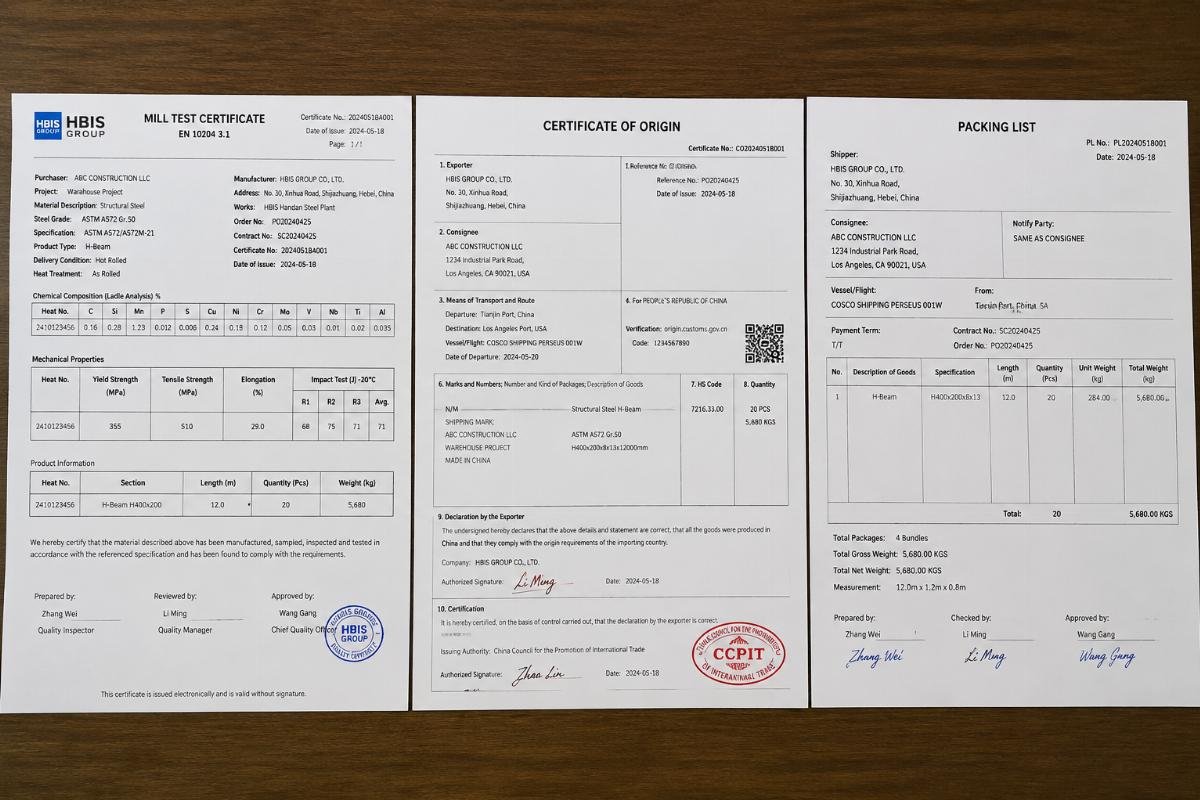
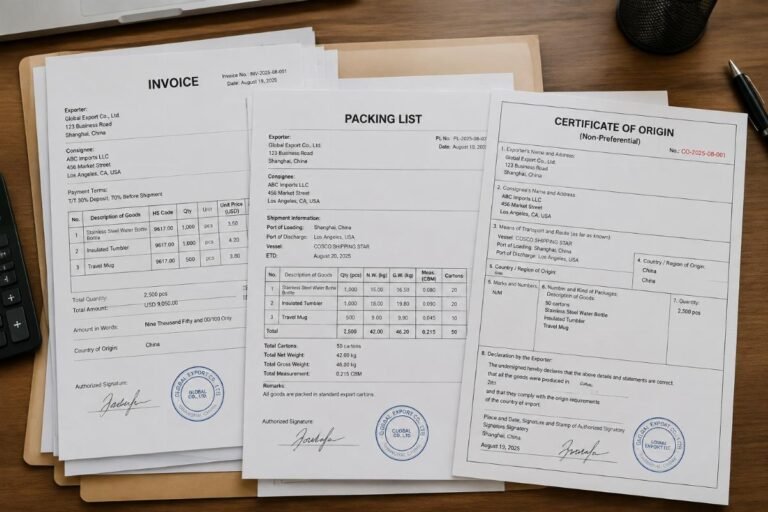
The mill test certificate is the cornerstone, but it is not the only document required. Customs clearance is a holistic process. A missing or inconsistent Certificate of Origin (COO) can trigger additional duties or delays. The packing list must match the physical cargo exactly, including weights and dimensions. Discrepancies here often lead to physical inspections, which increase the risk of damage and delay. [NEED_CITE: essential export documentation requirements for steel imports into the EU]
I recall a shipment where the bill of lading listed the gross weight as 25 tons, but the packing list detailed 25.5 tons. This minor inconsistency raised a red flag with the customs broker. The container was pulled for a weigh-in, which confirmed the packing list was correct, but the delay cost the client several days of storage fees. The root cause was a simple data entry error at the factory, but the impact was felt at the port.
To mitigate these risks, request a full documentation package before the vessel departs. This should include:
Original Mill Test Certificates with verifiable Notified Body numbers.
Certificate of Origin, properly legalized if required by the destination country.
Detailed Packing List, matching the bill of lading and physical marks.
Commercial Invoice, clearly stating the HS code and Incoterms.
Insurance Certificate, covering the transit risk.
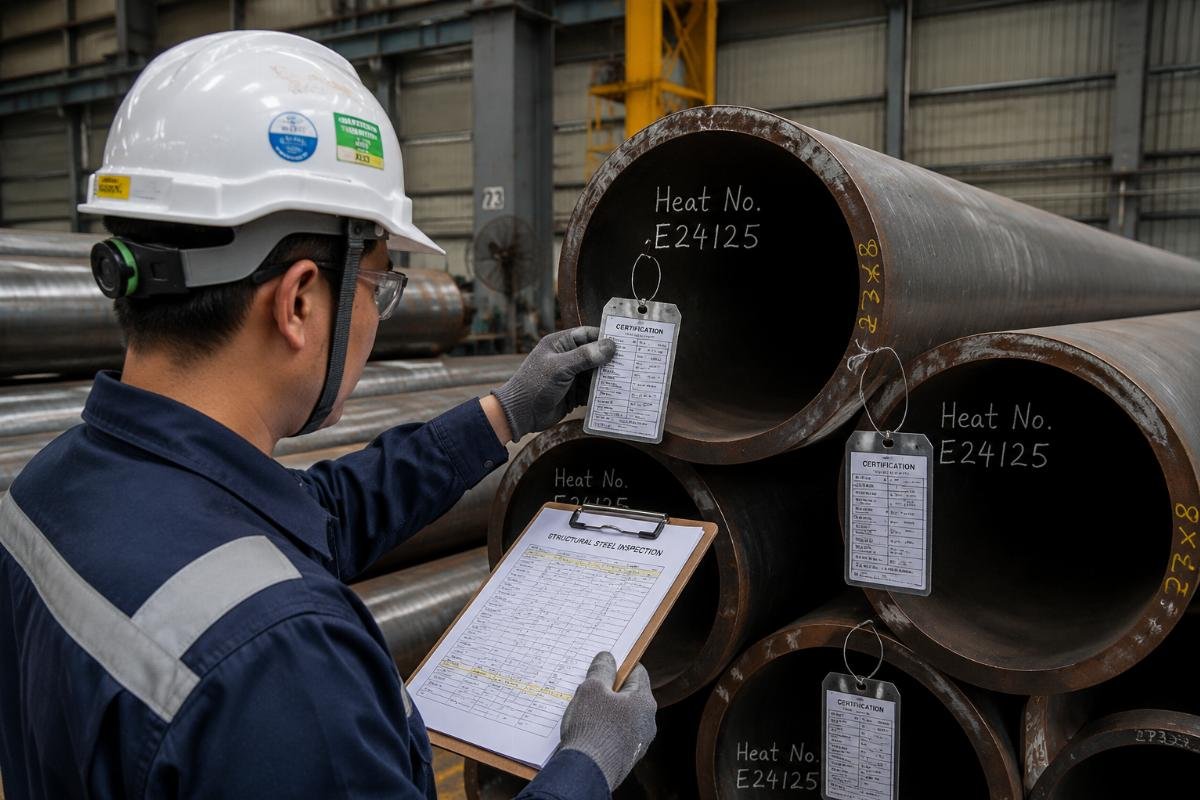
When you buy EN-certified structural steel from China, treat the documentation review as part of the quality control process. Check for consistency across all documents. Ensure the heat numbers on the MTC match those on the packing list and the physical tags on the steel. This level of diligence ensures that when the cargo arrives, it moves through customs without unnecessary friction. Experienced exporters understand this requirement and prepare these documents with precision, reducing the burden on the buyer. [NEED_CITE: best practices for steel export documentation accuracy]
Conclusion
Verification is cheaper than detention.
Importing structural steel from China offers significant cost advantages, but these benefits are erased if compliance is overlooked. By focusing on database-verified certificates, understanding the nuances of EN standards, and ensuring documentation consistency, buyers can secure high-quality materials without regulatory headaches. To buy EN-certified structural steel from China successfully, make verification the first step in your procurement process, not the last.
Editor covering global sourcing, supplier verification, and industrial product knowledge. Content is compiled from manufacturer specifications, industry standards, and hands-on experience with international B2B buyers. Every article is fact-checked before publishing to help procurement professionals make informed decisions.


Discussion
0 Comments