OEM Steel Supply Agreements with Chinese Manufacturer Xin Jiyuan
Secure your supply chain with robust long-term OEM steel supply agreements that prioritize technical alignment over low unit costs. Define precise EN standards, enforce pre-shipment inspections, and l...
OEM Steel Supply Agreements with Chinese Manufacturer Xin Jiyuan
The lowest FOB price is often the most expensive line item in your final project budget.
A successful long-term OEM steel supply agreement relies less on unit cost negotiation and more on precise technical alignment with international standards, rigid quality verification protocols, and flexible logistics planning. Without these structural safeguards, minor discrepancies in certification or dimensional tolerance can lead to port demurrage, rejected shipments, and costly project delays that far outweigh initial savings.
Having spent years moving from the rolling mill floor to negotiating contracts across time zones, I have seen how easily a deal can unravel over a single missing certificate. The transition from domestic production norms to global compliance is not just about translation; it is about aligning engineering expectations with manufacturing realities. When buyers assume that “Chinese Standard” implies universal compatibility with European or American codes, they invite risk into their supply chain. [NEED_CITE: common causes of steel import rejection due to standard mismatch]
Why Do Long-Term Steel Supply Agreements Fail?
Misaligned technical specifications and vague quality standards are the primary drivers of dispute in cross-border steel procurement.
Most failures do not stem from malicious intent but from ambiguous language in the contract annexes. A buyer may request “structural steel beams,” assuming the supplier understands the specific grade, tolerance, and certification required for their local building code. The manufacturer, operating under different national standards, delivers product that is structurally sound but legally non-compliant for the destination market.
Consider a recent infrastructure project in the Middle East. The contractor sourced H-beams for a warehouse framework, specifying Q345B material based on domestic familiarity. However, the local authority required EN 10219 compliance with S355JR certification. The goods arrived at Jebel Ali Port, but customs clearance stalled because the Mill Test Certificates (MTC) did not match the declared standard. The cargo sat for weeks, accruing demurrage charges that exceeded the marginal savings achieved by choosing the lower-priced supplier. This scenario highlights a critical gap: the contract lacked explicit cross-referencing to the required international standard. [NEED_CITE: impact of certification mismatch on construction project timelines]
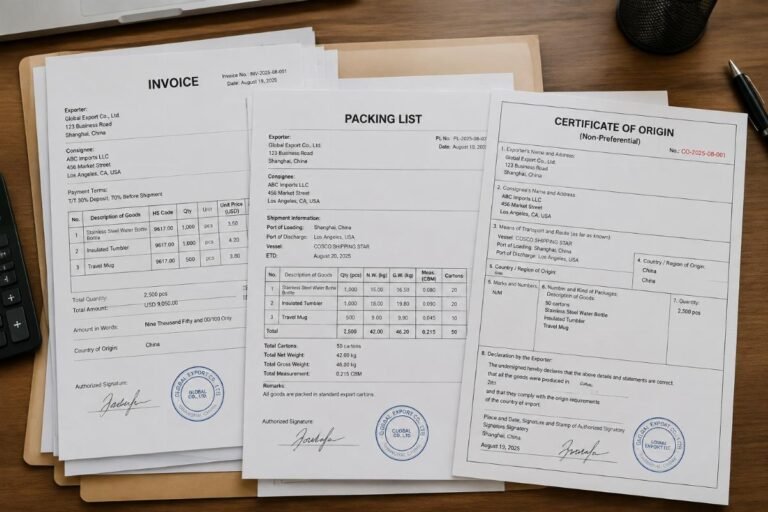
In another instance, a European distributor consolidated mixed containers of Square Hollow Sections (SHS) and steel plates. The packing list was generic, lacking detailed batch numbers linked to specific MTCs. Upon arrival, the client could not trace which certificate belonged to which bundle, complicating their own quality assurance process for downstream fabricators. The issue was not the steel quality, but the administrative failure to define traceability clauses in the long-term OEM steel supply agreements.
To prevent these issues, the agreement must treat technical specifications as legal obligations. It is not enough to state the grade; one must define the standard version, the required certificate type (e.g., EN 10204 3.1 or 3.2), and the language of the documentation. Clarity here acts as insurance against operational friction.
What Technical Specs Must Be in Your OEM Annex?
Detailed grades, dimensions, and surface treatment methods must be explicitly defined to avoid production ambiguity.
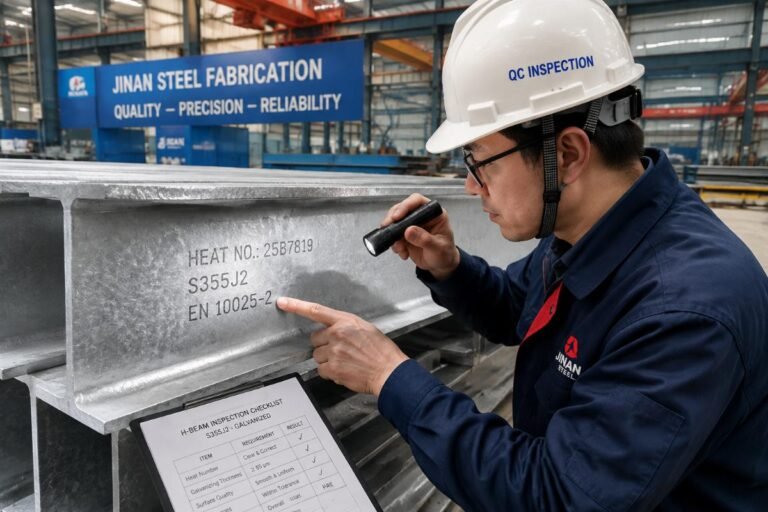
A robust technical annex leaves no room for interpretation. For structural applications, this means moving beyond generic terms like “high strength” to specific alphanumeric designations that map directly to international norms. For example, specifying S355J2 instead of just “S355” dictates the impact testing temperature, which is crucial for projects in colder climates. [NEED_CITE: difference between S355JR and S355J2 impact test requirements]
The following table illustrates how vague specifications compare to precise contractual definitions in a long-term OEM steel supply agreement:
Specification Category
Vague Contract Language
Precise Contract Definition
Material Grade
Q345B / High Strength
S355JR per EN 10025-2 or ASTM A572 Gr. 50
Dimensional Tolerance
Standard tolerance
EN 10219 Class C for cold-formed sections
Surface Treatment
Painted
Shot blasted to Sa 2.5, primed with epoxy zinc-rich paint, dry film thickness 80 microns
Certification
Mill Certificate provided
EN 10204 Type 3.1 Certificate with chemical and mechanical properties
Marking
Standard marking
Stenciled with heat number, grade, and standard on each bundle
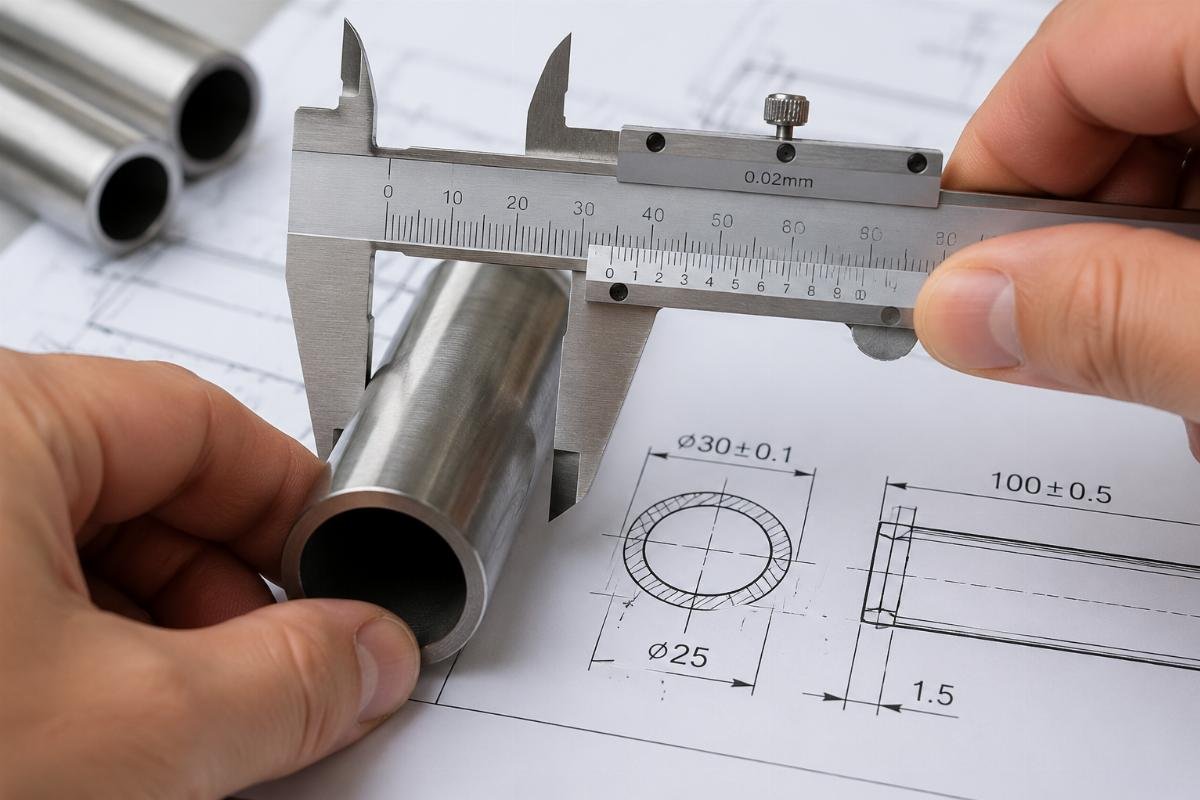
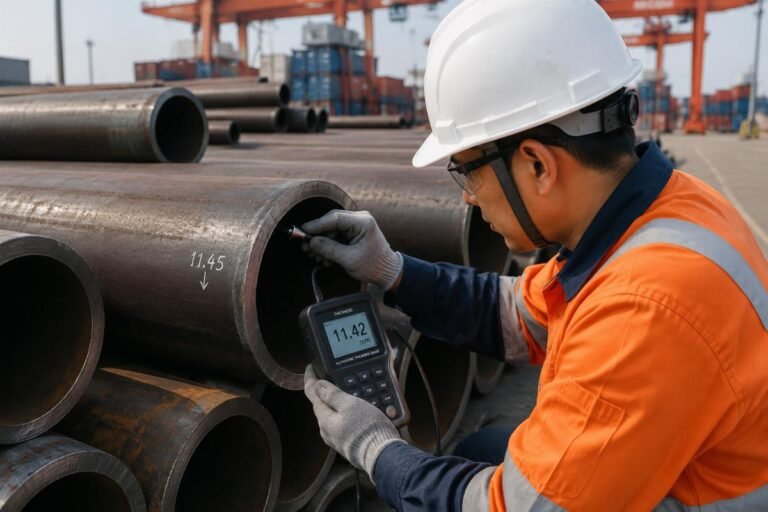
An automotive fabricator once faced consistency issues with large batches of rectangular tubes. The variation in wall thickness, while within broad national standards, caused jams in their automated welding lines. By revising their long-term OEM steel supply agreements to include strict dimensional tolerance ranges (e.g., ±mm) and requiring pre-production samples for approval, they eliminated downstream production stoppages. This level of detail transforms the supplier from a vendor into a integrated partner.
Defining surface treatment is equally critical. Terms like “galvanized” are insufficient. The contract must specify the method (hot-dip vs. electro), the coating mass (e.g., grams per square meter), and the appearance standard. These details ensure that the product performs as expected in its final environment, whether it is exposed to marine corrosion or indoor humidity.
How to Structure Quality Control & Inspection Clauses?
Define pre-shipment inspection rights and accepted certificate types to verify quality before ownership transfers.
Quality control in international trade cannot rely on post-delivery discovery. By the time defects are found at the destination port, the leverage to claim compensation is significantly reduced. Effective long-term OEM steel supply agreements embed quality verification into the production timeline.
The first layer of defense is the Mill Test Certificate (MTC). However, not all MTCs are equal. For critical structural applications, requiring EN 10204 Type 3.1 certificates ensures that the results are declared by the manufacturer’s authorized inspection representative independent of the production department. For higher-risk projects, Type 3.2 certificates, witnessed by an independent third party or the buyer’s inspector, provide an additional layer of assurance. [NEED_CITE: EN 10204 certificate types and their legal implications]
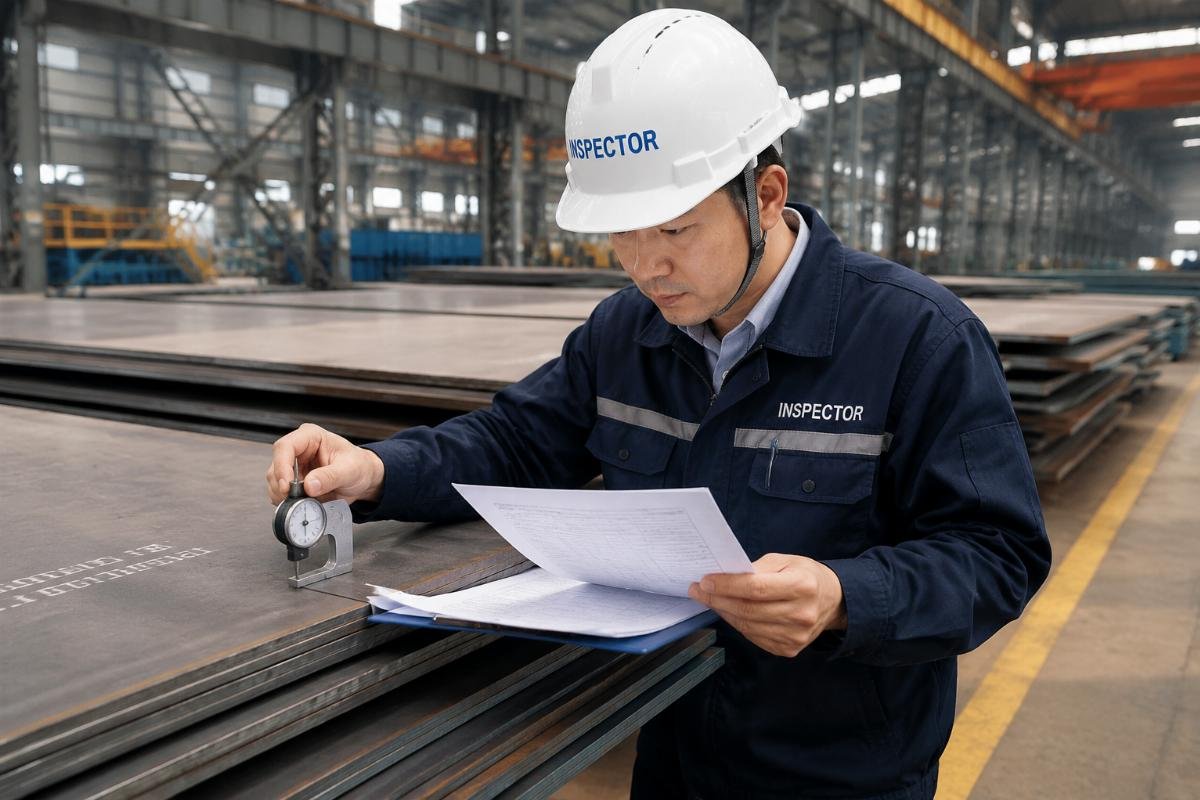
Second, the contract should grant the buyer the right to conduct pre-shipment inspections. This can be performed by the buyer’s own team or a hired third-party agency such as SGS or Bureau Veritas. The clause must specify when this inspection occurs (e.g., after 80% of production is complete) and what happens if defects are found. A typical provision allows for re-inspection at the supplier’s expense if the failure rate exceeds a certain threshold.
A US-based trading company learned this lesson when a batch of steel plates arrived with surface pitting that was not visible in photos. Had they included a clause for third-party visual inspection prior to loading, they could have rejected the goods while they were still at the factory. Instead, they faced the costly process of returning or repairing the material overseas. Integrating these inspection rights into long-term OEM steel supply agreements shifts the risk back to the production stage where it is cheapest to resolve.
Furthermore, the agreement should outline the protocol for handling non-conforming goods. Will the supplier replace them, offer a credit, or allow for local repair? Defining this process in advance prevents prolonged negotiations during a crisis.
Which Logistics & Payment Terms Protect Your Cash Flow?
Balance FOB/CIF responsibilities and link payments to verified production milestones to maintain financial leverage.
Logistics and payment terms are not merely administrative details; they are risk management tools. In the context of long-term OEM steel supply agreements, the choice between FOB (Free on Board) and CIF (Cost, Insurance, and Freight) determines who controls the shipping process and bears the risk during transit.
FOB terms give the buyer control over freight forwarding, which can be advantageous for consolidating shipments from multiple suppliers or negotiating better rates with long-term carriers. However, it requires the buyer to manage the logistics chain. CIF terms simplify the process for the buyer but may result in higher costs if the supplier marks up the freight. For large infrastructure projects, clarity on who handles port clearance and inland transportation is vital to avoid delays.
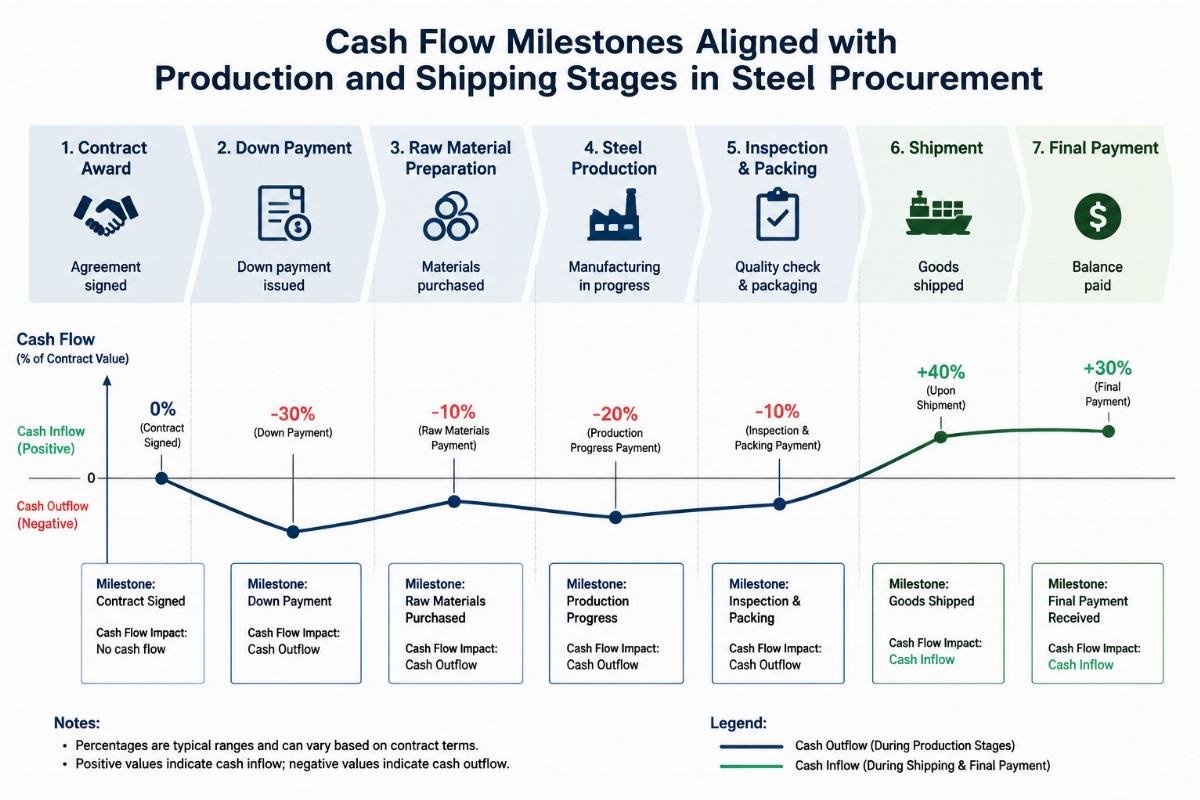
Payment terms should be structured to align with production progress. A common mistake is paying a large deposit upfront with the balance due against copy documents. A more balanced approach links payments to milestones: a deposit upon order confirmation, a progress payment upon completion of production and successful pre-shipment inspection, and the final balance against original shipping documents. This structure incentivizes the supplier to maintain quality and schedule adherence.
Force majeure clauses also require careful attention. Recent global events have shown that vague definitions of force majeure can leave buyers stranded without recourse when delays occur. Specifying what constitutes a valid force majeure event and requiring timely notification helps manage expectations and plan contingencies.
How Does Xin Jiyuan Support Stable OEM Partnerships?
Flexible manufacturing capabilities and certified production lines enable tailored solutions for complex structural needs.
Navigating the complexities of international steel procurement requires a partner who understands both technical standards and logistical realities. Xin Jiyuan, with its headquarters in Jinan, Shandong, has built its export business on the premise that reliability stems from precision and transparency.
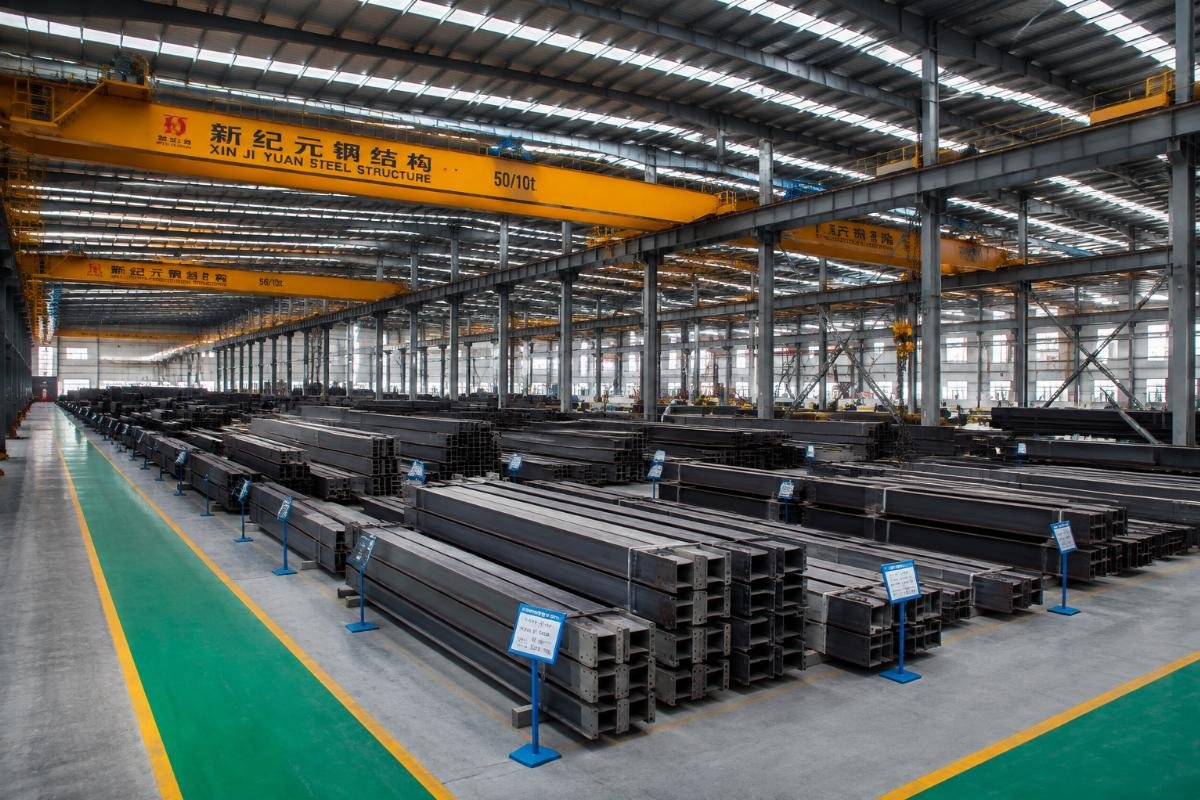
With over two decades of experience serving markets in more than 100 countries, the company operates production lines certified to EN 10219 and EN 10210 standards. This certification is not just a badge; it reflects a systematic approach to quality control that aligns with the rigorous demands of European and global construction projects. The ability to produce custom non-standard sizes alongside 2800+ standard specifications allows contractors and fabricators to source exactly what their engineering designs require, reducing waste and fabrication time on site.
For distributors and trading companies, the flexibility to handle mixed-container loads of SHS, RHS, plates, and beams simplifies inventory management. The company’s in-house laboratory ensures that every batch meets the specified chemical and mechanical properties, providing the documented traceability that buyers need for their own compliance records. By offering 24/7 multi-language support, Xin Jiyuan facilitates clear communication throughout the order lifecycle, ensuring that technical queries are resolved quickly and accurately.
These capabilities make Xin Jiyuan a suitable partner for those seeking to establish long-term OEM steel supply agreements that prioritize consistency, compliance, and collaborative problem-solving over transactional pricing.
Conclusion
Secure your supply chain by prioritizing technical clarity and verified quality over initial cost savings.
Successful procurement of structural steel from China depends on detailed contracts that specify international standards, enforce rigorous inspection protocols, and align payment terms with production milestones. By focusing on these structural elements, buyers can mitigate risks and build resilient partnerships that support long-term project success.
Editor covering global sourcing, supplier verification, and industrial product knowledge. Content is compiled from manufacturer specifications, industry standards, and hands-on experience with international B2B buyers. Every article is fact-checked before publishing to help procurement professionals make informed decisions.



Discussion
0 Comments