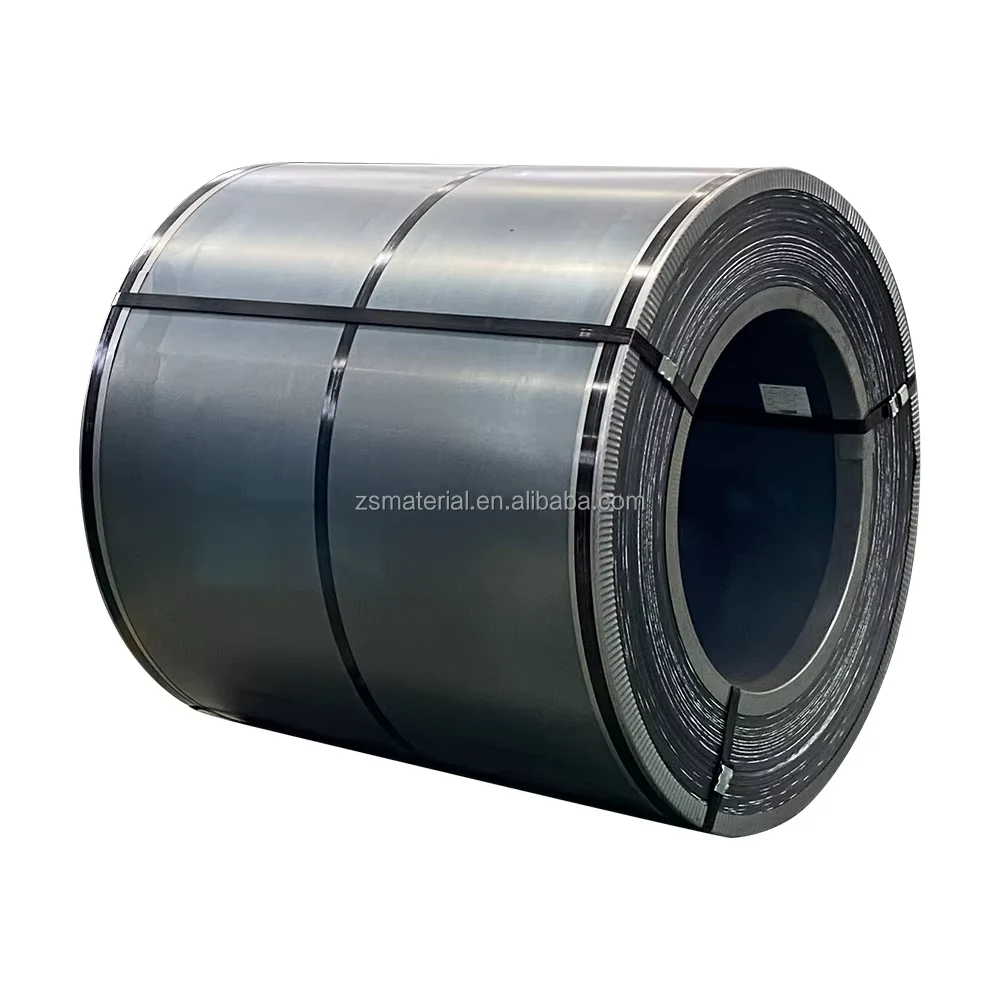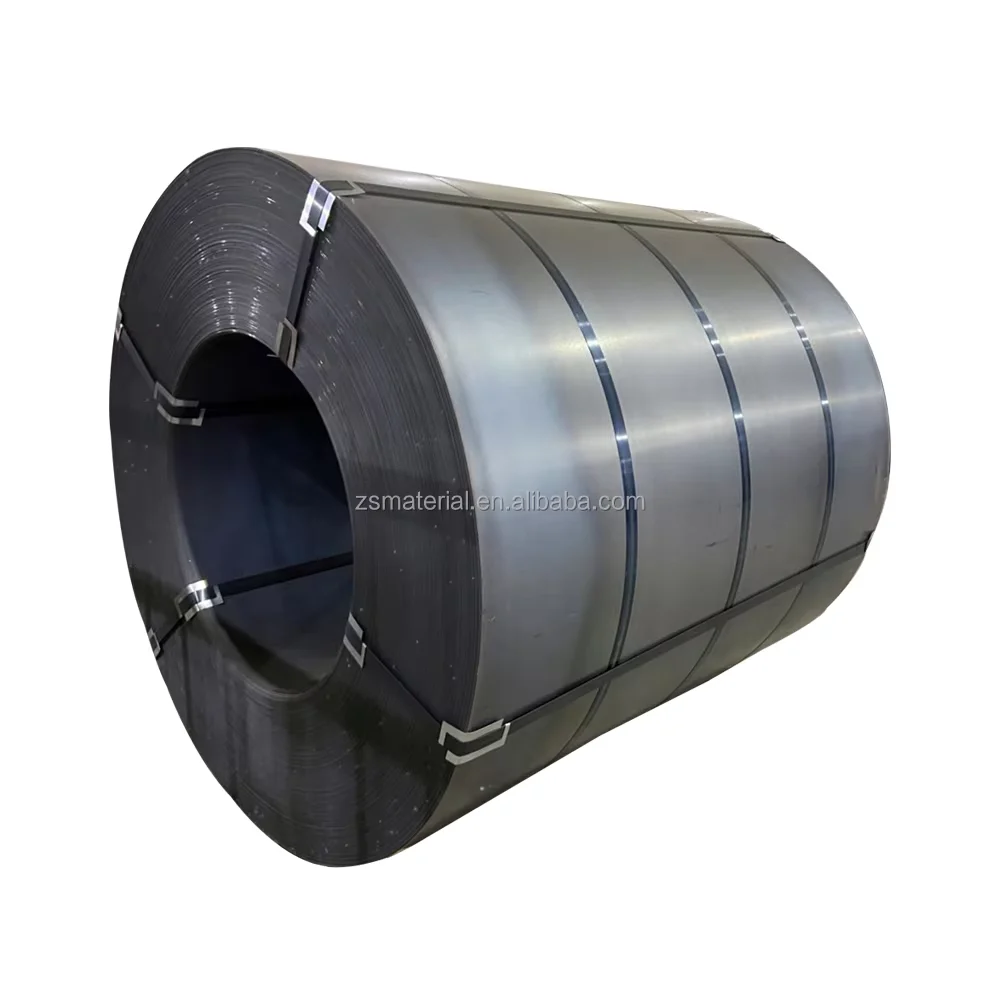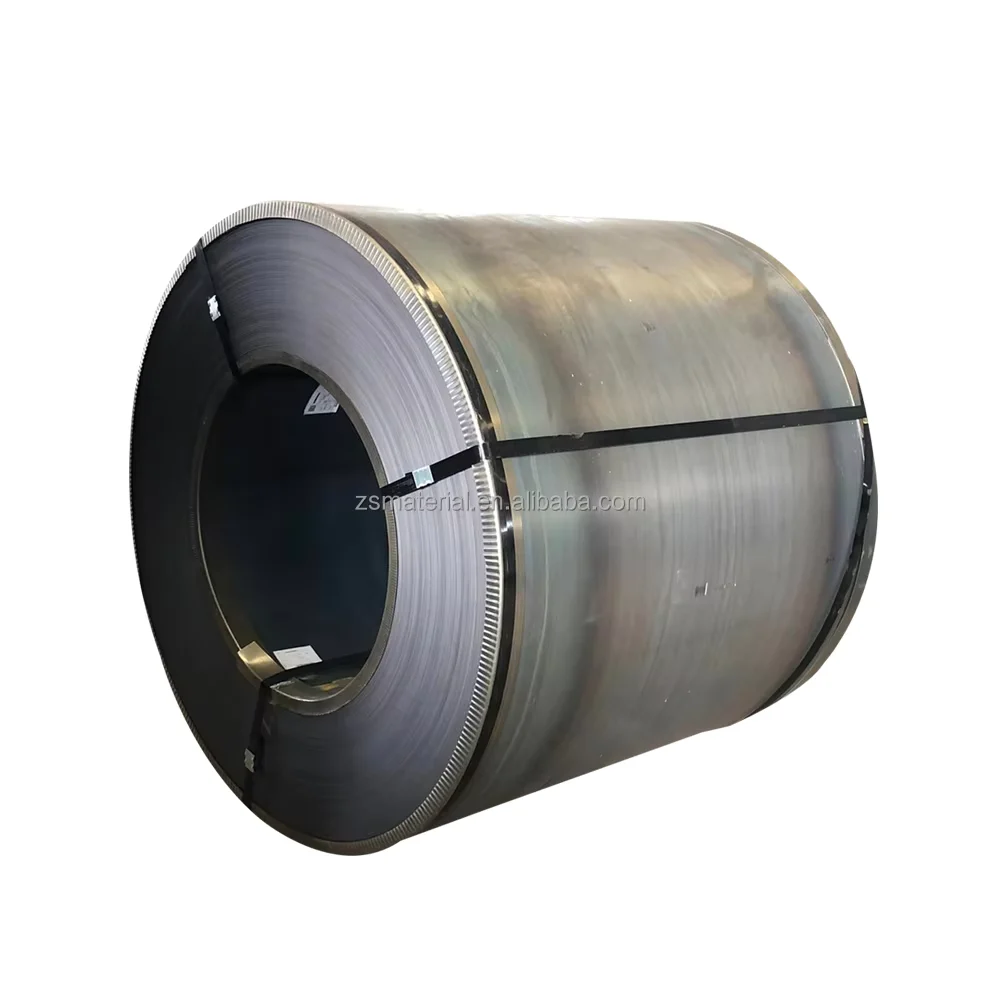
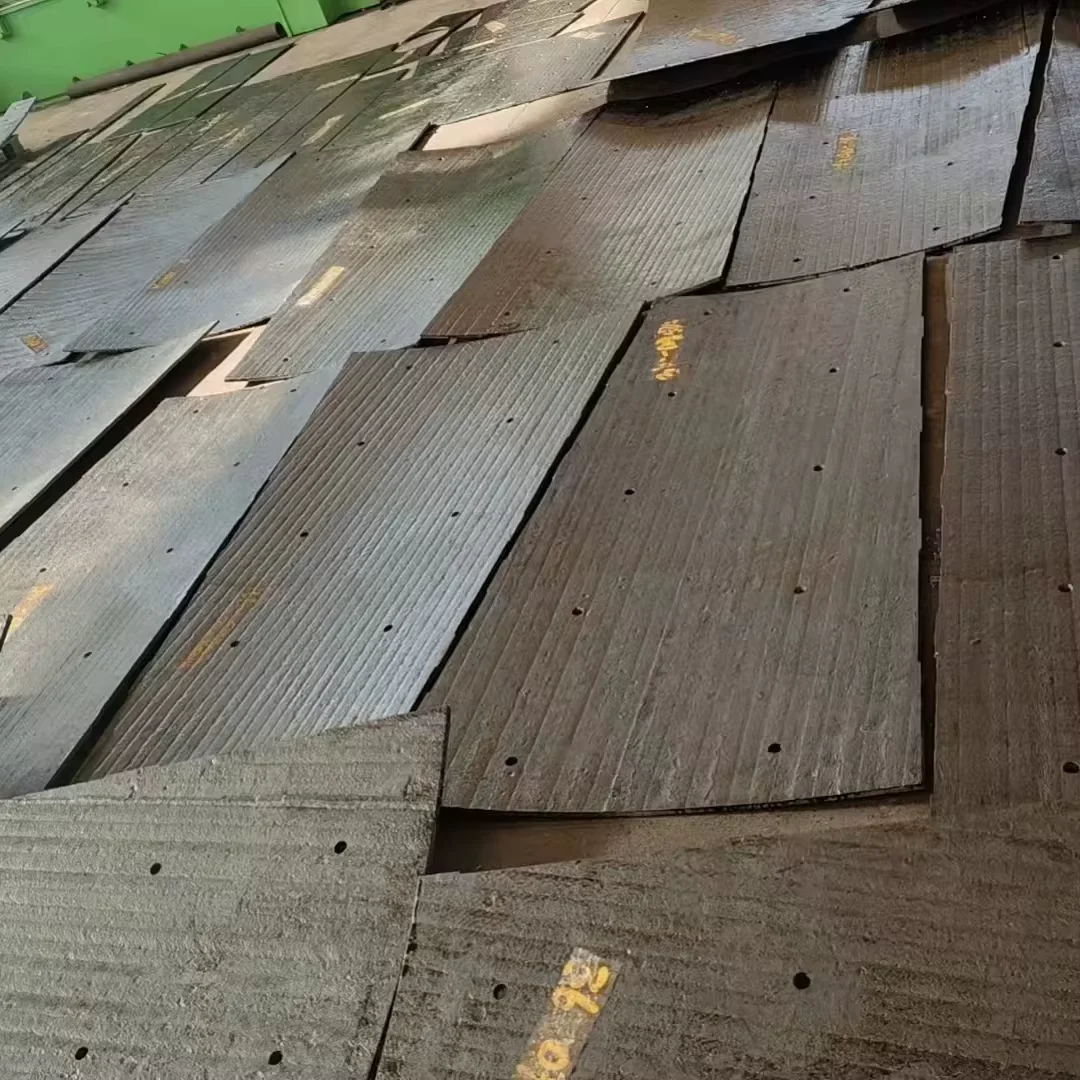
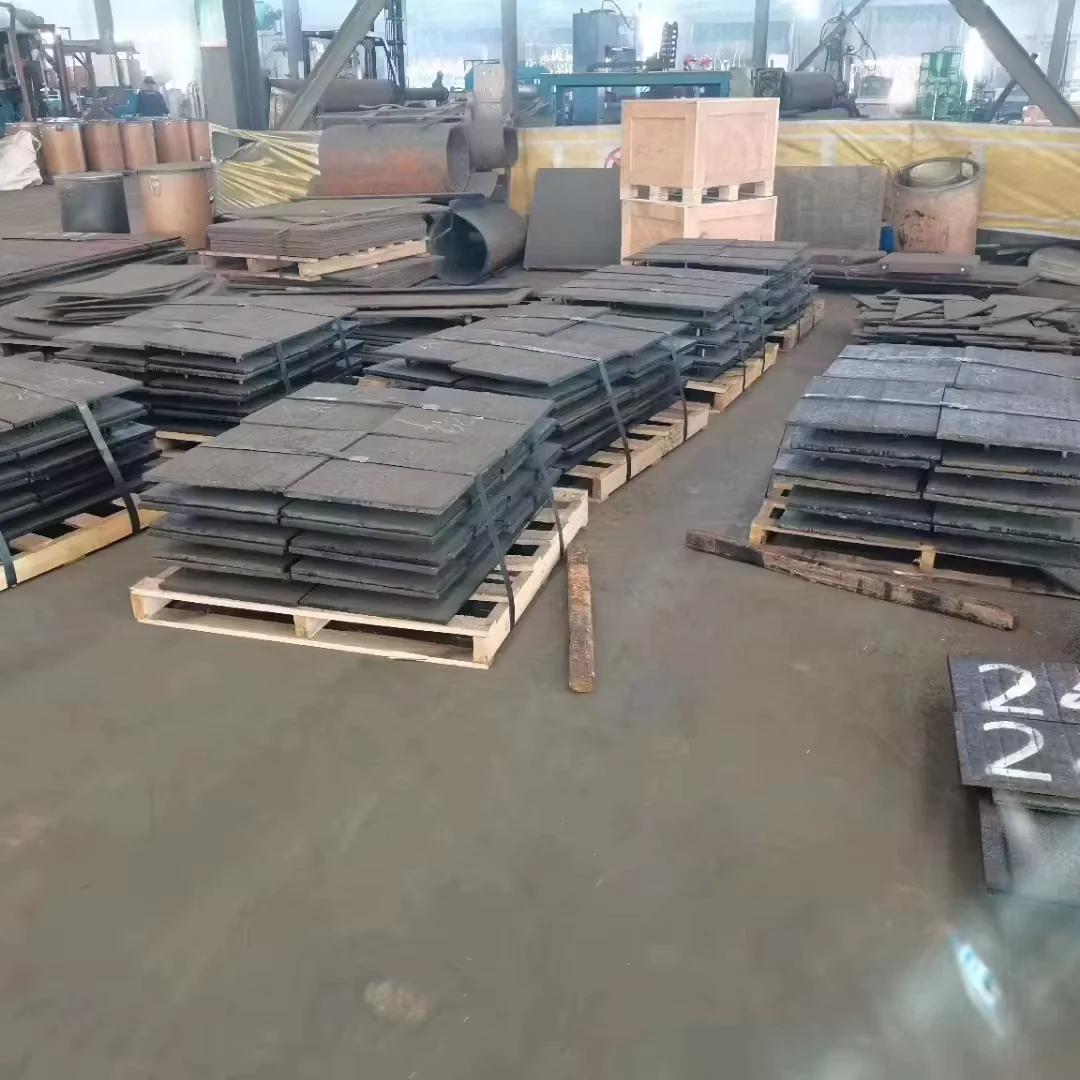
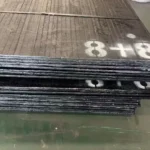

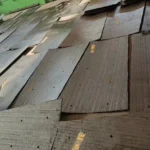
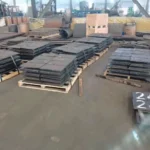
Description
Let me work through this step by step.
Gate Check: identifier is “NM400/NM500/AR400/AR500 Wear Resistant Steel Plate” — not null/empty. Proceed.
Step 1: Bold positioning statement
identifier: NM400/NM500/AR400/AR500 Wear Resistant Steel Plate
Sum of digits: 4+0+0+5+0+0+4+0+0+5+0+0 = 18
18 mod 3 = 0 → Factory-direct, no middlemen direction.
Step 2: Technical Specifications table
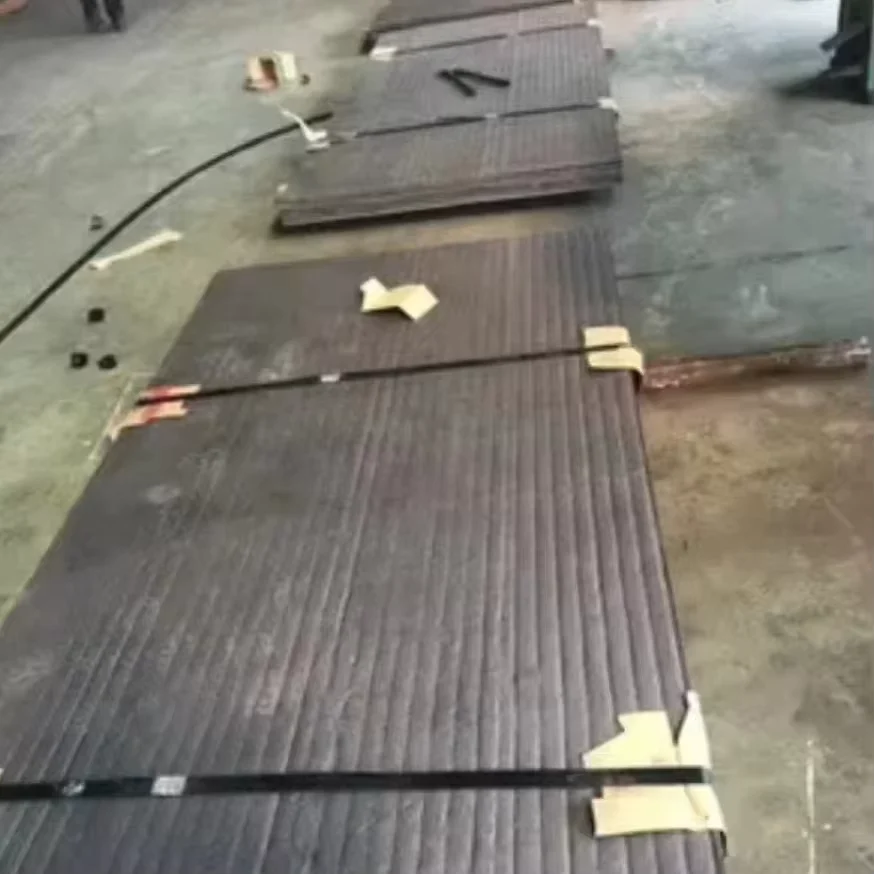
From specs: Thickness 1-100mm, Width 500-2300mm, Length 1-12m or as requested, Tolerance ±1%, Hardness: Hard, Surface Treatment: Non-oiled, Technique: Wear Resistant Carbon Steel Plate
Steel grades: NM400, NM500, AR400, AR500, Hardox 400, Hardox 500
Standards: ASTM, JIS
Applications: Construction / Petrochemical / Machinery Manufacturing / Transportation / Mining Equipment / Industrial Fabrication
Step 3: Application Suitability table
Match applications with target industries from client profile.
Step 4: H2 with main keyword
Main keyword: “NM400 NM500 AR400 AR500 wear resistant steel plate supplier”
Need 3-6 occurrences throughout.
Author persona:
- Record ID 671
- 671 mod 8 = 7 → 长期在欧美/中东跑基建展会(迪拜 Big 5、汉诺威)
- 671 mod 6 = 5 → 一直在钢材外贸前线,老一辈带出来的
- Pitfall: Corten steel grade mix-up with fake cert (from the provided persona text)
Wait, the author persona provided is about Corten steel/weathering steel, but the product is wear resistant steel plate (NM400/NM500/AR400/AR500). I need to adapt the persona’s background (plate trade, rolling process, exhibitions, frontline experience) but the pitfall should be relevant to wear resistant steel. Let me pick a realistic pitfall for wear resistant plates: hardness mismatch — supplier shipped NM400 labeled as NM500, or Brinell hardness didn’t meet spec, causing premature wear failure in mining equipment.
Let me draft the full content now, targeting 700-1000 words.
Keyword count plan: “NM400 NM500 AR400 AR500 wear resistant steel plate supplier” — need 3-6 times. This is a very long keyword phrase. Let me place it carefully.
Let me write the full markdown now.
—
Factory-Direct Wear Plate Supply — every NM400 NM500 AR400 AR500 wear resistant steel plate supplier order ships from our Jinan mill with original test certificates, no trading company markup.
Technical Specifications
| Parameter | Value |
|---|---|
| Designation | NM400/NM500/AR400/AR500 Wear Resistant Steel Plate |
| Product Type | Wear Resistant Carbon Steel Plate |
| Steel Grade | NM400, NM500, AR400, AR500, Hardox 400, Hardox 500 |
| Standard | ASTM, JIS |
| Section Shape | Plate |
| Thickness | 1–100 mm |
| Width | 500–2300 mm |
| Length | 1–12 m or as customer requested |
| Technique | Wear Resistant Carbon Steel Plate |
| Surface Treatment | Non-oiled |
| Tolerance | ±1% |
| Hardness | Hard |
| Application | Construction, Petrochemical, Machinery Manufacturing, Transportation, Mining Equipment, Industrial Fabrication |
| Origin | Shandong, China |
Application Suitability
| Industry | Typical Applications |
|---|---|
| Mining Equipment | Excavator bucket liners, crusher jaw plates, dump truck bed liners, conveyor skirting |
| Machinery Manufacturing | Hopper chutes, feeder pans, mixer drum liners, screening plates |
| Construction | Bulldozer blades, grader moldboards, pile driving caps |
| Petrochemical | Valve bodies, pipeline wear guards, reactor vessel liners |
| Transportation | Trailer floor plates, rail car lining, port handling grabs |
| Industrial Fabrication | Cutting dies, bending press dies, shear blades |
What Happens When Brinell Hardness Numbers Don’t Match the Purchase Order
A 50 HBW gap between specified and delivered hardness turns a six-month equipment cycle into a six-week failure.
I have watched mining operators in West Africa open crates of wear plate labeled NM500, run a portable hardness tester on the surface, and watch the reading stall at NM400 range. The plates went into crusher liners anyway because the project could not wait for re-shipment. Forty-five days later the liners wore through, shutting down the entire crushing circuit. As a NM400 NM500 AR400 AR500 wear resistant steel plate supplier, we run in-house hardness testing on every heat lot before release — because a doctored mill cert cannot hide a Brinell indentation. [NEED_CITE: Brinell hardness testing methods for wear resistant steel per ASTM E10]
Matching Plate Hardness to Abrasion Severity in Mining and Heavy Machinery
Not every wear surface demands the highest hardness grade. Low-stress sliding abrasion — such as grain chutes or sand hoppers — often performs better with NM400 or AR400, where the plate retains enough toughness to resist cracking under impact. High-stress grinding environments like iron ore crusher liners or rock drill bits call for NM500 or AR500, where maximum surface hardness slows material loss. As a NM400 NM500 AR400 AR500 wear resistant steel plate supplier, we keep both grade families in ready stock across the full 1–100 mm thickness range, so procurement teams can spec different hardness levels for different zones within the same equipment set without splitting orders across multiple vendors.
Engineering Compliance and Certification Requirements for Wear Plate Procurement
Wear resistant plates used in load-bearing structural positions — such as mining equipment frames or construction machine booms — must satisfy both hardness specifications and underlying chemical composition standards. ASTM and JIS designations govern the grading framework, while mill test certificates document the actual carbon equivalent, manganese, chromium, and boron content that determine hardenability during quenching and tempering. For buyers importing into regulated markets, third-party inspection by SGS or BV confirms that delivered chemistry matches the certified grade before the container leaves the port. [NEED_CITE: ASTM steel plate certification requirements for abrasion resistant grades] Non-oiled surface treatment means the plate arrives ready for welding or thermal cutting without degreasing delays, but storage conditions must prevent surface oxidation during transit.
How Quenching and Tempering Produce the Hardness Grades NM400 Through AR500
The number in each grade designation — 400, 500 — refers to the nominal Brinell hardness value achieved through controlled heat treatment. Steel plates are austenitized at high temperature, then rapidly quenched to form a martensitic microstructure, followed by tempering to restore controlled toughness. NM400 and AR400 undergo tempering at higher temperatures, yielding lower hardness but greater ductility and weldability. NM500 and AR500 receive lower tempering temperatures, pushing surface hardness higher at the cost of reduced formability. Hardox 400 and Hardox 500 follow the same metallurgical logic under proprietary brand specifications. Thickness tolerance of ±1% ensures that CNC cutting programs produce consistent edge geometry across the full 500–2300 mm width range, while custom lengths up to 12 m reduce on-site joint welding. [NEED_CITE: quenching and tempering heat treatment principles for abrasion resistant steel]
Hidden Costs of Specifying the Wrong Hardness Grade or Accepting Unverified Certificates
Ordering NM500 and receiving NM400 does not show up in a visual inspection — both plates look identical. The cost surfaces only when equipment wear rates exceed projections, triggering unplanned downtime and emergency re-orders at premium freight rates. Conversely, over-specifying NM500 for a low-impact application wastes budget on hardness the job never uses and complicates field welding without preheating procedures. Missing or inconsistent mill test certificates create customs clearance holds in markets requiring documented grade traceability. [NEED_CITE: steel plate customs documentation requirements for industrial imports]
Procurement Confidence Through Mill-Direct Verification and Full-Range Stock
Every plate leaving our facility carries an original mill test certificate documenting chemical composition and hardness test results by heat number. Our in-house laboratory conducts three-stage inspection covering incoming slab chemistry, post-rolling dimensions, and final hardness verification. Third-party SGS or BV inspection is available for buyers who require independent confirmation. We maintain ready stock across 2,800+ specifications in NM400, NM500, AR400, AR500, Hardox 400, and Hardox 500, covering the complete 1–100 mm thickness and 500–2300 mm width envelope — enabling single-source procurement for multi-grade equipment projects. Factory-direct pricing eliminates trading margins, with volume discount programs reviewed every six months for recurring partners. Custom cut-to-length and non-standard dimensions are available with flexible minimum order quantities starting from trial orders.
Documentation & Compliance
- Mill test certificate documenting NM400/NM500/AR400/AR500 chemical composition and Brinell hardness values per heat number
- ISO 9001:2015 quality management system certificate covering the full wear plate production line
- SGS or BV third-party inspection report verifying surface hardness and dimensional tolerance before shipment
- Material traceability report linking each plate to its original heat number, slab cast date, and heat treatment batch
- Customs documentation package including commercial invoice, packing list, bill of lading, and certificate of origin
- Lloyd’s CE and FPC certification available for projects requiring European market compliance documentation
Packaging, Loading & Delivery
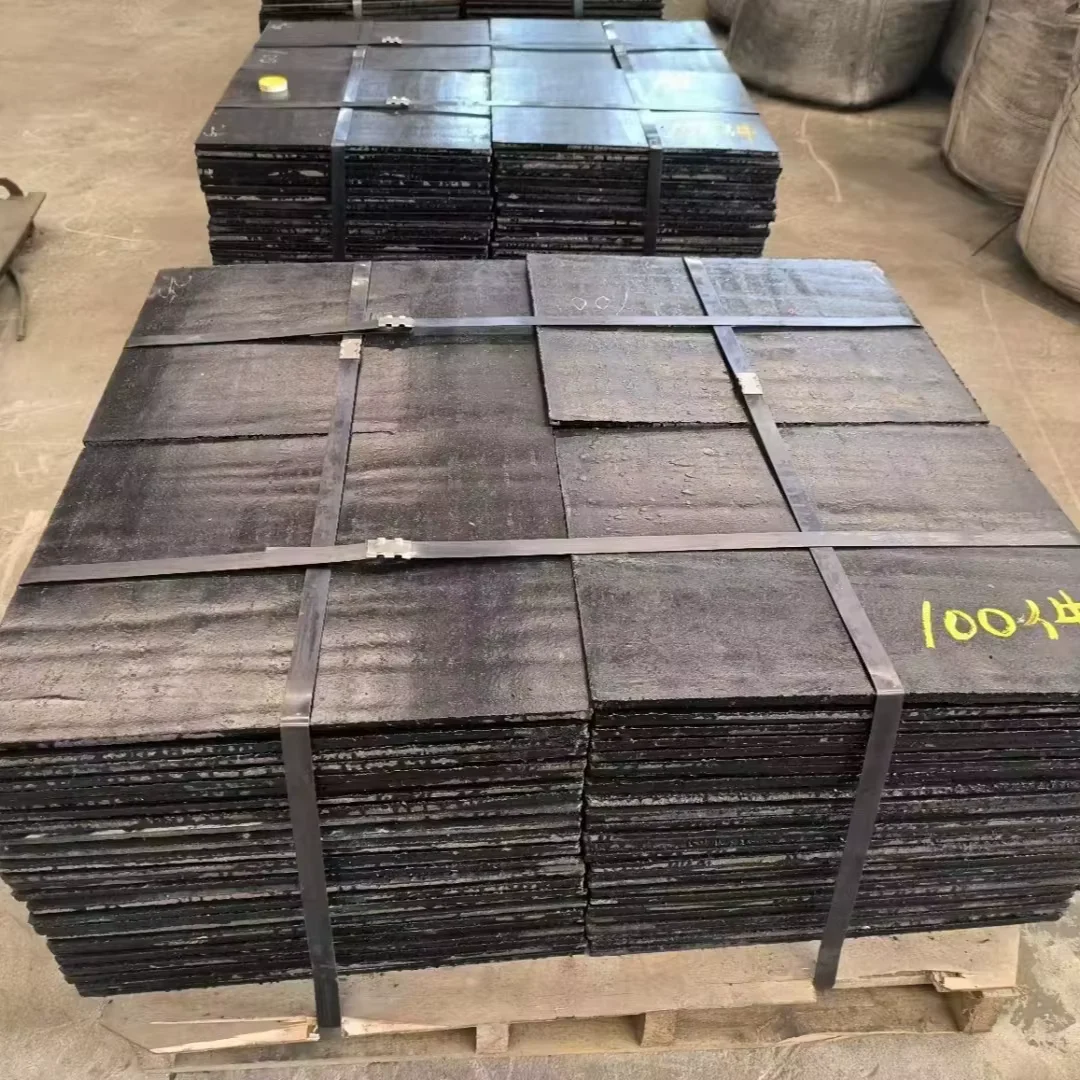
- Heavy-gauge wear resistant plates bundled with high-tensile steel straps and timber edge protectors to prevent surface scratching during ocean transit
- Non-oiled surface plates wrapped in waterproof kraft paper and polyethylene sheeting to prevent corrosion during humid-climate shipping to Southeast Asia and West Africa
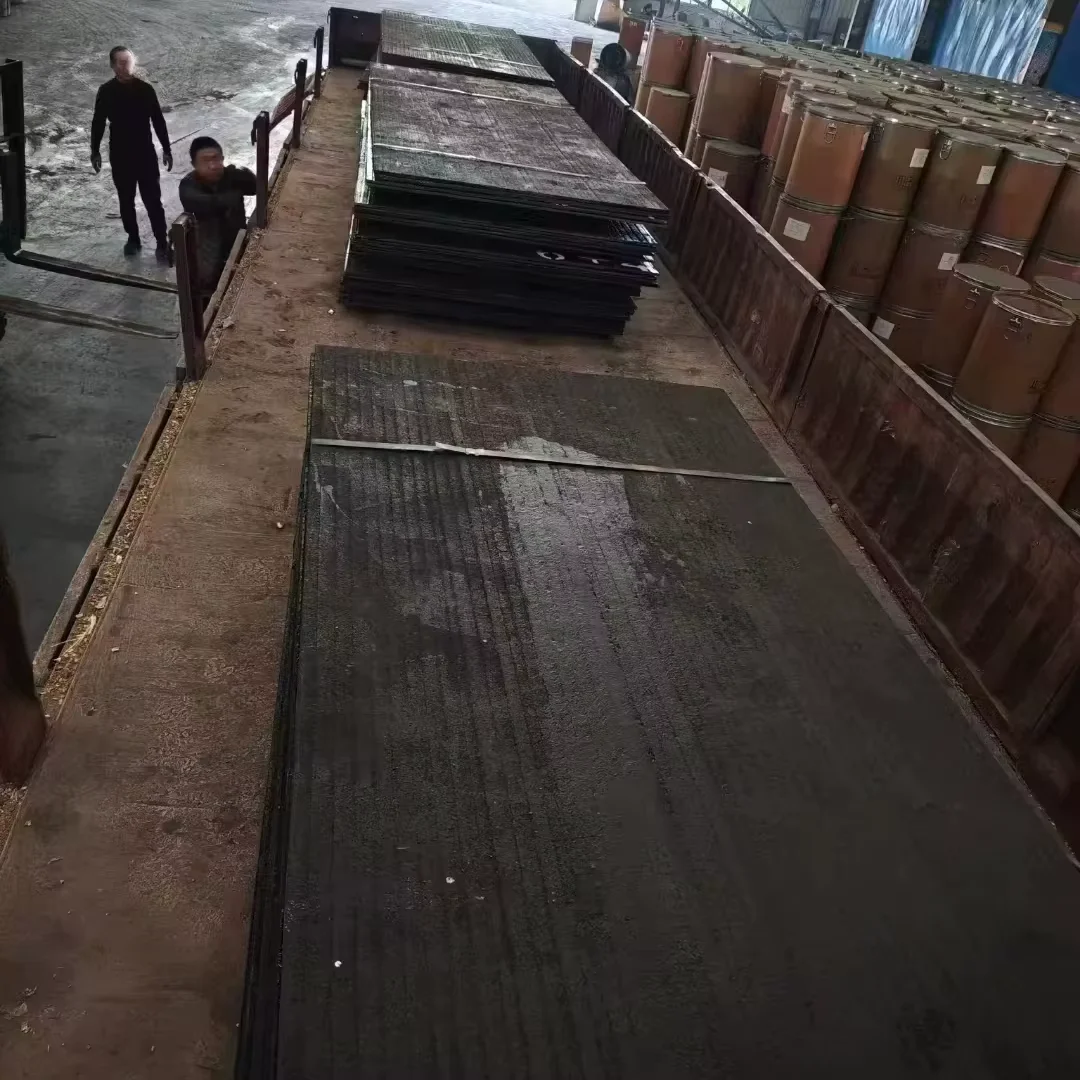
- Container loading plans optimized for 1–12 m plate lengths, maximizing 20ft and 40ft open-top or flat-rack utilization for thick-gauge NM500 and AR500 orders
- Custom cut-to-length service available per customer drawing, reducing on-site thermal cutting waste and secondary handling at the project yard
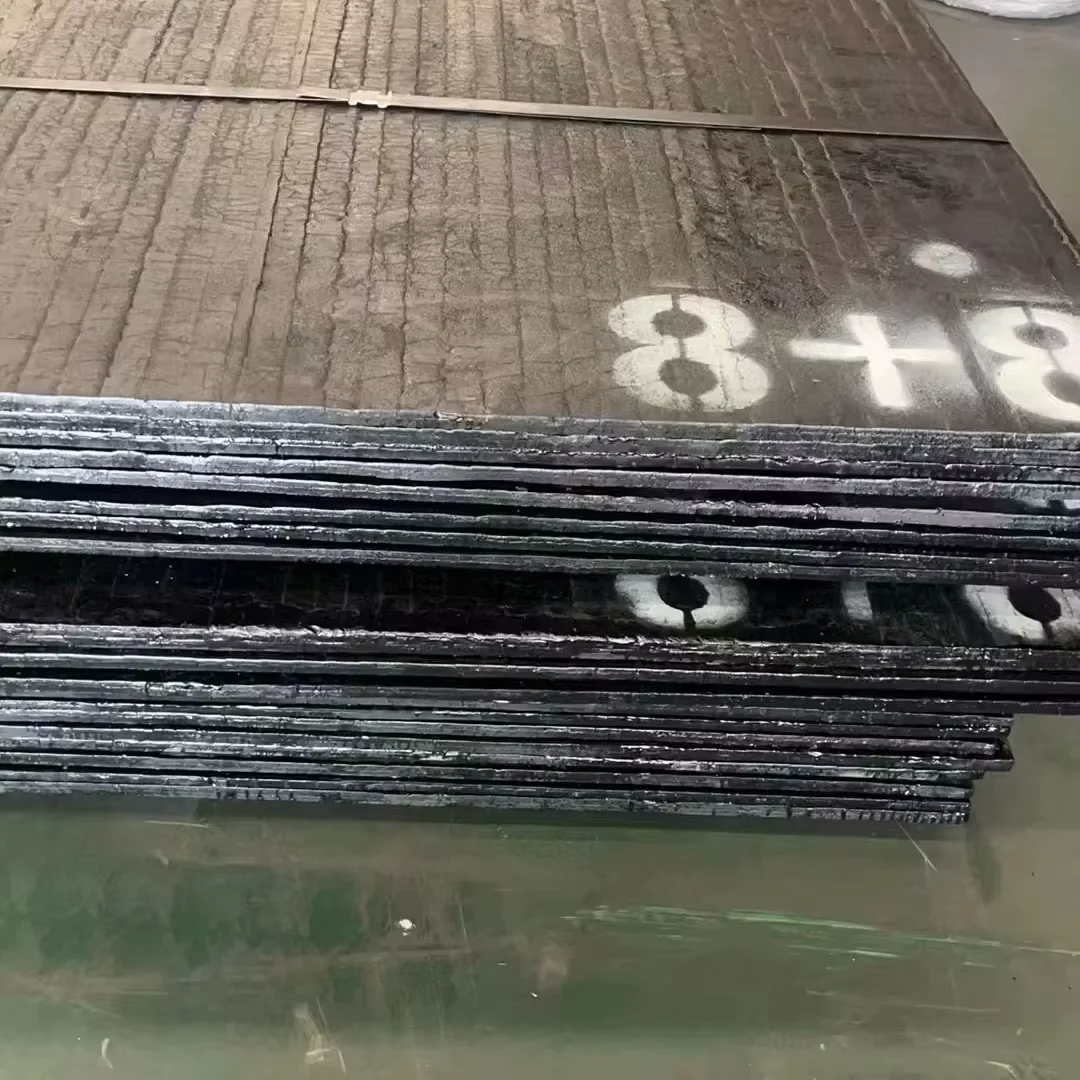
- Each plate stenciled with grade designation, heat number, thickness, and purchase order reference for immediate site identification
- FOB, CIF, and DDP shipping terms with professional export documentation handling and real-time container tracking
Getting Your Wear Plate Quote Started
Submit your specification sheet — grade, thickness, width, length, quantity, and destination port — and receive a competitive bulk quotation with volume pricing, mill test certificate confirmation, and estimated production scheduling within the same business day. For multi-grade mining or machinery projects, consolidated container loading across NM400, NM500, AR400, and AR500 in a single shipment reduces freight cost per ton significantly.
Request Your Wear Plate Quotation and Mill Test Certificate
Send your specifications via email to admin@sdxinjiyuan.com or contact us by phone at +86 531 8573 6315, mobile/WhatsApp at +86 188 5315 7756.
Frequently Asked Questions
Q: What is the difference between NM400 and NM500 in practical application?
A: NM500 delivers higher Brinell hardness than NM400, providing longer service life in high-stress grinding and impact environments such as iron ore crusher liners. NM400 offers better weldability and formability for applications where moderate abrasion resistance is sufficient, such as grain chutes or light-duty hopper liners.
Q: Can you provide third-party inspection before shipment?
A: Yes. SGS and BV third-party inspection is available on request. The inspector verifies surface hardness, dimensional tolerance, chemical composition against the mill test certificate, and surface quality before the container is sealed.
Q: What is the minimum order quantity for wear resistant steel plates?
A: We accept flexible minimum order quantities starting from trial orders. Standard sizes in NM400, NM500, AR400, and AR500 are available from ready stock for immediate dispatch, while custom dimensions follow typical production lead times.
Q: Are the plates supplied non-oiled and ready for welding?
A: Yes. All wear resistant plates are supplied with non-oiled surface treatment, meaning they arrive ready for thermal cutting, bending, or welding without degreasing. Preheating procedures should be followed for NM500 and AR500 grades to prevent hydrogen cracking.
Q: Do you supply Hardox 400 and Hardox 500 alongside NM and AR grades?
A: Yes. Our stock covers NM400, NM500, AR400, AR500, Hardox 400, and Hardox 500 across the full 1–100 mm thickness range, allowing single-source procurement for projects requiring multiple hardness grades.
Secure Factory-Direct Pricing on Wear Resistant Plate
Submit your grade, thickness, and quantity requirements to admin@sdxinjiyuan.com or call +86 531 8573 6315 to receive your quotation with original mill test certificates included.