
Description
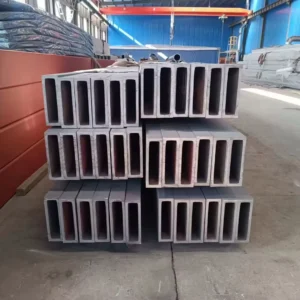
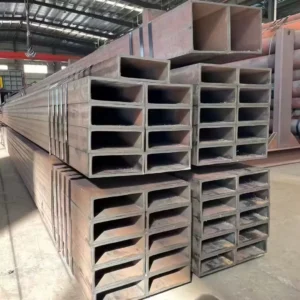
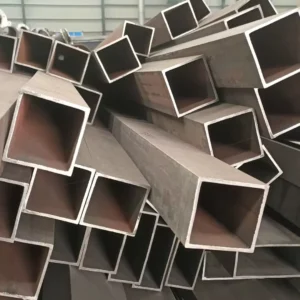
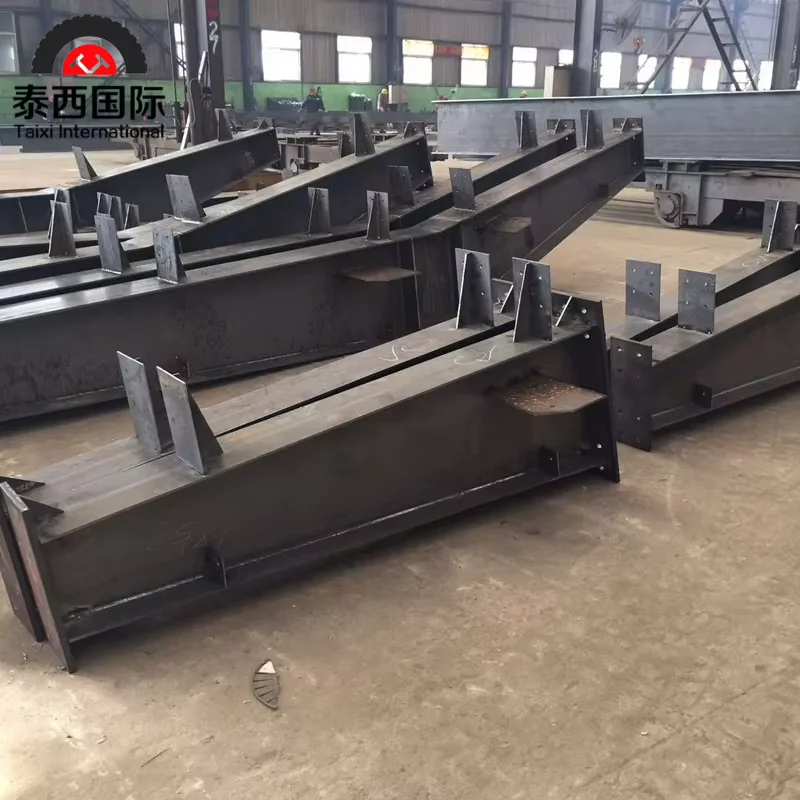
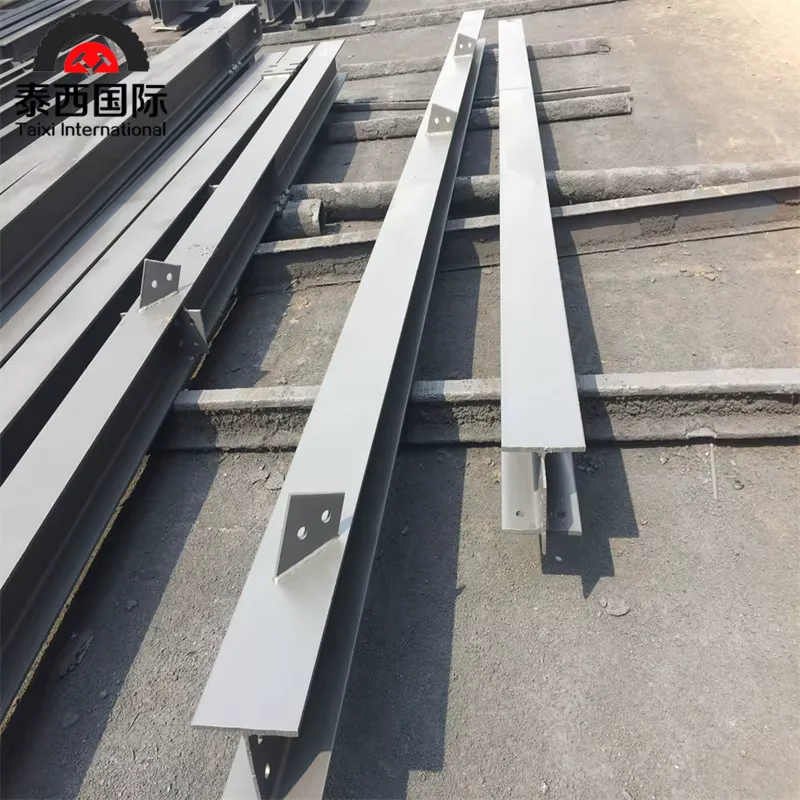
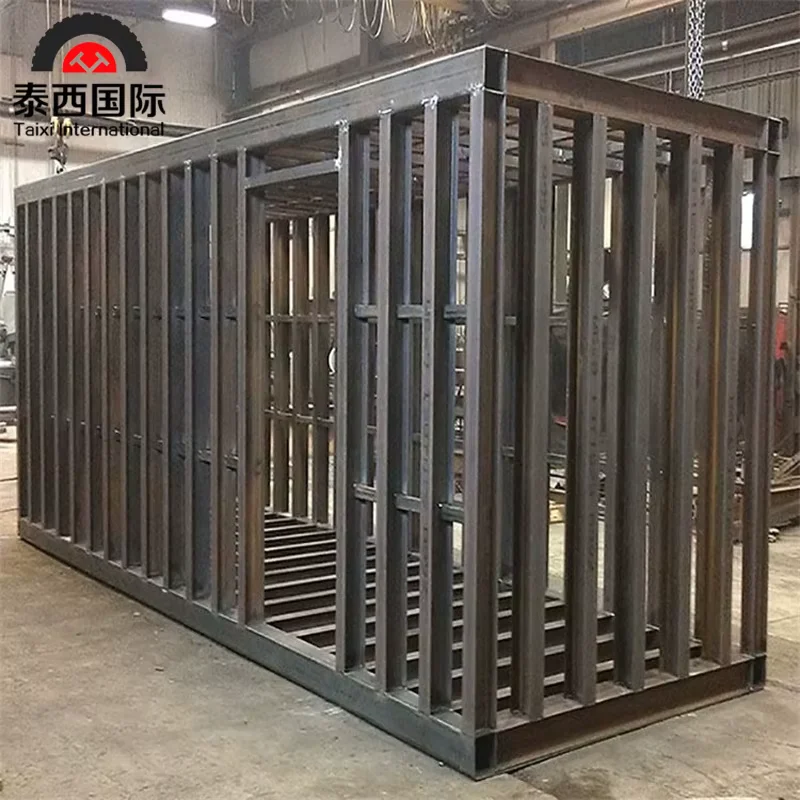
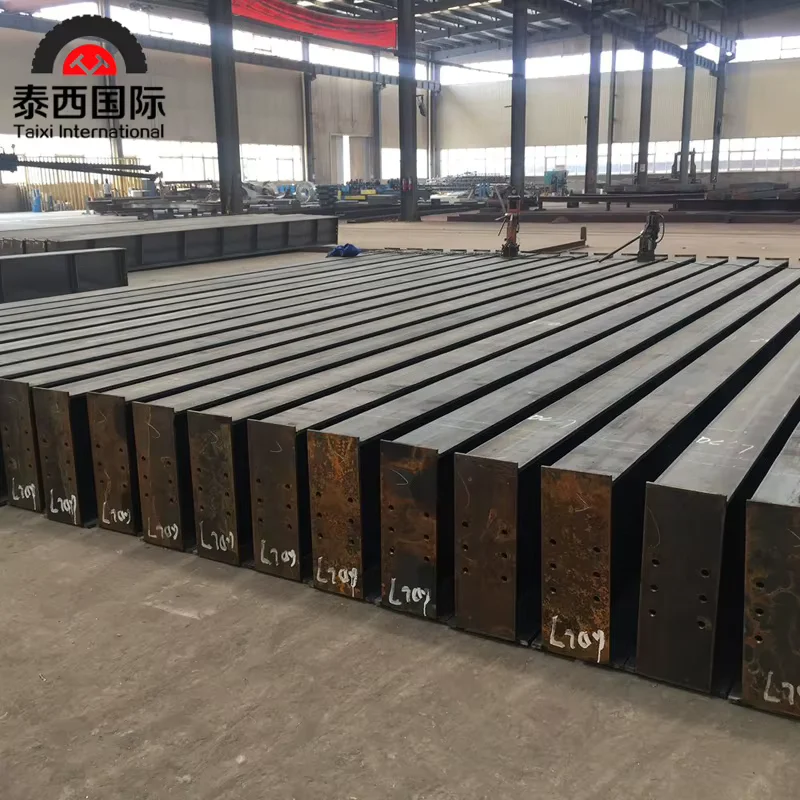
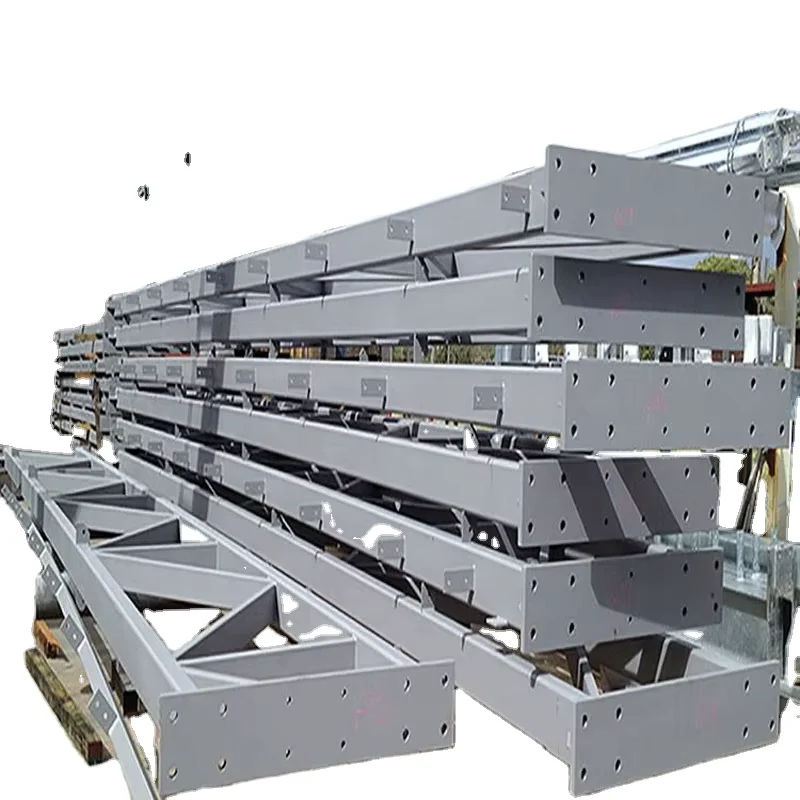
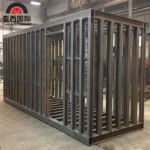
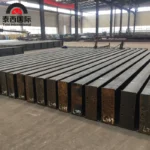
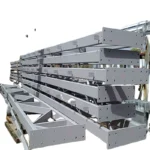
Factory-Direct Custom Fabrication — Every structural frame is manufactured in-house from raw plate to finished assembly, eliminating trading markups and ensuring direct quality control across laser cutting, bending, and fusion welding stages.
Technical Specifications
| Parameter | Value |
|---|---|
| Designation | Custom Fabricated Steel Structure Frame |
| Product Type | Fabricated Steel Structure |
| Steel Grade | Carbon Steel, Stainless Steel, Alloy Steel, Aluminum Alloy |
| Standard | ISO, DIN, AISI, ASTM, BS, JIS |
| Technique | Laser Cutting, Bending, Stamping, Fusion Welding |
| Surface Treatment | Powder Coating, Zinc Plating, Chrome-plating, Polishing, Spraying, Painting |
| Machining Precision | ±0.01~1.0mm |
| Drawing File Format | DXF, DWG, STEP, IGS, PDF |
| Service | OEM, ODM |
| Application | Industrial parts, Machinery parts, Construction parts, Structural steel construction, Factory warehouse frames, Agricultural machinery, Marine hardware, Mining machinery parts |
| MOQ | Small order accepted |
| Origin | Shandong, China |
Application Suitability
| Industry | Typical Applications |
|---|---|
| Industrial Construction | Factory warehouse frames, workshop portal frames, mezzanine support structures |
| Machinery Manufacturing | Equipment base frames, conveyor support structures, crane girder assemblies |
| Mining & Heavy Equipment | Crusher frame structures, vibrating screen supports, hopper and chute fabrication |
| Agricultural Machinery | Greenhouse structural frames, silo support columns, equipment shelter frames |
| Marine & Offshore | Deck structure fabrication, platform handrail posts, equipment mounting frames |
Where Fragmented Sourcing Drives Up Structural Frame Costs
Buying cutting, welding, and surface treatment from separate vendors adds coordination overhead and introduces tolerance stacking errors across fabrication stages.
When procurement teams source structural steel frames by splitting laser cutting at one facility, welding at another, and coating at a third, each handoff creates an opportunity for dimensional drift. A frame laser-cut to ±0.5mm tolerance may warp during transit to the welding shop, and weld shrinkage then compounds the deviation before powder coating masks surface imperfections rather than fixing them. The result is a structural assembly that arrives at the job site with misaligned bolt holes or uneven flange surfaces — forcing field rework that no amount of schedule buffering can absorb.
For buyers managing factory warehouse construction across multiple containers, this fragmentation also means dealing with three sets of mill certificates, three quality claims, and three different parties to hold accountable when a load-bearing joint fails inspection. [NEED_CITE: structural steel fabrication quality control in multi-vendor supply chains]
Matching Fabrication Precision to Warehouse Frame Load Requirements
Custom structural steel fabrication services for factory warehouse construction must account for the specific load paths and connection details that portal frame structures demand. Our fabrication workflow begins with DXF or STEP file interpretation, where nesting algorithms optimize plate utilization before laser cutting establishes the baseline dimensional accuracy of ±0.01mm for critical connection zones. Fusion welding then proceeds under WPS procedures matched to the base material — whether Carbon Steel requiring preheat control or Stainless Steel demanding interpass temperature limits — ensuring that residual stresses do not compromise the frame’s ability to carry crane loads or resist wind uplift. The complete fabrication chain from raw plate to powder-coated assembly eliminates the tolerance accumulation that occurs when components move between independent shops.
Engineering Compliance and Surface Protection for Structural Applications
Factory warehouse frames operate under sustained loading and environmental exposure that demand both structural code compliance and appropriate corrosion protection. Our fabrication adheres to dimensional tolerances referenced in EN 10219 for cold-formed sections and AWS D1.1 for welded connections, providing the traceability that engineering consultants require when certifying load-bearing capacity. [NEED_CITE: EN 10219 cold-formed hollow section dimensional tolerances] Surface treatment selection follows the exposure environment: Zinc Plating provides sacrificial protection for interior warehouse frames where humidity remains controlled, while Powder Coating over a zinc primer extends service life for exterior portal frames exposed to industrial atmospheres. For projects requiring CE marking under EN 10210/10219, we supply full factory production control documentation alongside mill test certificates that track each heat number through cutting, welding, and final assembly.
Steel Grade Selection and Process Control in Custom Fabrication
The choice between Carbon Steel, Stainless Steel, and Alloy Steel in structural frame fabrication reflects a balance between load capacity, corrosion resistance, and total lifecycle cost. Carbon Steel grades conforming to ASTM or EN standards offer the highest strength-to-cost ratio for warehouse frames where protective coatings isolate the material from corrosive agents. Stainless Steel becomes necessary when fabrication serves marine hardware or chemical processing facilities where chloride exposure would rapidly degrade coated carbon surfaces. Alloy Steel enters the specification when frames must support dynamic loads from mining machinery or vibrating equipment, where fatigue resistance and weld toughness take priority over initial material cost.
Our fusion welding processes adapt to each material system: short-circuit transfer for thin-gauge Carbon Steel minimizes distortion in warehouse purlin connections, while pulsed spray transfer on Alloy Steel maintains penetration in thick plate joints without excessive heat input. [NEED_CITE: welding procedure qualification for structural steel fabrication] Stamping operations produce connection brackets and gusset plates with consistent hole positioning, while bending forms curved rafters and column haunches that would otherwise require expensive segmented assembly. The machining precision of ±0.01mm on critical bore diameters ensures that pinned connections in bracing systems achieve the fit required for proper load transfer.
The Hidden Cost of Unverified Fabrication Quality
Accepting structural frames without independent material verification creates liability that extends far beyond the initial purchase price. When mill test certificates are missing or fabricated, engineering consultants cannot certify the structure — delaying occupancy permits and triggering costly load testing programs. [NEED_CITE: structural steel material certification requirements for building permits] Welds performed without qualified procedures may pass visual inspection but fail ultrasonic examination, forcing costly gouging and repair after the frame has been erected. Dimensional deviations that exceed tolerance limits prevent bolted connections from achieving design clamping force, compromising the frame’s ability to resist lateral loads. These failures rarely surface during fabrication; they emerge during erection or, worse, under service loads — when the cost of correction includes crane remobilization, schedule delays, and potential structural compromise.
Why Project Buyers Source Fabricated Frames Through Our Facility
Our fabrication capacity integrates three production lines running simultaneously, delivering monthly output exceeding 20,000 tons across all structural categories. Every batch of raw material carries original mill test certificates that we preserve through cutting, welding, and assembly — providing complete heat number traceability from plate to finished frame. For European projects requiring CE certification under EN 10210 or EN 10219, our factory production control system maintains the documentation that notified bodies audit during annual surveillance. Third-party inspection by SGS or BV is available at any production stage, with reports issued before container sealing.
We maintain ready stock of standard structural sections while custom orders for non-standard geometries proceed through our laser cutting and bending centers with typical lead times of 15–25 days. Our export team handles the documentation complexity that structural shipments demand: packing lists that reference heat numbers, bills of lading that match certificate of origin details, and loading plans that optimize container utilization for long-length frame components. Professional container loading with proper bracing prevents the structural deformation that occurs when heavy fabricated assemblies shift during ocean transit — a lesson learned from early shipments where inadequate securing arrived as bent beams at distant job sites.
Documentation & Compliance
- Mill test certificate documenting chemical composition and mechanical properties for each heat of Carbon Steel, Stainless Steel, or Alloy Steel used in the fabricated frame
- CE certificate under EN 10210/EN 10219 for hot-finished or cold-formed structural hollow sections incorporated into the assembly
- ISO 9001:2015 quality management certificate covering the complete fabrication process from material receipt through final inspection
- SGS or BV third-party inspection report verifying dimensional accuracy, weld quality, and surface treatment thickness before shipment
- Material traceability register linking each frame component to its original heat number and mill test certificate
- Customs documentation package including packing list with heat number references, bill of lading, and certificate of origin
Packaging, Loading & Delivery
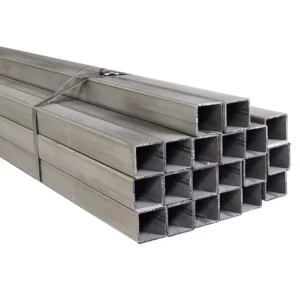
- Fabricated frames bundled with high-tensile steel straps and edge protectors to prevent powder coating or zinc plating damage during handling and transit
- Surface-protected components wrapped in VCI paper or heat-shrink film when shipping Stainless Steel or polished finishes to prevent surface contamination
- Container loading optimized for long-length warehouse frame components, with custom cradles and timber blocking to prevent shifting during ocean freight
- Cut-to-length service available for frame components, with standard lengths up to 12 meters for portal frame rafters and column sections
- Each frame component marked with heat number, steel grade, and piece mark for erection sequencing, applied by low-stress stamping or durable paint stenciling
- Shipping terms available as FOB, CIF, or DDP, with door-to-door logistics coordinated for project sites requiring just-in-time delivery sequences
Initiating Your Structural Frame Procurement
Submit your fabrication requirements — including DXF/DWG/STEP drawings, steel grade specification, surface treatment preference, and destination port — to receive a competitive quotation with volume pricing and mill test certificate documentation. Our engineering team reviews each inquiry within 12 hours, confirming fabrication feasibility, tolerance achievability, and delivery scheduling before you commit to a deposit. For projects requiring CE certification or third-party inspection, we confirm documentation availability and inspection timing within the initial quotation response.
Start Your Custom Fabrication Inquiry
Send your drawings and specifications to receive a detailed quotation with material certification and delivery scheduling.
Contact: Shandong Xin Jiyuan Special Steel Tube Co., Ltd
Email: admin@sdxinjiyuan.com
WhatsApp/WeChat: +86 188 5315 7756
Tel: +86 531 8573 6315