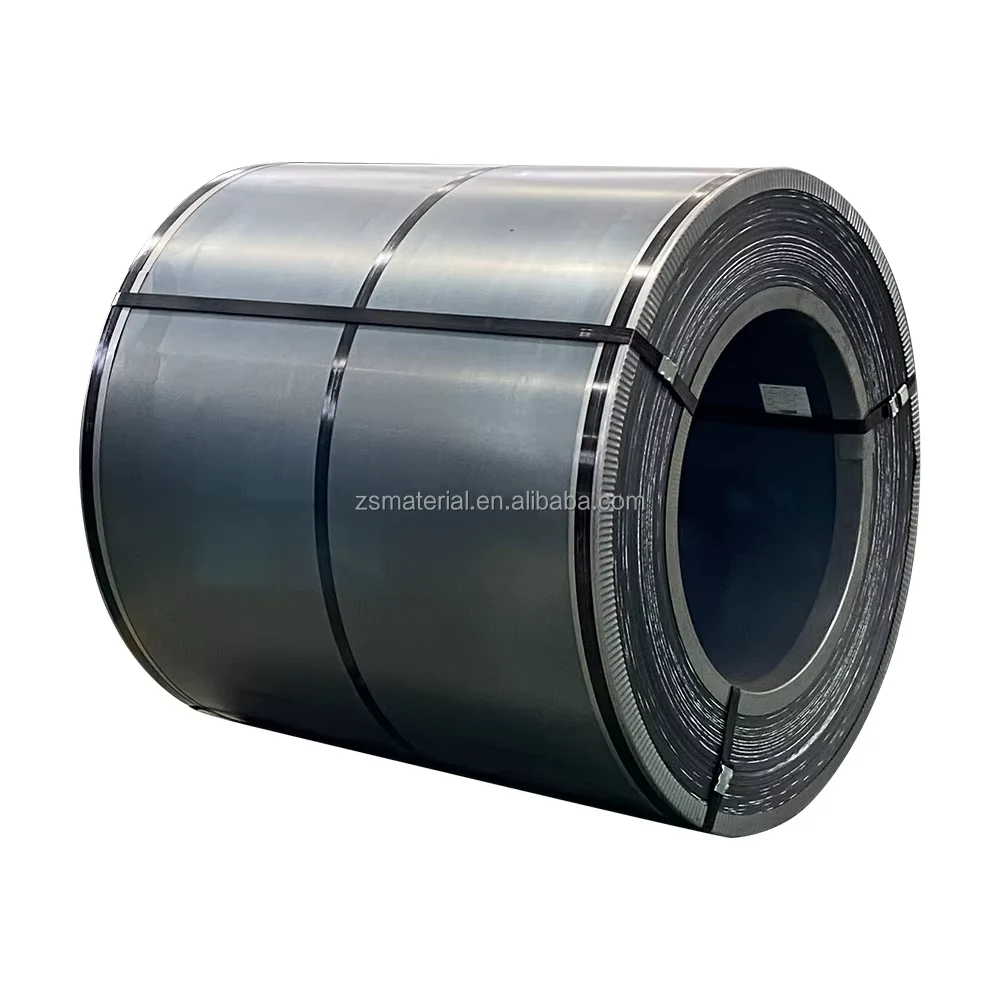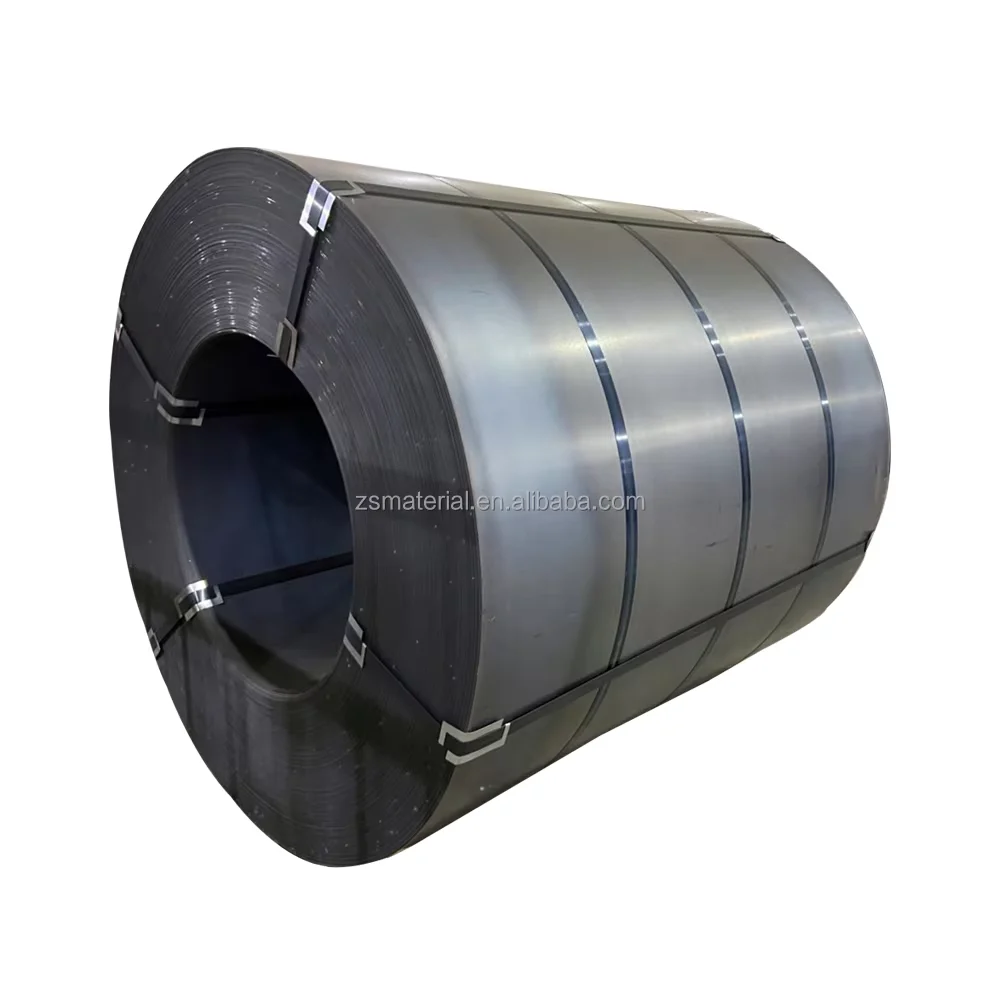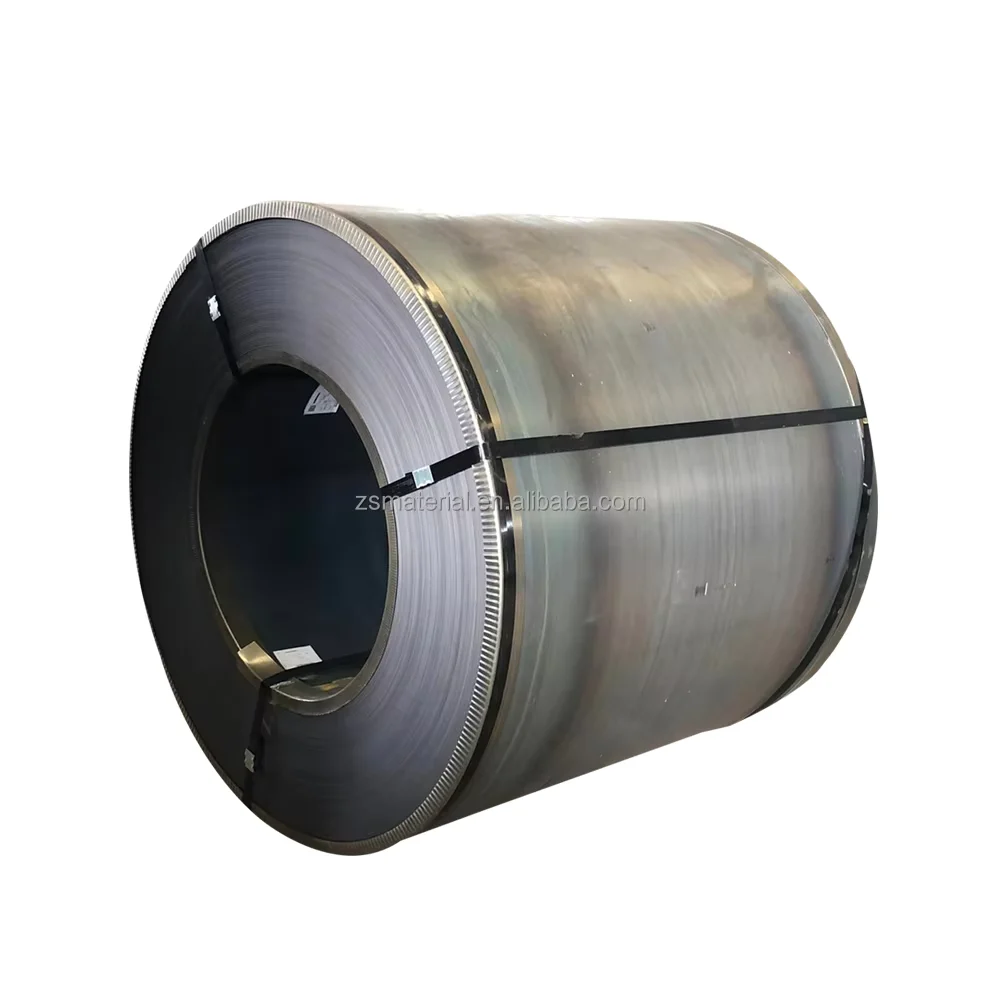
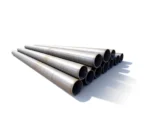
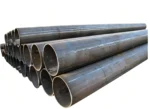
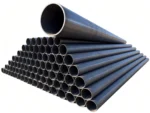
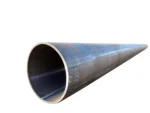
Description
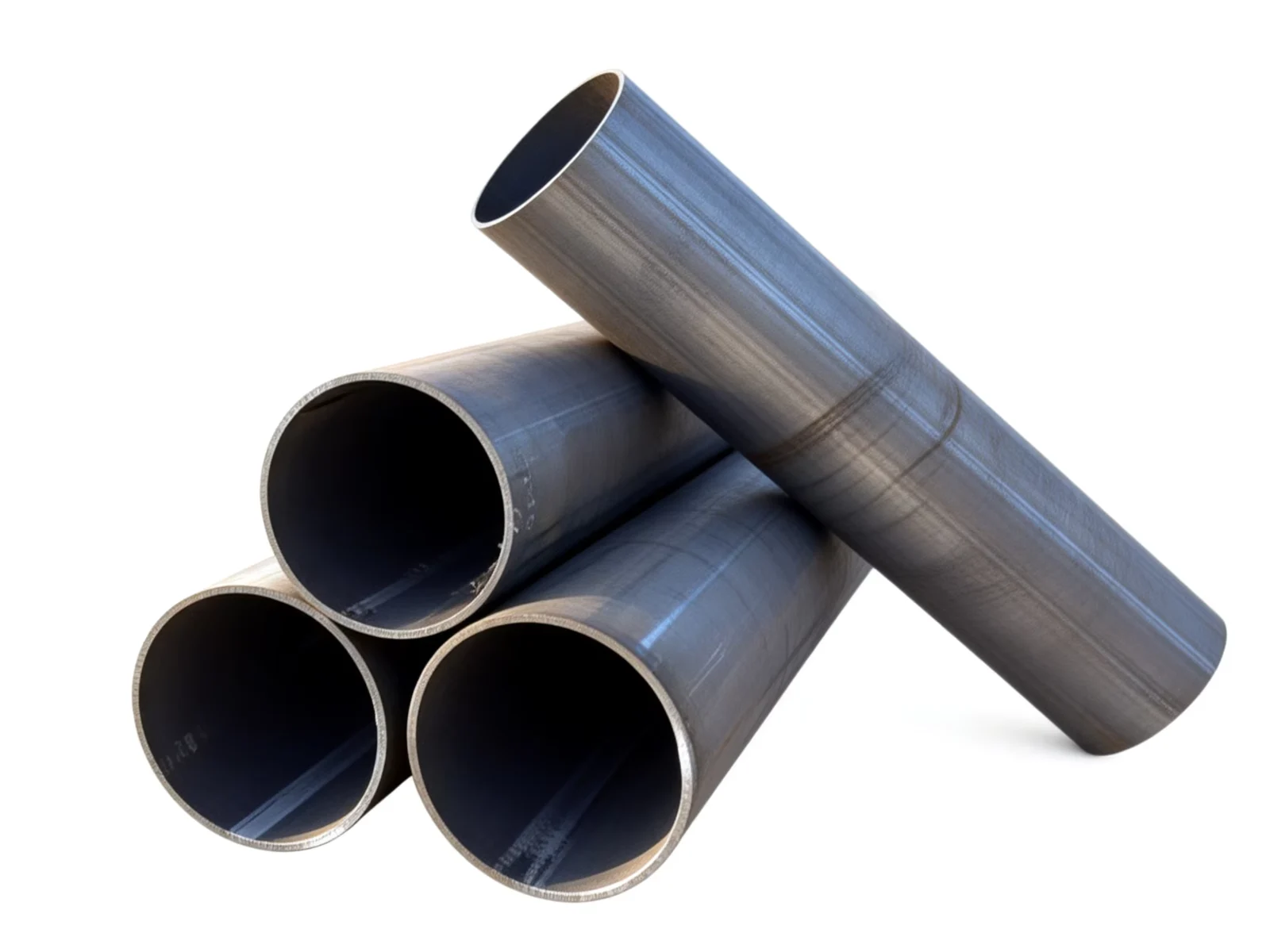
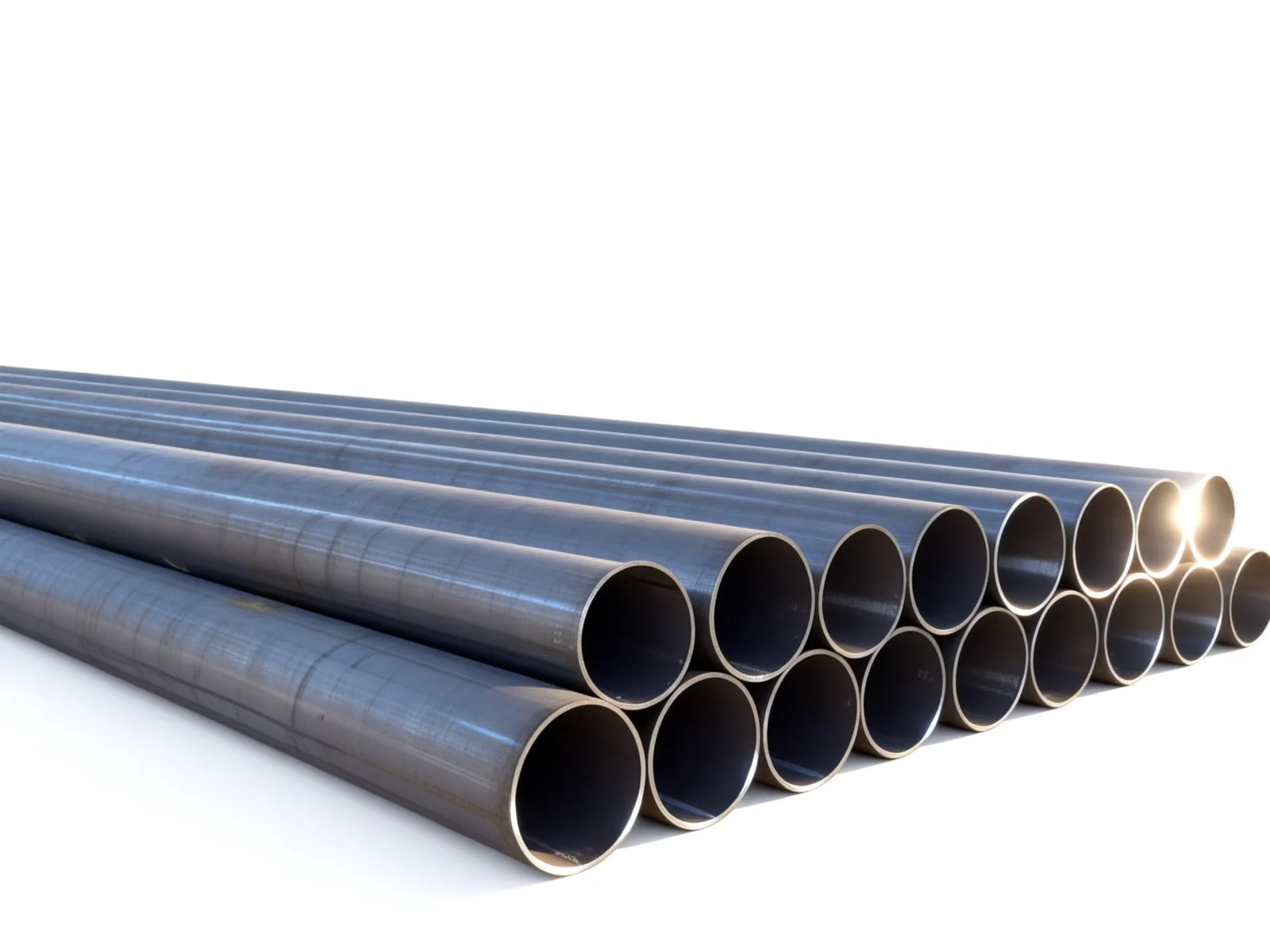
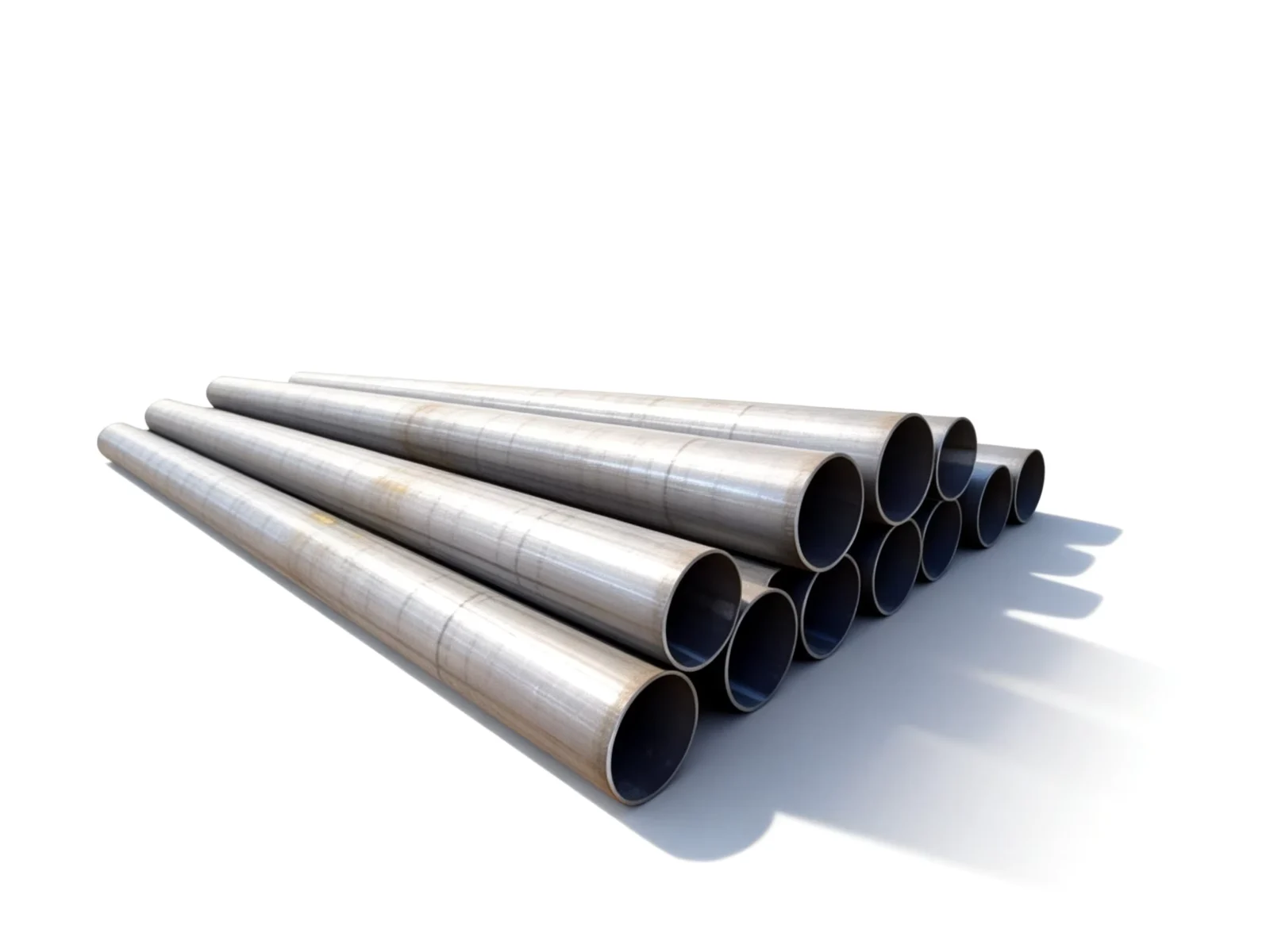
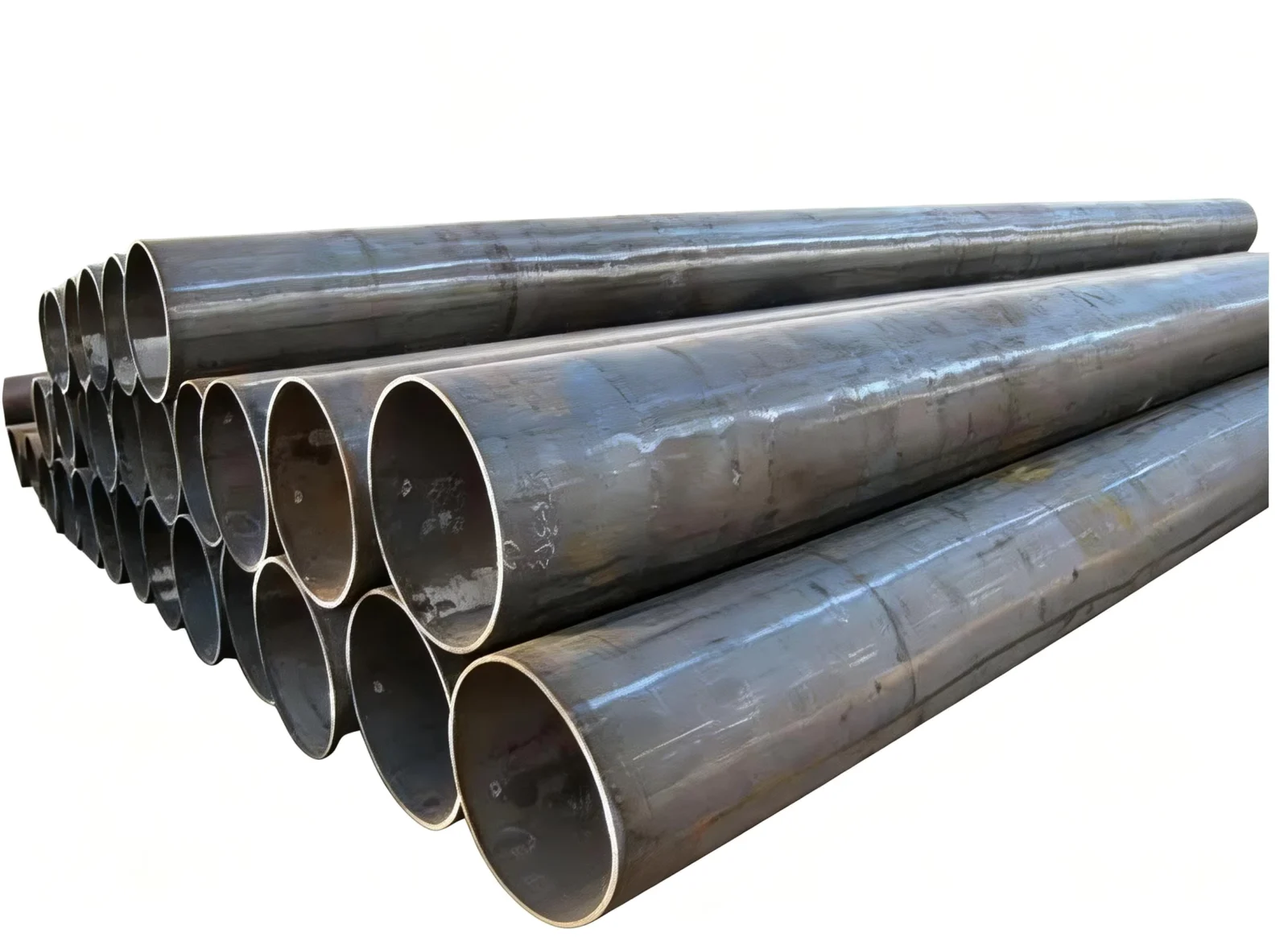
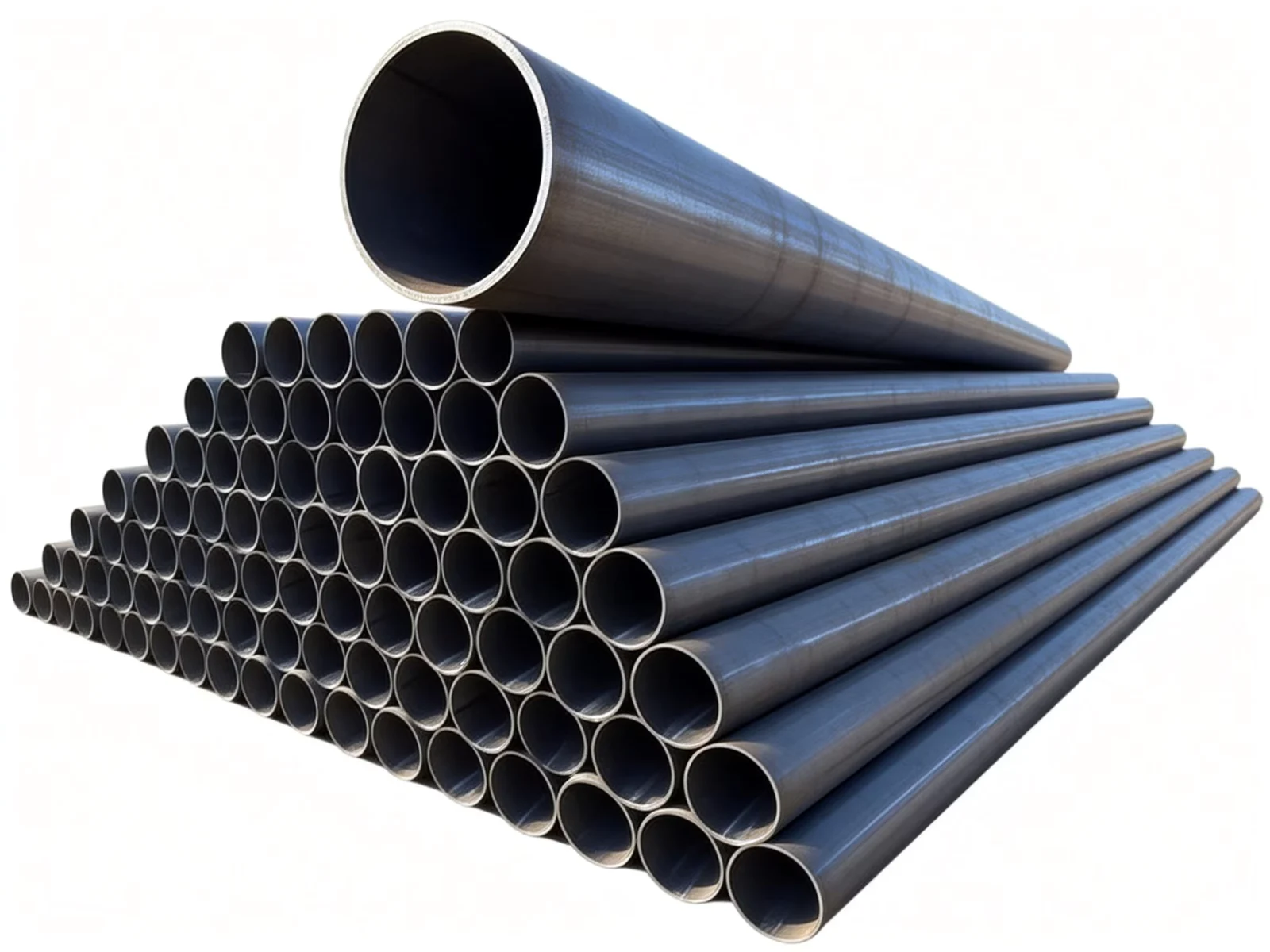
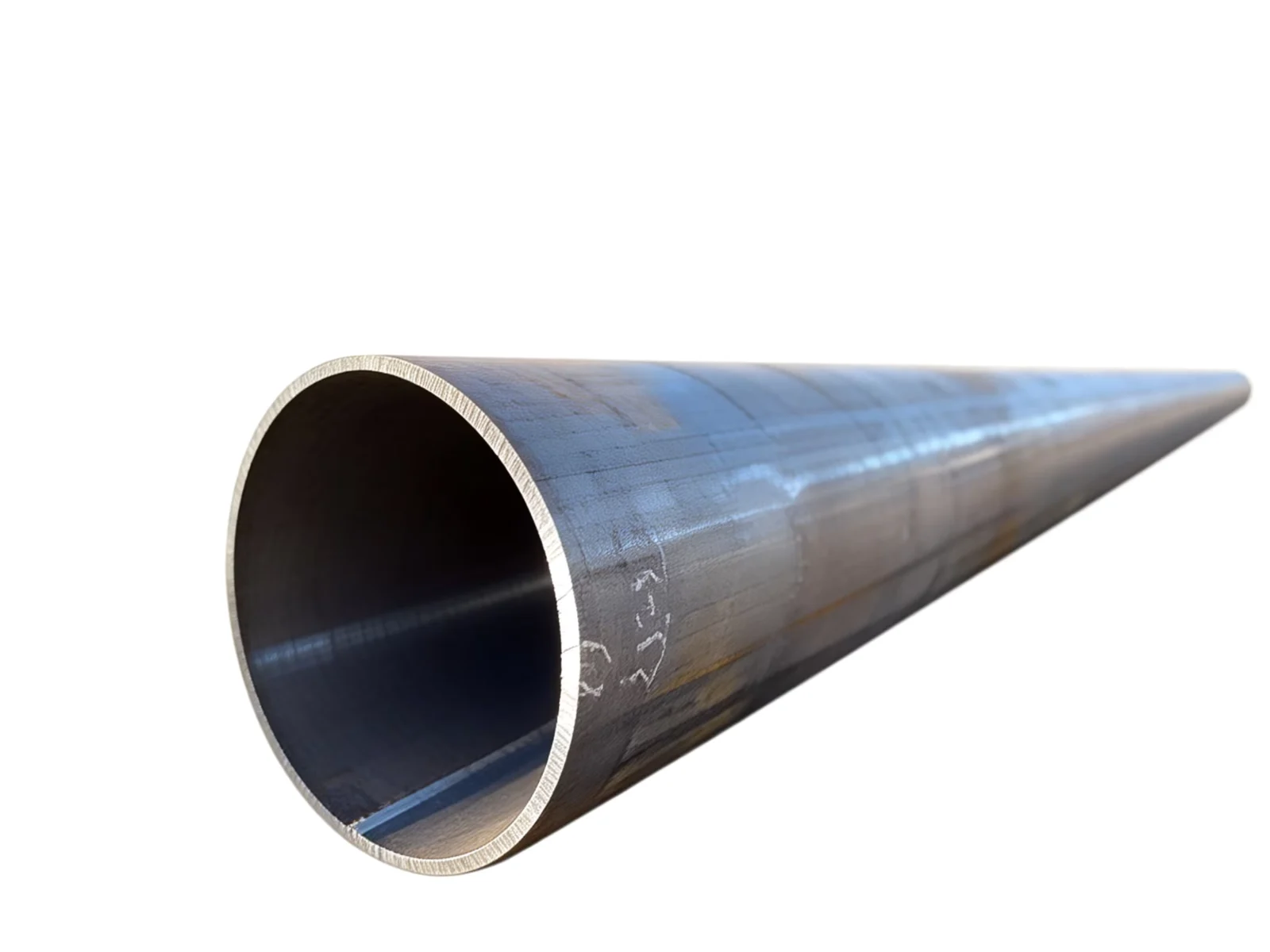
Factory-Direct GB ERW Pipe Supply — Carbon Steel ERW Round Steel Pipe GB Standard OD 21.3-1219.2mm shipped directly from our Jinan production lines with original mill test certificates for every heat number.
Technical Specifications
| Parameter | Value |
|---|---|
| Designation | Carbon Steel ERW Round Steel Pipe GB Standard |
| Product Type | Round Steel Pipe / ERW Steel Pipe |
| Steel Grade | Carbon Steel (Non-Alloy) |
| Standard | GB |
| Section Shape | Round |
| Size Range | OD 21.3–1219.2 mm (0.84–48 in) |
| Technique | ERW (Electric Resistance Welded) |
| Surface Treatment | Hot Rolled |
| Tolerance | ±1% |
| Oiled or Non-oiled | Non-Oiled |
| Processing Service | Bending, Cutting |
| Delivery Time | 15–21 days |
| Invoicing | By Actual Weight |
| Application | Fluid Pipe |
Application Suitability
| Industry | Typical Applications |
|---|---|
| Municipal Infrastructure | Water supply pipelines, drainage systems, fire protection networks |
| Industrial Plants | Process fluid transport, cooling water circulation, compressed air lines |
| Construction & Structural | Column supports, truss members, equipment frames |
| Mechanical Manufacturing | Hydraulic cylinders, roller conveyors, machine base structures |
Where GB Standard Compliance Determines Project Acceptance
Material traceability and dimensional accuracy separate compliant batches from rejected shipments.
When procurement teams source GB standard carbon steel ERW round pipes from fragmented suppliers, the most common failure point is not the steel itself — it is the documentation gap. A container arrives at destination port, the local inspector requests original mill test certificates, and the supplier provides photocopies or generic templates. Customs holds the cargo. Project timelines slip. [NEED_CITE: GB/T 9711 and GB/T 3091 requirements for pipe testing and certification]
Beyond certificates, wall thickness tolerance matters more than buyers realize. A nominal 8.0mm wall arriving at 7.4mm across multiple pieces triggers rejection on infrastructure jobs — I have seen entire shipments turned back because the mill ran negative tolerance beyond acceptable limits. Our ERW production maintains ±1% tolerance with in-house three-stage inspection before any batch leaves the floor.
Matching Fluid Transport and Structural Load Requirements
The OD range from 21.3mm to 1219.2mm covers most standard fluid transport and structural applications without requiring multiple suppliers. For municipal water lines, smaller diameters (21.3–168.3mm) handle distribution networks; for industrial process piping, mid-range sizes (219.1–610mm) serve main transmission; for structural columns and piling, larger diameters (711–1219.2mm) provide load-bearing capacity. The hot rolled surface provides a smooth finish suitable for subsequent coating or direct use in non-corrosive environments. As a GB standard carbon steel ERW round steel pipe supplier, we maintain ready stock across this full diameter spectrum to support urgent project timelines.
Engineering Compliance and Certification Pathways
GB standard pipes serve domestic Chinese projects and export markets where GB specifications are contractually required. For projects specifying international standards, equivalence mapping between GB and EN/ASTM designations requires careful verification — chemical composition and mechanical properties must align, not just dimensional tolerances. [NEED_CITE: steel grade equivalence between GB and international standards] Third-party inspection by SGS or BV confirms compliance before shipment, providing independent verification that satisfies both origin-country and destination-country requirements. Custom cutting and bending services allow工地-ready lengths, reducing on-site waste and labor costs.
Understanding Carbon Steel ERW Manufacturing
Electric Resistance Welding joins the steel strip edges through electrical current and pressure without filler material, creating a continuous weld seam along the pipe length. This process suits large-diameter production with consistent wall thickness and smooth internal surfaces — critical for fluid transport where turbulence and pressure drop matter. Carbon steel non-alloy grades provide adequate strength for structural and fluid applications without the cost premium of alloying elements. The hot rolled surface treatment removes mill scale and provides a uniform finish, though non-oiled delivery means buyers must arrange rust prevention during storage or apply protective coatings before installation. Negative tolerance policies vary by mill; our ±1% specification ensures actual weight invoicing reflects delivered material without hidden weight shortfalls.
Hidden Costs of Specification Gaps and Certification Failures
Ordering ERW pipes without verified mill test certificates creates downstream risk: failed project inspections, customs delays, and potential structural liability if material properties do not match design assumptions. [NEED_CITE: consequences of missing material certification in construction projects] Negative tolerance beyond contractual limits reduces load-bearing capacity while maintaining theoretical weight invoicing — the buyer pays for steel they do not receive. Weld seam quality in ERW pipes requires proper process control; inadequate fusion creates failure points under pressure or cyclic loading. Third-party inspection and original mill certificates eliminate these risks by providing independent verification before shipment.
Why Project Buyers Source GB Standard ERW Pipes From Us
Our Jinan facility operates three production lines with monthly capacity exceeding 20,000 tons, enabling us to fulfill bulk orders without subcontracting. Every heat number carries original mill test certificates documenting chemical composition and mechanical properties per GB standards. We maintain inventory across 2,800+ specifications, allowing split shipments and urgent fulfillment from ready stock. For buyers requiring third-party verification, SGS and BV inspections are available on request — we coordinate scheduling and provide reports before container sealing. Professional export documentation handling ensures customs clearance proceeds smoothly, with complete packing lists, bills of lading, and certificates of origin prepared to destination-country requirements.
Documentation & Compliance
- Mill Test Certificate documenting carbon steel chemical composition and mechanical properties per GB standard for each heat number
- ISO 9001:2015 quality management certification covering ERW pipe production processes
- SGS or BV third-party inspection reports verifying dimensional accuracy and surface quality before shipment
- Material traceability documentation linking each pipe to heat number and production batch
- Customs documentation package including packing list, bill of lading, and certificate of origin formatted for destination port requirements
- Lloyd’s CE certification available for projects requiring European market compliance
Packaging, Loading & Delivery
- Hot rolled carbon steel ERW pipes bundled with steel strips, edge protectors applied to preserve surface finish during ocean transit
- Non-oiled delivery requires covered storage or immediate coating application; we provide temporary rust preventive treatment upon request
- Container loading optimized for OD range 21.3–1219.2mm, with smaller diameters nested to maximize cubic utilization
- Custom cutting to project-specified lengths reduces on-site waste; standard lengths 6m/12m available from stock
- Heat number and steel grade marked on each pipe end for site identification and traceability
- FOB/CIF/DDP terms available with professional logistics coordination for door-to-door delivery
Securing Your GB Standard ERW Pipe Quotation
Submit your specification requirements — OD, wall thickness, length, quantity, steel grade, and destination port — via email or WhatsApp. We respond within 12 hours with competitive bulk pricing, delivery timeline, and available mill test certificate samples. For non-standard dimensions or custom processing, our engineering team provides technical consultation and production feasibility confirmation.
Request Your GB Standard ERW Pipe Quote Today
Send specifications to admin@sdxinjiyuan.com or contact via WhatsApp at +86 188 5315 7756 to receive factory-direct pricing and mill test certificate samples.
Frequently Asked Questions
Q: What is the difference between GB standard and ASTM/EN standards for carbon steel ERW pipes?
A: GB standards (such as GB/T 3091, GB/T 9711) are Chinese national specifications covering chemical composition, mechanical properties, and dimensional tolerances. ASTM standards (A53, A500) serve North American markets, while EN standards (EN 10219, EN 10210) apply to European projects. Steel grade equivalence requires careful comparison of chemical and mechanical requirements, not just dimensional specifications. We provide cross-reference documentation and third-party verification for projects requiring international standard compliance.
Q: How do you verify wall thickness tolerance and weld seam quality?
A: Our in-house laboratory conducts three-stage inspection: dimensional verification during production, ultrasonic testing of weld seams, and final inspection before packaging. Original mill test certificates document actual measurements for each heat number. SGS or BV third-party inspection is available for independent verification before shipment.
Q: Can you provide custom cutting and bending services for ERW round pipes?
A: Yes, we offer cutting to specified lengths and bending services with ±1% tolerance control. Custom processing reduces on-site labor and material waste. Processing requirements should be confirmed during quotation to ensure feasibility and accurate pricing.
Q: What is the delivery timeline for bulk orders of GB standard ERW pipes?
A: Standard sizes from ready stock ship within typical production lead times. Custom orders or non-standard specifications require 15–21 days production plus shipping time. Urgent orders can be fulfilled from existing inventory when specifications match available stock.
Q: How do you handle negative tolerance and weight invoicing?
A: Our tolerance specification is ±1% per GB standard requirements. Invoicing is by actual weight, ensuring you pay only for material received. We do not apply excessive negative tolerance that reduces load-bearing capacity while maintaining theoretical weight billing.