Custom Steel for Automotive Manufacturing: EN-Certified Manufacturer
Sourcing Custom Steel for Automotive Manufacturing requires more than low prices; it demands strict EN-standard compliance to prevent customs detention. Verify material authenticity through certified...
Custom Steel for Automotive Manufacturing: EN-Certified Manufacturer
The cheapest quote is often the most expensive mistake in automotive supply chains.
Success in sourcing custom steel for automotive manufacturing relies not on finding the lowest unit price, but on verifying EN-standard compliance and dimensional precision before shipment to prevent customs detention and production line failures.
I still remember the humidity of a Qingdao port warehouse, standing next to a container that had been sitting there for weeks. The cargo was H-beams destined for a structural project, but the paperwork listed S235JR while the actual yield strength tested closer to a lower grade. The discrepancy wasn’t just a technicality; it was a breach of contract that halted the entire clearance process. The demurrage charges accumulated daily, eventually surpassing the value of the steel itself. That incident shifted my perspective entirely. In the world of Custom Steel for Automotive Manufacturing, where tolerances are tight and safety margins are non-negotiable, the paper trail is as critical as the metal itself. [NEED_CITE: Impact of documentation errors on customs clearance times]
This reality is often overlooked by procurement teams focused solely on headline prices. The automotive sector, particularly in chassis fabrication and assembly jig construction, demands a level of consistency that generic structural steel cannot provide. It requires a partner who understands that a missing certificate or a slight deviation in wall thickness can stop a production line faster than a mechanical failure.
Why Standard Grades Fail in Custom Automotive Applications?
Generic stock materials lack the specific yield strength consistency and dimensional tolerance required for safety-critical automotive components.
When engineers design vehicle frames or heavy-duty assembly jigs, they specify grades like S355JR or Q345B for a reason. These are not arbitrary choices. They represent a balance of weldability, toughness, and strength. However, sourcing these grades from generalist suppliers often leads to a mismatch between expectation and delivery. Standard inventory might meet the minimum chemical composition requirements but fail on mechanical properties due to inconsistent rolling processes or inadequate heat treatment.
Consider the difference between a standard construction beam and a component intended for Custom Steel for Automotive Manufacturing. The latter requires precise control over impurities like sulfur and phosphorus to ensure weld integrity. A supplier accustomed to building warehouses may not prioritize the low-temperature impact testing required for automotive applications in colder climates. [NEED_CITE: Mechanical property variations in standard vs. automotive-grade steel]
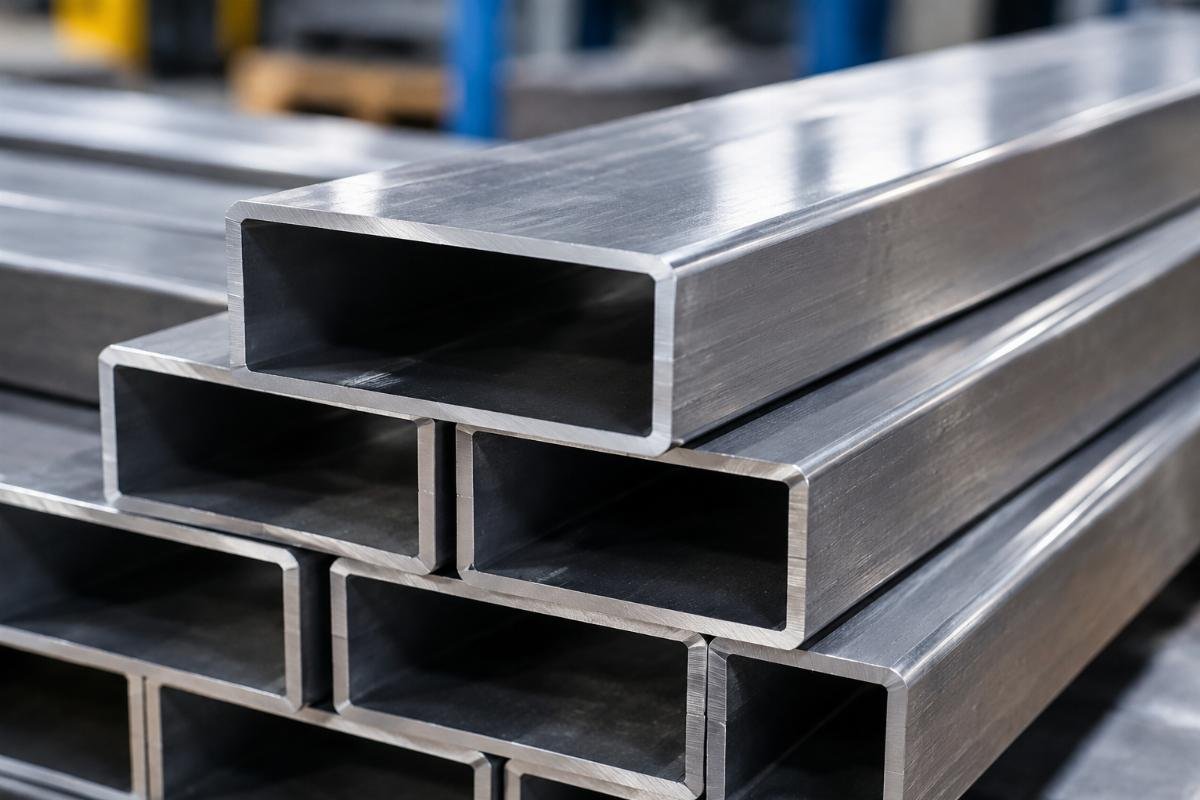
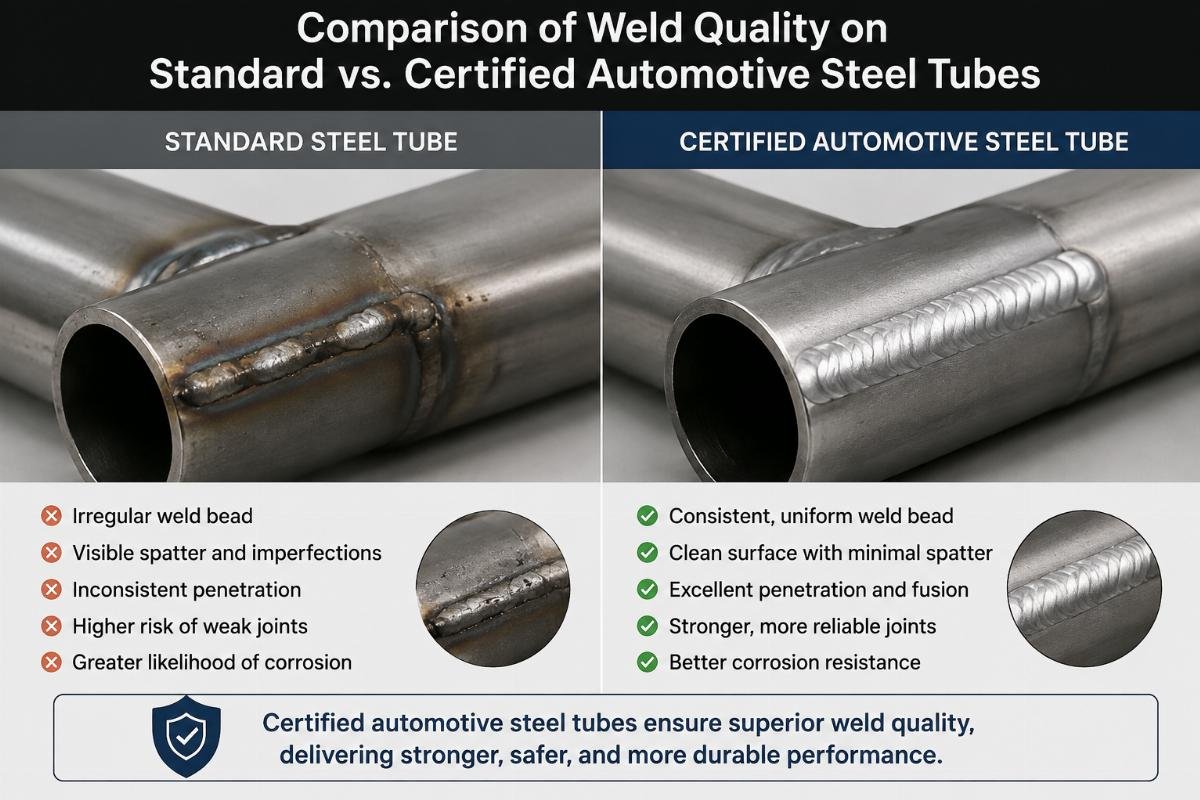
A European automotive parts manufacturer once faced a significant setback when their supplier delivered rectangular hollow sections (RHS) that appeared correct on the surface. However, during the welding phase, cracks appeared in the heat-affected zones. Investigation revealed that the carbon equivalent value was higher than specified, making the steel brittle under thermal stress. This was not a case of fraud, but of negligence in matching the material grade to the application’s technical demands.
Feature
Generic Structural Steel
Automotive-Grade Custom Steel
Yield Strength Tolerance
Wide variance allowed
Tight control per EN/ASTM standards
Impact Testing
Often optional or room temperature only
Mandatory at sub-zero temperatures (J0/J2)
Dimensional Accuracy
Standard mill tolerance
Precision cutting for jig alignment
Traceability
Batch-level only
Heat-number specific Mill Test Certificates
The key takeaway is that “steel” is not a commodity in this context; it is a engineered material. Using generic stock for Custom Steel for Automotive Manufacturing invites risk. The cost of rework, delayed launches, and potential safety liabilities far outweighs the premium paid for certified, application-specific materials.
How to Verify Material Authenticity Before Shipment?
Demand EN-certified Mill Test Certificates (MTCs) and third-party inspection to avoid “paper-only” compliance issues.
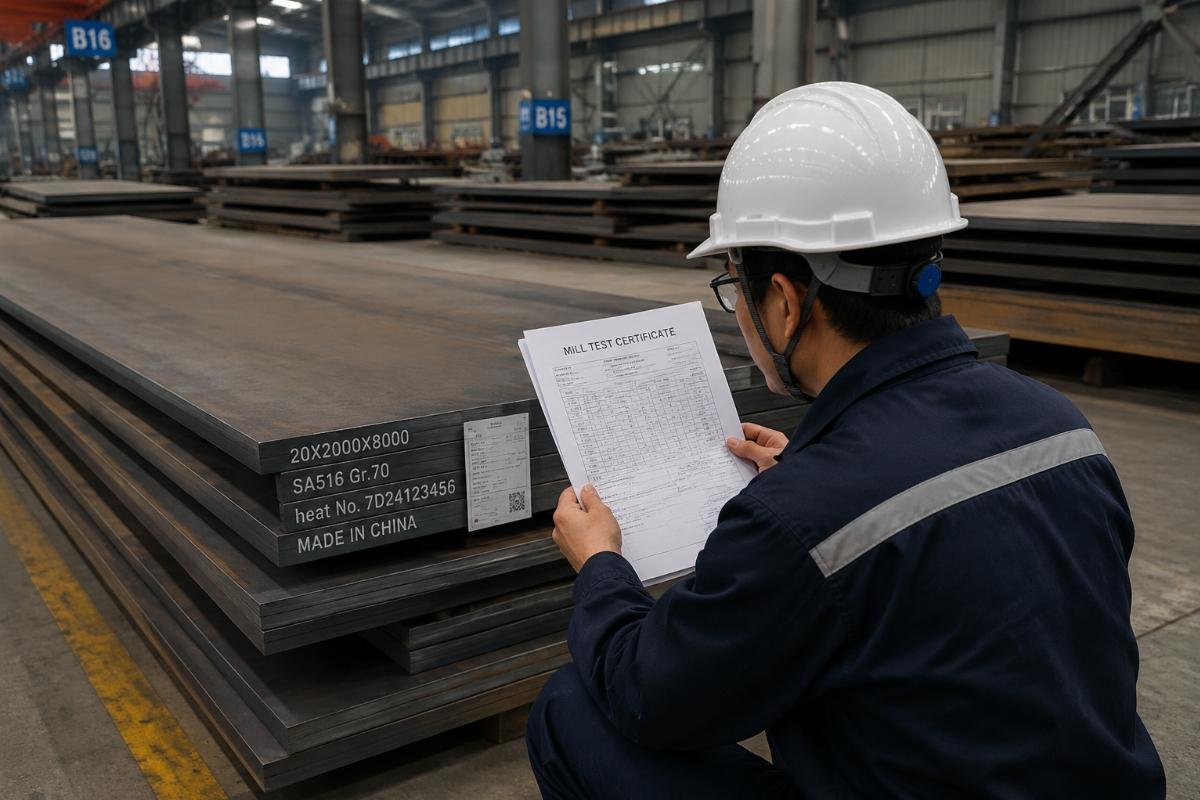
Verification is the cornerstone of reliable sourcing. Many buyers assume that a certificate attached to an email is sufficient proof of quality. This is a dangerous assumption. In the export market, documents can be forged, or worse, issued for a different batch entirely. The only way to ensure authenticity is to cross-reference the heat numbers on the MTC with the markings on the physical steel.
For Custom Steel for Automotive Manufacturing, the MTC must comply with EN 10204 3.1 or 3.2 standards, depending on the criticality of the component. This document should detail the chemical composition, mechanical properties, and impact test results for each specific heat number. If a supplier cannot provide this level of detail, or if the data looks too perfect, it is a red flag. [NEED_CITE: Standards for Mill Test Certificate verification in EU imports]
I recall a case where a buyer in Southeast Asia received a shipment of square hollow sections (SHS). The MTCs looked professional, but upon independent testing, the yield strength was significantly below the S355JR specification. The supplier had reused certificates from a previous, compliant batch. Because the buyer had not requested a pre-shipment inspection by a third party, they were left with unusable material and no recourse.
To prevent this, implement a rigorous verification protocol:
Request MTCs for review before production begins.
Verify that the testing laboratory is accredited.
Arrange for a third-party inspection agency to witness the final testing or perform random sampling.
Ensure that the heat numbers on the steel match the certificates exactly.
This process adds time and cost, but it is negligible compared to the expense of clearing detained cargo or replacing faulty components. For Custom Steel for Automotive Manufacturing, trust must be verified, not assumed.
What Are the Critical Specs for Structural Auto Components?
Focus on S355JR/J2 grades and precise cutting for SHS/RHS used in chassis and jigs to ensure structural integrity.
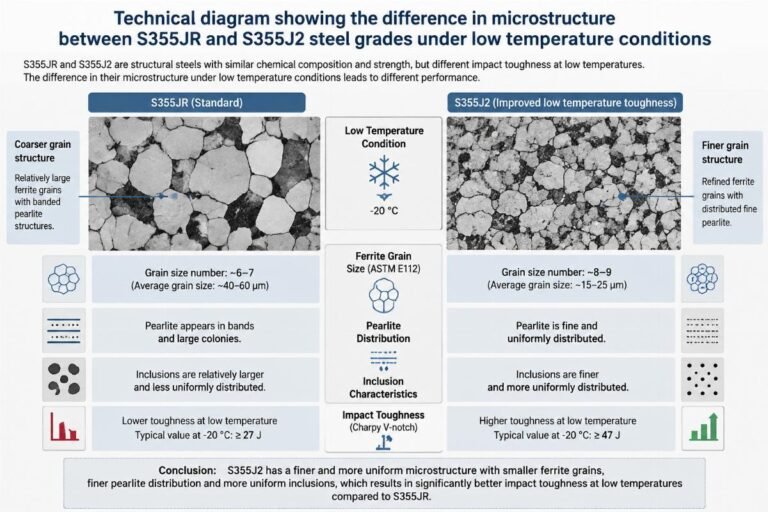
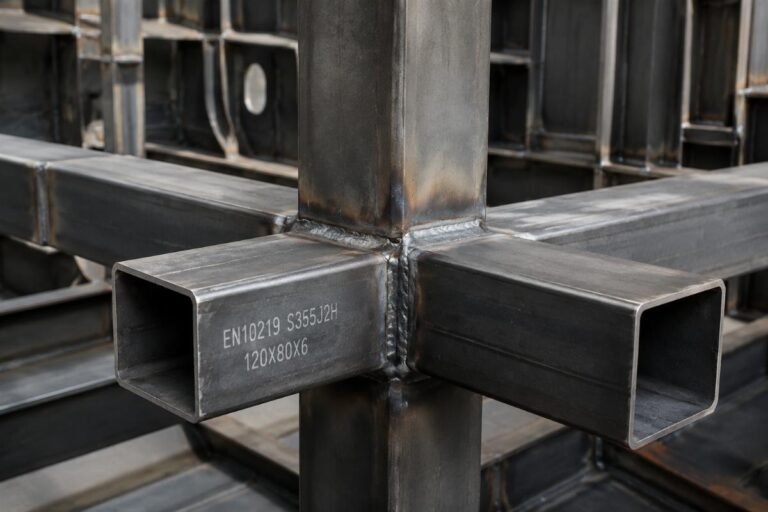
The automotive industry uses a wide range of steel products, from thin sheets for body panels to heavy structural tubes for frames and assembly fixtures. For the latter, the choice of grade and dimension is critical. S355JR is a common choice for general structural applications, but for components exposed to dynamic loads or lower temperatures, S355J0 or S355J2 is preferred due to their improved impact resistance. [NEED_CITE: EN 10219 standard requirements for cold-formed welded structural hollow sections]
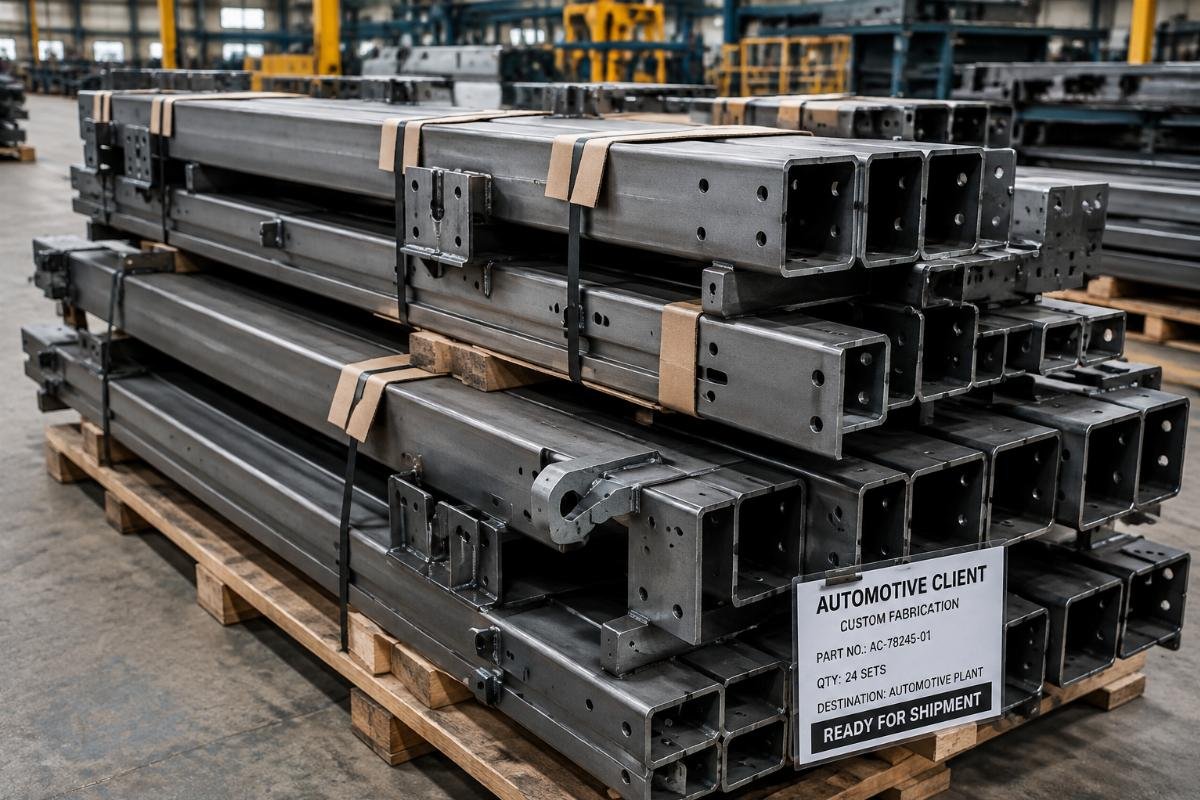
Another critical specification is the dimensional tolerance. In automotive manufacturing, especially for jigs and fixtures, even a millimeter of deviation can cause alignment issues. Standard mill tolerances may not be sufficient. Custom cutting and machining are often required to achieve the necessary precision. This is where Custom Steel for Automotive Manufacturing providers differentiate themselves from general traders. They offer in-house cutting, drilling, and surface treatment services to deliver ready-to-use components.
Surface treatment is also a key consideration. Steel used in automotive environments must resist corrosion. Shot blasting, painting, or galvanizing are common treatments. However, the choice of treatment must align with the subsequent manufacturing processes. For example, welding after galvanizing requires specific procedures to avoid zinc fume inhalation and weld defects.
A US-based automotive supplier recently switched to a provider who could offer custom-cut RHS with pre-shot-blasted surfaces. This eliminated the need for in-house cleaning and preparation, reducing their production lead time significantly. The precision of the cuts also meant that their welding robots could operate with higher accuracy, improving the overall quality of the assembled frames.
Specification
Importance for Automotive Use
Grade (S355JR/J0/J2)
Determines yield strength and impact toughness
Dimensional Tolerance
Critical for jig alignment and robotic welding
Surface Condition
Affects weld quality and corrosion resistance
Certification (EN10219)
Ensures compliance with European safety standards
Understanding these specifications allows buyers to communicate effectively with suppliers and avoid costly misunderstandings. For Custom Steel for Automotive Manufacturing, precision is not a luxury; it is a requirement.
How Does Custom Sizing Reduce Total Project Cost?
Minimizing waste through factory-direct custom cuts outweighs the higher unit prices of standard sizes.
It is a common misconception that buying standard sizes is always cheaper. While the unit price per ton might be lower, the total cost of ownership often tells a different story. Standard sizes require additional processing, such as cutting, grinding, and waste disposal, which adds labor and material costs. Furthermore, the inefficiency of using oversized materials leads to significant scrap rates.
In Custom Steel for Automotive Manufacturing, ordering components cut to exact lengths and dimensions can reduce material waste substantially. This is particularly true for complex shapes and non-standard sizes required for prototype jigs or specialized fixtures. By working with a manufacturer who offers custom sizing, buyers can optimize their material usage and reduce downstream processing costs.
Additionally, custom sizing can improve logistics efficiency. Pre-cut components can be packed more densely, reducing shipping volume and cost. They also arrive ready for immediate use, speeding up the production process. This flexibility is crucial for automotive manufacturers who often face tight deadlines and changing design requirements.
A case in point involves a manufacturer of multi-level car parks. By switching to custom-cut SHS and RHS, they reduced their material waste by a noticeable margin. The precision of the cuts also simplified the assembly process, allowing them to complete projects faster. The initial higher unit cost was more than offset by the savings in labor, waste disposal, and project timeline.
Conclusion
Precision and certification are the true currencies in automotive steel sourcing.
Sourcing Custom Steel for Automotive Manufacturing is not merely a transaction; it is a partnership built on trust, verification, and technical alignment. By prioritizing EN-standard compliance, demanding authentic documentation, and leveraging custom sizing capabilities, buyers can mitigate risks and enhance efficiency. The goal is not just to buy steel, but to secure a reliable foundation for automotive innovation.
Editor covering global sourcing, supplier verification, and industrial product knowledge. Content is compiled from manufacturer specifications, industry standards, and hands-on experience with international B2B buyers. Every article is fact-checked before publishing to help procurement professionals make informed decisions.



Discussion
0 Comments