EN10219 vs EN10210 vs ASTM: Structural Steel HSS Manufacturer
Confused by EN10219 vs EN10210 vs ASTM A500 standards? Avoid costly customs delays and project rejection by understanding critical differences in manufacturing, impact toughness, and tolerances. Learn...
ASTM A500 cannot directly replace EN10219 in European or Middle Eastern structural projects without explicit engineer approval.
The core difference lies in the manufacturing process and resulting mechanical properties: EN10219 covers cold-formed welded hollow sections with specific impact toughness requirements, EN10210 applies to hot-finished seamless or welded sections with superior dimensional stability, and ASTM A500 is a US standard for cold-formed welded carbon steel sections that lacks the mandatory Charpy V-notch impact testing at sub-zero temperatures often required by EN norms. Confusing these standards leads to material rejection at customs or failed site inspections because the chemical composition limits, tolerance classes, and certification formats are not interchangeable.
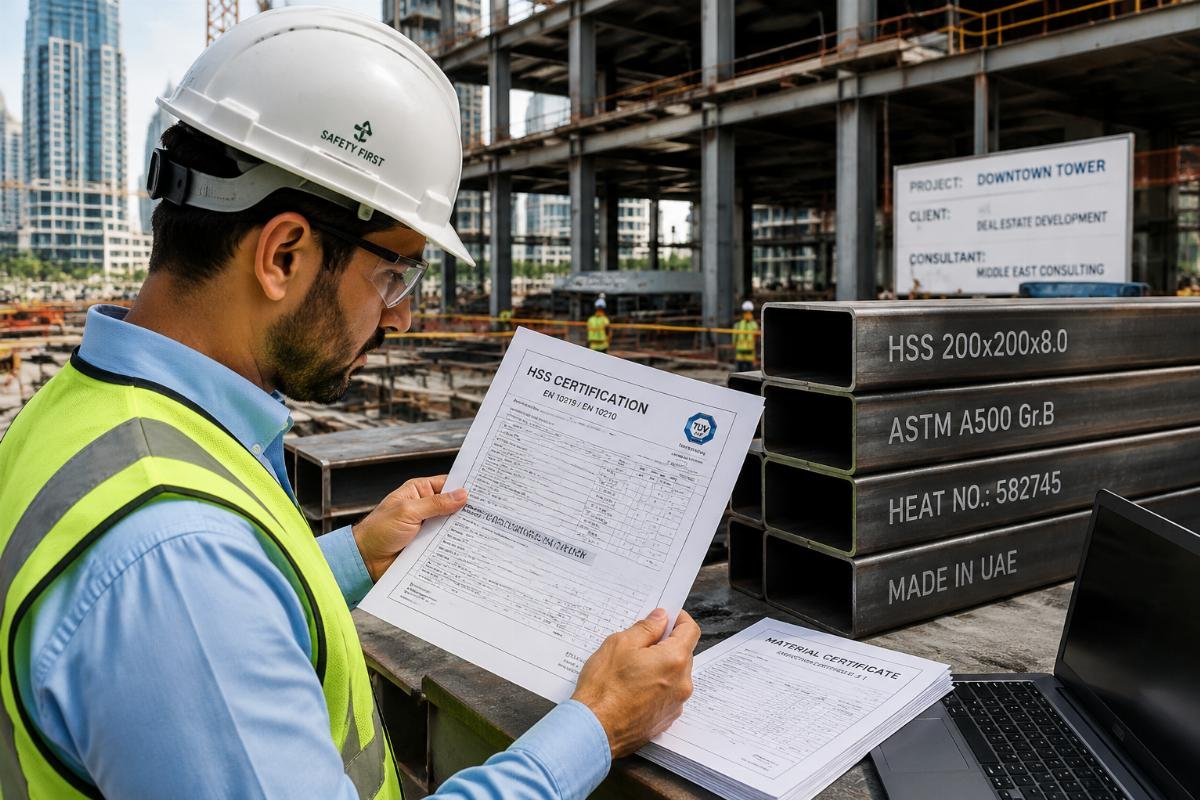
I still remember the humidity inside the inspection office at Jebel Ali Port. A full container of rectangular hollow sections sat stuck behind the gate, not because of missing paperwork, but because the Mill Test Certificates listed ASTM A500 Grade C while the project specification demanded EN10219 S355J2H. The local consultant rejected the shipment immediately. The issue wasn’t just the label; it was the absence of low-temperature impact test data in the American standard documentation, which was a mandatory clause for the desert-night temperature drops in that region’s infrastructure code. That delay cost weeks of storage fees and nearly triggered a penalty clause for late delivery. It was a harsh lesson that standards are not just administrative labels but technical contracts defining safety margins.
Understanding why this happens requires looking beyond the grade names. Many procurement teams assume that if the yield strength matches, the material is interchangeable. This assumption ignores the fundamental differences in how these standards govern the production of structural steel HSS certification Middle East projects require.
Why Do Standards Matter in Structural Steel Procurement?
Compliance determines project acceptance and customs clearance. In international construction, the standard specified in the tender documents is legally binding. Deviating from it, even with a material that appears stronger, constitutes a breach of contract.
The primary reason for strict adherence is liability. Structural engineers design connections and load-bearing capacities based on specific stress-strain curves and ductility ratios defined by a particular norm. EN10219 vs ASTM difference for construction is not merely semantic; it reflects different philosophical approaches to safety factors and material behavior under dynamic loads. For instance, European norms often place higher emphasis on weldability and notch toughness for structures exposed to varying thermal cycles, whereas ASTM standards may prioritize tensile strength and elongation in ambient conditions.
When a supplier provides material certified to a different standard than requested, the burden of proof shifts to the buyer. They must commission independent laboratory tests to prove equivalence, a process that is expensive, time-consuming, and often inconclusive due to differing test methods. [NEED_CITE: equivalence testing procedures for structural steel standards]
What Are the Key Differences Between EN10219, EN10210, and ASTM?
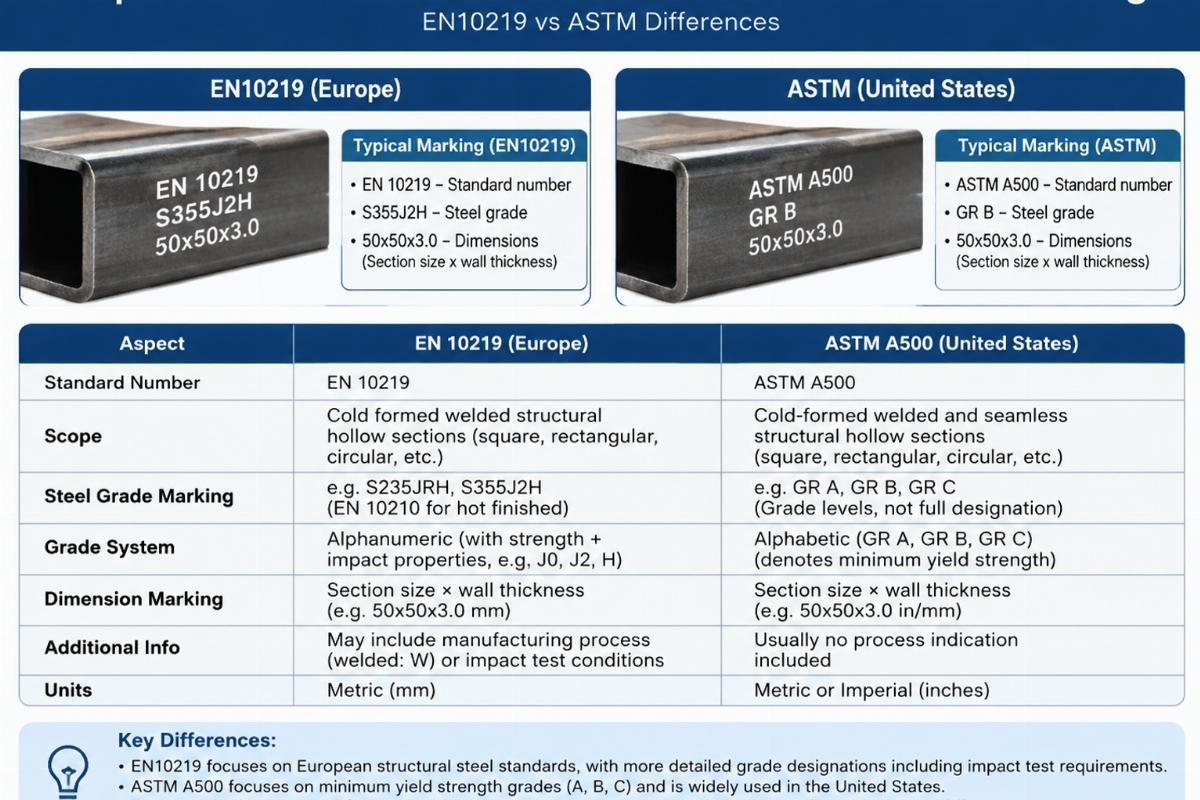
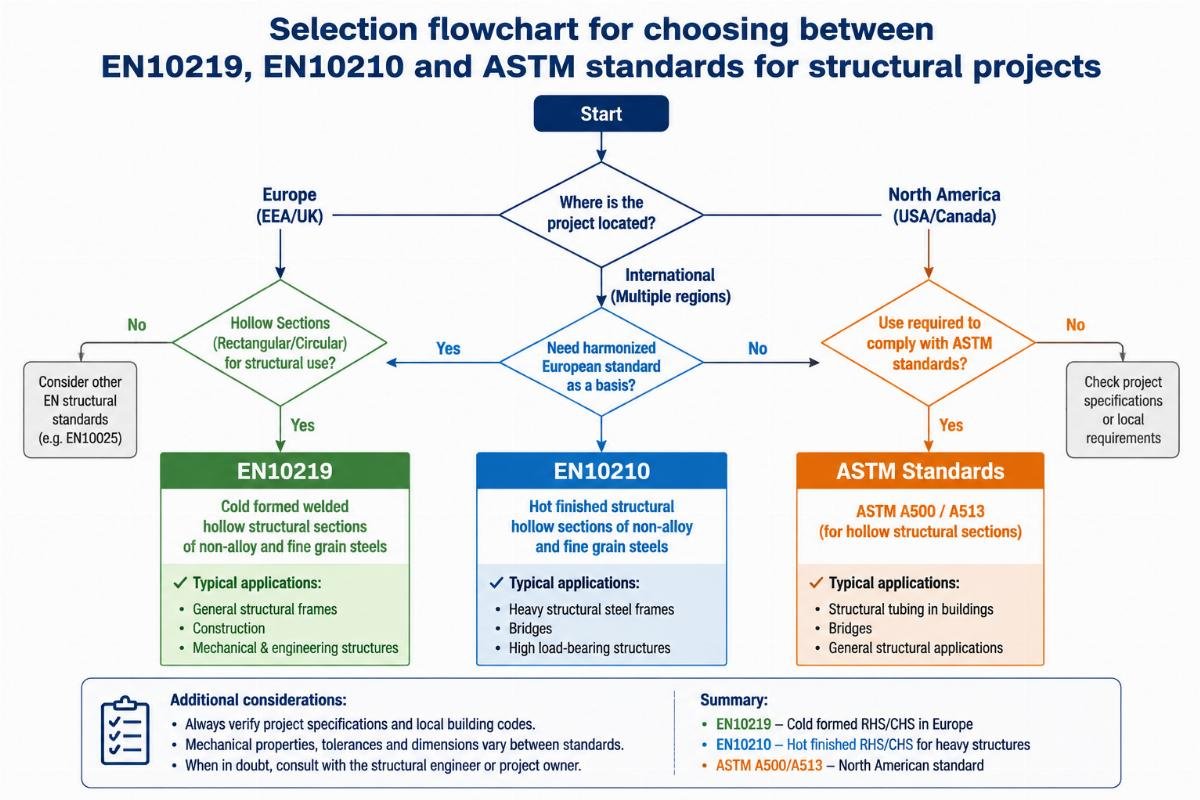
EN10219 is cold-formed, EN10210 is hot-finished, ASTM is a separate US system. These three standards represent distinct manufacturing routes and quality control regimes.
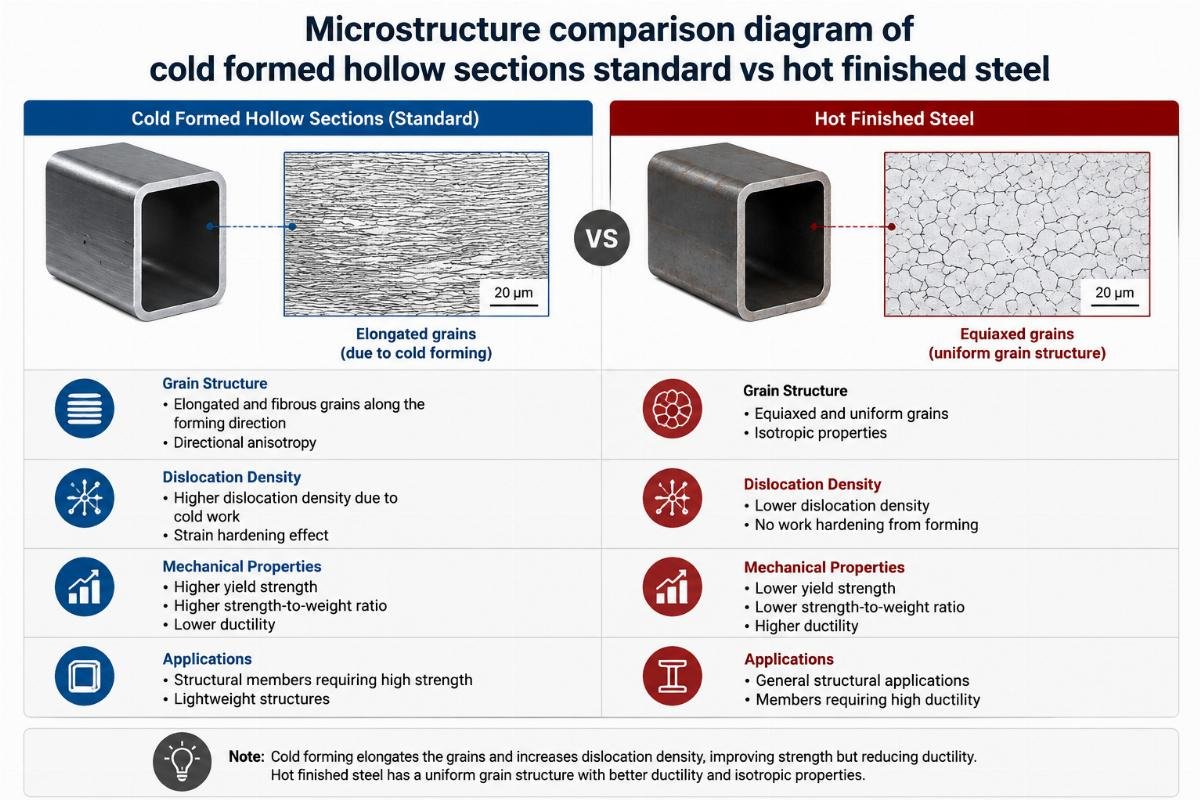
EN10219 specifies requirements for cold-formed welded structural hollow sections made from non-alloy and fine grain steels. The “cold-formed” aspect means the steel strip is shaped at room temperature, which induces work hardening in the corners. This increases strength but reduces ductility in those specific areas. The standard mandates strict controls on the corner radius and wall thickness tolerances. [NEED_CITE: EN10219 mechanical property requirements for cold formed sections]
EN10210, conversely, covers hot-finished structural hollow sections. These can be seamless or welded, but the key feature is the hot-finishing process. The entire section is heated and formed, resulting in a uniform microstructure throughout the cross-section, including the corners. This eliminates the residual stresses associated with cold forming and provides better dimensional accuracy and surface finish. It is often preferred for highly loaded architectural applications where aesthetic consistency and predictable mechanical behavior are critical.
ASTM A500 is the standard specification for cold-formed welded and seamless carbon steel structural tubing in rounds, squares, and rectangles. It is widely used in North America. While it defines grades like B and C based on yield strength, it does not inherently require the same level of impact toughness testing as EN standards unless specifically supplemented by additional requirements like ASTM A1085. [NEED_CITE: ASTM A500 vs A1085 structural tubing differences]
Feature
EN10219
EN10210
ASTM A500
Manufacturing Process
Cold-formed welded
Hot-finished (seamless or welded)
Cold-formed welded/seamless
Corner Properties
Work-hardened, higher strength, lower ductility
Uniform microstructure, consistent ductility
Work-hardened, similar to EN10219
Impact Testing
Mandatory for certain grades/sub-zones
Often included in high-grade specs
Not mandatory unless specified
Tolerance Class
Strict dimensional tolerances
Very tight tolerances, superior straightness
Standard industrial tolerances
Primary Market
Europe, Middle East, Asia
Europe, High-spec global projects
North America, Global US-spec projects
A common mistake is assuming EN10210 is only for seamless tubes. In reality, it also includes welded sections that have been hot-finished. The distinction is the thermal history, not just the seam presence. This confusion often leads to incorrect sourcing when buyers seek the superior corner properties of hot-finished sections but order seamless-only products unnecessarily.
How to Choose the Right Standard for Your Project?
Match the standard to the structural load, environmental conditions, and local codes. The decision should not be based solely on availability or price but on technical suitability.
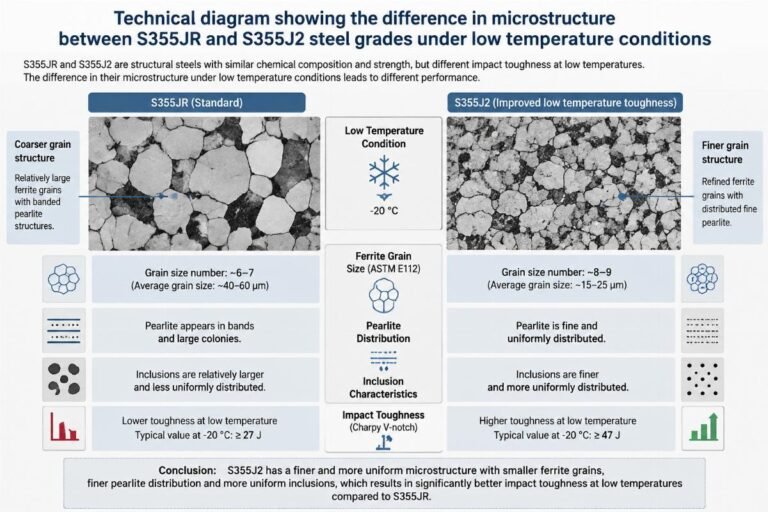
For projects in regions with significant temperature variations, such as the Middle East or Northern Europe, impact toughness is paramount. EN10219 S355J2H, for example, guarantees impact energy absorption at minus 20 degrees Celsius. If a project uses ASTM A500 Grade C, which does not mandate this test, the structure may be vulnerable to brittle fracture during unexpected cold snaps. [NEED_CITE: brittle fracture risk in structural steel at low temperatures]
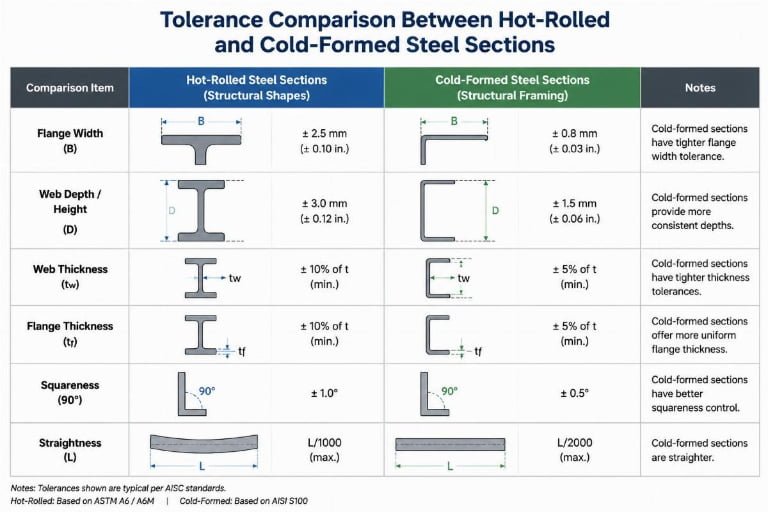
In high-rise buildings or long-span bridges, dimensional accuracy affects erection speed and connection fit-up. EN10210 hot-finished sections offer tighter tolerances on straightness and squareness compared to cold-formed alternatives. This reduces the need for on-site adjustment and welding compensation, lowering overall installation costs despite the higher initial material price.
For general warehouse structures or non-critical supports in mild climates, ASTM A500 may be sufficient and more cost-effective. However, if the project is financed by international banks or insured by European firms, they may insist on EN standards regardless of location, due to their familiarity with the certification framework.
When evaluating suppliers, verify their ability to provide dual certification. Some manufacturers can produce to EN10219 specifications but mark the material with ASTM designations for export convenience. This practice is risky unless the Mill Test Certificate explicitly cross-references both standards and confirms compliance with all mandatory tests of the stricter norm. [NEED_CITE: dual certification validity in structural steel exports]
Common Pitfalls in Cross-Standard Substitution
Avoiding rejection due to mismatched chemical composition or mechanical properties. Substitution is not a simple swap of grade names.
One major pitfall is the difference in carbon equivalent (CEV) limits. EN standards often have stricter CEV limits to ensure weldability without preheating. ASTM A500 allows higher carbon content in certain grades, which can lead to cracking in the heat-affected zone during site welding if proper procedures are not followed. A fabricator accustomed to EN materials might use standard welding parameters on ASTM-sourced steel, resulting in defective joints.
Another issue is the definition of yield strength. EN standards typically define yield strength at a specific elongation percentage, while ASTM may use an offset method. Although the numerical values might look similar, the stress-strain behavior differs. This affects the calculation of deflection and load redistribution in complex structures.
In one case, a contractor in Qatar attempted to substitute EN10219 SHS with ASTM A500 SHS of equivalent nominal strength. The local authority rejected the material because the ASTM certificates did not include the mandatory bend test results required by the Qatari construction code, which references EN norms. The contractor had to air-freight replacement material, incurring significant losses. This highlights that “equivalent strength” does not mean “equivalent compliance.” [NEED_CITE: Middle East construction code references for structural steel]
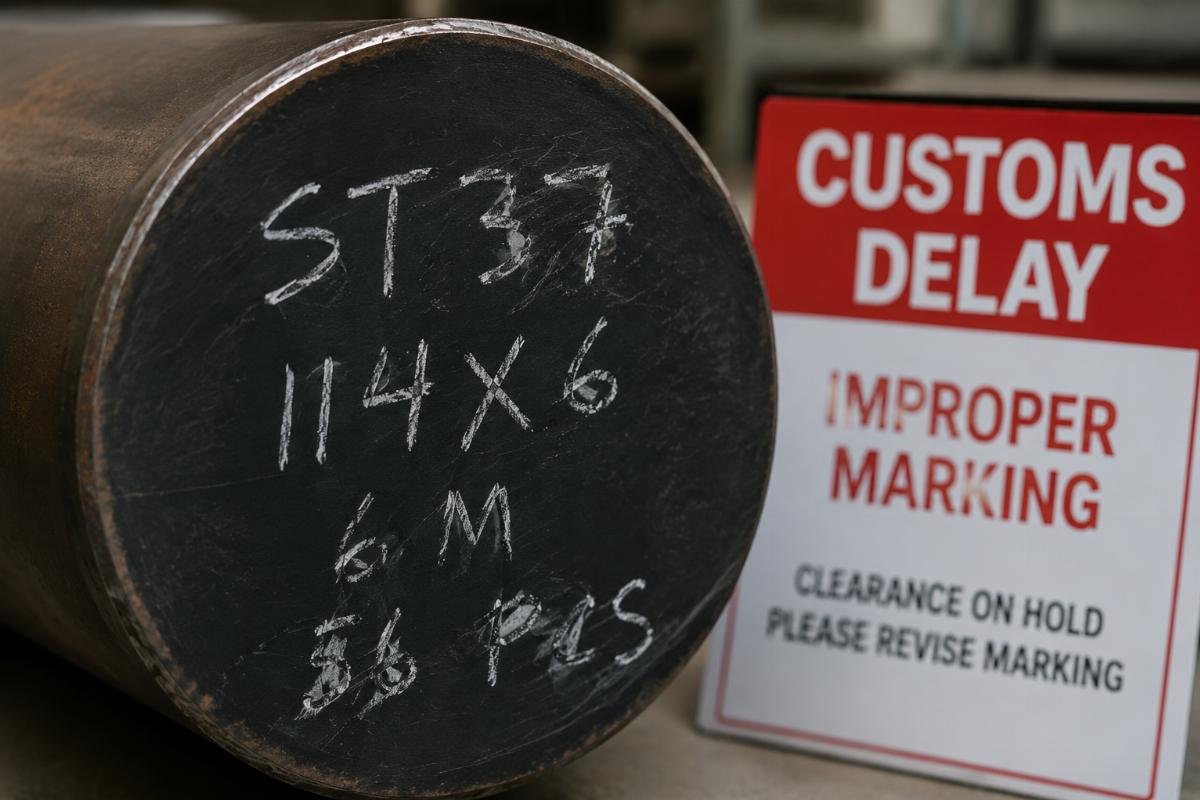
Furthermore, the marking requirements differ. EN standards require specific stamping with the standard number, grade, and manufacturer ID. ASTM markings are less prescriptive. Missing or incorrect markings can cause delays during incoming quality control checks, as inspectors cannot visually verify compliance without relying solely on paperwork, which they may distrust.
Conclusion
Selecting the correct HSS standard is a technical decision, not just a procurement checkbox. EN10219, EN10210, and ASTM A500 serve different engineering needs regarding forming processes, toughness, and tolerances. Misalignment between specified and supplied standards creates legal, financial, and safety risks. Always verify the specific testing requirements and certification formats against the project’s governing code before finalizing orders.
Editor covering global sourcing, supplier verification, and industrial product knowledge. Content is compiled from manufacturer specifications, industry standards, and hands-on experience with international B2B buyers. Every article is fact-checked before publishing to help procurement professionals make informed decisions.



Discussion
0 Comments