Buy Chinese Structural Steel Pipes & Beams Direct from Manufacturer
Learn how to buy structural steel direct from manufacturer to eliminate trader markups and specification risks. Verify mill certifications, enforce EN standard compliance, and secure traceable quality...
Buy Chinese Structural Steel Pipes & Beams Direct from Manufacturer
Most buyers assume “factory-direct” guarantees the lowest price; in reality, it guarantees traceable quality.
Sourcing structural steel directly from Chinese manufacturers eliminates trader markups and specification risks, provided buyers verify mill certifications and surface treatment protocols upfront. When you bypass intermediaries, you gain access to the original Mill Test Certificates (MTC) and can enforce strict adherence to EN standards before the cargo leaves the port. This approach transforms procurement from a gamble on middleman promises into a controlled engineering process.
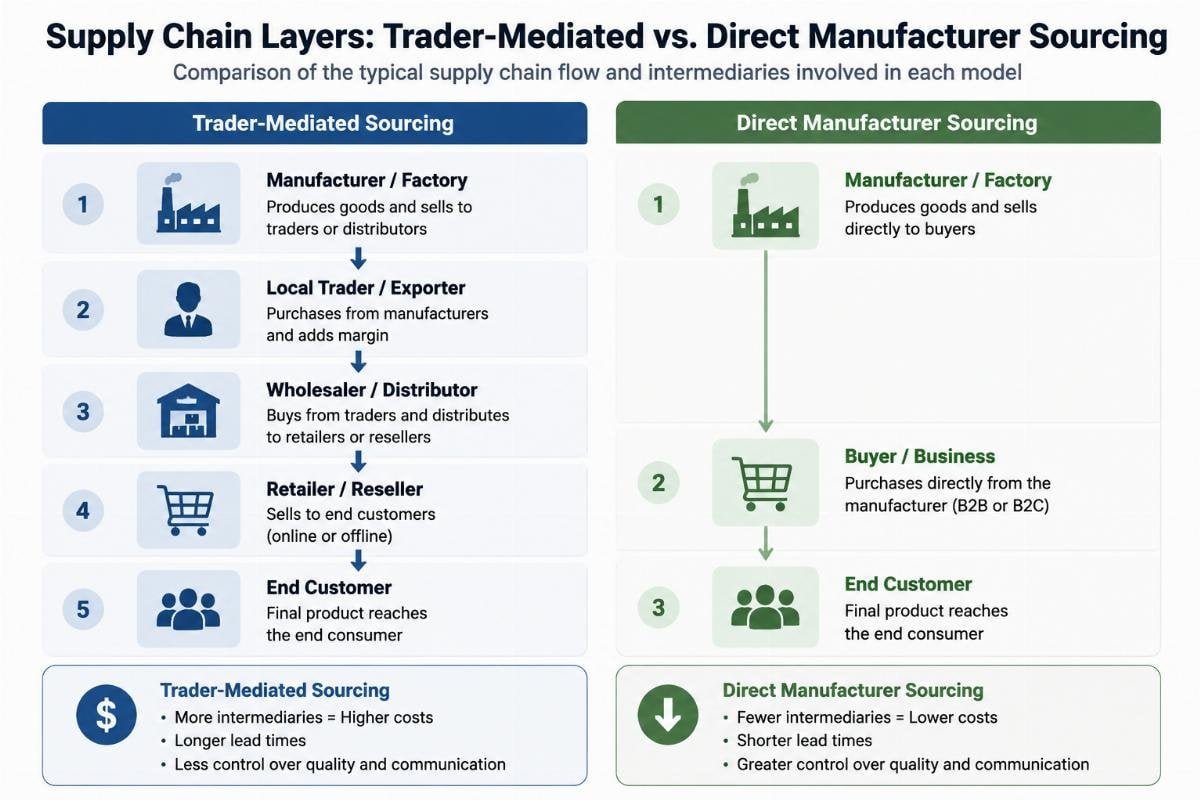
The difference between sourcing through a trader and going straight to the mill is not just about cost savings. It is about whether the entity answering your call actually understands the technical implications of S355J0 on a structural drawing. Traders often obscure the origin of goods to protect their margins, which leaves buyers vulnerable when specifications fail to match physical delivery. Direct engagement with the manufacturer allows for real-time verification of production capabilities and quality control measures. [NEED_CITE: common causes of structural steel specification mismatches in international trade]
Why Do Traders Still Dominate Steel Sourcing?
Traders add significant markup while obscuring the true origin of materials, creating a layer of risk that direct buying removes.
Many construction contractors and distributors believe that local traders offer convenience and security. In practice, traders often act as black boxes. They may claim factory-direct pricing but source from multiple, inconsistent mills without disclosing the shift. This lack of transparency leads to situations where the chemical composition or mechanical properties of the steel do not align with the project requirements. [NEED_CITE: impact of supply chain opacity on construction project timelines]
A typical scenario involves a buyer requesting EN10219 compliant hollow sections. A trader might supply material that meets general structural standards but lacks the specific cold-forming certification required for certain architectural applications. The buyer only discovers this discrepancy during final inspection or, worse, during fabrication when the steel behaves unexpectedly under stress. By choosing to buy structural steel direct from manufacturer, you remove this layer of ambiguity. You deal with the entity that controls the rolling mill, the heat treatment process, and the final certification.
The financial implication is clear. Traders typically operate with margins that reflect their role as intermediaries, often adding a substantial percentage to the base mill price. While they may offer localized payment terms or consolidated shipping, these benefits rarely outweigh the risk of receiving non-compliant material. Direct sourcing requires more initial diligence, such as verifying business licenses and production scopes, but it results in a more predictable cost structure and higher quality assurance.
How to Verify a Real Manufacturer vs. Trading Company?
Check the business license scope, request live factory video calls, and validate EN cert issuance dates to distinguish producers from resellers.
Verifying the legitimacy of a supplier is the most critical step in direct sourcing. Many companies present themselves as manufacturers online, but their operational reality is different. A genuine manufacturer will have a business license that explicitly includes production activities, not just trading or sales. They will also possess in-house laboratory facilities for quality testing, rather than relying entirely on third-party reports. [NEED_CITE: key indicators of legitimate steel manufacturing facilities in China]
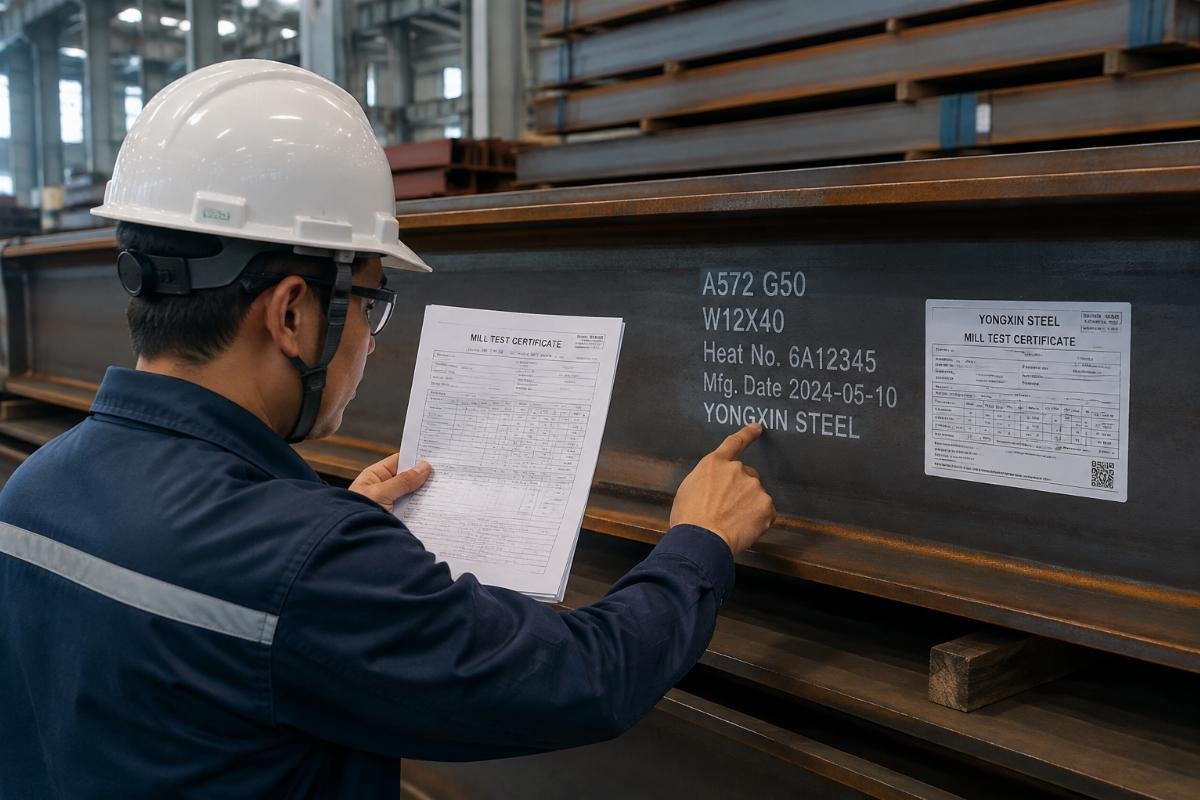
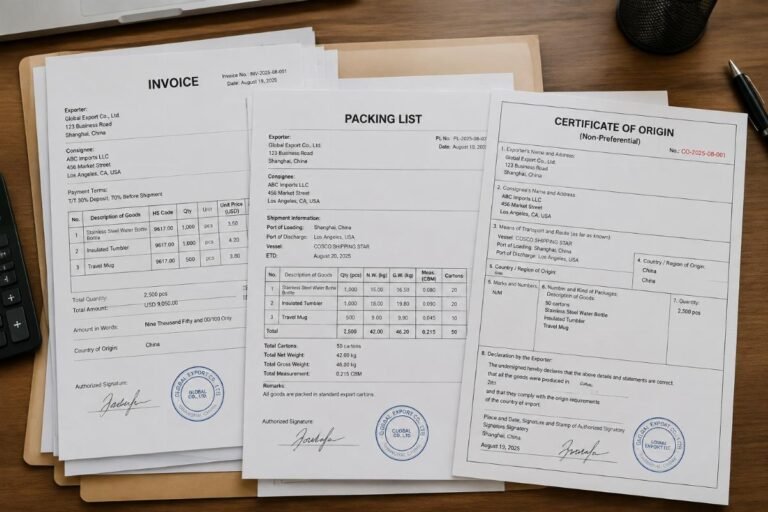
When evaluating a potential partner, ask for a live video call from the production floor. A real manufacturer can show you the rolling lines, the cutting machines, and the storage yards in real time. Traders often hesitate or provide pre-recorded videos because they do not have direct access to the production environment. Additionally, request recent Mill Test Certificates and cross-reference the heat numbers with the physical markings on sample products. If the supplier cannot provide immediate access to these documents or if the dates seem inconsistent, it is a red flag.
Another effective method is to inquire about custom non-standard sizes. Manufacturers with flexible production lines, such as those offering over 2800 standard specifications, can often accommodate custom requests. Traders, however, are limited to what is available in stock or what their upstream suppliers can provide quickly. If a supplier claims they can produce a unique SHS size with a short lead time but cannot explain the technical process, they are likely acting as a middleman.
Verification Method
Manufacturer Response
Trader Response
Business License Scope
Includes production/manufacturing
Limited to sales/trading
Live Factory Video
Immediate access to production lines
Hesitation or pre-recorded footage
Custom Size Capability
Can explain technical process and lead time
Vague answers or reliance on stock
MTC Availability
Immediate provision with verifiable heat numbers
Delayed or generic certificates
What Specs Matter Most for Structural Integrity?
Focus on S355J2/J0 grades, EN10219 compliance for hollow sections, and precise dimensional tolerances for H-beams.
Structural integrity depends on precise adherence to international standards. For projects in Europe, the Middle East, and Africa, EN standards are the benchmark. EN10219 covers cold-formed welded structural hollow sections, while EN10210 applies to hot-finished ones. Confusing these two can lead to significant engineering failures, as the mechanical properties and forming processes differ substantially. [NEED_CITE: technical differences between EN10219 and EN10210 standards]
When sourcing H-beams, the grade of steel is paramount. S355J2 indicates a minimum yield strength of 355 MPa with impact resistance at -20°C. This specification is crucial for structures exposed to varying temperatures or dynamic loads. Traders may substitute lower-grade materials like Q235B or S235JR if not closely monitored, compromising the safety margin of the structure. Direct communication with the manufacturer ensures that the correct grade is rolled and tested according to the specified standard.
Dimensional tolerances are another critical factor. H-beams and hollow sections must meet strict limits for height, width, flange thickness, and web thickness. Deviations beyond these tolerances can cause fit-up issues during assembly, leading to costly rework on site. Manufacturers with advanced rolling equipment and in-house quality control can maintain tighter tolerances than smaller workshops or traders who aggregate from various sources.
Specification Parameter
EN10219 (Cold-Formed)
EN10210 (Hot-Finished)
Production Process
Cold forming and welding
Hot finishing
Typical Applications
Lightweight structures, architectural
Heavy industrial, high-load bearing
Surface Finish
Smoother, precise dimensions
Rougher, scaled surface
Certification Focus
Formability and weld integrity
High-temperature mechanical properties
How to Manage Logistics and Quality Control?
Use third-party inspection before loading and clarify Incoterms to avoid hidden port fees and quality disputes.
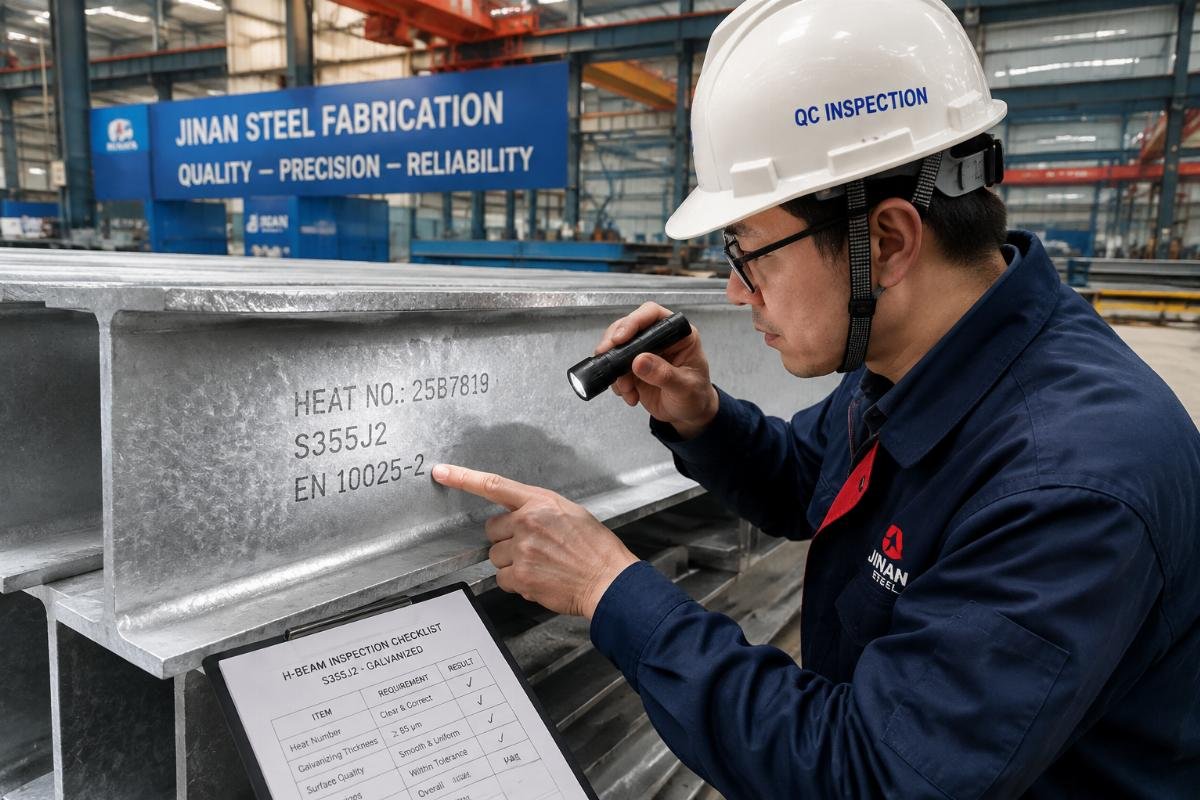
Quality control does not end when the steel leaves the factory. Effective logistics management ensures that the material arrives at the destination in the same condition it was produced. One of the most effective strategies is to engage a third-party inspection agency to verify the cargo before it is loaded onto the vessel. This inspection should cover visual checks for surface treatment, such as galvanizing thickness or paint adhesion, and verification of bundle markings against the packing list. [NEED_CITE: best practices for pre-shipment inspection of structural steel]
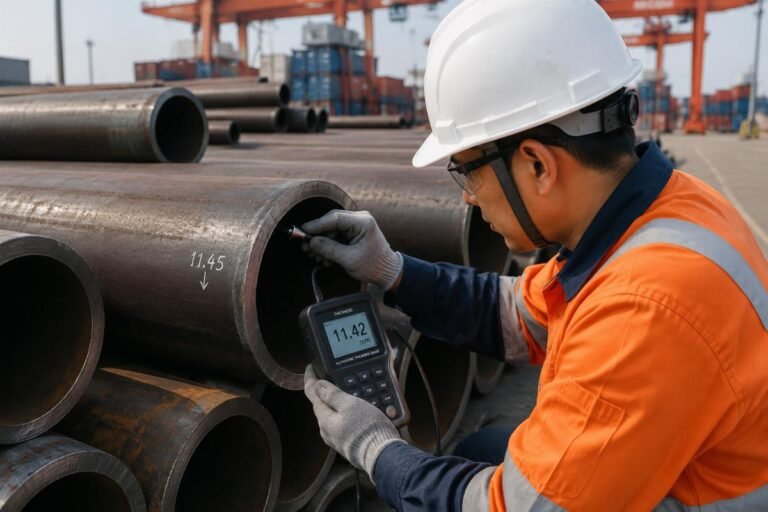
Surface treatment is a common area of dispute. For example, a buyer may specify hot-dip galvanizing for corrosion resistance, but receive painted beams instead. Visual checks can identify this discrepancy early. Galvanizing should have a uniform, spangled appearance, while paint may show brush marks or uneven coverage. Third-party inspectors can use magnetic gauges to measure coating thickness, ensuring it meets the specified microns.
Clarifying Incoterms is equally important. FOB (Free on Board) places the responsibility on the buyer once the goods are on the ship, while CIF (Cost, Insurance, and Freight) includes transportation to the destination port. Understanding these terms helps avoid unexpected costs at the discharge port. Direct manufacturers often have experience with various shipping routes and can provide guidance on the most cost-effective and secure logistics options.
Inspection Point
Method
Acceptance Criteria
Surface Treatment
Visual and magnetic gauge
Uniform coating, specified thickness
Dimensional Accuracy
Calipers and tape measure
Within EN standard tolerances
Marking and Labeling
Visual check
Heat numbers match MTC
Packaging
Visual check
Secure bundling, weather protection
Conclusion
Direct sourcing transforms steel procurement from a transactional gamble into a controlled engineering partnership.
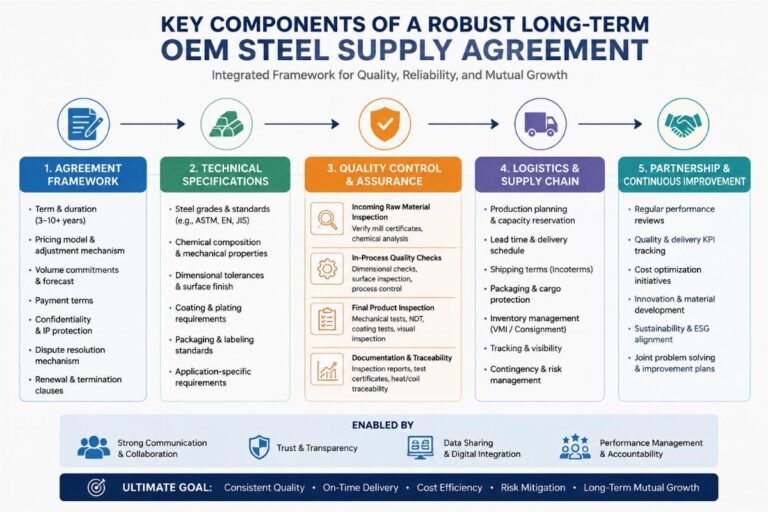
By verifying manufacturer credentials, focusing on critical EN specifications, and enforcing rigorous quality control, buyers can secure high-quality structural steel without the risks associated with intermediaries. The ability to trace every beam back to its heat number and production batch provides the confidence needed for large-scale infrastructure projects. When you buy structural steel direct from manufacturer, you invest in certainty, compliance, and long-term structural integrity.
Editor covering global sourcing, supplier verification, and industrial product knowledge. Content is compiled from manufacturer specifications, industry standards, and hands-on experience with international B2B buyers. Every article is fact-checked before publishing to help procurement professionals make informed decisions.



Discussion
0 Comments