Bulk Custom Steel Sourcing: EN10219 OEM Manufacturer for Buyers
Master Bulk Custom Steel Sourcing China by prioritizing EN10219 compliance and dimensional tolerance over low FOB prices. Verify traceable Mill Test Certificates and enforce strict wall thickness chec...
Bulk Custom Steel Sourcing: EN10219 OEM Manufacturer for Buyers
The lowest FOB price is often the most expensive line item on your final project budget.
Successful bulk custom steel sourcing hinges on verifying EN-standard compliance and dimensional tolerance before shipment, not just comparing initial quotes. Buyers who prioritize documented traceability and pre-shipment inspection over headline pricing avoid costly customs delays, rework, and structural fit-up failures at the destination port.
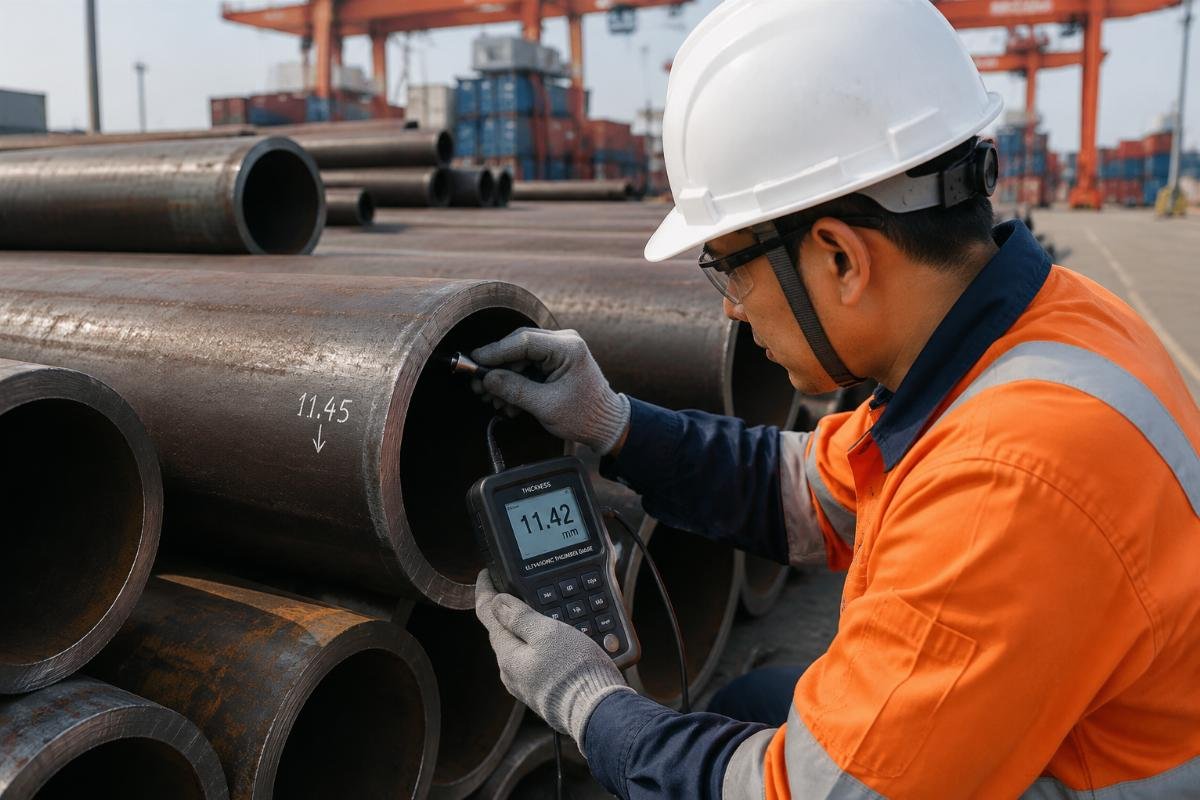
I still remember the humidity and the smell of diesel at the Apapa port in Lagos. I spent three days in a container yard watching a batch of rectangular hollow sections sit idle while demurrage fees climbed. The buyer had specified S355J2 RHS according to EN10219 standards. On paper, the Mill Test Certificates looked perfect. But when the local surveyor measured the wall thickness, the variance exceeded the allowable tolerance for cold-formed sections. The weld seams failed ultrasonic testing. The cargo was stuck. That experience clarified a hard truth about Bulk Custom Steel Sourcing China: “custom” does not mean the mill will roll any dimension you request without consequence. It means navigating the gap between standard mill outputs and specific engineering drawings, where every millimeter of deviation can halt a construction project.
This guide breaks down how to secure reliable supply chains for custom structural components. We move beyond basic price comparisons to focus on the technical verification steps that protect your project from clearance risks and assembly failures.
Why Do Standard “Off-the-Shelf” Steel Sizes Fail OEM Projects?
Custom manufacturing bridges the critical gap between standard mill outputs and specific engineering requirements.
Most buyers assume that if a size exists in a catalog, it is readily available. However, standard sizes are optimized for high-volume, generic applications. When a project requires non-standard dimensions for architectural aesthetics or structural efficiency, relying on off-the-shelf stock leads to excessive welding, material waste, and compromised structural integrity.
The misconception is that “custom size” means any dimension is possible. In reality, it requires checking mill rolling limits. If a requested dimension falls outside the standard rolling range, the manufacturer must adjust the roll setup significantly. This often incurs surcharges and longer lead times. More importantly, producing non-standard sizes without proper process control can affect the mechanical properties of the steel, particularly in cold-formed sections where work-hardening occurs.
Feature
Standard Off-the-Shelf
Custom OEM Manufacturing
Dimensional Range
Limited to common industry sizes
Tailored to specific engineering drawings
Material Utilization
High waste due to cutting/downsizing
Optimized nesting reduces scrap
Structural Fit-Up
May require extensive on-site modification
Precise tolerance control for direct assembly
Lead Time
Immediate (if in stock)
Dependent on production scheduling
Cost Structure
Lower unit price, higher installation cost
Higher unit price, lower total project cost
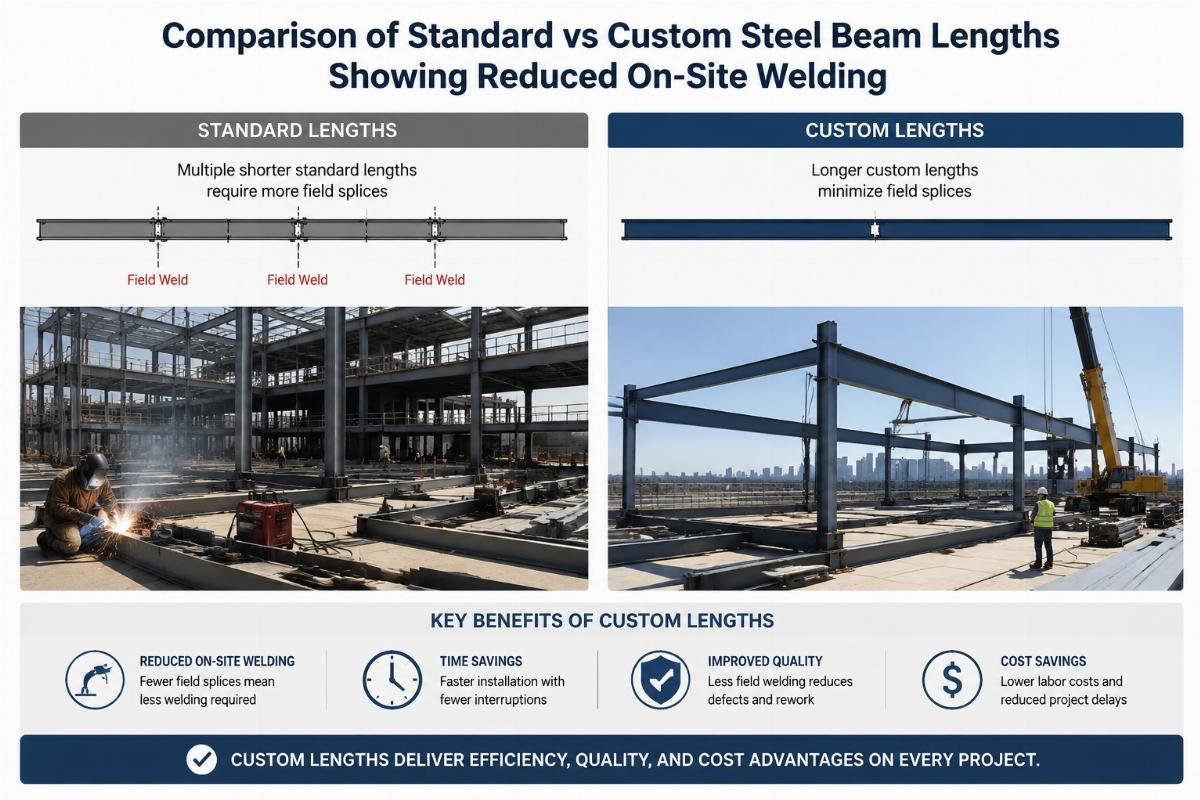
A project in Ethiopia illustrated this clearly. The design called for specific column lengths to minimize field splices. Using standard lengths would have required multiple butt welds at height, increasing labor costs and introducing potential weak points. By opting for custom-cut beams, the fabrication shop reduced on-site welding time significantly. The key was coordinating with a manufacturer capable of precise cutting and end-preparation, ensuring that the custom lengths arrived ready for erection. [NEED_CITE: impact of prefabrication on construction timeline]
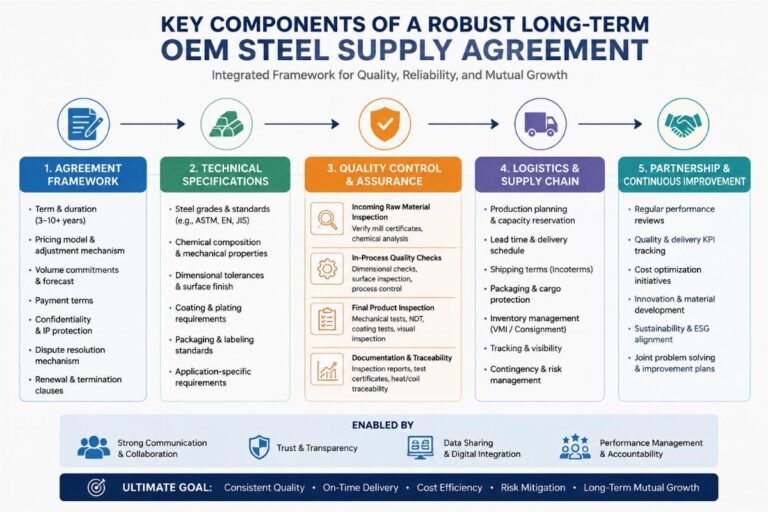
When engaging in Bulk Custom Steel Sourcing China, buyers must provide detailed fabrication drawings early in the quotation phase. This allows the manufacturer to assess whether the requested dimensions fall within their efficient production range or if special tooling is required.
How to Verify EN10219/EN10210 Compliance Before Payment?
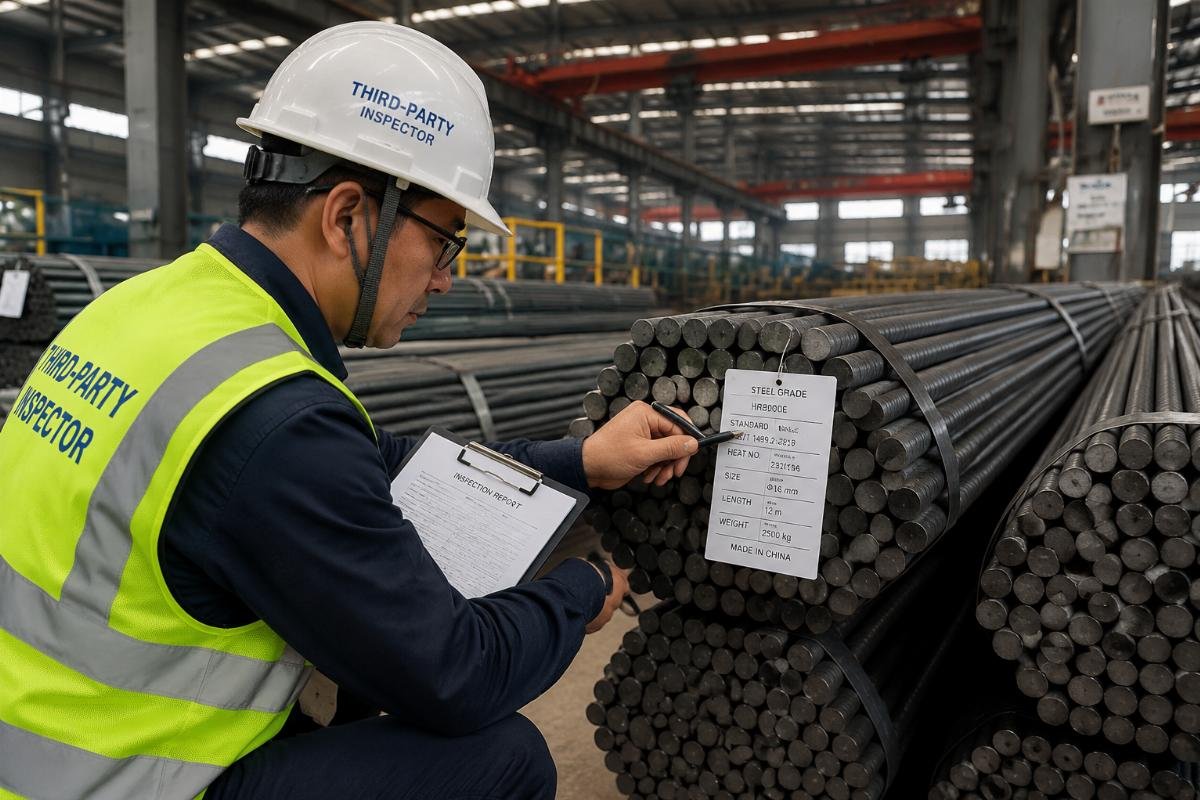
Require traceable Mill Test Certificates and independent third-party inspection reports for chemical composition and mechanical properties.
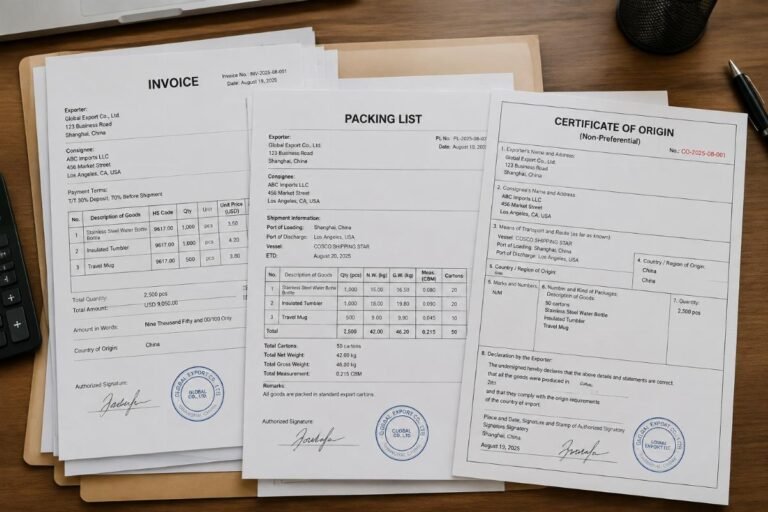
Many buyers believe that a Mill Test Certificate (MTC) guarantees quality. In reality, without verification, an MTC is just a piece of paper that can be mismatched to the actual batch. The risk of “certificate trading”—where documents from one high-quality batch are used to sell inferior stock—is a known issue in global steel trade.
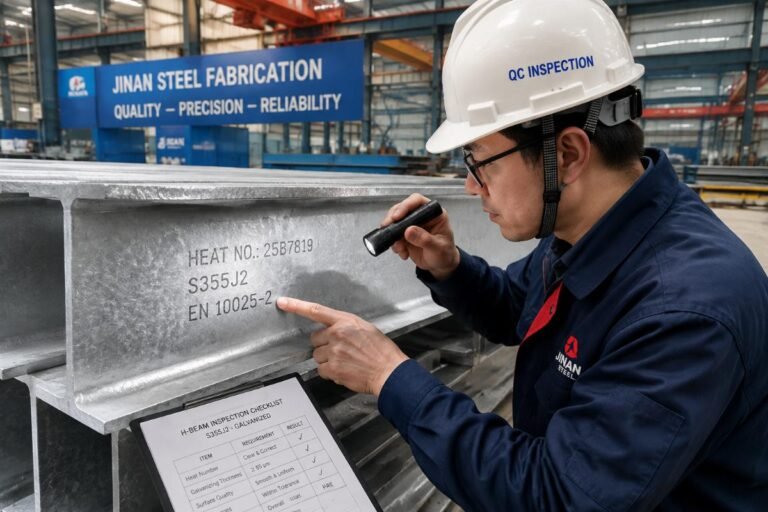
To mitigate this, buyers must insist on traceability. Each bundle or pipe should be marked with a heat number that corresponds directly to the MTC. Furthermore, the MTC must explicitly reference the relevant standard, such as EN10219 for cold-formed welded structural hollow sections or EN10210 for hot-finished sections. The certificate should detail the chemical composition (Carbon, Manganese, Silicon, etc.) and mechanical properties (Yield Strength, Tensile Strength, Elongation) for S355JR, S355J0, or S355J2 grades.
Verification Step
Basic Practice
Robust Practice
Documentation
Supplier-provided MTC only
MTC + Third-Party Inspection Report
Traceability
Batch-level marking
Heat-number specific marking
Testing Scope
Sample-based internal test
Independent lab verification
Standard Reference
General “Steel Pipe” description
Specific EN10219/EN10210 clause citation
Discrepancy Handling
Credit note for future orders
Rejection and replacement at supplier cost
A European distributor once faced a welding failure because the supplied steel, labeled as S355, had a carbon equivalent value too high for the specified welding procedure. The MTC had been altered. Had a third-party inspector verified the chemical composition against the standard limits before shipment, the error would have been caught at the factory. [NEED_CITE: importance of carbon equivalent in weldability]
Reliable manufacturers, such as those with in-house laboratories and multiple production lines like Xin Jiyuan, can facilitate this verification process. They allow for pre-shipment inspections where independent agents can verify dimensions, surface quality, and documentation accuracy. This level of transparency is a hallmark of a serious partner in Bulk Custom Steel Sourcing China.
What Are the Critical Tolerances for Structural Fit-Up?
Focus on wall thickness, straightness, and weld seam integrity to prevent on-site assembly issues.
Dimensional tolerances are not just about aesthetics; they determine whether structural members fit together during erection. For cold-formed sections under EN10219, the tolerance on wall thickness is tighter than for hot-rolled sections. A deviation that seems minor on paper can cause significant gaps in bolted connections or misalignment in welded joints.
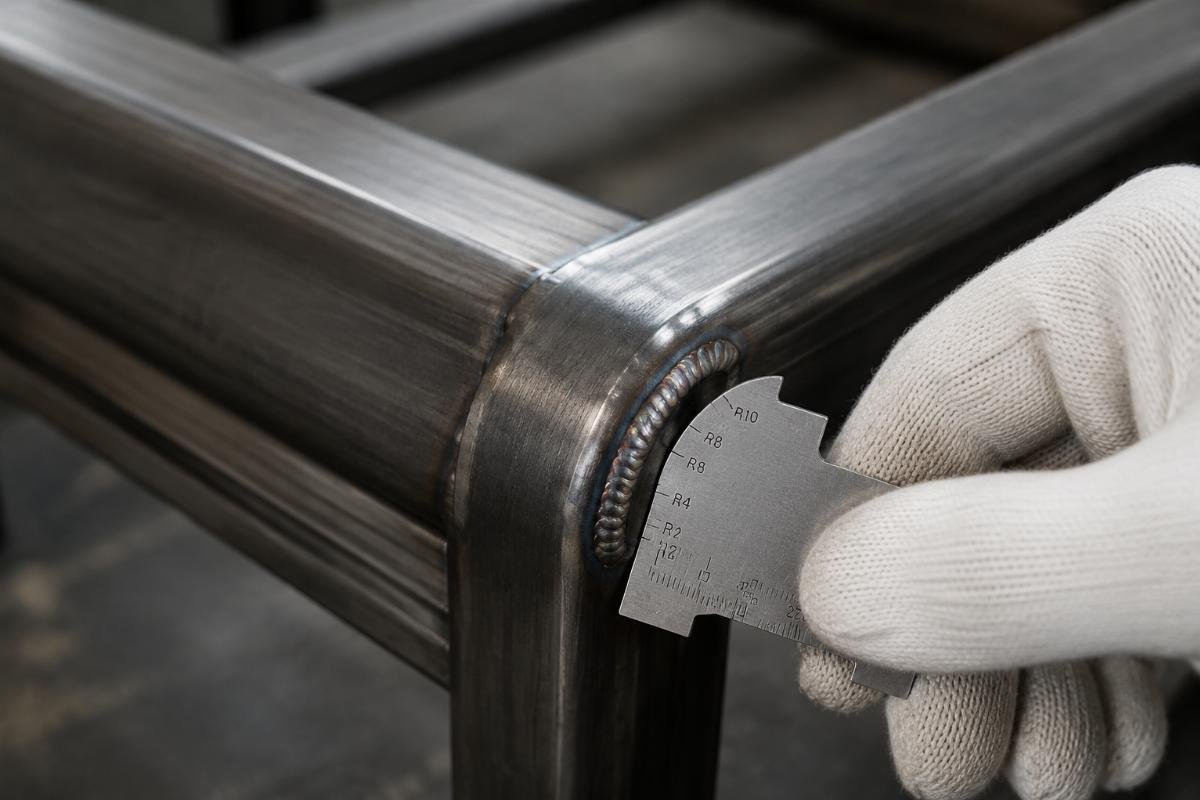
Straightness is another critical factor. Long beams or columns that bow beyond the allowable limit require straightening on-site, which is labor-intensive and can weaken the material if done improperly. Weld seam integrity is vital for structural safety. Poorly formed welds can act as stress concentrators, leading to premature fatigue failure.
Parameter
Hot-Rolled (EN10210)
Cold-Formed (EN10219)
Impact of Deviation
Wall Thickness
Wider tolerance band
Tighter tolerance band
Affects load-bearing capacity calculation
Straightness
Standard allowance
Strict allowance for long spans
Causes fit-up gaps and alignment issues
Corner Radius
Larger, rounded
Smaller, sharper
Affects welding access and coating thickness
Surface Finish
Mill scale present
Smoother, may require cleaning
Impacts paint adhesion and corrosion protection
In the Lagos case mentioned earlier, the rejection was due to wall thickness variation. The tubes were thinner than specified in critical areas, compromising the structural rating. The cost of rework and delay far exceeded the initial savings from choosing a cheaper supplier. [NEED_CITE: typical tolerance ranges for structural hollow sections]
Buyers should specify tolerance classes in their purchase orders. For high-precision applications, requesting “tighter than standard” tolerances is possible but must be agreed upon in advance. Manufacturers with advanced rolling mills and straightening equipment can consistently meet these stricter requirements.
How to Optimize Logistics for Bulk Custom Orders?
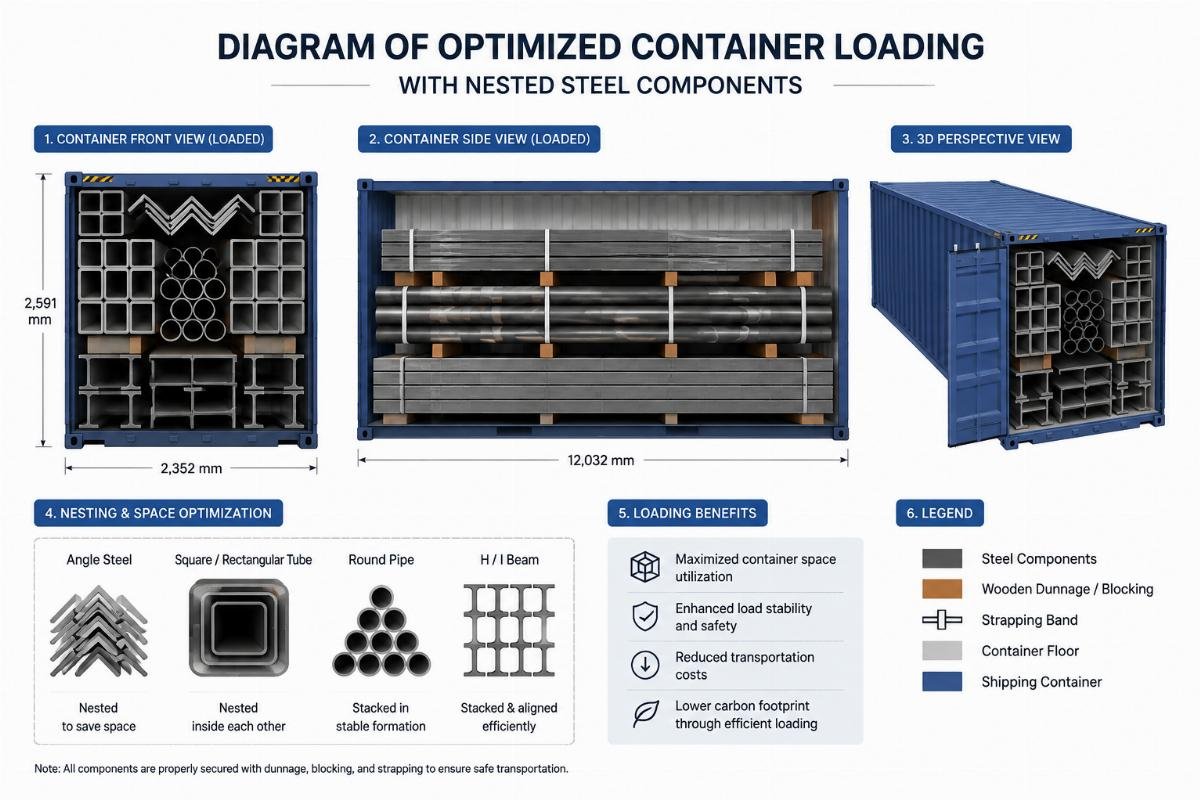
Strategic nesting and mixed-container loading reduce freight costs and damage risks.
Shipping steel is expensive, and inefficient loading can erode profit margins. Custom-sized components offer an opportunity to optimize space utilization. By coordinating the cutting of plates, beams, and tubes, manufacturers can nest smaller parts within the voids of larger structures or stack them efficiently.
Mixed-container consolidation is another effective strategy. Instead of shipping full containers of a single product type, buyers can combine different items—such as plates, beams, and fittings—into one container. This approach matches the diverse needs of construction projects and reduces the number of shipments required. However, it requires careful planning to ensure that heavier items do not damage lighter ones and that all items are securely braced.
Logistics Strategy
Benefit
Risk if Poorly Executed
Nesting Custom Cuts
Maximizes container volume
Complex packing list management
Mixed-Container Load
Reduces total shipment count
Potential for damage between items
Protective Packaging
Prevents corrosion and scratches
Increased packaging cost and weight
Stowage Planning
Ensures stability during transit
Requires detailed coordination
A project in Southeast Asia utilized mixed-container loading to ship structural frames along with connection plates and bolts. By optimizing the load plan, the buyer reduced the total number of containers by a noticeable margin. The key was close collaboration with the manufacturer’s logistics team to create a detailed stowage plan before loading began. [NEED_CITE: best practices for steel cargo stowage]
Effective logistics also involve proper surface treatment. Galvanizing or painting protects the steel during ocean transit, especially in humid conditions. Buyers should specify the required durability metrics, such as salt spray test hours, to ensure the coating survives the journey and provides long-term protection.
Navigating Bulk Custom Steel Sourcing China requires a shift from price-focused buying to value-focused partnership. By verifying standards, enforcing tolerances, and optimizing logistics, buyers can secure high-quality structural steel that supports successful project delivery.
Conclusion
Quality verification and logistical precision define the true cost of imported steel.
Sourcing custom structural steel from China offers significant advantages in flexibility and cost, but only when managed with rigorous technical oversight. Prioritizing EN-standard compliance, dimensional accuracy, and smart logistics ensures that materials arrive ready for installation, avoiding the hidden costs of delays and rework.
Editor covering global sourcing, supplier verification, and industrial product knowledge. Content is compiled from manufacturer specifications, industry standards, and hands-on experience with international B2B buyers. Every article is fact-checked before publishing to help procurement professionals make informed decisions.


Discussion
0 Comments