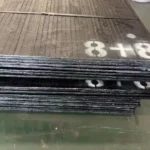
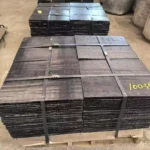
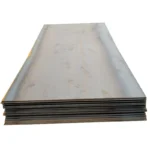

Description
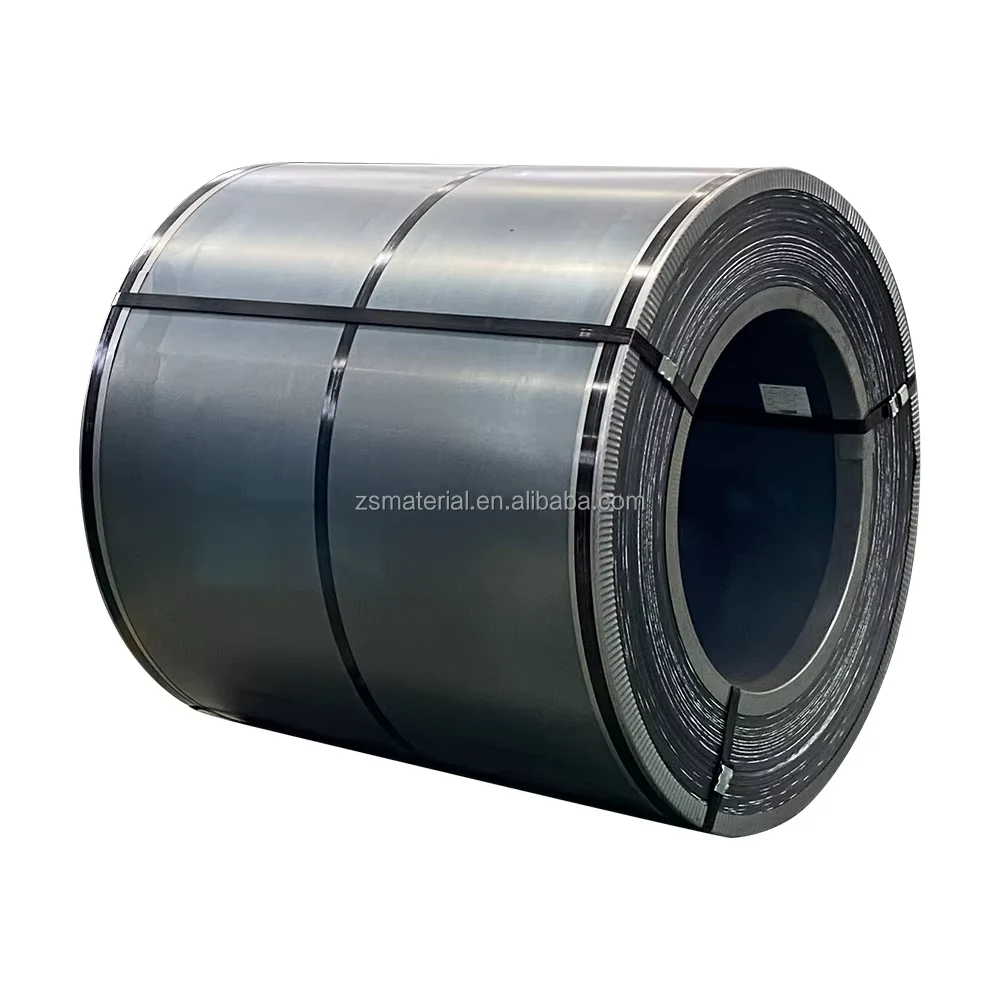
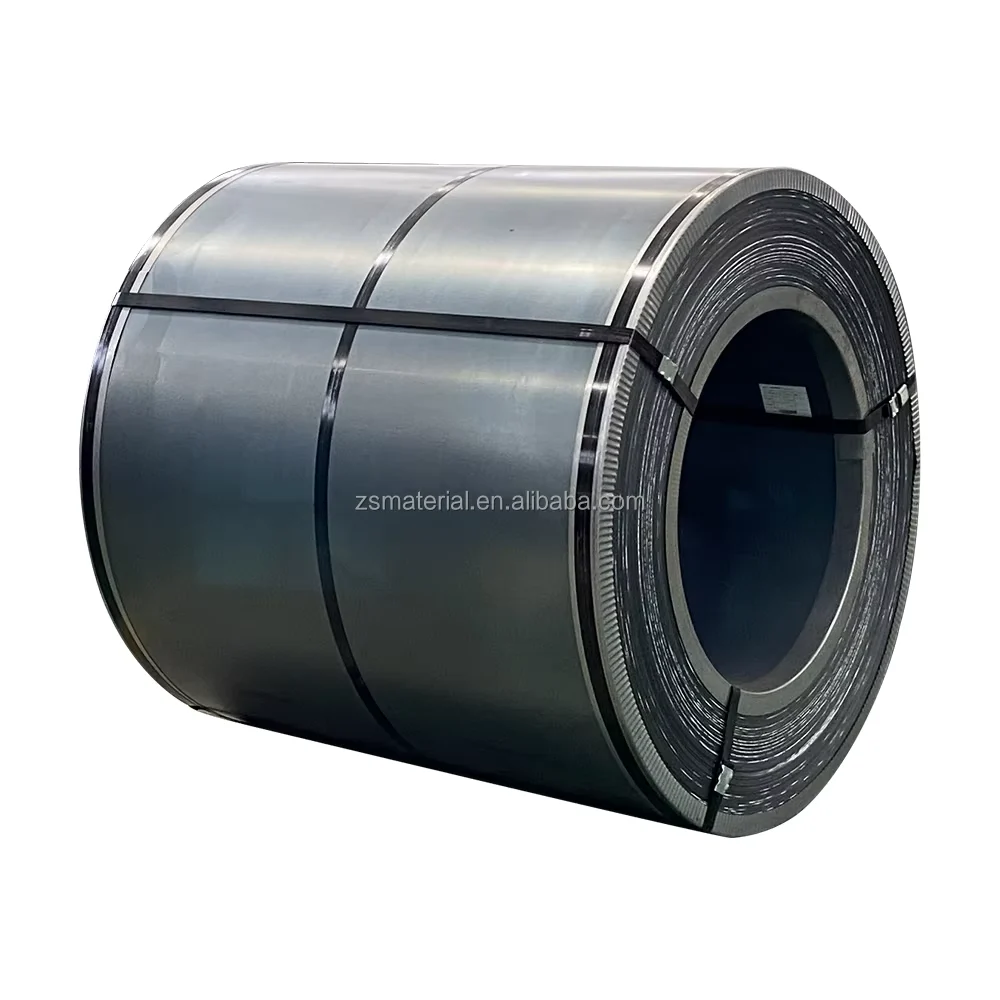
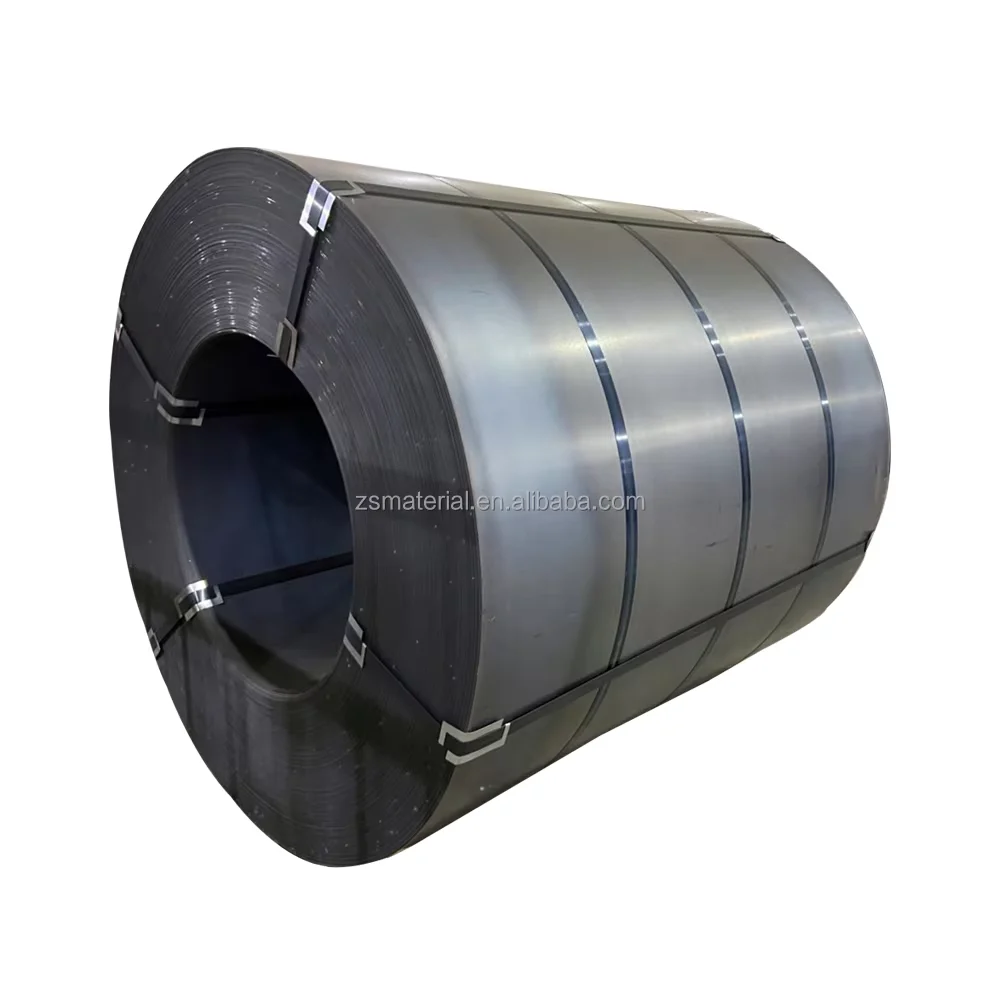
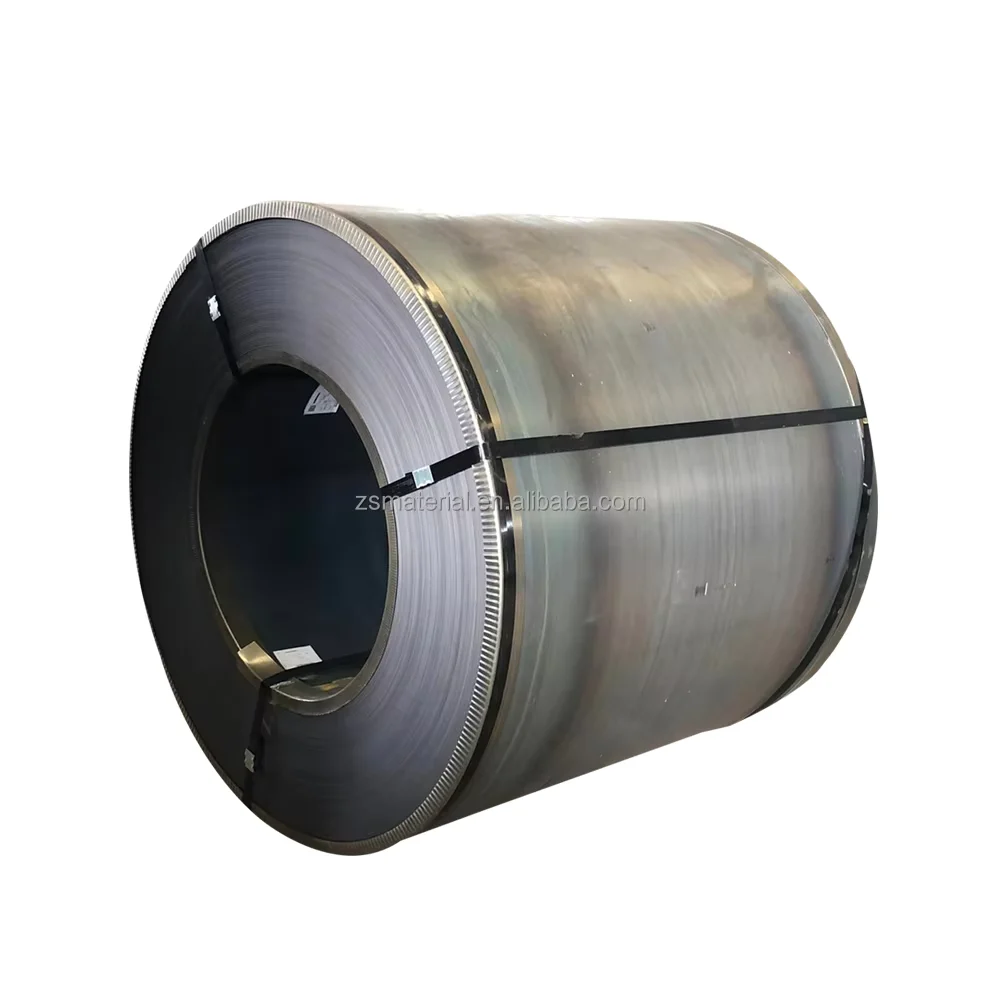
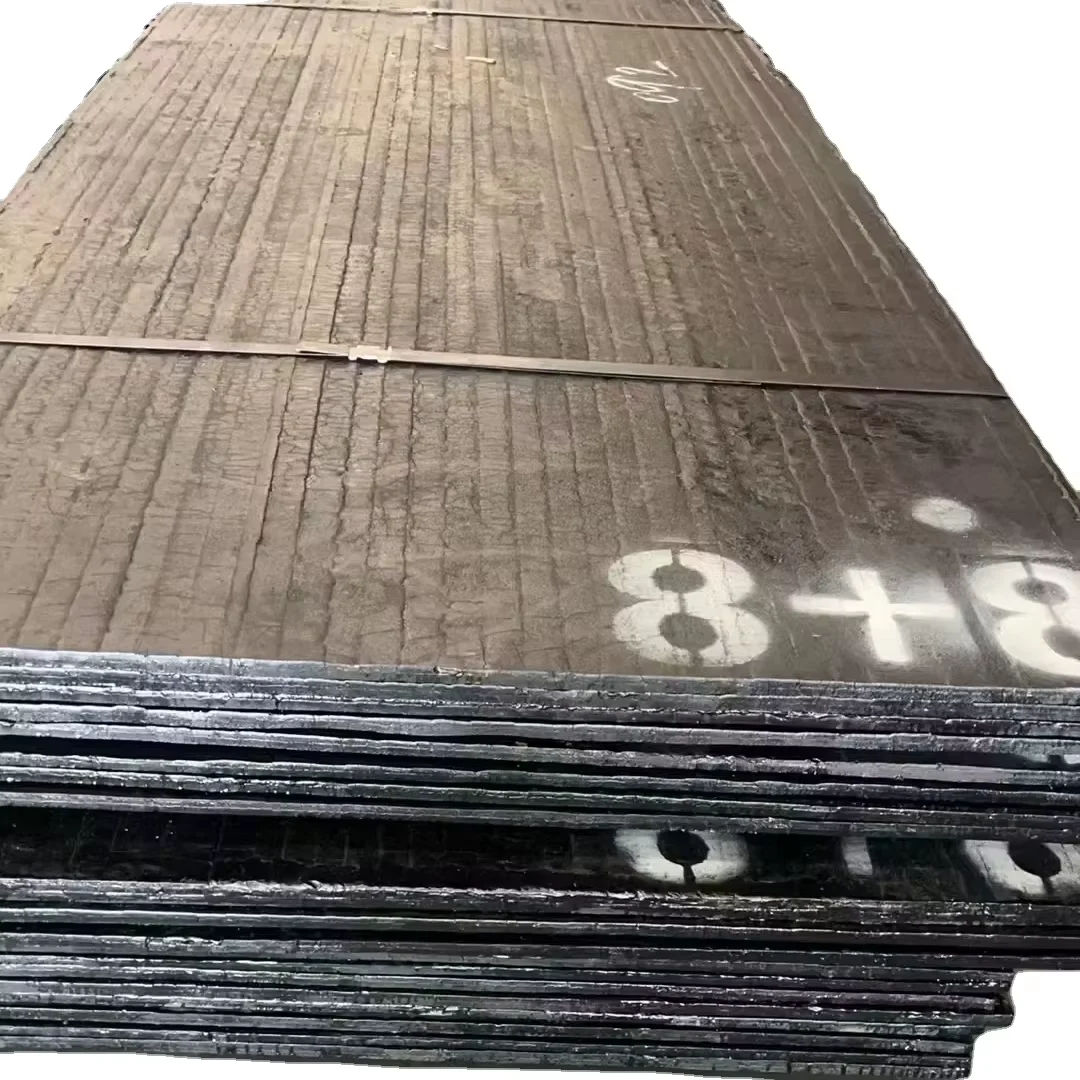
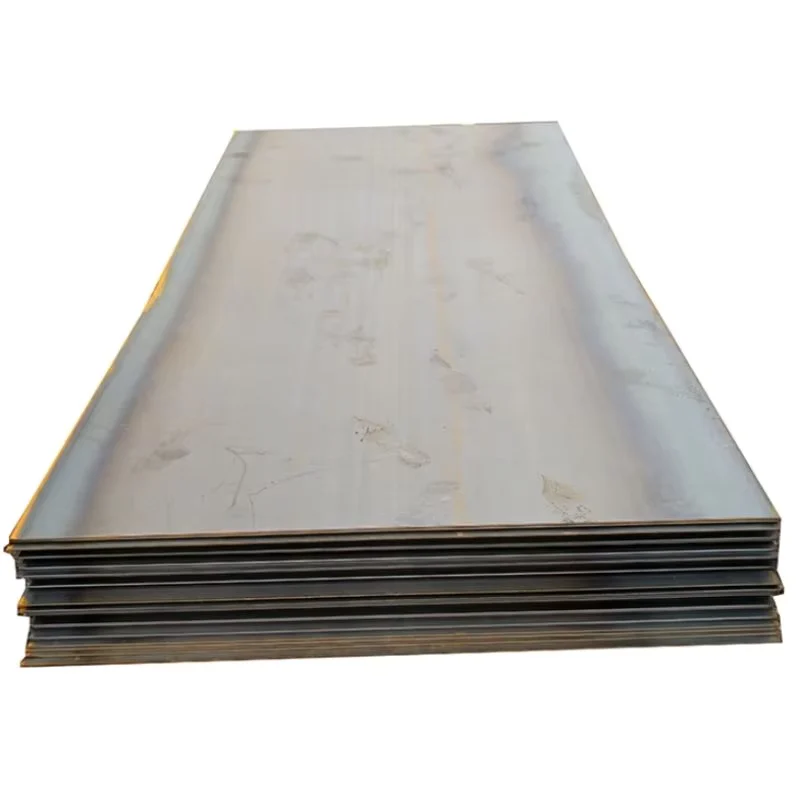
Factory-Direct Hot Rolled Plate Supply — SS400, Q235, and A36 grades shipped with original mill test certificates and third-party inspection options for project compliance.
Technical Specifications
| Parameter | Value |
|---|---|
| Designation | SS400 Hot Rolled Steel Plate |
| Product Type | Steel Plate |
| Steel Grade | SS400, Q235, A36 |
| Standard | JIS G3101 (SS400), GB/T 700 (Q235), ASTM A36 |
| Section Shape | Flat Plate |
| Size Range | 6 mm × 1500 mm × 6000 mm |
| Technique | Hot Rolled |
| Surface Treatment | Hot Rolled |
| Application | Shipbuilding, Structural fabrication, Construction, Industrial manufacturing |
| MOQ | 1 Ton |
| Origin | Shandong, China |
Application Suitability
| Industry | Typical Applications |
|---|---|
| Shipbuilding | Deck plating, bulkhead panels, marine structural frames |
| Construction & Infrastructure | Building column base plates, bridge gusset plates, foundation embedment plates |
| Industrial Manufacturing | Machine base frames, conveyor support structures, hopper and silo walls |
| Structural Fabrication | Welded beam-to-column connections, bracket plates, gusset reinforcement |
Why Cross-Standard Grade Equivalence Saves Procurement Cycles on Plate Orders
SS400, Q235, and A36 occupy nearly identical yield and tensile ranges — sourcing them from one supplier eliminates redundant RFQs.
Global buyers frequently receive projects specifying different standards for the same structural role: JIS G3101 for Japanese-designed platforms, ASTM A36 for American-engineered frames, GB/T 700 for domestic Chinese drawings. Ordering each grade from separate mills fragments lead times, multiplies documentation, and invites batch-to-batch inconsistency. [NEED_CITE: steel grade equivalence between JIS SS400, GB Q235, and ASTM A36] When a single SS400 Q235 A36 hot rolled steel plate supplier stocks all three under one roof, procurement teams consolidate tonnage into fewer production runs, share one set of mill test certificates across drawing revisions, and avoid the customs confusion that arises when certificates reference unfamiliar national standards.
Matching 6×1500×6000mm Plates to Structural Fabrication Demands
The 6 mm thickness sits at the practical threshold where hot rolled plates transition from light bracing use into load-bearing structural work — stiffener webs, base plates under column loads, and welded connection gussets all demand this range. At 1500 mm width, the plate covers standard beam flange spans without requiring longitudinal seam welds, reducing fabrication time on site. The 6000 mm length aligns with container internal dimensions, allowing full-length loading without cross-cutting that introduces edge deformation. Our SS400 Q235 A36 hot rolled steel plate inventory holds this format in ready stock, while custom cut-to-length orders ship within typical production lead times for non-standard projects.
Engineering Compliance and Certification Pathways
Structural plates entering EU markets must demonstrate conformity with EN 10219 or EN 10025 frameworks; North American projects reference ASTM A36 directly; Middle East and African infrastructure tenders often accept JIS G3101 or GB equivalents with third-party verification. [NEED_CITE: EN 10219 cold-formed hollow section requirements for plate-to-tube fabrication] The hot rolled surface of SS400 and Q236 plates provides adequate weldability for SMAW, GMAW, and FCAW processes without pre-treatment, though marine and high-humidity environments require downstream galvanizing or coating. Every batch ships with heat-number traceability linking the plate back to its original slab chemistry, satisfying both project engineer review and port customs inspection.
Steel Grade Selection: SS400 vs Q235 vs A36
All three grades classify as mild carbon structural steel with carbon content below 0.25%, making them readily weldable and formable without pre-heating. SS400 under JIS G3101 specifies minimum tensile strength of 400 MPa — the “400” in its designation — with no mandatory yield point specification, relying instead on tensile and elongation requirements. Q235 under GB/T 700 defines yield at 235 MPa for thicknesses up to 16 mm, with grade sub-classifications (A through D) controlling impact test temperature. ASTM A36 sets yield at 250 MPa (36 ksi) and tensile between 400–550 MPa, widely specified in American structural codes. [NEED_CITE: mechanical property comparison of SS400 Q235 A36 structural steel] For most general fabrication and construction applications, these grades are functionally interchangeable; the choice typically follows the design standard of the originating engineering drawing rather than performance differentiation.
Hidden Costs When Plate Certification or Thickness Tolerance Fails
Plates arriving without original mill test certificates face rejection at destination customs — particularly in Africa and South America where pre-shipment verification programs mandate documentary compliance before cargo release. [NEED_CITE: customs documentation requirements for steel plate imports] Negative thickness tolerance exceeding standard allowances reduces actual section modulus, forcing structural engineers to reject material that passes visual inspection but fails ultrasonic thickness measurement. Welding procedures qualified against certified chemistry become invalid when unverified plates contain sulfur or phosphorus at levels that induce hot cracking. The cost of replacing a rejected container of plates — including return freight, re-procurement lead time, and project delay penalties — typically exceeds the original material cost by several multiples.
Procurement Confidence Through Direct Factory Control
As a manufacturer operating three production lines with monthly capacity exceeding 20,000 tons, we eliminate trading margins that inflate per-ton costs on bulk plate orders. Our in-house laboratory issues original mill test certificates for every heat, covering chemical composition and mechanical properties per the applicable standard — JIS G3101 for SS400, GB/T 700 for Q235, ASTM A36 for A36 plates. For buyers requiring independent verification, we coordinate SGS or BV third-party inspection at our facility before container sealing. The 2,800+ specification inventory ensures that standard sizes like 6×1500×6000 mm ship from ready stock, while custom widths and lengths enter production queues without waiting for minimum mill run quantities. Our export team handles container loading optimization — critical for heavy plate cargo where improper weight distribution causes shifting during ocean transit — and prepares complete customs documentation packages including packing lists, bills of lading, and certificates of origin.
Documentation & Compliance
- Original mill test certificate documenting SS400 chemical composition and tensile properties per JIS G3101 for each heat number
- Q235 grade plates certified under GB/T 700 with yield strength and elongation data tied to slab traceability
- ASTM A36 compliance certificates referencing tensile and yield requirements per ASTM A36/A36M for North American project submittals
- Lloyd’s CE certification (EN 10210/10219) available for plates entering European structural compliance frameworks
- SGS or BV third-party inspection reports issued before container loading upon buyer request
- Complete export documentation package including commercial invoice, packing list, bill of lading, and certificate of origin
Packaging, Loading & Delivery
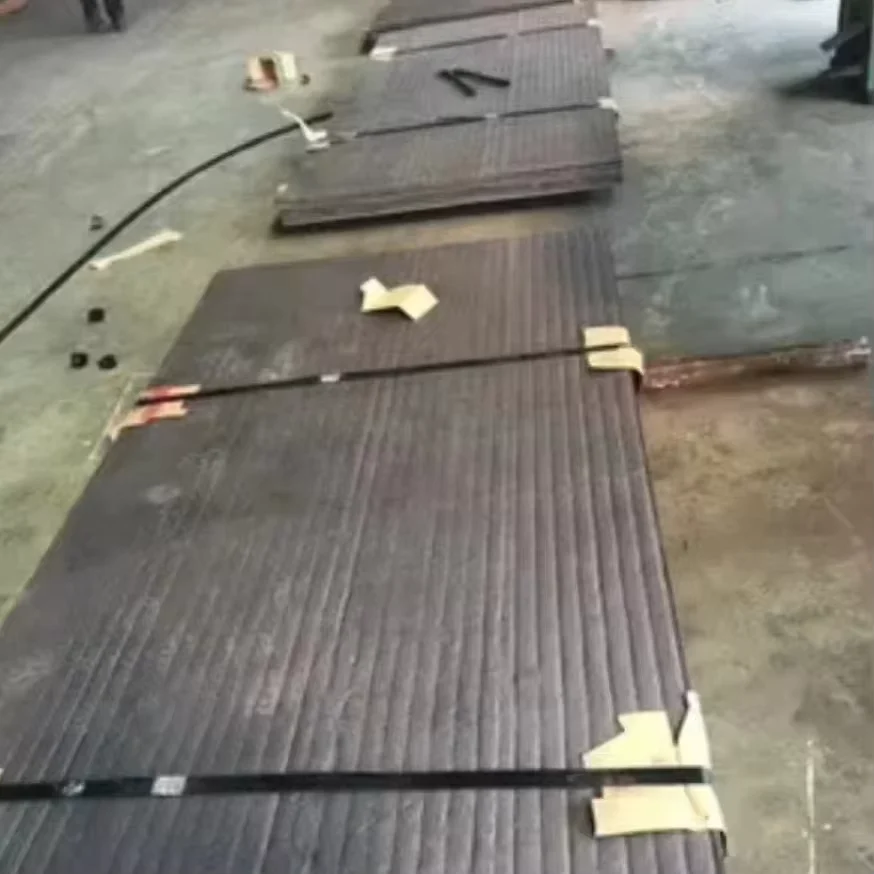
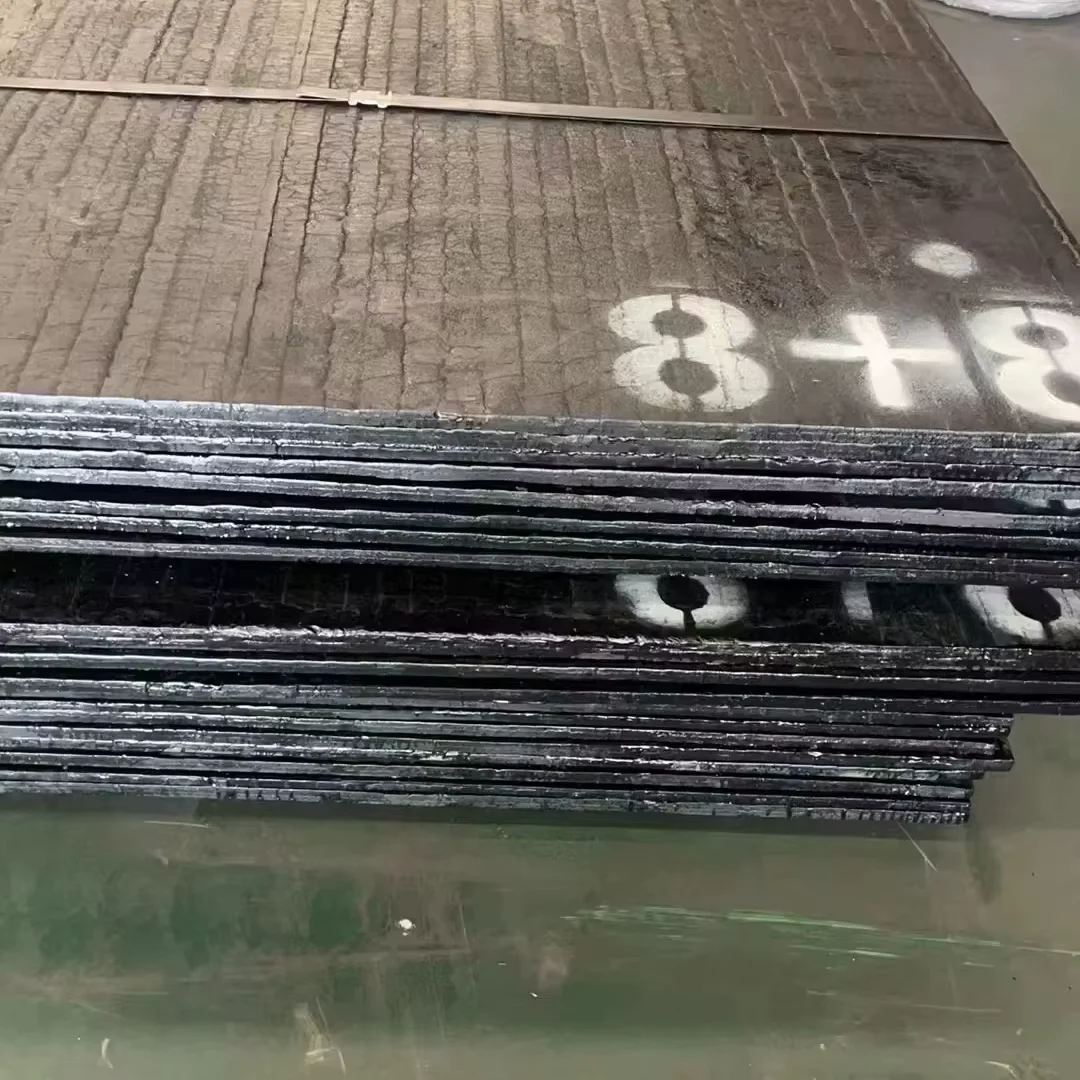
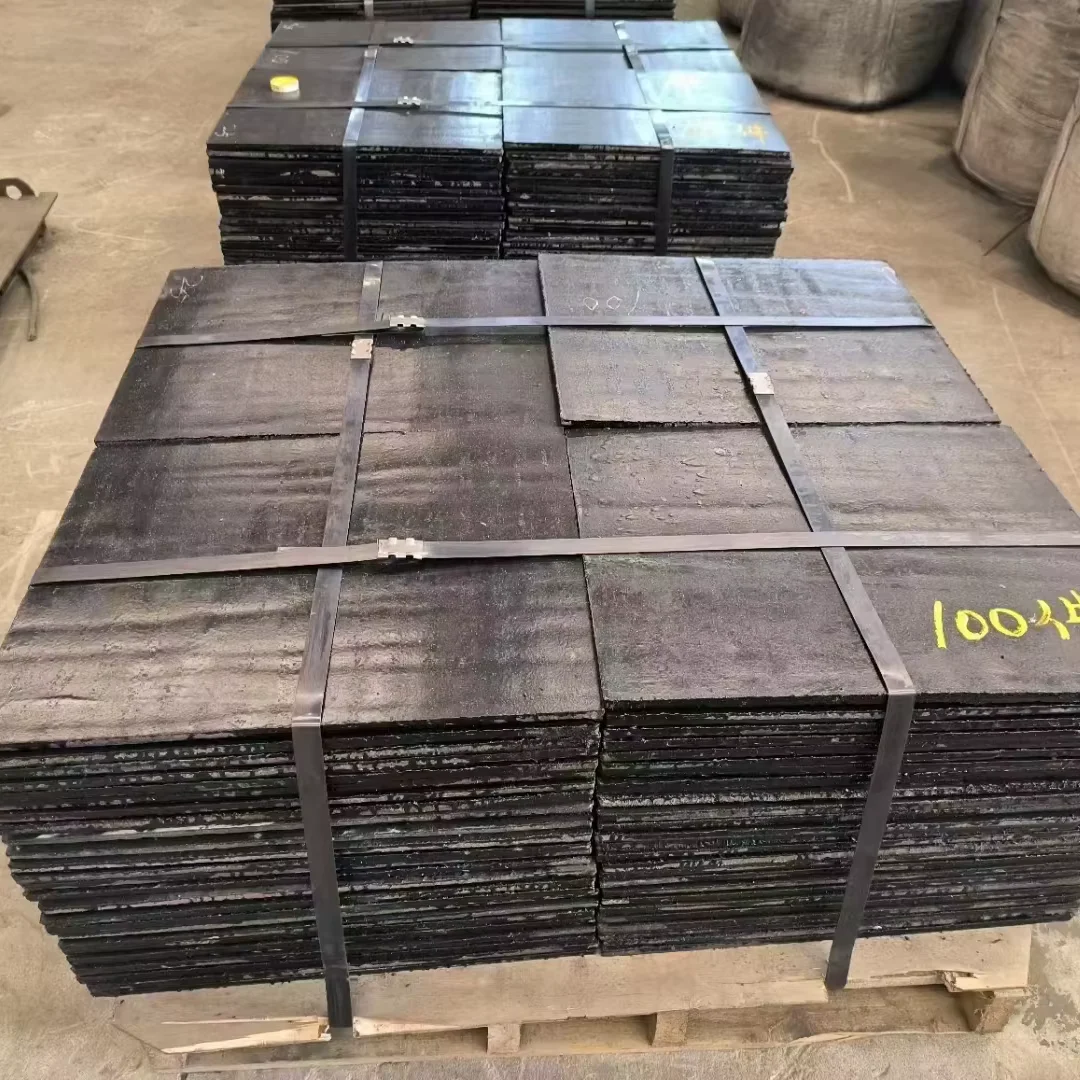
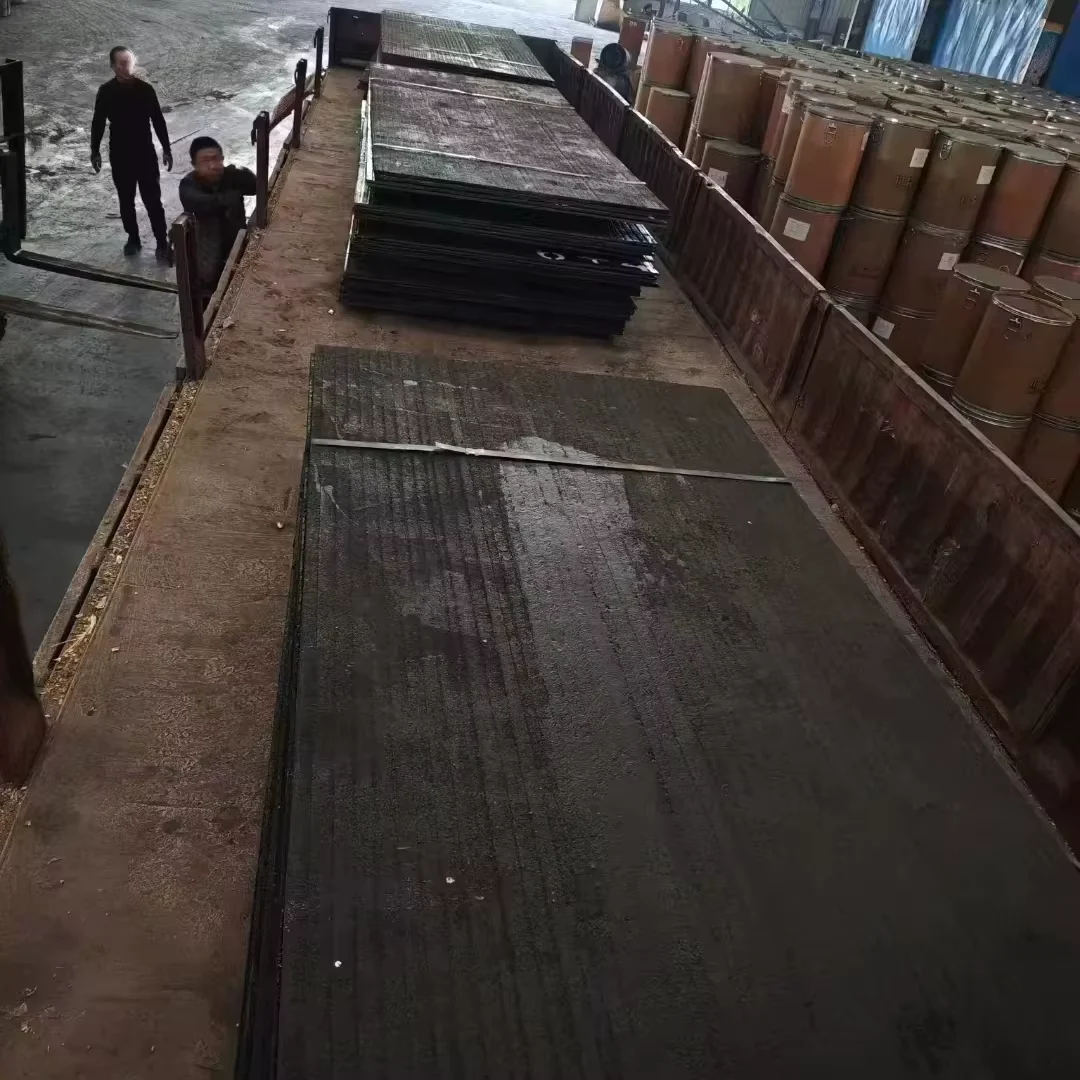
- Hot rolled SS400 and Q235 plates bundled with steel strips and edge protectors to prevent surface slippage and edge damage during ocean transit
- 6×1500×6000 mm plates loaded in containers with weight distribution calculated per shipping route to prevent cargo shift on long-haul voyages
- Surface protection maintained through hot rolled mill finish with anti-rust oil coating applied before bundling for humidity-sensitive destinations
- Custom cut-to-length plates marked with heat number, steel grade, and dimensional tags for on-site identification and traceability
- FOB, CIF, and DDP shipping terms available with professional export coordination for heavy plate cargo from Chinese ports
- Container loading plans optimized for 20ft and 40ft units, maximizing payload while respecting road weight limits at destination
Securing Your Plate Order with Verified Documentation
Submit your required steel grade (SS400, Q235, or A36), dimensions, tonnage, and destination port to receive a factory-direct quotation with delivery timeline and available mill test certificate formats. For non-standard widths or lengths outside the 6×1500×6000 mm format, we provide cut-to-length proposals with confirmed production lead times. Third-party inspection coordination and customs documentation requirements are confirmed at the quotation stage to prevent clearance delays at destination.
Frequently Asked Questions
Q: Can SS400, Q235, and A36 plates be used interchangeably in structural applications?
A: These three grades share similar carbon content and weldability characteristics, making them functionally equivalent for most general construction and fabrication purposes. The selection typically depends on which standard the project engineering drawings specify — JIS G3101 for SS400, GB/T 700 for Q235, or ASTM A36 for American-designed structures.
Q: What documentation accompanies each shipment of hot rolled steel plates?
A: Every batch ships with an original mill test certificate covering chemical composition and mechanical properties per the ordered standard. Heat number traceability links each plate to its production slab. Third-party inspection reports from SGS or BV are available upon request before container loading.
Q: What is the minimum order quantity for SS400 Q235 A36 hot rolled steel plate?
A: The minimum order quantity is 1 ton, supporting both trial orders for new buyers and full-container bulk shipments for ongoing project supply. Standard sizes like 6×1500×6000 mm ship from ready stock, while custom dimensions follow typical production lead times.
Q: How are the plates packaged to prevent damage during international shipping?
A: Plates are bundled with steel strips and edge protectors, with anti-rust oil applied to the hot rolled surface. Container loading plans account for weight distribution to prevent cargo shift during ocean transit, particularly on long-haul routes.
Q: Can you provide cut-to-length plates outside the standard 6000 mm length?
A: Yes, custom cutting-to-length is available for non-standard project requirements. Submit your dimensional specifications with the order inquiry, and we will confirm production lead times and pricing for the requested sizes.
Request Factory-Direct Pricing with Mill Test Certificates
Send your SS400, Q235, or A36 plate specifications — including dimensions, tonnage, and destination — to receive a competitive quotation with original mill test certificate options and confirmed delivery timelines.
Shandong Xin Jiyuan Special Steel Tube Co., Ltd
Website: www.sdxinjiyuan.com
Tel: +86 531 8573 6315
Mobile/WhatsApp/WeChat: +86 188 5315 7756
Email: admin@sdxinjiyuan.com