


Description
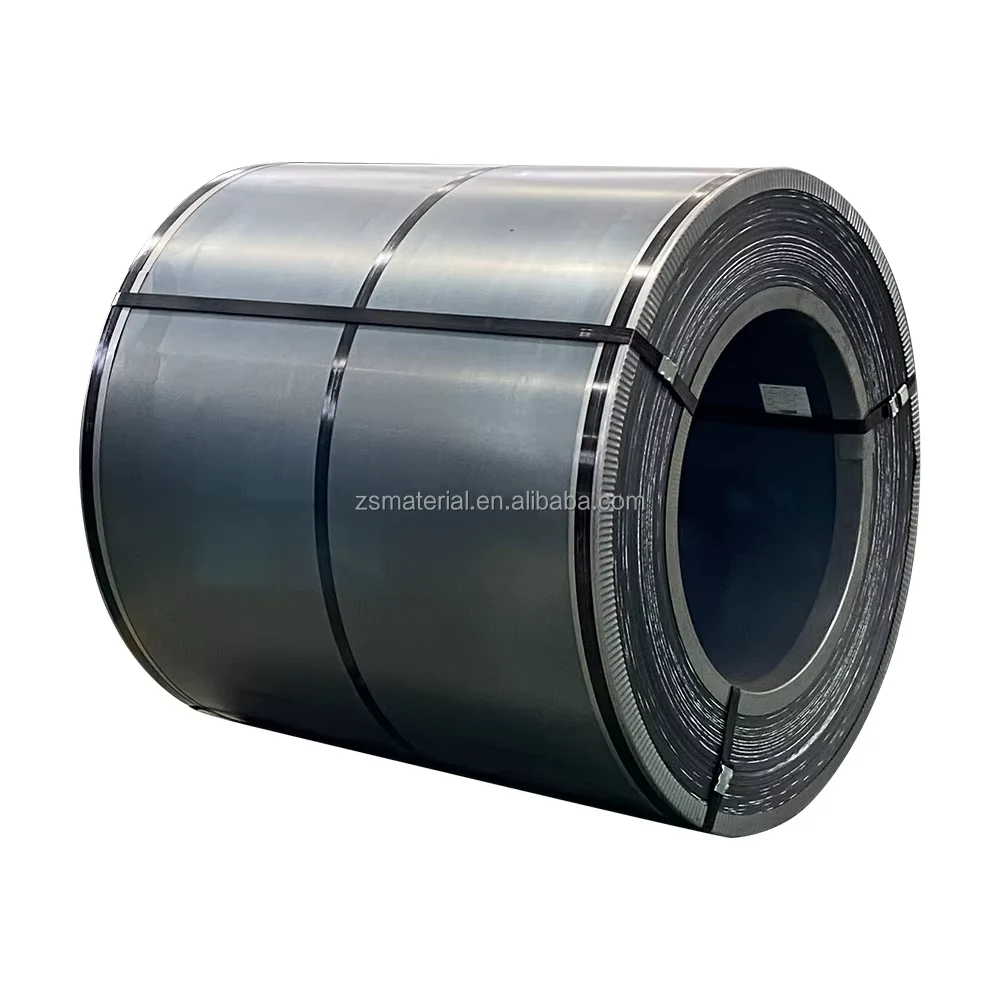
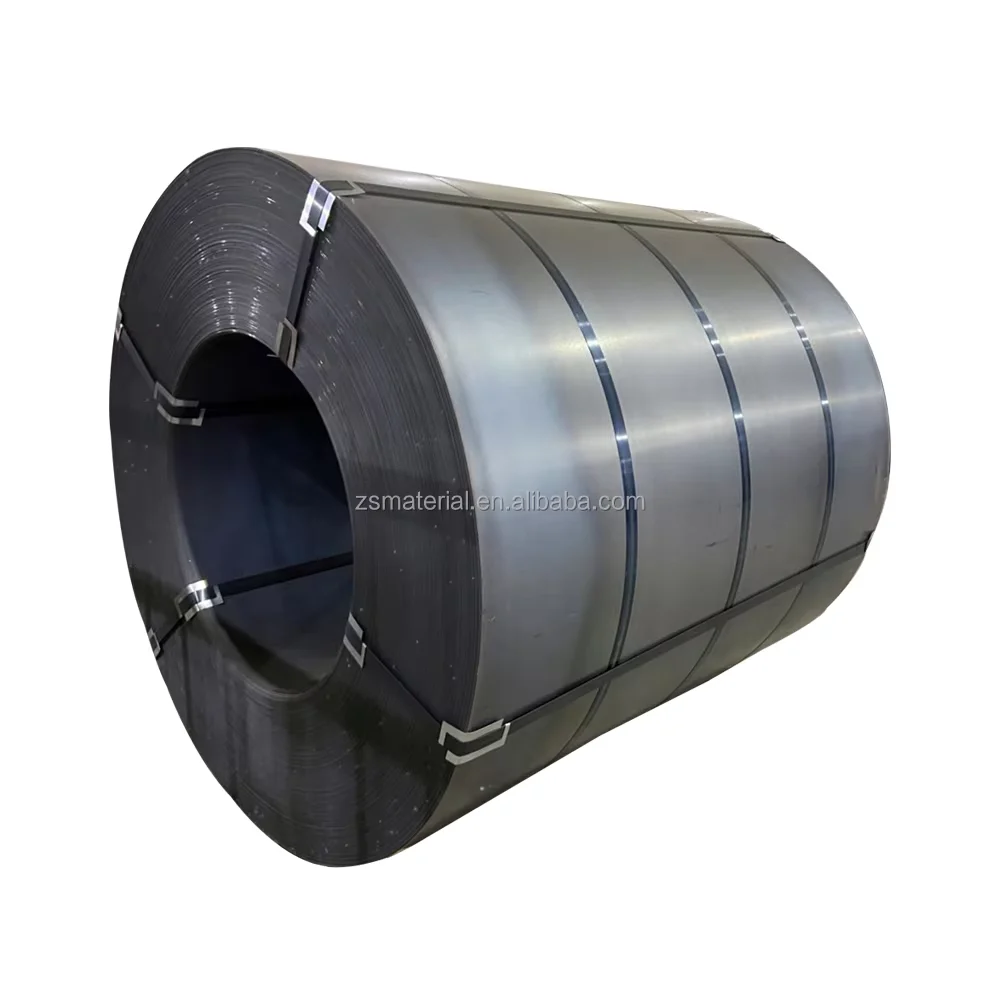
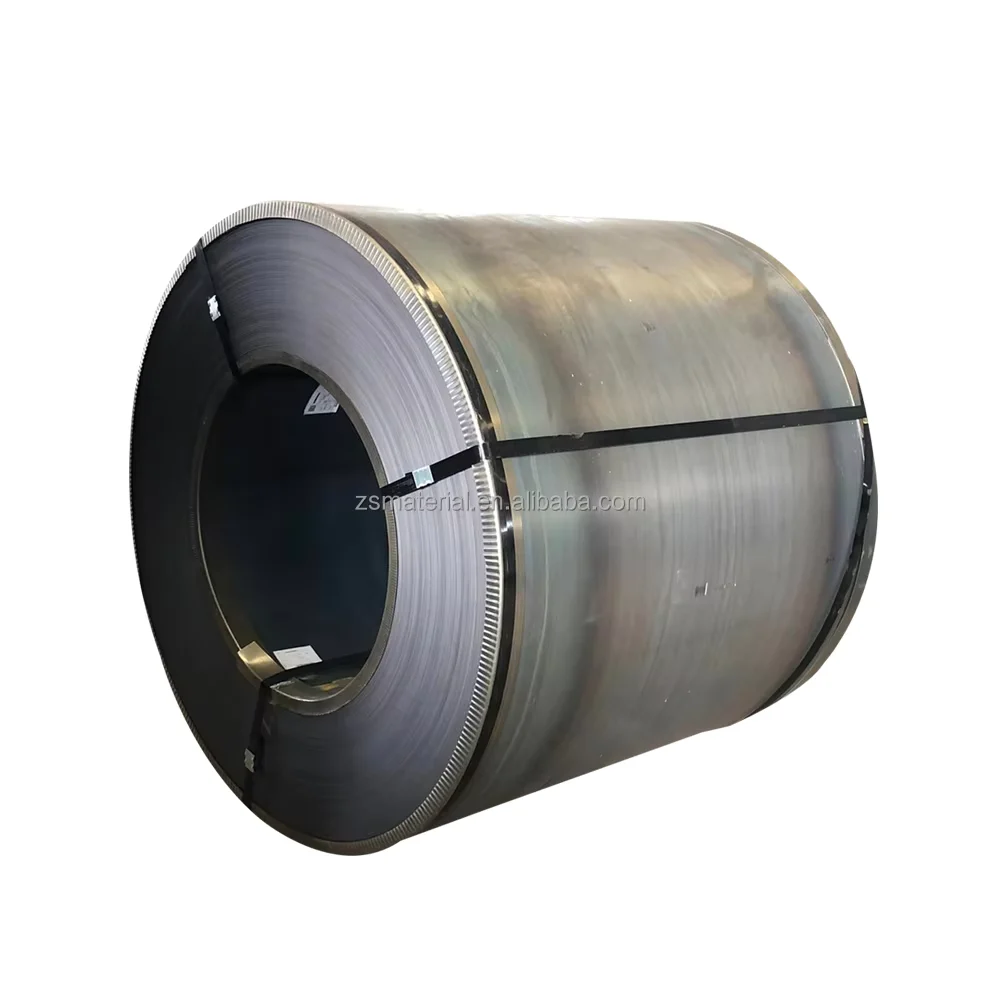
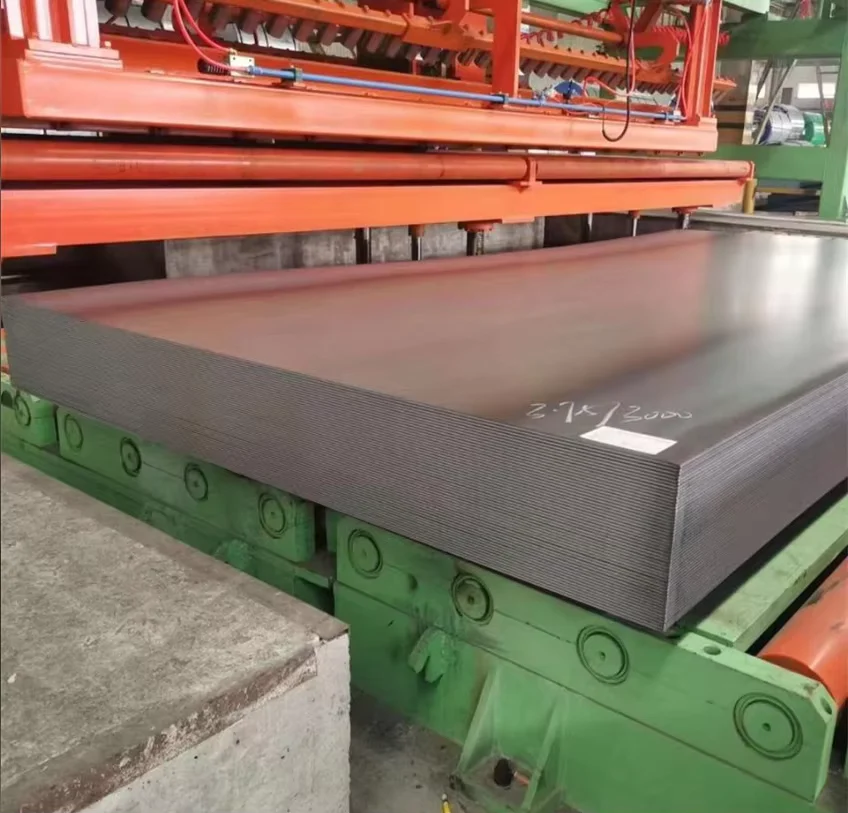
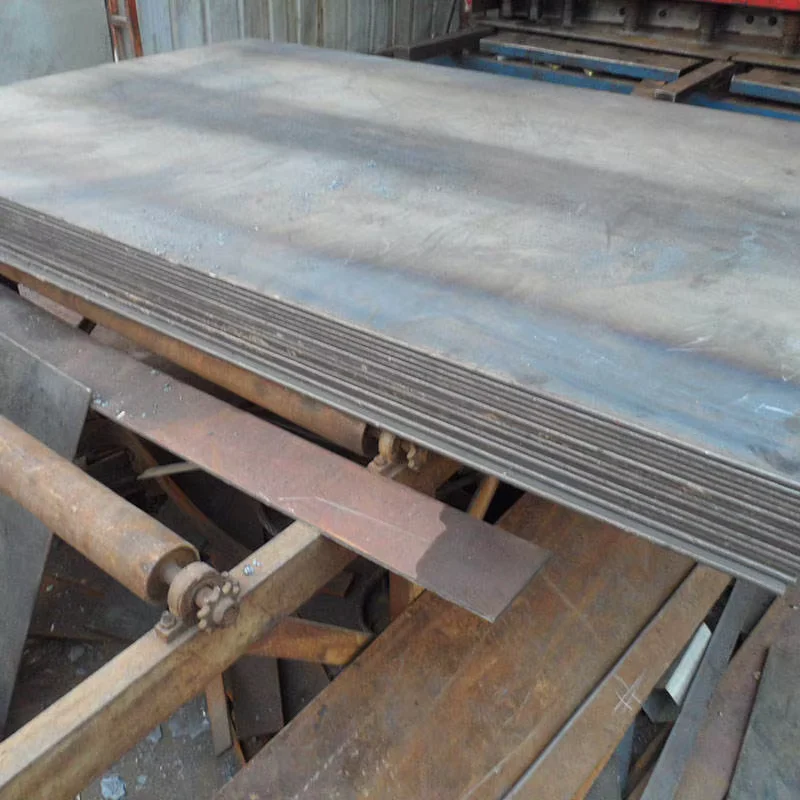
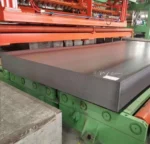
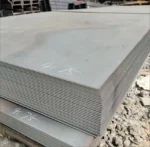
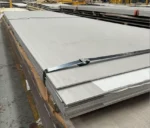
Factory-Direct Q235B Q345B Wear Resistant Steel Plate — every batch shipped with original mill test certificates and in-house lab verification
Technical Specifications
| Parameter | Value |
|---|---|
| Designation | Q235B/Q345B Wear Resistant Steel Plate |
| Product Type | Steel Plate |
| Steel Grade | Q235B, Q345B |
| Standard | ASTM, JIS, BS, AISI |
| Technique | Hot Rolled |
| Surface Treatment | Hot Rolled |
| Tolerance | ±1% |
| Processing | Cutting, Bending, Welding |
| Application | Construction, Petrochemical, Machinery, Shipbuilding |
| Origin | Shandong, China |
Application Suitability
| Industry | Typical Applications |
|---|---|
| Construction | Load-bearing floor plates, bridge deck panels, structural base plates |
| Petrochemical | Tank foundation plates, pipe rack support plates, containment bund liners |
| Machinery | Conveyor belt backing plates, crusher liners, hopper wear linings |
| Shipbuilding | Deck plating, bulkhead stiffener plates, hatch coaming plates |
What Material Substitution Costs on a Port Infrastructure Project
A Q345B plate shipped with a clean-looking mill cert can still fail third-party impact testing at the destination port — and the entire container gets held.
I spent years running material inspections in the lab before moving into trade. On a port expansion project in the Middle East, a buyer received Q345B ship plates with mill certificates that looked perfectly normal. When SGS re-tested at Jebel Ali, the low-temperature Charpy impact values fell below spec — the actual material graded no higher than Q235B. The container sat at the port for weeks while replacement plates were produced and re-shipped. [NEED_CITE: steel grade traceability requirements under EN 10204 Type 3.1 inspection documents]
For buyers sourcing a Q235B Q345B wear resistant steel plate, the risk is not just about receiving the wrong grade. Inconsistent chemistry, undocumented processing history, and missing heat-number traceability all create customs hold-ups and on-site rejection. The cost is never the plate price — it is the crane time, the delayed foundation pour, and the re-inspection invoice.
How Hot Rolled Q235B/Q345B Plates Match Structural and Machinery Applications
Hot rolled Q235B and Q345B plates deliver the combination of formability and surface hardness that construction frames and machinery linings demand. The hot rolling process produces a mill scale surface that bonds well with primer coatings, while the ±1% thickness tolerance ensures consistent fit-up during on-site welding. For a Q235B Q345B wear resistant steel plate order, we supply plates ready for cutting, bending, and welding per project drawings — verified against original mill chemistry reports before dispatch.
Engineering Compliance and Certification Requirements
Structural plates used in load-bearing applications must comply with recognized engineering codes. Q235B corresponds roughly to S235JR under EN 10025 and A36 under ASTM A36; Q345B maps to S355JR and ASTM A572 Grade 50 respectively. [NEED_CITE: steel grade equivalence tables between GB, EN, and ASTM standards] For projects requiring CE marking or third-party inspection, we provide EN 10204 Type 3.1 mill test certificates and arrange SGS or BV pre-shipment inspection. Plates are identified with heat numbers for full traceability from slab to finished product — critical for customs clearance in markets with strict import documentation rules.
Understanding Q235B vs Q345B: Grade Selection for Wear Resistance
The Q-series steel grading system follows Chinese GB/T 700 (Q235B) and GB/T 1591 (Q345B) standards. The letter Q denotes yield strength, with the number indicating the minimum yield value in MPa. Q345B offers higher yield strength than Q235B, making it the preferred choice for applications requiring greater load-bearing capacity or abrasion resistance — such as excavator bucket liners, crusher jaw plates, and heavy-duty conveyor frames. Both grades are supplied in hot rolled condition, which provides a uniform grain structure suitable for subsequent cutting and welding. The ±1% thickness tolerance ensures that design calculations based on nominal dimensions remain valid across the entire plate surface.
The Hidden Cost of Unverified Steel Plate Procurement
Ordering plates without independent verification creates exposure across the entire project timeline. Material that fails to meet the specified grade triggers on-site rejection, requiring demolition of already-installed sections and re-ordering from scratch. Missing or incomplete mill test certificates cause customs delays at destination ports — particularly in Middle East and African markets where import authorities require EN 10204 Type 3.1 documentation. [NEED_CITE: customs documentation requirements for steel plate imports in GCC countries] Negative tolerance beyond acceptable limits reduces actual load-bearing capacity while inflating theoretical weight calculations, creating disputes during final project accounting.
Why Procurement Teams Source Q235B Q345B Plates From Us
We operate three production lines running simultaneously, giving us the capacity to fulfill both trial orders and full-container bulk shipments within typical production lead times. Every plate leaving our facility carries an original mill test certificate documenting chemical composition and mechanical properties — verified by our in-house metallurgical laboratory before dispatch. Our inventory covers multiple specifications, allowing consolidated container loading when buyers need plates alongside tubes, beams, or sections for the same project. We arrange SGS or BV third-party inspection on request, and our export team handles complete documentation including packing lists, bills of lading, and certificates of origin. For long-term partners, we review volume pricing every six months and support split shipments against blanket orders.
Documentation & Compliance
- Mill test certificate documenting Q235B/Q345B chemical composition and mechanical properties per GB/T 700 and GB/T 1591 standards
- ISO 9001:2015 quality management certificate covering the full production and inspection process
- SGS or BV third-party inspection report available for pre-shipment verification of dimensions, surface quality, and mechanical testing
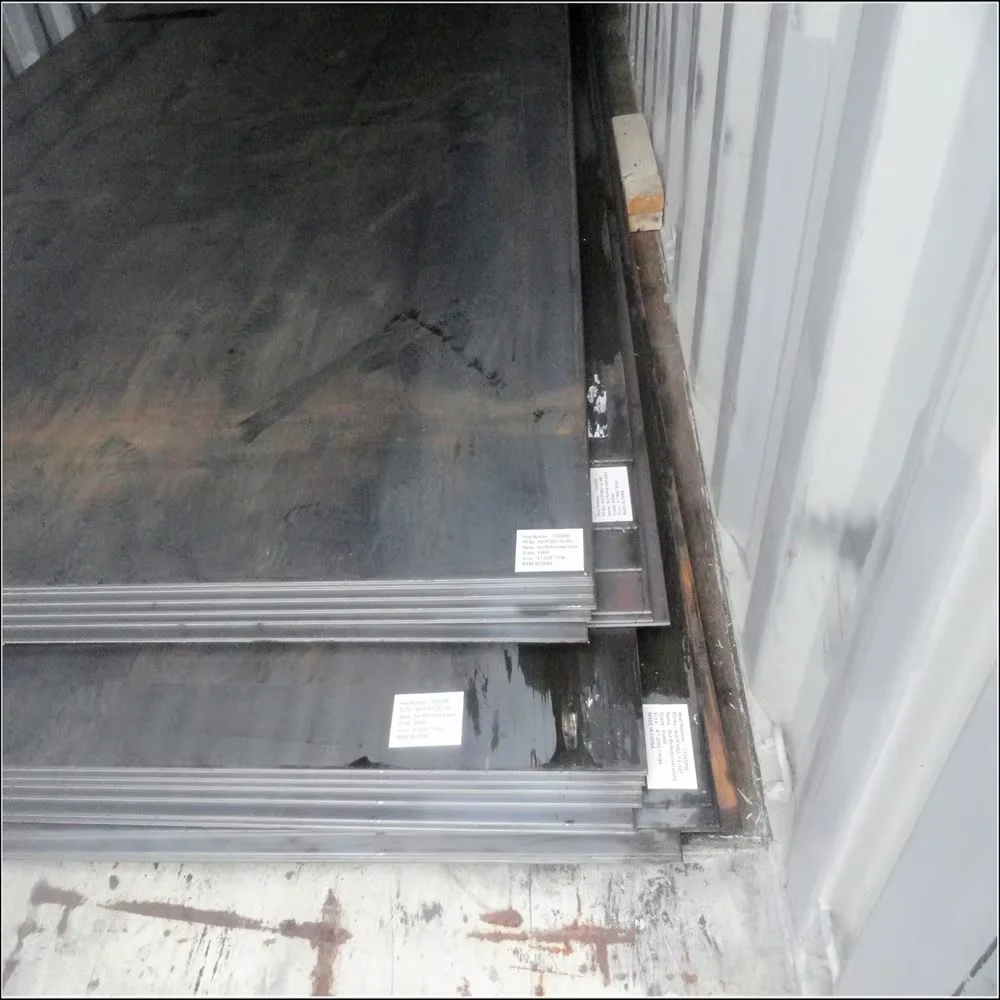
- Material traceability by heat number stamped on each plate, matching the mill test certificate
- CE certification available for plates meeting EN 10025 requirements when specified for European market projects
- Complete customs documentation package including commercial invoice, packing list, bill of lading, and certificate of origin
Packaging, Loading & Delivery
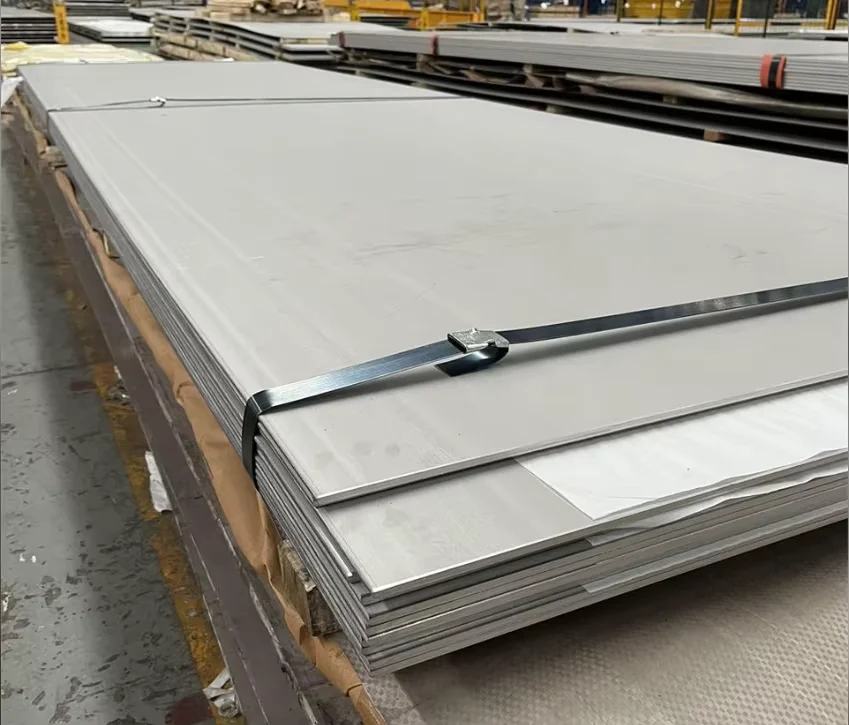
- Hot rolled Q235B/Q345B plates bundled with steel strips and edge protectors to prevent surface damage during ocean transit
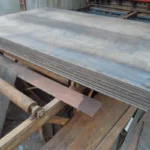
- Plates stacked with wooden dunnage between layers to allow forklift handling and prevent moisture trapping on the hot rolled surface
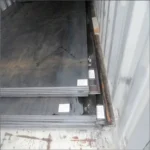
- Container loading optimized by our logistics team to maximize weight utilization while maintaining safe weight distribution for the ±1% tolerance plates
- Custom cutting to project-specified lengths available before shipment, reducing on-site waste and handling time for construction applications
- Each plate marked with heat number, steel grade (Q235B or Q345B), and dimensions for clear identification at destination
- FOB, CIF, and DDP shipping terms available with professional export documentation handling for smooth customs clearance
Ready to Source Your Q235B Q345B Wear Resistant Steel Plate?
Submit your specifications — including steel grade, dimensions, quantity, and destination port — and receive a competitive quotation with mill test certificate details within hours. We support both standard stock sizes and custom-cut plates for machinery and construction projects.
Request Your Q235B Q345B Wear Resistant Steel Plate Quotation
Send your specifications via email or WhatsApp to receive pricing, mill test certificate samples, and delivery schedules for your next project.
Shandong Xin Jiyuan Special Steel Tube Co., Ltd
Tel: +86 531 8573 6315
Mobile/WhatsApp/WeChat: +86 188 5315 7756
Email: admin@sdxinjiyuan.com