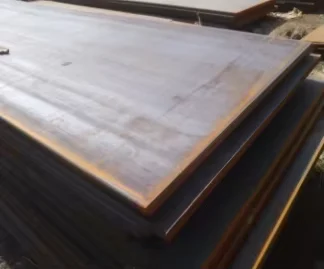
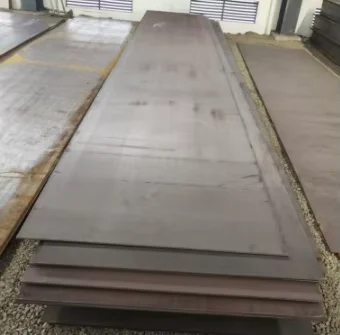
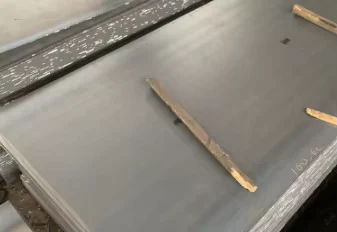
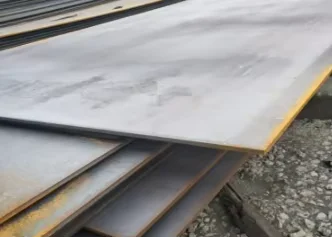



Description
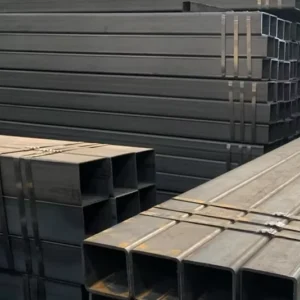
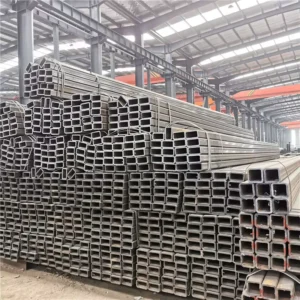
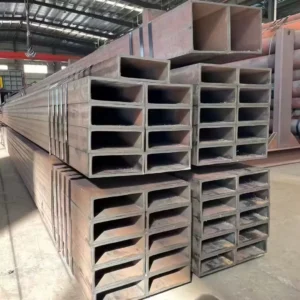
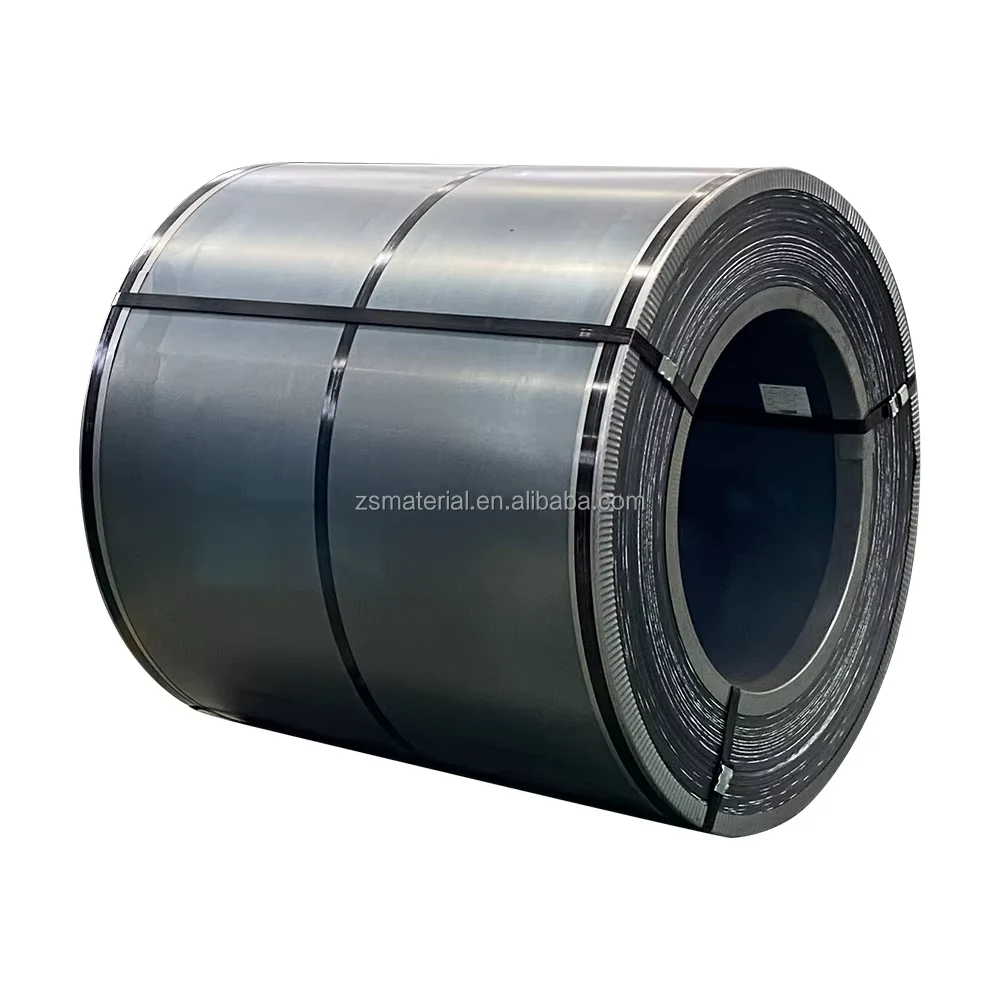
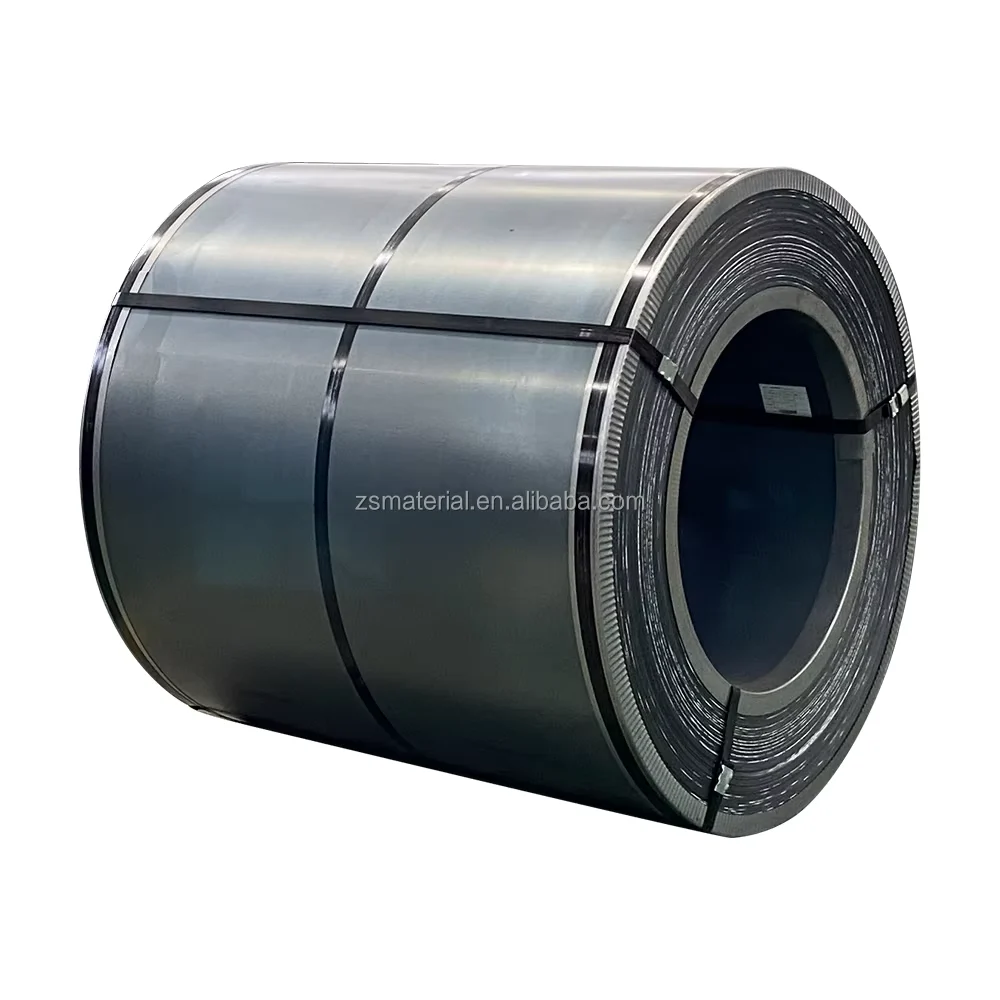
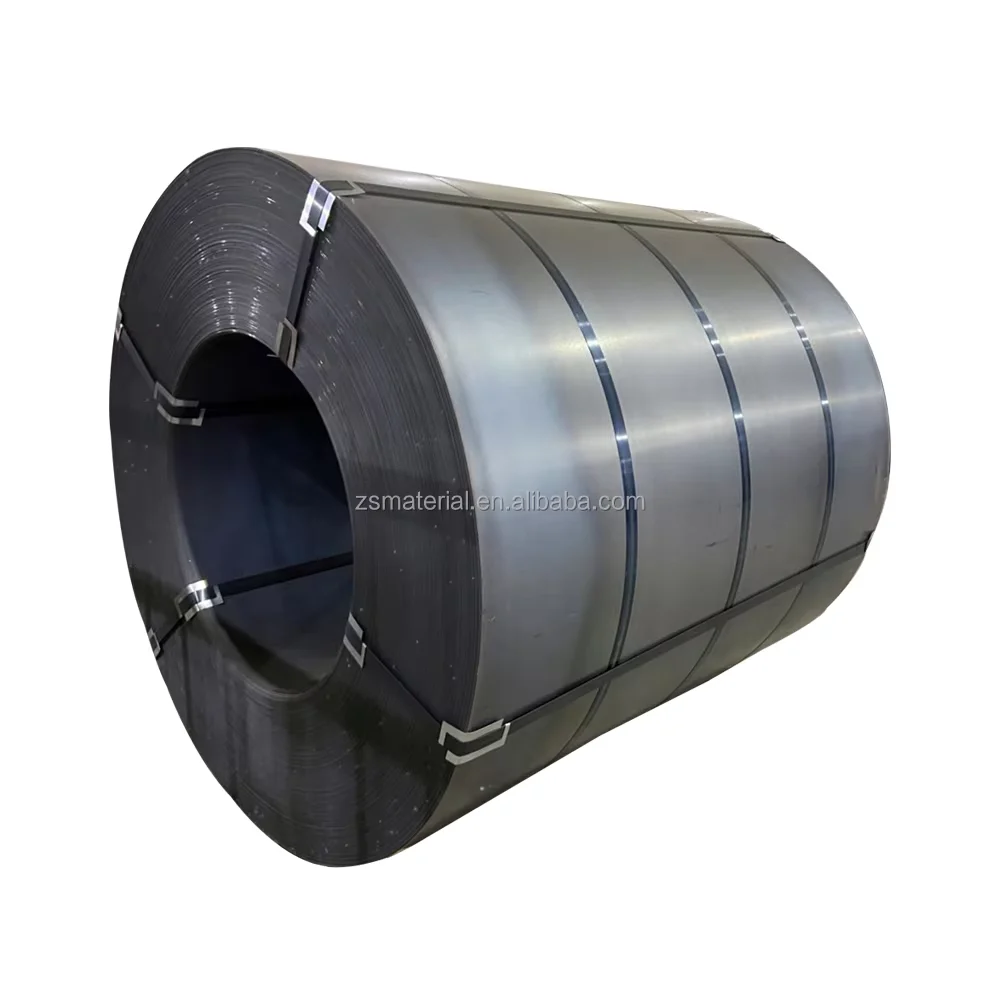
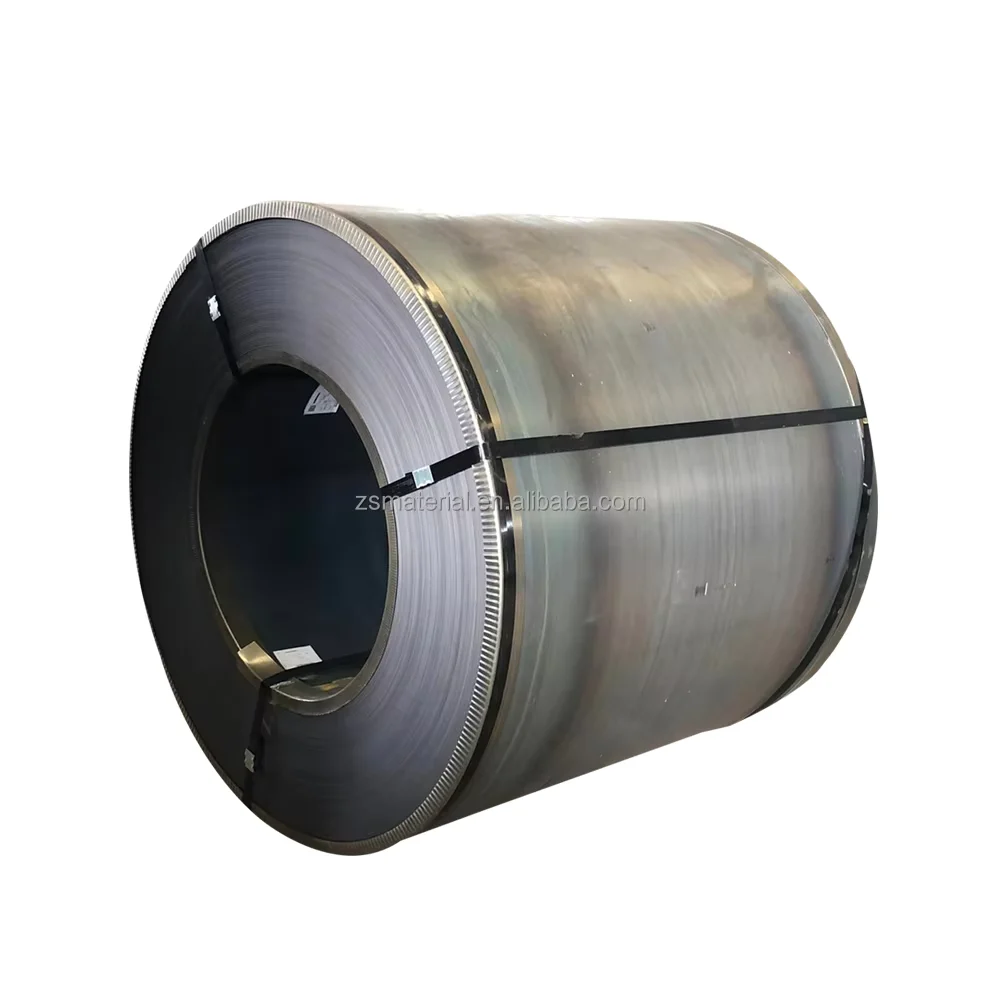
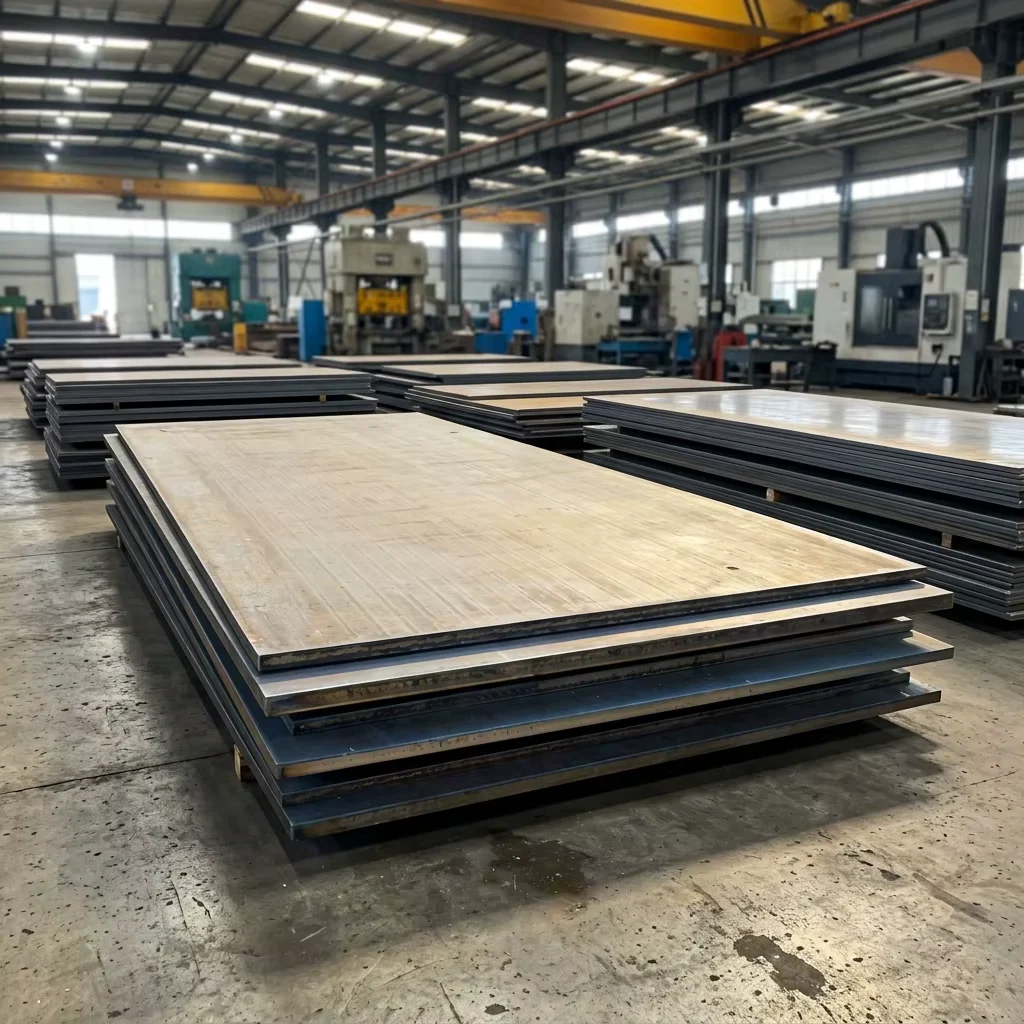
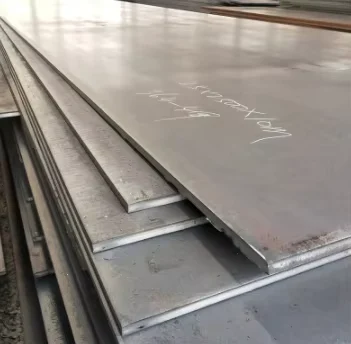
Factory-direct Q235B Q345B hot rolled wear resistant steel plate supplier — Every plate undergoes in-house spectrographic re-testing before dispatch, eliminating carbon equivalence surprises at destination ports.
Technical Specifications
| Parameter | Value |
|---|---|
| Designation | Q235B/Q345B Wear Resistant Steel Plate |
| Product Type | Steel Plate |
| Steel Grade | Q235B, Q345B |
| Standard | ASTM, DIN, BS, JIS, AISI, GB |
| Technique | Hot Rolled |
| Surface Treatment | Hot Rolled |
| Tolerance | ±1% |
| Application | Construction, Petrochemical, Machinery, Shipbuilding, Fabrication |
Application Suitability
| Industry | Typical Applications |
|---|---|
| Construction | Building frames, floor grating supports, foundation base plates |
| Petrochemical | Tank farm foundations, pipe rack structures, platform decking |
| Machinery | Conveyor frame side plates, crane boom splice plates, hopper liners |
| Shipbuilding | Deck plating, bulkhead stiffener plates, hatch cover panels |
| Fabrication | Welded box sections, gusset plates, column base plates |
What Dimensional Tolerance Costs on a Q235B Q345B Hot Rolled Wear Resistant Steel Plate Order
Plates outside ±1% tolerance force on-site re-cutting or outright rejection at structural acceptance.
I watched a 200-ton deck plate shipment get rejected at destination because carbon equivalence ran high and weld cracks exceeded limits. The mill test certificate looked fine on paper, but nobody ran spectrographic verification before loading. That batch of Q345B was supposed to go into a shipyard in Southeast Asia — instead it sat in a customs bonded warehouse for six weeks before being returned. [NEED_CITE: carbon equivalence limits in structural steel welding codes]
When you source a Q235B Q345B hot rolled wear resistant steel plate supplier without in-house lab verification, you inherit three risks: chemical composition drift between heats, negative tolerance stacking on thickness, and missing traceability when customs demands heat-number matching. Each one can halt a project acceptance inspection.
How Q235B and Q345B Plates Match Structural Engineering Demands
Q235B serves general structural framing where formability and weldability matter more than load-bearing capacity — think scaffolding base plates and non-critical bracing. Q345B steps up the yield tier for primary load paths: crane runway beams, ship deck plating, and machinery frames subject to dynamic loading. The Q235B Q345B hot rolled wear resistant steel plate production process preserves grain flow directionality, which matters when plates get flame-cut into complex shapes and re-welded into assemblies.
Engineering Compliance and Certification Requirements
Structural steel plates for export must satisfy both the destination country’s material standard and the project specification’s traceability clause. Q235B maps roughly to S235JR under EN 10025; Q345B aligns with S355JR in yield tier, though chemical composition boundaries differ slightly. [NEED_CITE: steel grade equivalence between GB and EN standards] For EU-bound shipments, CE marking under EN 10025-2 is mandatory for customs clearance. Every plate we ship carries heat-number stamping visible on the surface, matched to the mill test certificate — no exceptions, no mixed-heat bundles.
Steel Grade Selection and Hot Rolling Process Effects
Q-series grades under GB/T 700 and GB/T 1591 use silicon-manganese deoxidation, giving predictable weldability without pre-heating for thicknesses below 25mm. Hot rolling above recrystallization temperature produces a normalized microstructure that delivers consistent toughness across the plate width — critical when plates get cut into narrow strips for gussets or stiffeners. The ±1% thickness tolerance on our Q235B Q345B hot rolled wear resistant steel plate means theoretical weight calculations stay reliable for structural engineers sizing connections. Surface condition as-rolled provides adequate paint adhesion for indoor and sheltered outdoor applications; for marine or chemical exposure, downstream galvanizing or multi-coat painting follows standard surface prep.
Hidden Costs of Unverified Plate Procurement
Buying plates without independent chemical verification means discovering composition problems only when weld cracks appear during fabrication — at which point cutting, fitting, and re-welding costs multiply. [NEED_CITE: structural steel weld crack causes in carbon equivalence exceedance] Missing or incomplete mill test certificates trigger customs holds on RoRo and breakbulk shipments. Negative tolerance beyond stated limits reduces actual section modulus, forcing engineers to over-order or redesign connections. None of these costs show up in the purchase price comparison spreadsheet.
Why Procurement Teams Source Q235B Q345B Plates From Us
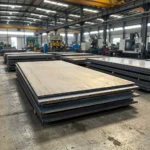
We run three production lines simultaneously, holding ready stock across 2,800+ specifications so standard sizes ship within days rather than weeks. Every plate leaving our warehouse passes three-stage in-house inspection — visual, dimensional, and spectrographic — before the mill test certificate gets signed. Our export team handles consolidated container loading when you need plates bundled with angles, channels, or tubes in one shipment, reducing port handling fees. Long-term partners receive volume discount reviews every six months, and we provide exclusive pricing programs that reward recurring procurement patterns rather than one-off spot buys.
Documentation & Compliance
- Mill test certificate documenting Q235B/Q345B chemical composition and mechanical properties per GB/T 700 and GB/T 1591, with heat number traceability
- CE certificate per EN 10025-2 for European Union customs clearance and project compliance
- ISO 9001:2015 quality management certificate covering production and inspection processes
- SGS or BV third-party inspection report available upon request for destination-port re-verification
- Material traceability by heat number stamped on each plate, cross-referenced to test certificate
- Full customs document package: packing list, bill of lading, certificate of origin, commercial invoice
Packaging, Loading & Delivery
- Hot rolled Q235B/Q345B plates bundled with steel strip ties and edge protectors to prevent surface scoring during ocean transit
- Surface preserved in as-rolled condition with anti-rust oil coating for plates destined for humid climates or extended sea transit
- Container loading optimized by our export team — standard plate lengths paired with offcuts to maximize 20ft and 40ft GP payload
- Heat number and steel grade stenciled on each plate surface for on-site identification and traceability matching
- FOB, CIF, and DDP terms available with door-to-door logistics coordination for project sites inland from port
Start Your Q235B Q345B Plate Inquiry
Submit your plate specifications — thickness, width, length, steel grade, quantity, and destination port — and receive a competitive bulk quotation within 12 hours, complete with mill test certificate samples and third-party inspection options.
Request Factory-Direct Pricing and Mill Test Certificates
Send your specifications via email to admin@sdxinjiyuan.com or contact us on WhatsApp at +86 188 5315 7756 for immediate quotation and certification documentation.