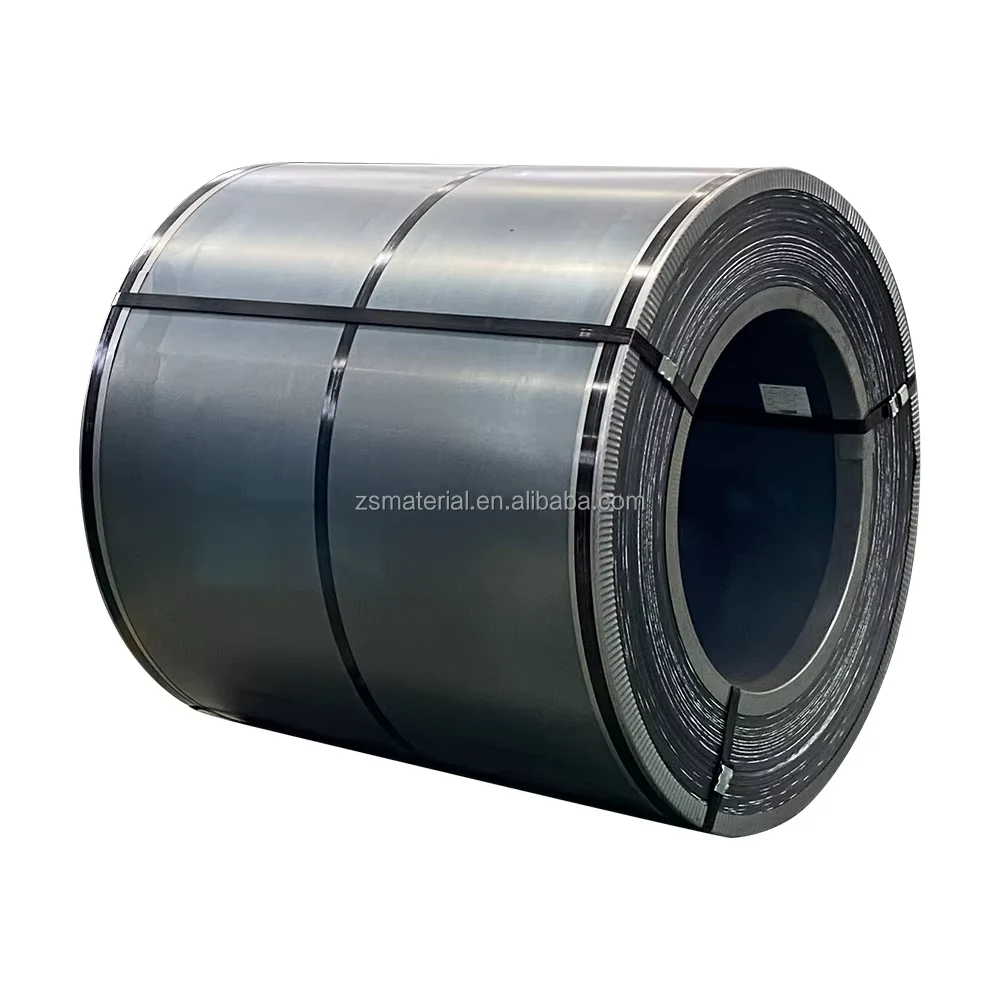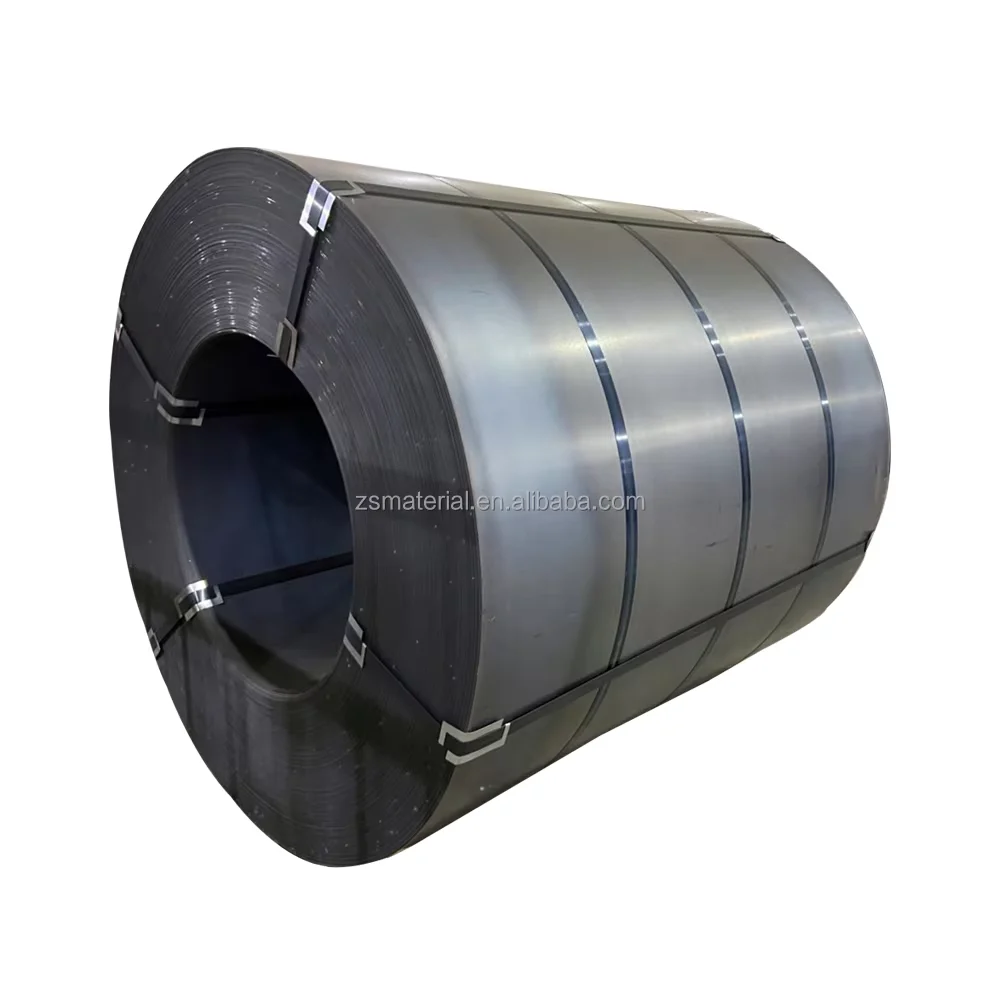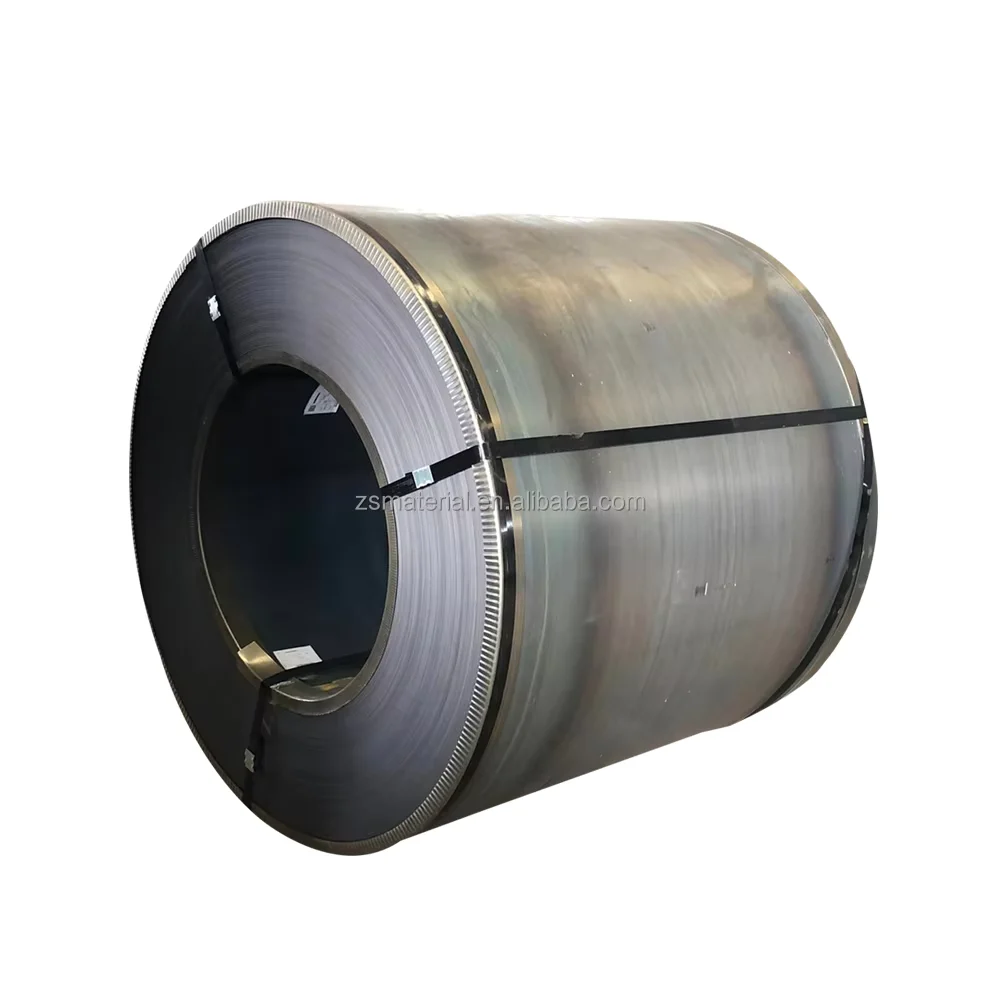



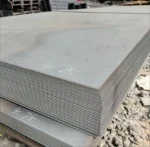

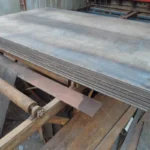


Description
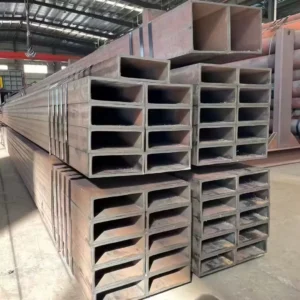
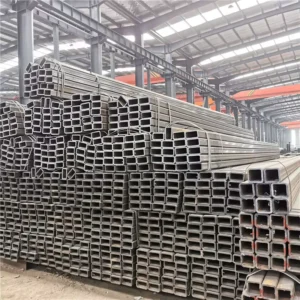
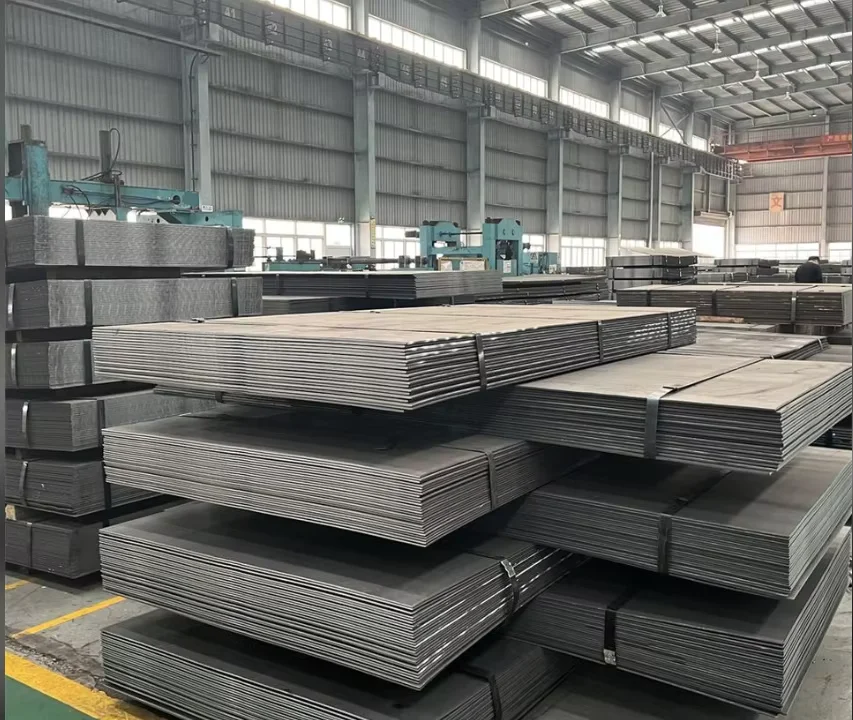
Factory-Direct Hot Rolled Plates — Every Q235B and Q345B plate rolls from our own mills in Jinan, eliminating trader markups on bulk construction orders.
Technical Specifications
| Parameter | Value |
|---|---|
| Designation | Q235B/Q345B Hot Rolled Carbon Steel Plate |
| Product Type | Steel Plate |
| Steel Grade | Q235B, Q345B |
| Standard | BS, ASTM, JIS, DIN |
| Thickness | 1mm–20mm |
| Technique | Hot Rolled |
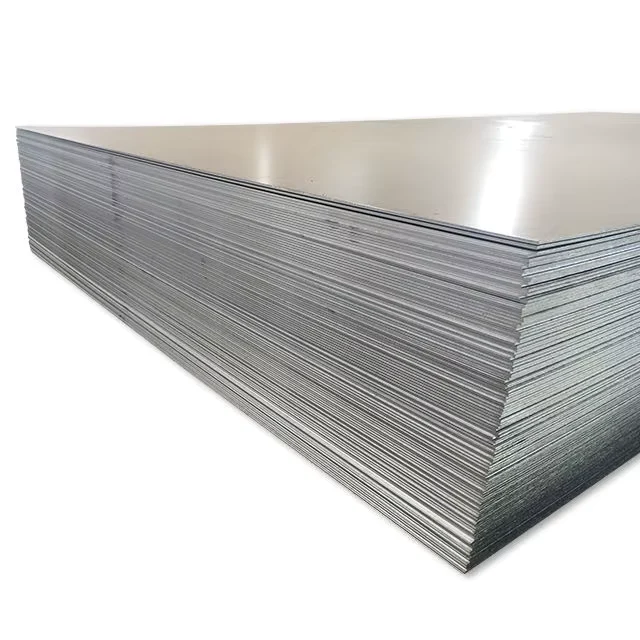
| Surface Treatment | Hot Rolled |
| Processing | Cutting, Bending, Welding |
| Application | Ship Building, Construction, Fabrication |
| Origin | Shandong, China |
Application Suitability
| Industry | Typical Applications |
|---|---|
| Ship Building | Hull inner structures, deck stiffeners, bulkhead framing |
| Construction | Column base plates, floor grating supports, mezzanine frames |
| Fabrication | Machinery mounting bases, conveyor side frames, equipment skids |
Why Chemical Composition Beats Price Per Ton on Carbon Steel Plates
A cheap plate that fails spectrometer testing costs more than any price saving.
I once watched an entire container of Q345B plates get rejected at a Southeast Asian shipyard because manganese content fell below the standard threshold. The mill certificate looked perfect on paper, but a handheld spectrometer told a different story. The project lost over a month waiting for replacement material. [NEED_CITE: carbon steel plate chemical composition requirements for structural applications]
When you source a Q235B Q345B hot rolled carbon steel plate supplier without verified traceability, every heat number becomes a gamble. Welding procedures qualified on compliant material produce unpredictable results when actual chemistry drifts. Engineering inspectors flag discrepancies, and customs authorities hold shipments lacking proper documentation.
Matching Plate Thickness to Structural Load Requirements
Hot rolled Q235B and Q345B plates in the 1mm–20mm range serve distinct structural roles. Thinner gauges handle cladding brackets and non-load-bearing brackets, while plates above 10mm carry primary loads in column bases and crane beams. Our cutting and bending capabilities let procurement teams order near-net shapes, reducing on-site waste and welding time. As a Q235B Q345B hot rolled carbon steel plate supplier, we coordinate thickness selection with your engineering drawings before production begins.
Engineering Compliance Across International Standards
Structural projects referencing EN 1993 or AISC specifications require plates that meet recognized grade equivalences. Q235B aligns broadly with S235JR under European frameworks, while Q345B corresponds to S355 class materials in terms of strength category. [NEED_CITE: steel grade equivalence mapping between Chinese GB standards and EN/ASTM systems] Shipbuilding applications demand tighter chemistry controls for weldability, and our plates carry original mill test certificates documenting each heat’s composition. For European market entry, Lloyd’s CE certification and FPC documentation satisfy port state requirements, while ASTM and JIS designations serve North American and Pacific Rim projects respectively.
Understanding Q235B and Q345B Grade Selection
The Q-series naming convention indicates minimum yield strength in MPa, with the letter B denoting room-temperature impact testing requirements. Q235B suits general structural frames where extreme load capacity is not critical, offering good formability and weldability for brackets and secondary members. Q345B provides higher strength for primary structural elements, reducing section weight while maintaining load capacity. Both grades respond well to hot rolling, producing uniform grain structure that supports consistent bending radii and clean weld penetration. The hot rolled surface finish removes mill scale while preserving a texture that accepts primer coatings effectively.
Tolerance control matters more than buyers realize. Plates rolled to negative tolerance limits reduce theoretical weight but may compromise load-bearing calculations if engineers specified nominal thickness. We maintain positive tolerance on structural plates destined for load-bearing applications, ensuring the material arriving on-site matches what the structural drawings require.
Hidden Costs of Unverified Carbon Steel Plate Procurement
Material substitution costs multiply through every project phase. Plates with unverified chemistry fail welding procedure qualification tests, forcing requalification delays. [NEED_CITE: structural steel plate inspection requirements for construction projects] Missing mill certificates trigger customs holds at destination ports, generating demurrage charges that dwarf any per-ton savings. Negative tolerance abuse means you pay for steel that does not arrive, and structural engineers cannot sign off on as-built conditions when actual plate thickness deviates from specifications. Engineering rework, schedule delays, and reputation damage with end clients represent costs that never appear on the initial purchase order.
Procurement Confidence from Mill to Job Site
Every Q235B Q345B hot rolled carbon steel plate ships with original mill test certificates documenting chemical composition and mechanical properties by heat number. Our in-house laboratory conducts three-stage inspection before release, and SGS or BV third-party inspection is available for projects requiring independent verification. With over 2,800 specifications in ready stock, standard sizes ship immediately while custom-cut orders complete within typical production lead times. We consolidate multi-product container loads, optimizing weight distribution for heavy plate shipments and reducing per-unit freight costs. Volume discount programs reward long-term procurement partnerships with transparent pricing tiers.
Documentation & Compliance
- Mill test certificate documenting Q235B and Q345B chemical composition including carbon, manganese, and silicon content per GB standards
- CE certificate under Lloyd’s registry confirming compliance with EN 10210 and EN 10219 for European market projects
- ISO 9001:2015 quality management certificate covering the full production and inspection workflow
- SGS or BV third-party inspection report available upon request for project-specific quality verification
- Heat number traceability linking each plate to its original slab and rolling schedule
- Complete customs documentation package including packing list, bill of lading, and certificate of origin
Packaging, Loading & Delivery
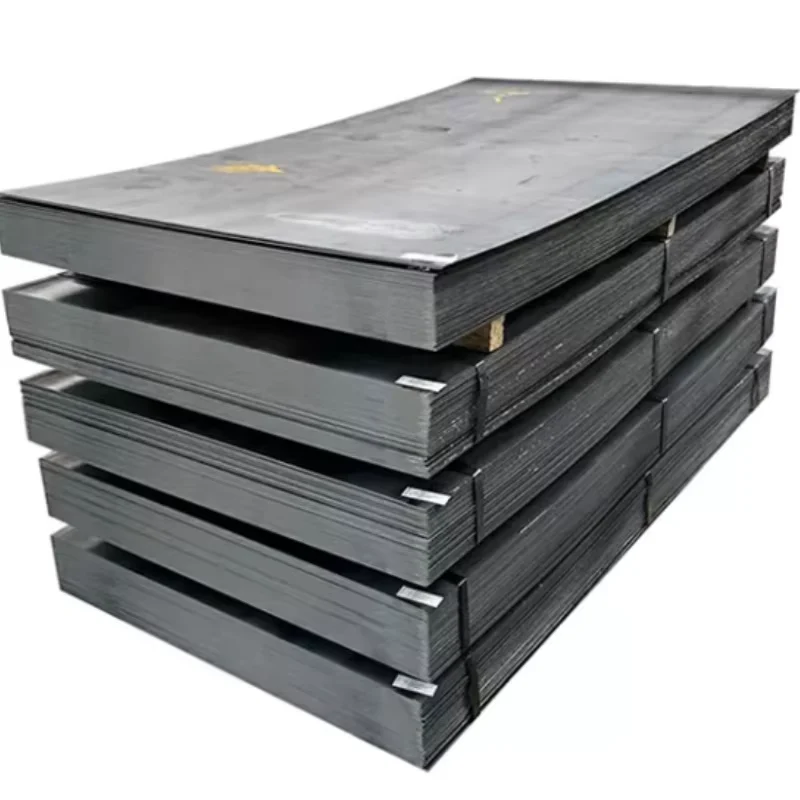
- Hot rolled Q235B and Q345B plates bundled with steel straps and edge protectors to prevent surface damage during ocean transit
- Surface protection through anti-rust oil coating on bare hot rolled plates to prevent corrosion during storage and shipping
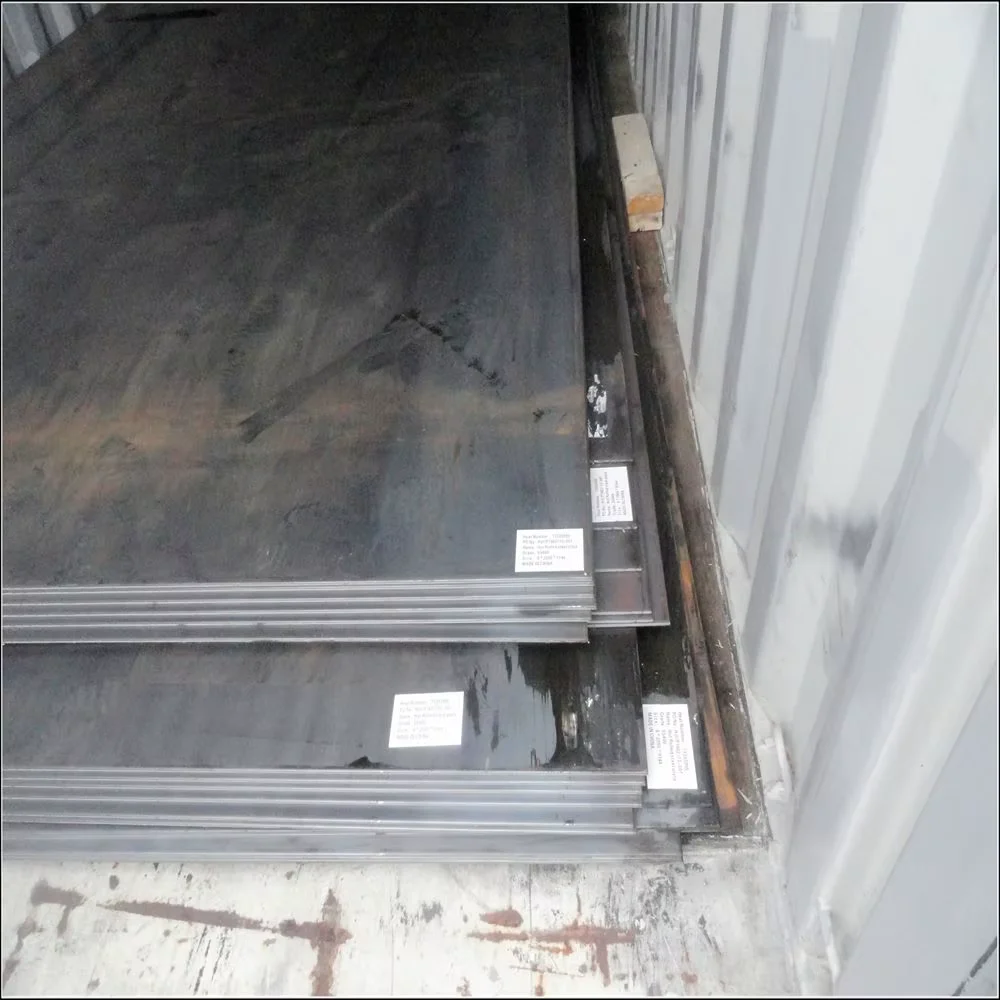
- Container loading plans optimized for 1mm–20mm thickness range, maximizing weight utilization within standard 20ft and 40ft units
- Custom cutting to project-specified dimensions reduces on-site processing waste and accelerates installation schedules
- Heat number and grade identification marked on each plate for site traceability and engineering inspection
- FOB, CIF, and DDP shipping terms available with professional export documentation handling
Starting Your Plate Procurement Process
Submit your plate specifications including thickness, dimensions, steel grade, and destination port to receive competitive bulk pricing with volume discounts. We provide mill test certificates and third-party inspection options before production begins, ensuring material compliance with your project requirements. Our team confirms container loading plans and delivery schedules to coordinate with your construction timeline.
Frequently Asked Questions
Q: What is the difference between Q235B and Q345B steel grades?
A: Q235B offers standard strength suitable for general structural applications, while Q345B provides higher yield strength for primary load-bearing members. Both grades include room-temperature impact testing requirements indicated by the B designation.
Q: Can you provide mill test certificates and third-party inspection reports?
A: Every batch ships with original mill test certificates documenting chemical composition and mechanical properties. SGS and BV third-party inspection services are available upon request for independent quality verification.
Q: What processing services do you offer for steel plates?
A: We provide cutting, bending, and welding services to project specifications, allowing procurement of near-net shapes that reduce on-site fabrication time and material waste.
Q: Do you stock standard sizes or produce custom dimensions?
A: We maintain ready stock of standard specifications for immediate shipment, while custom-cut orders complete within typical production lead times to meet project-specific requirements.
Q: How do you handle container loading for heavy plate shipments?
A: Our export team develops optimized loading plans that maximize container weight capacity while ensuring safe weight distribution, reducing per-unit freight costs for bulk orders.
Secure Your Q235B Q345B Hot Rolled Carbon Steel Plate Supply
Send your specifications, quantities, and destination details to receive factory-direct pricing with complete mill documentation.
Tel: +86 531 8573 6315 | Mobile/WhatsApp/WeChat: +86 188 5315 7756 | Email: admin@sdxinjiyuan.com