Description
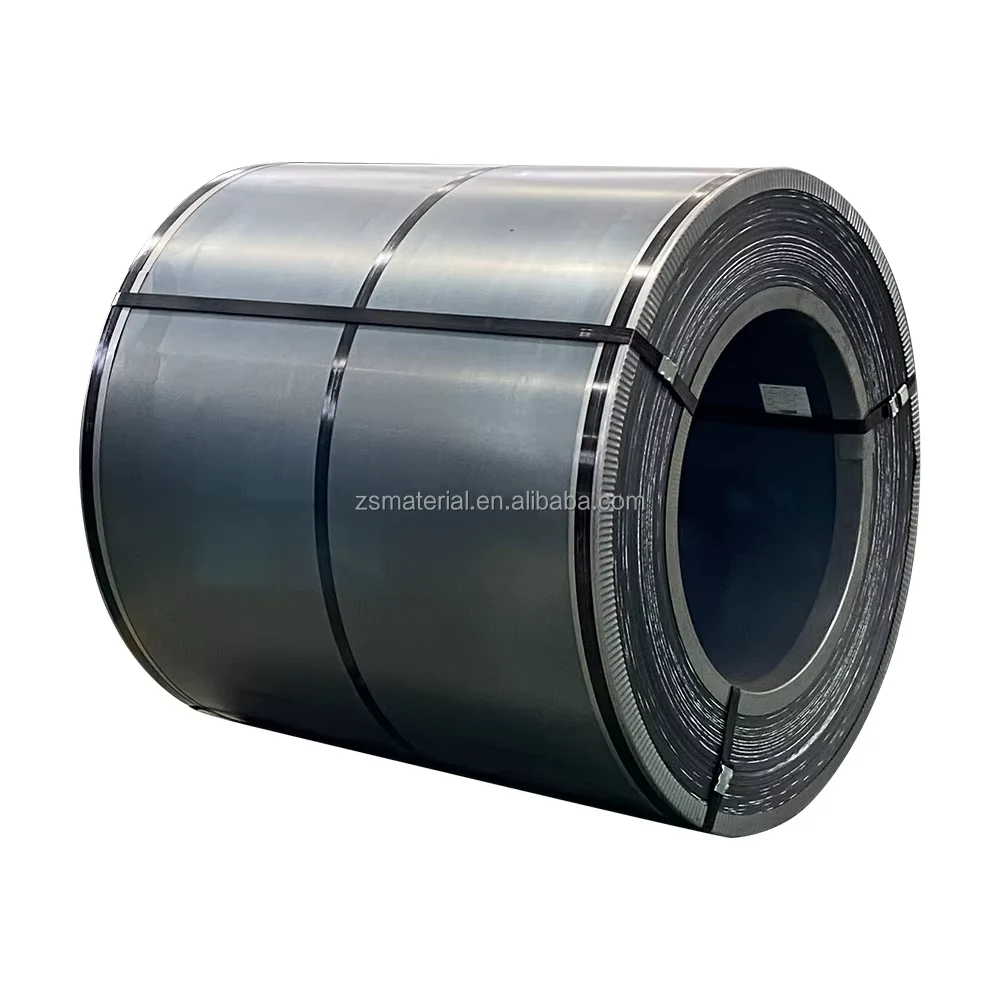
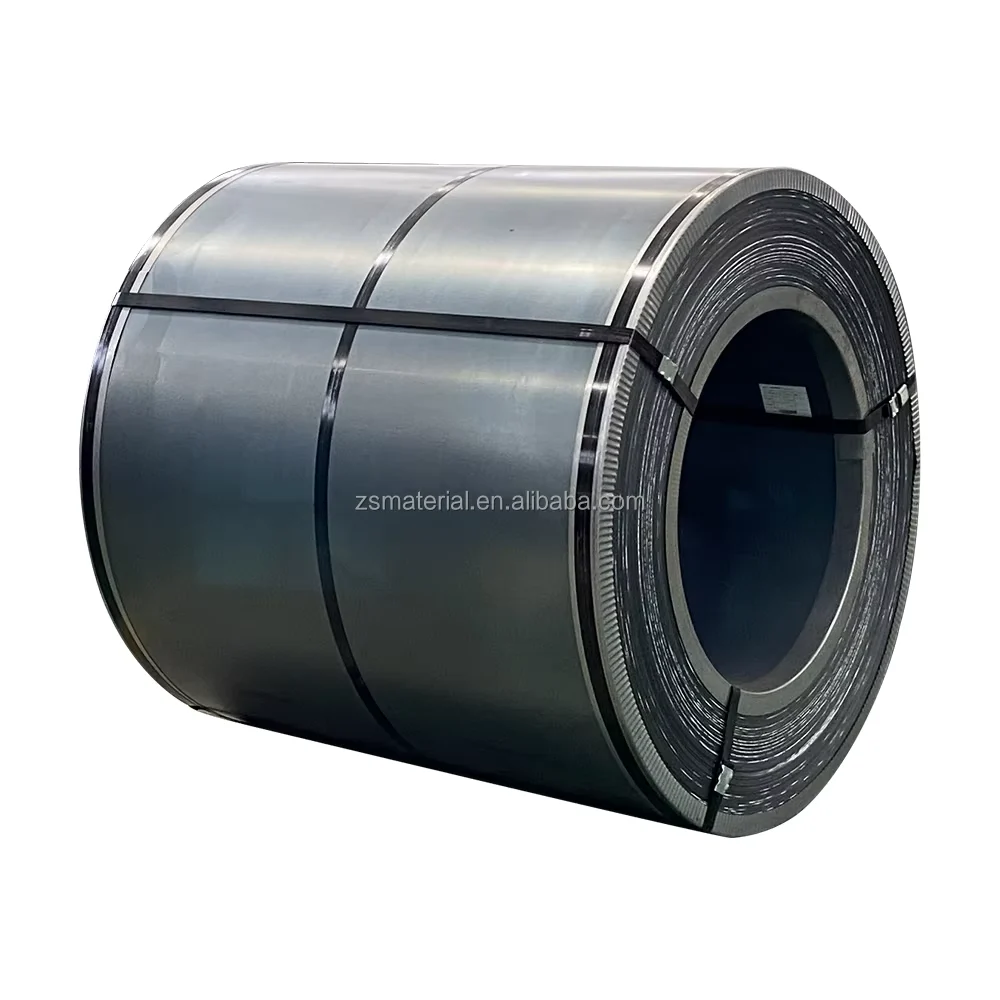
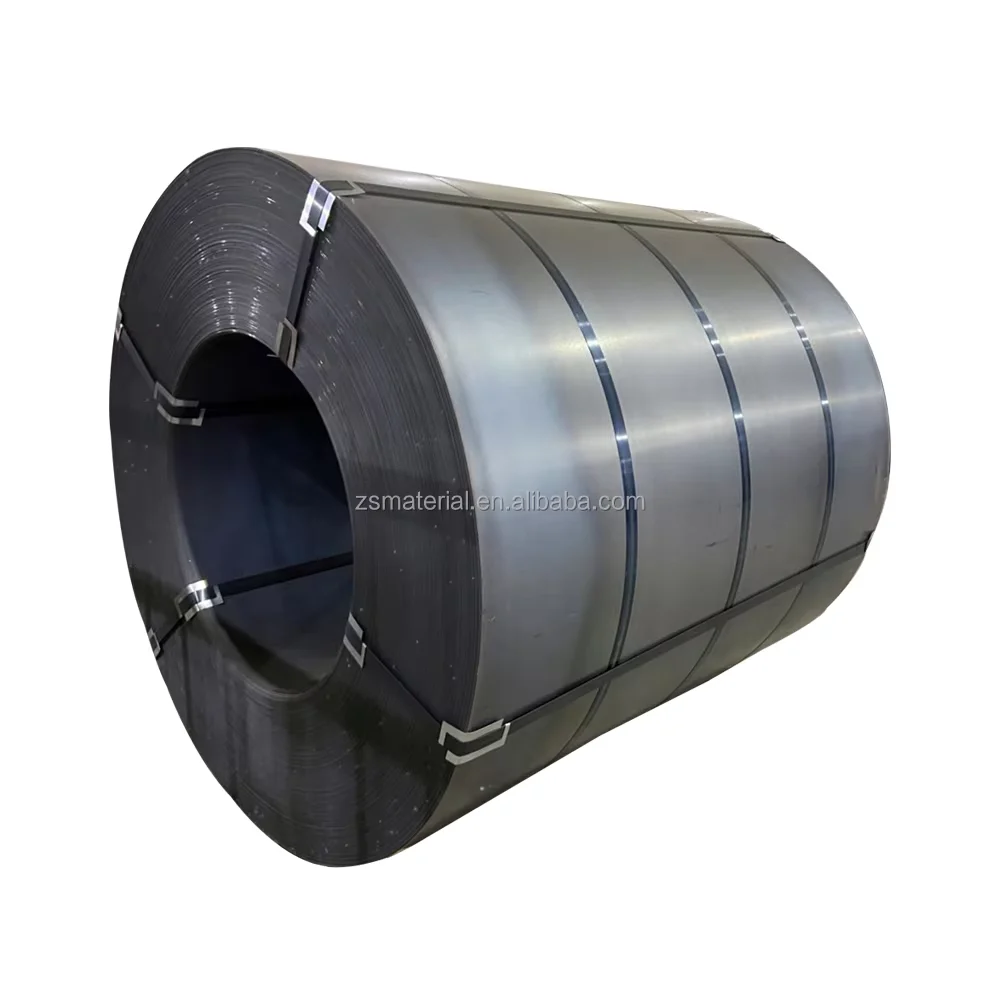
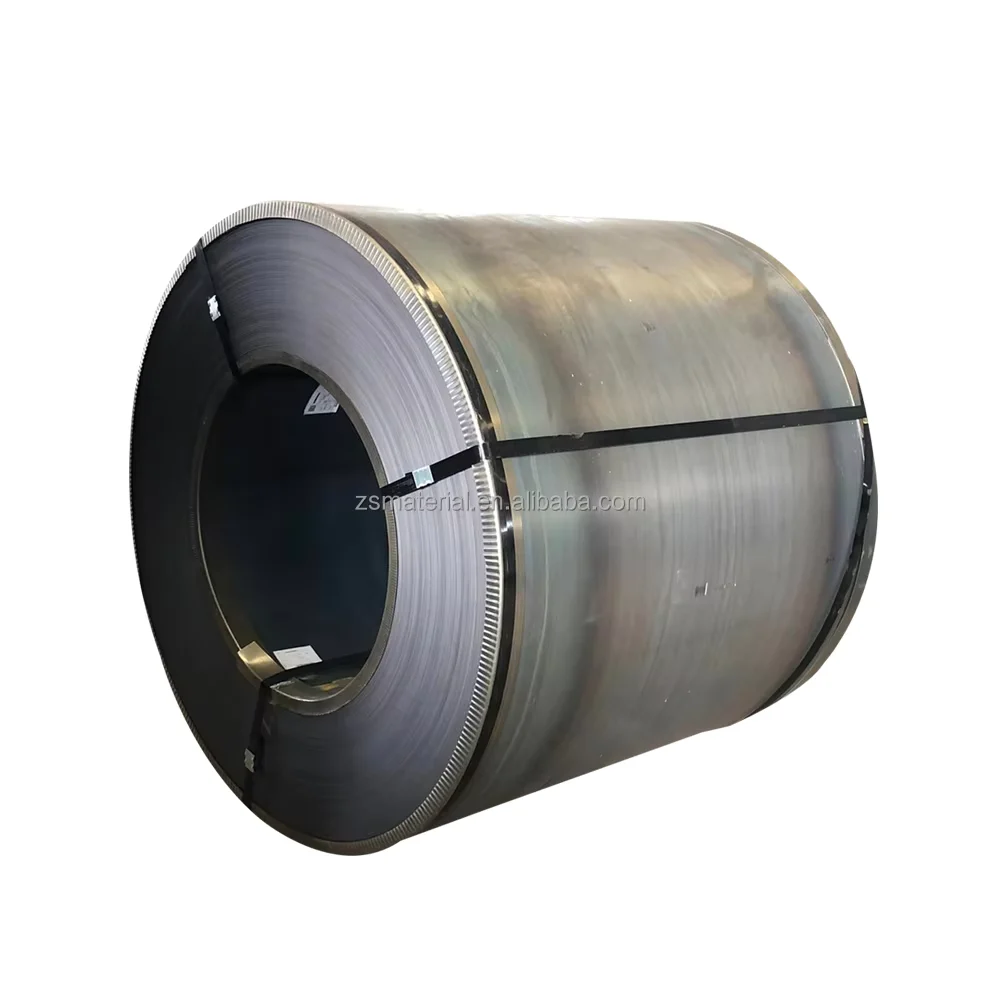
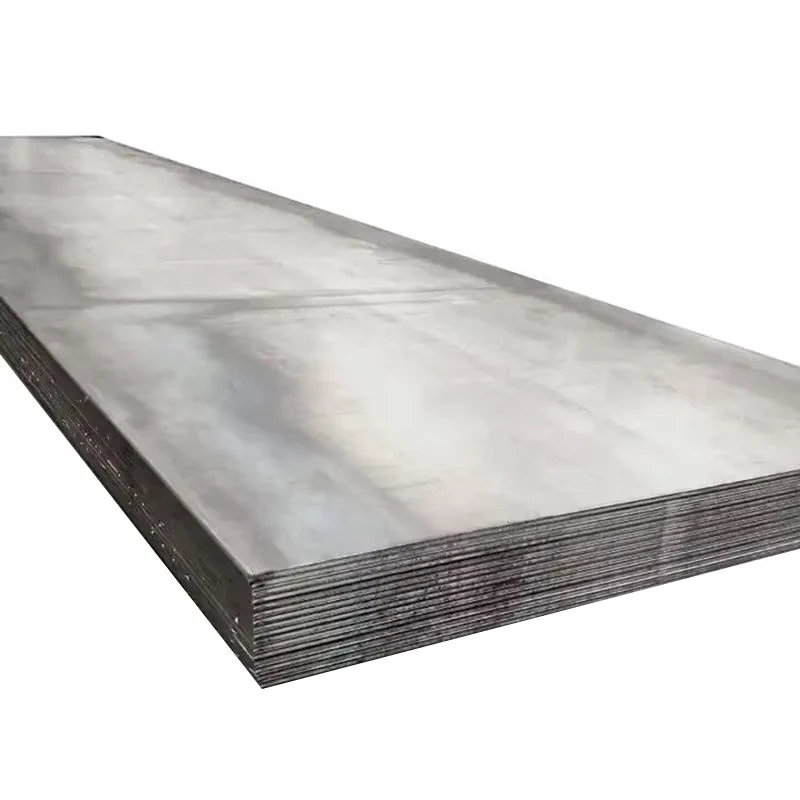
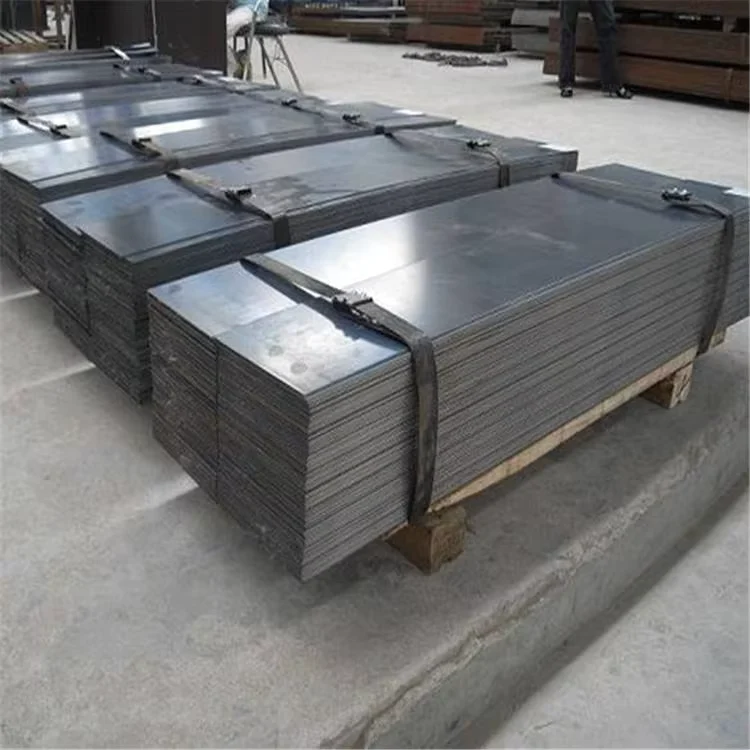
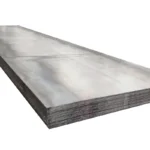
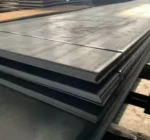
Q235B Q345B Carbon Steel Plate 0.35-200mm Hot Rolled Factory Direct Supplier
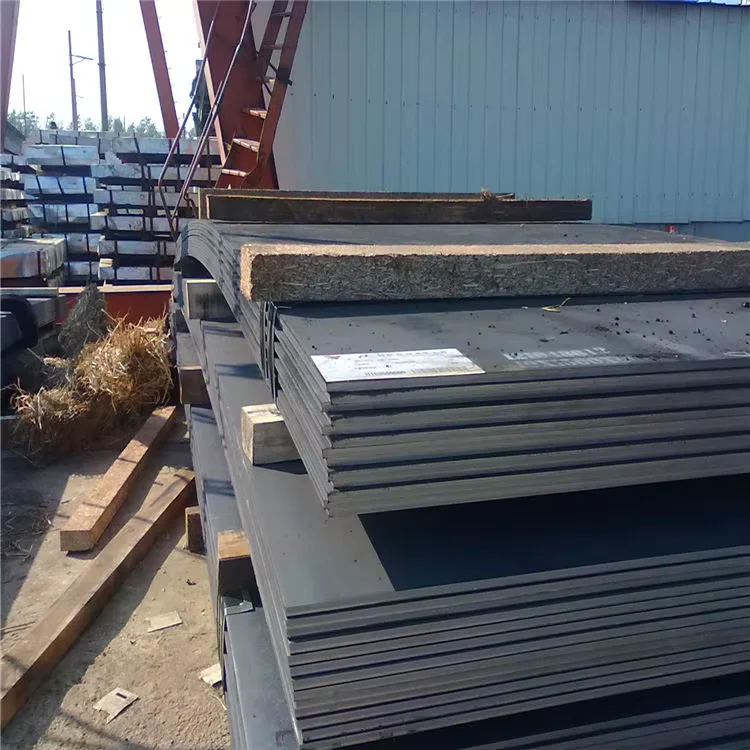
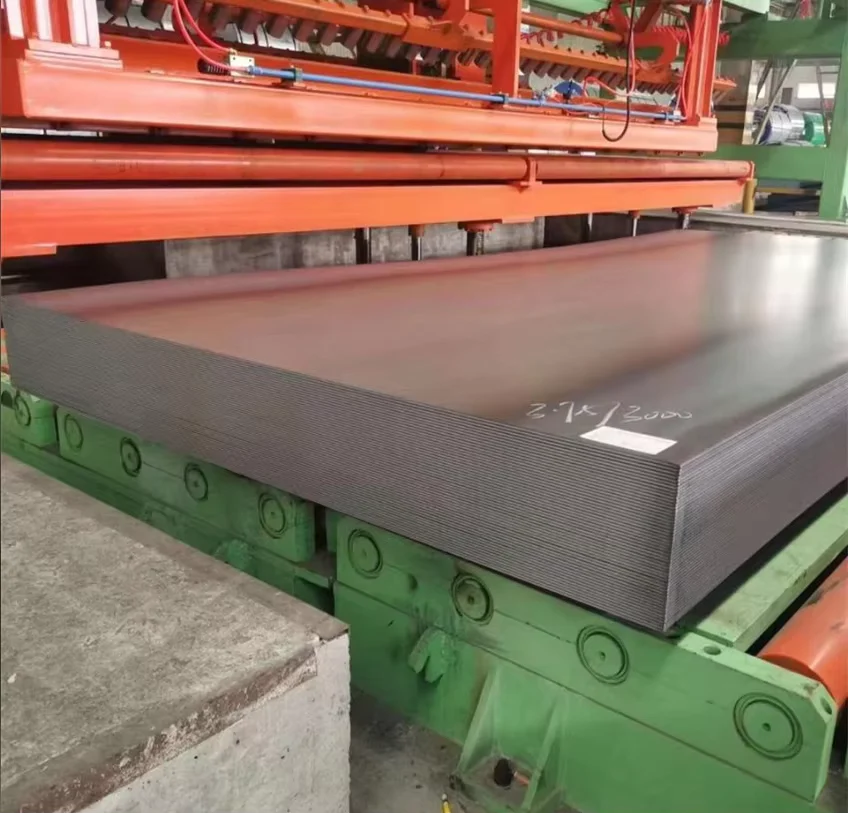
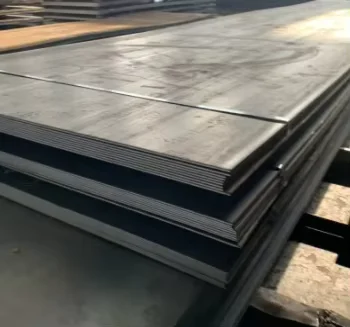
Full-Range Hot Rolled Plate Supply — Stocking Q235B, Q345B, and SS400 grades in thicknesses from 0.35 mm to 200 mm across three active production lines, with original mill test certificates shipped on every order.
Technical Specifications
| Parameter | Value |
|---|---|
| Designation | Q235B / Q345B Carbon Steel Plate |
| Product Type | Steel Plate |
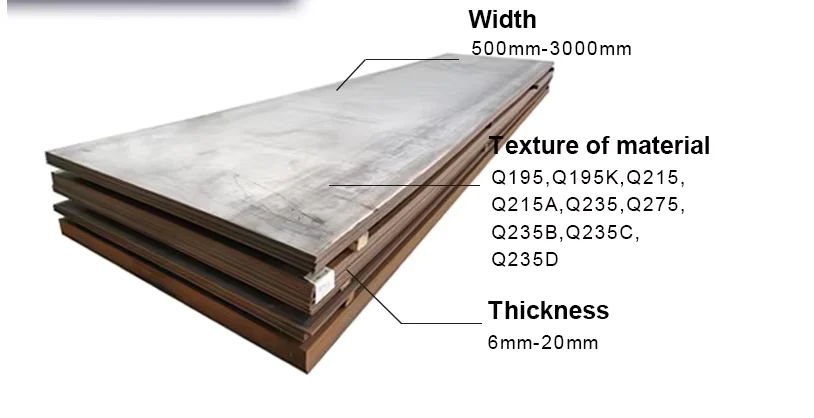
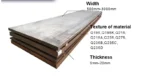
| Steel Grade | Q235, Q235B, Q345, Q345B, SS400 |
| Standard | GB, ASTM |
| Section Shape | Flat Plate |
| Thickness Range | 0.35–200 mm |
| Length | 6 / 9 / 12 m |
| Technique | Hot Rolled |
| Surface Treatment | Hot Rolled (as-supplied) |
| Tolerance | ±1% |
| Processing Service | Bending, Welding, Decoiling, Punching, Cutting |
| Invoicing | By theoretical weight |
| Application | Water retaining wall; Construction; Infrastructure; Industrial fabrication |
| MOQ | 20 Ton |
| Origin | Shandong, China |
Application Suitability
| Industry | Typical Applications |
|---|---|
| Infrastructure & Construction | Water retaining walls, bridge deck base plates, retaining structure flanges |
| Industrial Fabrication | Pressure vessel end caps, machinery base frames, equipment mounting plates |
| Energy & Utilities | Solar farm support base plates, wind turbine foundation shims, pipeline support brackets |
| Heavy Engineering | Crane runway beams, hopper liner plates, structural gusset connections |
What Thickness Tolerance Costs on a Structural Plate Order
A ±1% tolerance on a 200 mm plate means 2 mm of deviation — enough to throw off bolt-hole alignment on a pre-fabricated frame.
When buyers source hot rolled carbon steel plate supplier shipments for load-bearing infrastructure, even minor thickness drift compounds across multiple plates stacked or welded together. We have seen project teams receive plates that measured 1.8 mm under nominal on critical flange positions, forcing on-site re-machining that delayed erection by days. The root cause is rarely malicious — it is mills running at the edge of permissible tolerance to save weight and cost. Every plate we dispatch undergoes three-stage in-house inspection covering dimensional checks, chemical composition verification, and mechanical property testing, with results documented on the original mill test certificate before the container is sealed. [NEED_CITE: hot rolled plate dimensional tolerance standards per GB/T 709]
Matching Plate Thickness to Structural Load Paths
Selecting the right thickness from the 0.35–200 mm range depends on whether the plate serves as a cladding element, a load-transfer shim, or a primary structural flange. Thin-gauge plates below 6 mm typically go into industrial enclosures and non-structural linings, while plates above 20 mm carry compressive and shear loads in bridge and foundation applications. Our hot rolled carbon steel plate supplier inventory covers both ends of this spectrum with standard sizes held in ready stock, meaning a project team ordering 12 mm Q235B for equipment skids and 40 mm Q345B for foundation anchor plates can consolidate both into a single shipment rather than splitting across multiple vendors.
Engineering Compliance and Certification Requirements
Structural plates used in load-bearing applications must conform to recognized standards — GB/T 709 for hot rolled dimensions, GB/T 1591 for Q345B mechanical properties, and equivalent ASTM or EN designations when the destination market requires them. [NEED_CITE: steel grade equivalence mapping between GB Q-series and ASTM A36/A572] Plates destined for European projects need CE marking under EN 10210 or EN 10219 frameworks, while Middle East and African infrastructure tenders often specify SGS or BV third-party inspection as a contractual prerequisite. We supply full documentation packages including original mill test certificates with heat number traceability, and arrange independent inspection at our facility before shipment so that buyers receive verification reports alongside the bill of lading — eliminating the customs-hold scenario where plates arrive without compliant paperwork.
Understanding Q235B, Q345B, and SS400 Grade Selection
The Q-series grades follow the Chinese GB standard system where the number after “Q” indicates the minimum yield strength in MPa — Q235B delivers approximately 235 MPa yield, while Q345B steps up to roughly 345 MPa, making it the preferred choice for heavier structural members where weight optimization matters. SS400, a Japanese Industrial Standard grade widely specified across Southeast Asian and Oceanian projects, sits in a similar yield range to Q235B but follows different chemical composition limits, particularly on phosphorus and sulfur content. [NEED_CITE: comparative chemical composition limits between GB Q235B and JIS SS400] Hot rolling produces a mill scale surface that is suitable for most structural applications where the plate will be painted, coated, or embedded in concrete — buyers requiring additional corrosion protection can specify galvanizing, epoxy painting, or 3PE coating as post-rolling treatment, coordinated through our processing line before dispatch.
The Hidden Cost of Unverified Plate Procurement
Ordering hot rolled carbon steel plate supplier shipments without verified mill test certificates creates a chain of risk: plates that fail chemical composition checks at destination port get held by customs, generating demurrage charges that can exceed the material cost itself. Plates with undocumented thickness deviations force re-machining or rejection during engineering inspection, delaying project timelines and triggering penalty clauses in EPC contracts. The cost of requesting original mill test certificates and optional third-party inspection is marginal compared to the financial exposure of a single non-conforming batch reaching a project site — yet this remains one of the most common procurement failures we encounter among first-time importers. [NEED_CITE: consequences of missing mill test certificates in international steel trade]
Why Project Buyers Source Hot Rolled Plates Through Us
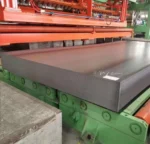
We operate three production lines running simultaneously with monthly capacity exceeding 20,000 tons, meaning standard-size Q235B and Q345B plates ship from ready stock while custom-thickness orders complete within typical production lead times. Every batch carries original mill test certificates traceable to heat number, and our in-house metallurgical lab conducts chemical composition and mechanical property testing before any plate leaves the facility. Buyers requiring independent verification can request SGS or BV inspection at our yard — we coordinate the schedule, host the inspector, and deliver the report alongside shipping documents. Our export team handles container loading optimization for heavy plate shipments, ensuring weight distribution meets port crane limits and maximizing payload per container to reduce per-ton freight cost. Volume-based discount programs apply for repeat orders, with pricing reviews every six months for long-term partners who consolidate multiple steel categories through a single supply chain.
Documentation & Compliance
- Mill test certificate documenting Q235B or Q345B chemical composition and yield strength per GB/T 1591, traceable to original heat number
- CE certificate covering EN 10210/EN 10219 compliance for plates destined for European structural applications
- ISO 9001:2015 quality management certificate validating production process controls and inspection protocols
- SGS or BV third-party inspection report covering dimensional verification, surface condition, and chemical composition analysis
- Material traceability documentation linking each plate to its heat number, rolling date, and test batch
- Complete customs document package including packing list, bill of lading, and certificate of origin formatted to destination port requirements
Packaging, Loading & Delivery
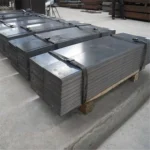
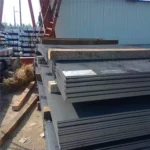
- Hot rolled Q235B and Q345B plates bundled with steel strip ties and edge protectors, sized to match 6 m, 9 m, or 12 m standard lengths for container compatibility
- Mill scale surface left untreated for structural applications, or oiled for temporary corrosion protection during ocean transit when specified
- Container loading plans optimized for 20 mm–200 mm thick plate shipments, distributing weight across container floor beams to meet port handling equipment limits
- Custom cutting to project-specified dimensions available before dispatch, with punched holes or beveled edges coordinated through our processing line
- Heat number and steel grade stenciled on each plate surface for on-site identification and traceability verification during engineering inspection
- FOB, CIF, and DDP shipping terms available with door-to-door logistics coordination for infrastructure project sites
Starting Your Plate Procurement Process
Submit your specification sheet covering plate thickness, width, length, steel grade, quantity, and destination port — our team responds within 12 hours with competitive bulk pricing, delivery timeline, and available mill test certificate options. For non-standard thickness or custom processing requirements including punching, cutting, or beveling, share your engineering drawings and we will confirm feasibility and lead time before you commit.
Request Your Hot Rolled Plate Quote with Mill Test Certificate
Send your plate specifications, steel grade requirements, and destination port to receive factory-direct pricing and documentation details within one business day.
Contact:
Mobile/WhatsApp/WeChat: +86 188 5315 7756
Email: admin@sdxinjiyuan.com
Website: www.sdxinjiyuan.com