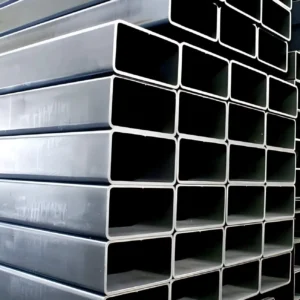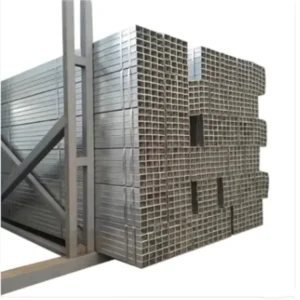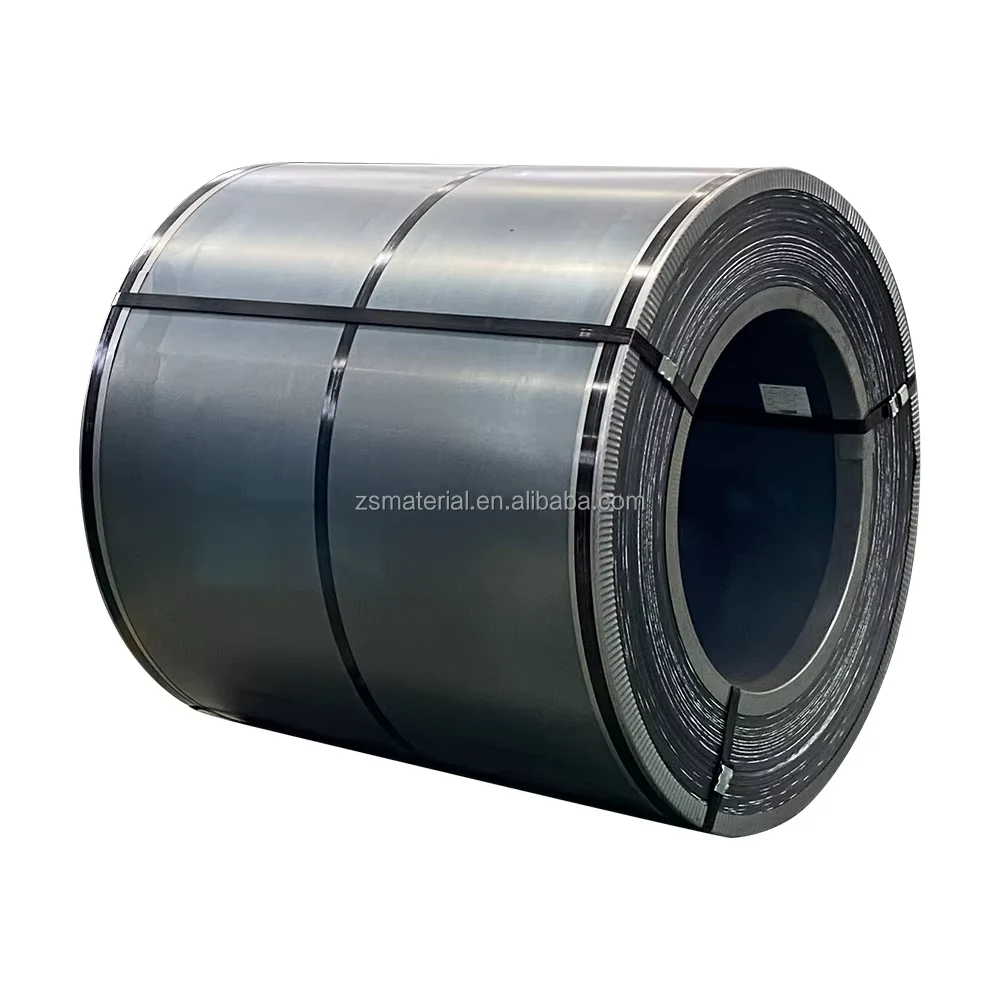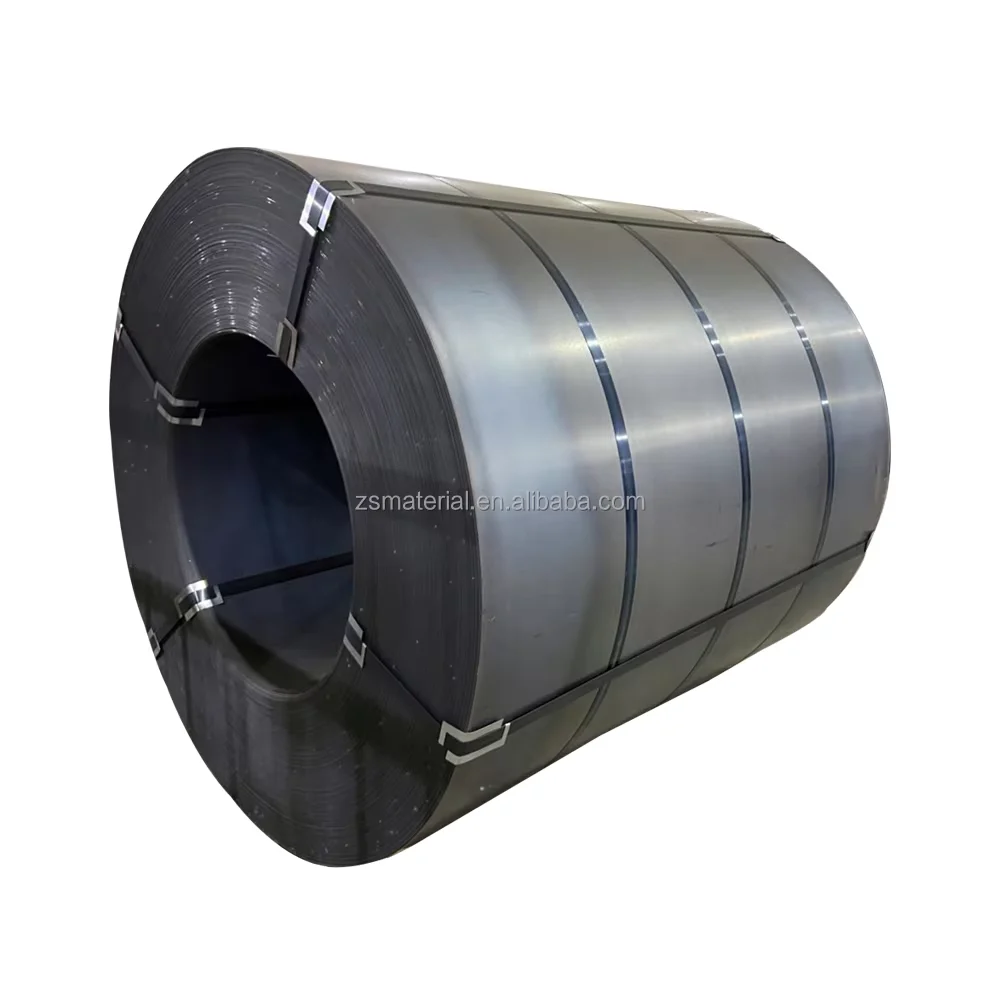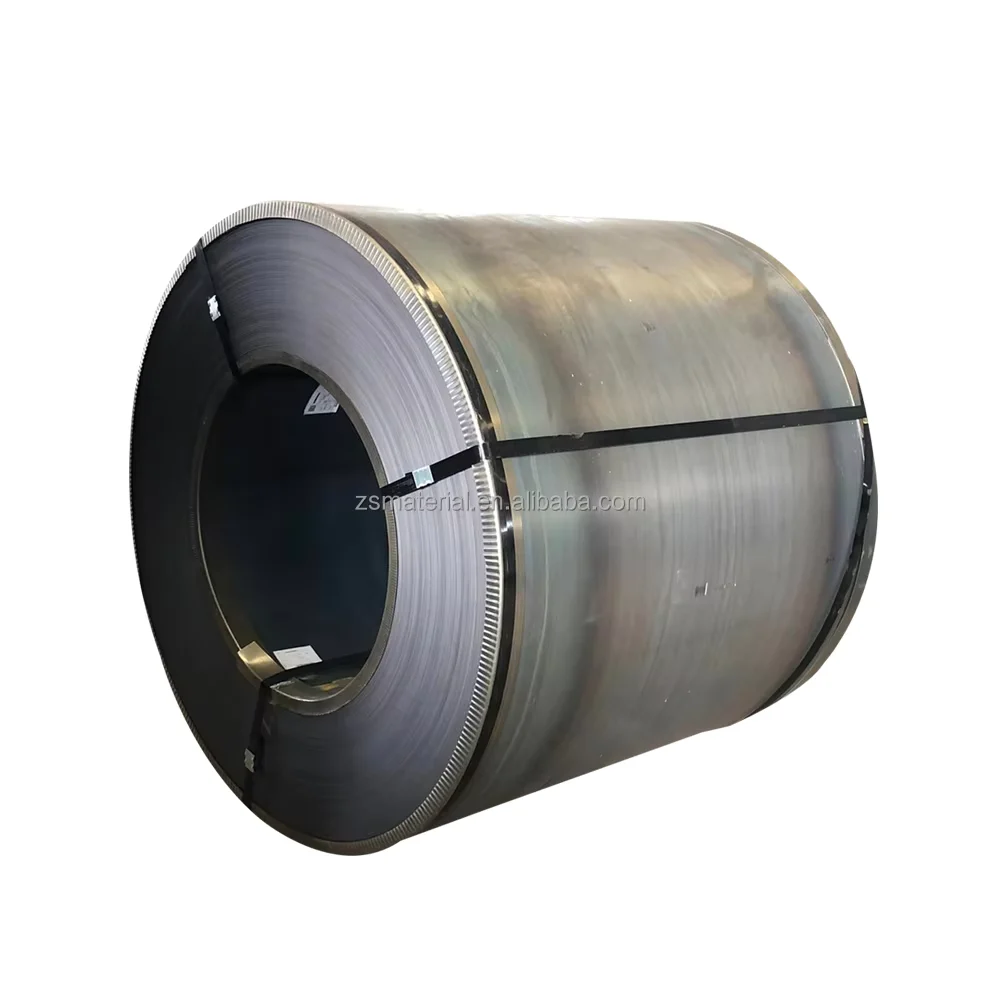
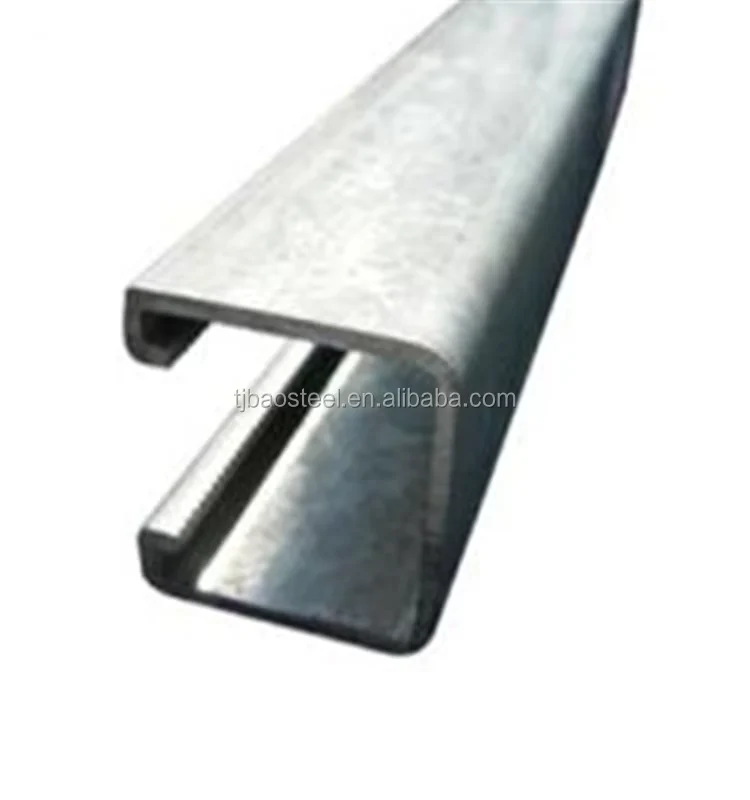
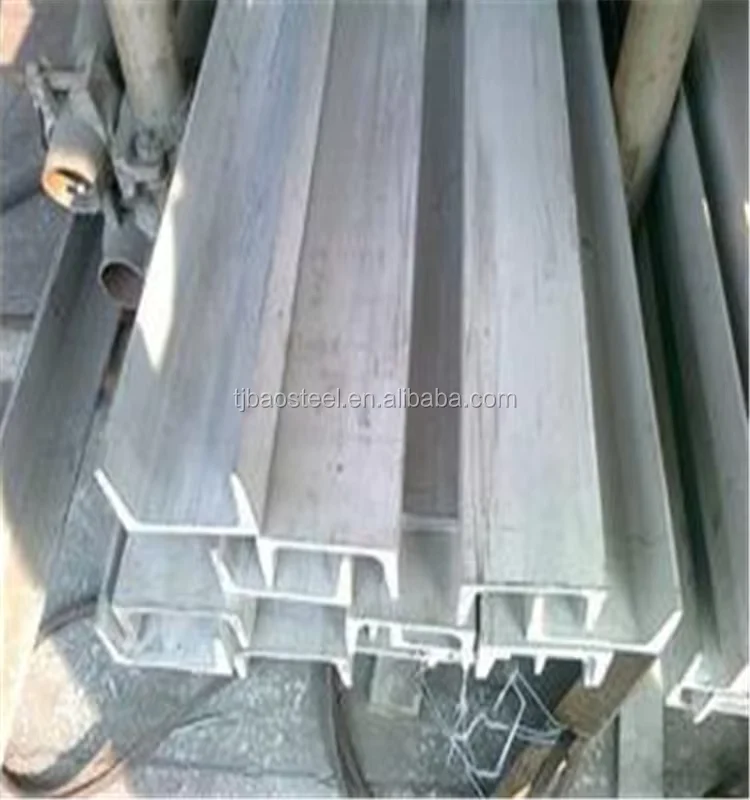


Description
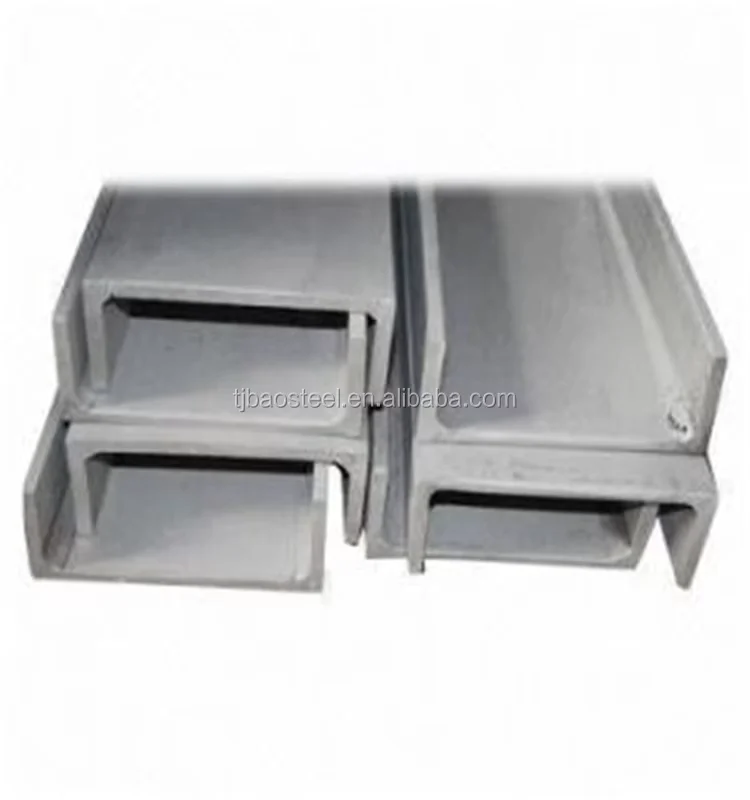
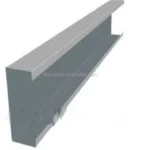
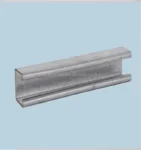
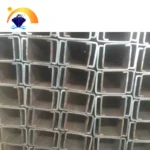
Factory-Direct Structural Channels — Every Q235B C Channel Steel batch ships with original mill test certificates and optional SGS/BV inspection, eliminating compliance risk at destination port.
Technical Specifications
| Parameter | Value |
|---|---|
| Designation | Q235B C Channel Steel |
| Product Type | C Channel Steel |
| Steel Grade | Q195, Q235, Q235B, Q345, Q345B, SS400 |
| Standard | AISI, ASTM, JIS, DIN, BS, EN |
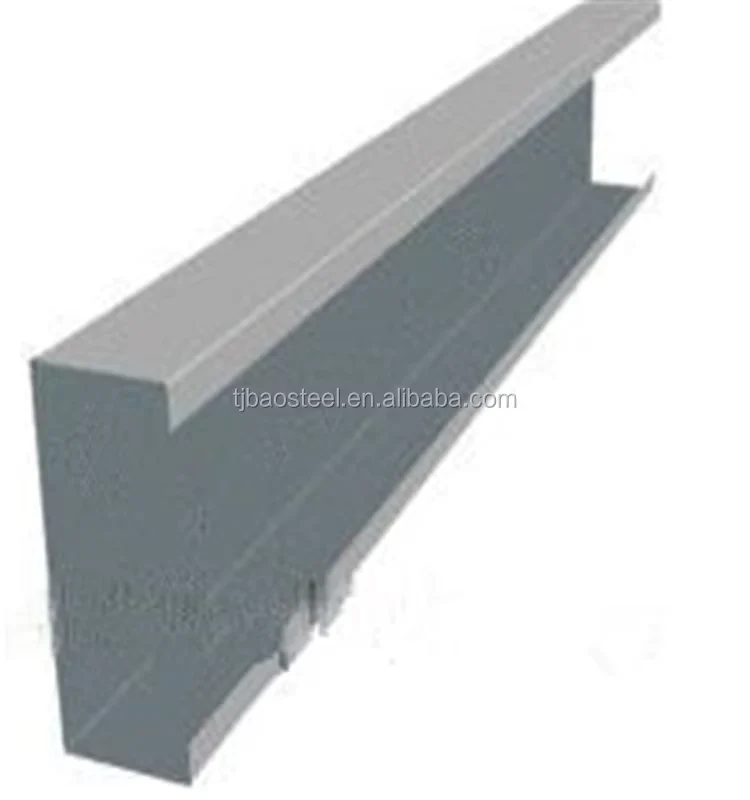
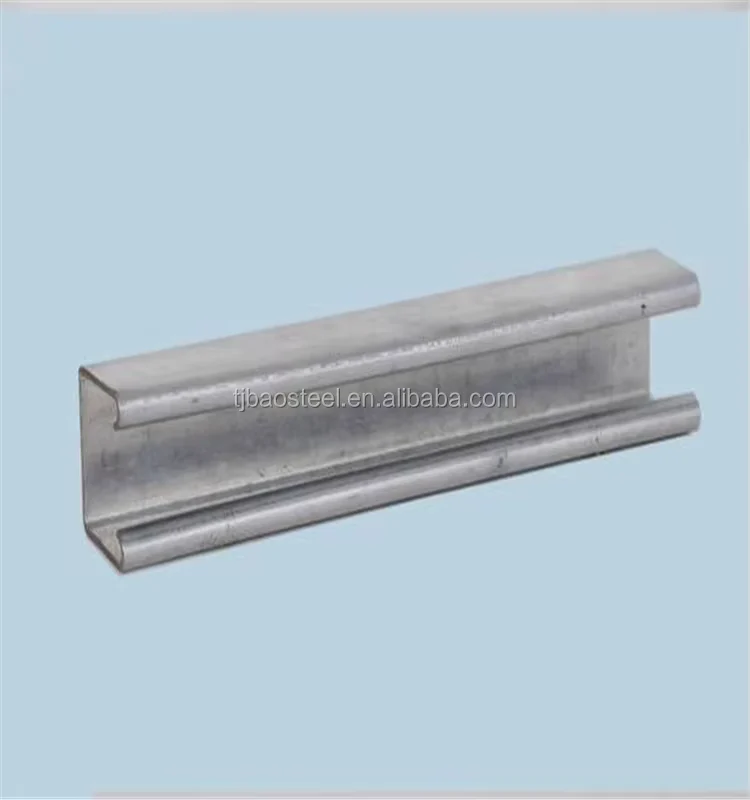
| Section Shape | C Channel |
| Length | As customer requested |
| Technique | Cold Rolled / Hot Rolled |
| Surface Treatment | Black / Bright / Galvanized / Painted |
| Tolerance | ±3% |
| Invoicing | By Theoretical Weight |
| MOQ | 25 Tons |
| Origin | Shandong, China |
Application Suitability
| Industry | Typical Applications |
|---|---|
| Construction & Infrastructure | Building frames, bridge components, retaining wall piles |
| Industrial & Energy | Petrochemical platform supports, power equipment brackets |
| Machinery & Transportation | Vehicle beam brackets, port conveyor structures, tractor frames |
| Commercial Buildings | Roof purlins, wall girts, mezzanine support systems |
What Dimensional Tolerance Costs on a Structural Frame Order
A ±3% tolerance deviation on a 20-ton C channel shipment can mean hundreds of mismatched connection points on site.
Global procurement teams routinely encounter wall thickness variations that pass visual inspection but fail caliper measurement. When Q235B C Channel Steel arrives at a Lagos job site with actual thickness 0.8mm below specification, the entire frame requires re-welding or replacement. Certification gaps compound the problem — missing mill test certificates trigger customs holds that stall projects for weeks. [NEED_CITE: structural steel tolerance requirements in EN 10025]
Matching C Channel Profiles to Engineering Load Requirements
Hot rolled Q235B and Q345B sections carry higher moment capacity for primary frame members, while cold rolled options deliver tighter dimensional control for secondary purlin systems. Galvanized finish extends service life in coastal or industrial corrosion environments without field painting. Our production lines run simultaneous hot and cold processes, allowing consolidated container loading of mixed surface treatments for multi-zone projects.
Structural Compliance and Certification Pathways
C Channel Steel conforming to Q235B meets Chinese GB/T 706 standards, while SS400 satisfies JIS G 3192 for Japanese-specification projects. European buyers require CE marking under EN 10025-1 for structural applications, and North American procurement teams specify ASTM A36 equivalence. Every heat number traces back to original mill chemistry reports, ensuring audit compliance for infrastructure projects. [NEED_CITE: steel grade equivalence tables between GB and ASTM standards]
Steel Grade Selection and Process Fundamentals
Q235B offers balanced weldability and formability for general construction, while Q345B provides higher yield strength for heavy-load applications without section size increases. Hot rolling produces scaled surfaces suitable for painted or galvanized finish adhesion; cold rolling achieves smoother surfaces and tighter tolerances for exposed architectural applications. Galvanized coating thickness typically ranges 45-85μm depending on immersion time, providing sacrificial corrosion protection that outlasts paint systems in humid environments. Theoretical weight invoicing based on standard density eliminates disputes over scale rust or coating mass variations.
Hidden Costs of Specification Non-Compliance
Material substitution without engineering approval creates liability exposure when actual yield strength falls below design assumptions. Certification gaps force re-inspection costs at destination, while negative tolerance abuse reduces load capacity below calculated safety factors. Projects facing regulatory audits cannot retroactively obtain mill test certificates — documentation must ship with the material. [NEED_CITE: consequences of steel grade substitution in structural engineering]
Procurement Confidence Through Vertical Integration
As a factory-direct supplier operating three production lines with monthly capacity exceeding 20,000 tons, we eliminate trading margins while maintaining full quality control. Our in-house laboratory issues original mill test certificates for every heat, with third-party SGS/BV inspection available before container sealing. The 2,800+ specification inventory covers standard C channel sizes for immediate dispatch, while custom lengths and non-standard profiles roll within typical production lead times. Professional export teams optimize container loading plans, maximizing weight utilization for 25-ton minimum orders.
Documentation & Compliance
- Mill test certificate documenting Q235B chemical composition and mechanical properties per GB/T 706
- CE certificate confirming EN 10025 compliance for European structural applications
- ISO 9001:2015 quality management certificate covering production and inspection processes
- SGS or BV third-party inspection report verifying dimensional tolerance and surface coating thickness
- Material traceability by heat number linking each bundle to original chemistry and rolling records
- Customs documentation package including packing list, bill of lading, and certificate of origin
Packaging, Loading & Delivery
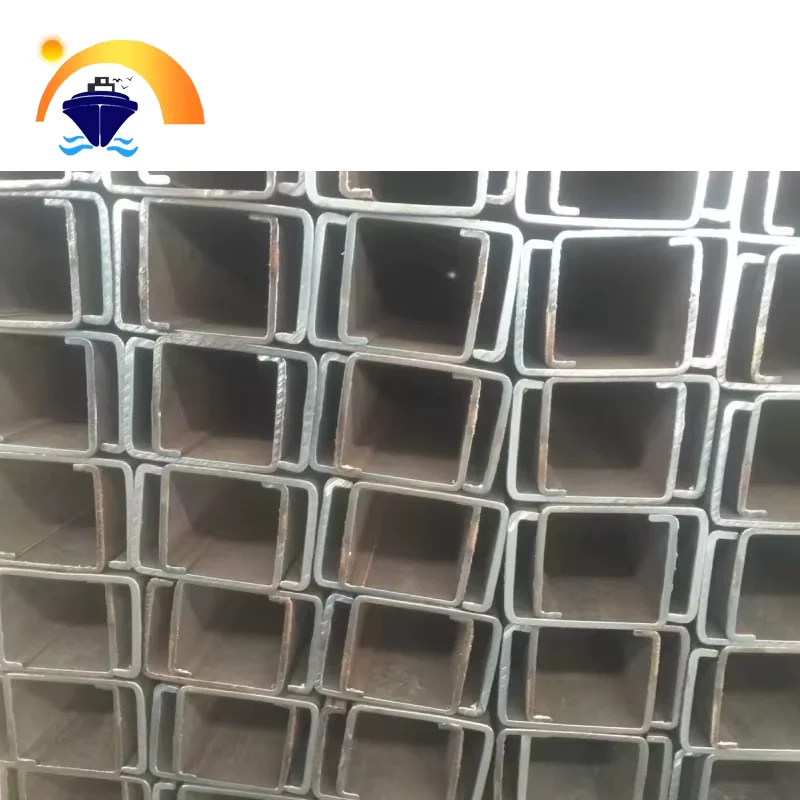
- Hot rolled Q235B C channels bundled with steel strips and edge protectors to prevent coating damage during ocean transit
- Galvanized sections wrapped in waterproof paper with ventilation gaps to prevent white rust formation
- Mixed-size container loading plans optimizing weight distribution for 25-ton payloads across 20ft and 40ft equipment
- Custom cut-to-length service available for 6m, 9m, and 12m standard lengths with 50mm tolerance
- Heat number stenciled on each piece for site identification and traceability verification
- FOB, CIF, and DDP terms available with door-to-door logistics coordination for project sites
Initiating Your C Channel Steel Procurement
Submit your specification sheet including section dimensions, steel grade preference, surface treatment requirements, and destination port to receive competitive bulk pricing within 12 hours. Our engineering team reviews non-standard profiles for feasibility and provides mill test certificate samples from recent production runs.
Request Factory-Direct Q235B C Channel Steel Pricing
Email your inquiry to admin@sdxinjiyuan.com or contact via WhatsApp at +86 188 5315 7756 with project specifications for immediate quotation and certification verification.
Frequently Asked Questions
Q: What is the difference between Q235B and Q345B for C Channel applications?
A: Q235B provides adequate strength for general construction and secondary structures, while Q345B offers approximately 30% higher yield strength for primary load-bearing members. The choice depends on structural calculations and safety factors specified by your engineer.
Q: Can you provide galvanized and painted C channels in the same container?
A: Yes, our production lines handle multiple surface treatments simultaneously. We consolidate mixed finishes into optimized container loads, reducing shipping costs while meeting multi-zone corrosion protection requirements.
Q: How do you handle non-standard lengths for C Channel Steel?
A: Custom lengths beyond standard 6m, 9m, and 12m options are available with typical production lead times. Minimum order quantities apply for non-standard profiles, and we provide cutting tolerance specifications before order confirmation.
Q: What documentation accompanies each shipment?
A: Every batch includes original mill test certificates showing chemical composition and mechanical properties, packing lists with heat numbers, and export customs documents. Third-party inspection reports from SGS or BV are available upon request before container sealing.
Q: How is theoretical weight calculated for invoicing?
A: Theoretical weight uses standard steel density (7.85 g/cm³) multiplied by nominal cross-section dimensions and length. This method eliminates disputes over surface scale, coating mass, or measurement variations, providing transparent cost control for budget-sensitive projects.