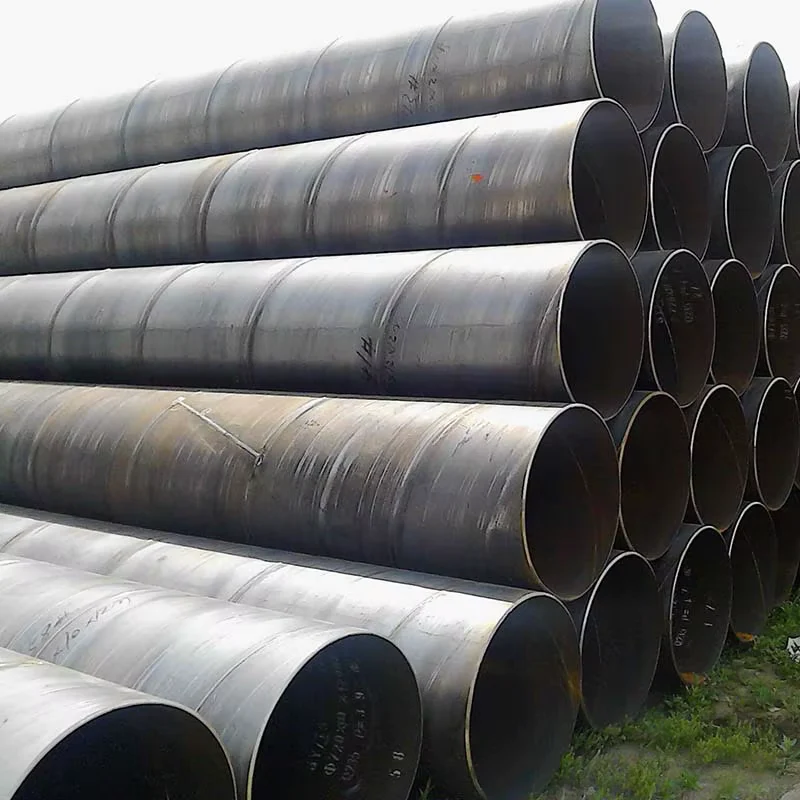
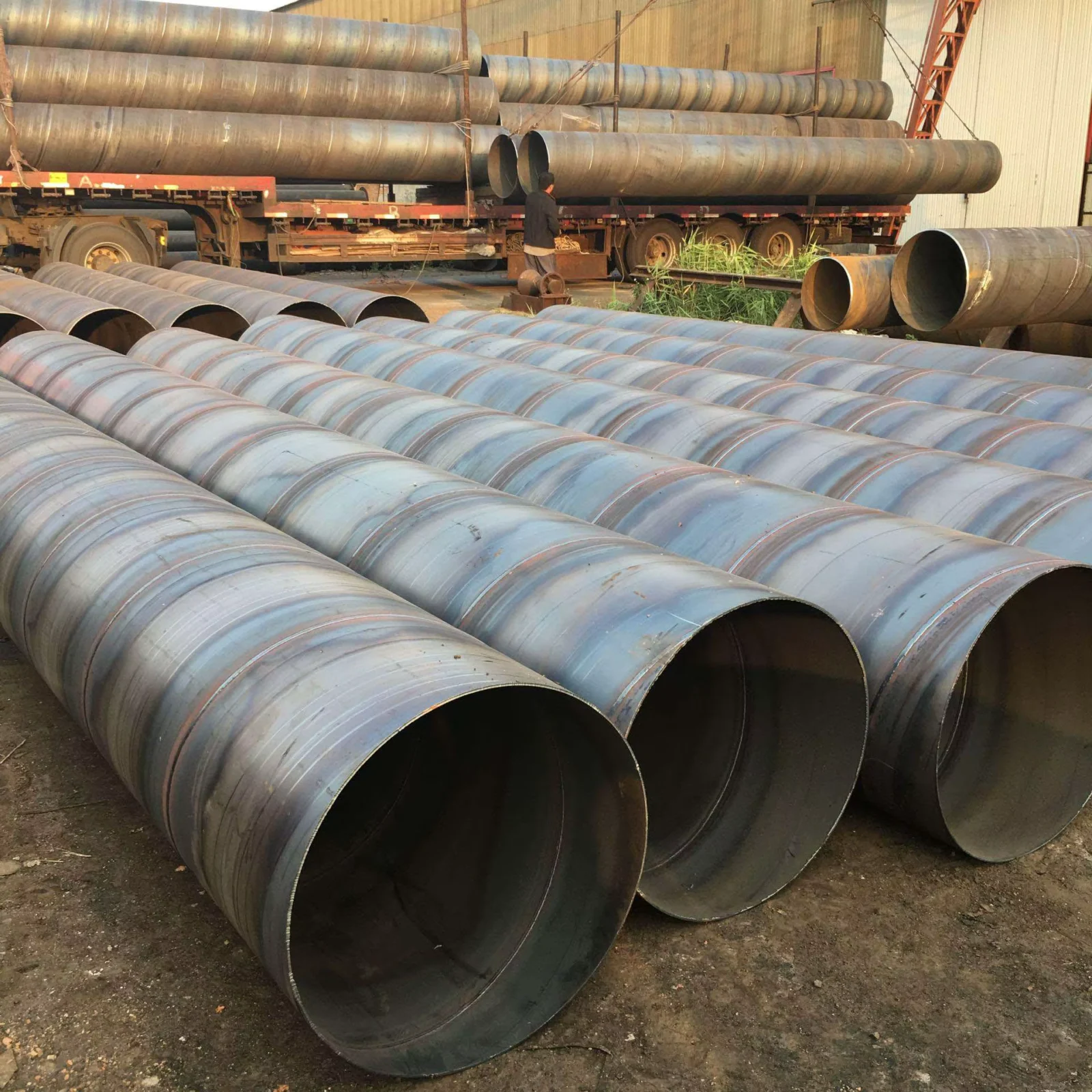
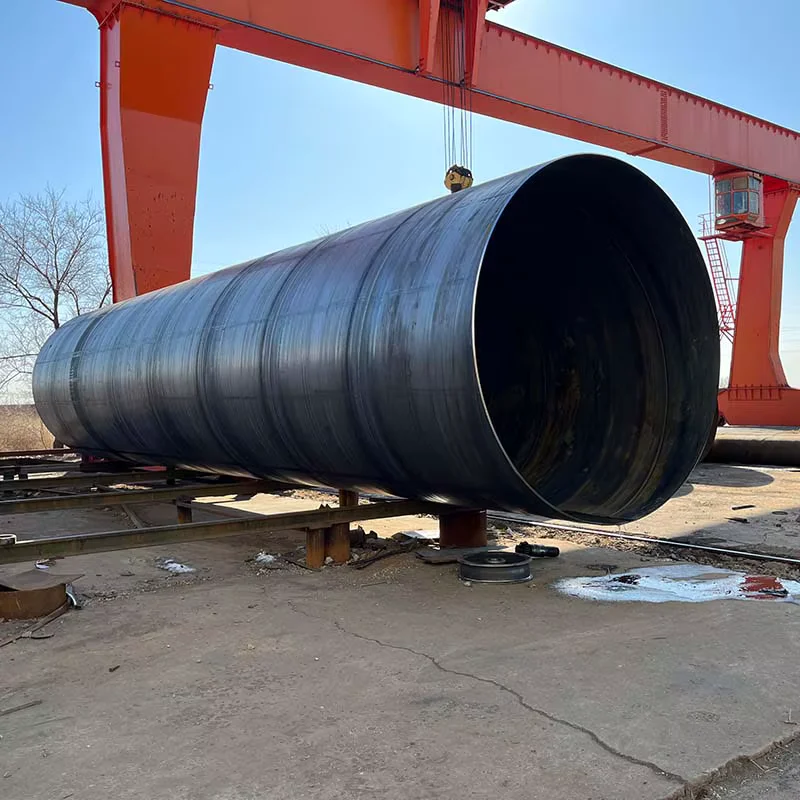
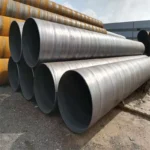
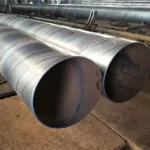

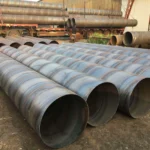
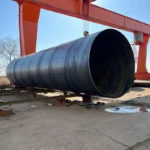
Description
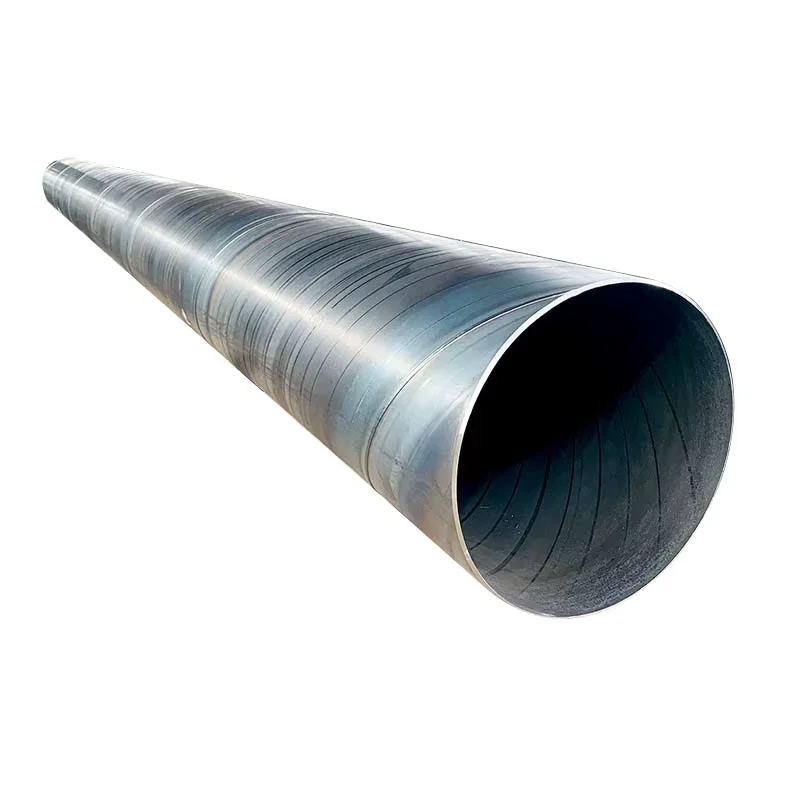
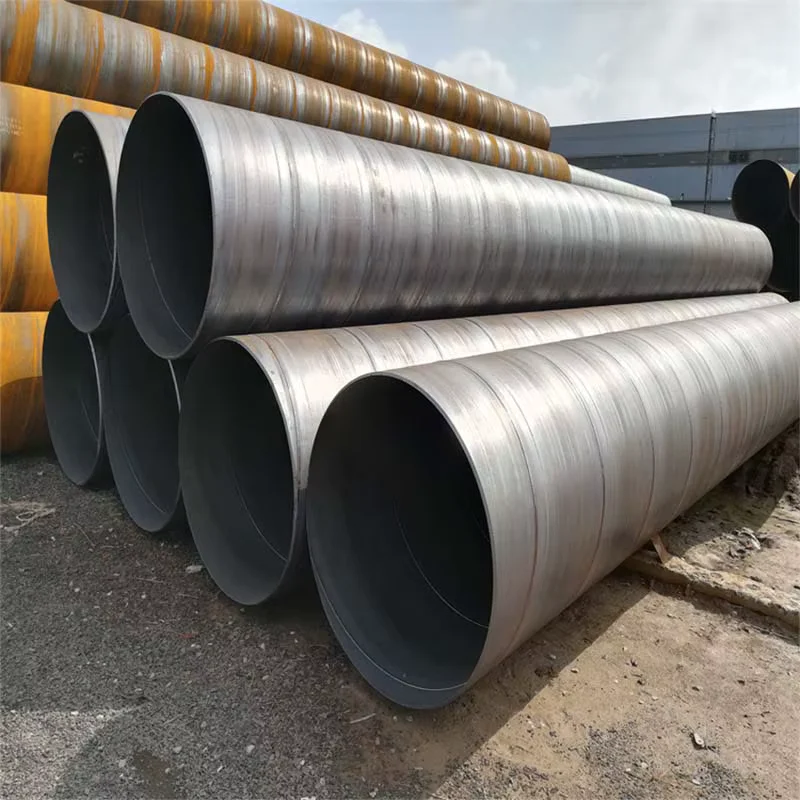
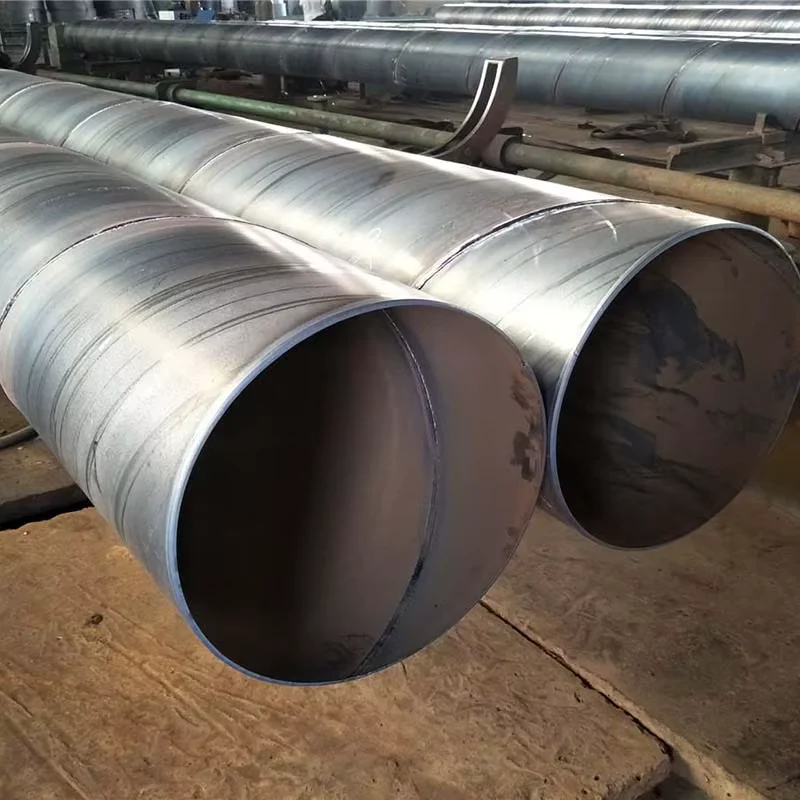
Factory-Direct SSAW Spiral Steel Pipe Supply — Every batch of Q235/X42/X46 large-diameter pipe ships with original mill test certificates and full traceability by heat number, cutting out trading markups on bulk orders.
Technical Specifications
| Parameter | Value |
|---|---|
| Designation | SSAW Spiral Steel Pipe |
| Product Type | SSAW Steel Pipe |
| Steel Grade | Q195, Q235, Q355, X42, X46, L242, L450 |
| Standard | ASTM, GB, EN, DIN, JIS |
| Section Shape | Round |
| Size Range (OD) | 219–3000 mm |
| Wall Thickness | 4–26 mm |
| Length | 6–12 m |
| Technique | SSAW (Spiral Submerged Arc Welding) |
| Surface Treatment | Black Carbon |
| Tolerance | ±5% |
| Ends | Plain / Beveled (as required) |
| Application | Oil and gas transmission, urban construction, water transfer, field irrigation, sewage transport, structural piling |
| MOQ | 10 Tons |
| Origin | Shandong, China |
Application Suitability
| Industry | Typical Applications |
|---|---|
| Oil & Gas Transmission | Long-distance pipeline networks for crude oil and natural gas conveyance using API-grade X42/X46 material |
| Municipal Infrastructure | Urban water transfer mains, sewage collection lines, and stormwater drainage systems |
| Civil Engineering | Bridge piling, foundation casing, and structural support columns for commercial buildings |
| Agricultural Irrigation | Large-diameter field irrigation channels and water distribution networks |
Where Wall-Thickness Tolerance Decides Project Acceptance on Large-Diameter Pipe
A ±5% tolerance on a 3000 mm OD SSAW pipe means the difference between passing SGS field inspection and an entire container held at port.
I have seen bulk SSAW orders rejected at destination because wall thickness drifted beyond acceptable limits on the inner spiral weld seam. When you are laying 26 mm wall pipe for a water transfer project, even minor tolerance stacking across hundreds of joints creates cumulative alignment issues on site. Fragmented sourcing from multiple mills makes this worse — each batch carries its own tolerance profile, and no single supplier takes responsibility for the full shipment. Missing or incomplete mill test certificates then turn a quality concern into a customs and compliance crisis. [NEED_CITE: SSAW pipe dimensional tolerance requirements per API 5L and EN 10219]
Matching Large-Diameter SSAW Pipe to Pipeline and Piling Applications
For oil and gas transmission pipelines operating under API-grade X42 and X46 specifications, the spiral weld geometry of SSAW pipe distributes hoop stress more evenly than longitudinal seam alternatives at diameters above 500 mm. Municipal water transfer projects benefit from the 6–12 m length range, which reduces field welding joints and accelerates installation speed. Structural piling applications leverage the full 3000 mm OD range to achieve bearing capacity that smaller-diameter alternatives cannot match, while the plain or beveled end options allow direct site welding without additional machining. As a factory-direct SSAW spiral steel pipe supplier, we maintain ready stock across the 219–3000 mm OD range to support urgent project timelines without compromising material traceability.
Engineering Compliance and Certification Requirements
Large-diameter SSAW pipe used in pressure-containing applications must conform to the chemical composition and mechanical property requirements defined in ASTM, GB, or EN standards — and the documentation must prove it. For projects in European markets, CE certification under EN 10210/EN 10219 is often a prerequisite for customs clearance, while North American infrastructure tenders typically require ASTM compliance with full mill test certificates. The steel grade selection directly affects structural performance: Q235 serves general structural and low-pressure conveyance, while X42 and X46 grades meet the higher yield requirements of API-specification pipeline work. Third-party inspection from SGS or BV provides independent verification that is increasingly demanded by EPC contractors and project owners. [NEED_CITE: EN 10210 hot-finished structural hollow sections certification requirements]
Steel Grade Selection and Spiral Welding Process Fundamentals
The Q-series grades (Q195, Q235, Q355) follow the Chinese GB standard system where the number indicates minimum yield strength in MPa, making Q235 the workhorse grade for general structural and water conveyance applications. The API-designated grades X42 and X46, along with L242 and L450, serve the oil and gas pipeline sector where higher yield strength and controlled chemical composition are critical for pressure integrity. The SSAW spiral submerged arc welding process enables production of diameters up to 3000 mm from relatively narrow steel coil — a cost advantage over plate-based LSAW at large sizes, though the spiral seam geometry requires careful ultrasonic inspection along the full weld length. Black carbon surface treatment provides a baseline for projects where external coating (3PE, epoxy, or galvanized) will be applied after delivery, or where the pipe operates in non-corrosive environments. Wall thickness tolerance of ±5% is standard for SSAW production, but buyers should verify that the mill’s quality control system tracks both inner and outer seam weld quality separately. [NEED_CITE: API 5L specification for line pipe steel grades X42 and X46]
Hidden Costs of Sourcing SSAW Pipe Without Verified Documentation
Purchasing large-diameter SSAW pipe based on price alone, without confirmed mill test certificates and independent inspection, exposes projects to material substitution risks where the delivered steel grade does not match the specified X42 or Q355 requirement. Negative tolerance beyond the ±5% standard reduces actual wall thickness, compromising pressure rating and structural load capacity — a defect that may not surface until hydrostatic testing or load-bearing verification on site. Missing CE or ISO certification documentation causes customs holds that delay project timelines by weeks, while inconsistent heat number traceability makes it impossible to isolate affected sections if a quality issue emerges during construction. [NEED_CITE: consequences of non-compliant steel pipe in infrastructure projects]
Why Bulk Buyers Source SSAW Spiral Steel Pipe From Our Mill
We operate three dedicated SSAW production lines in Jinan with monthly capacity exceeding 20,000 tons, giving us the volume capability to fulfill full-container and multi-vessel orders without subcontracting to outside mills. Every heat of steel is tested in our in-house laboratory, and original mill test certificates documenting chemical composition and mechanical properties accompany each shipment — not photocopies, not summaries, but the actual mill documents that customs authorities and project inspectors require. Our inventory covers 2,800+ specifications across all major steel product categories, meaning your SSAW pipe order can be consolidated with square tubes, H-beams, or steel plates in a single shipment to reduce per-unit freight cost. We hold ISO 9001:2015, Lloyd’s CE (EN 10210/10219), and FPC certifications, and we facilitate SGS or BV third-party inspection at our facility before container sealing. For long-term partners, we offer volume-based pricing programs, flexible MOQ starting from 10 tons, and split shipment options that allow you to draw down inventory against a blanket order. Our export team handles container loading optimization for heavy-gauge large-diameter pipe, professional documentation preparation, and coordination with freight forwarders for FOB, CIF, or door-to-door delivery.
Documentation & Compliance
- Mill test certificate documenting Q235/X42/X46 chemical composition and mechanical properties per GB/API standards, with heat number traceability
- CE certificate under EN 10210/EN 10219 for structural hollow sections destined for European Union markets
- ISO 9001:2015 quality management system certificate covering the full SSAW production process
- SGS or BV third-party inspection report available upon request, covering dimensional verification, weld quality, and coating thickness
- Material traceability report linking each pipe to its heat number, production date, and test batch
- Complete customs documentation package including packing list, bill of lading, and certificate of origin
Packaging, Loading & Delivery
- SSAW pipes bundled with steel strip ties and edge protectors, sized for 6–12 m lengths to prevent ovalization during ocean transit
- Black carbon surface pipes coated with anti-rust oil at mill ends to prevent corrosion during storage and shipping
- Container loading plans optimized for large-diameter pipe (219–3000 mm OD) to maximize weight utilization within 20GP and 40GP containers
- Plain or beveled ends protected with plastic caps to prevent damage and maintain weld preparation quality
- Heat number and steel grade stenciled on each pipe for on-site identification and traceability verification
- FOB Jinan/Qingdao port, with CIF and DDP options available for project sites across Southeast Asia, Middle East, Africa, and South America
Start Your SSAW Pipe Procurement With Verified Specifications
Submit your required outer diameter, wall thickness, steel grade, quantity, and destination port to receive a competitive factory-direct quotation within 12 hours, complete with mill test certificate samples and third-party inspection options. Our engineering team will confirm dimensional compliance with your project specification and provide container loading recommendations for your order volume.
Request Factory-Direct SSAW Pipe Pricing and Mill Certificates
Send your specifications via email to admin@sdxinjiyuan.com or contact us on WhatsApp at +86 188 5315 7756 to begin your procurement process.
Frequently Asked Questions
Q: What is the difference between SSAW and LSAW pipe, and which suits my project?
A: SSAW (Spiral Submerged Arc Welding) pipe is produced by spirally winding steel coil and welding along the spiral seam, enabling diameters up to 3000 mm from narrower coil stock at lower cost. LSAW (Longitudinal Submerged Arc Welding) uses plate and has a straight longitudinal seam, typically suited for smaller diameters or higher-pressure applications. For water transmission, piling, and general structural use at large diameters, SSAW offers cost efficiency; for high-pressure oil and gas pipelines requiring API 5L compliance, both processes are available depending on diameter and grade requirements.
Q: Can you provide API-grade X42/X46 material with full mill certificates for customs clearance?
A: Yes. We supply X42 and X46 grades under API specification with original mill test certificates documenting chemical composition and mechanical properties. Every batch is traceable by heat number, and we support SGS or BV third-party inspection at our facility before shipment to ensure compliance with your project requirements and destination country import regulations.
Q: What is the MOQ and can you support split shipments for large-diameter pipe orders?
A: Our MOQ for SSAW spiral steel pipe is 10 tons. For bulk project orders, we support split shipments against a blanket contract, allowing you to draw down inventory in scheduled batches while locking in volume pricing. Standard sizes are available from ready stock for urgent requirements, while custom orders typically follow typical production lead times.
Q: How do you handle coating options (3PE, epoxy, FBE) for corrosion protection?
A: Our standard SSAW pipe ships with black carbon surface treatment. For projects requiring corrosion protection, we coordinate 3PE, epoxy, FBE, or galvanized coating upgrades upon request. The coating specification should be confirmed at the inquiry stage so we can schedule production and quality control inspection accordingly.
Q: What are the standard delivery terms and production lead time for bulk SSAW pipe orders?
A: We offer FOB, CIF, and DDP delivery terms. Standard-size SSAW pipe from ready stock ships within typical lead times, while custom orders (non-standard diameter, specific grade, or coated requirements) follow typical production schedules. Our export team handles documentation, customs clearance coordination, and container loading optimization for all shipment types.