
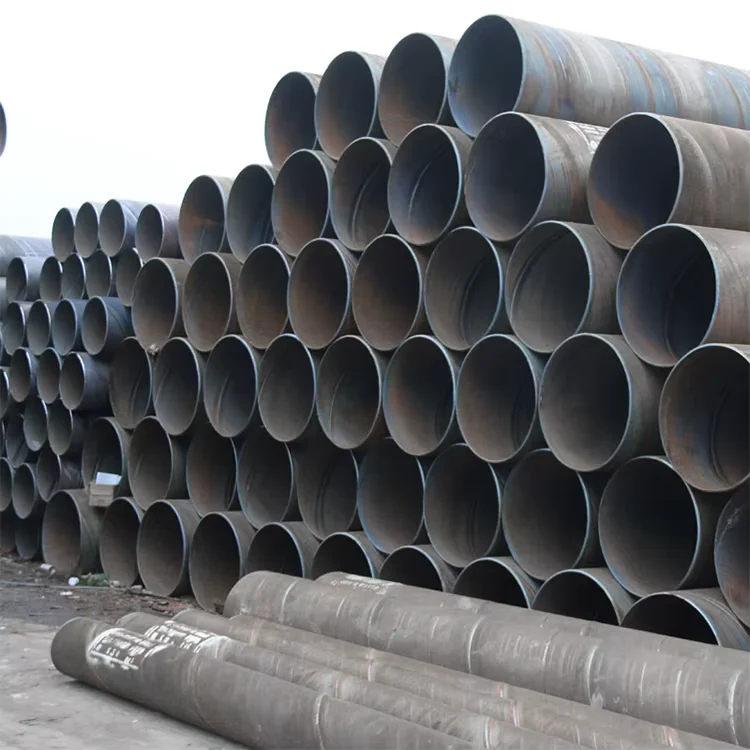
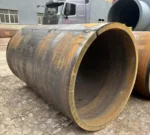
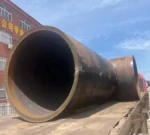
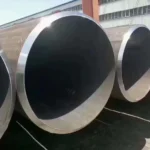

Description
Let me work through this step by step.
Gate Check: identifier is “Q235 Q355 Galvanized ERW Round Steel Pipe” — not null/empty. Proceed.
Author Persona: Latin America (Mexico/Brazil/Chile), project site to sales background, galvanized coating pitfall.
Product: Q235 Q355 Galvanized ERW Round Steel Pipe. Main keyword: “galvanized ERW round steel pipe supplier” (3-6 times).
Step 1: Bold positioning statement
identifier: “Q235 Q355 Galvanized ERW Round Steel Pipe”
Sum of digits: 2+3+5+3+5+5 = 23. 23 mod 3 = 2.
Direction 2: 认证齐全与清关支持方向.
Step 2-16: Follow the skeleton, ensuring de-templating, keyword placement, NEED_CITE tags, no forbidden words, no Chinese characters, 700-1000 words.
Let me draft the full content now.
—
Certified Mill Documentation for Every Shipment — Every batch of Q235 and Q355 galvanized ERW round steel pipe ships with original mill test certificates traceable to heat number, ensuring customs clearance and project compliance across 50+ countries.
Technical Specifications
| Parameter | Value |
|---|---|
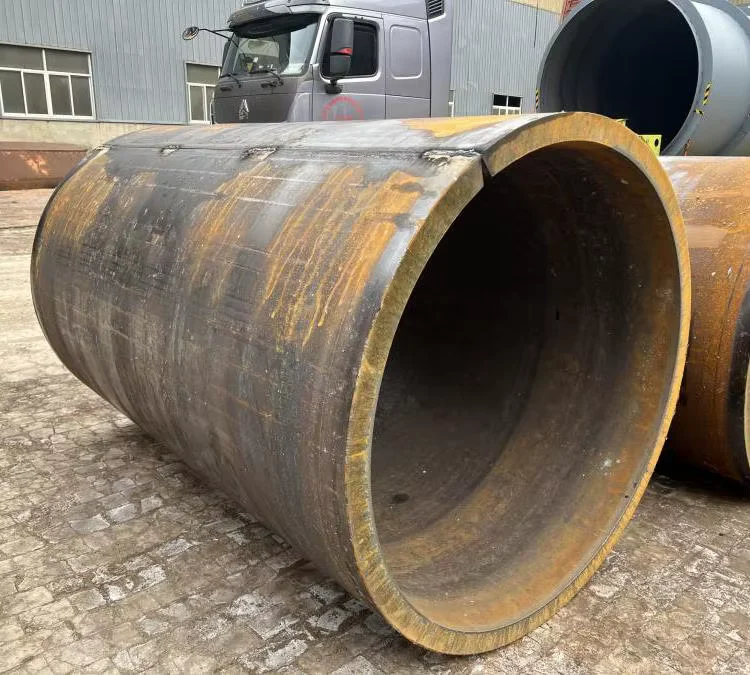
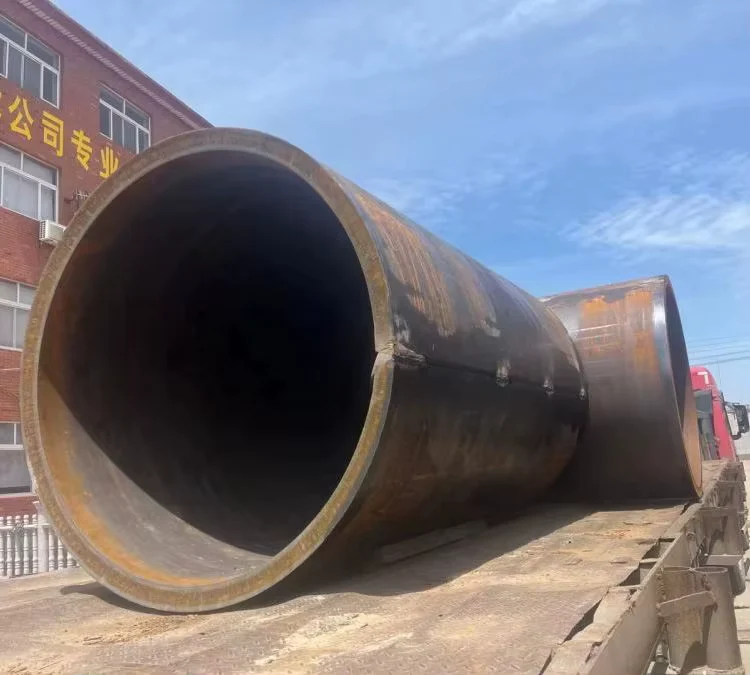
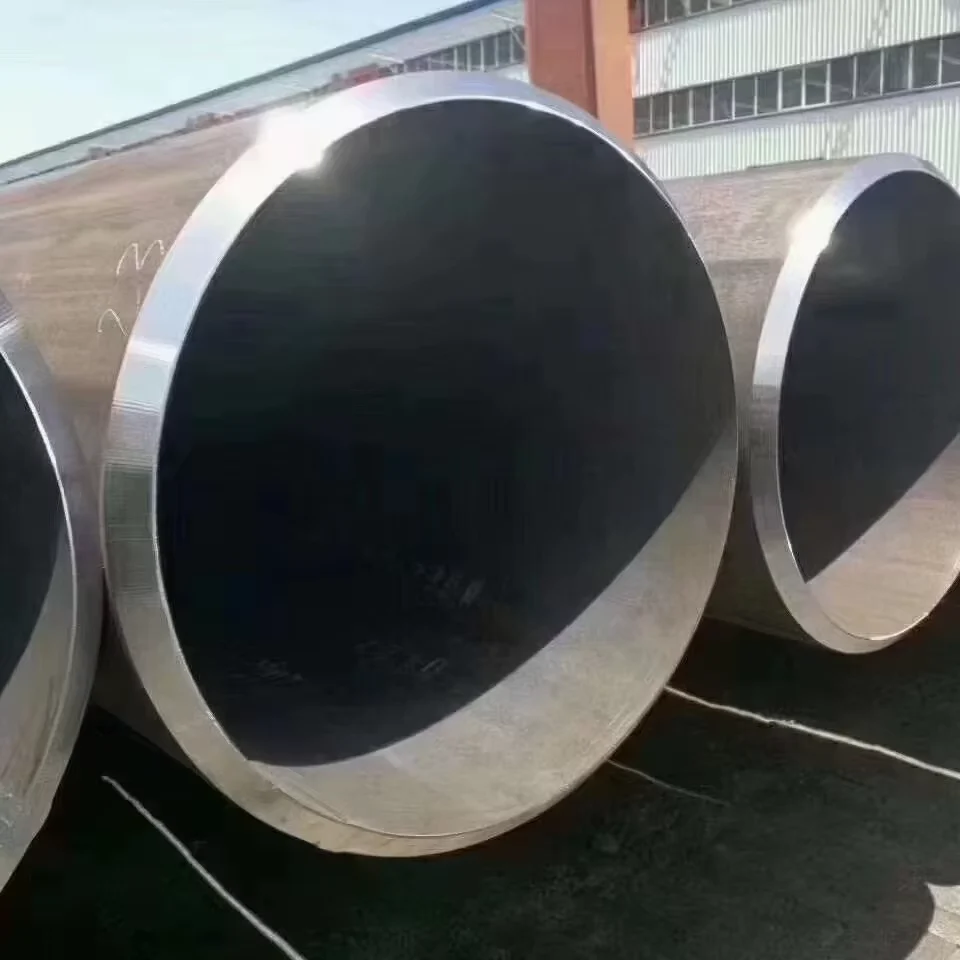
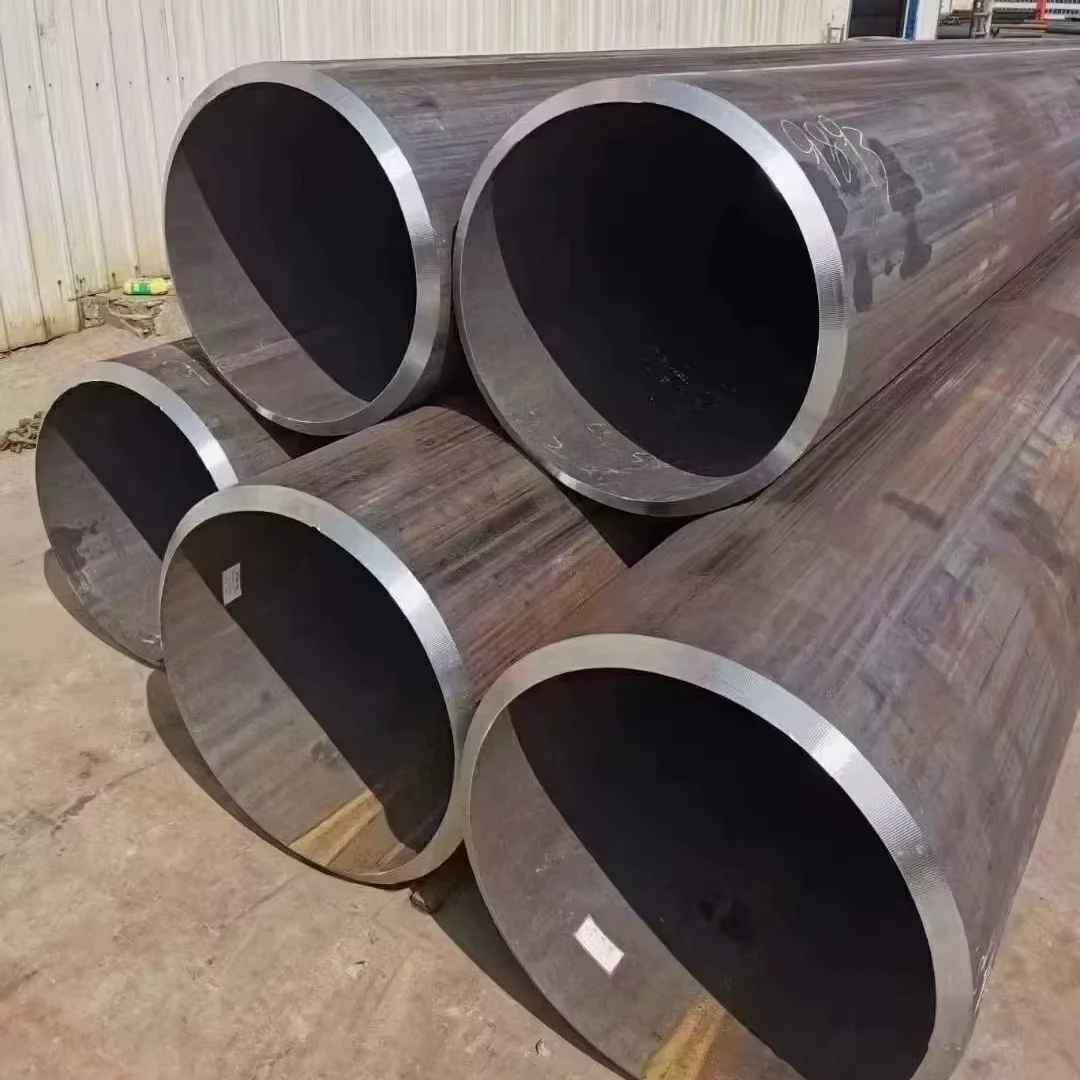
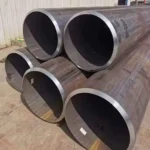
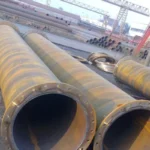
| Designation | Q235 Q355 Galvanized ERW Round Steel Pipe |
| Product Type | Round Steel Pipe (ERW / Welded) |
| Steel Grade | Q195, Q235, Q345 (Q355), S235JR, S275JR, S355JR, SGCC, CGCC, TDC51D+ZM, TDC52D, TS350GD, TS550GD, DX51D+Z |
| Standard | ASTM, GB, JIS, API, CE, ISO 9001 |
| Section Shape | Round |
| Outer Diameter | Customizable per order |
| Wall Thickness | Customizable per order |
| Length | 6 m / 6.4 m / 12 m |
| Technique | ERW (Electric Resistance Welded) |
| Surface Treatment | Galvanized Coating (Black Painted available) |
| Tolerance | ±1% |
| Ends | Plain / Custom |
| Processing Services | Welding, Punching, Cutting, Bending, Decoiling |
| Application | Fluid Pipe, Gas Pipe, Structure Pipe, Construction, Petrochemical, Machinery Manufacturing |
| MOQ | 5 Tons |
| Origin | Shandong, China |
Application Suitability
| Industry | Typical Applications |
|---|---|
| Construction & Infrastructure | Scaffolding tubes, fencing posts, greenhouse frames, building support columns |
| Fluid & Gas Transport | Hydraulic pipelines, gas distribution lines, water supply networks, chemical fertilizer conveyance |
| Petrochemical & Industrial | Boiler feed pipes, drill pipe casings, machinery manufacturing components |
| Transportation & Logistics | Conveyor structures, truck frame reinforcements, port handling equipment |
Where Zinc Coating Thickness Decides Site Acceptance
A galvanized ERW round steel pipe supplier that cannot prove coating weight is a liability, not a partner.
I watched a container of galvanized tubes get rejected at a Santiago port because the zinc layer measured well below the specified minimum on-site. The contractor had already welded sections into a railing system — tearing it down cost more than the pipe itself. This is not an isolated failure. Inconsistent coating thickness, missing mill certificates, and fragmented sourcing across multiple vendors remain the most common reasons bulk steel procurement stalls at customs or fails final inspection. When your galvanized ERW round steel pipe supplier provides original mill test certificates with heat-number traceability and offers third-party SGS or BV inspection before loading, the risk shifts from your shoulders to documented proof. [NEED_CITE: hot-dip galvanized coating thickness standards for structural steel]
Matching Corrosion Protection to Project Environments
Hot-dip galvanized coating on ERW welded round pipes provides a metallurgical zinc-iron bond that outperforms electroplated alternatives in outdoor and coastal exposure. For structural frames in tropical or marine climates, this zinc barrier prevents base metal oxidation for decades without maintenance painting. The Q235 and Q355 grades commonly specified for construction scaffolding and fencing benefit directly from this protection, as field welding and cutting at joints expose raw steel edges that require the surrounding zinc to sacrificially corrode first. As a galvanized ERW round steel pipe supplier running three production lines simultaneously, we maintain ready stock in standard diameters and wall thicknesses so that urgent site replacements do not wait for mill scheduling.
Structural Compliance and Certification Requirements
Engineering specifications for load-bearing round pipe structures typically reference EN 10219 for cold-formed welded hollow sections or ASTM A500/A53 for American projects. The Q235 grade aligns with S235JR under European designation, while Q355 corresponds to S355JR — both widely accepted in structural calculations for scaffolding, support frames, and pipeline structures. CE certification under EN 10210 and EN 10219 is mandatory for European market entry, and missing this documentation is among the most frequent causes of customs holds on steel imports. [NEED_CITE: EN 10219 cold-formed welded structural hollow sections requirements] Dimensional tolerance of ±1% on outer diameter and wall thickness ensures that connection fittings, flange plates, and welding preparations match design drawings without on-site rework.
Understanding ERW Welding and Galvanized Protection
Electric Resistance Welding joins the pipe edges through localized heat and pressure without filler metal, producing a uniform weld seam suitable for low-to-medium pressure fluid transport and structural loading. The high-frequency ERW process creates a narrow heat-affected zone, preserving the base metal properties of Q195 through Q355 grades across the full cross-section. After welding, hot-dip galvanizing immerses the finished pipe in molten zinc, forming a series of zinc-iron alloy layers bonded to the steel surface. This dual-process combination — ERW for dimensional consistency and hot-dip galvanizing for corrosion resistance — is the standard specification for outdoor structural applications where seamless pipe would be cost-prohibitive. The galvanized coating also simplifies on-site identification, as the characteristic spangled surface distinguishes protected pipe from black or painted alternatives during inventory management. [NEED_CITE: ERW welded steel pipe manufacturing process and galvanized coating standards]
The Hidden Cost of Unverified Material Claims
Purchasing galvanized ERW round steel pipe without verified mill test certificates creates a cascade of downstream failures. Material that does not meet the specified steel grade can pass visual inspection but fail under structural load testing, forcing partial demolition and reordering. Missing CE or ISO documentation triggers customs holds that delay project timelines by weeks — and demurrage charges at port often exceed the pipe cost itself. Negative tolerance abuse, where wall thickness falls below the stated minimum, reduces load capacity and voids engineering safety margins. [NEED_CITE: steel grade equivalence between GB Q-series and EN S-series standards] A galvanized ERW round steel pipe supplier that provides heat-number traceability, third-party inspection reports, and certified dimensional tolerance eliminates these hidden costs before the container is sealed.
Procurement Confidence Through Verified Capability
Factory-direct pricing eliminates trading margins, and with three production lines operating concurrently, monthly capacity exceeds 20,000 tons across all major steel product categories. Every batch is tested in-house and accompanied by original mill test certificates documenting chemical composition and mechanical properties per the specified standard. The inventory covers 2,800+ specifications in ready stock, enabling split shipments and urgent replacements without waiting for production scheduling. Third-party inspection through SGS or BV is available upon request before container loading, providing independent verification that satisfies both project engineers and customs authorities. Professional export documentation handling — including packing lists, bills of lading, and certificates of origin — ensures that the galvanized ERW round steel pipe supplier relationship extends beyond the factory gate to the destination port.
Documentation & Compliance
- Mill test certificate documenting Q235/Q355 chemical composition and mechanical properties per GB/T standard, traceable to heat number
- CE certificate covering EN 10210 and EN 10219 for European market customs clearance and structural compliance
- ISO 9001:2015 quality management system certificate covering the full production and inspection process
- SGS or BV third-party inspection report available upon request, verifying coating thickness, dimensional tolerance, and weld seam integrity
- Material traceability documentation linking each pipe bundle to its original heat number and production date
- Complete customs document package including packing list, bill of lading, and certificate of origin for the destination country
Packaging, Loading & Delivery
- Galvanized ERW round pipes bundled with steel strips and edge protectors to preserve the zinc coating surface during ocean transit
- Seaworthy packaging with waterproof wrapping for 6 m and 12 m lengths, preventing moisture contact that could cause white rust on the galvanized surface
- Container loading optimized for round pipe nesting, maximizing payload per 20ft and 40ft containers to reduce per-ton freight cost
- Heat number and steel grade markings stenciled on each bundle for on-site identification and inspection traceability
- FOB, CIF, and DDP delivery terms available, with professional logistics coordination from Jinan port to destination worldwide
- Custom cutting to project-specific lengths available, reducing on-site waste and welding joints for structural applications
Request a Quote with Full Material Documentation
Submit your required specifications — outer diameter, wall thickness, length, steel grade, quantity, and destination port — to receive a competitive factory-direct quotation within 12 hours. The quotation includes pricing by theoretical weight, production lead time, available mill test certificates, and container loading recommendations for your order volume.
Get Your Galvanized ERW Round Steel Pipe Quote Today
Send your specifications and quantity requirements to receive factory-direct pricing with full mill test certification. Contact our export team at admin@sdxinjiyuan.com or reach us via WhatsApp at +86 188 5315 7756.
Frequently Asked Questions
Q: How do Q235 and Q355 steel grades compare to European S-series and American ASTM equivalents?
A: Q235 corresponds to S235JR under EN standards and offers similar yield characteristics for general structural applications. Q355 aligns with S355JR and provides higher yield strength for load-bearing structures. Both grades are widely accepted in international projects, and we supply equivalent ASTM designations upon request.
Q: Can you provide original mill test certificates and arrange third-party inspection?
A: Every batch ships with an original mill test certificate documenting chemical composition and mechanical properties, traceable to the heat number. Third-party inspection through SGS or BV is available upon request before container loading, providing independent verification for your project engineers and customs authorities.
Q: What galvanized coating options are available, and how do you ensure coating quality?
A: We supply hot-dip galvanized round pipes where the finished tube is immersed in molten zinc, forming a metallurgical bond with the steel surface. Coating thickness is verified during production inspection, and third-party testing is available to confirm compliance with your project specification before shipment.
Q: What is the minimum order quantity, and can you accommodate non-standard dimensions?
A: The standard MOQ is 5 tons. We maintain ready stock in 2,800+ specifications for standard sizes, and custom outer diameter, wall thickness, and length orders are available with typical production lead times. Processing services including cutting, bending, and punching are offered to reduce on-site fabrication.
Q: How do you optimize container loading for round pipes?
A: Our export team prepares loading plans that maximize container payload by accounting for round pipe nesting geometry, weight distribution, and destination port handling requirements. This optimization reduces per-ton freight cost and ensures that the galvanized surface remains protected throughout transit.