Description
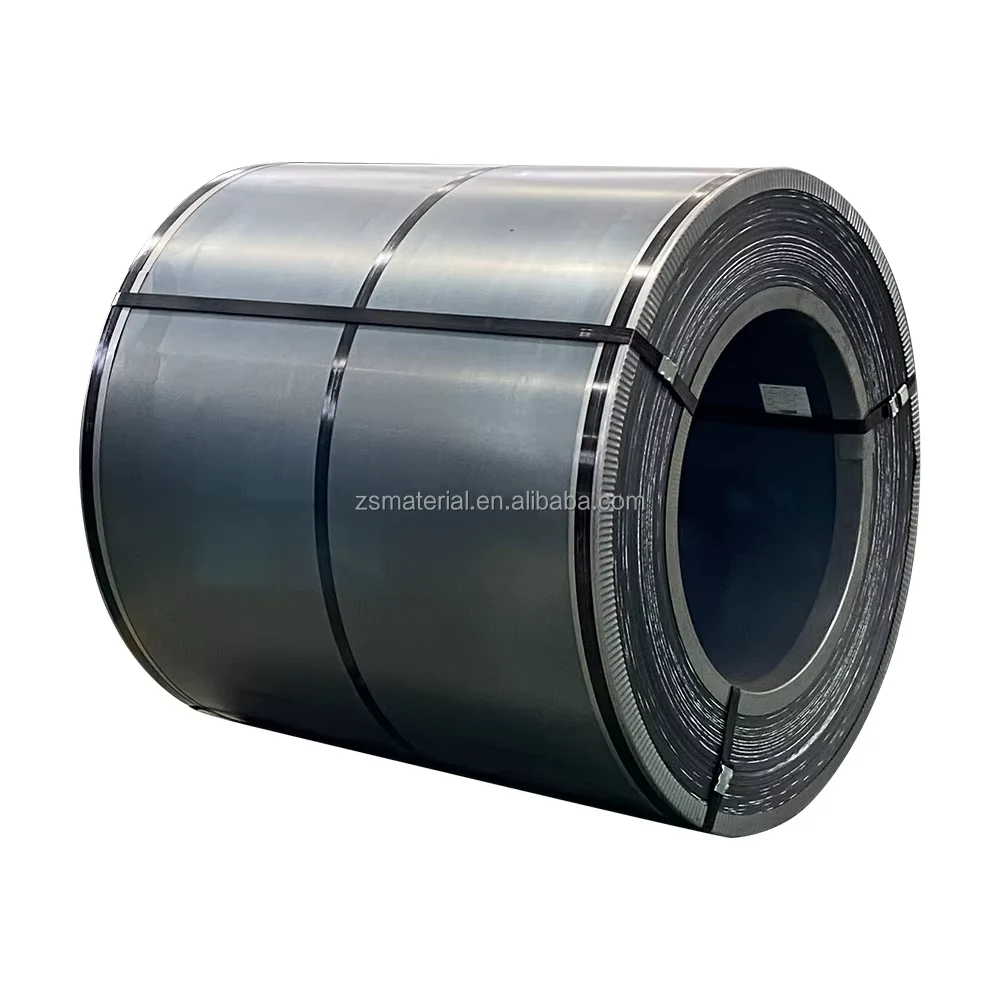
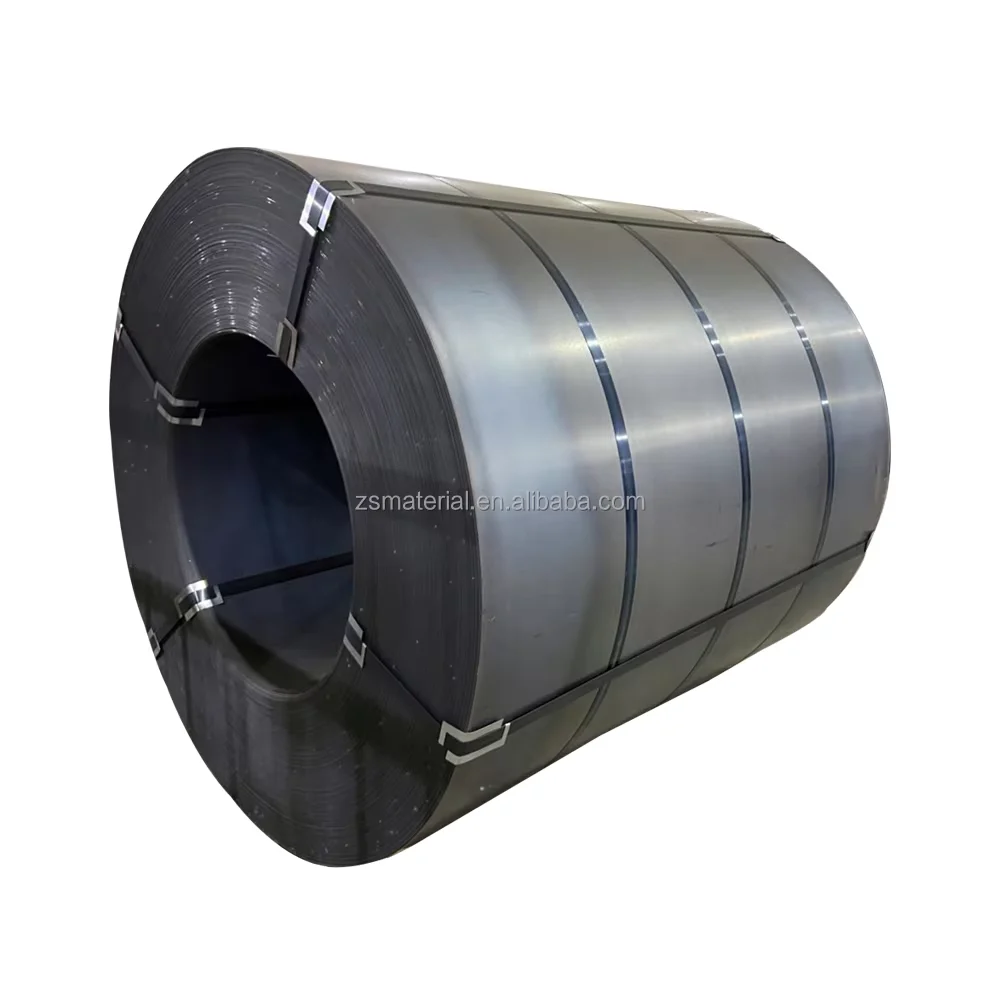
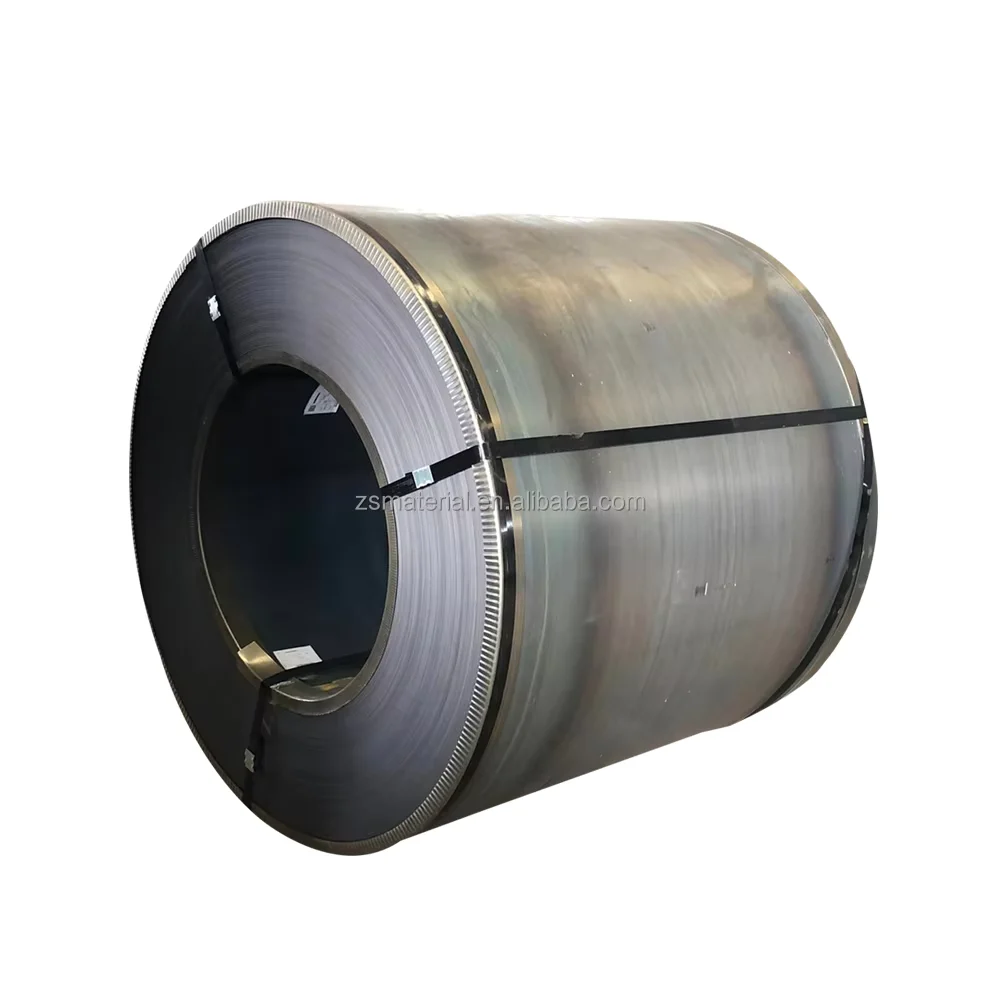
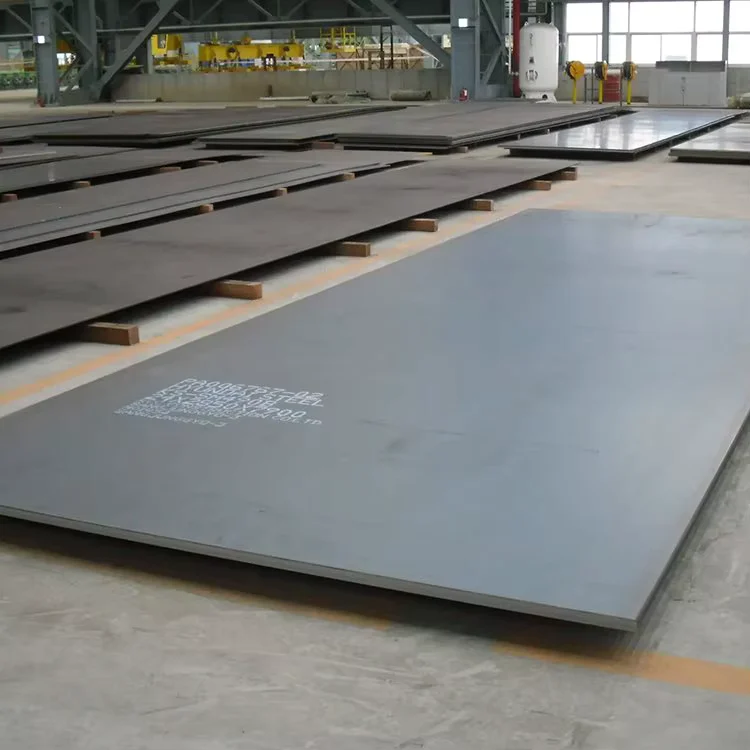
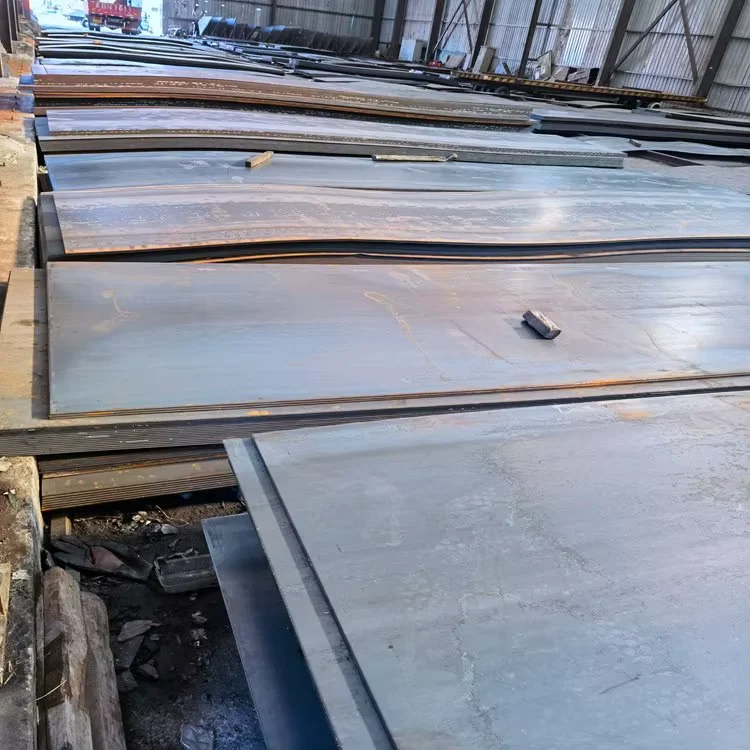
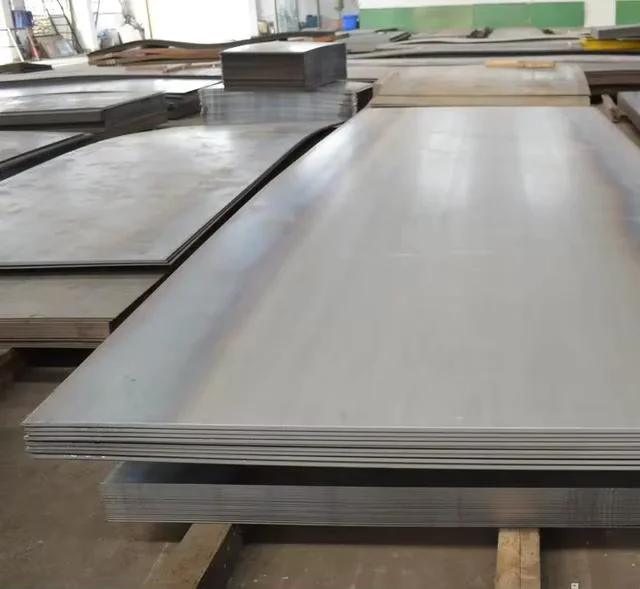
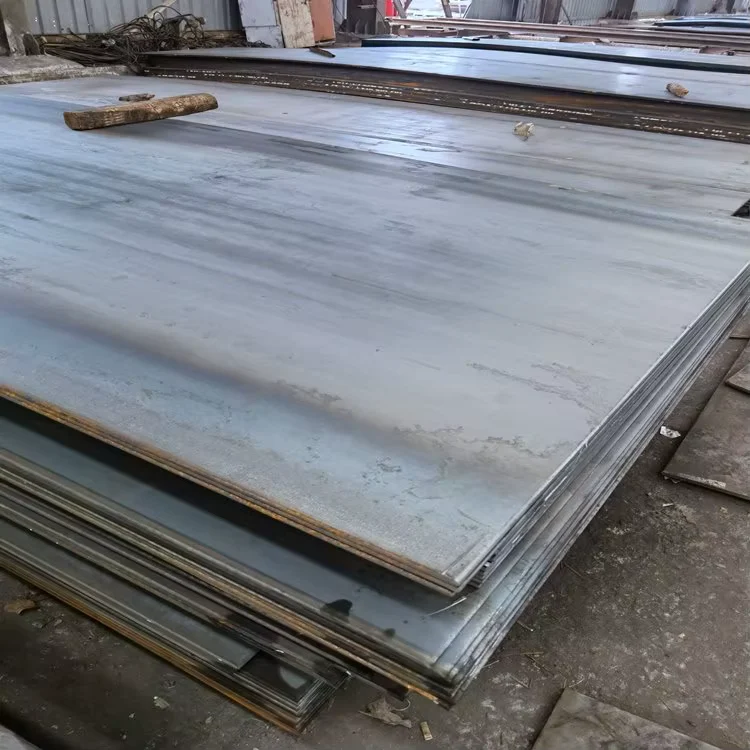
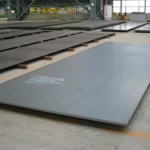
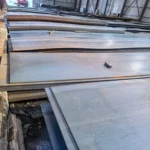
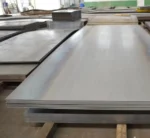
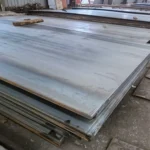
Factory-Direct Q235/Q345 Plates — Three rolling lines running simultaneously ensure bulk availability without broker markups.
Technical Specifications
| Parameter | Value |
|---|---|
| Designation | Q235/Q345 Hot Rolled Steel Plate |
| Product Type | Steel Plate |
| Steel Grade | Q235, Q345 |
| Standard | ASTM |
| Section Shape | Flat Plate |
| Thickness | 3.5–11.75 mm |
| Technique | Hot Rolled |
| Surface Treatment | Non-oiled, Skin Passed |
| Hardness | Full Hard |
| Spangle Type | Zero Spangle |
| Coating | None |
| Processing Service | Custom cutting, stamping, bending |
| Application | Automotive, Solar Energy, Metal Products, Household Appliances |
| Origin | Shandong, China |
Application Suitability
| Industry | Typical Applications |
|---|---|
| Solar Energy | Mounting structure base plates, panel support brackets, inverter mounting frames |
| Automotive | Chassis reinforcement plates, body panel blanks, bracket stamping feedstock |
| Metal Products | Enclosure fabrication, machine guard panels, welded frame gussets |
| Household Appliances | Washing machine base plates, refrigerator shell blanks, compressor mounting pads |
Why Negative Tolerance on Hot Rolled Plates Triggers Site Rejection
Full hard Q235/Q345 plates with skin-pass finish ship at actual gauge — not theoretical weight calculations.
I have seen entire container loads of hot rolled plate turned away at destination ports because the buyer’s third-party inspector measured thickness below the acceptable deviation band. When a Southeast Asian fabricator ordered Q345 plates for solar mounting frames, the mill’s negative tolerance pushed 6 mm plates down to 5.4 mm — structurally adequate for some uses, but the engineer’s specification called for minimum 5.8 mm. The batch sat in a bonded warehouse for twelve days. Sourcing a Q235/Q345 hot rolled steel plate supplier who controls tolerance at the rolling stage, not just the weighing stage, prevents this entirely. [NEED_CITE: hot rolled steel plate thickness tolerance standards per ASTM A6]
How Skin-Pass Zero-Spangle Plates Match Fabrication Requirements
The skin-pass treatment on these Q235/Q345 plates eliminates yield point elongation, preventing Lüders lines from appearing after stamping or bending. For solar mounting bracket production, this means formed surfaces stay uniform without visible stretcher strains. The zero spangle hot rolled surface accepts welding spatter without pitting, and the non-oiled finish allows immediate primer application without solvent wiping. A Q235/Q345 hot rolled steel plate supplier running skin-pass lines in-house controls this surface condition from the mill, not from a re-processor’s warehouse.
Structural Compliance and Certification Pathways
Q235 plates serve general fabrication where yield strength requirements stay moderate — equipment guards, appliance housings, non-load-bearing brackets. Q345 plates step into structural territory: solar racking base plates that must resist wind uplift, automotive chassis reinforcements subject to fatigue loading, and welded machine frames carrying dynamic loads. For projects targeting European markets, the Q235/Q345 hot rolled steel plate supplier must provide mill test certificates that map Chinese grade equivalents to EN 10210 or EN 10025 designations. Customs authorities in the EU and Middle East increasingly reject shipments lacking traceable heat numbers linked to certified chemistry reports. [NEED_CITE: steel grade equivalence mapping between GB and EN standards]
Understanding Q235 vs Q345 in Hot Rolled Plate Form
Q235 belongs to the carbon structural steel family — the workhorse grade for general fabrication where formability matters more than load-bearing capacity. Its lower carbon content makes it easier to bend and stamp without cracking at the die radius. Q345, historically known as 16Mn, adds manganese to push yield strength higher while maintaining weldability. For the same 8 mm thickness, a Q345 plate carries noticeably more load before permanent deformation, which is why solar mounting engineers specify it for ground-screw base plates. The hot rolling process heats slabs above recrystallization temperature, producing a mill scale surface that the skin-pass treatment then flattens without removing entirely. Full hard condition means the plate has not been annealed after rolling — it arrives at the fabricator’s shop ready for cutting and forming, with residual stress profiles that experienced welders know to manage through sequence planning.
The Hidden Cost of Unverified Plate Thickness
Ordering Q345 plates by theoretical weight without specifying minimum delivered thickness invites a common trap: the mill ships at the bottom of the tolerance band, and the fabricator discovers that 10 mm nominal plates measure 9.2 mm at the edges. For solar mounting structures, this thickness loss reduces the section modulus of base plates, potentially failing the engineer’s wind-load calculation. The rework cost — welding reinforcement pads, or worse, scrapping and reordering — dwarfs the per-ton savings from accepting negative tolerance. A credible Q235/Q345 hot rolled steel plate supplier provides SGS or BV inspection reports confirming actual gauge at multiple measurement points per plate, not just a single center reading. [NEED_CITE: ASTM A6 thickness tolerance requirements for hot rolled plates]
Procurement Confidence from Mill to Container
Every Q235/Q345 hot rolled steel plate shipment leaves our Jinan facility with original mill test certificates showing heat number, chemical composition, and mechanical test results — not photocopies from a trading desk. Our three production lines run concurrently, holding 2,800+ specifications in ready stock so that standard thickness orders ship within days, not weeks. For custom-cut plates, our in-house processing center handles plasma cutting, stamping dies, and press braking to your drawing dimensions before the plates ever reach the loading bay. We consolidate multi-product orders — plates, tubes, sections — into single containers with professional weight distribution plans, so a solar project buyer receives mounting base plates and square tube posts in one shipment rather than coordinating three separate suppliers. Volume partners receive tiered pricing reviews every six months, and every batch passes through our internal lab’s three-stage inspection before third-party SGS/BV verification.
Documentation & Compliance
- Mill test certificate documenting Q235/Q345 chemical composition (C, Mn, Si, S, P) and mechanical properties per ASTM standards, traceable by heat number
- ISO 9001:2015 quality management certificate covering the full hot rolling and skin-pass production process
- SGS or BV third-party inspection report confirming actual thickness, surface condition, and dimensional tolerance at destination port requirements
- CE compliance documentation for projects entering European markets, mapping Q235/Q345 grades to EN 10025 equivalents
- Certificate of origin and customs documentation package including packing list, bill of lading, and commercial invoice formatted for destination country clearance
- Material traceability sheet linking each plate’s heat number to the original slab casting record and rolling schedule
Packaging, Loading & Delivery
- Hot rolled Q235/Q345 plates bundled with high-tensile steel straps at four-point intervals, with edge protectors preventing strap marks on the skin-pass surface during ocean transit
- Non-oiled zero spangle plates wrapped in waterproof kraft paper and plastic film to prevent humidity-induced surface discoloration during container shipping
- Custom-cut plates stacked by thickness sequence with timber separators, enabling destination warehouse staff to identify gauge without unstacking the entire bundle
- Container loading plans optimized for 3.5–11.75 mm thickness range, distributing weight across the container floor to stay within port crane lift limits and road transport axle restrictions
- Each bundle labeled with heat number, steel grade (Q235 or Q345), thickness, and cutting dimensions in both Chinese and English for customs inspection efficiency
- FOB, CIF, and DDP shipping terms available with real-time container tracking from Jinan inland depot through destination port discharge
Starting Your Q235/Q345 Plate Procurement
Submit your plate specifications — thickness, width, length, steel grade, quantity, and destination port — and receive a detailed quotation within twelve hours, including volume pricing and mill test certificate confirmation. For custom-cut orders, share your fabrication drawings and we return a processing feasibility assessment with nesting efficiency estimates before you commit to production.
Request Your Q235/Q345 Hot Rolled Steel Plate Quotation
Send specifications via email to admin@sdxinjiyuan.com or contact us on WhatsApp at +86 188 5315 7756 to receive pricing, mill test certificate samples, and container loading plans for your project.
Frequently Asked Questions
Q: What is the difference between Q235 and Q345 steel grades for hot rolled plates?
A: Q235 is a carbon structural steel with moderate yield strength, ideal for general fabrication, stamping, and non-structural applications like appliance housings. Q345 contains added manganese for higher yield strength, making it suitable for structural uses such as solar mounting base plates, chassis reinforcements, and welded frames carrying dynamic loads. Both grades are available in hot rolled, full hard condition with skin-pass surface treatment.
Q: Can you provide third-party inspection certificates for customs clearance?
A: Yes. Every Q235/Q345 hot rolled steel plate shipment can be inspected by SGS or BV before loading. The inspection report covers actual thickness measurement, surface condition verification, dimensional tolerance checks, and visual quality assessment. These reports accompany the original mill test certificates and are formatted to meet customs requirements in European, Middle Eastern, and Southeast Asian ports.
Q: What is the MOQ for custom-cut steel plates?
A: Custom cutting orders for Q235/Q345 hot rolled plates start from trial quantities suitable for project sampling. Our in-house processing center handles plasma cutting, stamping preparation, and bending flatwork. Standard stock plates in common thicknesses ship without minimum quantity restrictions, while custom dimensions are processed alongside scheduled production runs to maintain competitive pricing.
Q: How do you optimize container loading for heavy steel plates?
A: Our export team prepares weight distribution plans specific to the 3.5–11.75 mm thickness range, ensuring plates are stacked to maximize container payload without exceeding axle weight limits at destination. For mixed orders, we consolidate plates with square tubes, sections, and other steel products into single containers, reducing per-unit freight costs and simplifying customs documentation.
Q: What is the typical lead time for custom processing orders?
A: Standard stock plates in Q235/Q345 grades ship within days from our Jinan warehouse. Custom-cut orders requiring specific dimensions, stamping preparation, or bending flatwork follow typical production lead times depending on drawing complexity and quantity. Third-party inspection scheduling adds minimal time when coordinated at the production planning stage.