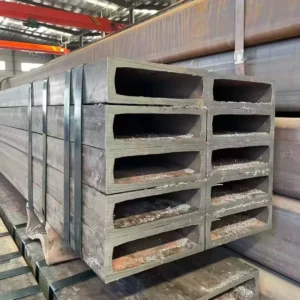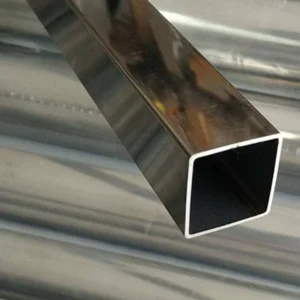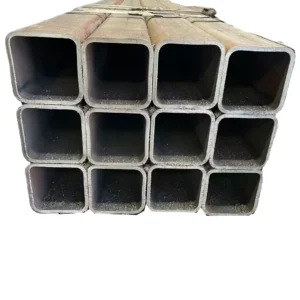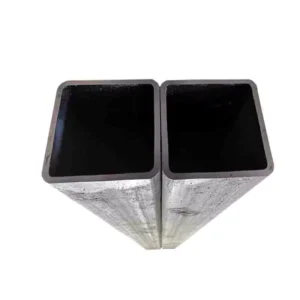
Description
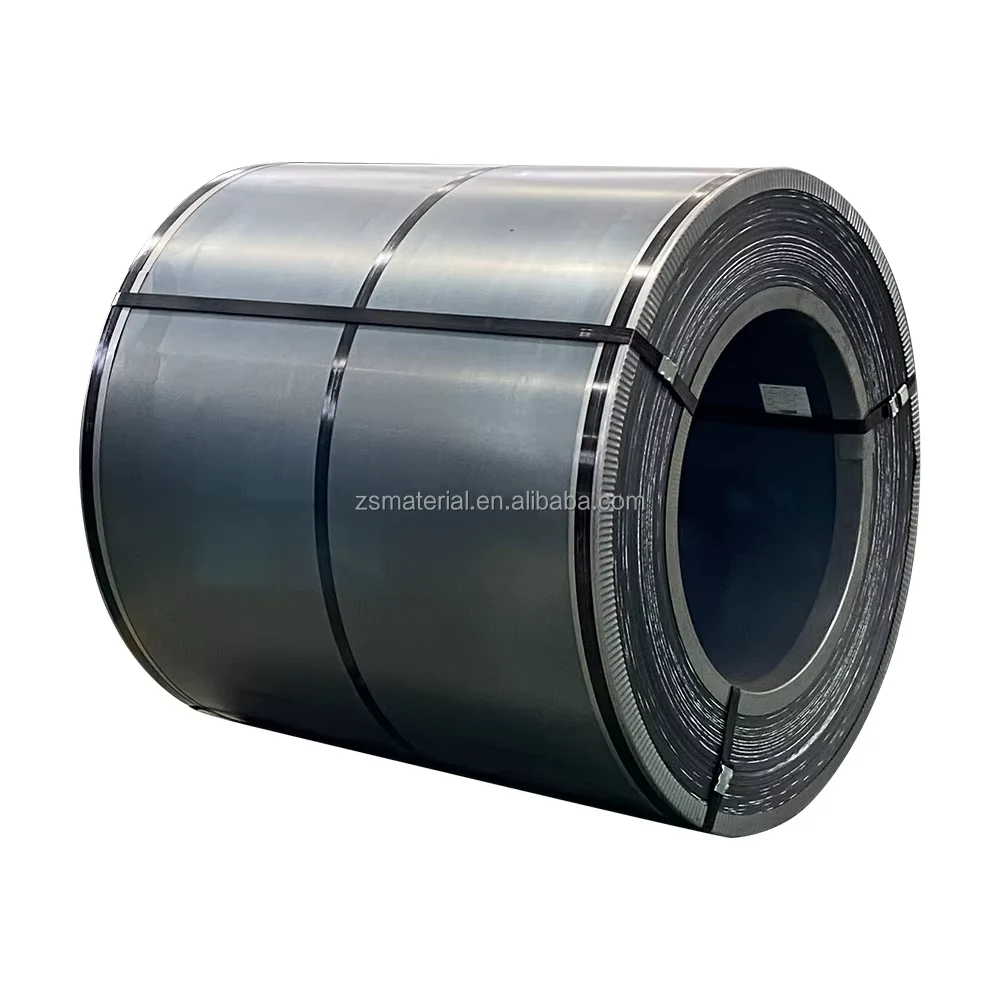
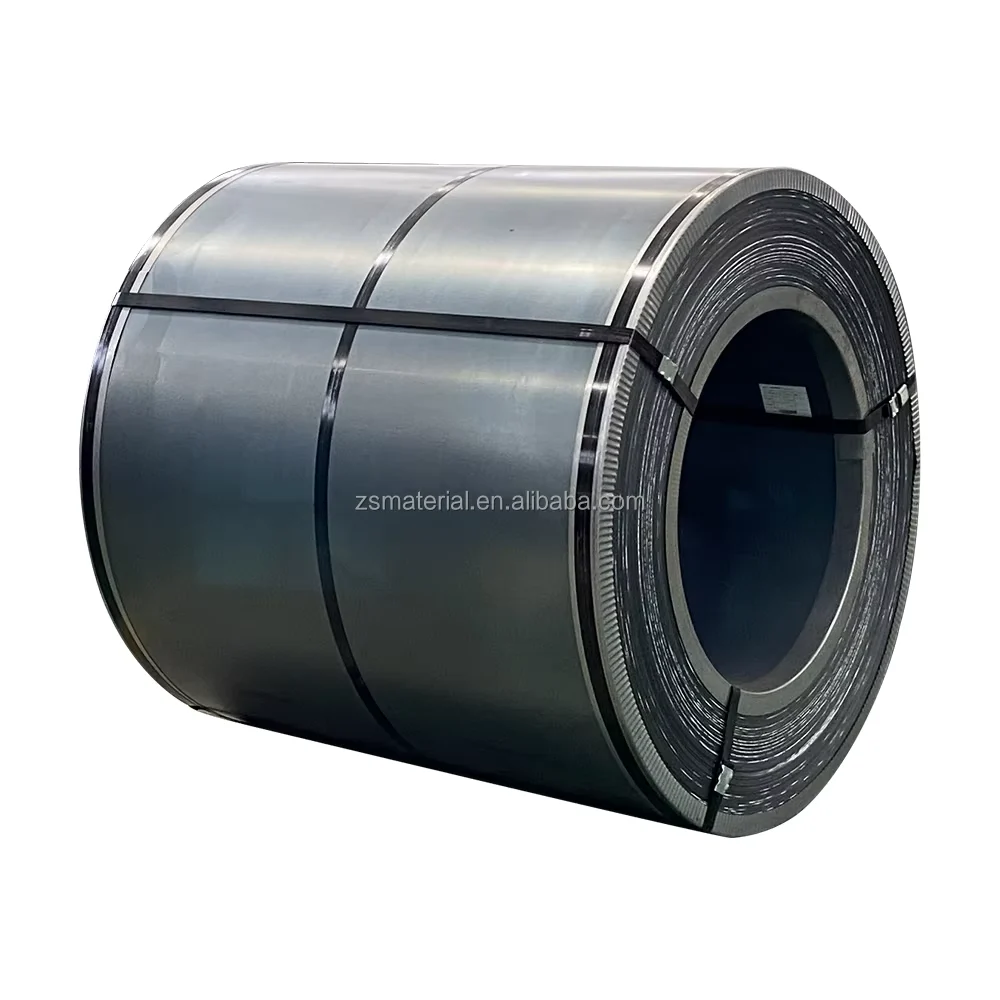
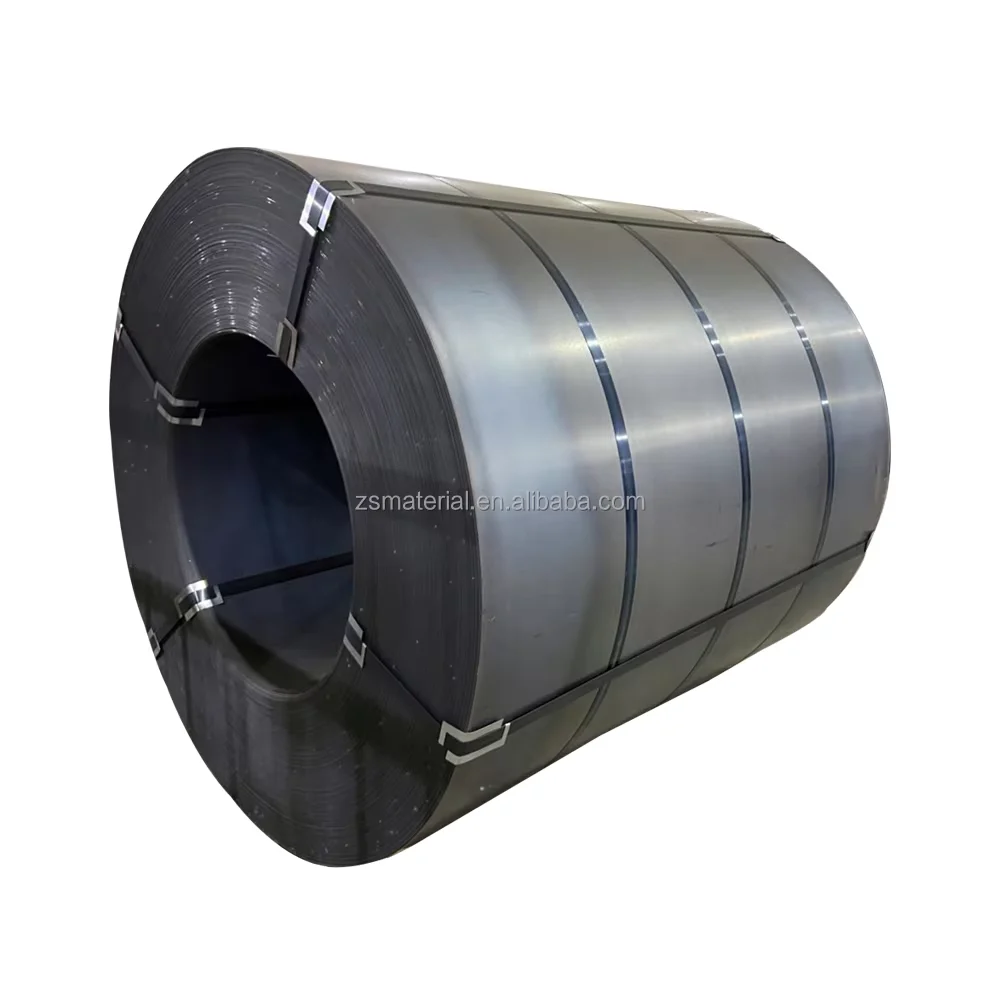
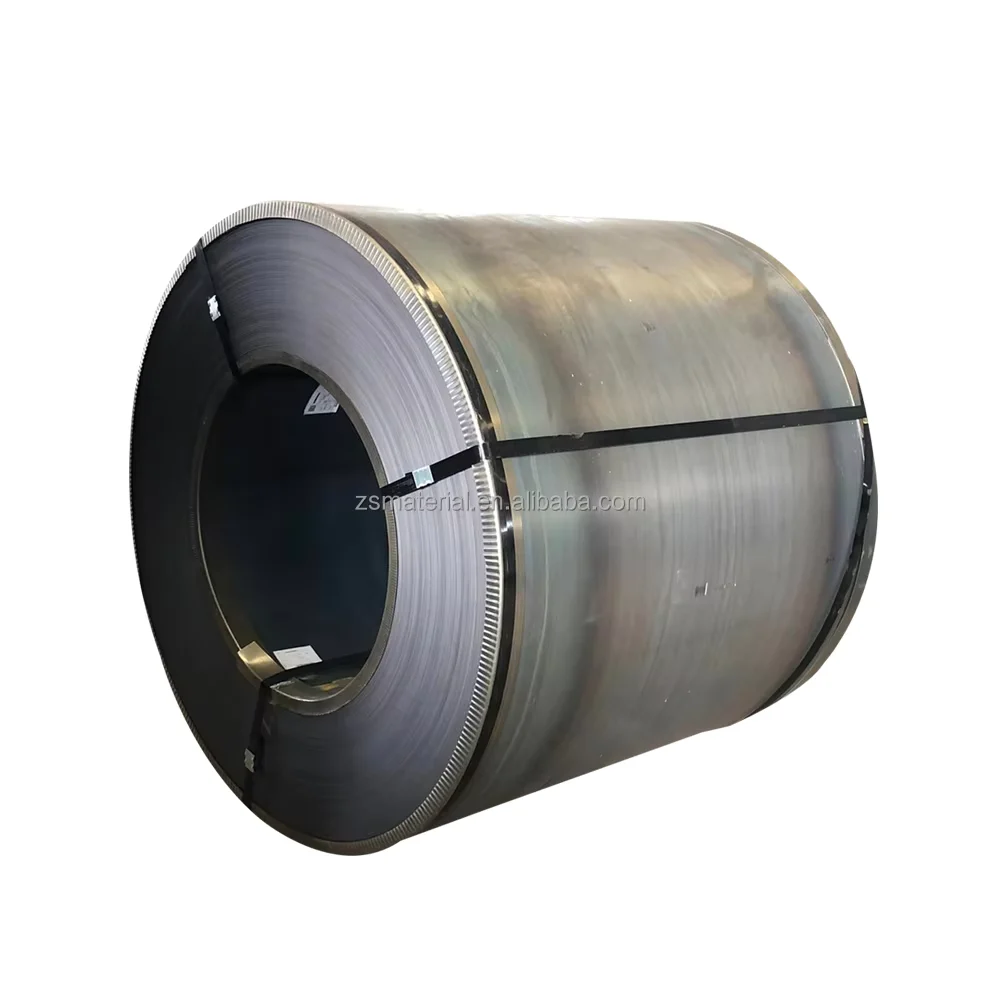
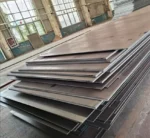
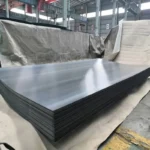
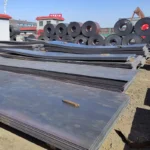
Factory-Direct Carbon Steel Plate — Every Batch Shipped with Original Mill Test Certificates
Technical Specifications
| Parameter | Value |
|---|---|
| Designation | Q235 / Q345 / SS400 / A36 Carbon Steel Plate |
| Product Type | Steel Plate |
| Steel Grade | Q195, Q235, Q345, Q460, SS400, A36, S235JR, S355JR, St37-2, SS330, SS540, 08KP, 08YU, ST12, ST13, ST14, SPHC, SPHD, SPHE |
| Standard | AISI, ASTM, BS, DIN, GB, JIS |
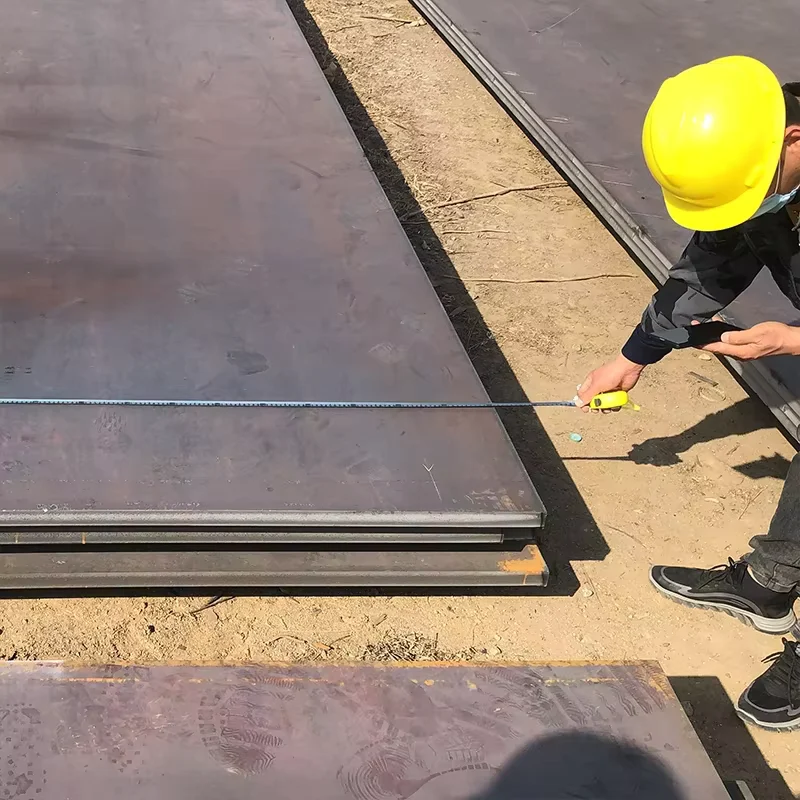
| Thickness | 0.35–200 mm |
| Width | 1000–2500 mm |
| Length | 2000–12000 mm |
| Technique | Hot Rolled / Cold Drawn / Forged |
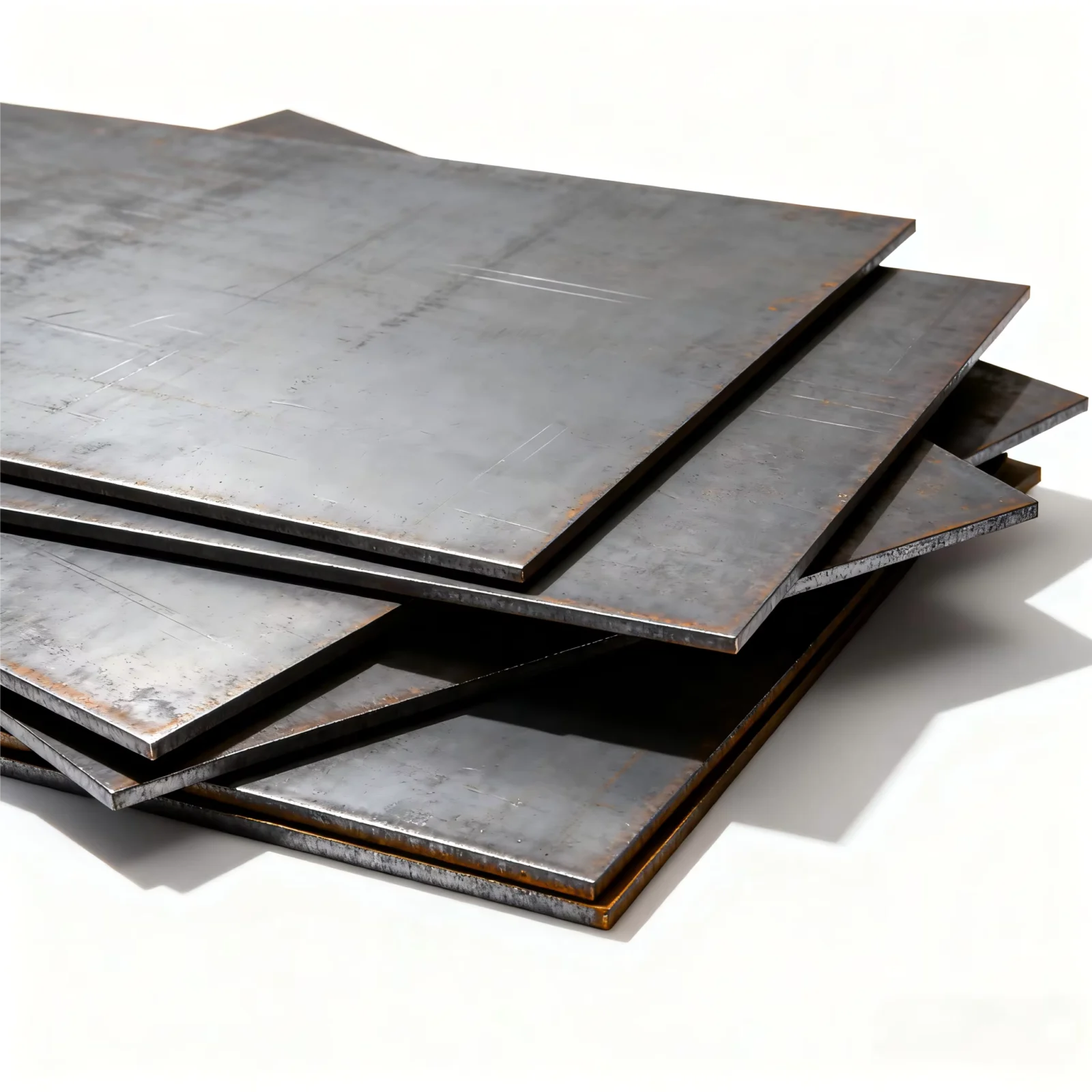
| Surface Treatment | Black (as-rolled) |
| Tolerance | ±1% |
| Processing Service | Bending, Welding, Decoiling, Cutting, Punching |
| Application | Shipbuilding, Bridge, Boiler, Container, Construction, Petrochemical, Machinery, Pressure Vessel, Automotive |
| MOQ | 28 Ton |
| Origin | Shandong, China |
Application Suitability
| Industry | Typical Applications |
|---|---|
| Shipbuilding & Offshore | Hull plates, deck structures, bulkhead frames requiring certified ship-grade steel |
| Bridge & Infrastructure | Girder webs, flange plates, connection gussets for highway and railway bridges |
| Pressure Vessel & Boiler | Cylindrical shells, end caps, tube sheets for steam and chemical vessels |
| Construction & Structural | Column base plates, floor decking, building frame gussets |
| Petrochemical & Machinery | Tank walls, reactor supports, crane boom plates, conveyor frames |
What Carbon Equivalence Failures Cost at Destination Port
A single heat number mismatch can strand an entire container at customs for weeks.
I watched a Q345B shipment get held at Jebel Ali because the SGS recheck flagged carbon equivalent above the acceptable range — the mill certificate looked clean on paper, but the actual chemistry didn’t match. Two weeks of port storage, cutting fees for re-inspection sampling, and a penalty clause triggered by the buyer’s project timeline. That kind of loss doesn’t come from bad steel; it comes from unverified documentation. When sourcing an ASTM A36 Q235 Q345 SS400 carbon steel plate supplier, the certificate must be traceable to the heat number on every plate, not just a template printed at the trading office. [NEED_CITE: EN 10204 inspection document types for steel products]
How Thickness Range Meets Structural and Pressure Demands
The 0.35–200 mm thickness span covers everything from cold-formed automotive brackets to heavy pressure vessel shells. Thin plates below 6 mm serve as cladding and ductwork, while plates above 40 mm carry primary structural loads in bridge girders and crane booms. An ASTM A36 Q235 Q345 SS400 carbon steel plate supplier must hold both ends of this range in stock — thin gauges for urgent fabrication orders, heavy plates for project-spec structural work. We keep 2,800+ specifications across thickness and width combinations so that a single container can mix 6 mm floor decking with 50 mm gusset plates without splitting orders across multiple mills.
Engineering Compliance and Grade Selection for Load-Bearing Structures
Structural design codes such as EN 1993 and AISC require verified yield strength and documented chemical composition before any plate is welded into a load path. For European projects, S235JR and S355JR plates must carry CE marking under EN 10204 Type 3.1 or 3.2 certificates; for North American specs, ASTM A36 requires matching chemistry and tensile test results per heat. The choice between Q235 and A36 is not just a naming convention — their manganese and silicon ranges differ, which affects weldability and cold-forming behavior. [NEED_CITE: steel grade equivalence between GB, EN, and ASTM standards] Surface condition matters too: black hot-rolled plate accepts primer and paint systems directly, but projects in marine or industrial corrosion environments need downstream coating specification before order placement. Custom cutting to exact project dimensions eliminates on-site waste and reduces secondary handling at the fabrication yard.
Steel Grade Systems and What They Mean for Your Order
China’s Q-series, Europe’s S-series, and America’s ASTM system all classify carbon steel by minimum yield strength, but the test methods and chemistry limits are not interchangeable. Q235 roughly aligns with A36 and S235JR in yield class, yet its phosphorus and sulfur caps follow GB/T 700 rather than ASTM A36 or EN 10025. Q345 — the workhorse low-alloy high-strength grade in Chinese infrastructure — corresponds more closely to S355JR in structural use, though the impact testing temperature and delivery condition may differ. For deep-drawing applications, SPHC through SPHE grades follow JIS G3141 and are specified by formability rather than strength. Hot-rolled black plate in these grades provides a mill scale surface suitable for structural framing, while cold-drawn and forged options serve machined components requiring tighter dimensional control. [NEED_CITE: comparison of carbon steel plate standards across GB EN ASTM JIS]
The Hidden Cost of Unverified Material Documentation
Ordering the correct grade on paper means nothing if the delivered plate cannot be traced back to a verified heat. Projects fail inspection when mill test certificates lack impact test data required by the design code, or when the chemical composition falls outside the specified standard’s range. Customs authorities in the EU and Middle East increasingly reject shipments without properly formatted EN 10204 3.1 certificates, regardless of whether the steel itself is sound. [NEED_CITE: customs rejection rates for steel imports lacking proper certification] Negative tolerance abuse — where actual plate thickness falls below the ordered dimension — reduces structural capacity and triggers rejection during third-party inspection. The real cost is never the price difference between suppliers; it is the delay, rework, and reputational damage when a project stalls because documentation cannot be validated.
Why Project Buyers Return for Repeat Orders
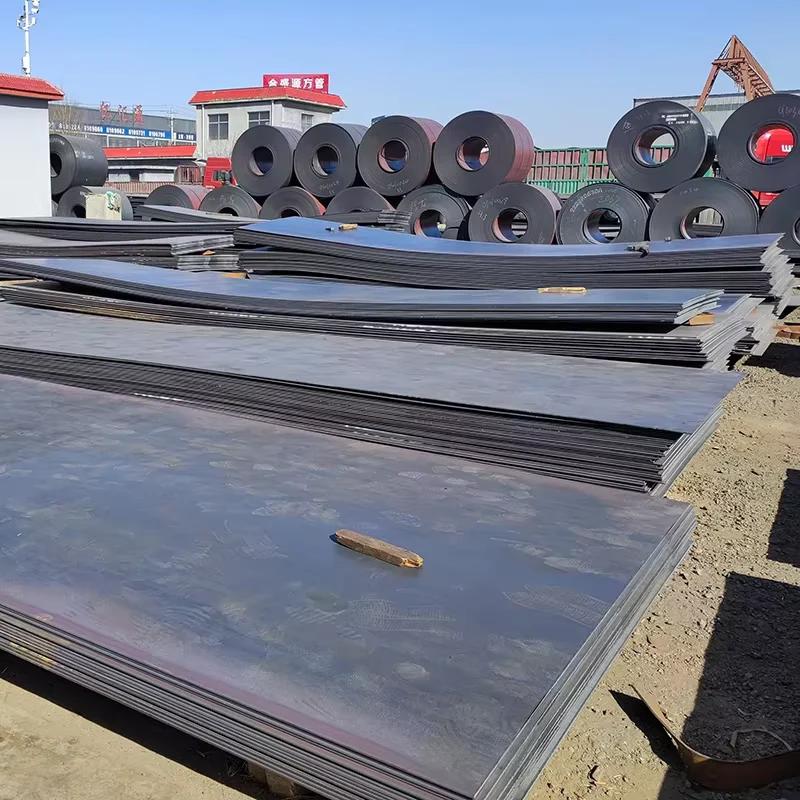
Every plate we ship carries an original mill test certificate with heat number traceability — not a photocopy, not a reformatted template. Our in-house metallurgical lab runs three-stage inspection covering chemical composition, mechanical properties, and dimensional verification before any plate leaves the yard. For buyers who need third-party validation, we arrange SGS or BV inspection at the loading stage at no additional coordination cost. The factory-direct model means no trading margin layered on top, and volume pricing tiers activate for partners committing to recurring procurement. We consolidate multi-product shipments — plate, pipe, section steel — into a single container with professional loading plans that maximize weight utilization and prevent surface damage during ocean transit. Custom cutting, punching, and beveling services deliver plates ready for direct welding, reducing fabrication yard labor and scrap.
Documentation & Compliance
- Mill test certificate documenting Q235/Q345/A36/S355JR chemical composition and mechanical properties per heat number, formatted to EN 10204 Type 3.1
- CE certificate covering applicable steel plate products under EN 10210/EN 10219 for European project compliance
- ISO 9001:2015 quality management system certificate covering production and inspection processes
- SGS or BV third-party inspection report available upon request, covering visual, dimensional, and chemical verification at loading stage
- Full material traceability from heat number through production batch to shipping mark on every plate
- Export documentation package including packing list, bill of lading, and certificate of origin formatted for destination customs
Packaging, Loading & Delivery
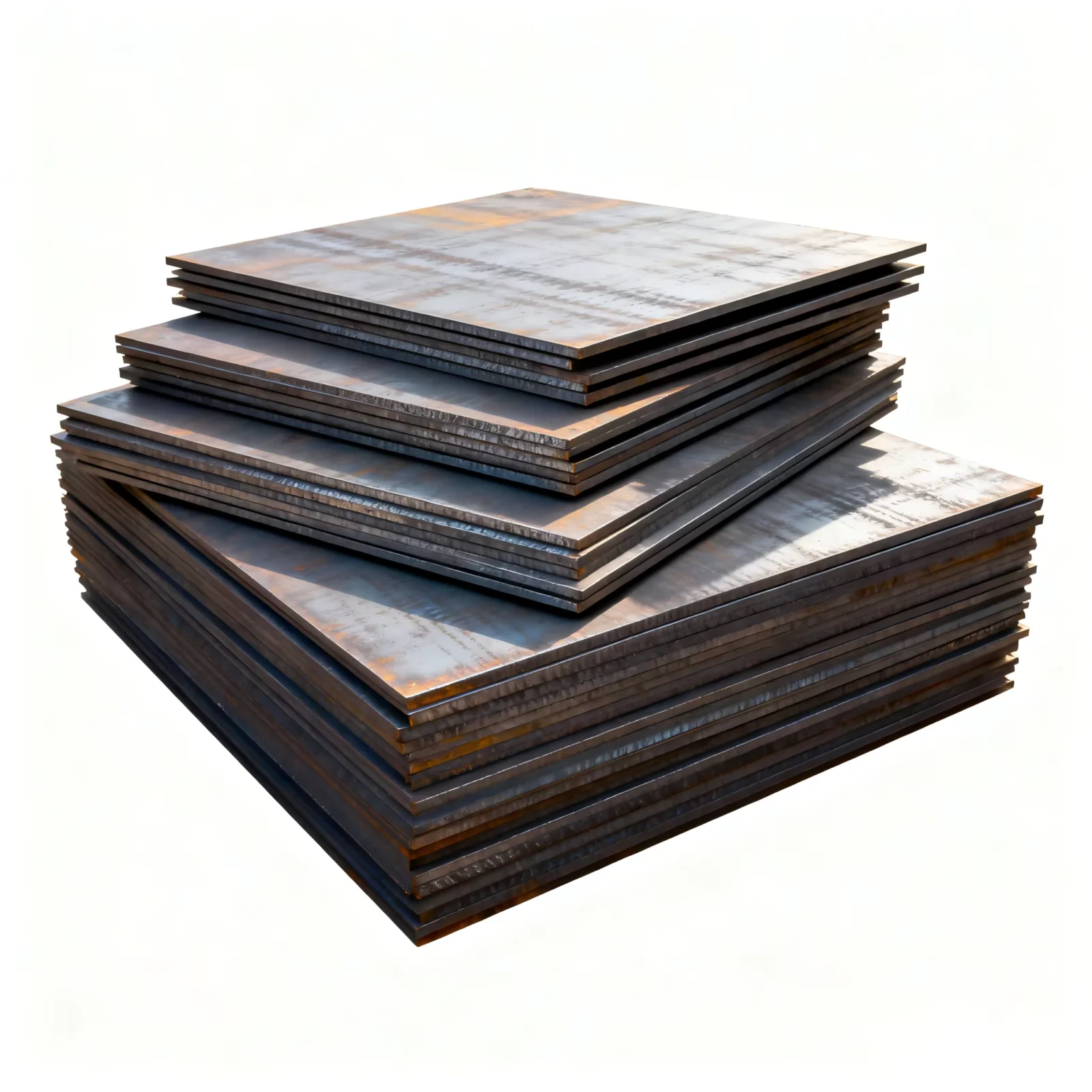
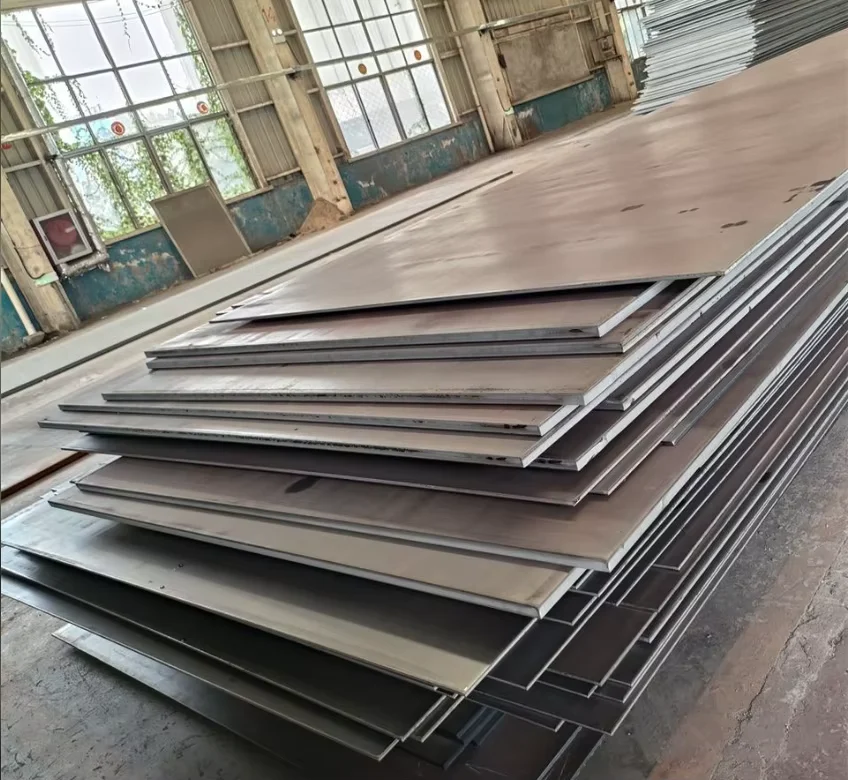
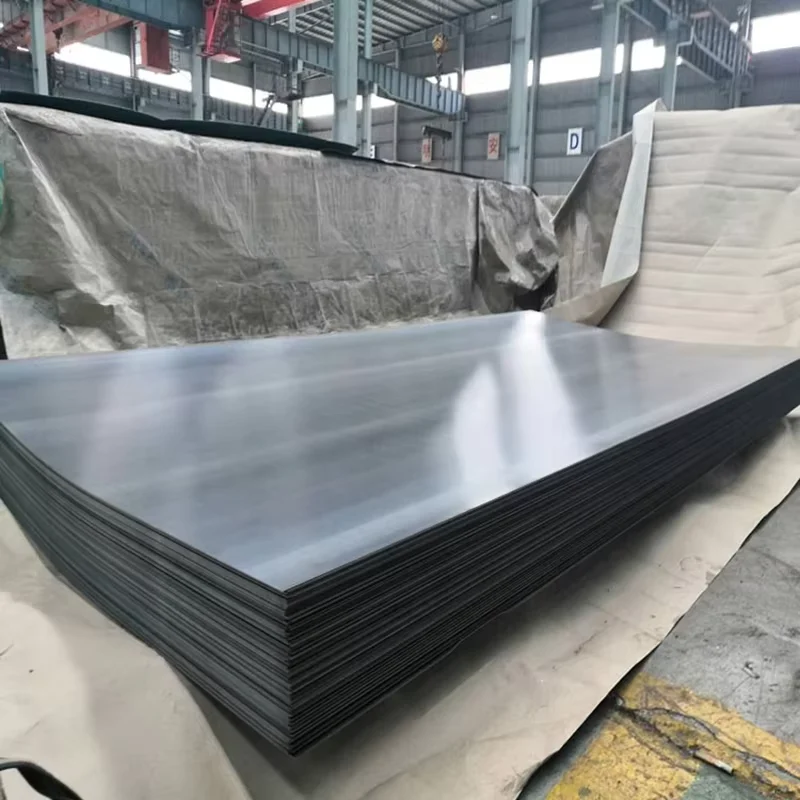
- Hot-rolled black plates bundled with steel strips and edge protectors, sized to match 20ft or 40ft container internal dimensions for Q235/Q345 grades
- Plates under 6 mm thickness interleaved with protective separators to prevent surface scratching during transit
- Custom cut-to-length plates stacked by project tag and heat number for direct yard identification at destination
- Container loading plans optimized for mixed-thickness shipments — heavy 40–200 mm plates on bottom, thin 0.35–6 mm sheets secured on top
- Shipping marks stenciled on each bundle showing steel grade, heat number, dimensions, and gross/net weight per ASTM and GB marking standards
- FOB, CIF, and DDP terms available with professional export documentation and real-time container tracking
Getting Your Quote and Material Verification Started
Send your specification list — steel grade, thickness, width, length, quantity, and destination port — and receive a detailed quotation within 12 hours, including volume pricing, delivery schedule, and sample mill test certificate format. For non-standard dimensions or project-specific cutting requirements, share your fabrication drawings and we will confirm feasibility and lead time. All certification and inspection arrangements are confirmed in writing before deposit, so there are no documentation surprises at customs.
Frequently Asked Questions
Q: What is the difference between Q235, A36, S235JR, and SS400 — which grade should I specify?
A: These grades belong to different national standards (GB, ASTM, EN, JIS) but share similar yield strength ranges around 235 MPa. The choice depends on your project’s design code and destination country’s import requirements. We supply all four grades and can advise on chemistry and testing differences for your specific application.
Q: Can I verify the material before shipment?
A: Yes. Every batch is accompanied by an original mill test certificate with heat number traceability. We also arrange SGS or BV third-party inspection at our facility before loading, covering chemical composition, dimensional checks, and visual inspection.
Q: Do you provide custom cutting and processing services?
A: We offer cutting, bending, punching, and beveling to your project dimensions. Share your fabrication drawings and we will confirm processing feasibility, tolerance, and lead time alongside the plate quotation.
Q: What surface treatment options are available?
A: Standard delivery is black hot-rolled surface. For corrosion protection, we can coordinate galvanized, painted, or 3PE coating services based on your project specification and destination environment.
Q: What is the minimum order quantity and can you mix sizes in one container?
A: The MOQ is 28 tons. We support mixed-size container loading — combining different thicknesses, widths, and lengths in a single shipment to match your project’s bill of materials.
Secure Your Carbon Steel Plate Supply with Verified Documentation
Submit your specification sheet — grade, dimensions, quantity, and destination — to receive a factory-direct quotation with sample mill test certificate format within 12 hours.
Shandong Xin Jiyuan Special Steel Tube Co., Ltd
Website: www.sdxinjiyuan.com
Tel: +86 531 8573 6315
Mobile/WhatsApp/WeChat: +86 188 5315 7756
Email: admin@sdxinjiyuan.com
Address: No.11889, Jingshi West Road, Lulian Group, Jinan City, Shandong Province, China