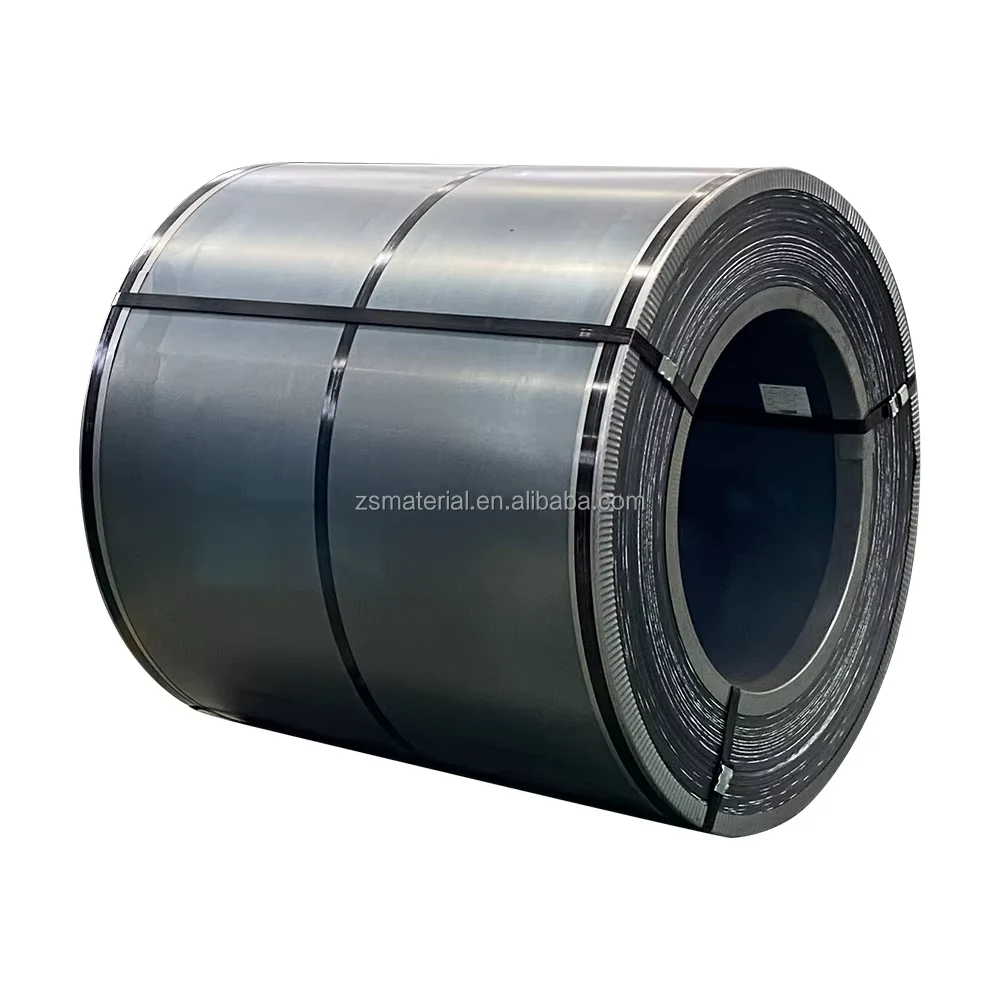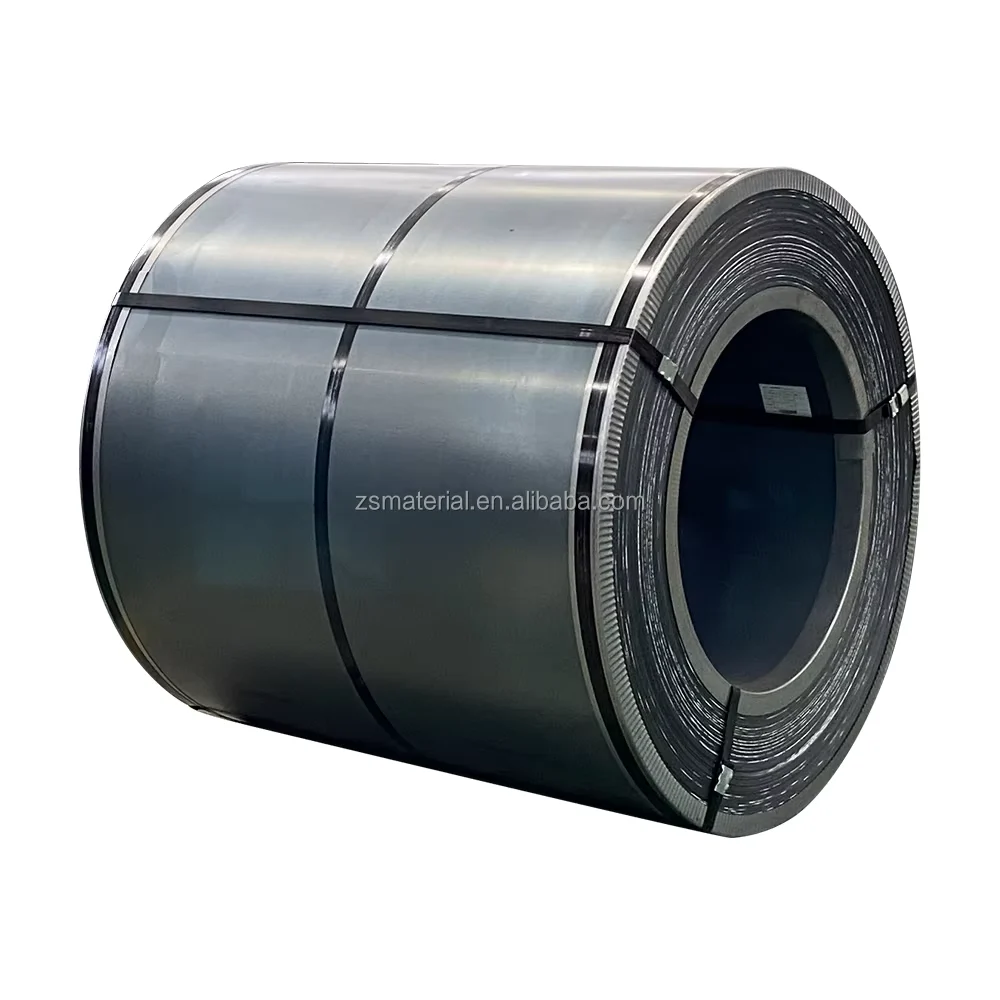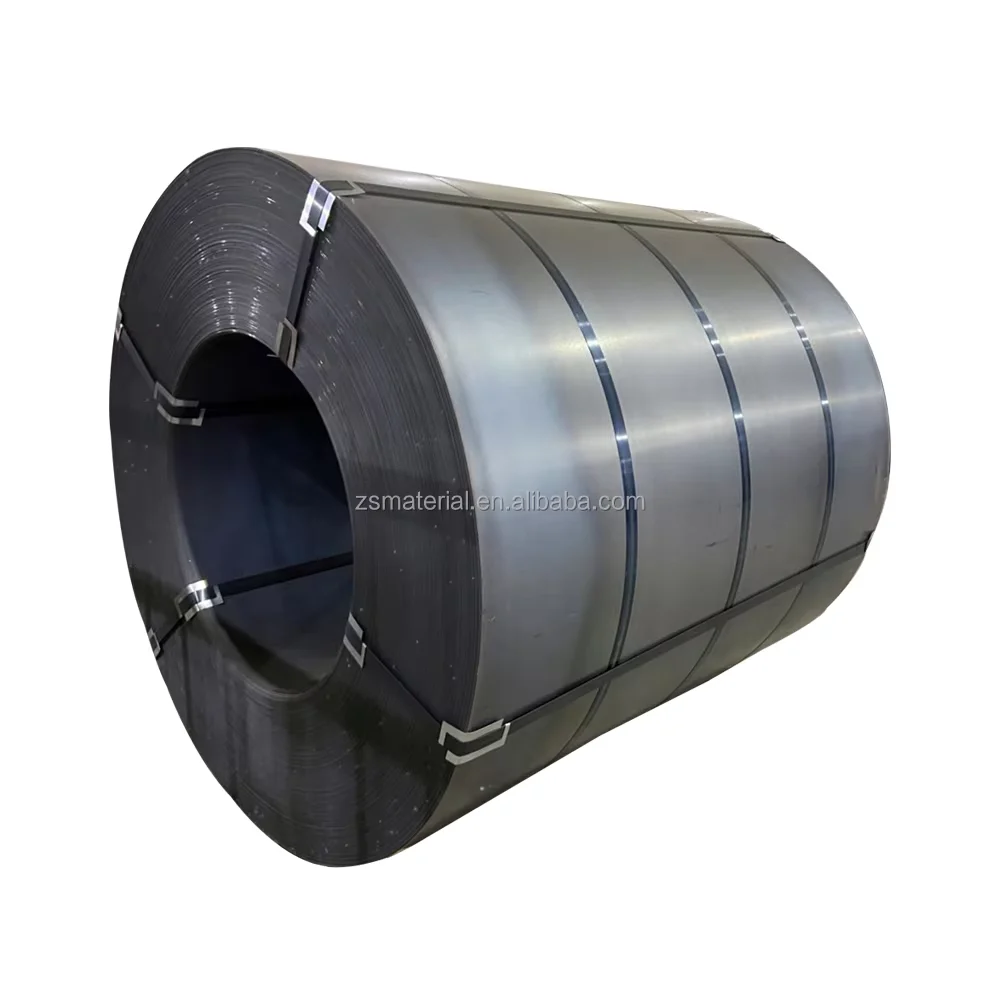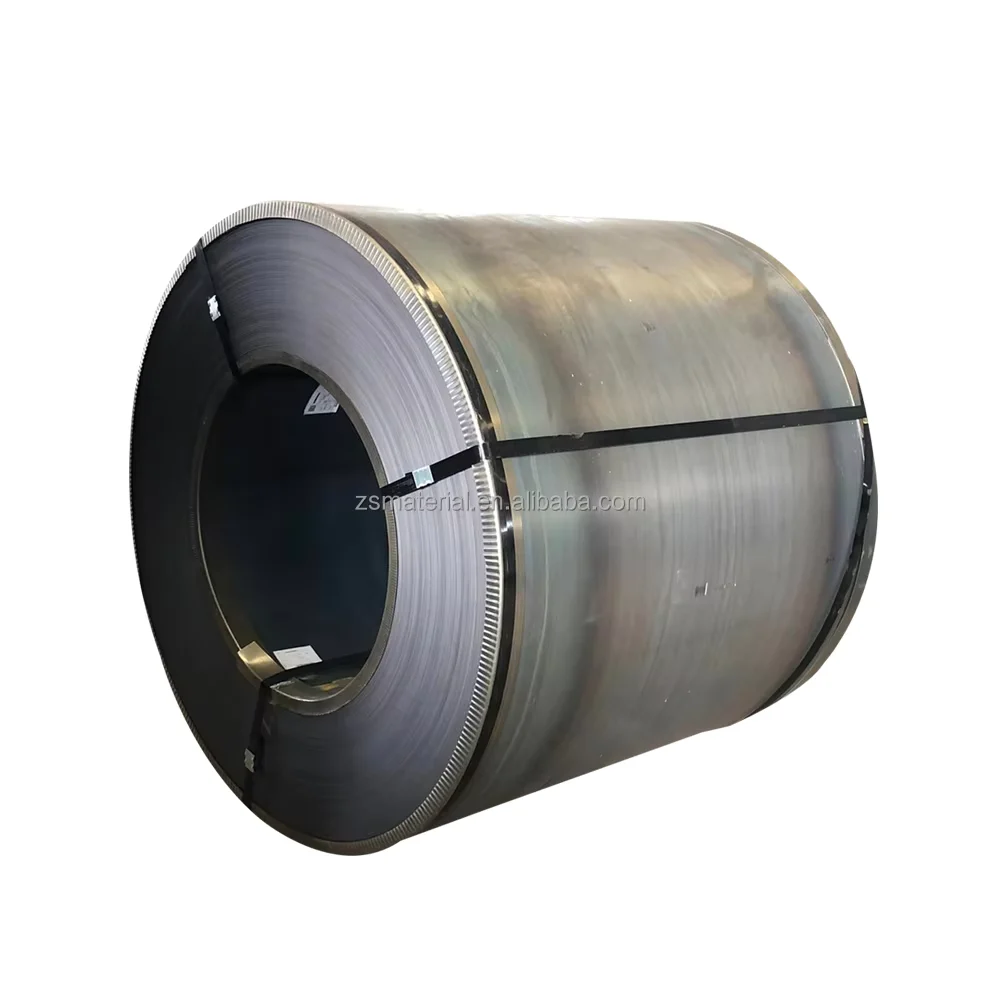
Description
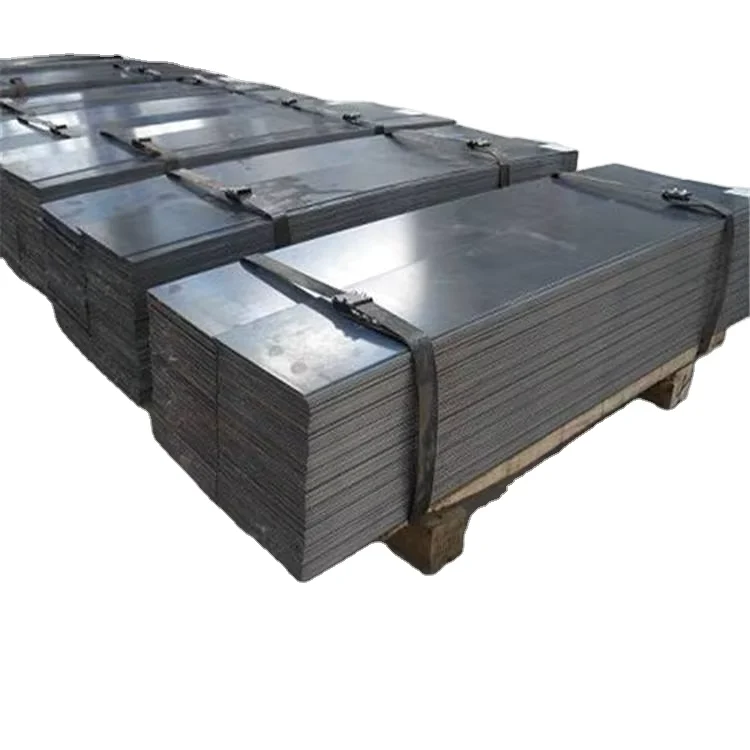
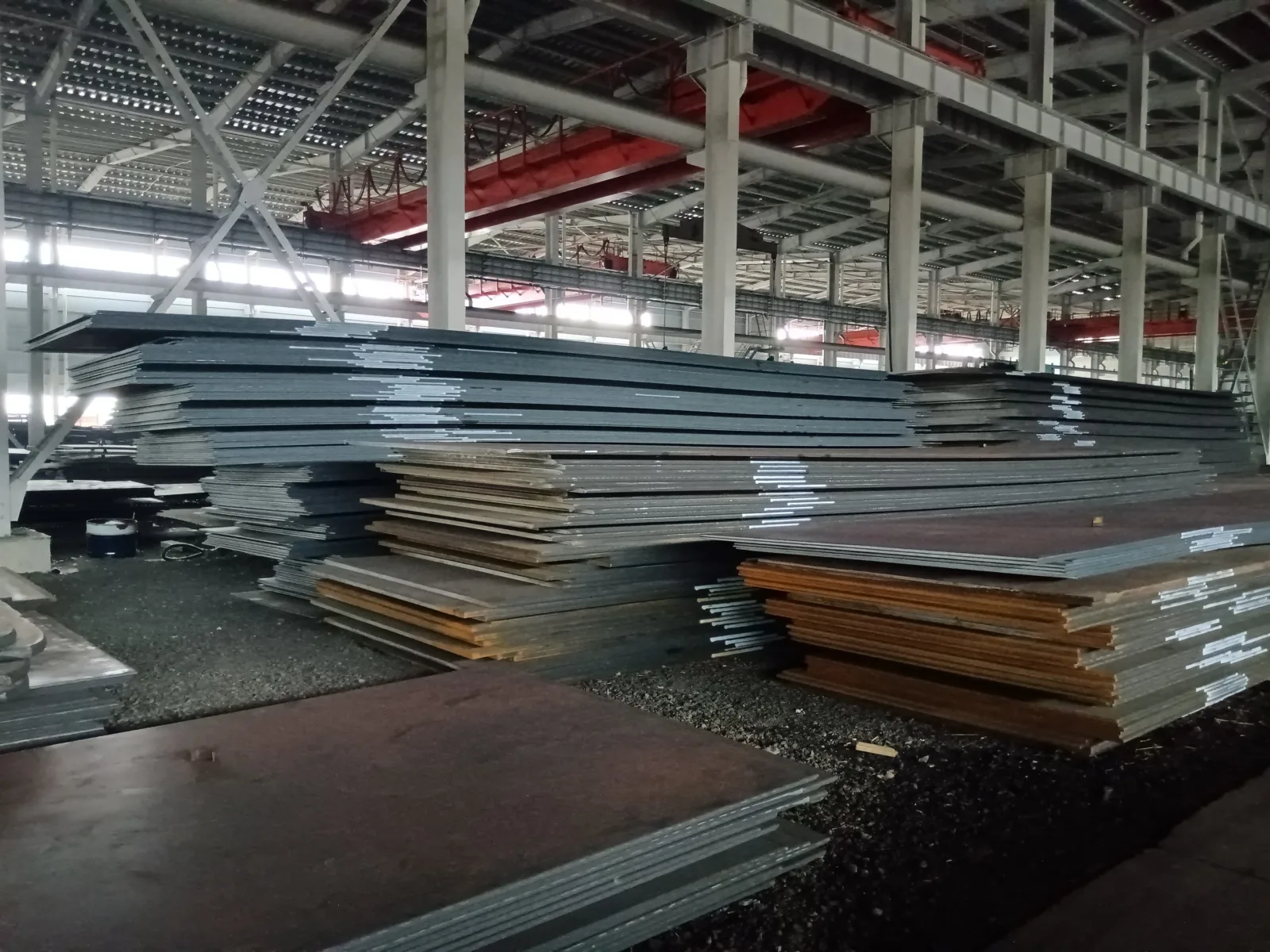
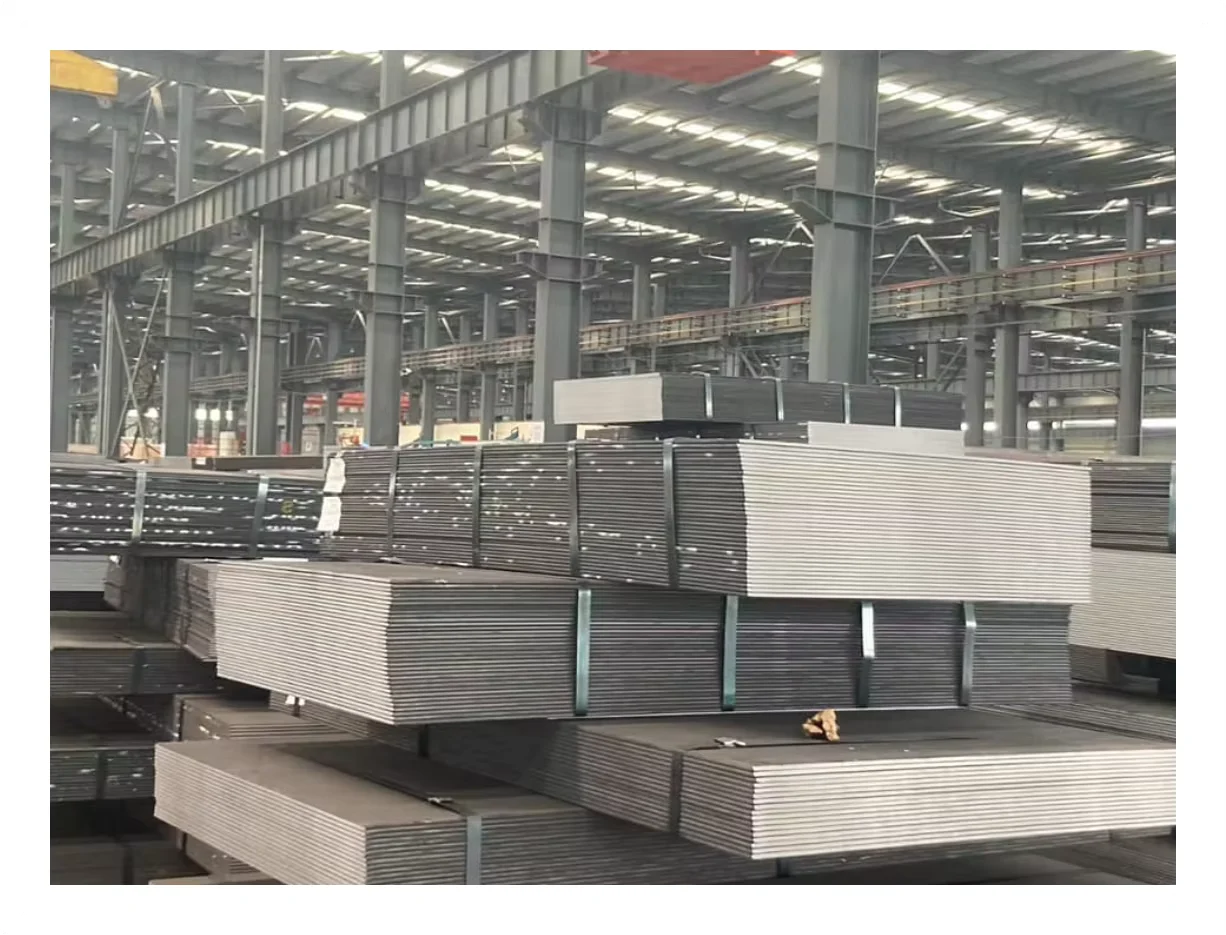
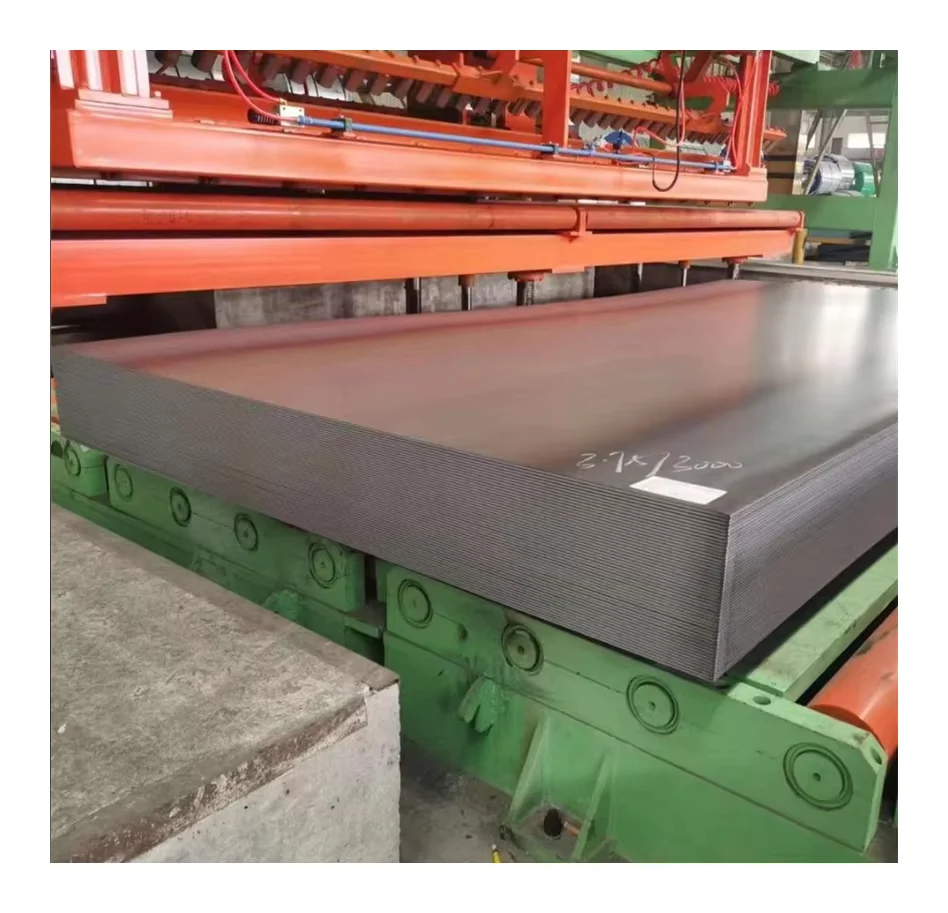
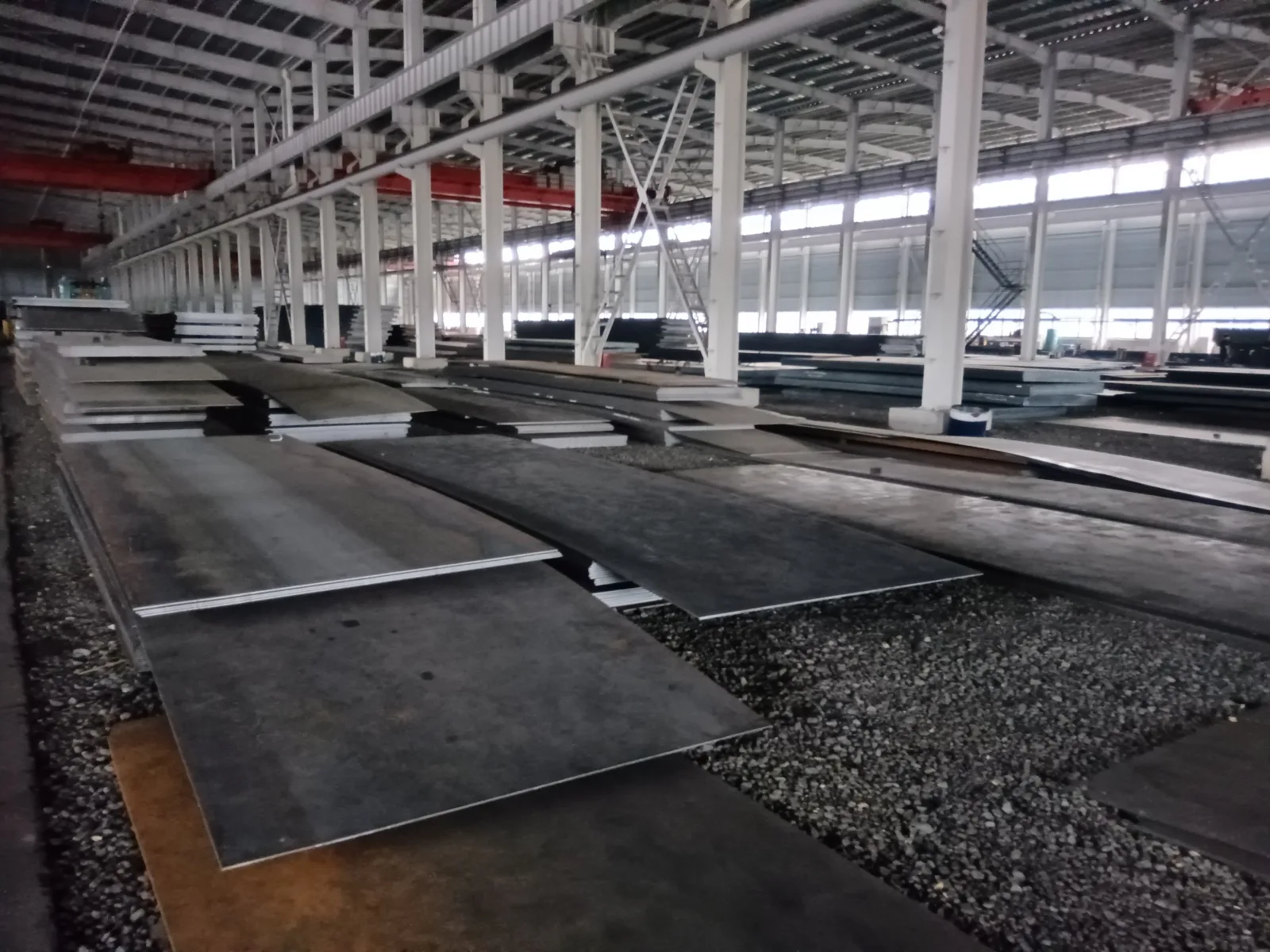
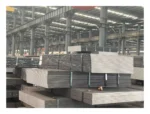
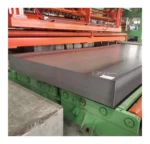
Factory-Direct Hot Rolled Plates — Every Q235 and ASTM A36 plate ships with original mill test certificates, cutting out trading company markups for bulk project buyers.
Technical Specifications
| Parameter | Value |
|---|---|
| Designation | Q235 Q255 ASTM A36 Hot Rolled Carbon Steel Plate |
| Product Type | Steel Plate |
| Steel Grade | Q235, Q255, ASTM A36, Q345, SS400 |
| Standard | AISI, ASTM, BS, DIN, GB, JIS |
| Section Shape | Flat Plate |
| Thickness | 0.35–200 mm |
| Width | 1000–2500 mm |
| Length | 2000–12000 mm (6–12 m) |
| Technique | Hot Rolled |
| Surface Treatment | Black |
| Tolerance | ±1% |
| Processing Service | Bending, Welding, Decoiling, Cutting, Punching |
| Material | Low Carbon Steel |
| Application | Construction, Petrochemical, Machinery Manufacturing, Transportation, Structural Fabrication, Pressure Vessels, Shipbuilding |
| MOQ | 1 Ton |
| Origin | Shandong, China |
Application Suitability
| Industry | Typical Applications |
|---|---|
| Construction & Infrastructure | Building column base plates, bridge gusset plates, container floor frames |
| Machinery Manufacturing | Machine base frames, crane boom sections, conveyor support structures |
| Petrochemical & Energy | Storage tank shell plates, structural platforms, pipe rack supports |
| Transportation | Truck chassis cross-members, trailer floor plates |
| Shipbuilding | Deck stiffener plates, bulkhead framing, hatch coaming sections |
What Missing Mill Certificates Cost on a Carbon Steel Plate Shipment
A container of Q235 plates without verifiable heat numbers is scrap metal at the port, not structural material.
I watched a Jakarta warehouse project lose three weeks because the supplier’s “mill certificate” listed chemistry that didn’t match the plates on the dock. SGS pulled random samples, carbon content ran above Q235 limits, and customs held the entire shipment. The buyer paid demurrage, re-ordered from a verified Q235 ASTM A36 hot rolled carbon steel plate supplier, and the original supplier vanished. [NEED_CITE: mill test certificate requirements for structural steel imports]
Fragmented sourcing makes this worse. Plates from one vendor, beams from another, angles from a third — each with different documentation standards, different tolerance interpretations, and zero accountability when something fails inspection at destination.
How Thickness Tolerance Drives Structural Frame Accuracy
A ±1% tolerance on a 20 mm Q235 plate means the actual thickness stays between 19.8 mm and 20.2 mm — tight enough that welders don’t fight fit-up gaps on column splices, and engineers don’t second-guess load calculations. For the 0.35–3 mm range used in machinery enclosures, that same tolerance keeps bending die settings consistent across production runs. The Q235 ASTM A36 hot rolled carbon steel plate supplier running three simultaneous production lines can hold this range across 20,000+ tons monthly without switching to negative-tolerance tricks that erode structural capacity.
Engineering Compliance Across GB, ASTM, and JIS Standards
When a project spec calls for ASTM A36 but the mill rolls GB-standard Q235B, the chemistry overlaps enough for most structural applications — but the certificate must show cross-reference compliance or the inspector rejects it. [NEED_CITE: steel grade equivalence between GB Q235 and ASTM A36] Pressure vessel fabricators need Q345 plates with documented impact values; shipbuilding yards demand SS400 with classification society endorsement. Every heat number on our plates traces back to the ladle analysis, and third-party inspectors from SGS or BV can verify on-site before the container doors close.
Decoding Hot Rolled Carbon Steel Grades for Plate Applications
Q235 sits at the entry point of structural carbon steel — adequate yield for building frames, machine bases, and general fabrication where extreme loading isn’t the design driver. Q345 steps up for bridges and pressure vessels where higher strength-to-weight matters. ASTM A36 is the North American equivalent with slightly different carbon and manganese ranges but interchangeable in most welded structures. SS400, the JIS standard, lands between Q235 and Q345 in tensile requirements and shows up frequently in Southeast Asian infrastructure specs. The hot rolling process leaves a mill scale surface that accepts paint and galvanizing after proper blast cleaning — essential for outdoor structural work in coastal or industrial atmospheres. [NEED_CITE: hot rolled vs cold rolled steel plate surface finish comparison]
Hidden Costs When Plate Chemistry Doesn’t Match the Certificate
Wrong carbon content means weld cracks. Excess sulfur causes hot shortness during forming. Manganese below spec reduces hardenability in thicker sections. None of these show up visually — they surface only when a weld fails X-ray inspection or a plate cracks during cold bending. [NEED_CITE: effects of carbon and manganese content on weldability of structural steel] The cost isn’t just the replacement material; it’s the crane idle time, the re-welded joints, the rescheduled commissioning. A Q235 ASTM A36 hot rolled carbon steel plate supplier who provides original mill certificates with every heat number eliminates this risk at the source.
Why Project Buyers Source Hot Rolled Plates Directly From Our Mill
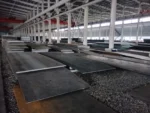
Three production lines running simultaneously mean your 500-ton plate order doesn’t wait behind someone else’s — typical production lead times apply across standard and custom thicknesses. Every plate ships with its original mill test certificate showing chemical composition and mechanical properties from that specific heat. Our in-house lab runs three-stage inspection before dispatch, and SGS or BV third-party verification is available on request for projects requiring independent validation. The 2,800+ specification inventory covers standard sizes for immediate dispatch, while non-standard widths or lengths roll to your dimensions within the same tolerance band. Professional export documentation — packing lists, bills of lading, certificates of origin — clears customs without the back-and-forth that delays site delivery.
Documentation & Compliance
- Mill test certificate documenting Q235 chemical composition (C, Mn, Si, S, P) and mechanical properties per GB/T 700
- CE certificate confirming compliance with EN 10219 structural requirements for applicable plate grades
- ISO 9001:2015 quality management certificate covering hot rolled plate production processes
- SGS or BV third-party inspection report verifying dimensional tolerance and surface quality before shipment
- Full heat number traceability linking each plate to ladle analysis and rolling records
- Export customs package including packing list, bill of lading, and certificate of origin for destination clearance
Packaging, Loading & Delivery
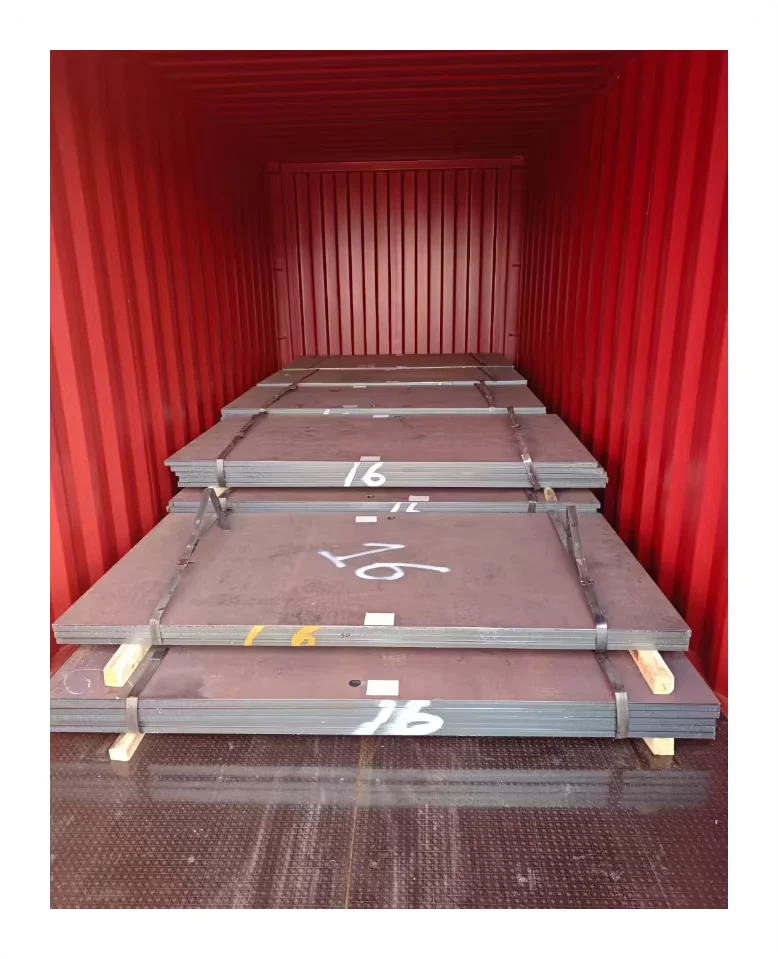
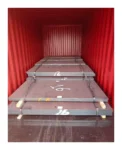
- Plates bundled with steel strips and edge protectors, sized to match 6–12 m length for container optimization
- Black finish plates coated with anti-rust oil to prevent mill scale adhesion during ocean transit
- Container loading plans optimized for 20ft and 40ft units, maximizing weight utilization across thickness ranges from 0.35 mm coils to 200 mm heavy plates
- Custom cutting to project-specified lengths available before shipment, reducing on-site waste and handling
- Each bundle marked with heat number, steel grade (Q235/A36/SS400), and dimensions for yard identification
- FOB, CIF, and DDP terms available with door-to-door logistics coordination for project sites
Getting Your Plate Order Quoted and Verified
Send your specification sheet — thickness, width, length, steel grade, quantity, and destination port — and receive a bulk quote with volume pricing, delivery timeline, and sample mill certificate format within 12 hours. Non-standard dimensions or mixed-grade container loads get a consolidated loading plan showing exactly how your Q235 ASTM A36 hot rolled carbon steel plate supplier fills the container.
Request Your Hot Rolled Plate Quote and Mill Certificate
Submit your plate specifications, steel grade requirements, and destination port to receive factory-direct pricing and sample documentation.
Email: admin@sdxinjiyuan.com | WhatsApp: +86 188 5315 7756
Frequently Asked Questions
Q: What is the difference between Q235, ASTM A36, and SS400 for plate applications?
A: Q235 follows the Chinese GB standard, ASTM A36 is the American equivalent, and SS400 is the Japanese JIS standard. All three are low carbon structural steels with overlapping chemistry ranges, making them interchangeable in most welded construction applications. The choice depends on your project specification and destination country’s preferred standard system.
Q: Do you provide mill test certificates with every shipment?
A: Yes, every plate ships with an original mill test certificate showing chemical composition and mechanical properties from that specific heat number. Third-party inspection reports from SGS or BV are available on request for projects requiring independent verification.
Q: Can you cut plates to non-standard dimensions?
A: Yes, we offer cutting, bending, punching, and welding services. Standard stock covers 1000–2500 mm width and 2000–12000 mm length. Custom sizes roll to your specifications within the ±1% tolerance range.
Q: What is the minimum order quantity for hot rolled plates?
A: The MOQ is 1 ton, supporting both trial orders for quality verification and full-container bulk procurement for project supply.
Q: How do you ensure plate quality before shipment?
A: Our in-house lab conducts three-stage inspection covering dimensional tolerance, surface quality, and chemical verification. Original mill test certificates accompany every heat, and third-party inspection is available for additional assurance.
Secure Factory-Direct Pricing on Your Next Plate Order
Send your specifications and receive a detailed quote with mill certificate samples within 12 hours.
Email: admin@sdxinjiyuan.com | WhatsApp: +86 188 5315 7756