




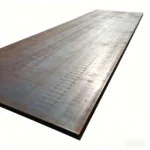
Description
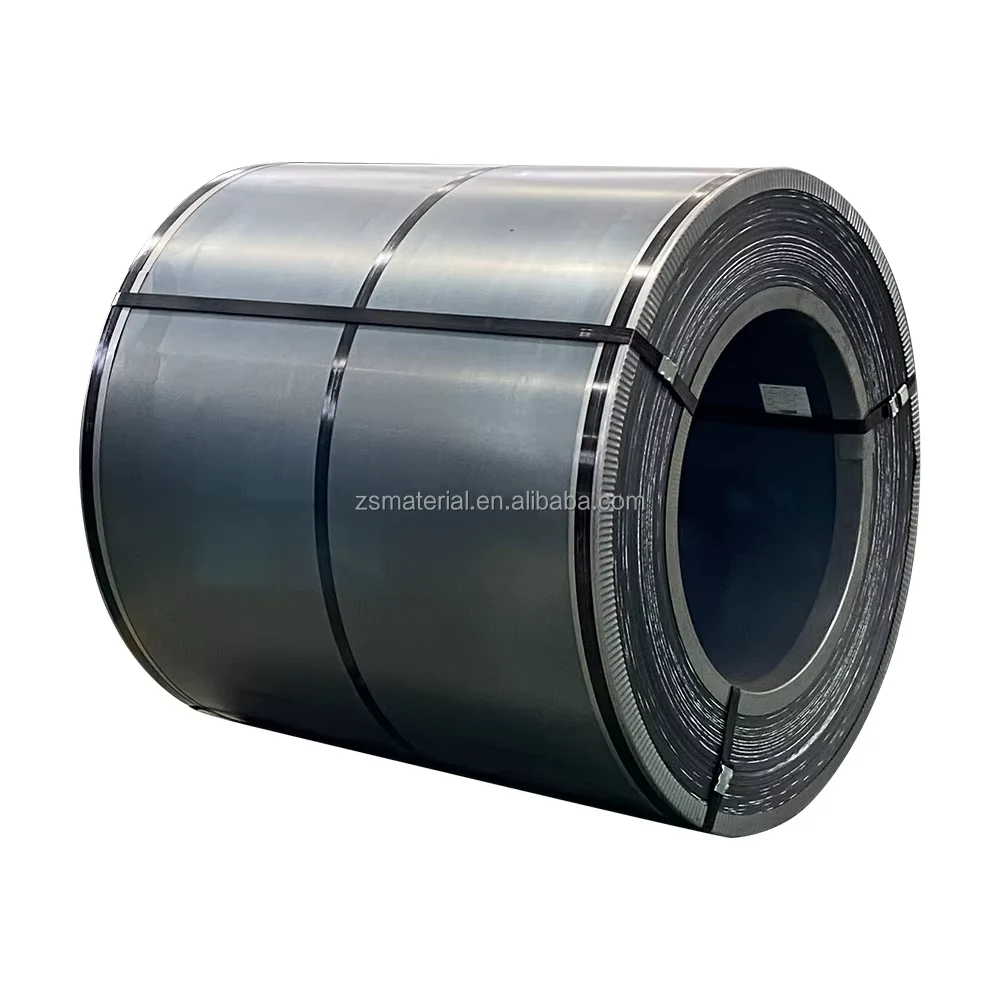
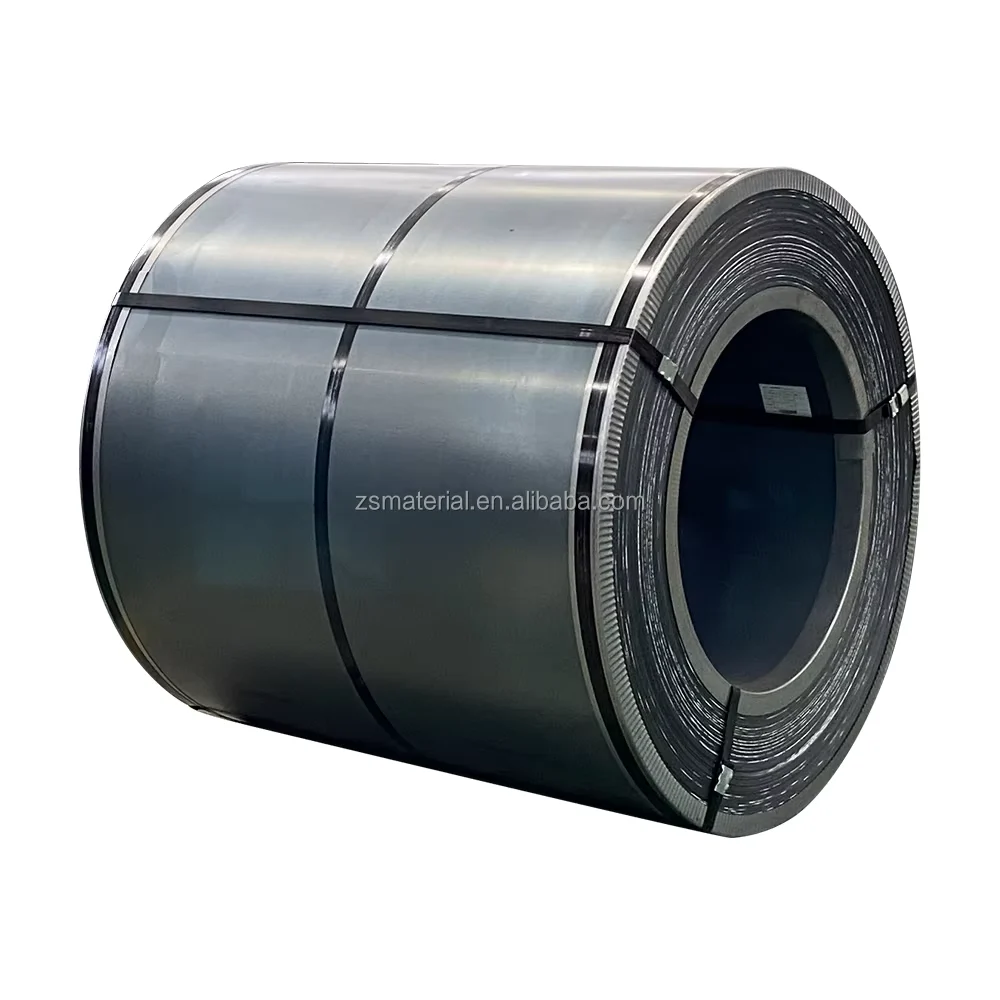
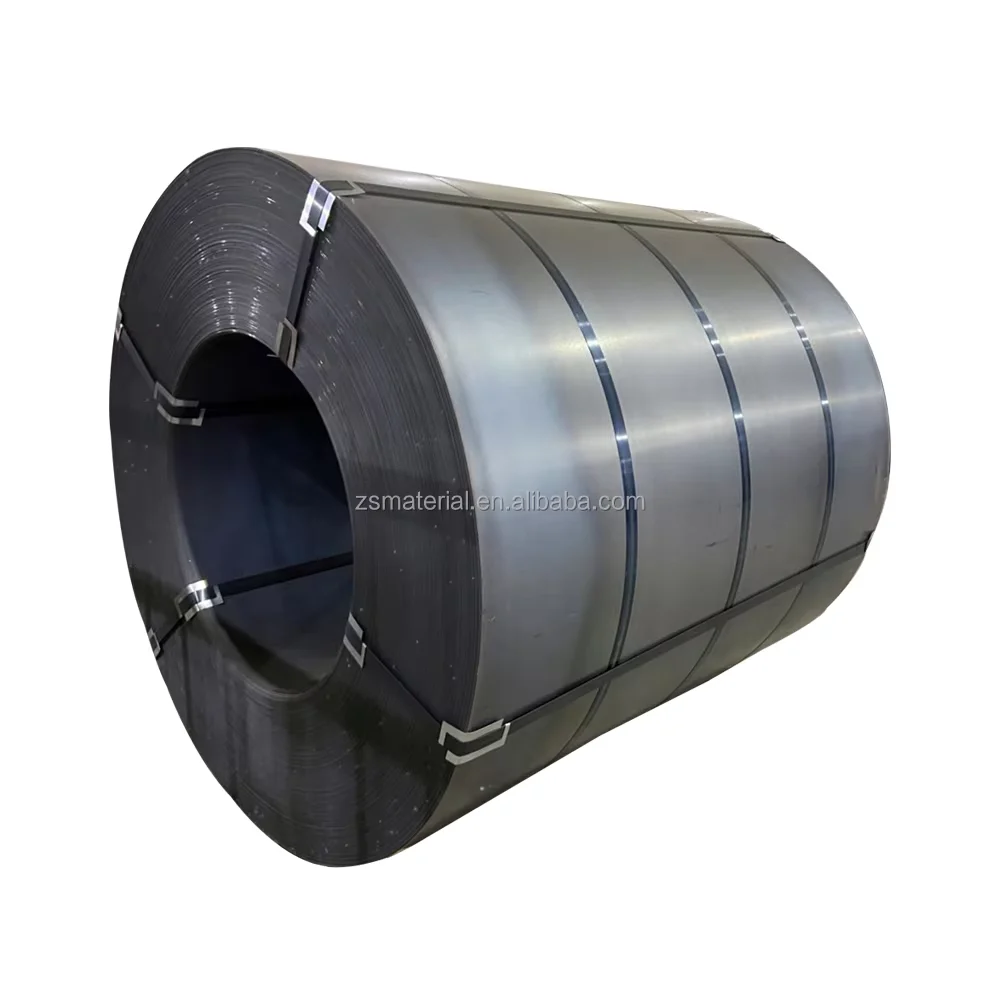
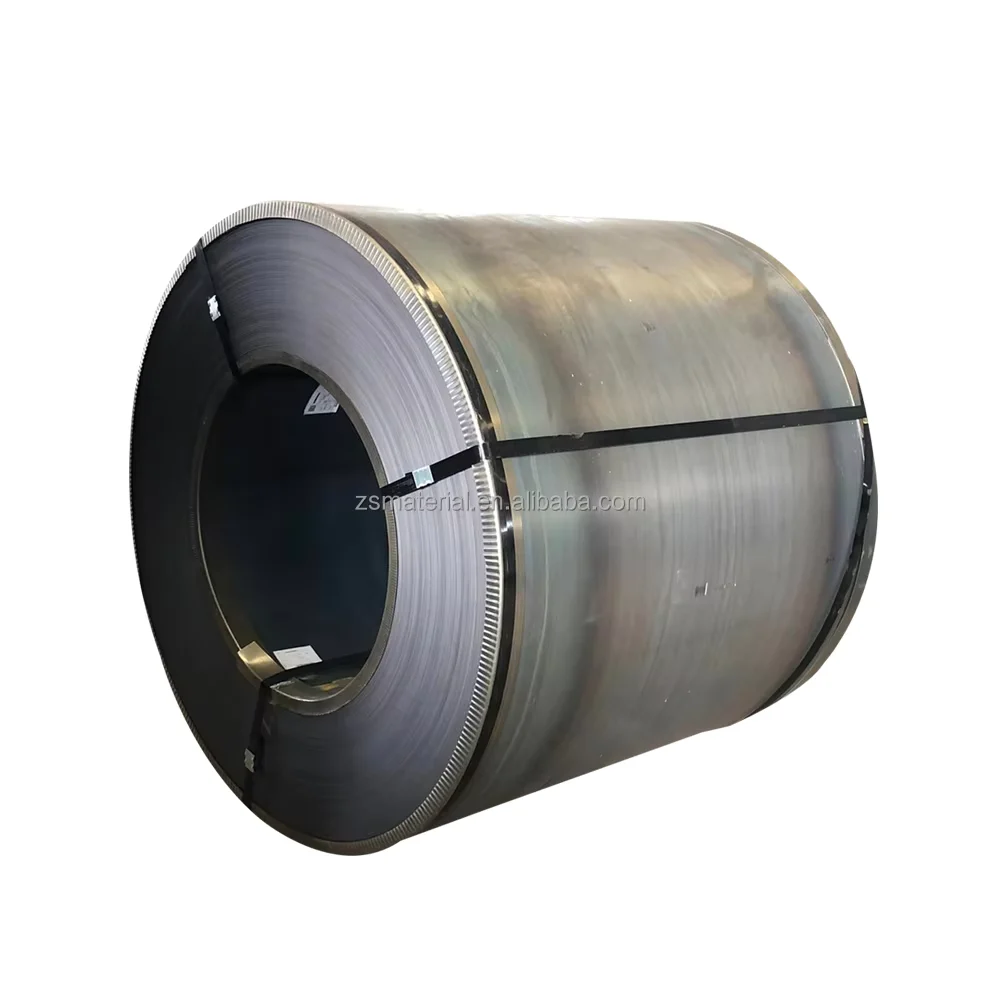
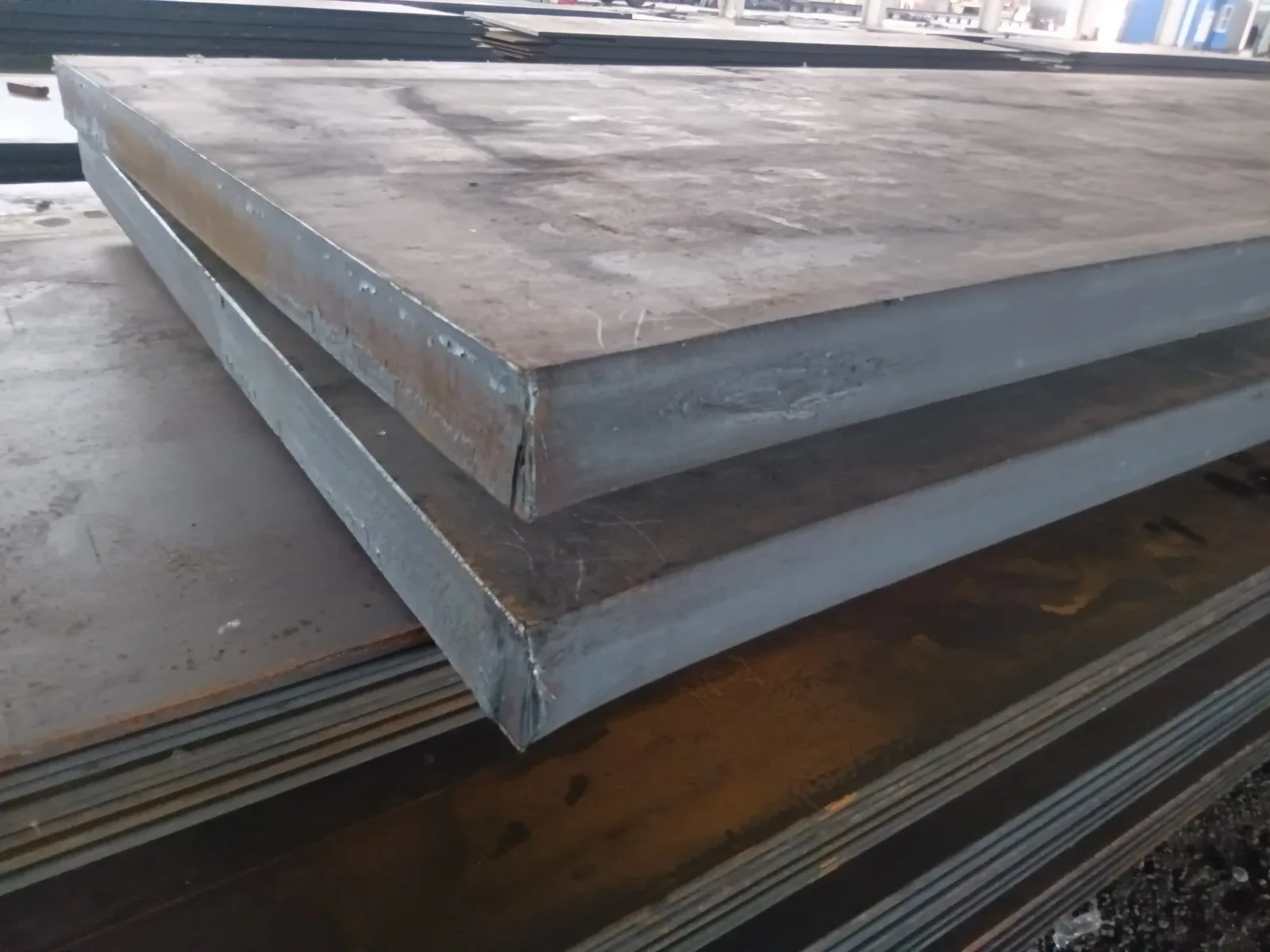
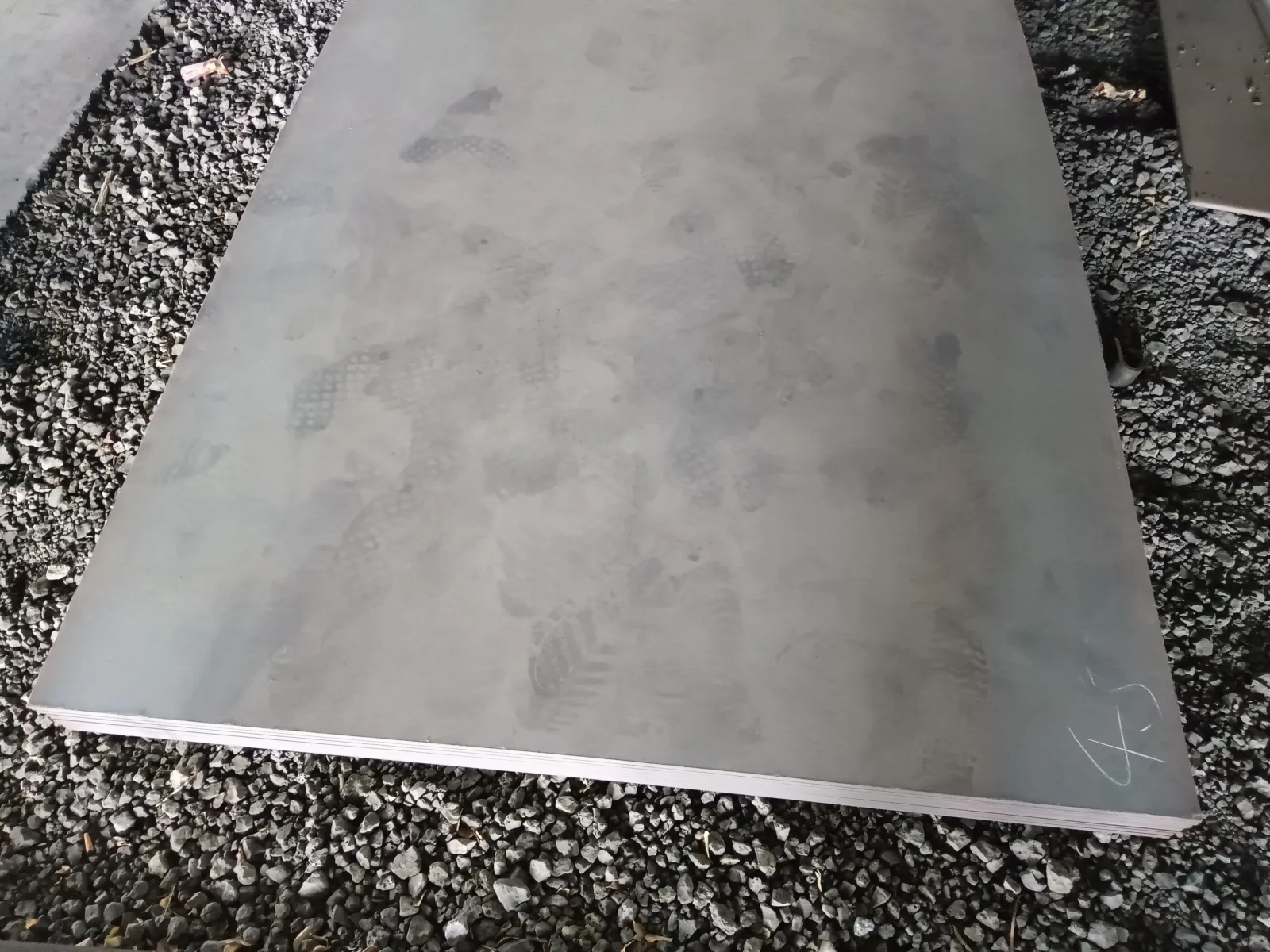
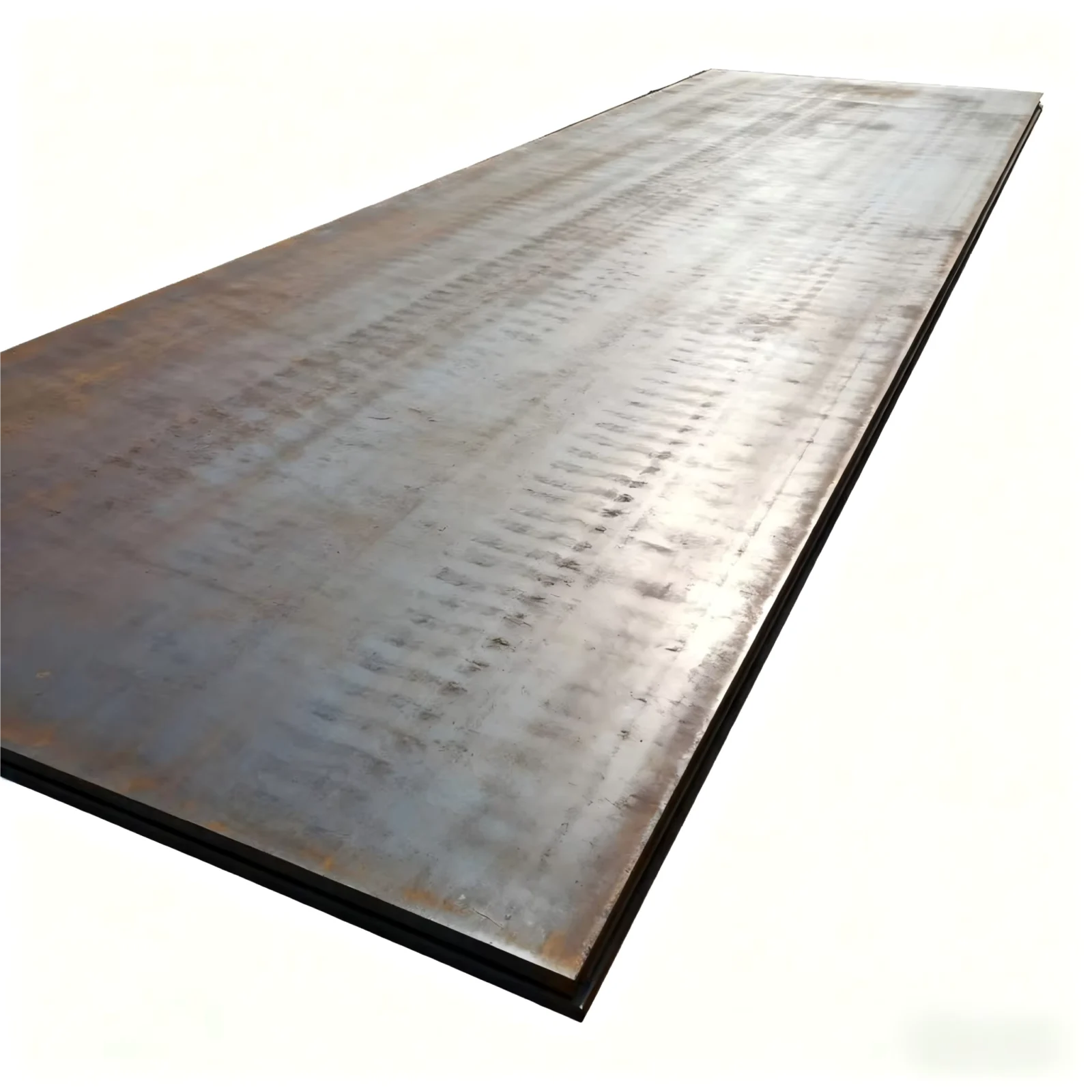
Factory-Direct Hot Rolled Plates — Every Q235 and Q355 batch ships with original mill test certificates and optimized container loading plans, cutting middleman markups on bulk structural orders.
Technical Specifications
| Parameter | Value |
|---|---|
| Designation | Q235 Hot Rolled Steel Plate |
| Product Type | Steel Plate |
| Steel Grade | Q195, Q235, Q345, SS400, A36, S235JR, S355JR, St37-2, SS330-SS540, SPHC-SPHE |
| Standard | AISI, ASTM, BS, DIN, GB, JIS |
| Section Shape | Flat plate |
| Thickness | 0.35–200mm |
| Width | 1000–2500mm |
| Length | 2000–12000mm |
| Technique | Hot Rolled |
| Surface Treatment | Black |
| Tolerance | ±1% |
| Processing Service | Bending, Welding, Decoiling, Cutting, Punching |
| Application | Shipbuilding, Construction, Petrochemical, Machinery Manufacturing, Transportation, Structural Fabrication, Pressure Vessels, Bridge Construction |
| MOQ | 5 Ton |
| Origin | Shandong, China |
Application Suitability
| Industry | Typical Applications |
|---|---|
| Shipbuilding & Offshore | Hull plating, deck structures, bulkhead stiffeners |
| Construction & Infrastructure | Building frames, bridge girders, industrial platform flooring |
| Petrochemical | Pressure vessel shells, storage tank base plates, pipe support structures |
| Machinery Manufacturing | Equipment base plates, crane boom sections, conveyor frame blanks |
| Transportation | Truck chassis cross-members, trailer floor plates |
| Structural Fabrication | Column base plates, beam splice connections, bracing gussets |
What Missing Mill Certificates Cost on a Q235 Plate Shipment
A plate without traceable heat numbers is scrap metal at customs — no amount of price discount compensates for rejected containers.
Importers across Southeast Asia and Africa routinely face port holds when mill test certificates are missing, incomplete, or cannot be cross-referenced to the physical plates. [NEED_CITE: customs documentation requirements for steel plate imports in developing economies] The cost is not just demurrage — it is lost project timelines, emergency re-sourcing at spot prices, and damaged credibility with the end buyer. When plates arrive without proper chemical composition records or mechanical property data, third-party inspectors flag the entire batch, and the buyer bears return freight or disposal fees.
Matching Thickness Tolerance to Structural Load Paths
A Q235 hot rolled steel plate ordered at 12mm for a column base plate must hold ±1% tolerance consistently across every sheet — otherwise the bearing area calculation fails and the structural engineer rejects the delivery. We roll plates from 0.35mm thin-gauge up to 200mm heavy structural sections on the same production lines, keeping tolerance tight enough that fabricators can weld and drill without re-measuring every piece. When a West African bridge contractor needed mixed 10mm and 16mm plates in one container, we nested the thinner sheets beneath the heavier ones using a pre-calculated weight distribution plan — the same approach that prevents edge deformation after ocean transit.
Engineering Compliance Across GB, EN, and ASTM Frameworks
Structural plates for international projects must satisfy the design code specified by the engineer — EN 1993 for European frameworks, AISC for North American projects, and GB 50017 for domestic Chinese designs. [NEED_CITE: steel plate compliance requirements under EN 1993 and AISC 360] Q235 maps closely to S235JR and A36 in yield behavior, while Q345 aligns with S355JR for higher-load applications. CE certification under EN 10210/10219 opens European market access, and every batch carries original mill test certificates documenting chemical composition and rolling conditions. For pressure vessel and shipbuilding applications, classification society documentation can be arranged through third-party inspection bodies.
How Hot Rolling Affects Surface Quality and Fabrication Readiness
Hot rolled plates develop a mill scale surface that must be considered before painting or galvanizing — the black oxide layer forms during controlled cooling and provides short-term corrosion resistance during storage and transit. [NEED_CITE: hot rolled steel surface characteristics and fabrication preparation] Q235 and Q345 grades respond predictably to thermal cutting, bending, and welding because the hot rolling process produces a uniform ferrite-pearlite microstructure. Thicknesses above 20mm benefit from normalized rolling conditions that reduce internal residual stress, critical for heavy structural connections. The ±1% tolerance range means fabricators receive consistent material behavior across the full width of 1000–2500mm, reducing waste from out-of-spec rejection.
The Hidden Cost of Wrong-Grade Plate Substitution
Substituting Q195 for Q235 on a load-bearing connection plate does not save money — it creates a structural liability that surfaces during inspection.
When buyers accept unverified grade substitutions to reduce unit cost, the consequences appear at the worst possible moment: during structural loading tests, building inspection audits, or — in the worst case — under service loads. [NEED_CITE: consequences of steel grade mismatch in structural engineering applications] Missing or forged mill certificates compound the problem, because the buyer cannot prove material compliance after installation. Replacing installed plates requires demolition, re-fabrication, and project delay — costs that dwarf the original price difference between grades.
Why Bulk Buyers Return for Repeat Orders
We operate three production lines running simultaneously with monthly capacity exceeding 20,000 tons, meaning a Q235 hot rolled steel plate order of 200 tons does not displace smaller commitments. Every plate leaving the mill carries a heat number traceable to the original slab, and our in-house lab conducts three-stage inspection before release. For buyers consolidating pipes, beams, and plates into single containers, we provide multi-product loading plans that maximize weight utilization without exceeding port crane limits. Volume discount programs review pricing every six months for recurring partners, and flexible MOQ starting from 5 tons accommodates both trial orders and full-project supply.
Documentation & Compliance
- Mill test certificate documenting Q235 chemical composition (C, Mn, Si, S, P) and mechanical properties per GB/T 700
- CE certificate under EN 10210/10219 for plates destined to European Union markets
- ISO 9001:2015 quality management certificate covering the full production and inspection process
- SGS or BV third-party inspection report available upon request for independent verification
- Material traceability by heat number linking each plate to its original slab and rolling schedule
- Customs documentation package including packing list, bill of lading, and certificate of origin
Packaging, Loading & Delivery
- Hot rolled Q235 plates bundled with steel strip ties and edge protectors to prevent surface scratching during handling
- Black surface plates coated with anti-rust oil for ocean transit protection, especially for thickness below 6mm prone to moisture staining
- Container loading optimized by nesting thinner plates (0.35–6mm) beneath heavier sections (10–200mm) to maintain weight distribution within 20GP and 40GP limits
- Custom cutting to project-specific lengths within the 2000–12000mm range, reducing on-site waste and secondary cutting costs
- Each bundle marked with heat number, steel grade Q235/Q345, thickness, and purchase order reference for site identification
- Shipping terms FOB, CIF, and DDP available with professional export documentation handling
Start Your Q235 Plate Procurement
Submit your plate specifications — steel grade, thickness, width, length, quantity, and destination port — and receive a competitive bulk quotation within 12 hours, complete with mill test certificate samples and container loading proposals. For non-standard dimensions or multi-grade project requirements, our engineering team provides custom cutting plans and consolidated sourcing across plates, pipes, and sections.
Request Your Q235 Hot Rolled Steel Plate Quotation
Send your specifications via email or WhatsApp to receive factory-direct pricing, mill test certificate documentation, and optimized shipping plans for your next bulk order.
📧 admin@sdxinjiyuan.com
📱 +86 188 5315 7756
🌐 www.sdxinjiyuan.com
Frequently Asked Questions
Q: How does Q235 compare to A36 and S235JR for international projects?
A: Q235, A36, and S235JR share similar yield strength ranges and are widely accepted as equivalent grades in structural applications. The primary differences lie in chemical composition limits and testing standards — GB/T 700 for Q235, ASTM A36 for A36, and EN 10025-2 for S235JR. We supply all three grades and provide mill test certificates referencing the applicable standard for your project specification.
Q: What documentation is included with each plate shipment?
A: Every batch ships with original mill test certificates documenting chemical composition and mechanical properties, traceable by heat number. ISO 9001:2015 certification covers our quality management system. For projects requiring independent verification, SGS or BV third-party inspection reports are available upon request. CE certification under EN 10210/10219 is provided for European market shipments.
Q: Can you cut plates to custom dimensions and what is the MOQ?
A: We provide cutting, bending, welding, decoiling, and punching services for hot rolled plates within the 0.35–200mm thickness and 2000–12000mm length range. The minimum order quantity is 5 tons, which applies to both standard stock sizes and custom-processed plates. Processing tolerances and lead times are confirmed during quotation based on your specific requirements.
Q: How is pricing calculated — theoretical weight or actual weight?
A: Pricing for hot rolled steel plates is typically based on theoretical weight calculated from nominal dimensions and standard density, with the ±1% tolerance applied. For orders where actual weight is preferred, we confirm the weighing method before contract signing. Negative tolerance practices vary by mill and specification — we clarify this during quotation to avoid delivery disputes.
Q: How do you optimize container loading for mixed-specification plate orders?
A: We prepare detailed loading plans that nest thinner plates beneath heavier sections, distribute weight evenly across the container floor, and maximize payload within shipping limits. For multi-product orders combining plates with pipes and sections, we consolidate into single containers to reduce freight costs. Loading plans are shared before shipment for buyer approval.