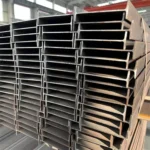
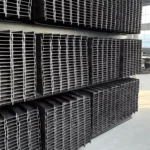
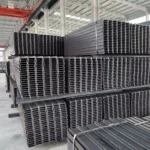
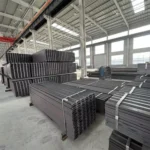
Description
Factory-Direct H-Beam Supply — Hot rolled sections in Q235, A36, S235JR, S275JR, SS400 shipped with original mill certificates and optimized container loading from Jinan.
Technical Specifications
| Parameter | Value |
|---|---|
| Designation | Q235 H-Beam |
| Product Type | H-Beam |
| Steel Grade | Q235, A36, S235JR, S275JR, SS400 |
| Standard | GB, JIS G3192 |
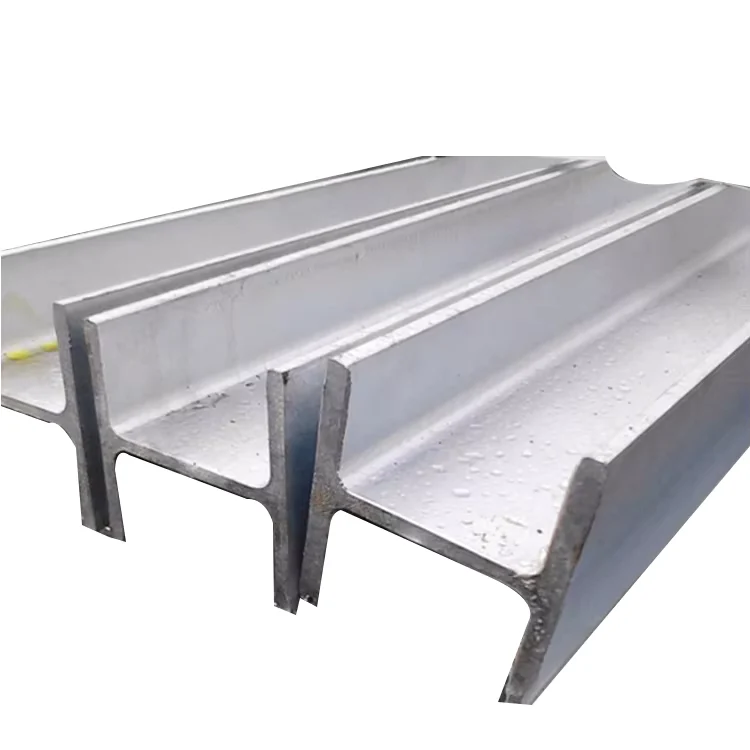
| Section Shape | H-channel |
| Flange Width | 50–300 mm |
| Flange Thickness | 5–30 mm |
| Web Width | 100–800 mm |
| Web Thickness | 5–25 mm |
| Length | 6–19 m |
| Technique | Hot Rolled |
| Surface Treatment | Natural Surface (Hot dip galvanizing or spraying optional) |
| Tolerance | ±1% |
| Processing Service | Bending, Cutting |
| Application | Supporting System / Construction Works / Commercial Buildings / Industrial Platforms / Building Frames / Bridges |
| MOQ | 1 Ton |
| Origin | China |
Application Suitability
| Industry | Typical Applications |
|---|---|
| Commercial Construction | Building frames for warehouses, shopping centers, multi-story offices |
| Infrastructure | Bridge girders, highway sound barriers, railway station structures |
| Industrial Facilities | Heavy equipment platforms, crane runways, mezzanine floors |
| Energy Sector | Solar mounting structures, wind turbine access platforms |
| Supporting Systems | Column and beam frameworks for pre-engineered buildings |
What Certification Gaps Cost on a Structural Steel Shipment
Missing mill certificates delay customs clearance and trigger project compliance failures.
Global buyers procuring Q235 hot rolled H-beam steel supplier materials from China frequently encounter fragmented sourcing — ordering beams from one vendor, plates from another, and fabrication from a third. This multiplies coordination overhead and creates traceability gaps when inspectors request heat number verification. Without original mill test certificates tied to specific production batches, shipments face customs holds at destination ports, particularly in markets enforcing EN or ASTM compliance for structural applications. The cost is not just demurrage fees; it is delayed project timelines and strained contractor relationships. [NEED_CITE: structural steel certification requirements for international trade]
How Section Dimensions Match Engineering Load Requirements
Hot rolled H-beams in the 50–300 mm flange width and 100–800 mm web width range cover the majority of load-bearing applications in commercial and industrial construction. The H-channel geometry distributes vertical loads through the web while flanges resist bending moments — a Q235 hot rolled H-beam steel supplier delivering ±1% tolerance ensures that calculated deflection limits hold in practice. For bridge girders and crane runways where dynamic loads dominate, the 5–30 mm flange thickness range provides sufficient section modulus without excessive weight penalty. Our production lines roll standard HW, HM, and HN series per GB and JIS G3192, with custom lengths up to 19 m available for projects requiring minimized field splicing.
Structural Compliance and Surface Protection Selection
Engineering specifications for H-beams typically reference load tables derived from EN 1993 or AISC standards, which assume material properties conform to declared steel grades. Q235 and S235JR represent equivalent yield strength tiers in Chinese and European systems, while A36 serves North American markets — specifying the correct grade avoids substitution disputes during inspection. [NEED_CITE: steel grade equivalence between GB, EN, and ASTM standards] For corrosive environments such as coastal infrastructure or chemical plants, hot dip galvanizing extends service life significantly compared to natural hot rolled surfaces; spray coating offers intermediate protection at lower cost. Third-party inspection by SGS or BV before shipment verifies both dimensional accuracy and coating thickness against project requirements.
Steel Grade Selection and Hot Rolling Process
The Q235, A36, S235JR, S275JR, and SS400 grades span Chinese, American, European, and Japanese standard systems, each defining minimum yield strength and chemical composition limits. Q235 and S235JR both target 235 MPa yield, making them interchangeable for general construction; S275JR steps up to higher strength for heavier load applications. Hot rolling produces the H-channel profile by passing heated billets through shaped rolls, creating integral flange-to-web connections superior to welded built-up sections in fatigue resistance. The ±1% dimensional tolerance ensures that connection details designed for specific section properties perform as calculated. Optional bending and cutting services reduce on-site fabrication time, particularly for complex node geometries in space frames.
Hidden Costs of Incorrect Grade Specification
Ordering H-beams without verified mill certificates risks receiving material that fails chemical composition tests at destination — a Q235 beam substituted with lower-grade steel compromises structural safety and triggers costly replacement. Certification gaps also create customs clearance delays when importing authorities demand proof of compliance with local building codes. [NEED_CITE: consequences of non-compliant structural steel in construction projects] Beyond material substitution, negative tolerance abuse — where actual section dimensions fall below nominal values — reduces load capacity while maintaining theoretical weight calculations, creating hidden safety margins that erode over time.
Why Source H-Beams from Xin Jiyuan
Our Jinan facility operates three hot rolling lines producing 20,000+ tons monthly, eliminating middleman markups that inflate landed costs for overseas buyers. Every shipment includes original mill test certificates documenting chemical composition and mechanical properties per batch, with heat number traceability from billet to finished beam. We maintain ready stock across 2,800+ specifications including standard H-beam sizes, enabling urgent orders without waiting for production slots. For projects requiring mixed section sizes or non-standard lengths, consolidated container loading reduces freight costs compared to sourcing from multiple vendors. ISO 9001:2015 and Lloyd’s CE certifications satisfy most international procurement requirements, while SGS/BV third-party inspection provides independent verification before container sealing. Professional export documentation handling ensures customs clearance proceeds smoothly at destination ports.
Documentation & Compliance
- Mill test certificate documenting Q235/A36/S235JR chemical composition and mechanical properties per GB/JIS standards
- Lloyd’s CE certificate confirming compliance with EN 10210/10219 for European market structural applications
- ISO 9001:2015 quality management system certificate covering hot rolled H-beam production processes
- SGS or BV third-party inspection report verifying dimensional accuracy and surface treatment thickness
- Material traceability documentation linking each beam to specific heat numbers and production batches
- Complete customs document package including packing list, bill of lading, and certificate of origin
Packaging, Loading & Delivery
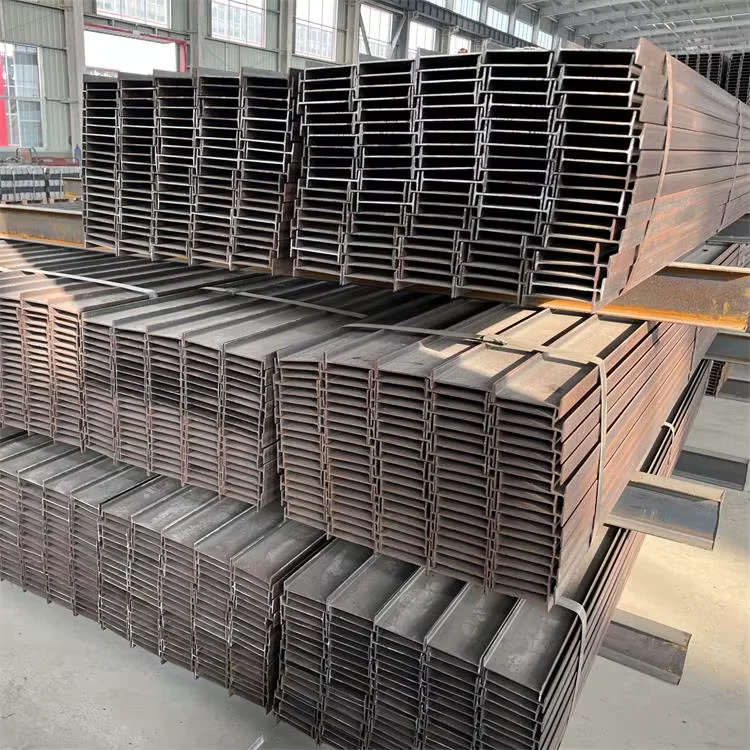
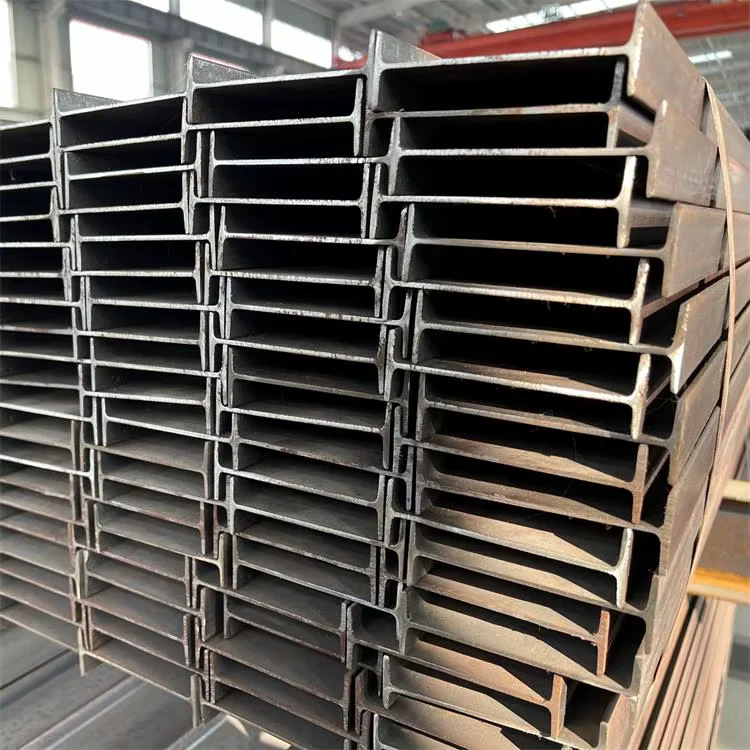
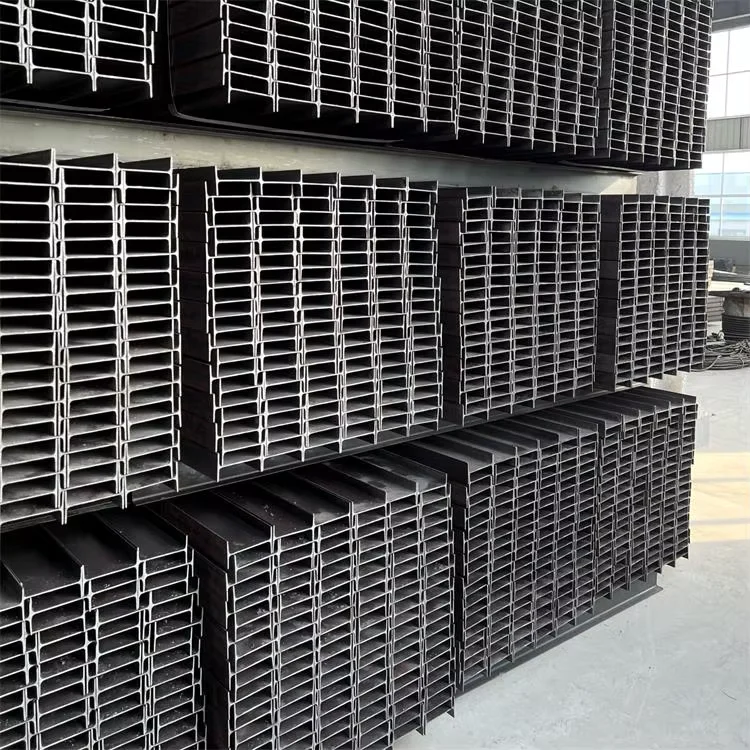
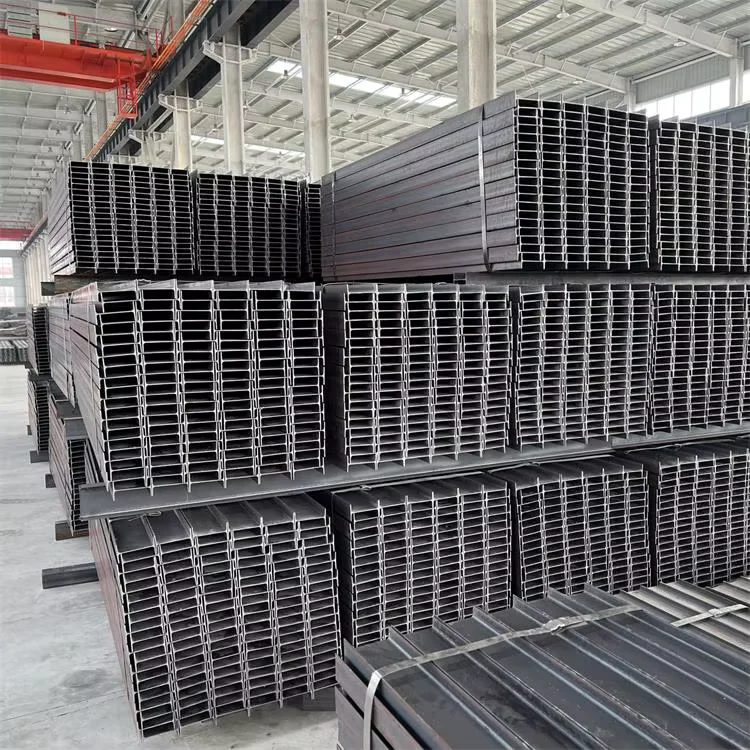
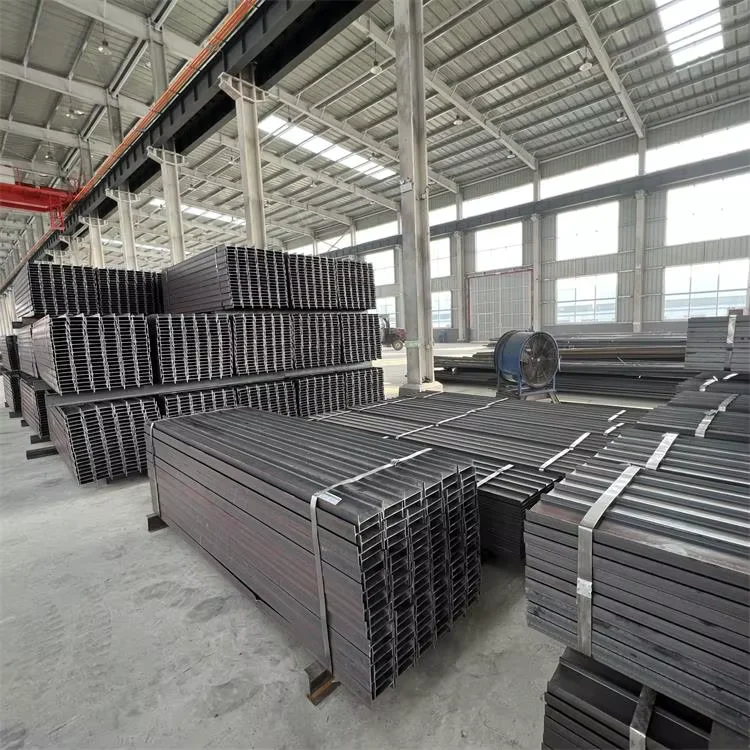
- Hot rolled H-beams bundled with steel strips at intervals preventing shift during ocean transit, with edge protectors preserving natural surface condition
- Galvanized H-beam sections separated by rubber spacers to prevent zinc coating damage from contact friction during container loading
- Container loading plans optimized for 6–12 m lengths to maximize payload within 20ft and 40ft standard shipping containers
- Custom cutting to project-specified lengths available, reducing on-site waste and fabrication time for time-sensitive installations
- Heat number and steel grade stenciled on each beam end for rapid identification during unloading and inventory management
- FOB, CIF, and DDP shipping terms available with door-to-door logistics coordination for landlocked project sites
Request a Quote with Mill Certificates
Submit your H-beam specifications including section size, steel grade, quantity, and destination port to receive competitive pricing with original mill test certificates. Our team responds within 12 hours with detailed quotations covering production lead times, container loading optimization, and available third-party inspection options.
Start Your H-Beam Procurement
Send specifications via email or WhatsApp to receive factory-direct pricing and certification documentation for your next structural steel project.
Tel: +86 531 8573 6315
Mobile/WhatsApp/WeChat: +86 188 5315 7756
Email: admin@sdxinjiyuan.com
Frequently Asked Questions
Q: What is the difference between Q235, A36, and S235JR steel grades for H-beams?
A: Q235 and S235JR both specify minimum 235 MPa yield strength in Chinese and European standards respectively, making them functionally equivalent for general construction. A36 is the American standard designation with similar mechanical properties. S275JR offers higher yield strength for heavier load applications.
Q: Can you provide mill test certificates for customs clearance?
A: Yes, every H-beam shipment includes original mill test certificates documenting chemical composition and mechanical properties per batch, with heat number traceability. These certificates satisfy customs requirements in most international markets.
Q: Do you offer custom cutting and bending services?
A: We provide cutting to specified lengths and bending services for H-beams, reducing on-site fabrication requirements. MOQ remains 1 ton for custom processing orders.
Q: What surface treatment options are available for corrosive environments?
A: Standard delivery is natural hot rolled surface. Hot dip galvanizing and spray coating are available for projects requiring enhanced corrosion protection, with salt spray resistance suitable for coastal and industrial applications.
Q: How do you optimize container loading for H-beams?
A: Our export team develops loading plans maximizing payload within standard 20ft and 40ft containers based on your specified lengths and quantities, reducing freight costs per ton compared to unoptimized loading.