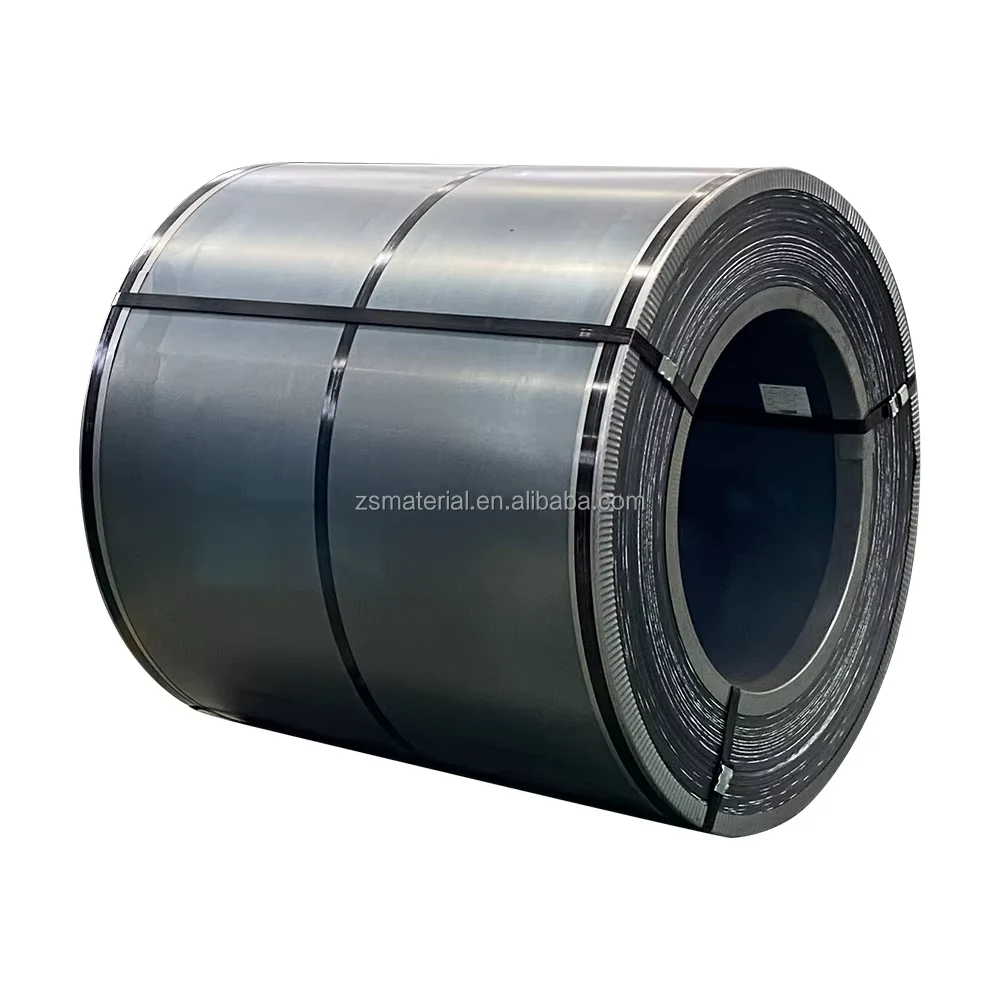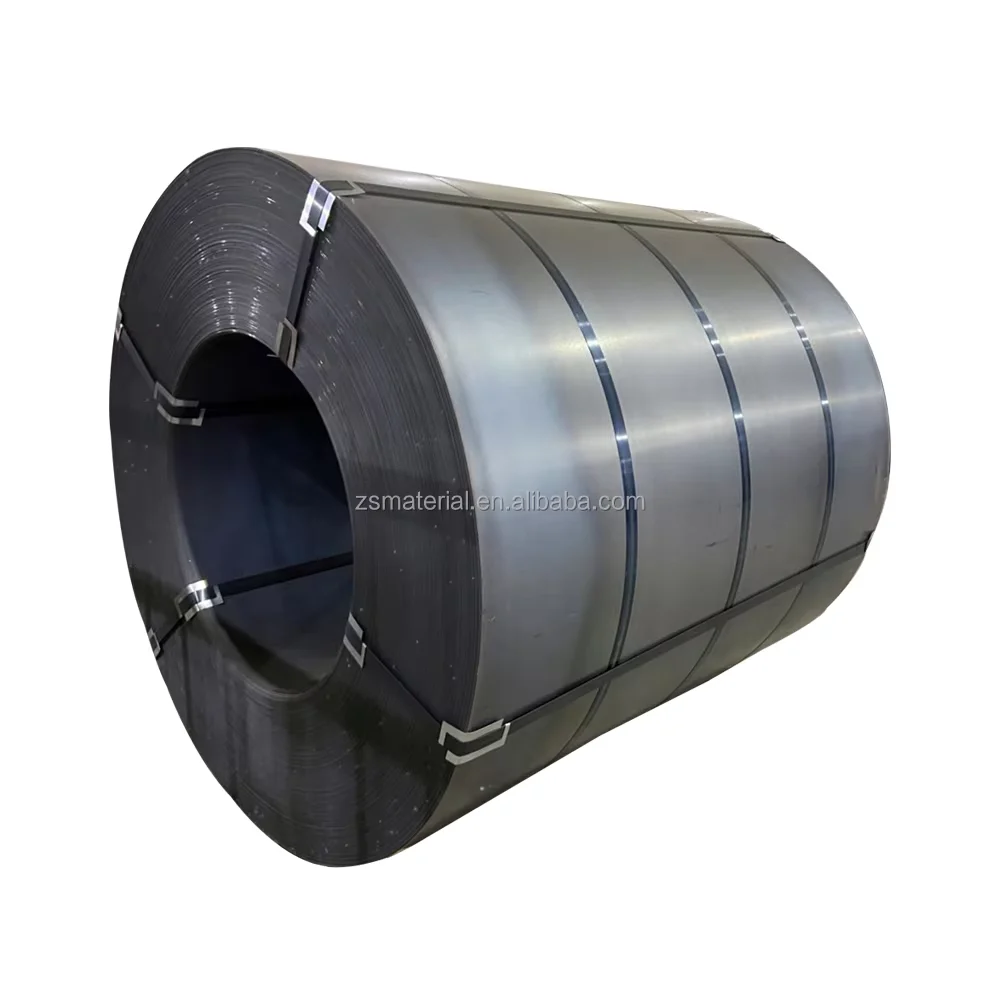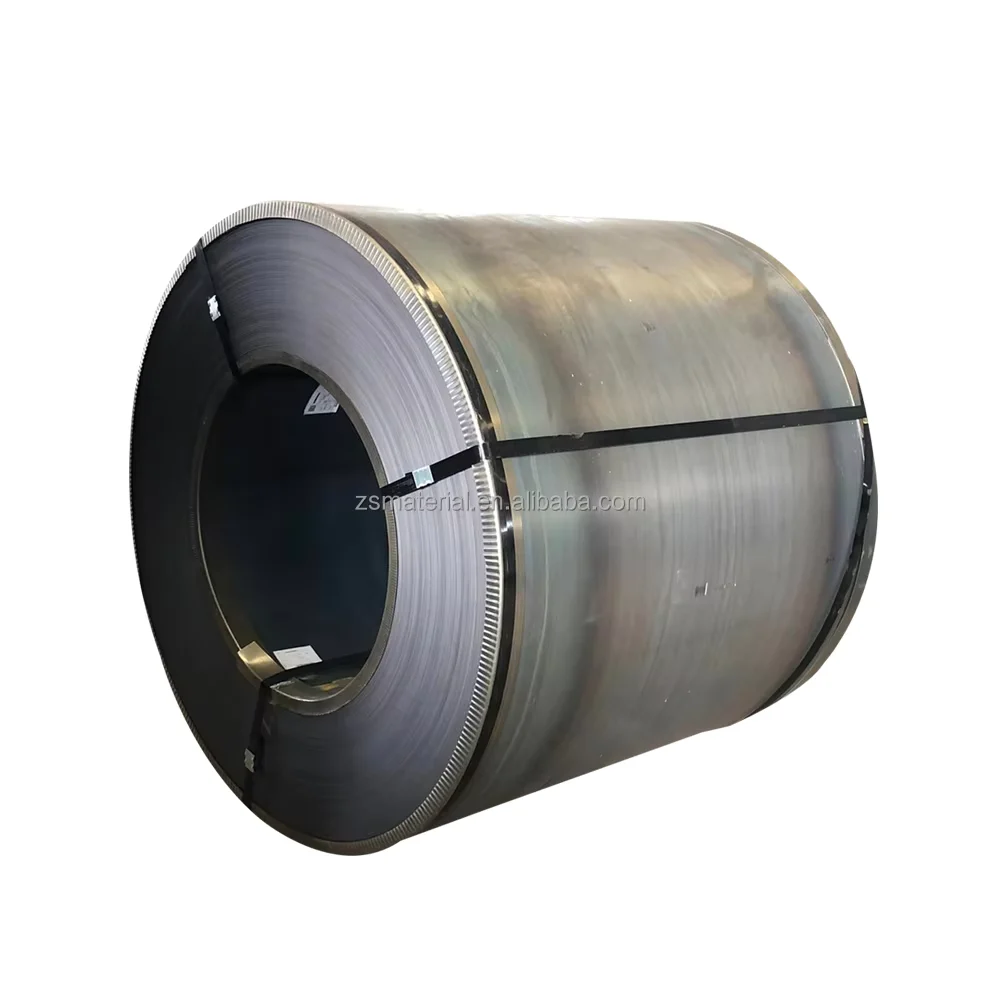

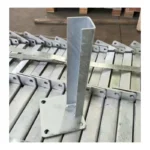
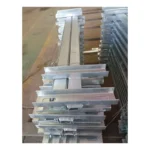
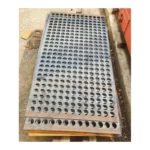
Description
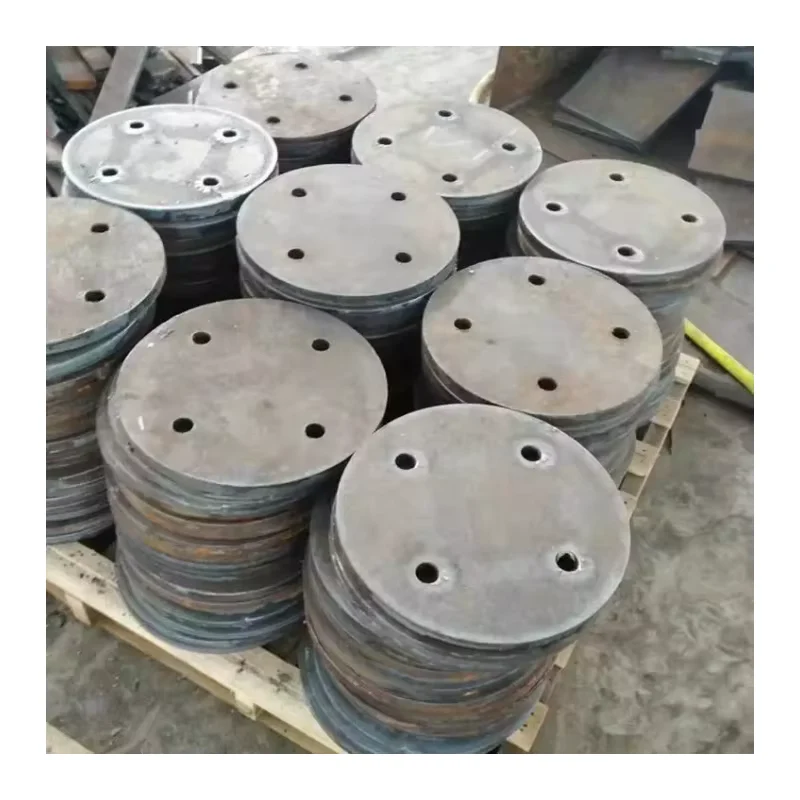
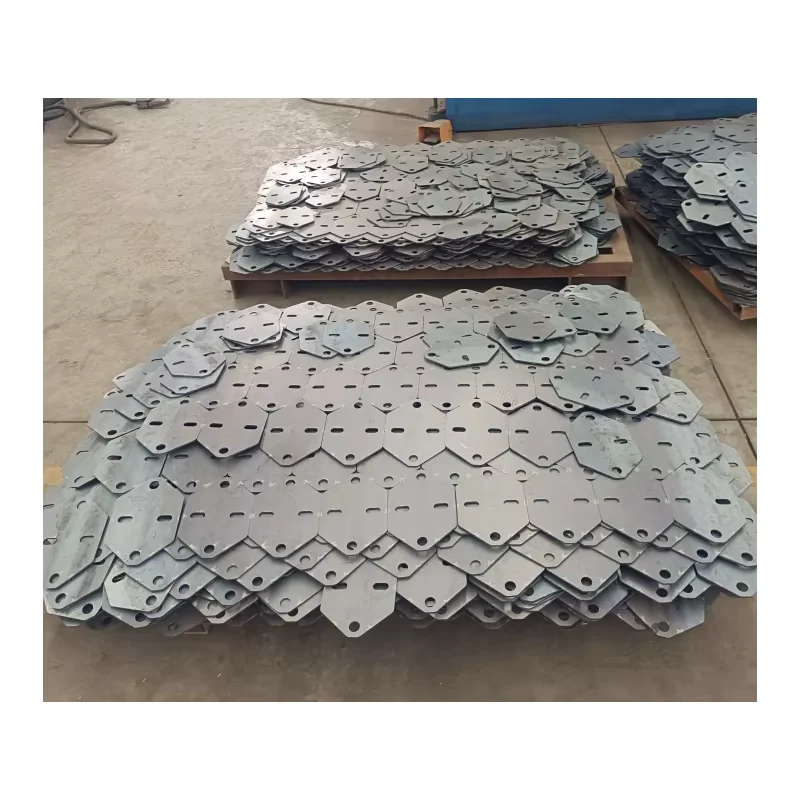
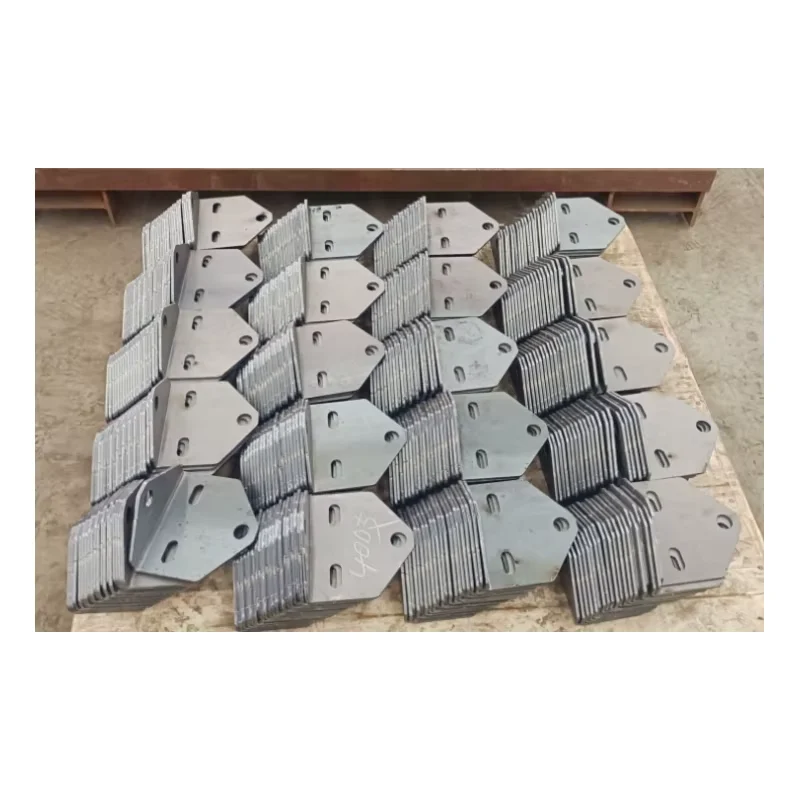
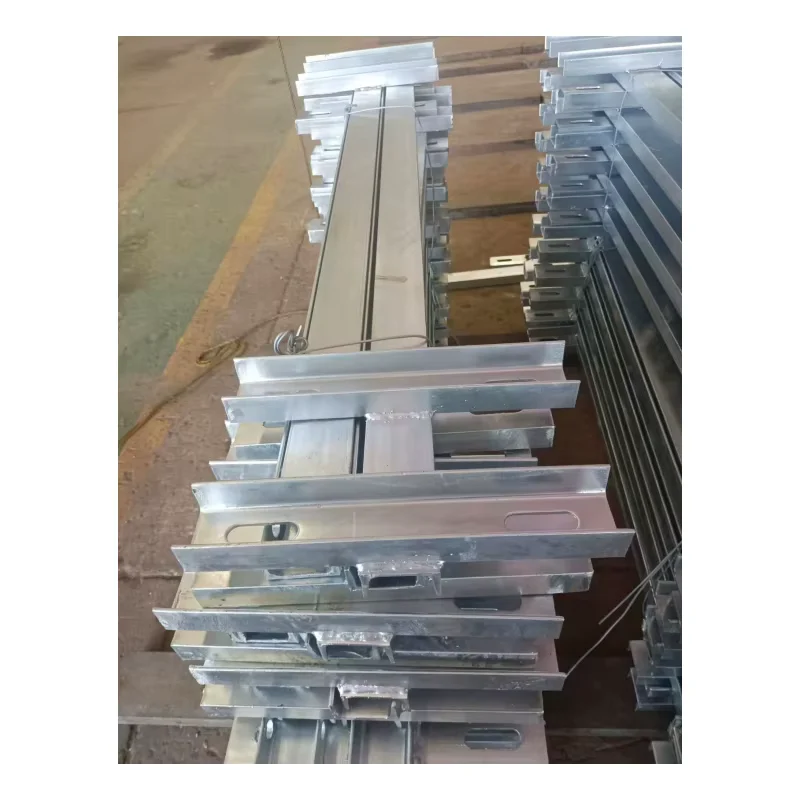
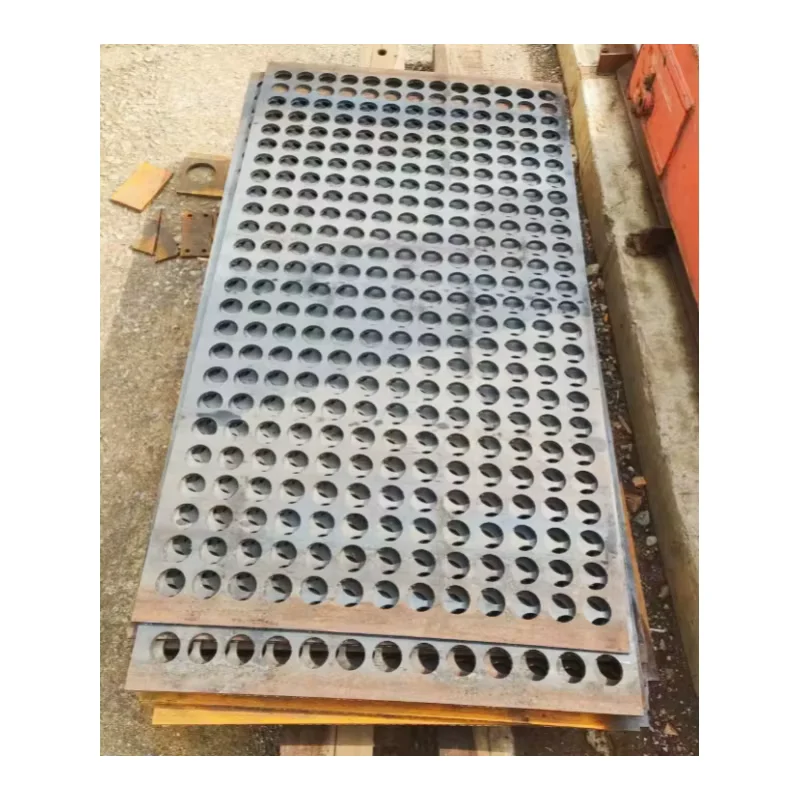
Factory-Direct Custom Steel Fabrication — Every laser-cut part is produced in-house with original mill test certificates for Q195–Q690 grades, eliminating middleman markups and quality gaps.
Technical Specifications
| Parameter | Value |
|---|---|
| Designation | Custom Laser Cut Steel Fabrication Part |
| Product Type | Machined Steel Product / Fabricated Steel Structure |
| Steel Grade | Carbon Steel (Q195–Q690, ASTM A500, EN 10219/10210, JIS G3466 per drawing) |
| Standard | GB / AISI / ASTM / BS / DIN / JIS |
| Processing | Laser Cutting, Laser Profiling, Bending, Punching Hole, Welding, Slotting, Stamping |
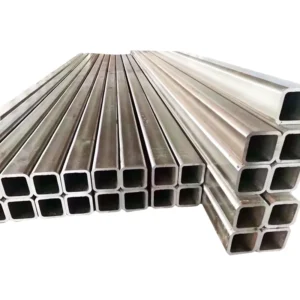
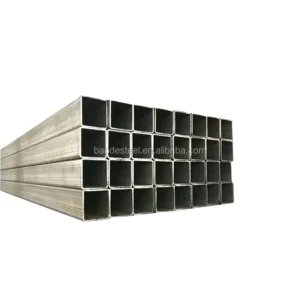
| Material Form | Carbon Steel Sheet / Profile / Pipe |
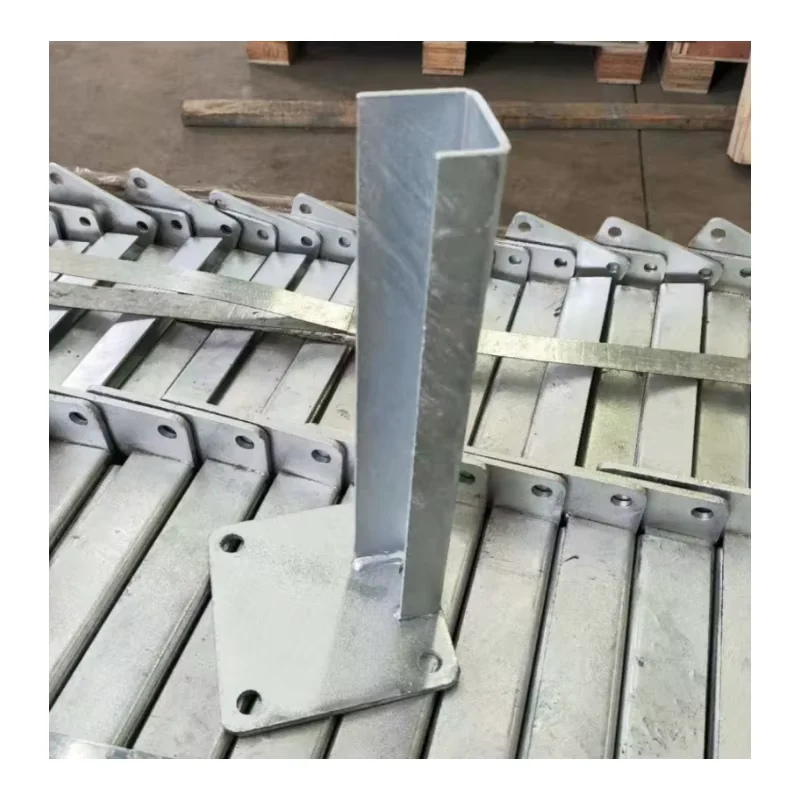
| Surface Treatment | Galvanizing / Powder Coating / Painting |
| Tolerance | ±5% |
| Drawing Format | CAD / DWG / STEP / PDF |
| Service | ODM / OEM |
| Package | By bundle or customized |
| Delivery Time | Regularly 15 days (depends on order quantity) |
| MOQ | 1 PCS |
| Origin | Shandong, China |
Application Suitability
| Industry | Typical Applications |
|---|---|
| Construction & Infrastructure | Structural steel frames, bracket assemblies, connection plates for EPC projects |
| Machinery & Equipment | Custom machined brackets, mounting plates, and support structures for OEM factories |
| Industrial Fabrication | Platforms, conveyor supports, and equipment bases for energy and processing plants |
| Architectural Projects | Decorative steel elements, facade supports, and custom structural components |
When Drawing Tolerance Becomes a Customs Clearance Problem
A ±5% tolerance on laser-cut fabrication parts determines whether your shipment clears customs or gets held for re-inspection.
Global buyers often source pipes, plates, and fabricated parts from different suppliers — each with their own tolerance standards and documentation practices. When a customs officer opens a container and finds fabricated steel parts without matching mill test certificates or inconsistent dimensional records, the entire shipment faces delays. [NEED_CITE: EN 10219 cold-formed hollow section tolerance requirements] The coordination cost multiplies when you’re managing three suppliers for one project, each with different lead times and certification gaps.
Matching Fabrication Precision to Structural Load Requirements
Custom laser-cut steel fabrication parts must align with the structural design assumptions made by engineers. When a connection plate is cut to ±5% tolerance per your CAD drawing, the bolt hole positions must match the mating component exactly — otherwise field assembly fails. Our production flow integrates laser cutting, profiling, bending, and welding in sequence, ensuring dimensional consistency across multi-process parts. For Q355 grade steel used in load-bearing frames, the yield strength directly affects how thin you can specify the plate while maintaining structural integrity. [NEED_CITE: steel grade equivalence between EN 10219 and ASTM A500 standards]
Engineering Compliance Across EN, ASTM, and GB Standards
Structural steel fabrication for export projects must satisfy multiple compliance layers. EN 10219 governs cold-formed welded hollow sections in European markets, requiring specific chemical composition limits and mechanical property verification. ASTM A500 applies to cold-formed welded and seamless carbon steel structural tubing in North America. GB standards dominate domestic Chinese projects. Each standard system has different tolerance tables, testing frequencies, and certification requirements. Our in-house lab conducts three-stage inspection from raw material to finished product, with SGS or BV third-party inspection available for projects requiring independent verification. [NEED_CITE: EN 10219 vs ASTM A500 structural steel comparison]
Steel Grade Selection and Process Impact on Final Performance
The choice between Q235, Q355, and Q690 grades directly affects fabrication approach and end-use performance. Q235 offers good formability for complex bent shapes, while Q355 provides higher yield strength for load-bearing applications. Q690 serves high-stress structural components where weight reduction matters. Laser cutting handles all these grades effectively, but thicker plates require slower cutting speeds and different assist gas parameters. Surface treatment selection depends on the service environment: hot-dip galvanizing provides corrosion protection for outdoor structural frames, powder coating offers color matching for architectural applications, and painting suits indoor industrial equipment where appearance matters less than cost.
The Hidden Cost of Tolerance Deviation in Field Assembly
When fabricated steel parts arrive at the job site with hole positions off by even a few millimeters, the cost multiplies exponentially. Field rework requires cutting, re-drilling, or fabricating adapter plates — all at labor rates far exceeding factory production costs. Project timelines extend as crews wait for replacement parts shipped from overseas. More critically, structural connections designed for precise fit-up may develop unintended stress concentrations when forced together, creating safety risks that only manifest under load. [NEED_CITE: structural steel fabrication tolerance impact on field assembly] Original mill test certificates and dimensional inspection reports become essential documentation for project acceptance and liability protection.
Why Engineering Procurement Teams Choose In-House Fabrication
Our 3 production lines running simultaneously handle monthly capacity exceeding 20,000 tons, supporting both urgent single-part orders and full-container bulk production. Every batch ships with original mill test certificates documenting chemical composition and mechanical properties per your specified grade — Q195, Q355, or Q690. We maintain 2,800+ specifications in ready stock for standard sizes, while custom orders based on your CAD/DWG/STEP drawings complete within typical production lead times. ISO 9001:2015, Lloyd’s CE (EN 10210/10219), and FPC certifications satisfy project compliance requirements across 50+ countries. Professional export documentation and container loading optimization reduce your total landed cost compared to fragmented sourcing from multiple suppliers.
Documentation & Compliance
- Mill test certificate documenting Q195–Q690 chemical composition and mechanical properties per GB/ASTM/EN standards
- CE certificate (EN 10210/EN 10219) for European market structural steel compliance
- ISO 9001:2015 quality management system certificate covering fabrication processes
- SGS or BV third-party inspection report available for project-specific verification requirements
- Material traceability by heat number linking finished parts to original steel batch
- Customs documents including packing list, bill of lading, and certificate of origin
Packaging, Loading & Delivery
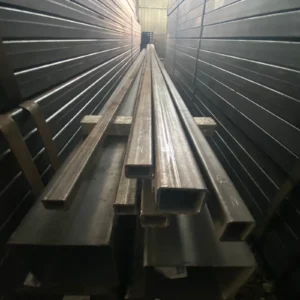
- Laser-cut fabrication parts packed in steel strip bundles with edge protectors to prevent coating damage during transit
- Galvanized surfaces protected with interleaving materials to preserve zinc coating integrity
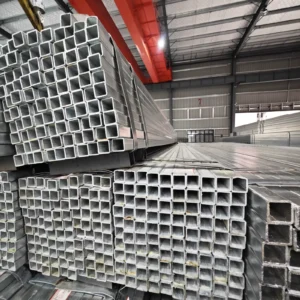
- Container loading optimized for mixed-size fabricated parts, maximizing payload per shipment
- Custom length cutting available per drawing specifications, reducing on-site waste
- Heat number and steel grade marked on each bundle for site identification and traceability
- FOB/CIF/DDP shipping terms with professional export documentation handling
Getting Your Custom Fabrication Quote Started
Submit your CAD/DWG/STEP/PDF drawings with specifications, steel grade requirements, quantity, and destination port. Our engineering team reviews dimensional requirements and tolerance needs, then provides competitive bulk pricing with volume discounts, delivery timeline, and payment terms. Original mill test certificates and third-party inspection options are confirmed before production begins, ensuring your project compliance requirements are met from day one.
Frequently Asked Questions
Q: What steel grades and standards are available for custom laser-cut fabrication?
A: We work with Q195–Q690 carbon steel grades per GB standards, ASTM A500 for North American projects, EN 10219/10210 for European structural requirements, and JIS G3466 for Japanese specifications. Material selection depends on your structural load requirements and destination market compliance needs.
Q: Can you provide mill test certificates and third-party inspection for customs clearance?
A: Every batch ships with original mill test certificates documenting chemical composition and mechanical properties. SGS or BV third-party inspection is available upon request for projects requiring independent verification before shipment.
Q: What is the MOQ and lead time for custom laser-cut steel parts?
A: MOQ starts from 1 piece for trial orders or prototype fabrication. Standard production lead time is typically 15 days depending on order quantity and complexity. Custom drawings in CAD/DWG/STEP/PDF formats are accepted.
Q: What surface treatment options are available for fabricated steel parts?
A: Hot-dip galvanizing provides long-term corrosion protection for outdoor structural applications. Powder coating offers color customization for architectural projects. Painting suits indoor industrial equipment where appearance is secondary to function. Selection depends on your service environment and project specifications.
Q: Do you support consolidated multi-product container loading for mixed orders?
A: Yes, we consolidate pipes, plates, beams, and custom fabricated parts into single container shipments, reducing your coordination costs and ensuring synchronized delivery to your project site.
Get Your Custom Fabrication Quote with Mill Test Certificates
Send your drawings and specifications to receive competitive pricing, material certification details, and production timeline within 12 hours. Contact us at admin@sdxinjiyuan.com or WhatsApp +86 188 5315 7756 to start your project.