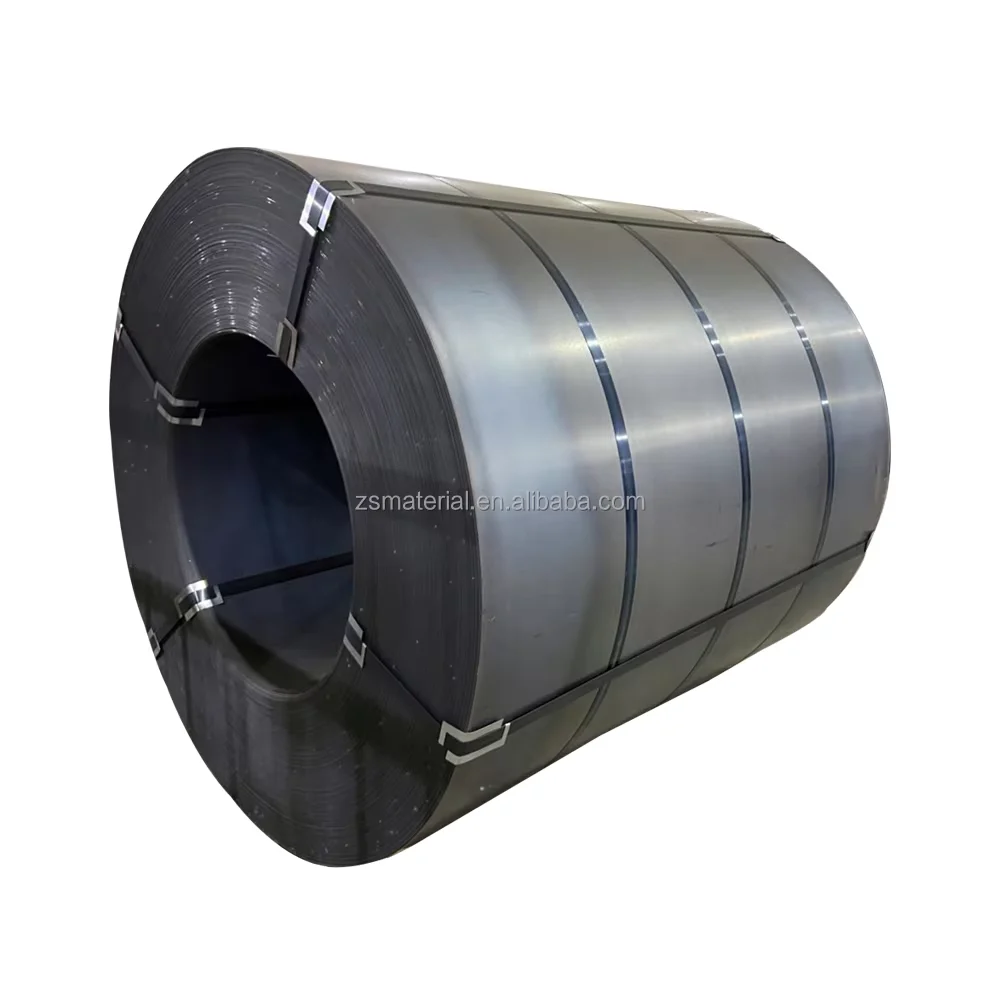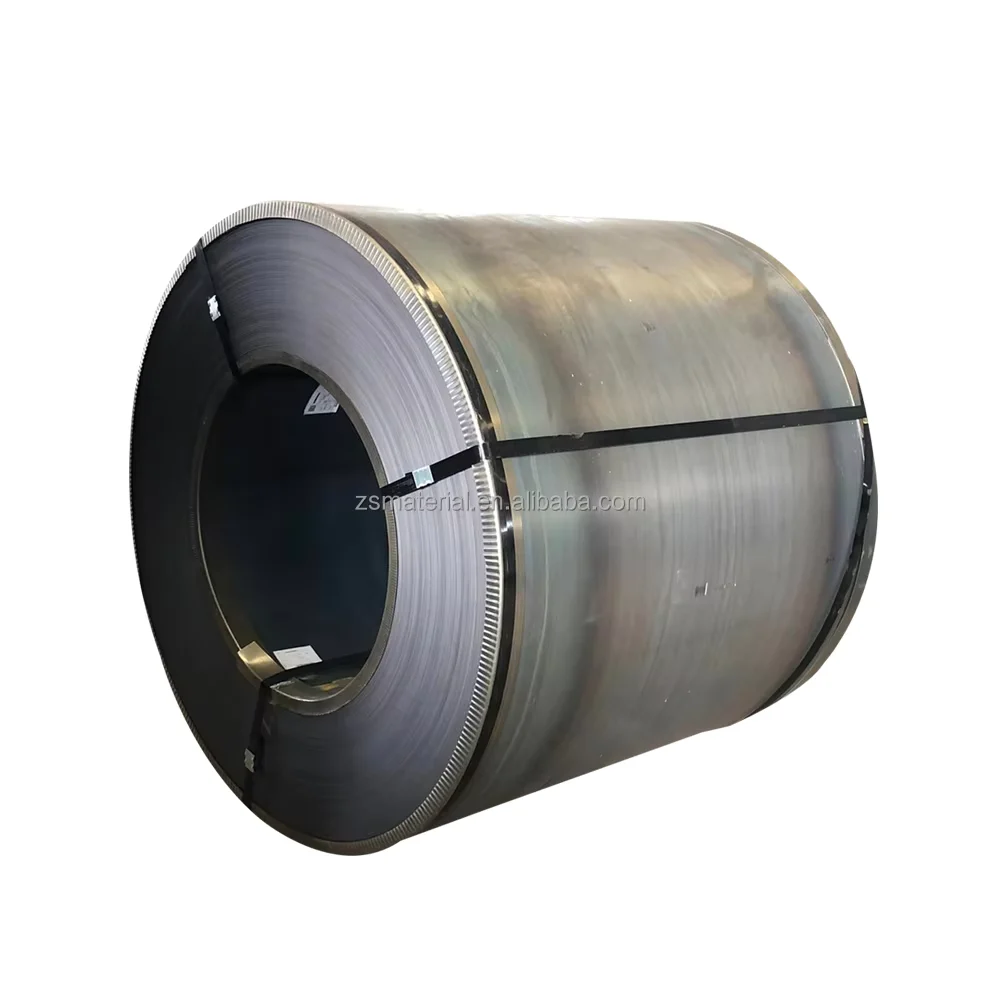
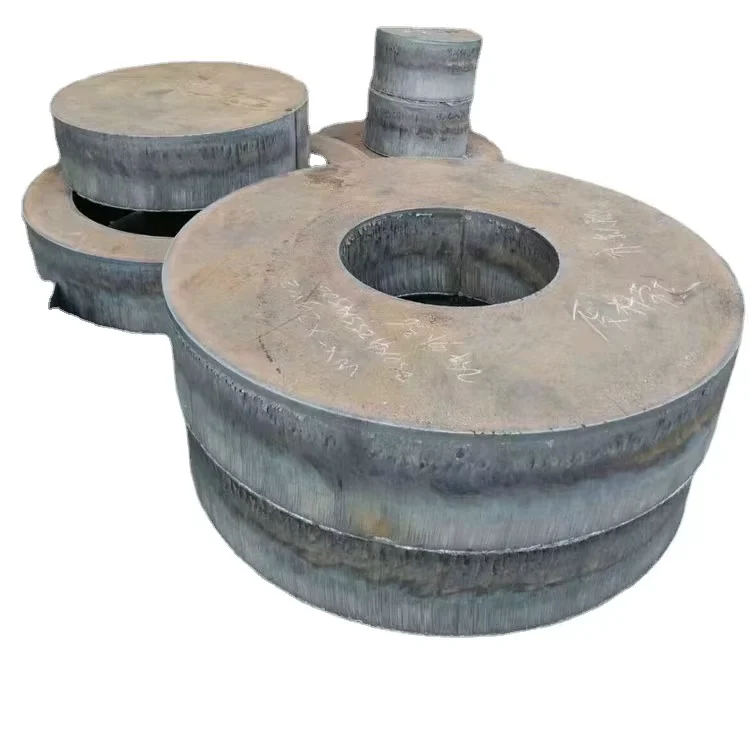
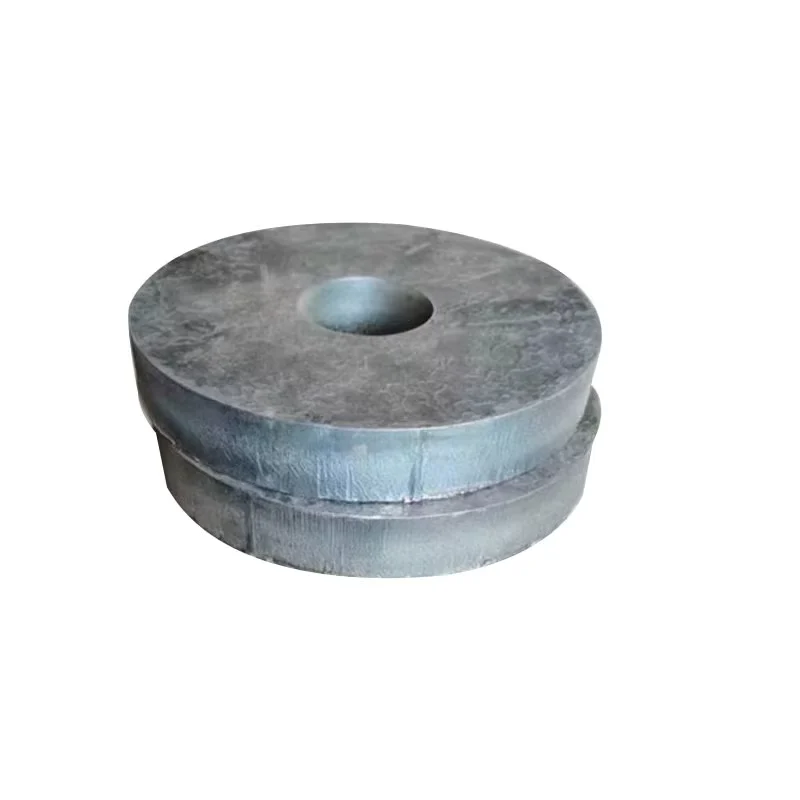


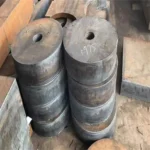
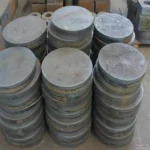
Description
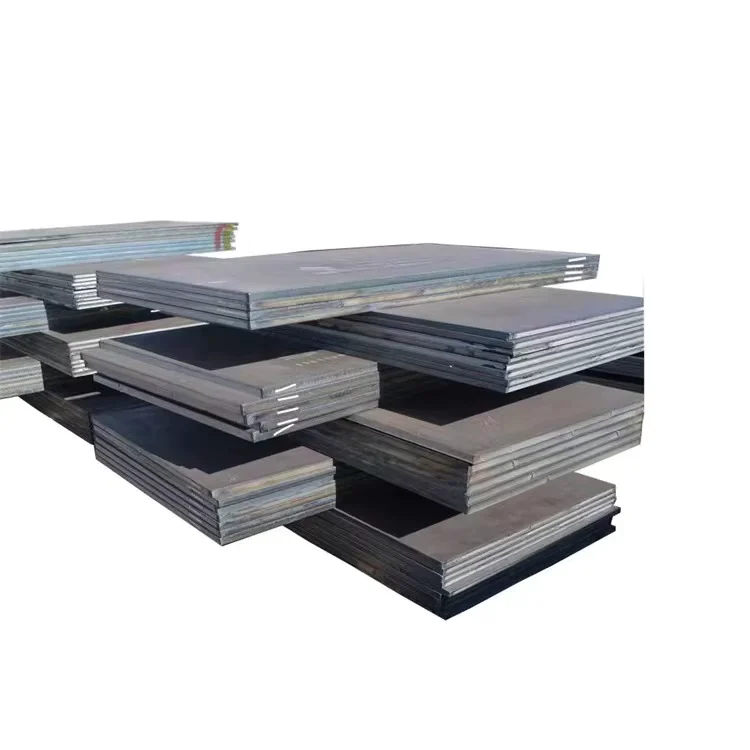
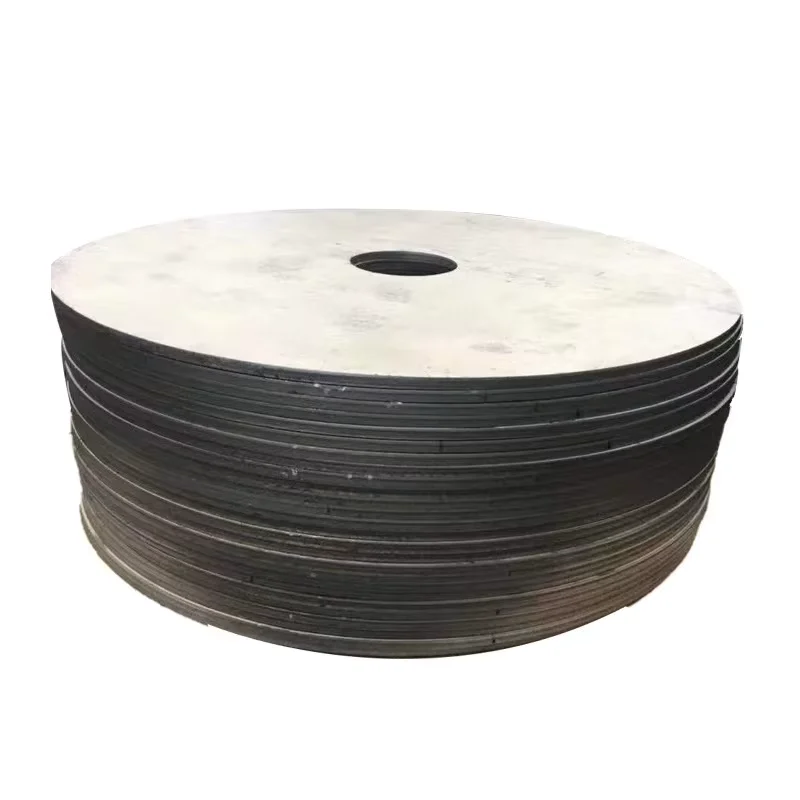
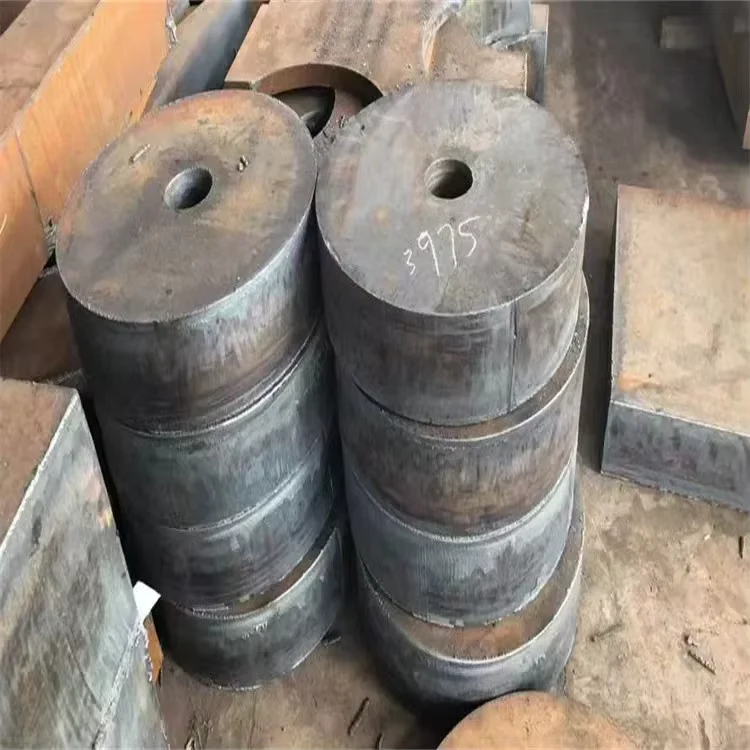
Factory-direct wear plate supply — 25–45mm NM500 / AR550 / XAR400 plates cut and machined in-house, eliminating middlemen and reducing lead times for custom-shaped wear parts.
Technical Specifications
| Parameter | Value |
|---|---|
| Designation | Wear Resistant Steel Plate (NM500 / AR550 / XAR400) |
| Product Type | Steel Plate |
| Steel Grade | NM500, AR550, XAR400 |
| Thickness Range | 25–45 mm |
| Technique | Laser Cutting |
| Surface Treatment | As-cut / Customizable |
| Tolerance | ±0.01–0.005 mm (CNC machining precision) |
| Process | CNC Machining + Surface Treatment |
| Application | Industrial Equipment / Mechanical Equipment / Mining Machinery / Construction Machinery / Wear-resistant structural parts |
Application Suitability
| Industry | Typical Applications |
|---|---|
| Mining & Quarrying | Bucket teeth, liner plates, crusher jaw components, screen deck panels |
| Construction & Earthmoving | Excavator blade edges, loader bucket liners, bulldozer end bits |
| Industrial Material Handling | Hopper liners, chute wear plates, conveyor skirt boards, silo discharge funnels |
| Aggregate Processing | Impact crusher blow bars, vibrating screen side liners, feed chute protectors |
Why Hardness Certification Decides Whether Your Wear Plate Survives the First Month
A plate labeled NM500 that tests below HB480 will wear out at twice the expected rate — and no amount of cutting precision fixes that.
I once shipped a container of NM500 plates to a copper mine in Chile. The client ran SGS hardness复检 and got HB430 across the batch. The heat treatment temperature had drifted low at the mill, but the certificate still said NM500. The entire container came back. That kind of failure doesn’t just cost freight — it shuts down a crusher line for weeks while replacement plates are sourced.
The root problem across the wear plate market is traceability gap: buyers receive certificates that don’t match actual hardness, and by the time the plate is welded into a bucket liner, the damage is already done. [NEED_CITE: hardness verification standards for quenched and tempered wear plates]
Matching Plate Grade to Abrasion Severity in Mining and Earthmoving
Selecting the right wear resistant steel plate supplier means matching the steel grade to the actual abrasion mechanism — high-stress grinding in crusher jaws demands different hardness than low-stress sliding in chute liners. NM500 handles moderate-to-high abrasion in excavator buckets and loader liners, while AR550 steps up for high-impact quarry applications where both hardness and toughness matter. XAR400 offers a balance for structural wear parts that also need weldability and formability. Our in-house laser cutting holds ±0.01–0.005 mm tolerance, so complex geometries like bucket tooth adapters and curved liner segments fit without on-site grinding.
Engineering Compliance and Traceability for Heavy-Duty Wear Components
Wear plates in mining and construction machinery must meet both hardness specifications and traceability requirements — every heat number must link back to a verified mill test certificate showing chemical composition and mechanical properties. [NEED_CITE: material traceability requirements for wear-resistant steel in mining equipment] For export to the EU or projects requiring third-party validation, SGS or BV inspection confirms hardness, dimensions, and surface quality before shipment. CNC-machined edges and pre-drilled mounting holes reduce on-site fabrication time, but only if the base material actually delivers the specified hardness across the full 25–45mm thickness.
How Heat Treatment Defines the Difference Between NM500, AR550, and XAR400
The hardness of wear resistant plates comes from quenching and tempering — the plate is heated to austenitizing temperature, rapidly cooled to form martensite, then tempered to relieve internal stress while retaining hardness. NM500 targets a nominal Brinell hardness of 500, suitable for general abrasion resistance. AR550 pushes higher for extreme-wear environments like iron ore crushing, where every point of hardness translates directly to service life. XAR400 sits lower on the hardness scale but offers better weldability and impact toughness, making it the right choice for structural wear parts that see both abrasion and impact loading. The 25–45mm thickness range covers most heavy-duty applications — thin enough for CNC precision cutting, thick enough to handle high-stress grinding without through-wear.
The Hidden Cost of Unverified Hardness in Wear Plate Procurement
Ordering wear plates without independent hardness verification creates a cascade of hidden costs: plates that test below spec wear out prematurely, forcing unplanned shutdowns; mixed-grade deliveries cause uneven wear across a single bucket liner; and missing heat number traceability blocks customs clearance or project handover documentation. [NEED_CITE: consequences of material non-conformance in heavy machinery wear parts] A plate that arrives with a certificate saying NM500 but measures HB430 doesn’t just fail a lab test — it fails in the field, inside a crusher, at full production, where replacement means days of lost output.
Why Bulk Buyers Choose Xin Jiyuan for Wear Plate Supply
We run three production lines with monthly capacity exceeding 20,000 tons, meaning your wear plate order goes straight from our furnace to your container — no trading company markup, no third-party warehousing delays. Every batch carries an original mill test certificate tied to a specific heat number, and our in-house lab runs three-stage inspection covering hardness, dimensions, and surface quality before any plate leaves the facility. For buyers who need third-party confirmation, we arrange SGS or BV inspection on request, with results delivered before container sealing. Our inventory covers 2,800+ specifications across all major steel categories, so when your project needs NM500 plates alongside H-beams and structural tubes, we consolidate everything into one shipment with optimized container loading. Custom orders — non-standard thicknesses, CNC-machined shapes, specific surface treatments — run on typical production lead times with full documentation support.
Documentation & Compliance
- Mill test certificate documenting NM500 / AR550 / XAR400 chemical composition and hardness per applicable standard, linked to individual heat numbers
- ISO 9001:2015 quality management certification covering the full production and inspection process
- SGS or BV third-party inspection report verifying hardness, dimensional tolerance, and surface quality prior to shipment
- Material traceability sheet mapping every plate to its heat number, production date, and test results
- Customs documentation package including packing list, bill of lading, and certificate of origin for import clearance
Packaging, Loading & Delivery
- 25–45mm wear plates bundled with steel straps and edge protectors to prevent surface damage during ocean transit
- As-cut or treated surfaces wrapped with moisture-resistant material to prevent corrosion before installation
- Container loading plans optimized for 25–45mm plate dimensions, maximizing weight utilization within standard 20ft and 40ft units
- Laser-cut and CNC-machined pieces packed separately with protective interleaving to preserve ±0.01–0.005 mm machining tolerance
- Heat number and steel grade stenciled on every plate for on-site identification and traceability verification
- FOB, CIF, and DDP shipping options with professional export documentation handling
Getting a Wear Plate Quote That Matches Your Actual Application
Send your specifications — steel grade, thickness, dimensions or CAD drawings, quantity, and destination port — and we respond within 12 hours with factory-direct pricing, delivery timeline, and available mill test certificate samples. For custom-shaped wear parts, share your drawings and we confirm CNC feasibility, tolerance capability, and lead time before you commit. If your project requires third-party inspection or specific certification for customs clearance, we build that into the quotation upfront so there are no surprises at the port.
Frequently Asked Questions
Q: What is the difference between NM500, AR550, and XAR400 for wear plate applications?
A: NM500 targets nominal HB500 hardness for general abrasion resistance in mining and construction equipment. AR550 delivers higher hardness for extreme-wear environments like iron ore crushing. XAR400 offers lower hardness but better weldability and impact toughness, suited for structural wear parts that see combined abrasion and impact loading.
Q: Can you laser-cut custom shapes from our drawings?
A: Yes. We accept DXF, DWG, and PDF drawings for laser cutting and CNC machining. Tolerance holds at ±0.01–0.005 mm for precision-fit wear components like bucket tooth adapters and curved liner segments.
Q: What is the MOQ for wear resistant plates, and can orders be split across grades?
A: We support flexible MOQs from trial orders to full-container bulk shipments. Orders can be split across NM500, AR550, and XAR400 grades within a single container, with consolidated documentation and optimized loading.
Q: How do you guarantee material traceability and prevent grade mixing?
A: Every plate is stenciled with its heat number and steel grade. Mill test certificates link each heat number to specific chemical composition and hardness test results. Our three-stage inspection verifies grade consistency before shipment.
Q: What is the typical lead time for custom-cut wear plates?
A: Standard thicknesses in NM500 / AR550 / XAR400 ship from ready stock. Custom CNC-machined shapes follow typical production lead times, with container loading optimized for your specific dimensions.
Request Your Wear Plate Quotation Today
Submit your steel grade, thickness, dimensions, and quantity to receive factory-direct pricing with mill test certificate documentation within 12 hours.
Shandong Xin Jiyuan Special Steel Tube Co., Ltd
Website: www.sdxinjiyuan.com
Tel: +86 531 8573 6315
Mobile/WhatsApp/WeChat: +86 188 5315 7756
Email: admin@sdxinjiyuan.com