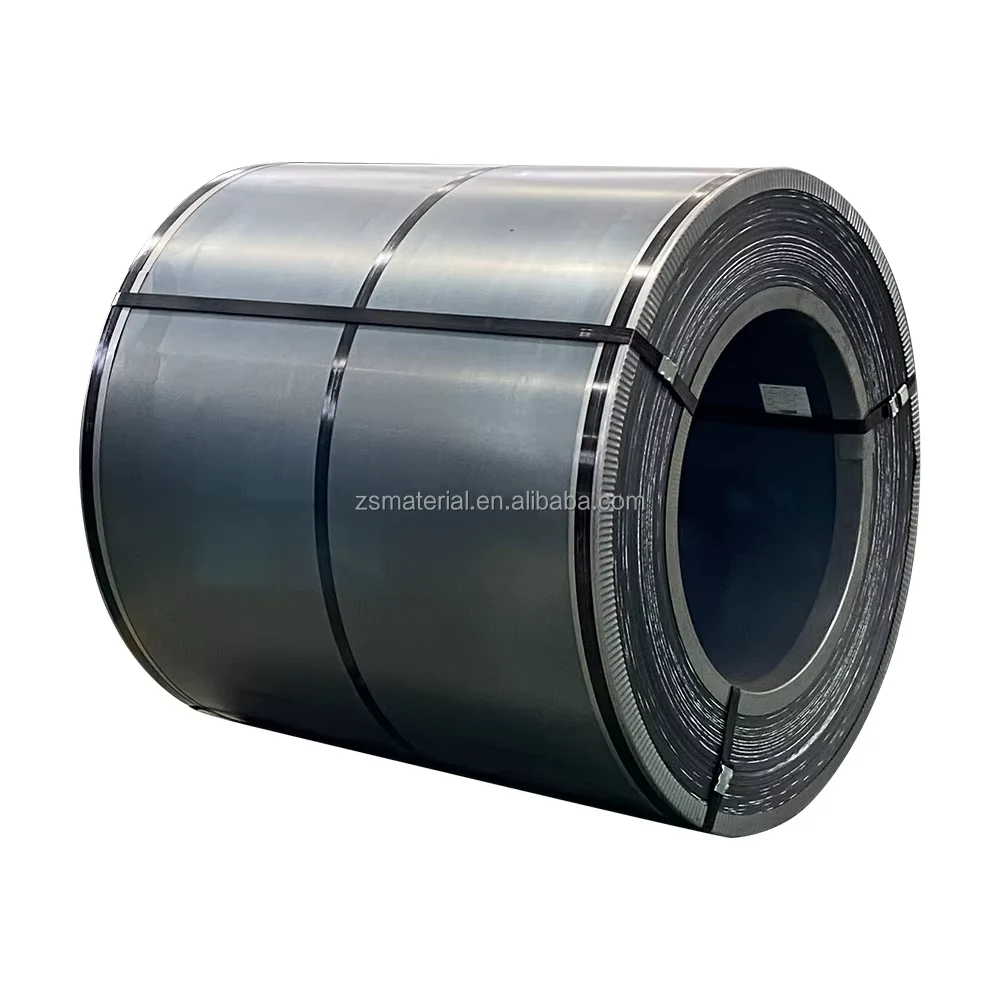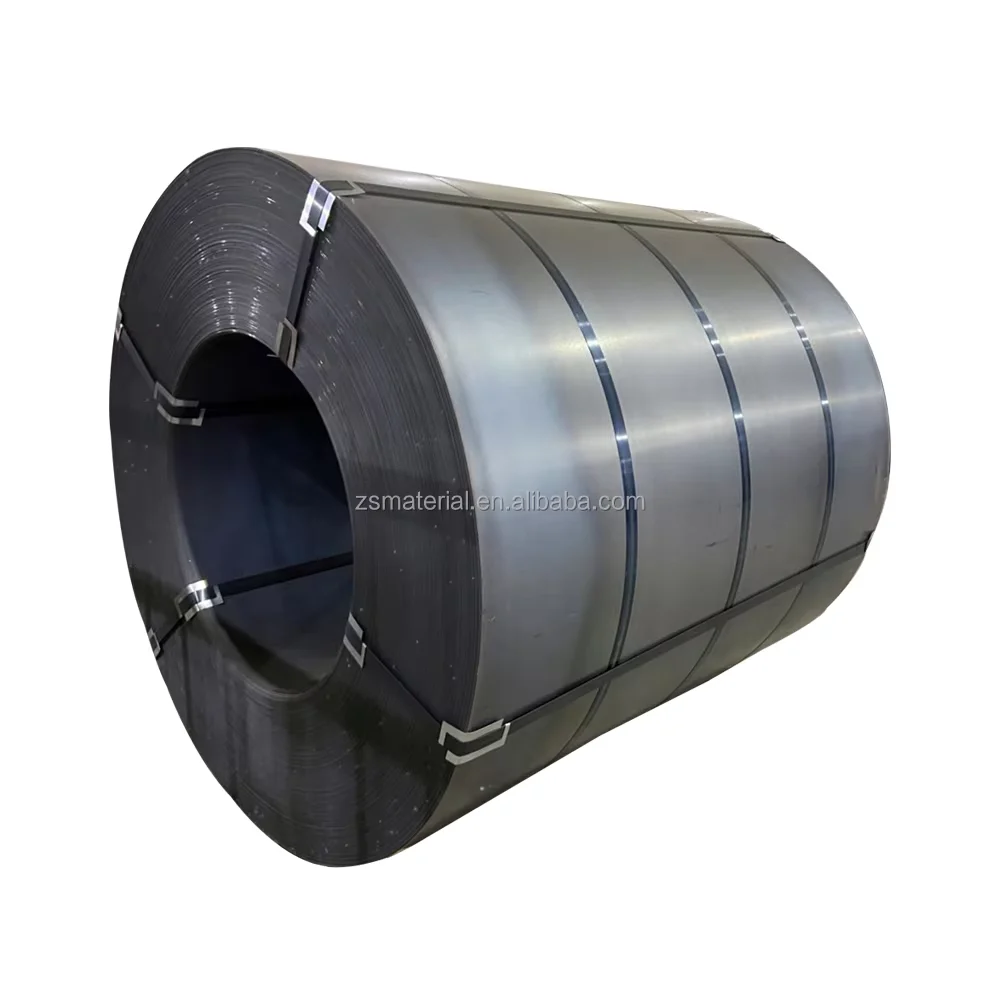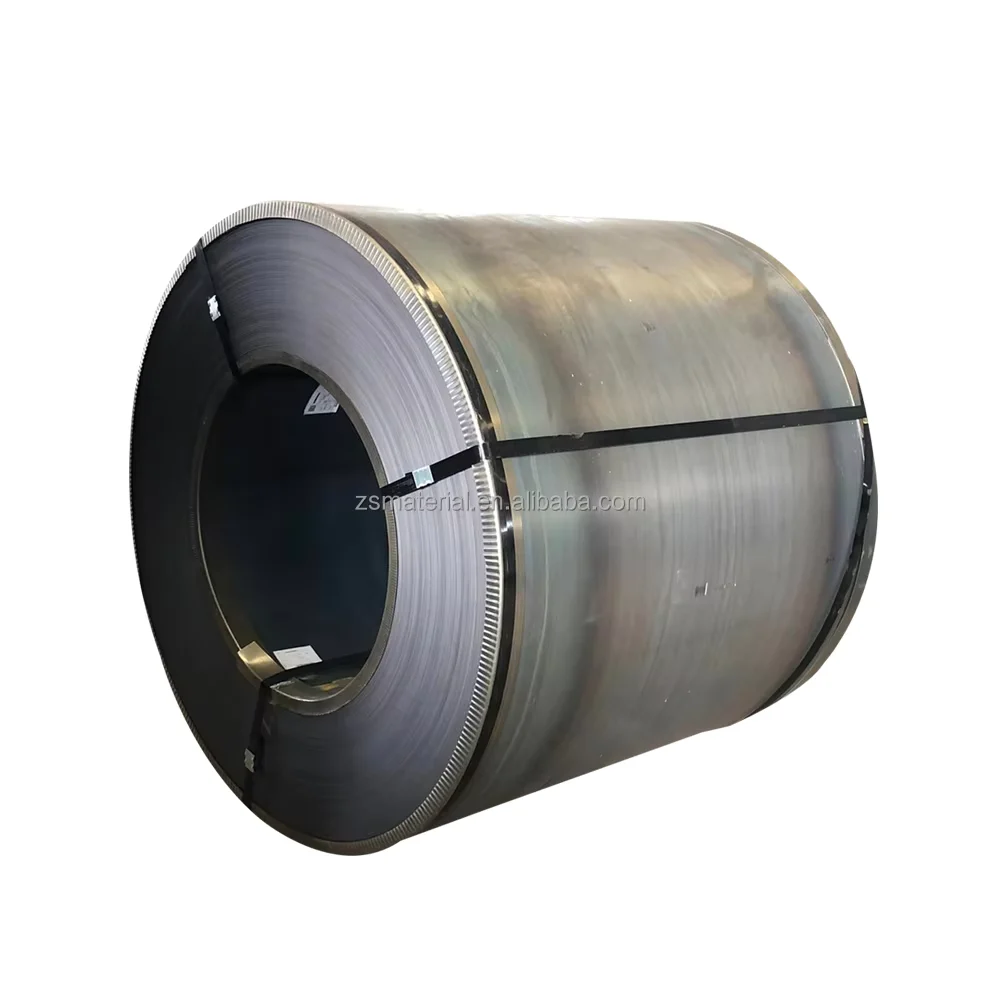
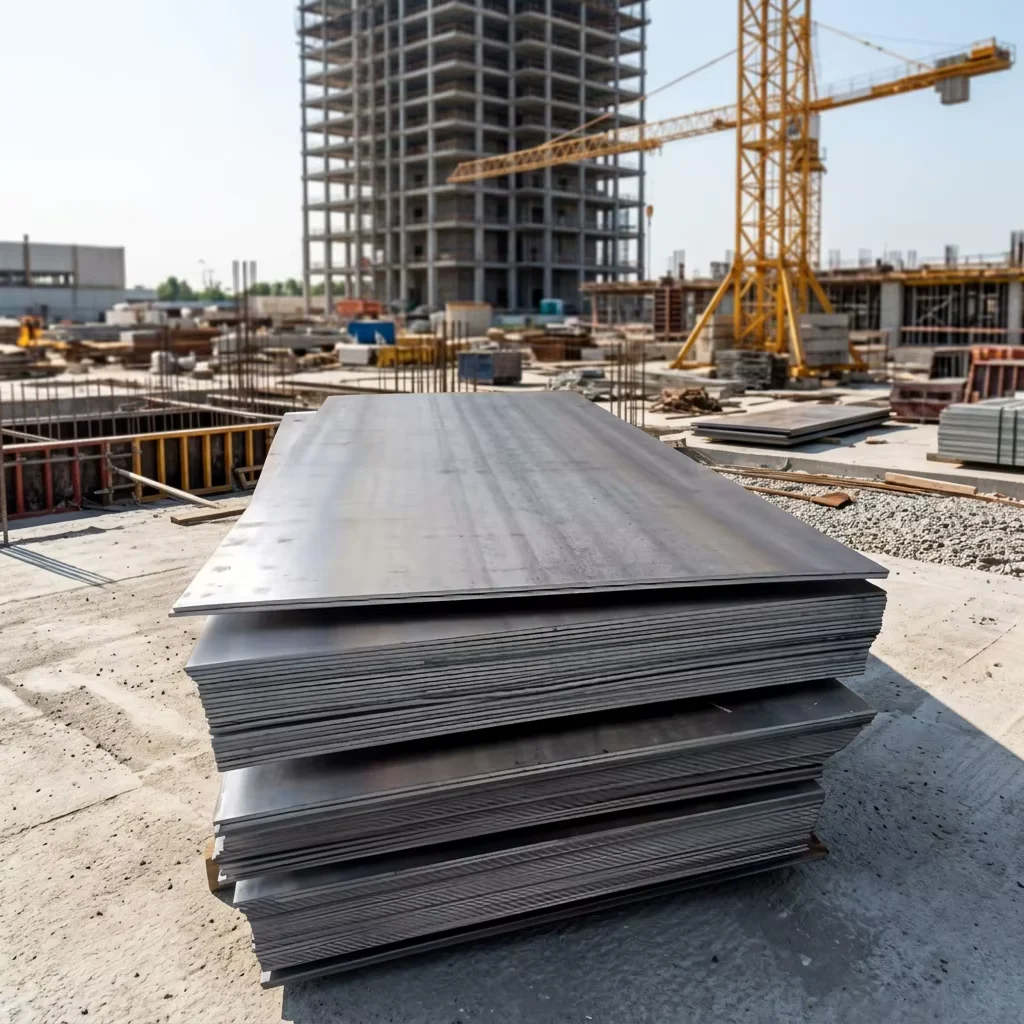
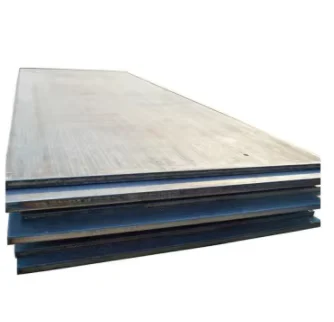

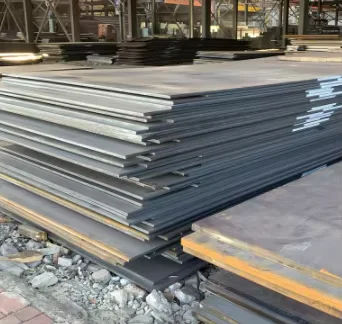

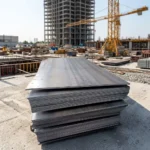




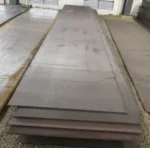
Description
Factory-direct NM400/NM500 supply — Every batch ships with original heat treatment curves and hardness test reports verified before container sealing.
Technical Specifications
| Parameter | Value |
|---|---|
| Designation | NM400/NM500 Wear Resistant Steel Plate |
| Product Type | Steel Plate |
| Steel Grade | NM400, NM500 |
| Standard | JIS, ASTM, DIN |
| Thickness | 12mm |
| Technique | Hot Rolled |
| Surface Treatment | Hot Rolled, Coated |
| Processing Service | Cutting |
| Application | Mining equipment / Construction machinery / Industrial wear parts / Bulk material handling systems |
Application Suitability
| Industry | Typical Applications |
|---|---|
| Mining & Quarrying | Excavator bucket liners, crusher jaws, conveyor skirting, dump truck bed liners |
| Construction Machinery | Loader blades, grader moldboards, bulldozer cutting edges |
| Industrial Wear Parts | Chute liners, hopper walls, screw conveyor flights, fan impellers |
| Bulk Material Handling | Silo discharge gates, vibrating screen panels, transfer point wear plates |
What Hardness Inconsistency Costs When NM400 NM500 Wear Resistant Steel Plate Reaches Site
Hardness deviation beyond HB30 triggers premature wear failure and unplanned equipment shutdown.
When buyers receive wear resistant plates with surface hardness readings below the NM400 or NM500 threshold, the plates wear through within weeks instead of months. The root cause often traces back to quenching and tempering cycles where return temperature drifted outside the acceptable window — a defect invisible to visual inspection and uncatchable without on-site hardness testing. Global procurement teams sourcing from multiple mills face compounded risk: each batch may carry different thermal histories, making consistent performance across a single machine build nearly impossible without independent verification. [NEED_CITE: hardness testing methods for quenched and tempered wear resistant steel per ASTM A370]
How 12mm Hot Rolled NM400 NM500 Wear Resistant Steel Plate Matches Mining and Machinery Applications
Mining equipment liners and construction machinery cutting edges demand plates that resist abrasive wear while maintaining enough toughness to avoid cracking under impact loading. The NM400 grade delivers approximately 400 HBW surface hardness suitable for moderate-abrasion environments like coal conveyors and aggregate chutes, while NM500 pushes toward 500 HBW for high-abrasion applications including iron ore transfer points and rock crusher liners. Hot rolled surface condition preserves the full as-quenched microstructure, and the 12mm thickness balances wear life against weight constraints on mobile equipment. Our cutting service delivers plates to exact contour dimensions, eliminating on-site thermal cutting that would destroy the heat-affected zone hardness.
Engineering Compliance and Certification Requirements for Wear Resistant Plate Procurement
Wear resistant steel plate orders for international projects must satisfy both material standards and customs documentation requirements simultaneously. JIS, ASTM, and DIN standards each define acceptable hardness ranges, chemical composition limits, and testing protocols differently — a plate conforming to NM500 under Chinese GB/T standards may require supplementary testing documentation to satisfy ASTM-equivalent specifications for North American end users. Third-party inspection by SGS or BV provides independent hardness verification that satisfies both project engineers and customs authorities. [NEED_CITE: international equivalence of wear resistant steel grade specifications]
Steel Grade Selection and Heat Treatment Process: NM400 vs NM500
The numerical designation in NM400 and NM500 refers to Brinell hardness values — approximately 400 HBW and 500 HBW respectively — achieved through controlled quenching and tempering after hot rolling. Higher hardness in NM500 delivers superior abrasion resistance but reduces formability and weldability compared to NM400, making grade selection dependent on the specific wear mechanism and fabrication requirements of the application. The heat treatment cycle — austenitizing temperature, quenching medium, and tempering duration — determines final hardness distribution through the plate cross-section. Inconsistent tempering temperatures produce hardness gradients where the surface meets specification but the interior falls short, leading to unpredictable wear patterns and potential subsurface cracking under cyclic loading.
Hidden Costs of Procuring Wear Resistant Plate Without Hardness Verification
Plates arriving at site with hardness below specification create costs that far exceed the initial purchase price differential. Equipment downtime for liner replacement, expedited air freight for replacement plates, and project schedule delays compound quickly when wear parts fail prematurely. Customs authorities in multiple jurisdictions require material test certificates demonstrating compliance with stated hardness grades — missing or incomplete documentation triggers inspection holds and demurrage charges. [NEED_CITE: consequences of non-conforming material certificates in steel import customs clearance]
Procurement Advantages: In-House Hardness Testing and Full Traceability
Every NM400 NM500 wear resistant steel plate batch undergoes hardness testing using calibrated Brinell equipment in our in-house laboratory before release. We retain original heat treatment furnace curves for every charge, providing traceability from raw plate through final inspection. Our factory-direct pricing eliminates intermediary markups while maintaining full documentation packages including mill test certificates with chemical composition, mechanical properties, and hardness readings. Third-party inspection by SGS or BV is available for buyers requiring independent verification, and our export team handles complete customs documentation including certificates of origin and packing lists optimized for container loading.
Documentation & Compliance
- Mill test certificate documenting NM400/NM500 chemical composition (C, Si, Mn, P, S, Cr, Mo) and Brinell hardness values per heat number
- Hardness test report with Brinell indentation readings across plate surface confirming NM400 (≥370 HBW) or NM500 (≥470 HBW) compliance
- Original heat treatment furnace curve showing austenitizing, quenching, and tempering parameters for full process traceability
- SGS or BV third-party inspection report available for independent hardness verification and dimensional inspection
- ISO 9001:2015 quality management certificate covering production and testing processes
- Export documentation package including commercial invoice, packing list, bill of lading, and certificate of origin
Packaging, Loading & Delivery
- NM400/NM500 plates bundled with steel straps and edge protectors to prevent coating damage and edge deformation during ocean transit
- Hot rolled surface plates coated with anti-rust oil to prevent corrosion during storage and shipping
- Custom cutting dimensions nested for optimal container utilization, maximizing payload per 20ft or 40ft shipment
- Each plate marked with heat number, steel grade (NM400/NM500), thickness, and purchase order reference for site identification
- FOB, CIF, and DDP shipping terms available with professional container loading plans optimized for 12mm plate weight distribution
- Typical production lead times apply for standard specifications; custom cutting orders require additional processing time
Request Quotation with Hardness Test Reports and Mill Certificates
Submit your NM400 NM500 wear resistant steel plate requirements including thickness, dimensions, quantity, steel grade preference, and destination port to receive competitive factory-direct pricing with complete mill test certificates and hardness verification reports. Our team responds within hours with quotation including cutting service options, third-party inspection availability, and estimated delivery schedule.
Start Your NM400 NM500 Wear Resistant Steel Plate Inquiry
Send specifications via email to admin@sdxinjiyuan.com or contact via WhatsApp at +86 188 5315 7756 for immediate quotation with hardness test documentation.
Frequently Asked Questions
Q: How do I choose between NM400 and NM500 for my application?
A: NM400 provides approximately 400 HBW hardness suitable for moderate abrasion applications like coal handling and aggregate processing, offering better formability and weldability. NM500 delivers approximately 500 HBW for high-abrasion environments including iron ore processing and rock crushing, but requires careful welding procedures to avoid heat-affected zone softening.
Q: What certifications are provided for customs clearance and project compliance?
A: Each shipment includes mill test certificates documenting chemical composition and Brinell hardness per heat number, ISO 9001:2015 quality certificate, and complete export documentation. SGS or BV third-party inspection reports are available for independent verification required by project specifications or importing country regulations.
Q: Can you provide custom cutting sizes and what is the tolerance?
A: Yes, we provide precision cutting service for NM400 NM500 wear resistant steel plate to your specified dimensions. Cutting tolerance and minimum order quantities depend on part complexity and quantity — submit drawings or specifications for detailed quotation including nesting optimization for container loading.
Q: How do you ensure material traceability and batch consistency?
A: Every plate is marked with heat number for full traceability. We retain original heat treatment furnace curves and hardness test reports for each batch. Our in-house laboratory conducts Brinell hardness testing before release, and third-party inspection by SGS or BV is available for independent verification.