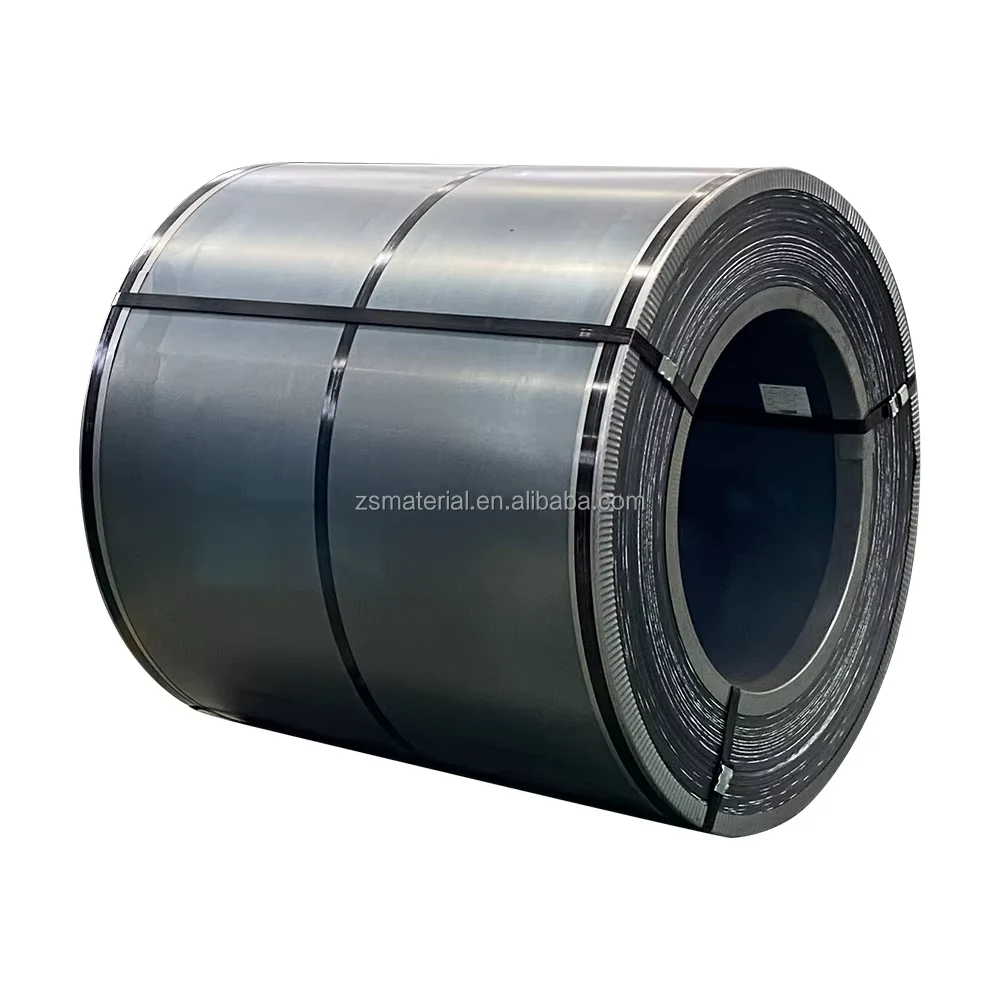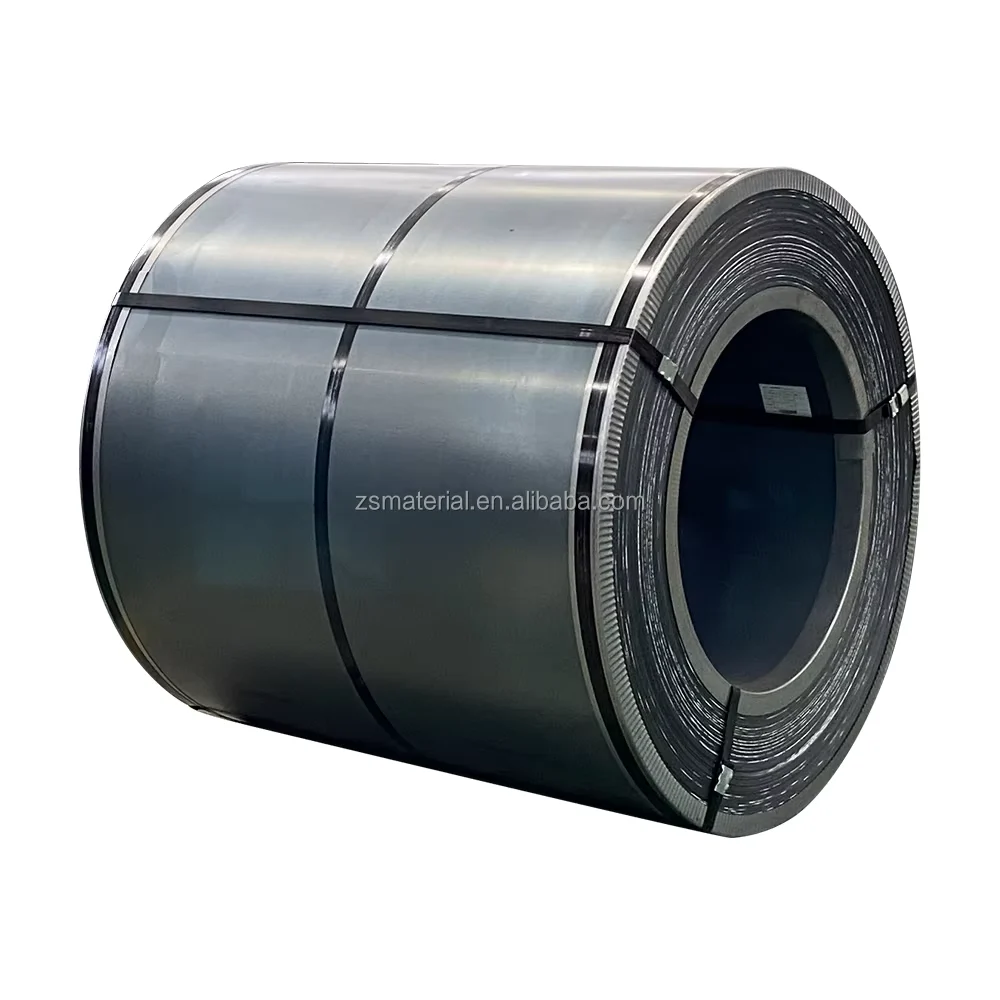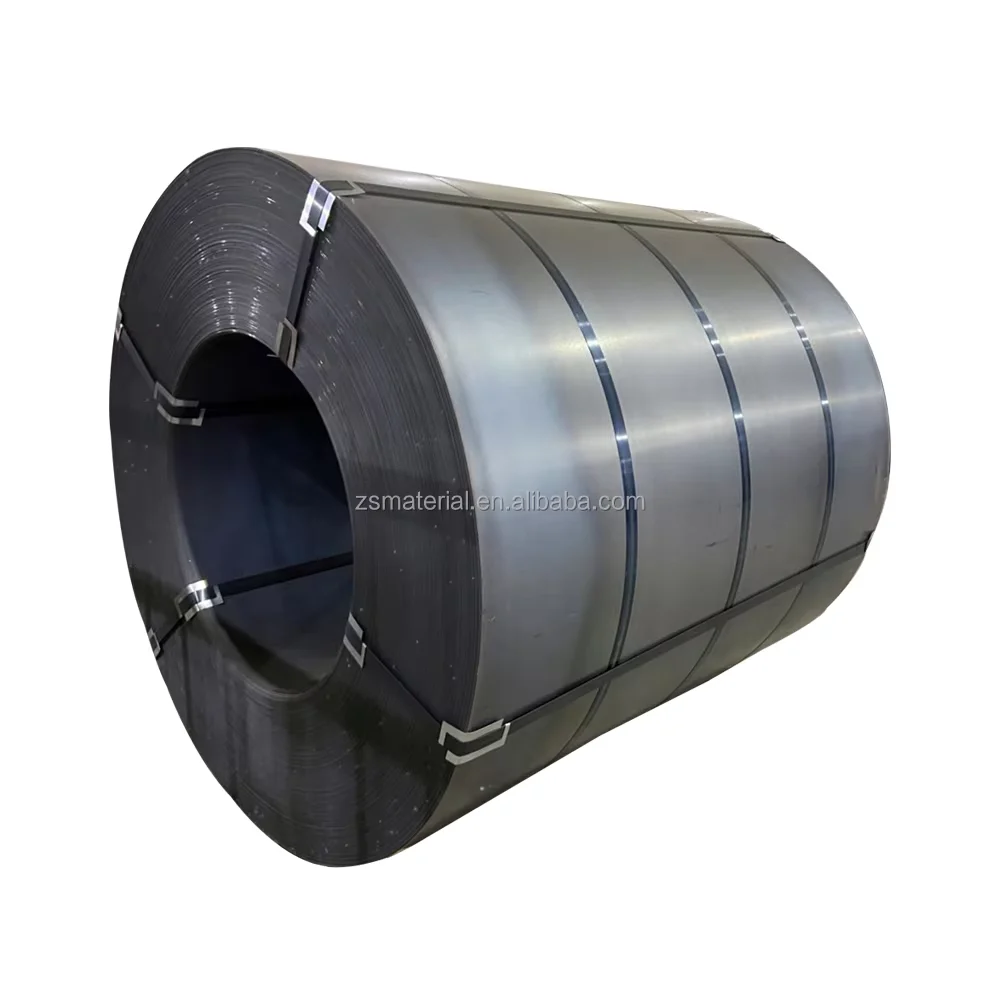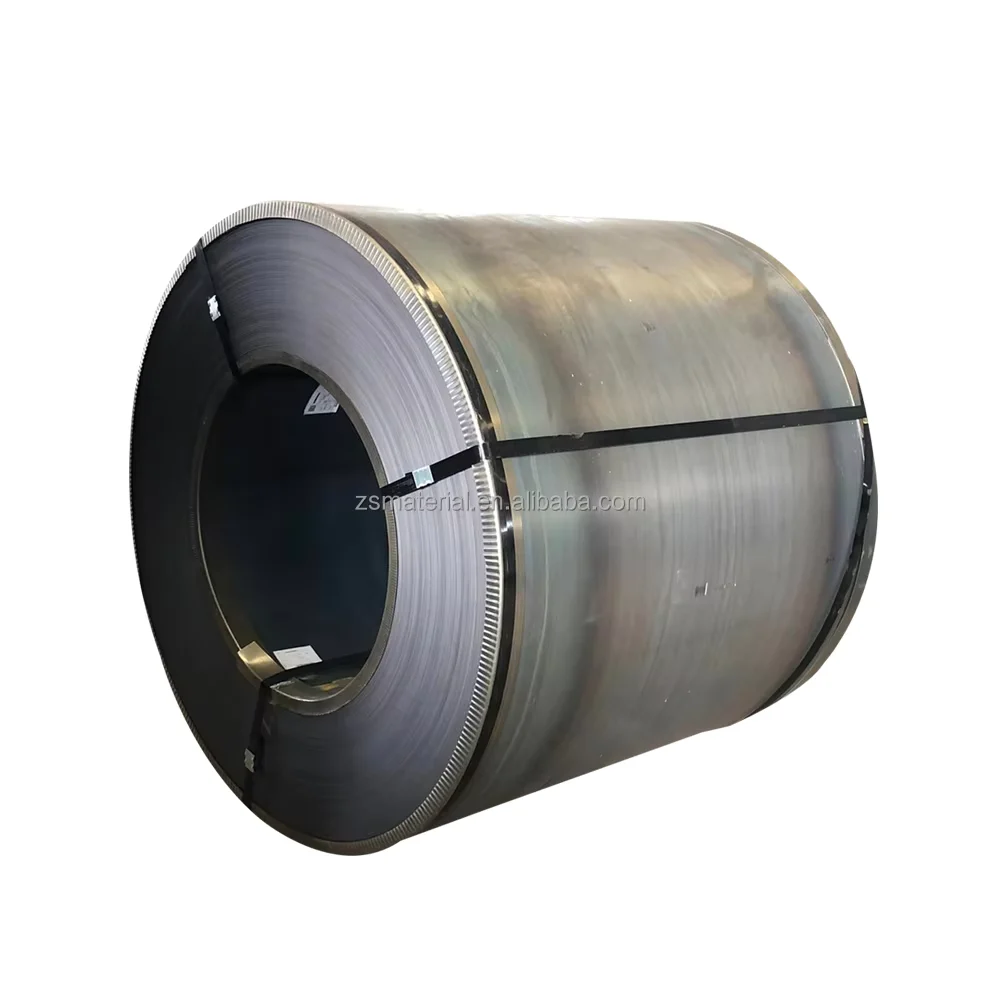
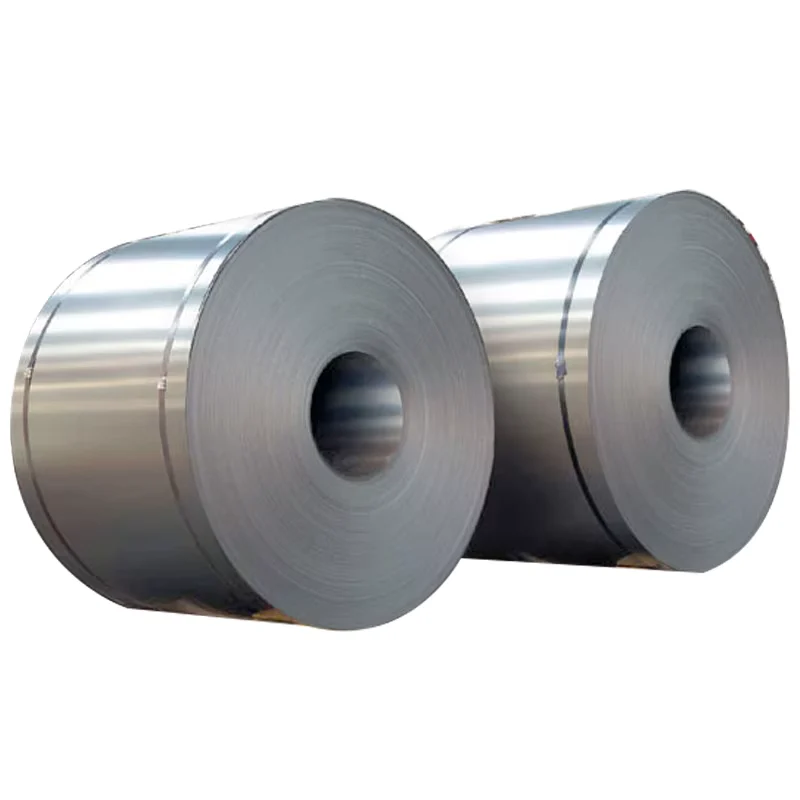
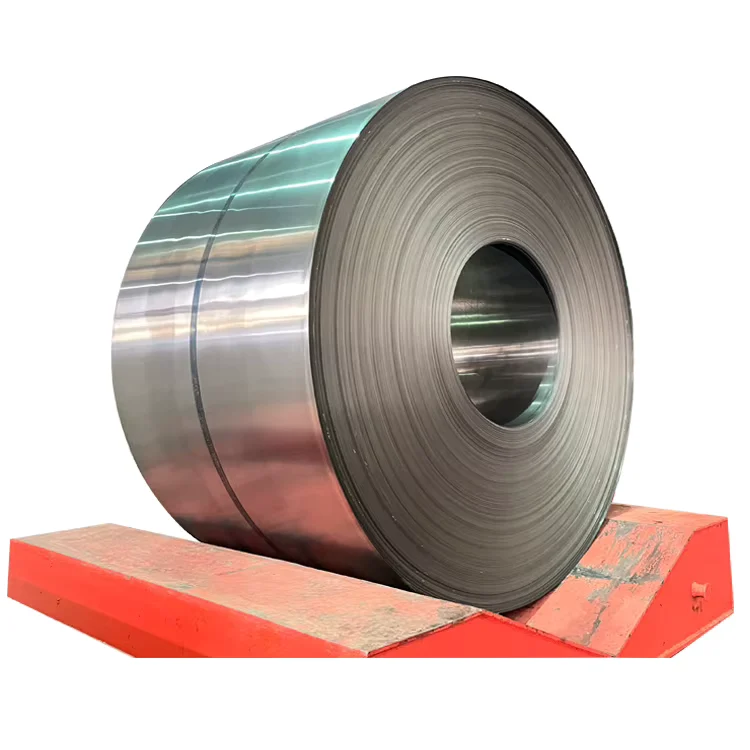
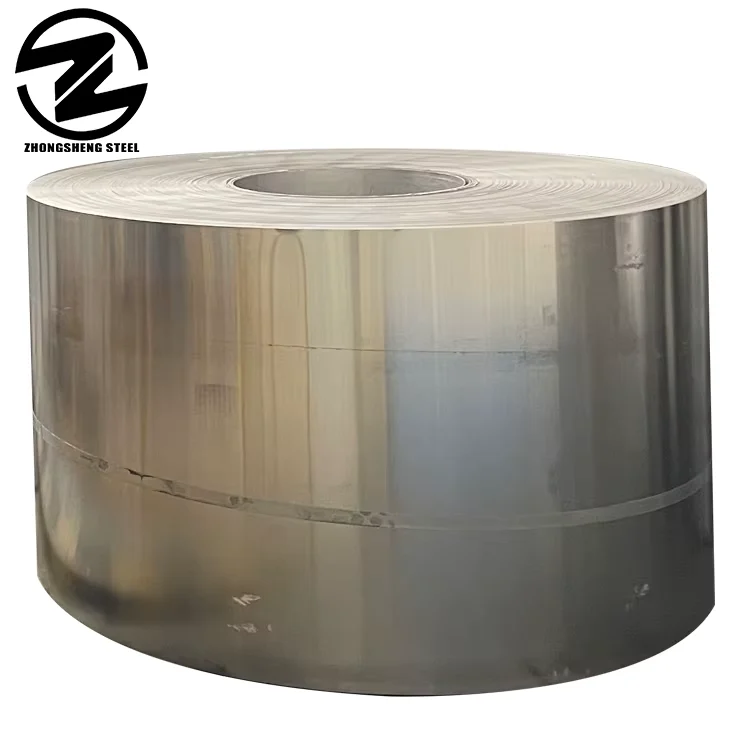
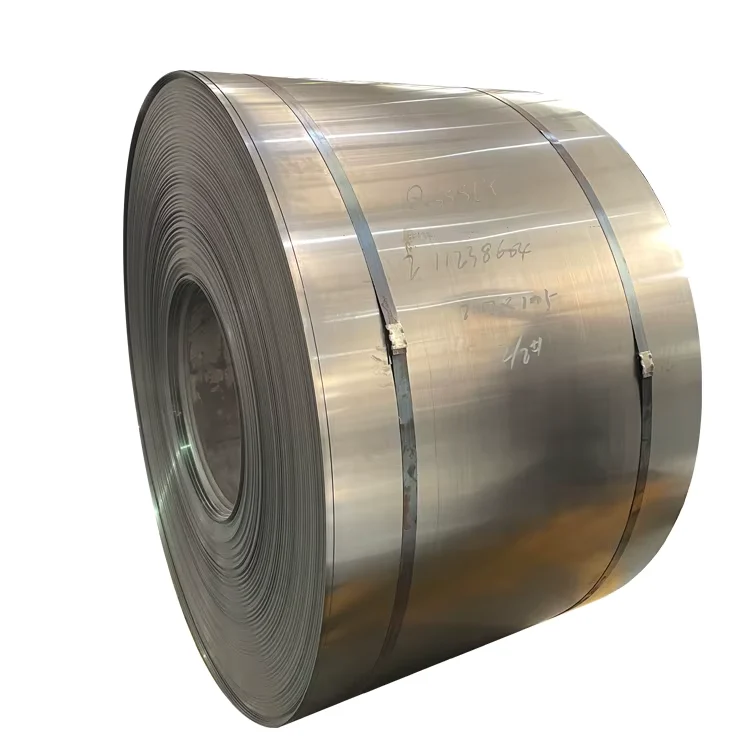
Description
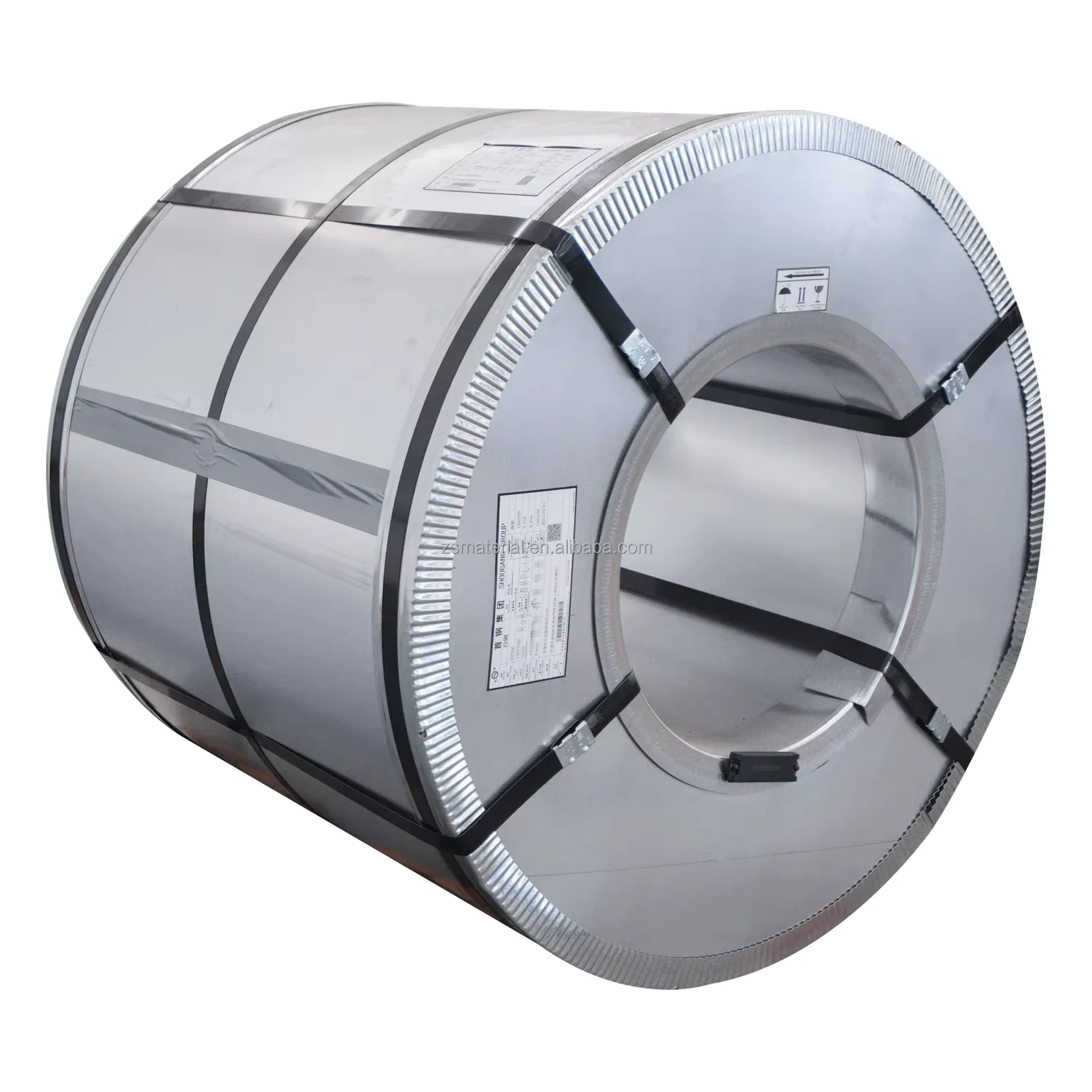
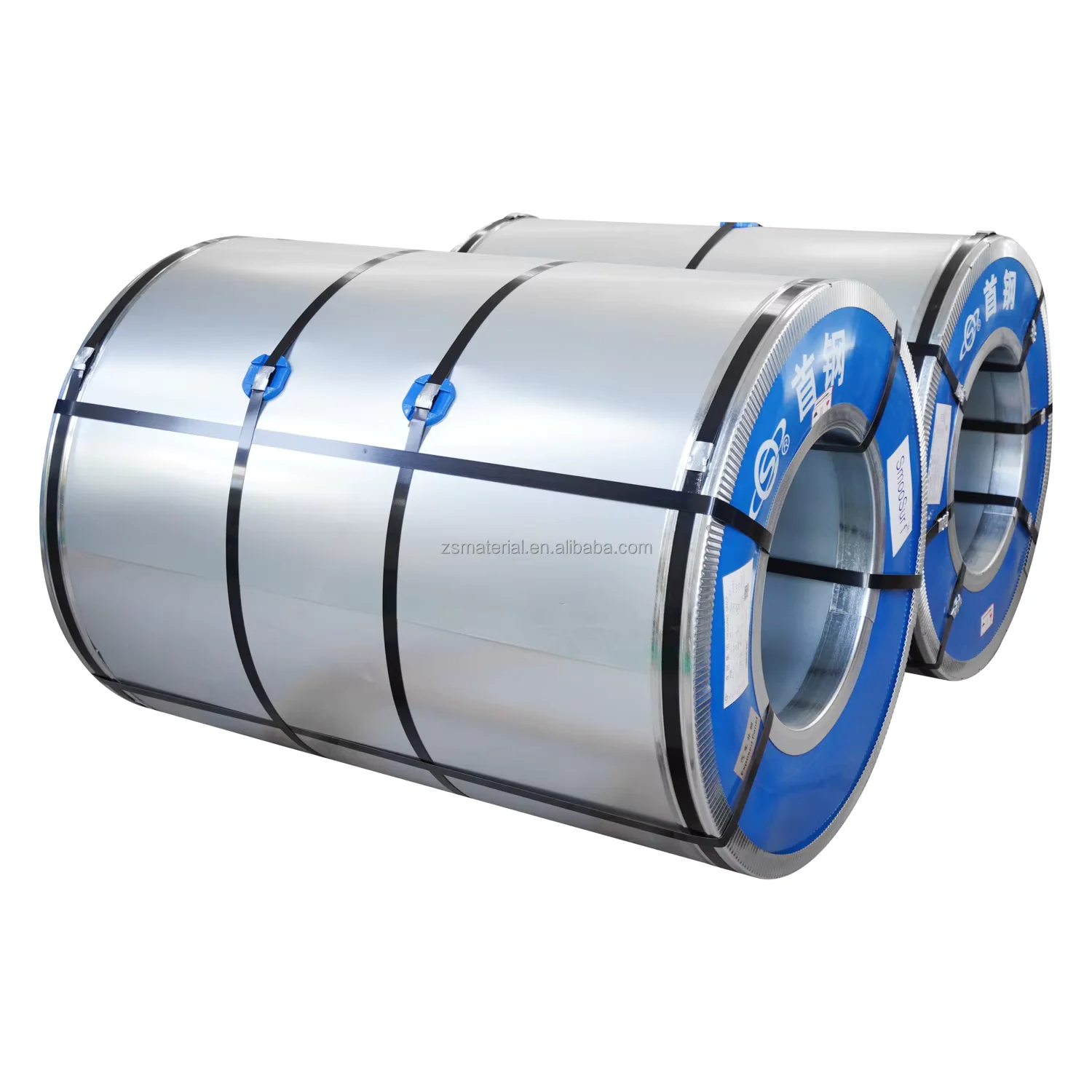
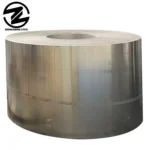
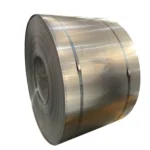
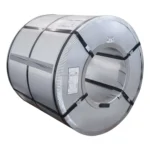
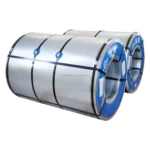
Factory-Direct CRC Supply — Every DC01 ST12 SPCC cold rolled steel coil ships with original mill test certificates and factory pricing, no trading markup.
Technical Specifications
| Parameter | Value |
|---|---|
| Designation | CRC DC01 / ST12 / SPCC Cold Rolled Steel Coil |
| Product Type | Steel Coil |
| Steel Grade | DC01, ST12, SPCC |
| Standard | GB/T 5213, DIN EN 10130, JIS G3141 |
| Section Shape | Coil |
| Size Range | Thickness 0.2–3 mm, Width 600–3000 mm |
| Length | Coil / According to customer requirements |
| Weight per Coil | 8–35 MT |
| Technique | Cold Rolled |
| Surface Treatment | Annealed / Black / Full Hard / Half Hard / 2B Finish |
| Packaging | Export standard, seaworthy |
| Application | Tube deep drawing, automotive parts, home appliance shells, roof panels, civil chimneys, kitchen appliances, food storage equipment, packaging |
| MOQ | 1 Ton |
| Origin | China |
Application Suitability
| Industry | Typical Applications |
|---|---|
| Tube & Pipe Manufacturing | ERW tube mills producing structural tubes, furniture tubes, and exhaust pipes from slit CRC strips |
| Automotive | Body panels, chassis brackets, and formed structural components requiring deep drawing grades |
| Home Appliances | Outer shells for washing machines, refrigerators, air conditioner housings, and microwave enclosures |
| Construction & Light Industry | Roof panels, roof grilles, civil chimneys, and ventilation ductwork |
| Food & Packaging | Food storage tanks, transportation equipment, and metal packaging containers |
Why Hardness Consistency Matters More Than Price on a Deep Drawing Order
A single batch of half-hard material mixed into an annealed DC01 order can crack an entire production run at the tube mill.
When procurement teams source CRC DC01 SPCC cold rolled steel coil for tube deep drawing or appliance shell forming, the hardness state — annealed, half hard, or full hard — directly determines whether the material will form without cracking. Suppliers who ship mixed hardness states or fail to declare the exact condition create downstream failures that cost far more than the price difference between grades. Material traceability gaps mean a single coil with incorrect mechanical properties can halt an entire production line, and the claim process rarely recovers the full cost of lost production time. [NEED_CITE: cold rolled steel hardness classification and forming suitability]
How DC01 ST12 SPCC Cold Rolled Steel Coil Matches Downstream Forming Requirements
The cold rolling process produces tighter thickness tolerance and smoother surface finish compared to hot-rolled equivalents, which directly benefits applications requiring precise forming and consistent paint adhesion. For tube mills running ERW lines, slit coils from CRC DC01 SPCC cold rolled steel coil deliver the edge quality and dimensional consistency needed to maintain weld integrity at high line speeds. Appliance manufacturers forming complex shell geometries depend on the uniform elongation properties of DC01 grade to avoid localized thinning and surface defects during deep drawing operations.
Engineering Compliance and Surface Treatment Selection
Cold rolled coils in DC01, ST12, and SPCC grades serve different forming depth requirements — DC01 meets DIN EN 10130 for deep drawing applications, ST12 conforms to the same standard for general forming, while SPCC follows JIS G3141 for commercial quality forming. The choice between annealed black, half hard, full hard, and 2B finish depends on downstream processing: annealed material suits immediate deep drawing, full hard requires further annealing before forming, and 2B finish provides a uniform surface for direct painting or electroplating. Projects targeting European markets must verify that material documentation meets EN 10130 requirements for chemical composition and mechanical properties, while shipments to Japan-bound supply chains follow JIS G3141 marking and testing protocols. [NEED_CITE: EN 10130 cold rolled steel flat products requirements]
Steel Grade Selection and Cold Rolling Process Fundamentals
DC01, ST12, and SPCC represent equivalent deep drawing grades across different standard systems — DC01 (EN), ST12 (legacy EN/DIN), and SPCC (JIS) — all designed for applications requiring good formability without cracking. The cold rolling process reduces hot-rolled coil thickness through room-temperature reduction, increasing strength while improving surface finish and dimensional accuracy. Annealing after cold rolling restores ductility for deep drawing applications, while full hard coils skip this step to deliver maximum strength for roll-forming applications where forming severity is low. Thickness tolerance on cold rolled products is significantly tighter than hot rolled equivalents, typically holding within ±0.02–0.05 mm depending on width and thickness, which matters when downstream operations depend on consistent material feed. Surface finish options — from mill black to 2B bright — determine whether the coil requires additional surface treatment before painting, galvanizing, or direct use in visible applications.
Hidden Costs of Incorrect Hardness and Missing Certification
Ordering CRC DC01 SPCC cold rolled steel coil without verifying hardness state and mill test certificate traceability creates exposure to production failures and customs delays. Material shipped as half hard when annealed was specified will crack during deep drawing, generating scrap costs that exceed the original material value many times over. Missing or incomplete mill certificates cause customs holds in markets requiring EN or JIS compliance documentation, while untraceable heat numbers prevent proper material certification for structural applications. The cost of re-inspection, re-testing, and emergency air freight for replacement material typically dwarfs any initial price savings from unverified sources. [NEED_CITE: steel mill test certificate requirements for import customs clearance]
Procurement Confidence Through Direct Factory Supply
Every CRC DC01 SPCC cold rolled steel coil ships directly from our production lines with no trading intermediary, meaning volume pricing reflects actual manufacturing cost rather than layered margins. Our in-house laboratory conducts three-stage inspection from raw material through final coil, with every heat number traceable to original mill test certificates documenting chemical composition and processing history. With over 2,800 specifications maintained in ready stock, we fulfill urgent split shipments and custom slit-to-width orders without the typical lead time penalties. Third-party inspection through SGS or BV is available on request for buyers requiring independent verification before shipment. Professional export documentation handling ensures complete customs clearance packages including packing lists, bills of lading, and certificates of origin tailored to destination country requirements.
Documentation & Compliance
- Mill test certificate documenting DC01 / ST12 / SPCC chemical composition and processing history per GB/T 5213, DIN EN 10130, or JIS G3141, traceable to original heat number
- ISO 9001:2015 quality management certificate covering cold rolling, annealing, and finishing processes
- SGS or BV third-party inspection report available upon request, covering dimensional verification, surface quality, and hardness testing
- Material traceability documentation linking each coil to production heat number, cold rolling pass schedule, and annealing batch record
- Complete customs documentation package including packing list, bill of lading, and certificate of origin formatted for destination country requirements
Packaging, Loading & Delivery
- Cold rolled coils packed in export-standard seaworthy packaging with steel strip banding and edge protectors to prevent coil edge damage during ocean transit
- Surface protection maintained through appropriate oiling or protective wrapping based on finish type — annealed black coils receive anti-rust oil treatment, while 2B finish coils use protective interleaving to preserve surface quality
- Container loading optimized for coil weight distribution, with 8–35 MT coils positioned to maximize payload while maintaining axle weight limits at destination
- Custom slit widths available from 600–3000 mm master coils, with precise width tolerance maintained through slitting line calibration
- Heat number and steel grade clearly marked on each coil ID tag and outer packaging for immediate identification during receiving inspection
- FOB, CIF, and DDP shipping terms available with professional logistics coordination for door-to-door delivery to project sites or warehouse facilities
Securing Your CRC Supply with Verified Documentation
Submit your specification requirements — thickness, width, steel grade, hardness state, and destination port — to receive competitive factory-direct pricing with complete mill test certificate documentation. Our team responds within hours with detailed quotations covering custom slit widths, volume pricing tiers, and production lead times tailored to your procurement schedule.
Start Your CRC Procurement
Send your cold rolled coil specifications and quantity requirements to receive factory-direct pricing with full mill test certificate traceability.
Company: Shandong Xin Jiyuan Special Steel Tube Co., Ltd
Website: www.sdxinjiyuan.com
Tel: +86 531 8573 6315
Mobile/WhatsApp/WeChat: +86 188 5315 7756
Email: admin@sdxinjiyuan.com
Address: No.11889, Jingshi West Road, Lulian Group, Jinan City, Shandong Province, China
Frequently Asked Questions
Q: What is the difference between DC01, ST12, and SPCC, and which should I choose for deep drawing?
A: DC01, ST12, and SPCC are equivalent deep drawing grades across different standard systems. DC01 follows DIN EN 10130, ST12 is the legacy designation in the same standard, and SPCC conforms to JIS G3141. All three provide good formability for deep drawing applications. DC01 is typically specified for European markets, SPCC for Japanese-standard supply chains, while ST12 appears in older specifications. The choice depends on your destination market documentation requirements and downstream customer specifications.
Q: Can you provide original mill test certificates and accept third-party inspection?
A: Yes, every CRC DC01 ST12 SPCC cold rolled steel coil ships with original mill test certificates documenting chemical composition and processing history, traceable to the production heat number. We accept SGS or BV third-party inspection on request, conducted before shipment at our facility. The inspection covers dimensional verification, surface quality assessment, and hardness testing per your specified standard requirements.
Q: Can you slit coils to my exact width requirement, and what is the minimum order quantity?
A: We slit master coils (600–3000 mm width) to your exact width requirements with precise tolerance maintained through calibrated slitting lines. The minimum order quantity is 1 Ton, supporting both trial orders and full-container bulk procurement. Custom slit widths are available for standard and non-standard dimensions, with ready stock maintained for common specifications to support urgent delivery requirements.
Q: What is the difference between annealed black, full hard, half hard, and 2B finish?
A: Annealed black finish provides maximum ductility for immediate deep drawing without further processing. Full hard coils have not undergone annealing after cold rolling, offering maximum strength for roll-forming applications with low forming severity. Half hard represents an intermediate condition between full hard and fully annealed. 2B finish provides a bright, uniform surface suitable for direct painting, electroplating, or visible applications. The choice depends on your downstream forming requirements and surface quality needs.
Q: How are cold rolled coils packed for seaworthy export?
A: Coils are packed in export-standard seaworthy packaging with steel strip banding and edge protectors to prevent damage during ocean transit. Surface protection varies by finish type — annealed coils receive anti-rust oil treatment, while 2B finish coils use protective wrapping to preserve surface quality. Container loading is optimized for weight distribution, and complete customs documentation is provided for smooth clearance at destination ports.