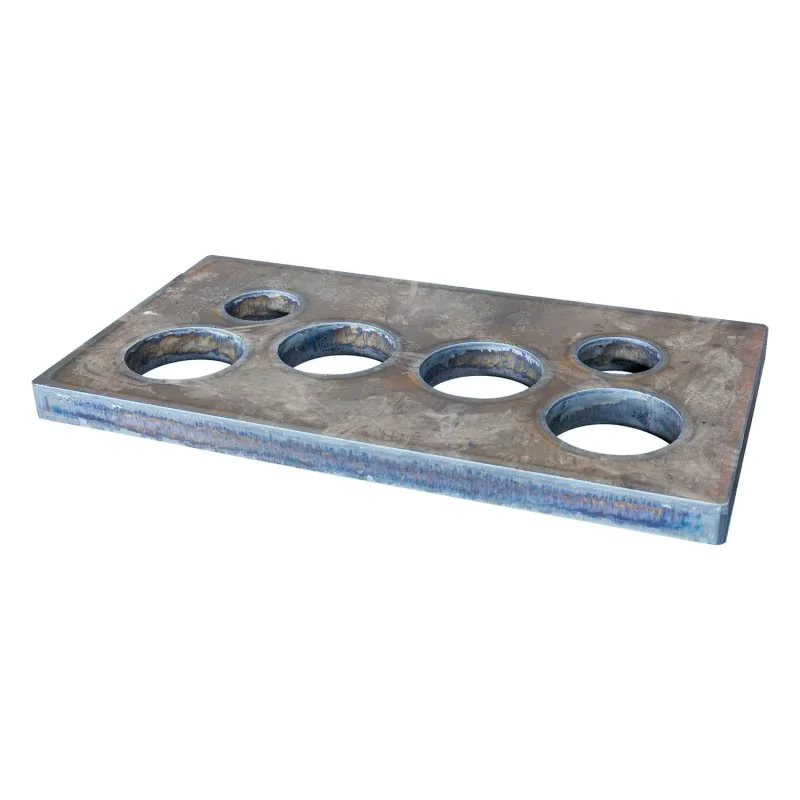
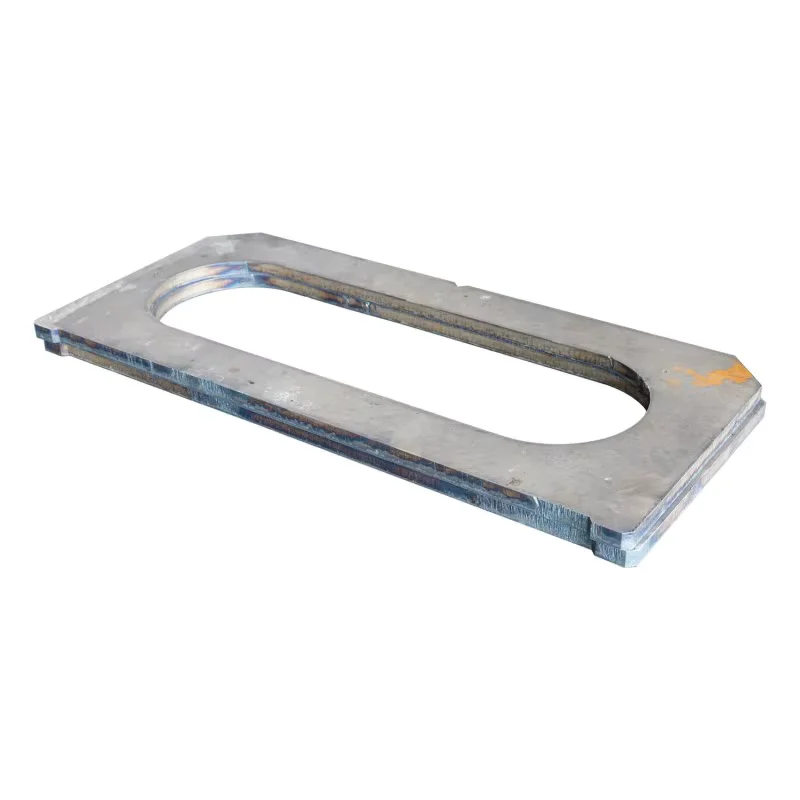
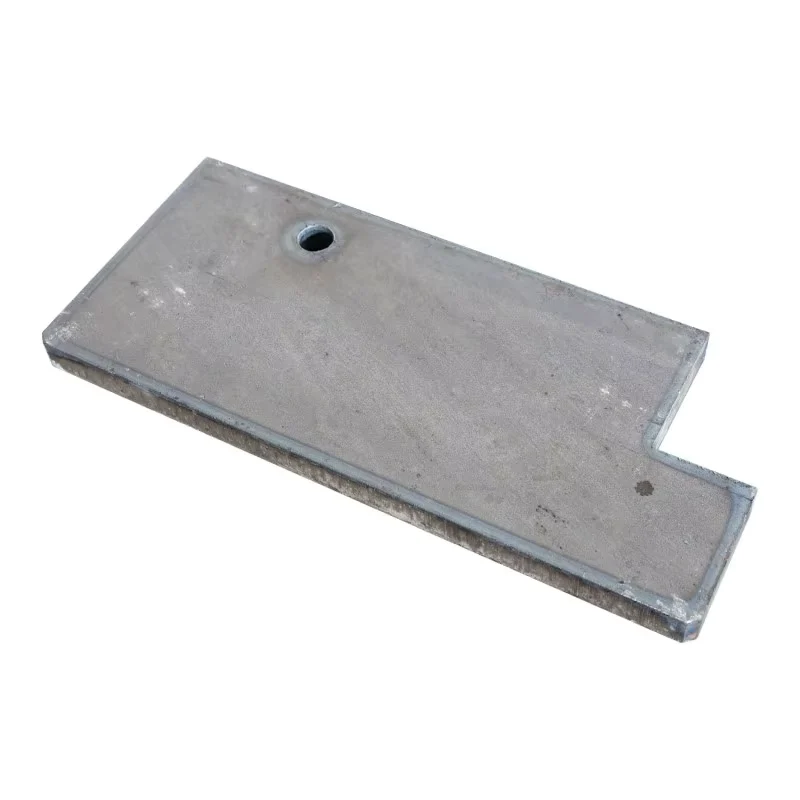
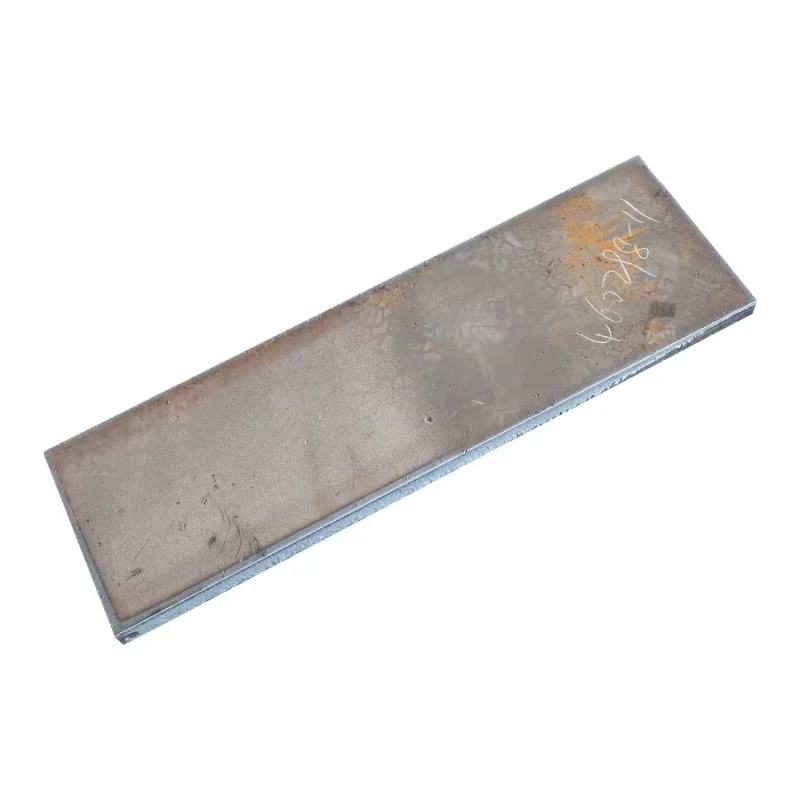
Description
Factory-Direct Laser Cutting — Every tolerance report verified on the factory floor before shipment.
Technical Specifications
| Parameter | Value |
|---|---|
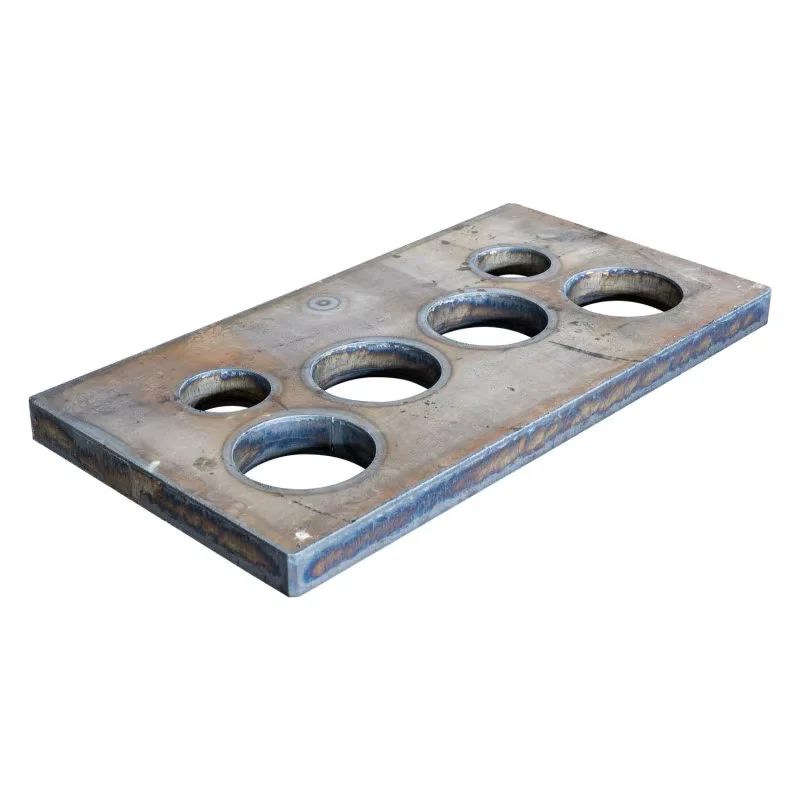
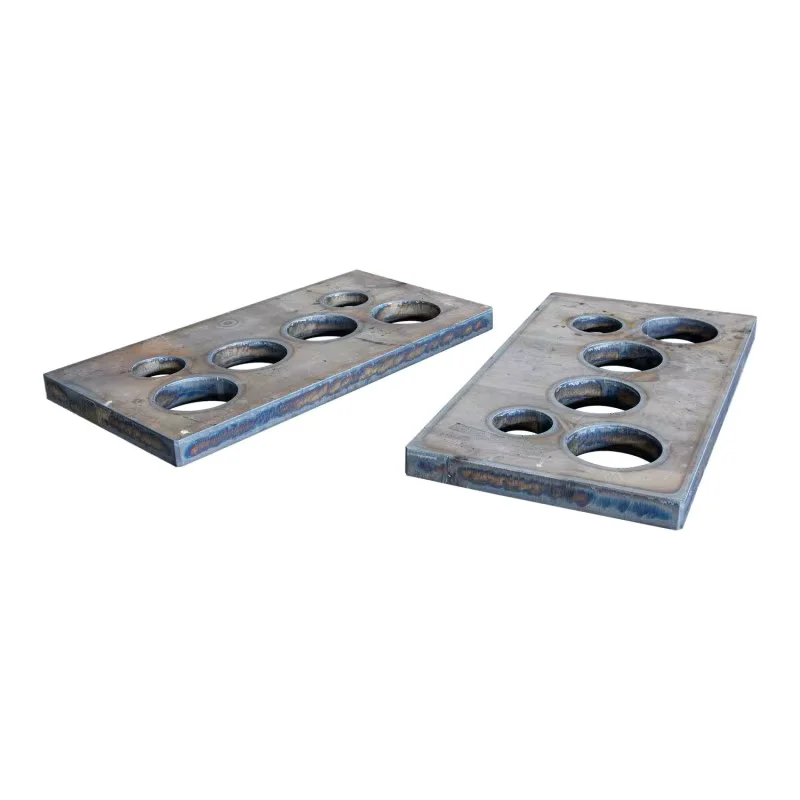
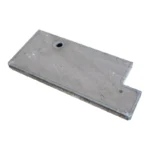
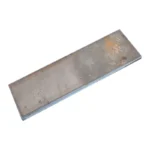
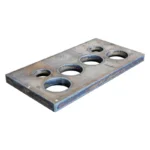
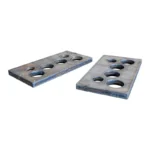
| Designation | Carbon Steel / Stainless Steel Sheet Metal Fabrication (Laser Cutting) |
| Product Type | Machined Steel Product |
| Steel Grade | Carbon Steel, Stainless Steel |
| Technique | Laser Cutting, Bending, Welding |
| Size | Customized |
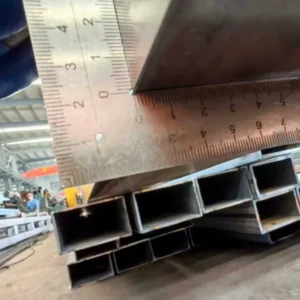
| Tolerance | +/- 0.01–0.1 mm |
| Application | Industrial equipment, Structural fabrication, Machinery components, Custom metal parts |
| MOQ | 50 pcs |
| Origin | Shandong, China |
Application Suitability
| Industry | Typical Applications |
|---|---|
| Industrial Equipment | Machine guards, conveyor frames, hopper linings, equipment enclosures |
| Structural Fabrication | Connection gussets, base plates, beam splice plates, column brackets |
| Machinery Manufacturing | Gearbox housings, mounting flanges, drive shaft brackets, hydraulic manifolds |
| Infrastructure Projects | Bridge bearing plates, anchor assemblies, ductwork supports |
Tolerance Missed by Half a Millimeter Means Re-Drilling on Scaffolding
Laser cutting precision of +/-0.01–0.1mm separates a bolt-ready part from a jobsite liability.
I once procured custom-fabricated steel brackets for a desalination plant in the Gulf. The supplier promised ±0.1mm laser cutting, but over 200 bracket plates arrived with bolt holes off by nearly 0.5mm. Steel erectors couldn’t align a single connection joint. Three weeks of re-drilling on scaffolding while the crane idled. That kind of failure doesn’t show up on a commercial invoice — it shows up in idle labor and missed milestones. When you source a custom sheet metal fabrication laser cutting supplier without verified tolerance documentation, every unmeasured micron becomes a risk your field team absorbs. [NEED_CITE: laser cutting tolerance standards for structural steel fabrication]
Matching Fabrication Precision to Structural Connection Requirements
Precision-cut plates and brackets must align with bolt patterns, weld preps, and load-bearing interfaces defined by project drawings. A custom sheet metal fabrication laser cutting supplier who controls cutting, bending, and welding under one roof eliminates the dimensional drift that occurs when parts move between subcontractors. Carbon steel components for indoor structural frames demand different edge quality than stainless steel parts exposed to corrosive environments — and the cutting parameters must adjust accordingly. We verify tolerance reports against each batch’s cutting parameters before release, not after.
Engineering Compliance and Material Traceability
Structural fabrication components must conform to project-specified steel grades and applicable codes such as EN 1993 for European projects or AISC for North American installations. Material traceability from heat number through final machining ensures every plate can be linked back to its mill certificate. For projects requiring CE marking or third-party inspection, the custom sheet metal fabrication laser cutting supplier must provide documentation that satisfies customs and site inspectors simultaneously. Custom sizes and non-standard hole patterns add complexity — but the compliance burden remains identical to catalog parts. [NEED_CITE: EN 10219 cold-formed structural hollow section fabrication requirements]
Carbon Steel vs Stainless Steel: Process and Performance Trade-offs
Carbon steel dominates structural and industrial fabrication where cost efficiency and weldability take priority. It cuts cleanly under high-power fiber lasers, produces predictable kerf widths, and accepts standard shop primers for corrosion protection. Stainless steel enters the specification when corrosion resistance, hygiene, or appearance matter — food processing equipment, marine environments, chemical plant access platforms. The laser parameters shift: lower cutting speeds, different assist gases (nitrogen for clean edges on stainless vs oxygen for carbon steel), and stricter thermal distortion control. Both materials are available through our fabrication line, with tolerance held at +/-0.01–0.1mm regardless of grade. Bending and welding follow material-specific procedures — carbon steel bends to tighter inside radii, while stainless requires attention to grain direction and springback compensation.
Hidden Costs of Unverified Fabrication Tolerances
When a supplier cannot produce mill test certificates or refuses third-party inspection, the buyer inherits every downstream risk. Material grade substitution goes undetected until a site inspector flags a spark test mismatch. Tolerance drift passes unnoticed until bolt holes fail alignment during erection. Missing CE documentation halts customs clearance for weeks while the project timeline bleeds. These are not hypothetical scenarios — they are the standard failure pattern when procurement teams select a custom sheet metal fabrication laser cutting supplier based on unit price alone. [NEED_CITE: structural steel fabrication tolerance requirements per EN 1090]
Procurement Confidence Built on Verified Process Control
Every order ships with original mill test certificates covering chemical composition and mechanical properties. Our in-house laboratory conducts three-stage inspection: incoming material verification, in-process dimensional checks, and final tolerance audit before packaging. SGS or BV third-party inspection is available for projects requiring independent validation. With over 2,800 specifications across our product range and three production lines running simultaneously, we handle both trial orders of 50 pieces and full-container bulk fabrication without compromise. Factory-direct pricing means no trading company margin sits between your budget and the production floor. Custom sizes, non-standard hole patterns, and multi-process orders (cutting plus bending plus welding) consolidate into a single shipment with optimized container loading.
Documentation & Compliance
- Mill test certificate documenting carbon steel or stainless steel chemical composition and mechanical properties per applicable standard
- CE certificate covering EN 10210/EN 10219 structural fabrication requirements for European market projects
- ISO 9001:2015 quality management certificate covering the full fabrication process from material receipt to final inspection
- SGS or BV third-party inspection report available upon request for projects requiring independent verification
- Material traceability maintained by heat number from mill coil through laser cutting, bending, and welding operations
- Complete customs documentation package including packing list, bill of lading, and certificate of origin
Packaging, Loading & Delivery
- Laser-cut carbon steel plates stacked with interleaved separators and bundled with steel straps to prevent edge damage during transit
- Stainless steel components wrapped in protective film to preserve surface finish and prevent contamination from carbon steel contact
- Custom-sized fabrication pieces loaded into containers using optimized nesting plans to maximize payload and minimize shifting
- Heat number and steel grade markings applied to each piece for on-site traceability verification
- FOB, CIF, and DDP shipping options available with professional export documentation handling
- Typical production lead times apply for custom fabrication orders, with ready stock available for standard specifications
Submit Your Drawings for a Tolerance-Verified Quote
Send your specifications — material grade, dimensions, quantities, and destination port — and receive a detailed quotation within 12 hours. Request mill test certificates, third-party inspection options, and container loading plans as part of the initial response. Our engineering team reviews each drawing for manufacturability and flags tolerance concerns before production begins.
Get Your Precision Fabrication Quote Today
Email your drawings and specifications to receive factory-direct pricing with full documentation.
Contact: admin@sdxinjiyuan.com
WhatsApp / WeChat: +86 188 5315 7756