Description
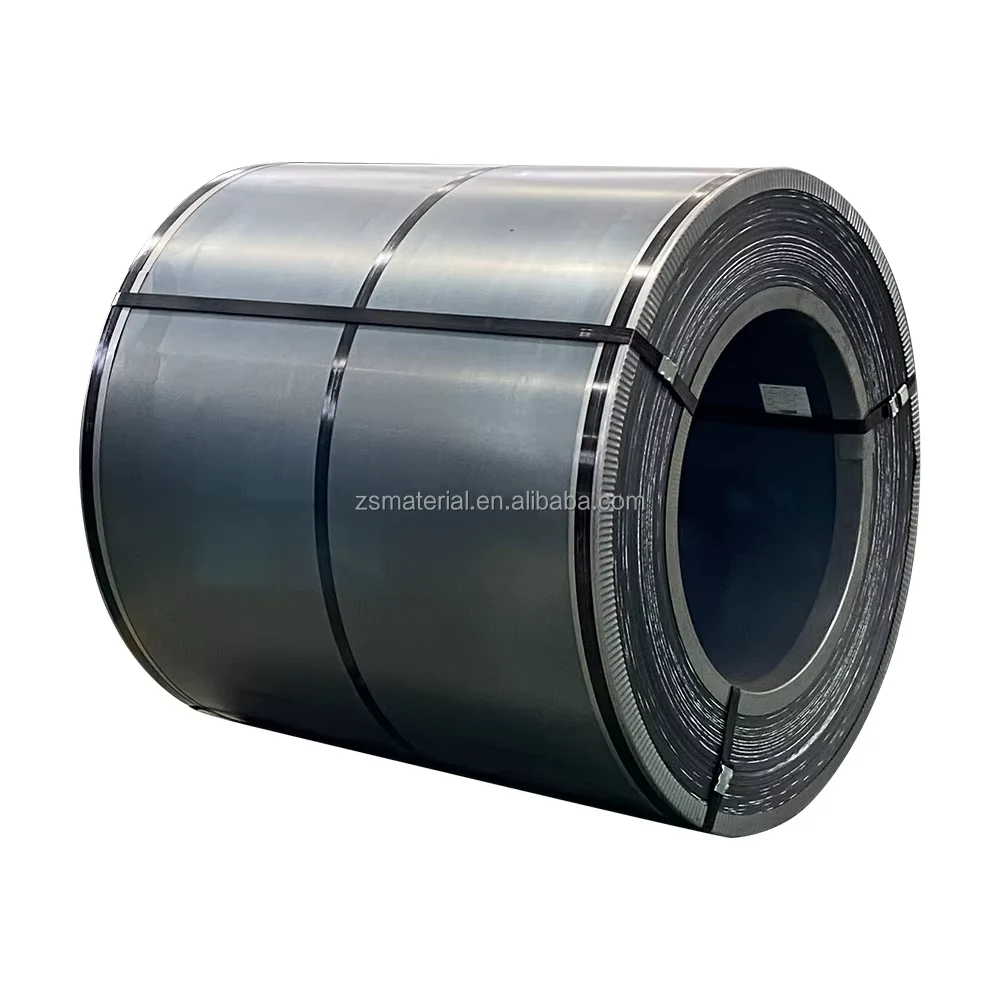
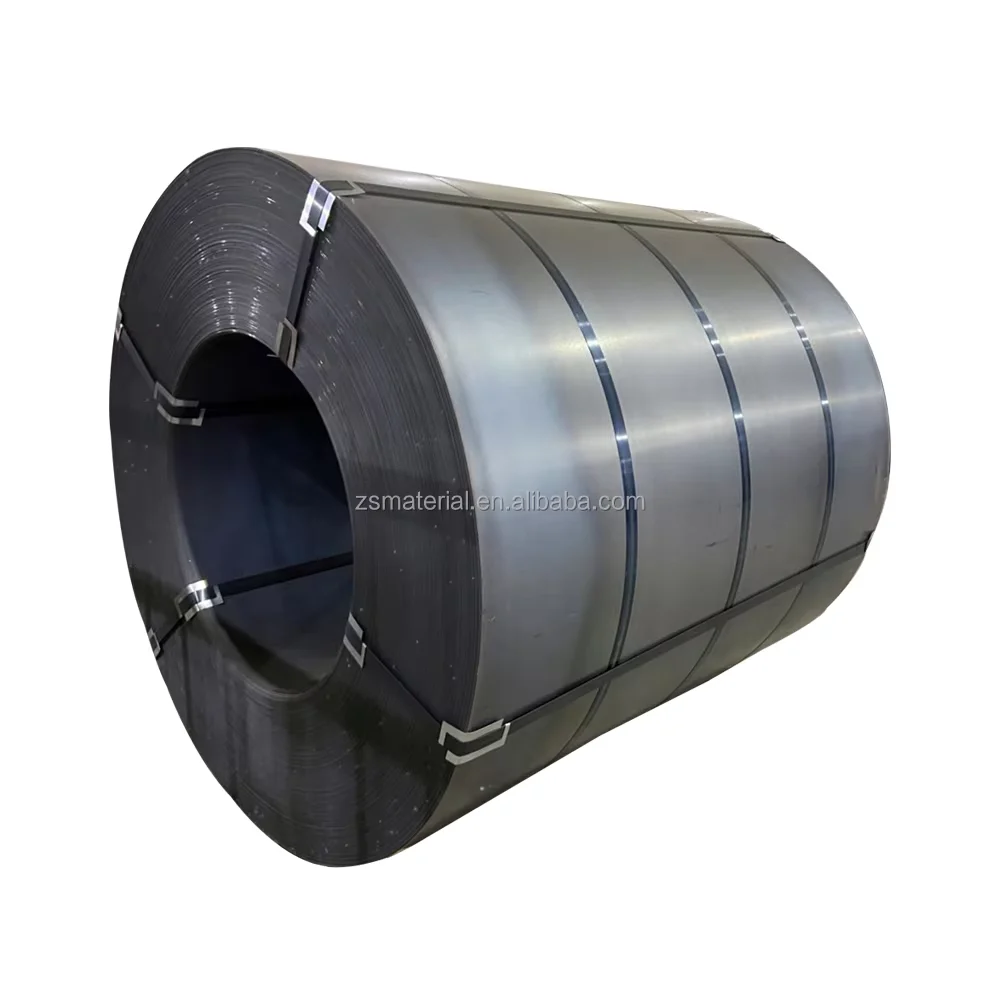
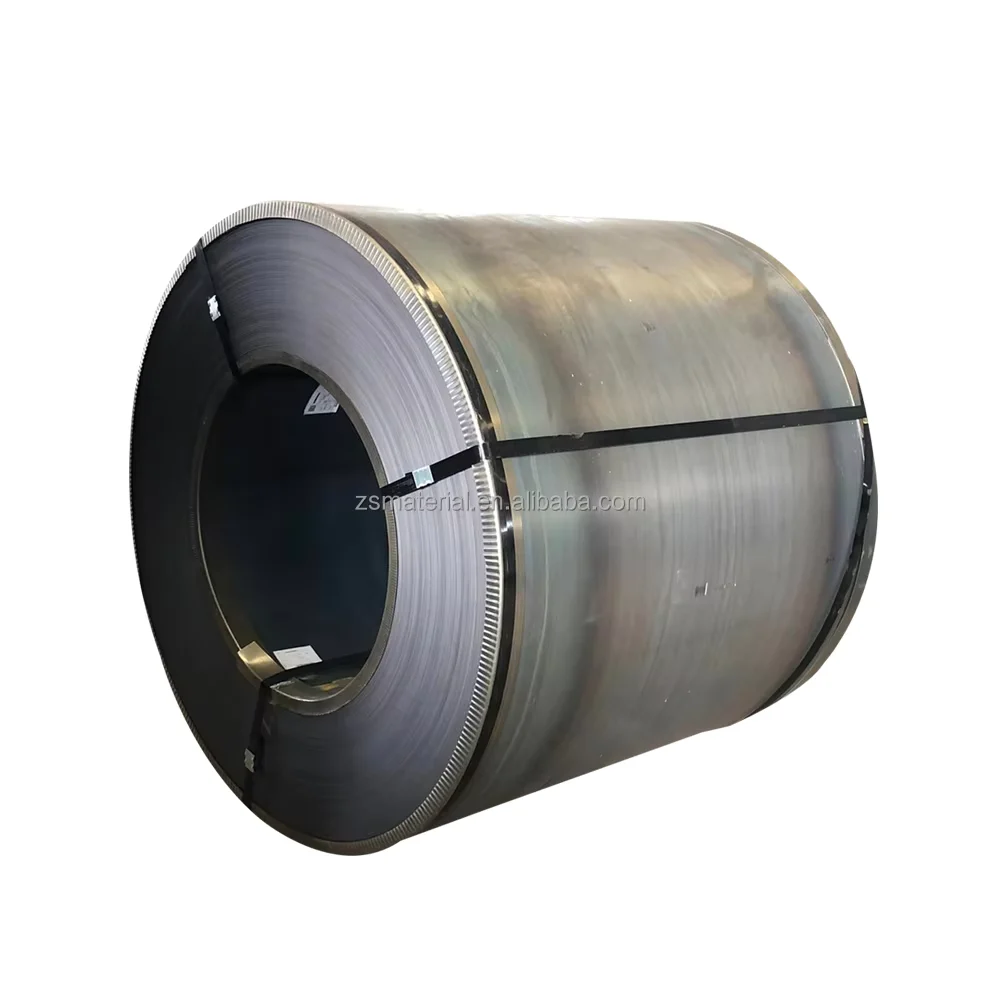
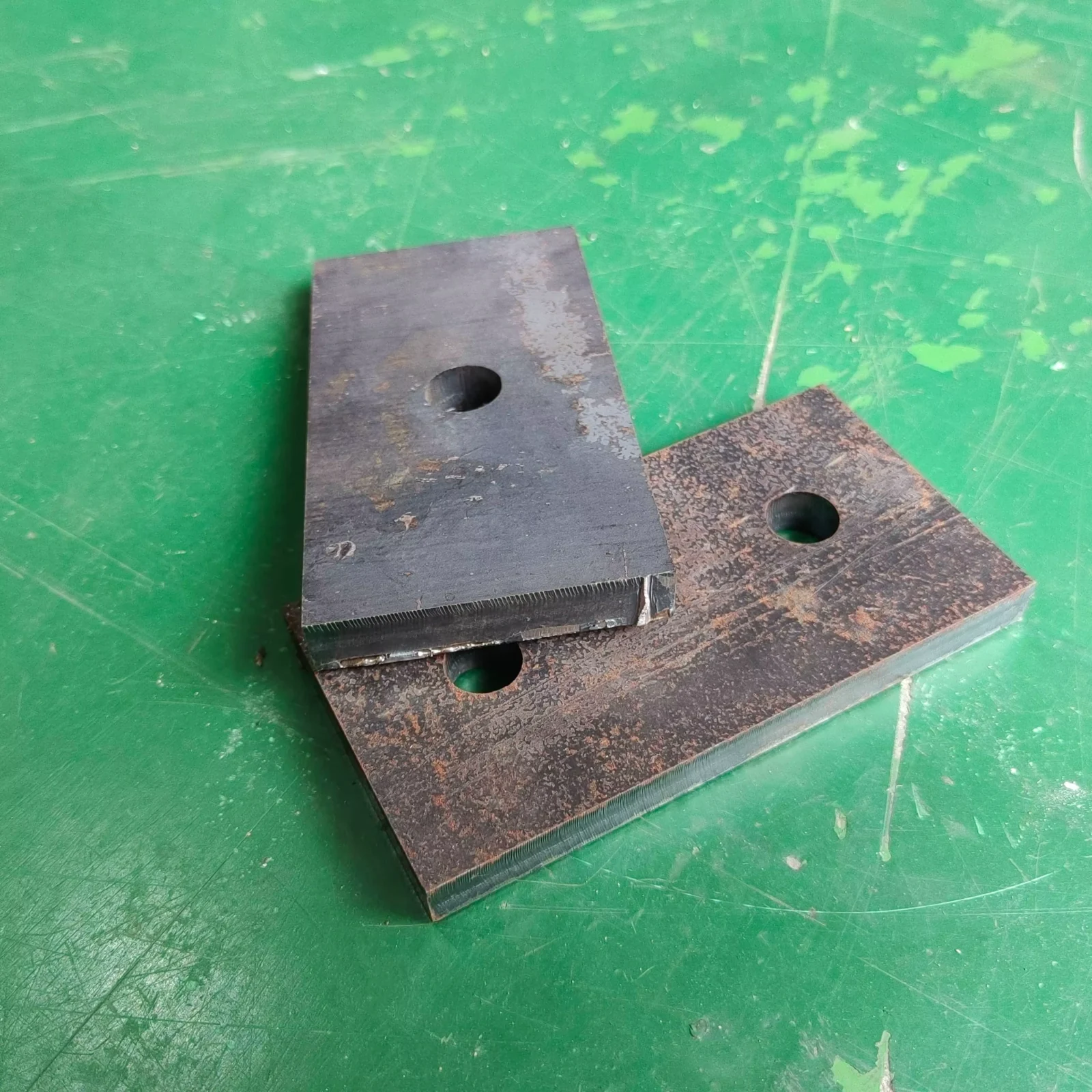
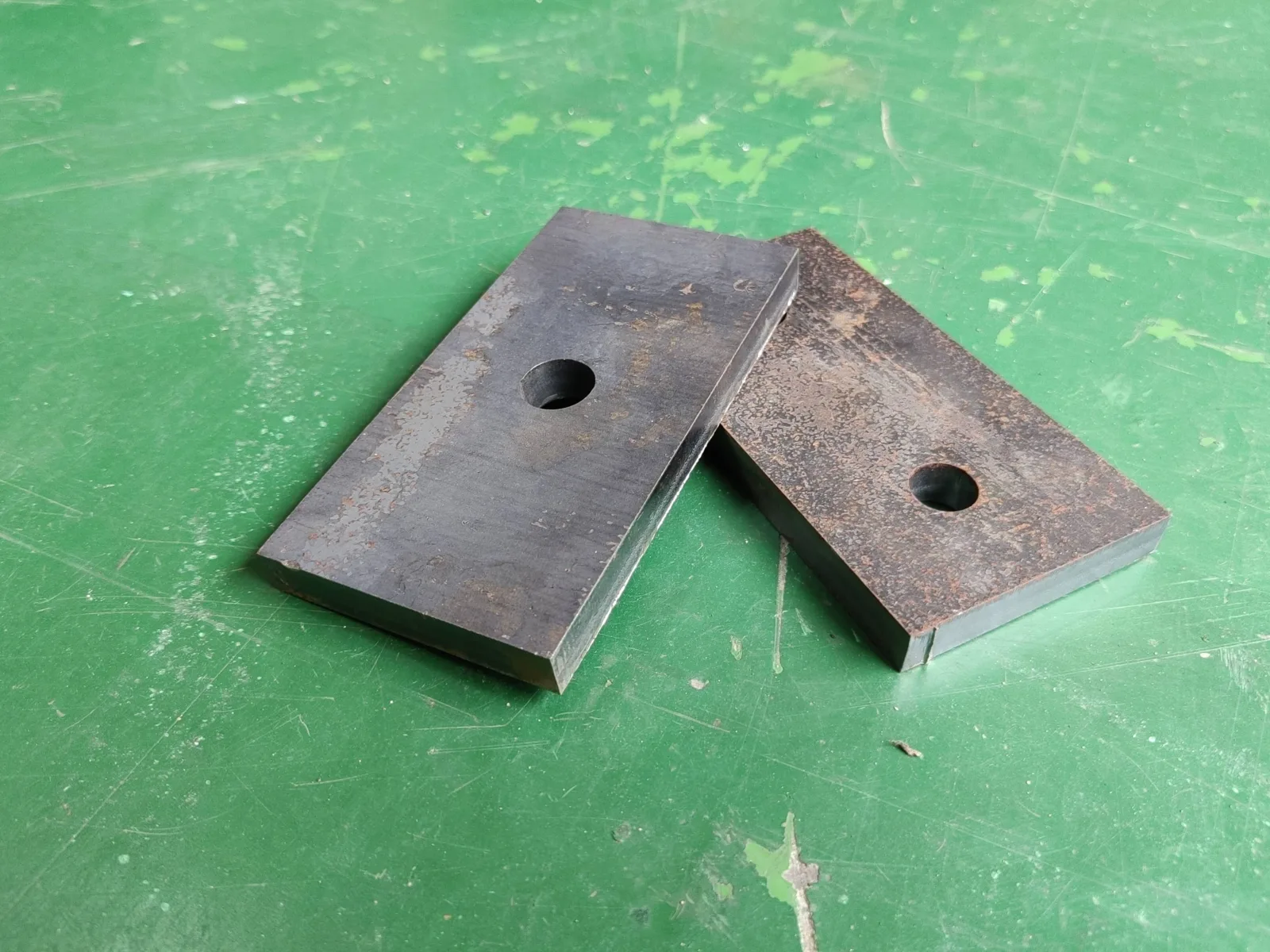
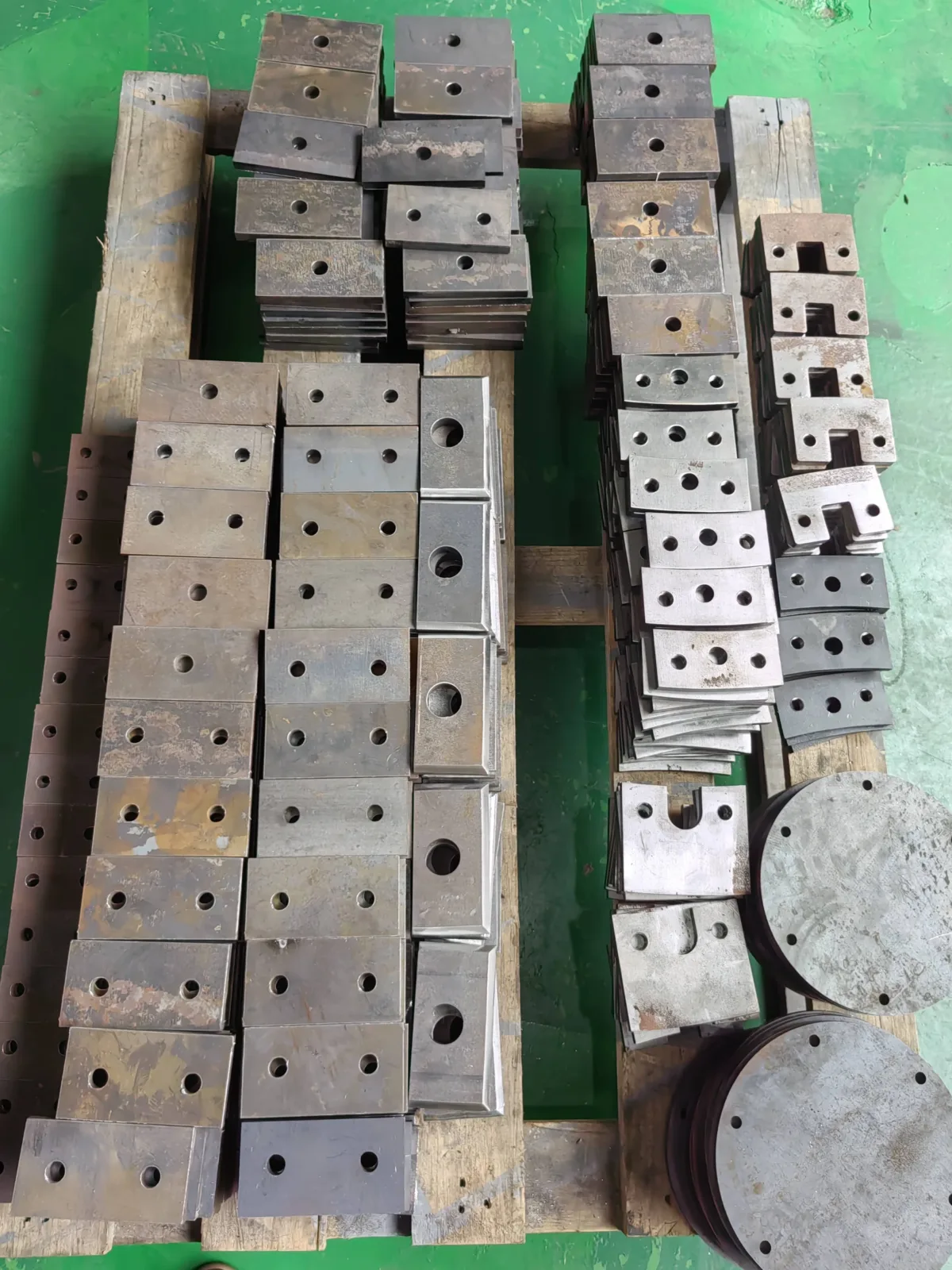
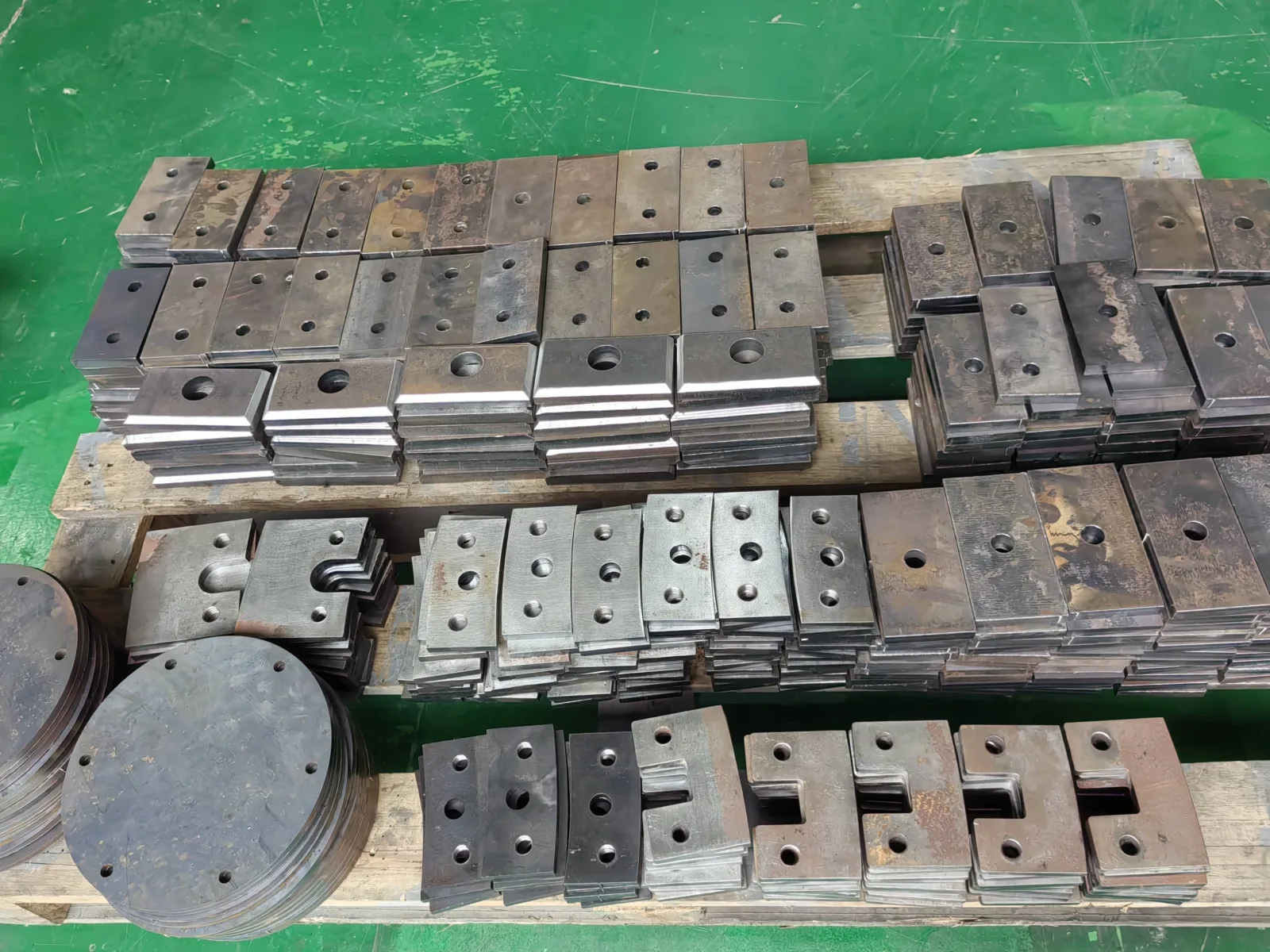
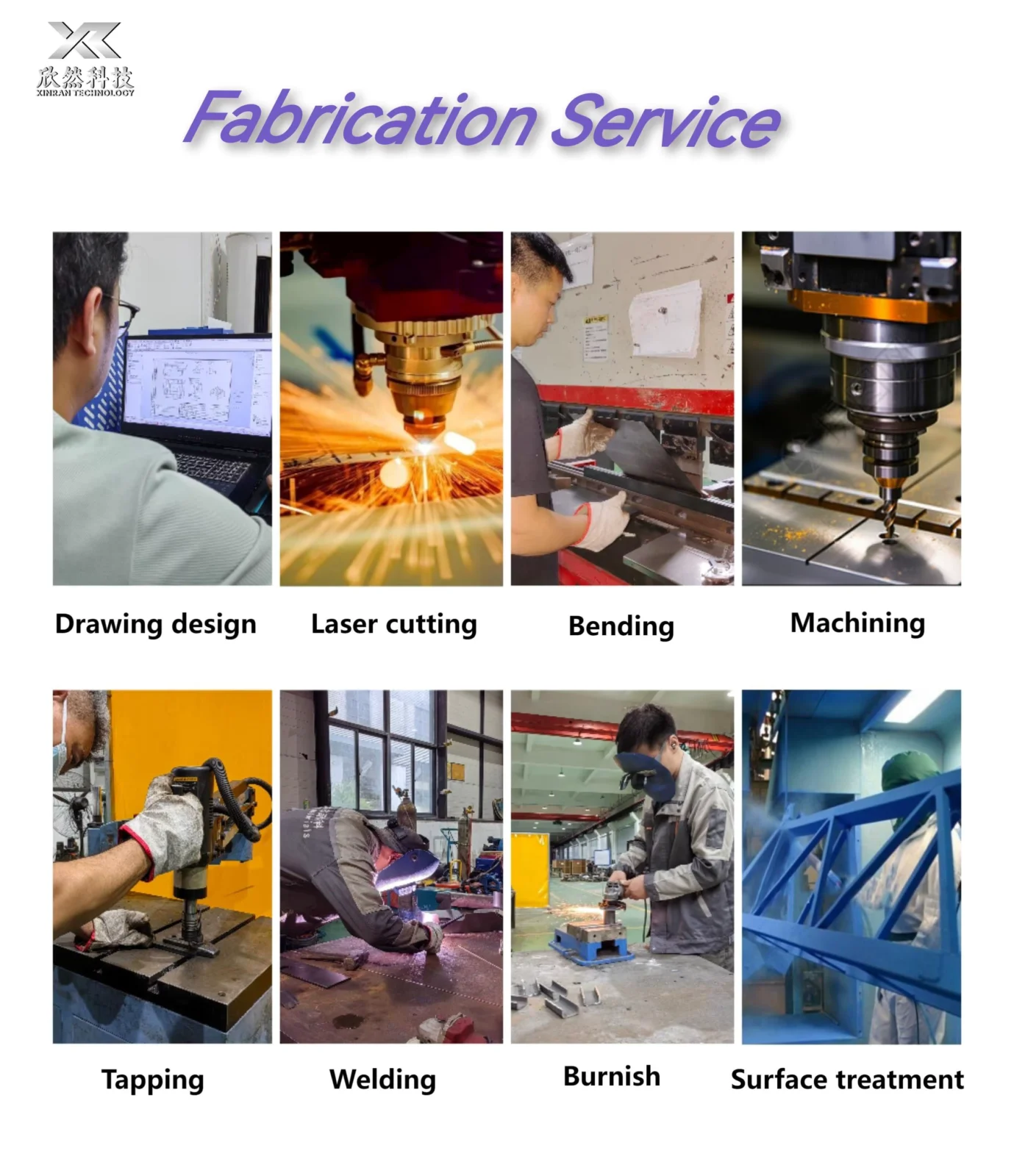
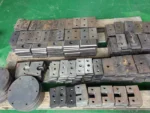
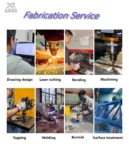
Factory-Direct Laser Cutting & Fabrication — Full-process sheet metal fabrication from raw plate to finished component, eliminating multi-vendor coordination for carbon steel, stainless steel, and galvanized projects.
Technical Specifications
| Parameter | Value |
|---|---|
| Designation | Carbon Steel / Stainless Steel Plate Cutting & Processing |
| Product Type | Steel Plate (Laser Cutting & Sheet Metal Fabrication) |
| Steel Grade | Carbon Steel, Stainless Steel (SS201, SS303, SS304, SS316, SS316L), Mild Steel (SPCC), Aluminum (AL1060, AL6061, AL5052), Galvanized Sheet |
| Standard | OEM / Custom per design drawings |
| Section Shape | Plate / Sheet |
| Technique | Laser Cutting / Folding / Forming / Punching / Welding / Shearing / Stamping / Polishing |
| Surface Treatment | Plating / Painting / Powder Coating |
| Color | Customized |
| General Capabilities | Manufacturing as per design drawings / OEM |
| Sheet Metal Products | Brackets / Enclosures / Sheet Metal Parts / Frames / Cabinets / Decorative Screens |
| Application | Structural fabrication / Machinery enclosures / Architectural decorative screens / Industrial cabinets / Equipment brackets and frames |
| Origin | Shandong, China |
Application Suitability
| Industry | Typical Applications |
|---|---|
| Construction & Infrastructure | Structural brackets, equipment mounting frames, architectural decorative screens for commercial buildings |
| Machinery & Equipment | Machinery enclosures, conveyor brackets, industrial cabinet housings, equipment protective frames |
| Architectural & Interior | Decorative metal screens, custom partition panels, facade cladding elements, ornamental steel frames |
| Industrial Fabrication | Heavy-duty equipment brackets, control panel enclosures, structural steel plates for modular assemblies |
When Tolerance Drift Turns a Plate Order Into a Site Disaster
Laser cutting precision directly determines whether fabricated steel components fit on first assembly or require costly on-site rework.
I ran a 20mm carbon steel plate job for a warehouse project in Ho Chi Minh City — the cutting tolerance drifted to ±5mm, bolt holes misaligned across every frame, and the local rework cost tripled the original fabrication budget while pushing the schedule back weeks. That kind of failure doesn’t come from the steel itself; it comes from fragmented sourcing where the plate supplier, the cutting shop, and the welding workshop operate as separate entities with no shared quality standard. When you source from a custom steel plate laser cutting processing supplier that controls the entire chain — from raw material selection through cutting, forming, welding, and surface finishing — tolerance accountability stays in one place. [NEED_CITE: laser cutting tolerance standards for structural steel fabrication]
Matching Fabricated Components to Structural and Corrosive Environments
A custom steel plate laser cutting processing supplier that handles the full workflow can align material selection with the actual service environment. For machinery enclosures in humid industrial settings, SS304 or SS316L plates resist chloride-induced corrosion without secondary coating. For structural brackets in dry indoor conditions, carbon steel plates with powder coating deliver equivalent protection at lower cost. Galvanized sheet processed through laser cutting and folding serves outdoor equipment frames where zinc coating integrity matters more than aesthetic finish. The key is having one facility that understands how each steel grade responds to cutting heat input, bending radius, and weld penetration — rather than passing半成品 between shops that each optimize for their own step.
Engineering Compliance and Certification Requirements
Structural fabrication projects demand traceable material properties from plate to finished component. When carbon steel plates are laser-cut into load-bearing brackets, the mill test certificate must follow the piece through every processing stage — cutting, welding, and surface treatment — so that heat number traceability remains intact. For projects targeting European markets, CE certification under EN 10219 confirms that cold-formed fabricated components meet dimensional and mechanical requirements. [NEED_CITE: EN 10219 cold-formed structural hollow section compliance requirements] North American buyers typically reference ASTM material standards, and having a custom steel plate laser cutting processing supplier who can supply both EN and ASTM-equivalent grades with proper documentation eliminates customs delays and inspection hold-ups. Third-party inspection from SGS or BV provides independent verification for project owners who require it.
Steel Grade Selection and Processing Behavior Across Materials
The choice between carbon steel, stainless steel, and aluminum fundamentally changes how laser cutting parameters must be set. Carbon steel plates cut cleanly with oxygen-assist laser at high speed, but the heat-affected zone requires attention when subsequent welding is involved — excessive heat input near cut edges can alter microstructure and reduce weld joint integrity. Stainless steel grades SS304 and SS316L demand nitrogen-assist cutting to prevent oxide discoloration along the cut edge, which matters for architectural applications where visible edges remain exposed. Aluminum alloys AL6061 and AL5052 reflect laser energy differently and require higher power settings, but they machine and form well once cut. Galvanized sheet presents a unique challenge: the zinc coating vaporizes during laser cutting, requiring extraction systems and slightly adjusted parameters to maintain edge quality. A custom steel plate laser cutting processing supplier running all these materials on shared equipment must demonstrate process control across each — not just claim capability on a brochure.
The Hidden Cost of Unverified Material and Uncontrolled Tolerances
When a buyer sources plates from one vendor and sends them to a separate cutting shop, there is no single party accountable if the finished bracket fails dimensional inspection. Material certificates may cover the raw plate but not the thermal effects of laser cutting on edge hardness. If the steel grade is substituted without notification — say, S235 delivered where S355 was specified — the structural engineer’s load calculations become invalid, and the entire batch faces rejection during project acceptance. [NEED_CITE: material traceability requirements in structural steel fabrication standards] Certification gaps compound the problem: without proper mill test certificates matched to heat numbers, customs authorities in strict-import markets can hold shipments for weeks. The real cost is never the per-kilo price difference — it is the rework, the delay, and the failed inspection that follows.
Why Sourcing Fabrication From a Single Controlled Facility Matters
Our Jinan-based factory operates three production lines with monthly capacity exceeding 20,000 tons, running laser cutting, folding, punching, welding, and surface finishing under one roof. Every batch of carbon steel, stainless steel, or galvanized plate is processed with original mill test certificates maintained throughout the workflow — the heat number on the raw plate matches the certificate delivered with the finished bracket or enclosure. We hold ISO 9001:2015 certification and Lloyd’s CE (EN 10210/10219) approval, with SGS and BV third-party inspection available on request for buyers who need independent verification. Our inventory covers 2,800+ specifications across carbon steel, stainless steel, aluminum, and galvanized materials, meaning standard-size fabrication can begin immediately while custom orders follow typical production lead times. Factory-direct pricing with no middlemen applies across all order volumes, and our professional export team handles documentation, customs clearance, and container loading optimization for international shipments.
Documentation & Compliance
- Mill test certificate documenting carbon steel and stainless steel chemical composition and mechanical properties per applicable standard, with heat number traceability maintained through all fabrication stages
- CE certificate under EN 10210/EN 10219 confirming compliance for cold-formed structural steel components exported to European markets
- ISO 9001:2015 quality management system certificate covering the full fabrication process chain from raw plate procurement through laser cutting, welding, and surface finishing
- SGS or BV third-party inspection report available on request, providing independent verification of material grade, dimensional accuracy, and weld quality for project-critical orders
- Material traceability by heat number from original mill plate through to finished fabricated component, ensuring certificate-to-product matching at every stage
- Complete customs documentation package including packing list, bill of lading, and certificate of origin prepared by in-house export team
Packaging, Loading & Delivery
- Carbon steel and stainless steel plates packed in seaworthy bundles with edge protectors to prevent surface scratching and coating damage during ocean transit
- Laser-cut components separated by protective interleaving to maintain surface finish quality for powder-coated and polished products
- Container loading optimized by in-house logistics team based on component dimensions and weight distribution, maximizing payload for heavy structural brackets and machinery enclosures
- Custom cut-to-size plates bundled with heat number and steel grade identification tags clearly marked for on-site material verification
- Galvanized sheet and finished fabricated products wrapped with moisture-resistant barriers to preserve zinc coating integrity during extended shipping periods
- FOB, CIF, and door-to-door delivery options available with real-time shipment tracking and professional export documentation handling
Start Your Fabrication Inquiry With Drawings and Specifications
Submit your design drawings, material grade requirements, quantity, and destination port to receive a competitive quotation with full documentation support. Our engineering team reviews each drawing for manufacturability and confirms tolerance capabilities before production begins. For recurring procurement, volume-based pricing programs apply with dedicated account management and periodic discount reviews.
Get Your Custom Fabrication Quote With Mill Certificates
Send your drawings and specifications to receive factory-direct pricing, material certification, and delivery confirmation.
Tel: +86 531 8573 6315 | Mobile/WhatsApp/WeChat: +86 188 5315 7756 | Email: admin@sdxinjiyuan.com
Frequently Asked Questions
Q: What materials and steel grades can you process for laser cutting and fabrication?
A: We process carbon steel, stainless steel (SS201, SS303, SS304, SS316, SS316L), mild steel (SPCC), aluminum alloys (AL1060, AL6061, AL5052), and galvanized sheet. All materials are supplied with original mill test certificates for grade verification.
Q: Can you manufacture products strictly according to our design drawings and custom dimensions?
A: Yes. All fabrication is manufactured per customer design drawings with OEM capability. We review each drawing for manufacturability, confirm tolerance feasibility, and produce components to your specified dimensions, surface finish, and color requirements.
Q: What surface treatment options are available for fabricated steel components?
A: We offer plating, painting, and powder coating as surface treatment options. The choice depends on the service environment — powder coating provides durable corrosion protection for industrial and outdoor applications, while plating suits decorative or specialized functional requirements.
Q: Do you provide mill test certificates and third-party inspection for quality verification?
A: Every batch is supplied with original mill test certificates documenting chemical composition and mechanical properties. SGS and BV third-party inspection is available on request for buyers requiring independent quality verification.
Q: What is the MOQ for custom sheet metal fabrication, and can you handle trial orders?
A: We support flexible order quantities from trial orders to full-container bulk shipments. Trial orders are accepted for new customers to verify quality and processing capability before committing to larger volumes.