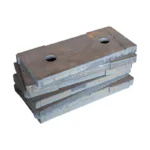
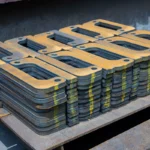
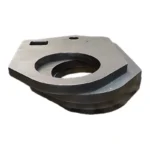
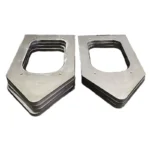
Description
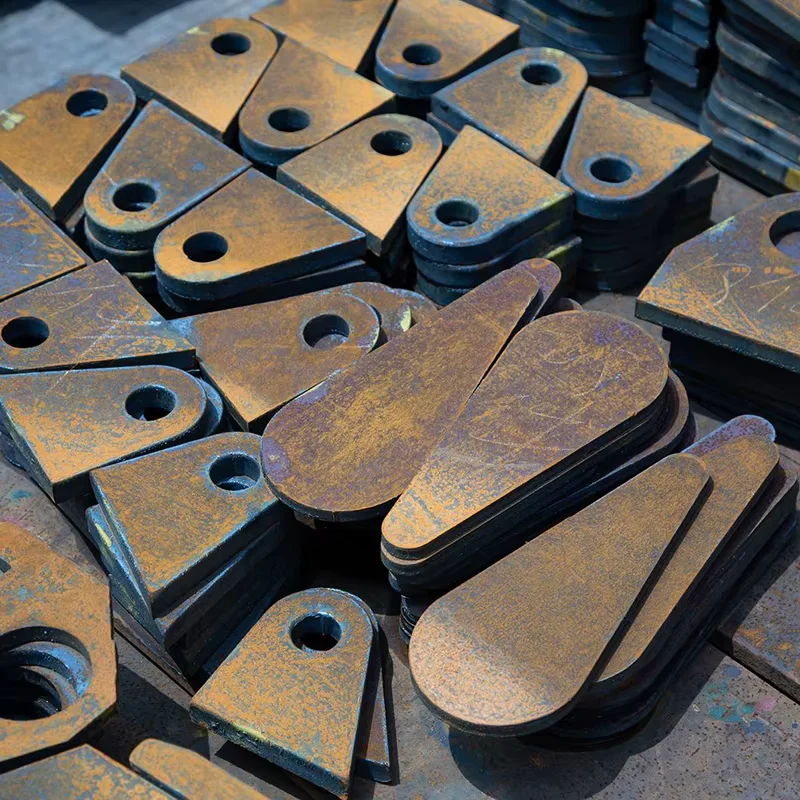
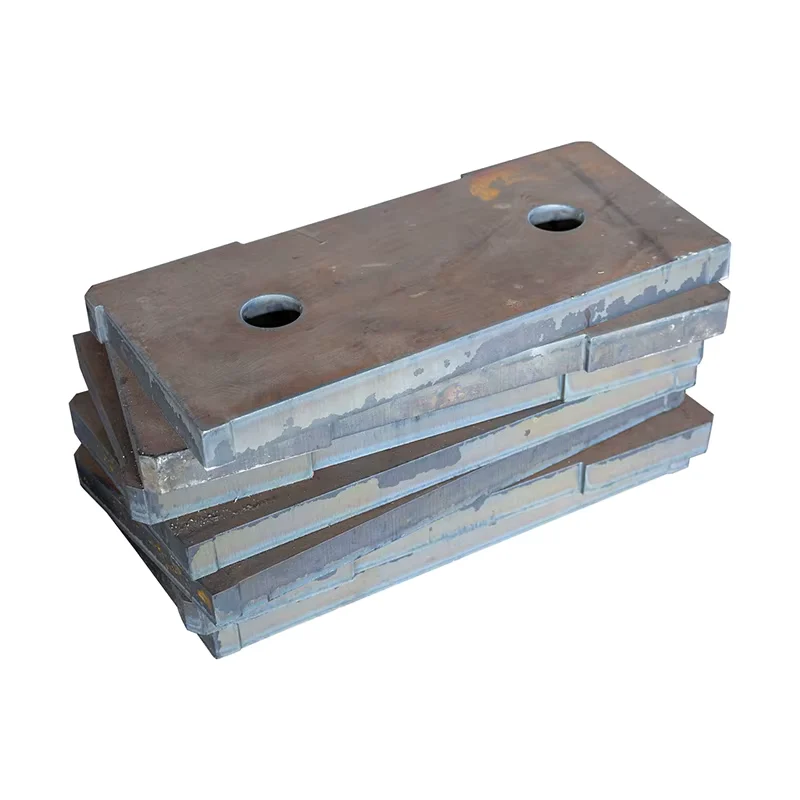
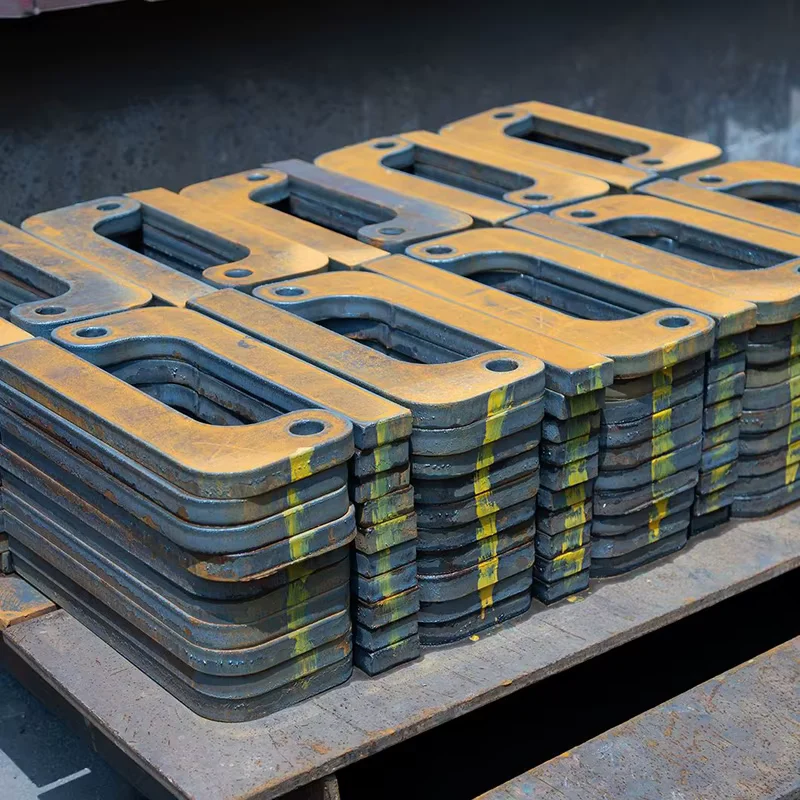
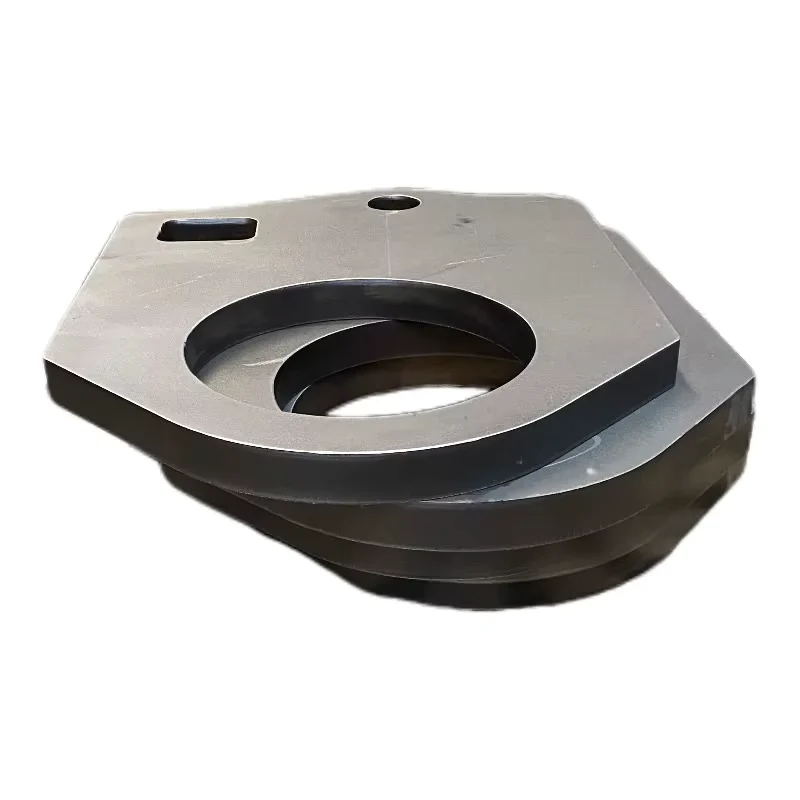
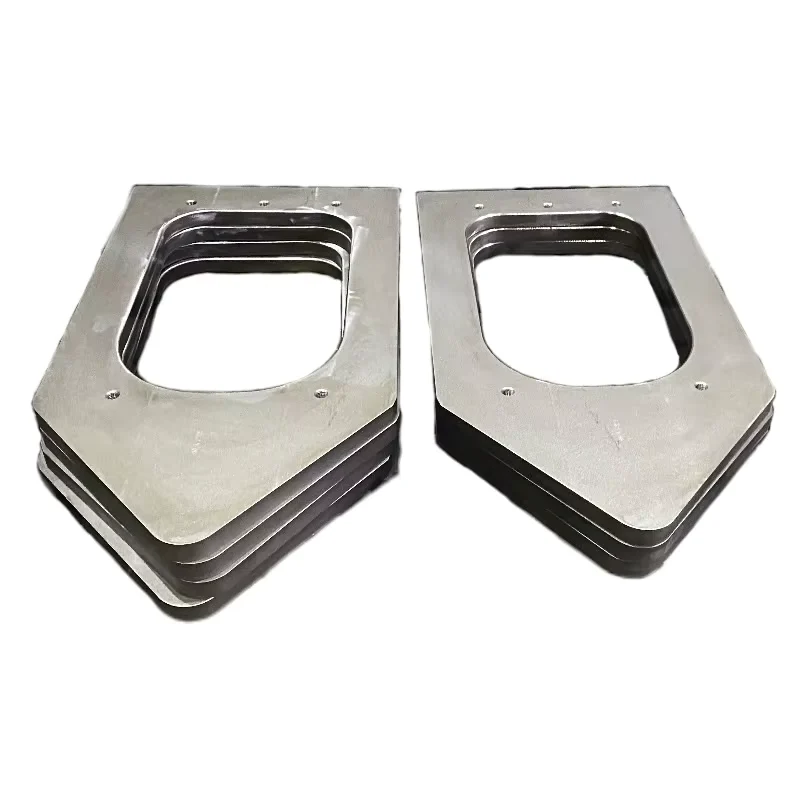
Factory-Direct Custom Fabrication — Every batch of custom laser cutting metal parts ships with original mill test certificates and in-house QC reports, eliminating middleman markups on bulk orders.
Technical Specifications
| Parameter | Value |
|---|---|
| Designation | Carbon Steel / Stainless Steel Laser Cut Metal Parts |
| Product Type | Machined Steel Product |
| Steel Grade | Carbon Steel, Stainless Steel, Sheet Metal |
| Section Shape | Customized |
| Size | Customized Size |
| Technique | Laser Cutting, Welding |
| Tolerance | +/- 0.01–0.1 mm |
| Application | Industrial equipment / Structural fabrication / Machinery components / Custom metal parts |
| MOQ | 20 pcs |
| Origin | Shandong, China |
Application Suitability
| Industry | Typical Applications |
|---|---|
| Industrial Machinery | Equipment frames, machine guards, conveyor brackets, gearbox housings |
| Structural Fabrication | Column base plates, gusset plates, bracket assemblies, connection nodes |
| Mining & Heavy Equipment | Excavator bucket liners, chute wear plates, hopper sections |
| Energy Infrastructure | Solar mounting brackets, wind tower access platforms, cable tray supports |
What Tight Tolerance Means When Custom Laser Cutting Metal Parts for Structural Assembly
A 0.1 mm deviation on a gusset plate can force on-site rework across an entire steel frame.
When procurement teams source custom laser cutting metal parts from fragmented suppliers, the most common failure is not material grade — it is dimensional drift. Plates cut at one factory arrive with hole patterns that do not align with beams fabricated elsewhere. Welding prep edges fall outside acceptable fit-up gaps. The result is weeks of grinding, re-drilling, and re-welding at the job site, often under open sky and against a fixed deadline. [NEED_CITE: structural steel erection tolerance requirements per AISC or EN 1090]
Material traceability compounds the problem. Without original mill test certificates tied to heat numbers, inspectors cannot verify that the stainless steel bracket actually meets the specified corrosion resistance class. Customs holds follow. Projects stall.
Matching Fabrication Precision to Engineering Drawings
Every custom laser cutting metal parts order begins with a review of the client’s CAD files against our cutting bed capabilities. Tolerances held at +/- 0.01–0.1 mm mean that bracket assemblies for industrial machinery can be bolted directly without field modification. For structural fabrication projects, we coordinate laser cutting and welding under one roof — so a base plate cut today can be welded to its stiffeners tomorrow, with dimensional checks at each stage rather than after shipment.
Engineering Compliance and Certification Requirements
Structural applications demand more than dimensional accuracy. Carbon steel plates used in load-bearing frames must carry chemical composition and mechanical property records traceable to the original heat. [NEED_CITE: EN 10219 cold-formed hollow section requirements for traceability] Stainless steel components exposed to corrosive environments require grade verification — a 304 plate substituted with 201 will fail salt-spray testing within months. For export shipments, CE marking and ISO 9001 documentation determine whether the container clears customs or sits at the port pending inspection. Our in-house lab issues mill test certificates for every batch, with SGS or BV third-party inspection available before loading.
Steel Grade Selection and Laser Cutting Behavior
Carbon steel and stainless steel respond differently to fiber laser cutting. Carbon steel up to moderate thickness cuts cleanly with oxygen assist, producing an oxide edge suitable for welding without secondary grinding. Stainless steel requires nitrogen assist to preserve the corrosion-resistant chromium layer at the cut edge — any oxide contamination reduces localized corrosion resistance. Sheet metal in mixed-grade orders must be segregated during nesting to prevent cross-contamination. The +/- 0.01–0.1 mm tolerance range holds across both material families, but kerf width and thermal distortion behavior differ, requiring distinct cutting parameters per grade and thickness combination.
Hidden Costs of Unverified Fabrication Sources
Ordering custom laser cutting metal parts from a supplier without in-house quality control introduces risks that surface only at assembly. Plates cut to negative tolerance beyond the standard reduce load capacity. Welding seams on fabricated assemblies with poor fit-up develop stress concentrations. Missing mill test certificates trigger customs holds on regulated markets. [NEED_CITE: steel grade equivalence between EN and ASTM standards] The cost of re-cutting, re-welding, and reshipping a rejected batch typically exceeds the original order value — and the project timeline absorbs the greater loss.
Why Buyers Consolidate Laser Cutting and Welding Orders Here
Our production facility runs dedicated fiber laser cutting lines alongside certified welding workshops, allowing custom laser cutting metal parts to move from raw plate to finished assembly without leaving the factory. Every order carries original mill test certificates with heat-number traceability. Buyers sourcing from 50+ countries rely on our export documentation team to prepare customs paperwork, optimize container loading for mixed-shape plates, and coordinate third-party inspection before dispatch. Volume pricing applies across repeat orders, and MOQ starts at 20 pcs — supporting both trial runs and full-project supply.
Documentation & Compliance
- Mill test certificate documenting carbon steel and stainless steel chemical composition and mechanical properties per batch heat number
- ISO 9001:2015 quality management certificate covering laser cutting and welding processes
- SGS or BV third-party inspection report available upon request before container sealing
- Material traceability sheet linking each custom laser cutting metal parts shipment to original mill coil or plate certificate
- Full customs document package including commercial invoice, packing list, bill of lading, and certificate of origin
- CE compliance documentation for structural steel components destined for European markets
Packaging, Loading & Delivery
- Laser cut plates stacked with interleaved separators and edge protectors to prevent surface scratching on stainless steel finishes during ocean transit
- Welded assemblies wrapped in waterproof film with desiccant packs for carbon steel parts shipped to humid climates
- Container loading plans optimized for mixed-shape custom laser cutting metal parts, maximizing 20ft and 40ft GP utilization with weight distribution balanced for crane offloading
- Heat number and steel grade stenciled on each plate bundle for on-site identification and inspection traceability
- FOB, CIF, and DDP shipping terms available with real-time tracking from Jinan port to destination
Getting a Quote for Your Custom Fabrication Project
Submit your CAD drawings or specification sheet — including steel grade, thickness, quantity, and destination port — and our engineering team returns a detailed quotation with tolerance confirmation, lead time, and mill test certificate availability within 12 hours. For non-standard shapes or multi-process orders combining laser cutting and welding, we provide a fabrication plan before production begins.
Frequently Asked Questions
Q: What materials can be laser cut for custom parts?
A: We process carbon steel and stainless steel sheet metal across a range of thicknesses. Each material requires specific laser parameters — nitrogen assist for stainless steel to preserve corrosion resistance, oxygen assist for carbon steel for clean weld-ready edges.
Q: What is the minimum order quantity for custom laser cut parts?
A: MOQ starts at 20 pcs, supporting both prototype runs and bulk project supply. Volume pricing applies for larger orders.
Q: Can you provide mill test certificates and third-party inspection?
A: Yes. Every batch ships with original mill test certificates tied to heat numbers. SGS or BV third-party inspection is available on request before loading.
Q: What tolerances can you hold on laser cut parts?
A: Our fiber laser cutting lines maintain tolerances of +/- 0.01–0.1 mm depending on material thickness and geometry complexity.
Q: Can you consolidate laser cut parts with other steel products in one shipment?
A: Yes. We regularly combine custom laser cutting metal parts with tubes, beams, and plates in consolidated container loads, with professional loading plans to maximize space and protect surface finishes.
Request Your Custom Fabrication Quote Today
Send your drawings and specifications to receive factory-direct pricing, tolerance confirmation, and mill test certificate documentation. Contact our team at admin@sdxinjiyuan.com or WhatsApp +86 188 5315 7756.