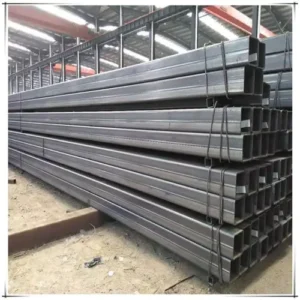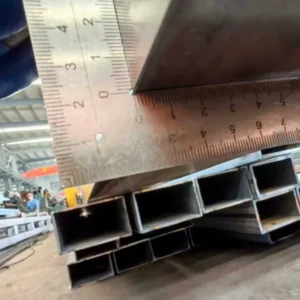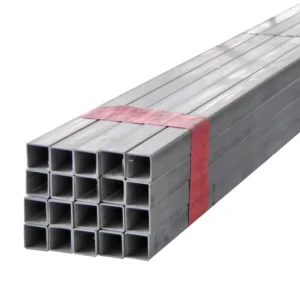




Description
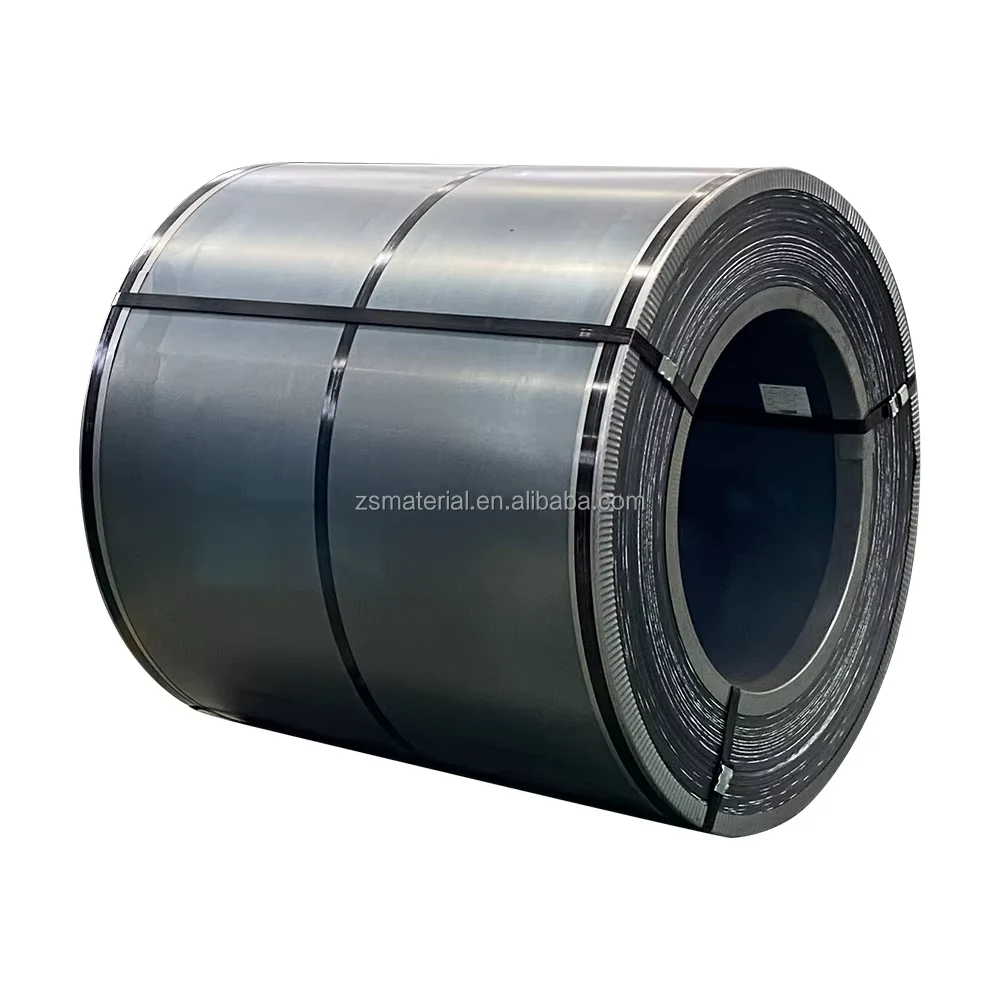
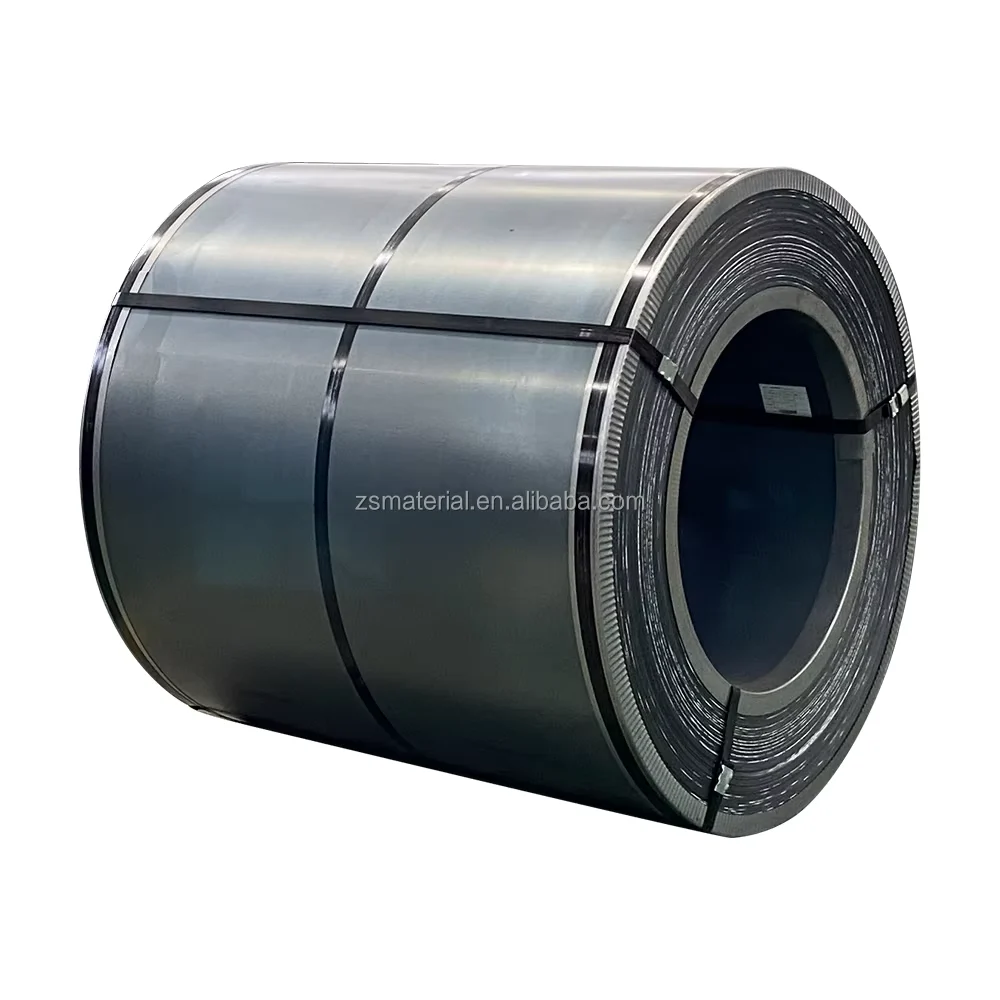
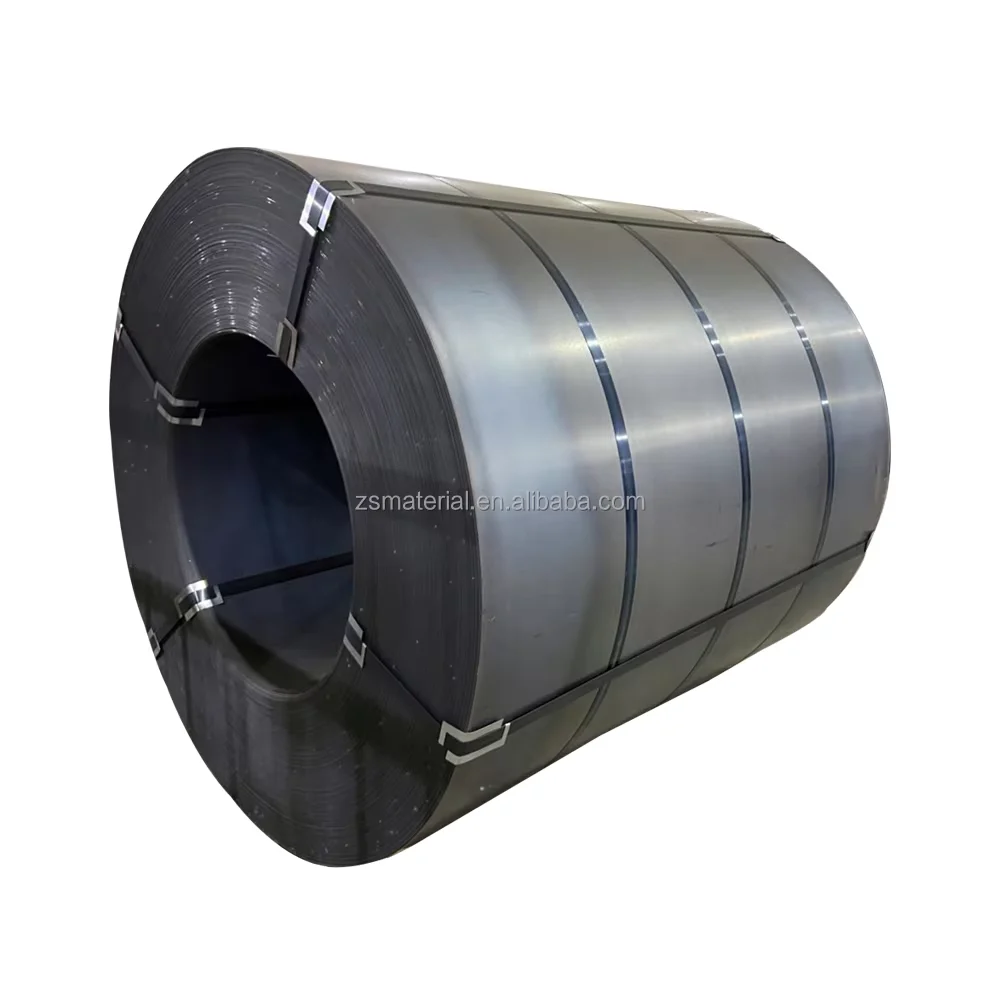
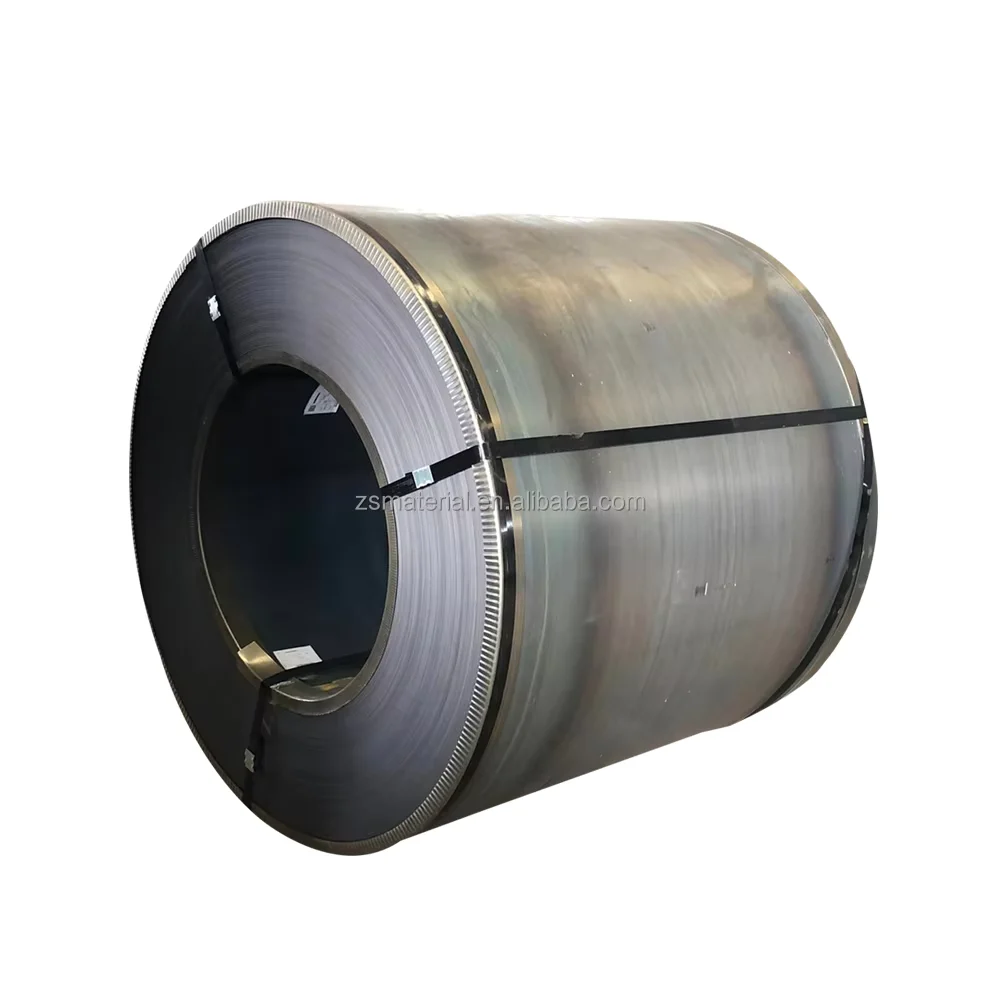
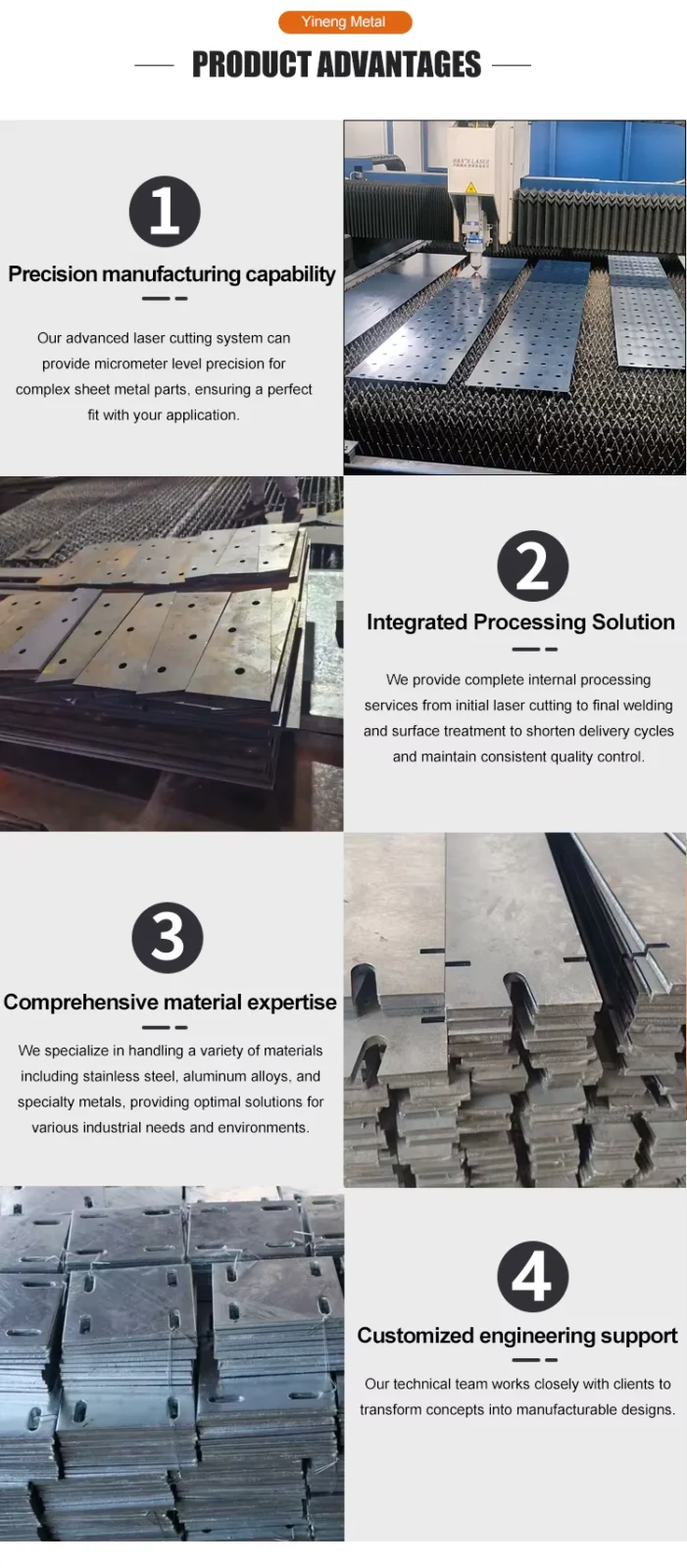
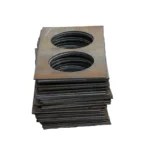
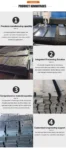
Factory-Direct Carbon Steel Machining — Laser cutting, bending, and stamping for 1–80 mm carbon steel plates executed on in-house production lines with original mill test certificates on every batch.
Technical Specifications
| Parameter | Value |
|---|---|
| Designation | Carbon Steel Laser Cut Machined Steel Product |
| Product Type | Machined Steel Product |
| Steel Grade | Carbon Steel |
| Section Shape | Customized (Laser Cutting / Bending / Stamping) |
| Thickness | 1–80 mm |
| Technique | Laser Cutting, Bending, Stamping |
| Surface Treatment | Painting / Powder Coat / Polish / Zinc Coated |
| Application | Machinery / Mechanical Components / Assemblies |
| MOQ | Small Orders Accepted |
| Origin | Shandong, China |
Application Suitability
| Industry | Typical Applications |
|---|---|
| Machinery Manufacturing | Structural brackets, machine frames, enclosure panels, base plates |
| Infrastructure & Construction | Embedded plates, connection gussets, custom anchor brackets |
| Industrial Fabrication | Multi-process steel assemblies, equipment housings, support frames |
What Tolerance Stacking Costs When You Split Laser, Bending, and Stamping Across Vendors
Every handoff between separate suppliers adds tolerance accumulation — and by the time parts reach the job site, a 3-degree angular deviation can turn a two-day assembly into a two-week rework.
Global buyers ordering custom carbon steel fabrication routinely face specification gaps: standard catalogs miss non-standard dimensions, and splitting laser cutting, bending, and stamping orders across different vendors increases coordination overhead, extends lead times, and compounds dimensional drift at each process stage. [NEED_CITE: EN 10219 cold-formed hollow section dimensional tolerance requirements] When a connection gusset arrives with bending angles off by even a fraction, field crews cannot bolt structural members together without grinding or re-drilling — and on projects spanning multiple containers of fabricated parts, that kind of inconsistency multiplies fast.
How In-House Multi-Process Flow Eliminates Tolerance Drift for Structural Fabrication
When laser cutting, bending, and stamping run on the same production floor, dimensional references stay locked from the first cut to the final bend — there is no re-fixturing, no re-measurement across facilities, and no tolerance stack-up between vendors. For carbon steel plates ranging from 1 mm light-gauge sheet to 80 mm heavy plate, this integrated approach means connection gussets, machine frames, and structural brackets hold consistent geometry across production runs. As a custom carbon steel laser cutting machining services supplier, Xin Jiyuan runs all three processes in-house, so a batch of embedded plates cut on Monday can be bent and stamped by Thursday with the same reference datums intact.
Meeting Structural Codes and Surface Protection Requirements for Field Installation
Carbon steel machined components destined for load-bearing structures must conform to project-specified engineering norms, whether that means dimensional compliance aligned with EN standards for European markets or ASTM-referenced tolerances for North American builds. [NEED_CITE: steel grade equivalence between EN and ASTM standards for structural applications] Surface treatment selection — painting, powder coating, polishing, or zinc coating — depends on the end-use environment: indoor machinery assemblies may only need a light oil or polish, while outdoor infrastructure brackets exposed to moisture require zinc coating or powder coat to resist corrosion before and during installation. Every batch ships with original mill test certificates documenting carbon steel grade and chemical composition, and third-party SGS or BV inspection is available for projects requiring independent verification before container sealing. [NEED_CITE: surface treatment selection for carbon steel in corrosive environments]
Carbon Steel Grade Selection and Process Considerations for Machined Parts
Carbon steel covers a broad range of formability and strength characteristics, and the right grade depends on whether the finished part needs deep drawing, heavy-load bearing, or weldability in the field. Thinner gauges (1–6 mm) respond well to high-speed laser cutting with minimal heat-affected zone, while heavier plates (20–80 mm) require adjusted power settings and slower traverse to maintain edge quality and dimensional accuracy. Bending carbon steel plate introduces springback variables that shift with thickness and grade — an in-house bending operation can compensate in real time because the same team that cut the blank sets the bend program. Stamping adds another layer: tooling wear and material hardness interact, and running stamping after laser cutting on the same floor means material hardness is verified before the press dies engage. Surface treatment follows final machining — zinc coating for outdoor exposure, powder coat for color-matched architectural components, painting for general industrial use, and polishing for visible interior assemblies.
The Hidden Price of Ordering Machined Steel Parts Without Verified Material Traceability
When machined carbon steel components arrive at a project site without mill test certificates or with grade markings that do not match the paperwork, the consequences extend far beyond paperwork headaches. Customs authorities in importing countries increasingly require traceable documentation tied to heat numbers — missing certificates mean containers held at port, demurrage charges accumulating, and project timelines slipping. [NEED_CITE: import documentation requirements for steel fabrication components] On the structural side, unverified carbon steel grades can fail to meet the yield strength assumptions baked into engineering calculations, creating safety liability that surfaces only after load testing or, worse, after installation. Dimensional non-conformance discovered during assembly forces field rework — re-cutting, re-drilling, re-welding — at rates that dwarf the original procurement savings from choosing an unverified supplier.
Why Project Buyers Source Custom Carbon Steel Fabrication from Xin Jiyuan
Xin Jiyuan operates three production lines running simultaneously, delivering monthly capacity exceeding 20,000 tons across all major steel product categories — machined parts are not outsourced to a third-party workshop but produced on the same facility that supplies the raw plate. Factory-direct pricing means no trading company margin sits between the buyer and the production floor, and volume discount programs reward long-term partners with recurring procurement needs. Every order ships with original mill test certificates, and the in-house quality team conducts three-stage inspection from incoming material through in-process checks to final dimensional verification. For buyers requiring independent validation, SGS and BV third-party inspection is arranged on request before container sealing. The export documentation team handles packing lists, bills of lading, certificates of origin, and container loading optimization — critical when machined parts of varying thicknesses and shapes must be packed efficiently to avoid transit damage and minimize freight cost.
Documentation & Compliance
- Mill test certificate documenting carbon steel chemical composition and mechanical properties per production heat number
- ISO 9001:2015 quality management system certificate covering laser cutting, bending, and stamping processes
- SGS or BV third-party inspection report available for pre-shipment dimensional and surface treatment verification
- Material traceability sheet linking each machined part to incoming plate heat number and processing records
- Customs documentation package including packing list, bill of lading, and certificate of origin for destination-country clearance
- CE certification (EN 10210 / EN 10219) available for structural hollow section and fabrication components destined for European markets
Packaging, Loading & Delivery
- Machined carbon steel parts stacked with interleaved separators and edge protectors to prevent surface scratching during transit, especially critical for pre-painted or zinc-coated finishes
- Heavy plate components (20–80 mm) secured in steel-framed crates with anti-shift bracing to prevent movement inside the container during ocean freight
- Custom cutting to project-specified lengths before shipping, reducing on-site cutting waste and accelerating field assembly for infrastructure bracket orders
- Container loading plans optimized by the export team to maximize weight utilization while protecting machined surfaces — mixed-thickness shipments arranged with heavier plates at the base and lighter gauge parts on top
- Heat number and carbon steel grade stenciled on each bundle or crate for on-site identification and traceability verification during receiving inspection
- Shipping terms available FOB, CIF, or DDP with real-time tracking and dedicated account management for recurring bulk orders
Ready to Move from Drawing to Production?
Submit your technical drawings or specification sheets — including dimensions, carbon steel grade preference, surface treatment, and target quantity — and the engineering team responds within 12 hours with a detailed quotation, estimated production timeline, and sample mill test certificate format. For non-standard dimensions or multi-process orders combining laser cutting with bending and stamping, a custom fabrication plan is prepared showing process sequencing and tolerance control points.
Request Your Quotation and Mill Test Certificate Today
Send your specifications via email at admin@sdxinjiyuan.com or reach the sales team on WhatsApp at +86 188 5315 7756 to begin your order.
Frequently Asked Questions
Q: What carbon steel grades are available for laser cutting and machining?
A: Carbon steel plates across a range of commercial and structural grades are available, with thickness coverage from 1 mm to 80 mm. The specific grade is selected based on your application requirements for formability, weldability, and load-bearing capacity, and every batch is accompanied by an original mill test certificate confirming chemical composition.
Q: Can you handle non-standard sizes and small-batch trial orders?
A: Small orders are accepted with no minimum container requirement, and non-standard dimensions are produced to your drawings without reliance on a fixed catalog. This supports trial orders for new projects as well as full-production runs for established designs.
Q: What surface treatment options are offered and how do I choose?
A: Four surface treatment options are available — painting for general industrial protection, powder coating for durable color-matched finishes, polishing for visible interior components, and zinc coating for outdoor or moisture-exposed applications. The selection depends on your end-use environment and project specification requirements.
Q: Do you provide mill test certificates and third-party inspection reports?
A: Every batch ships with an original mill test certificate documenting material chemical composition and processing history. For projects requiring independent verification, SGS or BV third-party inspection is arranged on request before shipment.
Q: What is the typical lead time for custom machined steel parts?
A: Standard-size machined parts are fulfilled from ready stock, while custom orders requiring laser cutting, bending, or stamping to non-standard dimensions follow typical production lead times depending on order volume and process complexity. Specific timelines are confirmed at the quotation stage.
Start Your Carbon Steel Machining Order Now
Email your drawings and specifications to admin@sdxinjiyuan.com or message +86 188 5315 7756 on WhatsApp to receive a quotation with mill test certificate documentation within 12 hours.