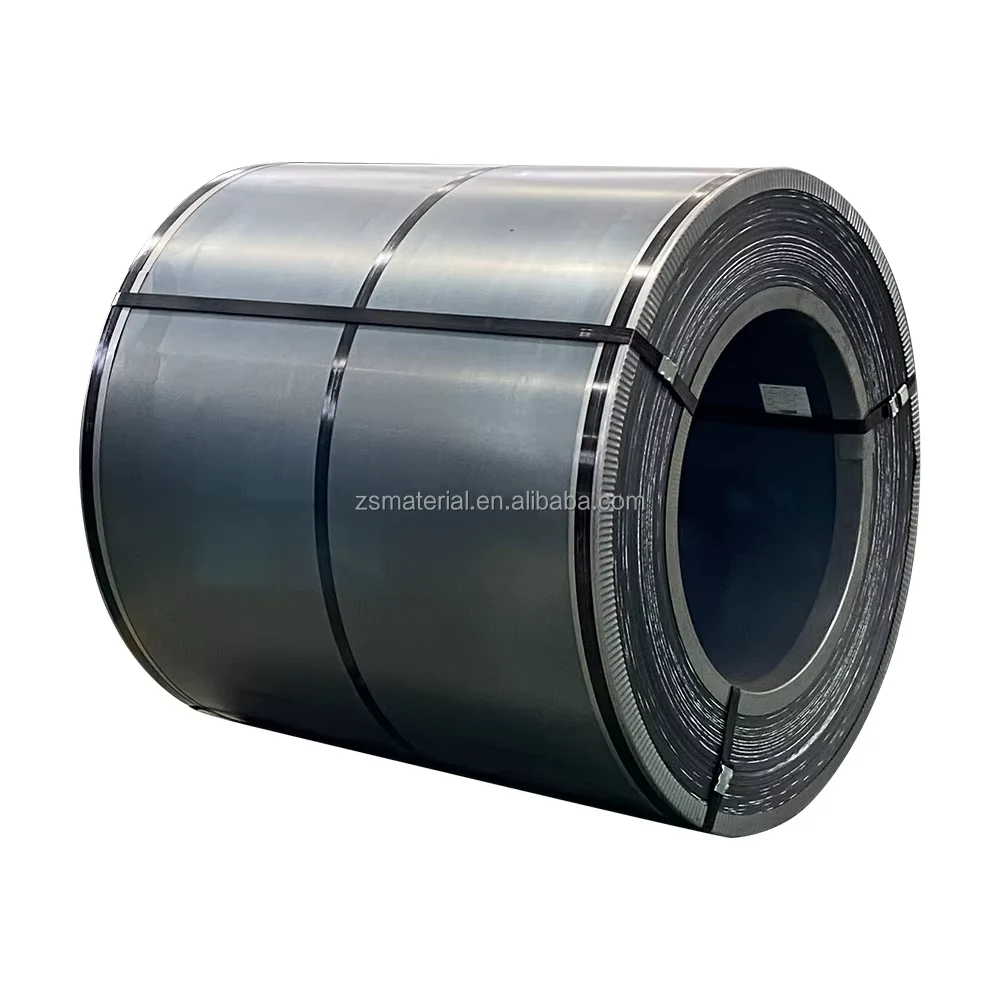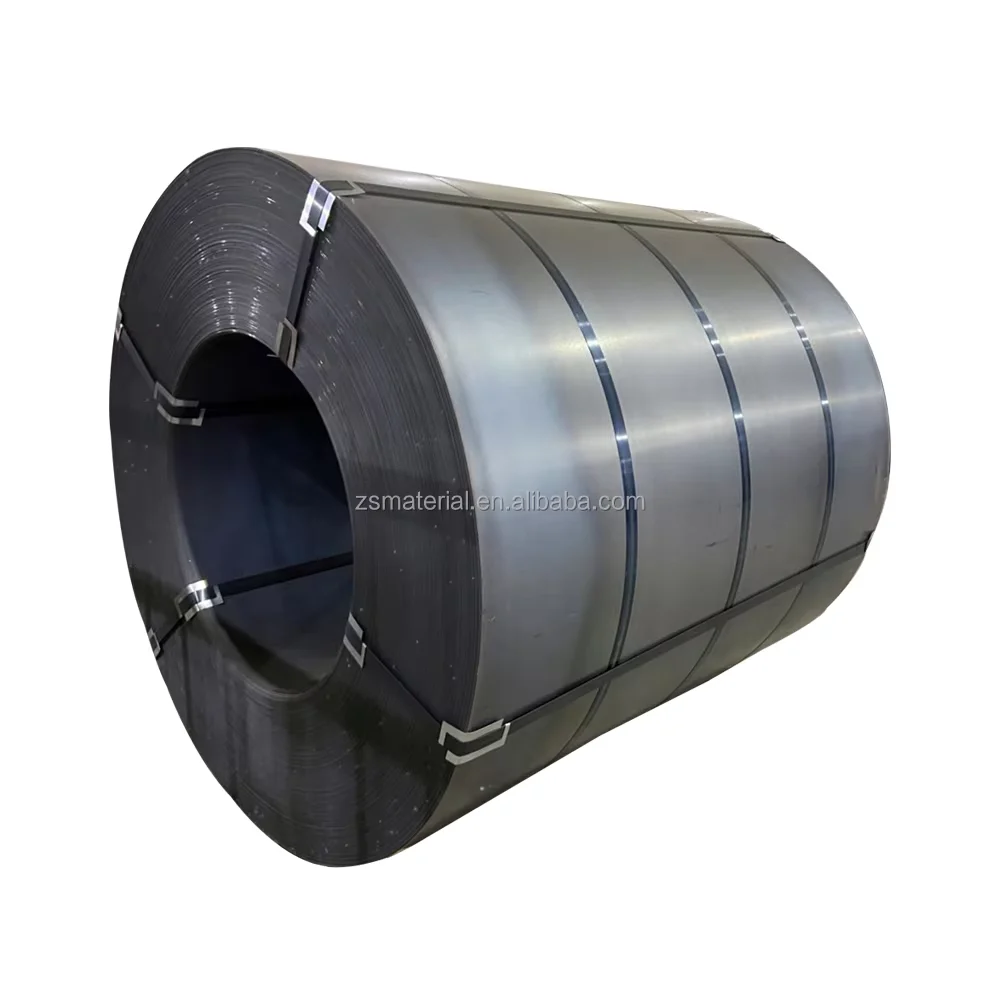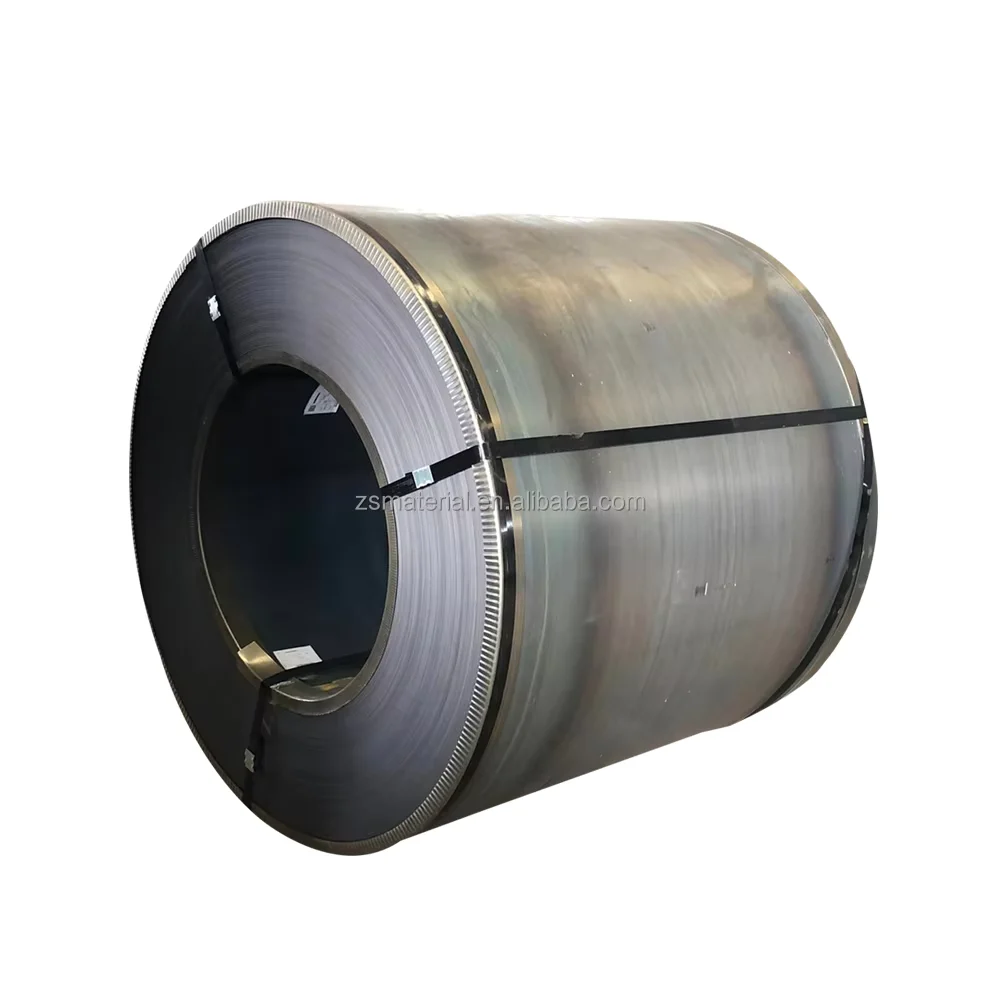
Description
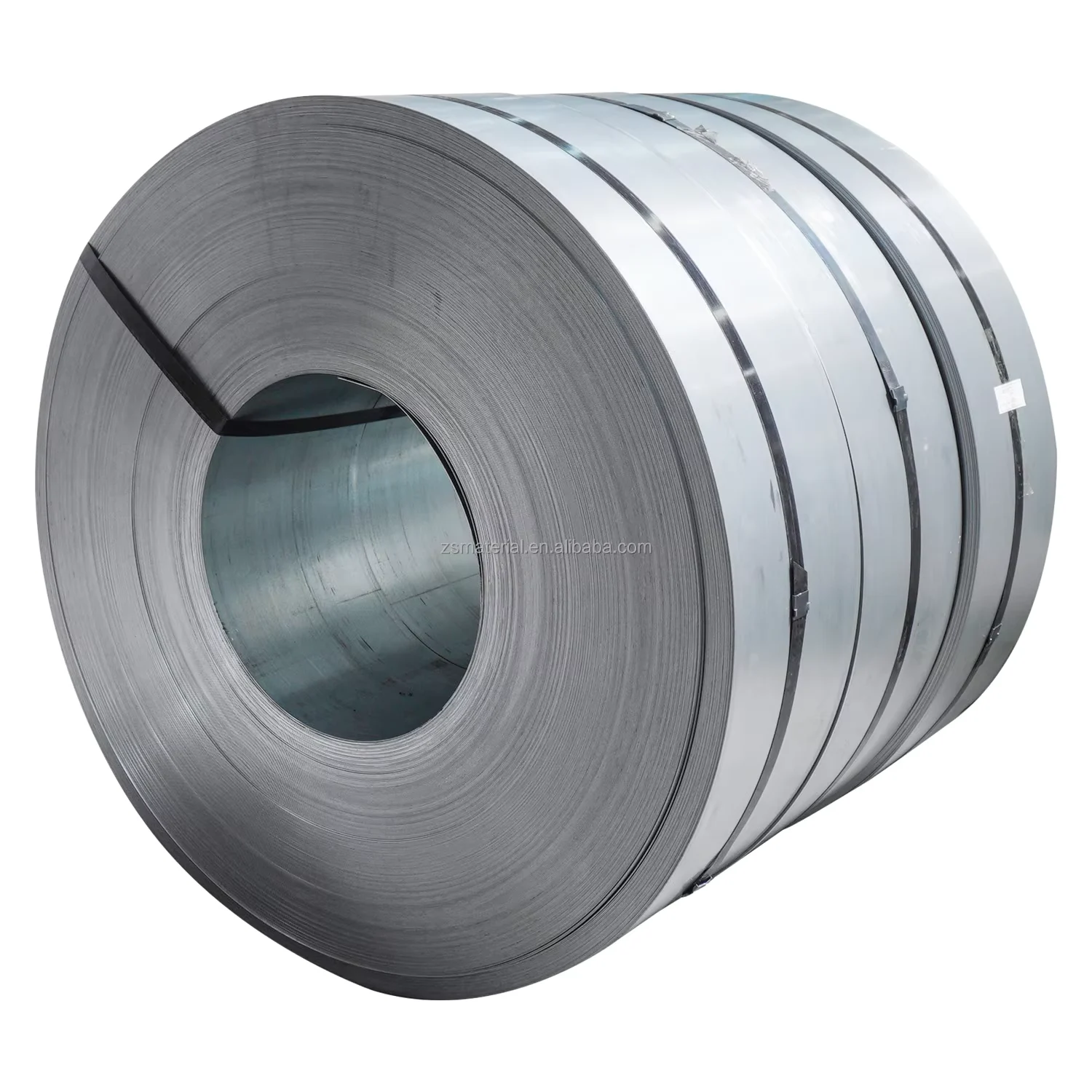
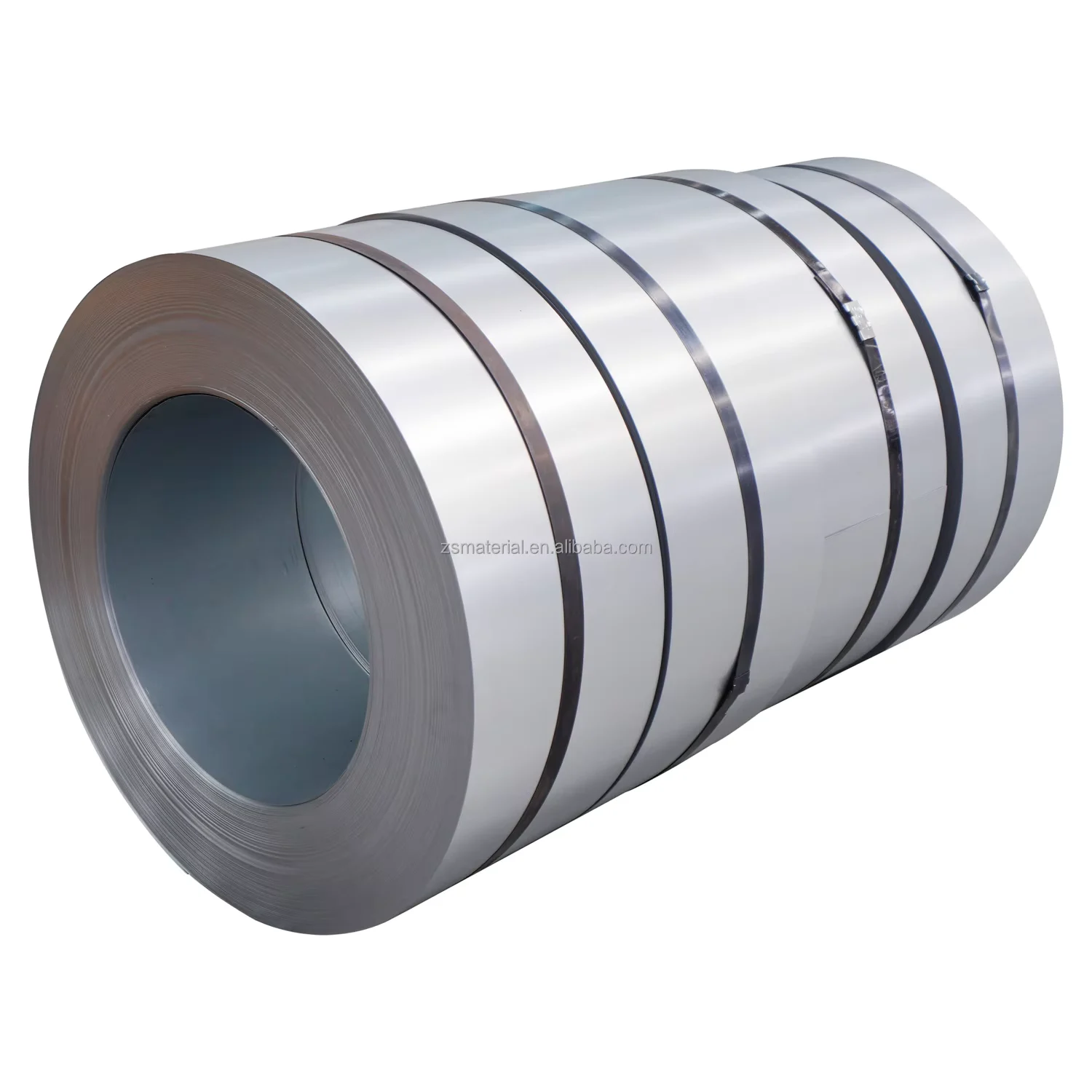
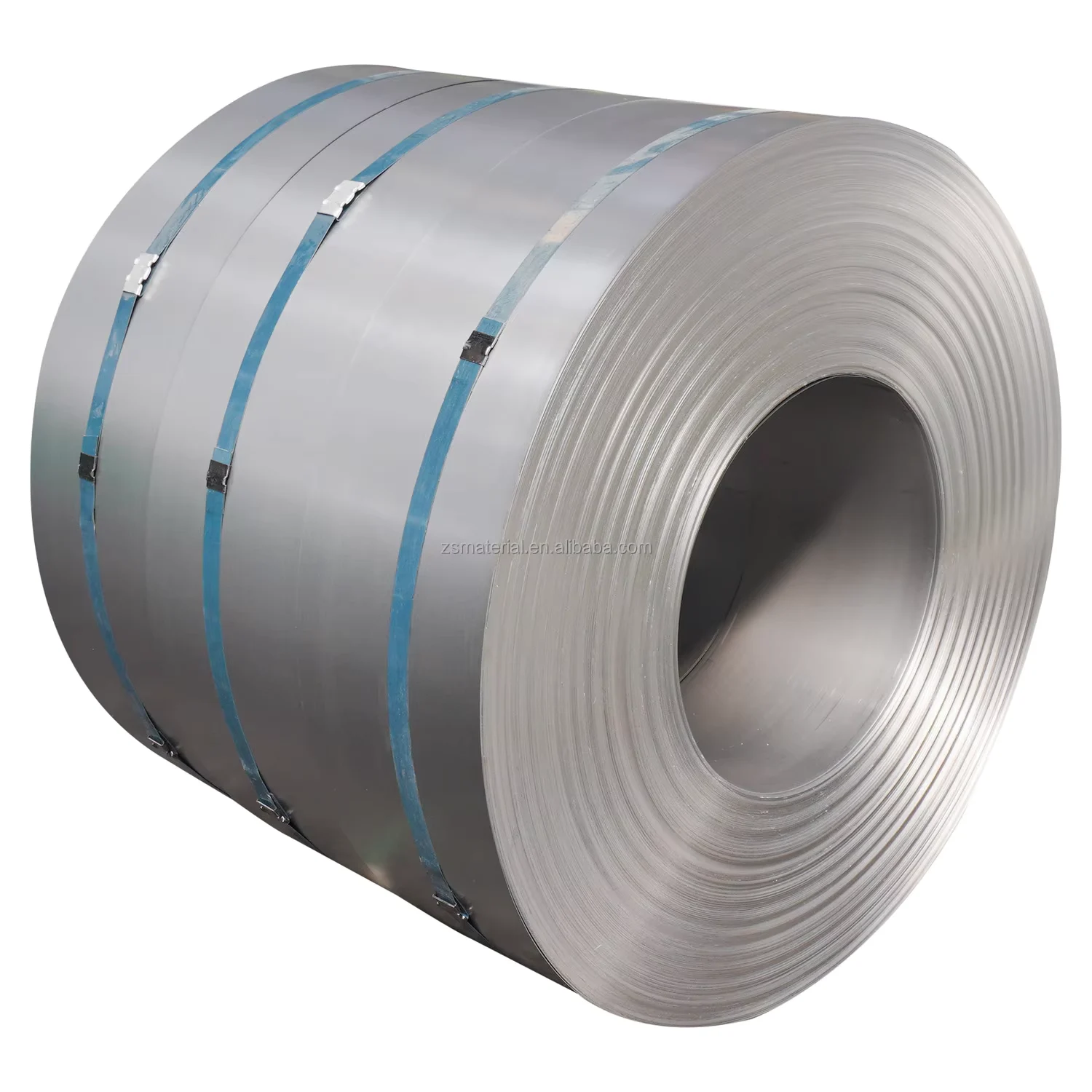
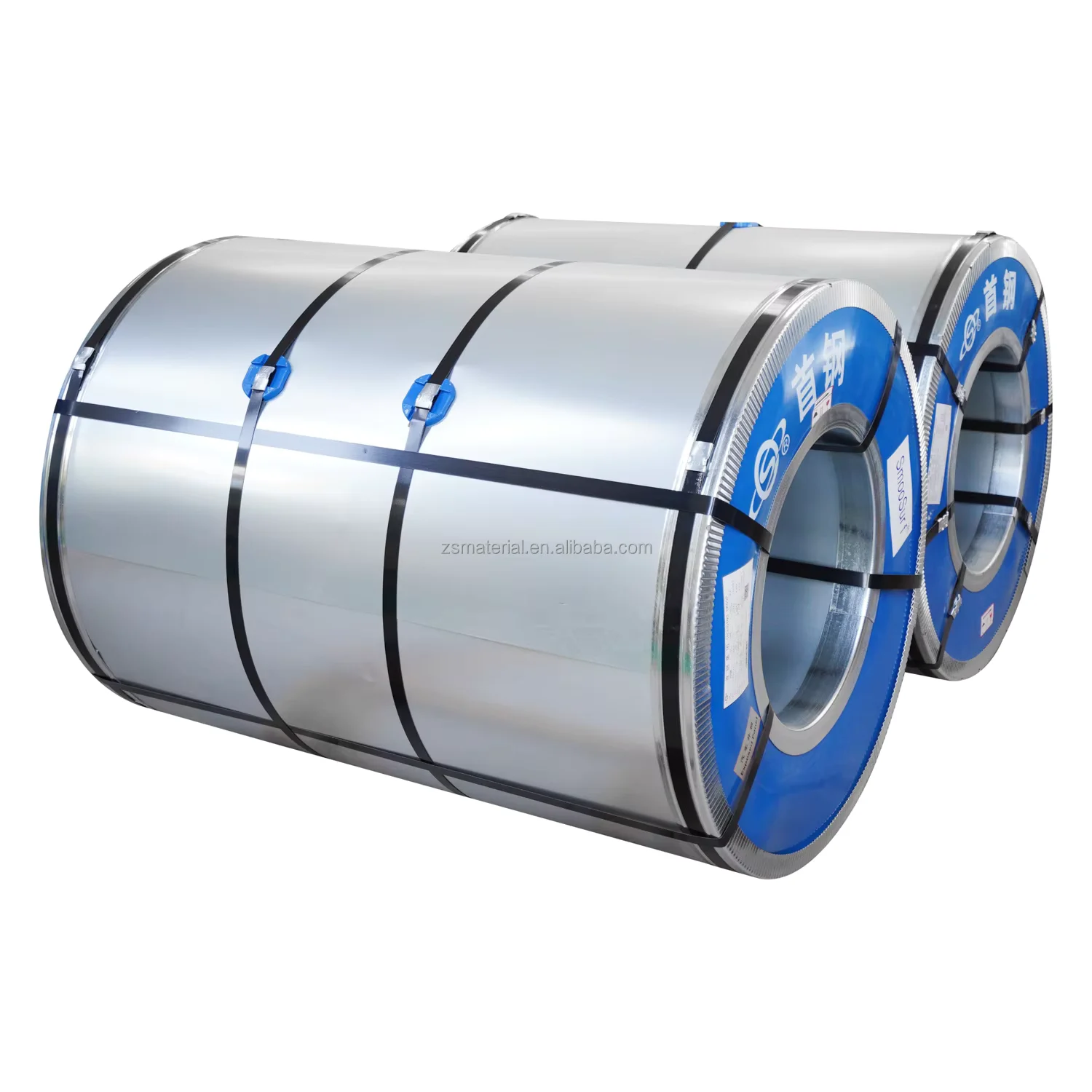
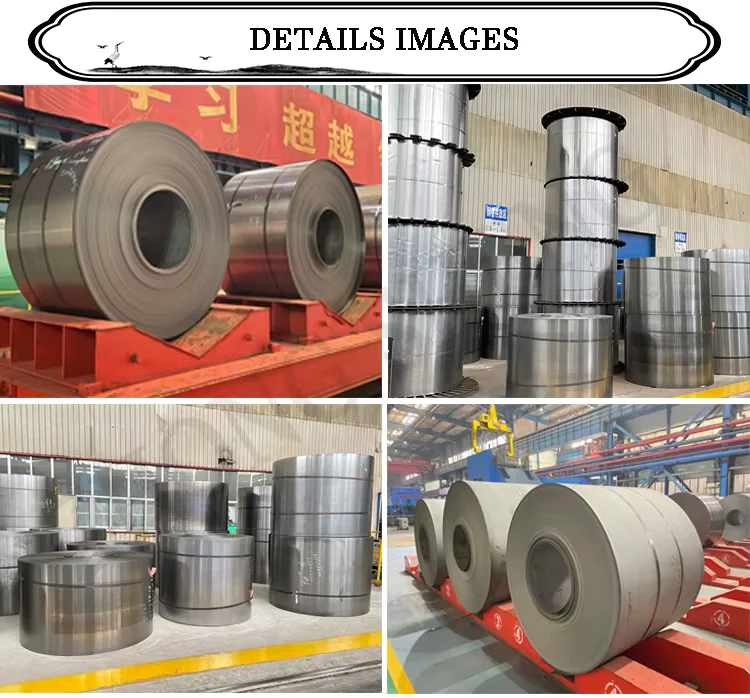
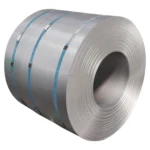
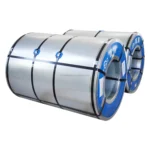
Factory-direct carbon steel coils — every coil thickness verified against mill cert data before dispatch, eliminating middlemen markup on bulk orders.
Technical Specifications
| Parameter | Value |
|---|---|
| Designation | Custom Carbon Steel Coil (Hot Rolled / Cold Rolled) |
| Product Type | Steel Coil |
| Steel Grade | Carbon Steel |
| Standard | AISI / ASTM / DIN / JIS / GB / SUS / EN |
| Technique | Hot Rolled / Cold Rolled |
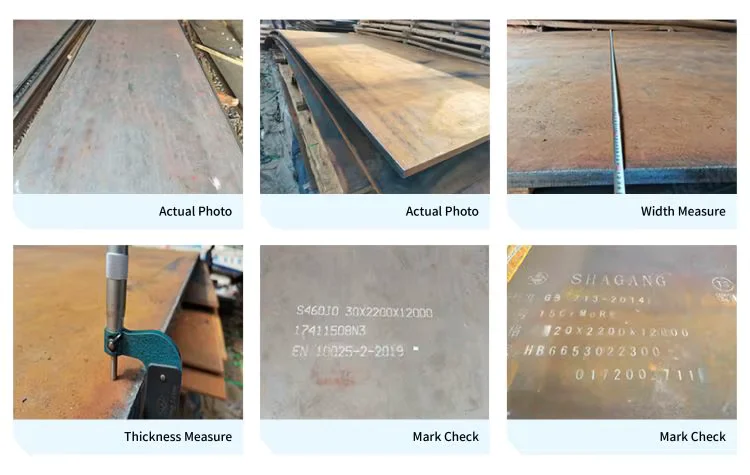
| Thickness | 0.13–4.0 mm |
| Width | 600–3000 mm |
| Weight per Coil | 8–35 MT/Coil |
| Coil ID | 508 mm / 610 mm (or custom) |
| Surface | Smooth / Patterned / Checker |
| Application | Shipbuilding / Construction / Engineering / Mechanical Manufacturing / Automotive / Appliance / Machinery / Building Material |
Application Suitability
| Industry | Typical Applications |
|---|---|
| Construction & Engineering | Structural framing, building cladding panels, scaffolding components |
| Mechanical Manufacturing | Machinery housings, conveyor frames, equipment enclosures |
| Shipbuilding & Infrastructure | Marine deck plating, bridge structural elements, port facility components |
| Automotive & Appliance | Vehicle body panels, appliance casings, chassis brackets |
What Thickness Tolerance Costs on a Bulk Coil Order
A 0.15mm negative tolerance deviation on a 4.0mm coil means 3.75% less steel than invoiced — paid in full, delivered short.
Global buyers sourcing Custom Carbon Steel Coil Hot Cold Rolled Supplier shipments face three recurring risks: material properties that drift between heats, width and thickness specs that look right on paper but fail caliper checks at port, and mill certificates that list generic grade names without heat-level traceability. When a container of 35 MT coils arrives with inconsistent gauge readings, the buyer absorbs rework costs, project delays, and sometimes full rejection. [NEED_CITE: steel coil thickness tolerance standards for hot rolled and cold rolled products]
Matching Coil Specs to Structural and Manufacturing Requirements
A Custom Carbon Steel Coil Hot Cold Rolled Supplier must align thickness, width, and surface finish to the end-use environment. Hot rolled coils at 2.0–4.0mm thickness serve structural framing and heavy machinery where formability matters more than surface finish. Cold rolled coils in the 0.13–1.5mm range deliver tighter gauge control and smoother surfaces for automotive panels and appliance housings. Patterned and checker surfaces add slip resistance for construction walkways and industrial flooring without secondary processing.
Engineering Compliance and Certification Requirements
Carbon steel coils shipped to EU markets require CE marking and compliance with EN standards for chemical composition and mechanical properties. North American buyers reference ASTM specifications for grade equivalence and testing protocols. Every heat must carry traceable chemistry and mechanical test data — not just a grade label. [NEED_CITE: EN and ASTM carbon steel coil specification requirements] Coil ID customization (508mm or 610mm) ensures compatibility with client uncoiling equipment, preventing production line downtime from mismatched mandrel sizes.
Hot Rolled vs Cold Rolled: Process Selection for End-Use Performance
Hot rolling produces coils with broader thickness ranges (up to 4.0mm) and lower cost per ton, suitable for structural applications where surface appearance is secondary. The process yields mill scale surfaces that require pickling or blasting before painting. Cold rolling achieves tighter thickness tolerances and superior surface finish in the 0.13–2.0mm range, essential for exposed automotive and appliance components. Cold rolled coils also offer higher strength through work hardening, though at increased production cost. Width capability up to 3000mm covers both standard container-loadable sizes and oversized plates for shipbuilding and bridge fabrication.
Hidden Costs of Wrong-Grade or Out-of-Tolerance Coil Procurement
Specifying S235 when structural design requires S355 leads to failed load testing and costly material replacement. Coils with negative tolerance beyond allowable limits reduce actual weight delivered — the buyer pays for steel that never arrives. Missing or incomplete mill certificates trigger customs holds and project compliance failures. [NEED_CITE: consequences of steel grade mismatch in structural applications]
Why Bulk Buyers Source Custom Carbon Steel Coil Hot Cold Rolled Supplier from Xin Jiyuan
Factory-direct pricing eliminates trader margins on every coil, with volume discounts for recurring orders. Every batch ships with original mill test certificates showing heat-level chemistry and mechanical properties — no generic grade certificates. Three production lines running simultaneously support monthly capacity exceeding 20,000 tons, with flexible MOQ from trial orders to full-container shipments. ISO 9001:2015 and CE certifications ensure compliance documentation is complete before departure. Professional export teams optimize container loading for 8–35 MT coils, maximizing weight per shipment while protecting coil edges during ocean transit.
Documentation & Compliance
- Mill Test Certificate documenting carbon steel chemical composition and mechanical properties per ASTM/AISI/JIS/EN standards for each heat number
- CE certificate confirming compliance with European steel product directives for construction and engineering applications
- ISO 9001:2015 quality management certificate covering production processes and inspection protocols
- SGS or BV third-party inspection report available upon request for independent quality verification
- Material traceability by heat number linking each coil to specific chemistry and test results
- Complete customs documentation including packing list, bill of lading, and certificate of origin
Packaging, Loading & Delivery
- Carbon steel coils bundled with steel strips and edge protectors to prevent edge damage during ocean transit
- Surface protection through anti-rust oil coating for cold rolled coils or mill scale retention for hot rolled products
- Container loading optimization for 8–35 MT coils with weight distribution plans maximizing 20ft and 40ft container capacity
- Coil ID customization (508mm/610mm) marked on each coil for uncoiling equipment compatibility
- Heat number and steel grade identification stenciled on coil ID for traceability verification at destination
- FOB/CIF/DDP shipping terms with professional documentation handling for customs clearance
Start Your Custom Carbon Steel Coil Procurement
Submit your thickness, width, steel grade, quantity, and destination port requirements to receive competitive bulk pricing with mill test certificates. Specify hot rolled or cold rolled preference, surface finish requirements, and any custom coil ID needs for accurate quotation and production scheduling.
Request Factory-Direct Carbon Steel Coil Pricing
Send specifications via email, WhatsApp, or phone to receive bulk quotation within 12 hours, including volume discounts and delivery schedules.
Company: Shandong Xin Jiyuan Special Steel Tube Co., Ltd
Website: www.sdxinjiyuan.com
Tel: +86 531 8573 6315
Mobile/WhatsApp/WeChat: +86 188 5315 7756
Email: admin@sdxinjiyuan.com
Frequently Asked Questions
Q: What is the MOQ for custom thickness and width specifications?
A: MOQ starts from 1 ton for trial orders, with full-container bulk orders available. Custom thickness within 0.13–4.0mm range and width up to 3000mm can be produced with typical lead times for non-standard specifications.
Q: Can you provide third-party inspection (SGS/BV) for quality verification?
A: Yes, SGS or BV third-party inspection is available upon request. Inspection covers thickness measurement, surface quality, chemical composition verification, and mechanical property testing before shipment.
Q: How do you ensure material traceability and provide mill test certificates?
A: Every coil carries a unique heat number linking to original mill test certificates showing chemical composition and mechanical properties. Certificates are provided with every shipment, with copies available before dispatch for buyer verification.
Q: Hot Rolled vs Cold Rolled — which process suits your application?
A: Hot rolled coils (2.0–4.0mm) serve structural and heavy manufacturing where formability and cost matter. Cold rolled coils (0.13–2.0mm) deliver tighter tolerances and superior surface finish for automotive, appliance, and exposed architectural applications.
Q: What are the standard packing methods for export-worthy sea shipment?
A: Coils are bundled with steel strips, edge protectors prevent damage, and anti-rust oil protects cold rolled surfaces. Container loading plans optimize weight distribution for 8–35 MT coils across 20ft and 40ft containers.