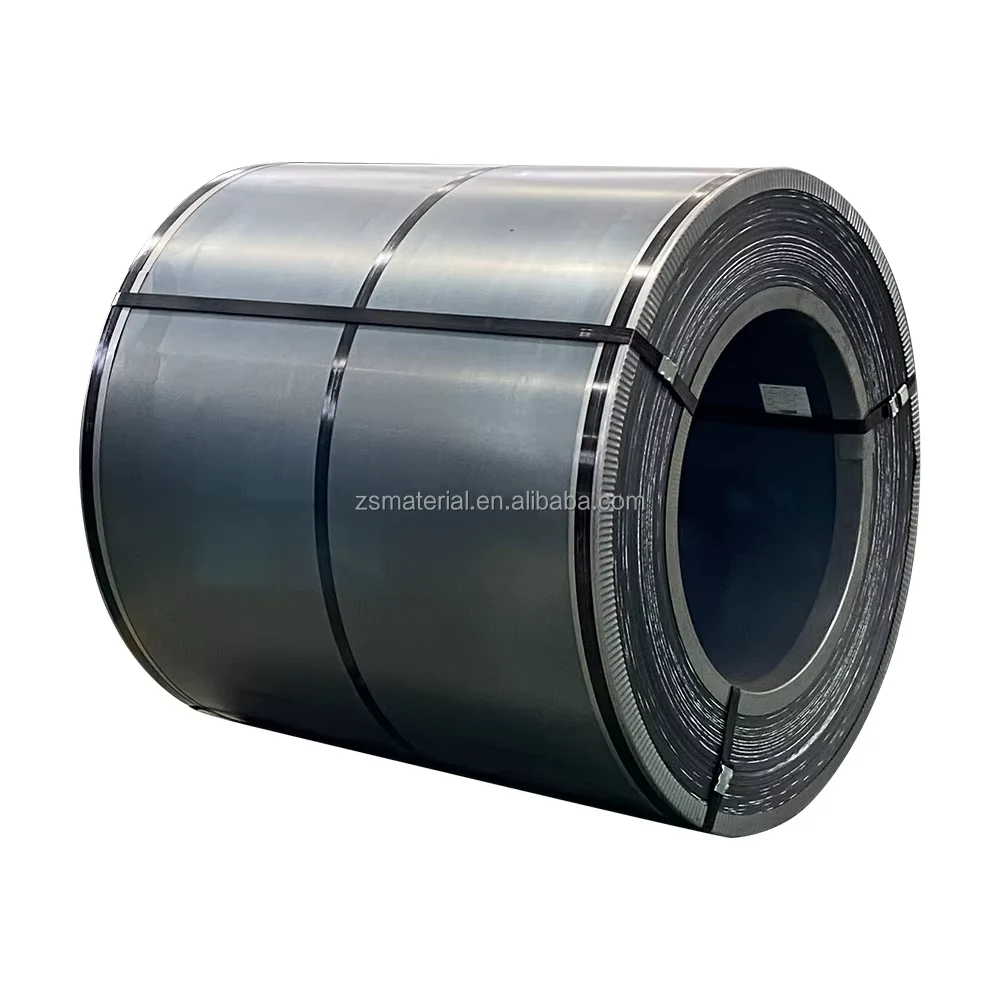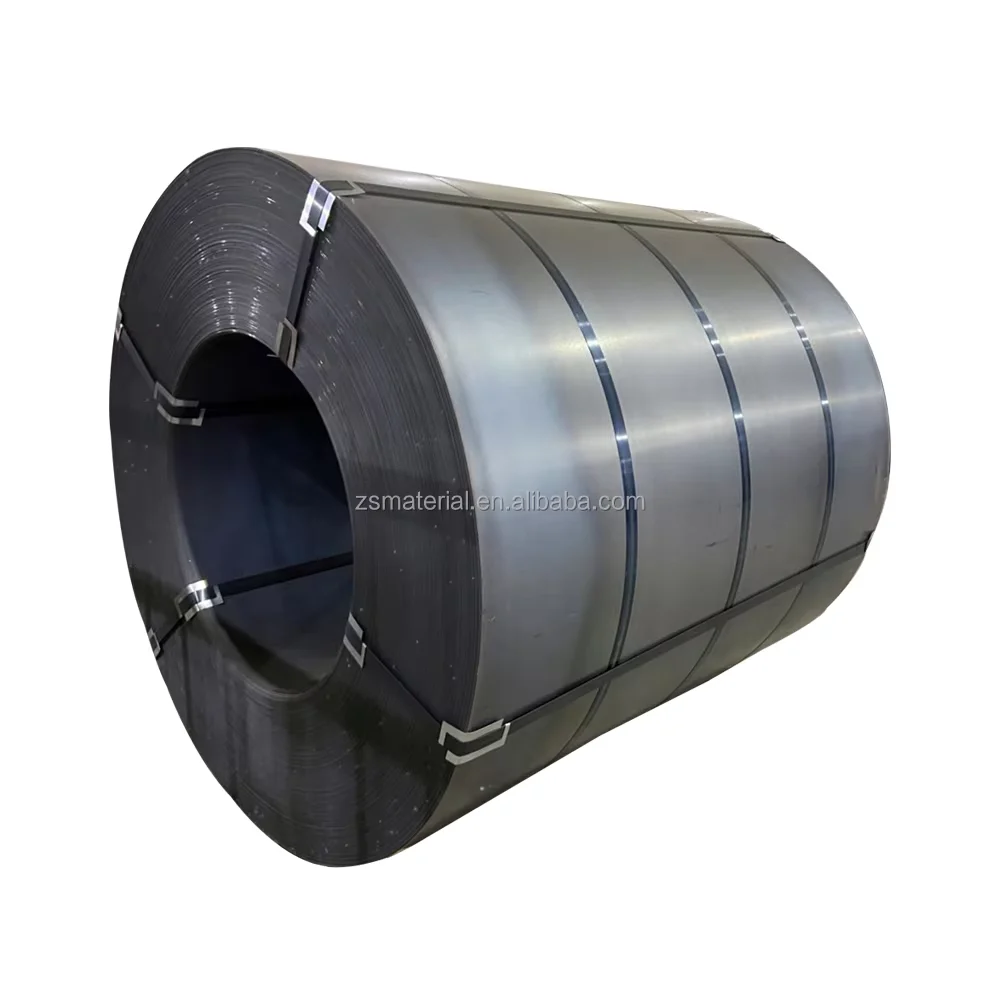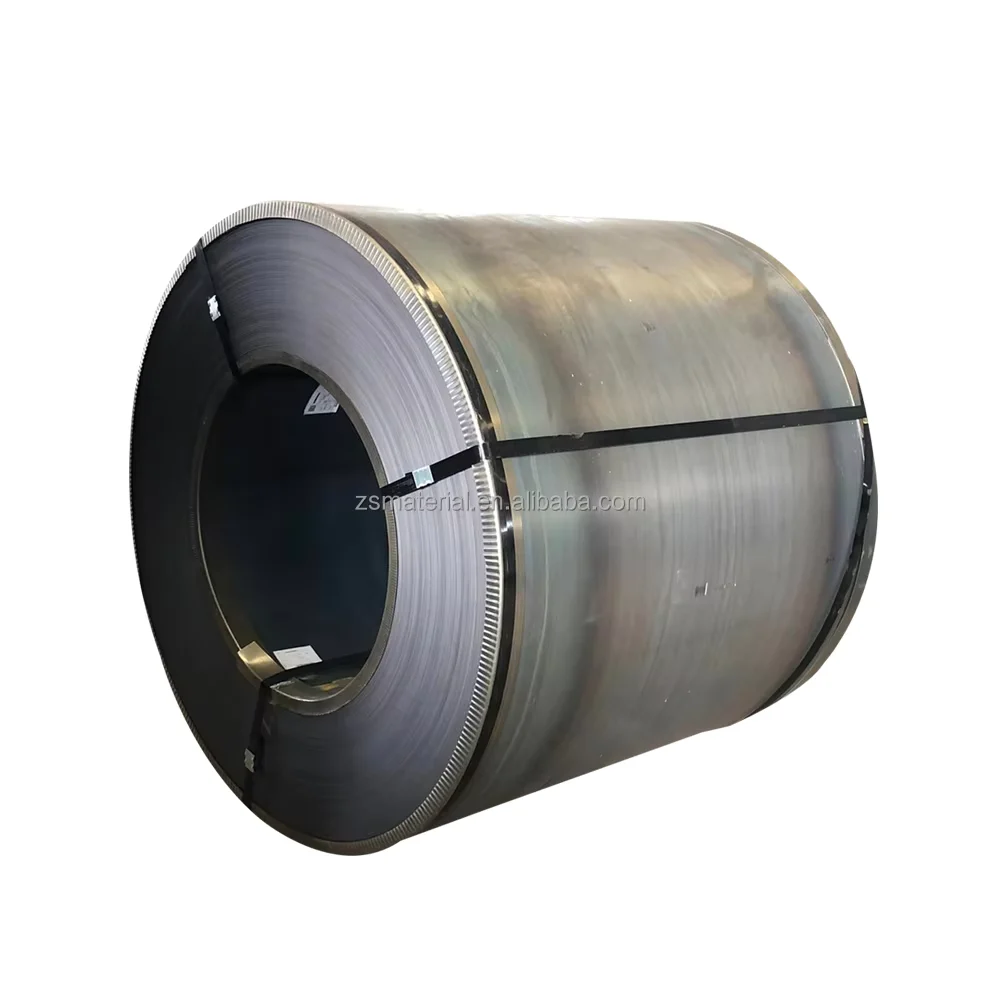
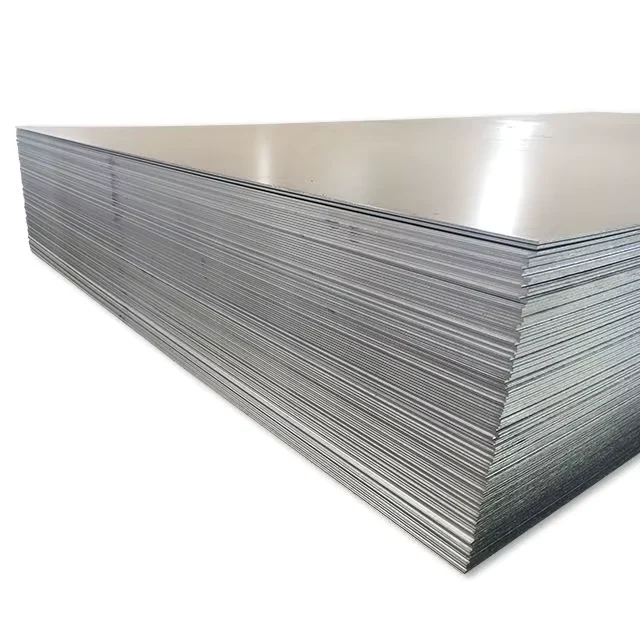
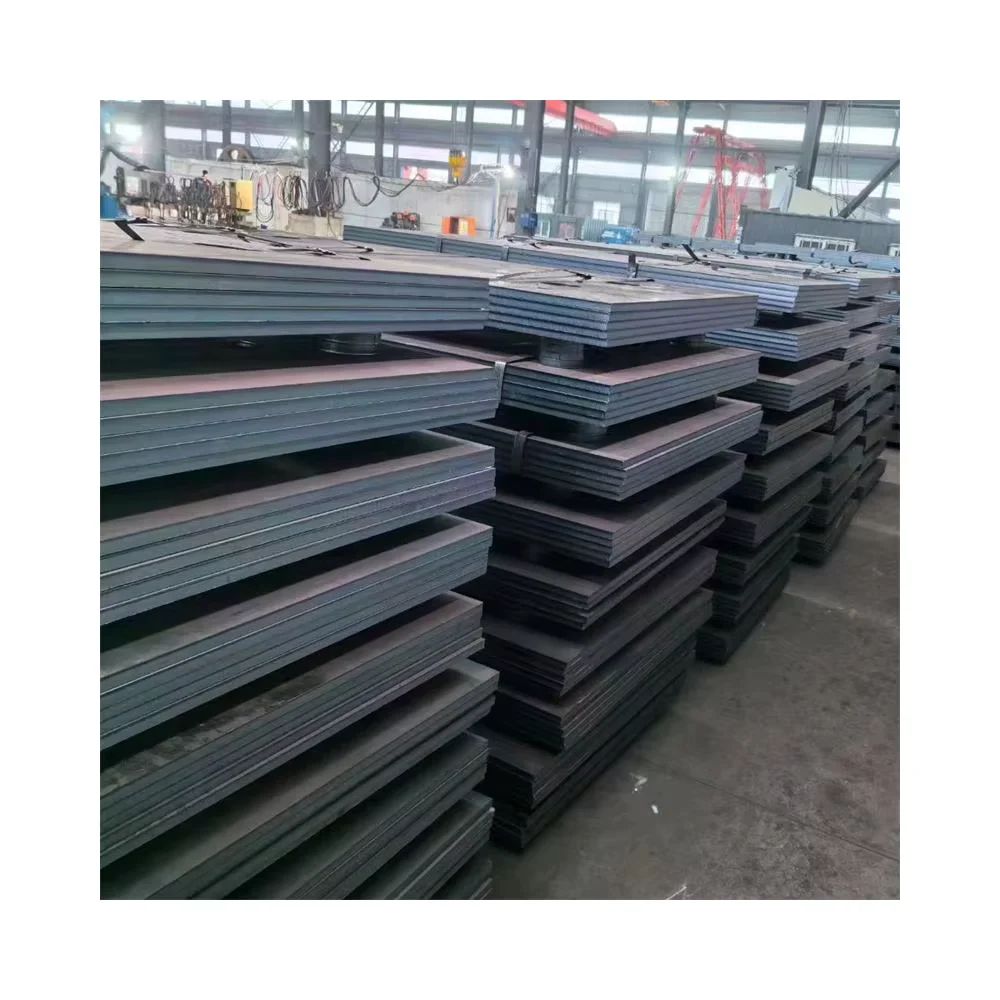
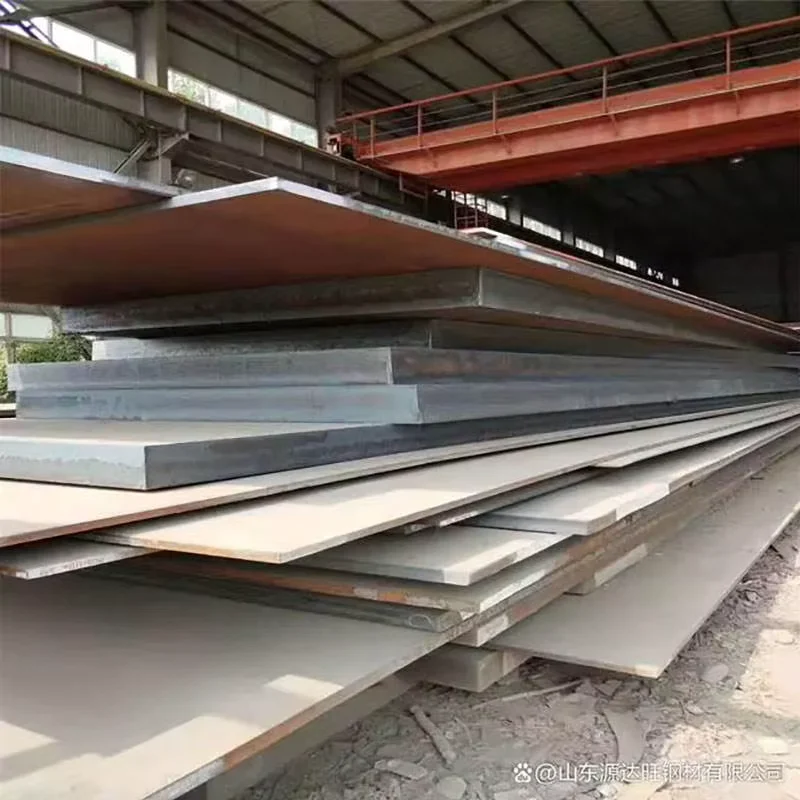
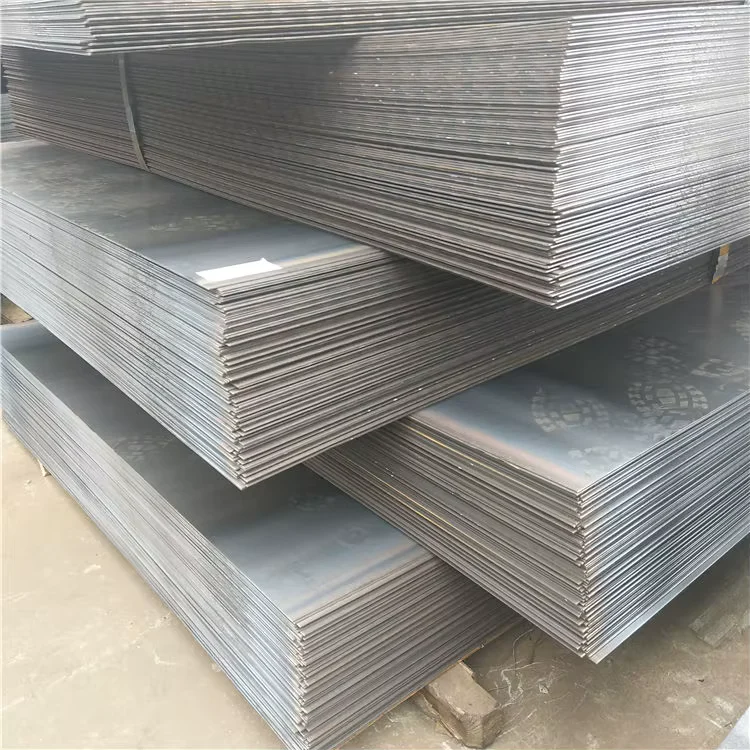
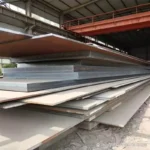
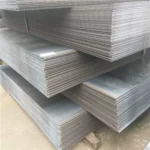
Description
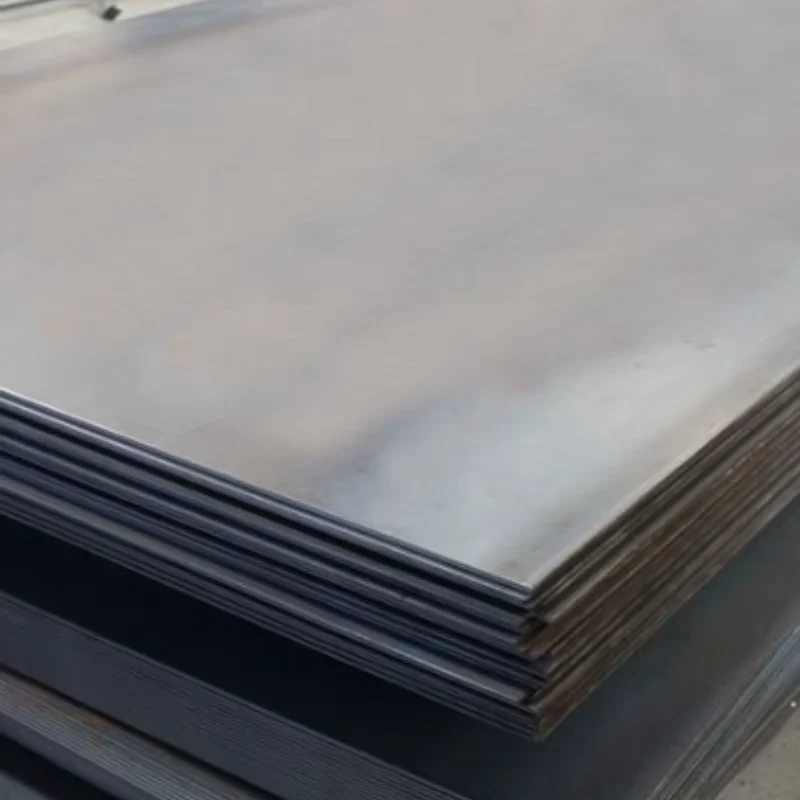
Factory-Direct Alloy Plate Supply — 3 production lines running simultaneously with monthly capacity exceeding 20,000 tons, eliminating middleman markups on every high-strength alloy steel plate order.
Technical Specifications
| Parameter | Value |
|---|---|
| Designation | High-Strength Alloy Steel Plate |
| Product Type | Steel Plate |
| Steel Grade | ASTM / JIS / DIN / BS / AISI High-Strength Alloy Steel Grades |
| Standard | ASTM / JIS / DIN / BS / AISI |
| Thickness Range | 3-200mm |
| Technique | Hot Rolled |
| Surface Treatment | Hot Rolled / Galvanized |
| Processing Services | Bending / Welding / Cutting |
| Application | Shipbuilding / Structural fabrication / Pressure vessels / Industrial construction |
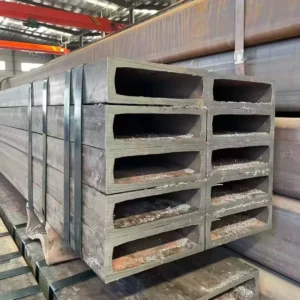
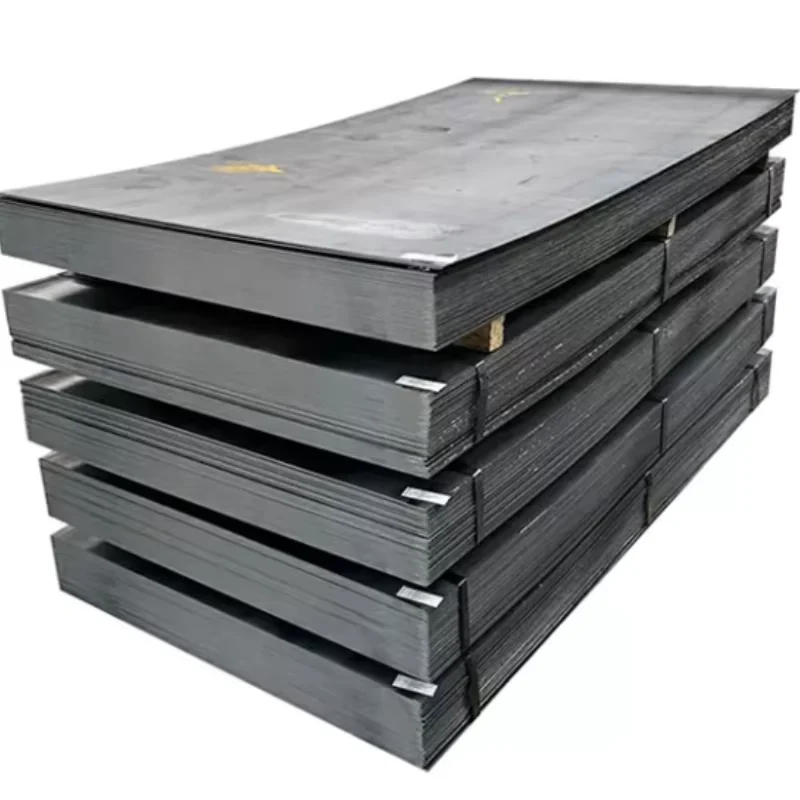
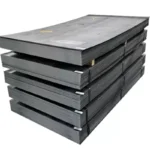
| Packaging | Seaworthy packing with steel strips bundles |
| Origin | Shandong, China |
Application Suitability
| Industry | Typical Applications |
|---|---|
| Shipbuilding & Marine | Hull plating, deck structures, bulkhead frames requiring high-strength welded joints |
| Pressure Vessels & Storage | Tank shells, boiler components, chemical storage vessels with strict traceability |
| Industrial Construction | Heavy equipment frames, crane booms, conveyor support structures |
| Infrastructure & EPC Projects | Bridge gusset plates, foundation base plates, structural node connections |
Where Galvanized Coating Thickness Decides Project Acceptance on Site
Surface treatment compliance is the single most rejected item during marine and infrastructure inspections.
I started on the rolling floor, learning how heat treatment shapes plate grain structure long before I ever faced an overseas buyer. Years later on a Dubai port project, a contractor rejected a 200-ton ship plate shipment — the galvanized coating measured just 45μm against the 85μm they specified. The entire batch had to be stripped and re-galvanized at our cost, delaying their schedule by three weeks. That loss burned into me: surface treatment isn’t some finishing afterthought, it’s the line between acceptance and rejection on site. Buyers sourcing high-strength alloy steel plate for corrosive marine environments need verified coating data, not supplier promises. [NEED_CITE: hot-dip galvanized coating thickness standards for marine structures]
Matching Plate Thickness and Grade to Marine Structural Demands
Shipbuilding projects demand plates that balance weldability with tensile strength across varying thickness zones. A hull bottom plate at 200mm requires different alloy composition than a 6mm deck stiffener, yet both must pass the same classification society welding procedure qualification. Our high-strength alloy steel plate range covers 3-200mm in a single procurement cycle, meaning the yard procurement team sources all thickness tiers from one heat-numbered batch. This eliminates the grade mismatch risk that occurs when thin and heavy plates arrive from different mills with inconsistent carbon equivalence values.
Engineering Code Compliance and Certification Pathways
Structural plates for pressure vessels and shipbuilding must conform to specific engineering codes — ASME Section II for pressure boundaries, ABS/DNV/Lloyd’s rules for marine classification, and EN 10025 for European structural work. The high-strength alloy steel plate supplied under ASTM, JIS, DIN, BS, and AISI standards provides cross-market compatibility, allowing EPC contractors to source one material family for projects spanning multiple regulatory jurisdictions. Third-party inspection by SGS or BV verifies chemical composition and mechanical properties against the declared standard before shipment, preventing customs holds and classification society rejections at destination. [NEED_CITE: classification society material approval requirements for shipbuilding steel plates]
Understanding Hot Rolled vs Galvanized Surface Selection
Hot rolled plates retain the mill scale formed during high-temperature rolling, making them suitable for structural applications where the plate will receive secondary coating or operate in dry indoor environments. Galvanized high-strength alloy steel plate adds a zinc sacrificial layer that protects against atmospheric and marine corrosion without requiring field painting. The choice between these surfaces depends on the service environment — galvanized plates for offshore platforms and coastal infrastructure, hot rolled for indoor machinery frames and pressure vessel shells where internal lining provides corrosion protection. Selecting the wrong surface treatment leads to premature corrosion failure or unnecessary coating costs.
The Hidden Cost of Unverified Plate Specifications
Ordering high-strength alloy steel plate without original mill test certificates creates a cascade of downstream failures. Material that does not meet the declared ASTM or JIS grade specification will fail welding procedure qualification tests, forcing complete cut-piece scrapping rather than simple rework. Missing or forged certificates trigger customs detention at destination ports, where port authorities increasingly cross-check mill documentation against declared steel grades. [NEED_CITE: customs documentation requirements for alloy steel plate imports] The cost of a single rejected container far exceeds the price difference between verified and unverified suppliers.
Procurement Confidence Through Verified Supply Chain Control
Every high-strength alloy steel plate order ships with original mill test certificates documenting chemical composition and mechanical properties per the declared standard. Our in-house laboratory conducts three-stage inspection covering incoming slab verification, in-process dimensional checks, and final surface treatment measurement. Third-party SGS or BV inspection is available on request for buyers requiring independent validation. The 2,800+ specification inventory enables consolidated multi-product container loading — combining plates, pipes, and sections in single shipments reduces per-ton freight costs and simplifies destination customs clearance. Professional export documentation handling ensures complete paperwork accompanies every shipment.
Documentation & Compliance
- Mill test certificate documenting high-strength alloy steel plate chemical composition and mechanical properties per ASTM / JIS / DIN / BS / AISI standards
- ISO 9001:2015 quality management certificate covering production processes and inspection protocols
- SGS or BV third-party inspection report verifying galvanized coating thickness and surface quality
- Material traceability by heat number linking each plate to its original slab casting record
- Lloyd’s CE certification (EN 10210/10219) for European market structural compliance
- Complete customs documentation package including packing list, bill of lading, and certificate of origin
Packaging, Loading & Delivery
- High-strength alloy steel plate bundled with steel strips and seaworthy packaging, with edge protectors preserving galvanized coating during ocean transit
- Galvanized surface plates separated by interleaving material to prevent zinc layer scratching during handling and transport
- Container loading optimization for 3-200mm thickness plates, maximizing weight utilization within 20ft and 40ft standard containers
- Custom cutting to project-specified lengths available, reducing on-site waste and secondary processing costs
- Each bundle marked with heat number, steel grade, thickness, and standard for immediate site identification
- FOB, CIF, and DDP shipping terms available with professional export team handling port coordination and documentation
Securing Your Plate Procurement With Verified Documentation
Submit your high-strength alloy steel plate requirements including thickness, steel grade, standard, surface treatment preference, and destination port to receive competitive factory-direct pricing within 12 hours. Request original mill test certificates and SGS/BV inspection reports before committing to production. Confirm custom cutting dimensions and container loading plans for consolidated multi-product shipments.
Frequently Asked Questions
Q: What steel grade standards do you supply for high-strength alloy steel plate?
A: We supply plates conforming to ASTM, JIS, DIN, BS, and AISI high-strength alloy steel grade specifications, covering the full 3-200mm thickness range for shipbuilding, pressure vessel, and structural applications.
Q: Can you provide third-party inspection for galvanized coating verification?
A: Yes, SGS and BV third-party inspection services are available on request to verify galvanized coating thickness, surface quality, and adhesion properties against project specifications before shipment.
Q: Do you offer custom cutting and processing services?
A: We provide bending, welding, and cutting services for high-strength alloy steel plate, allowing buyers to receive project-ready components rather than raw plates requiring secondary fabrication.
Q: What documentation accompanies each plate shipment?
A: Every shipment includes original mill test certificates documenting chemical composition and mechanical properties, heat number traceability, packing lists, bills of lading, and certificates of origin. ISO 9001:2015 and CE certificates are available for compliance verification.
Q: What is the minimum order quantity for high-strength alloy steel plate?
A: We offer flexible MOQ starting from trial orders of 1 ton up to full-container bulk orders, with volume discount programs available for long-term procurement partners.
Secure Factory-Direct Pricing With Full Mill Documentation
Submit your high-strength alloy steel plate specifications, quantity, and destination to receive competitive bulk pricing and original mill test certificates within 12 hours.
Tel: +86 531 8573 6315 | Mobile/WhatsApp/WeChat: +86 188 5315 7756 | Email: admin@sdxinjiyuan.com