
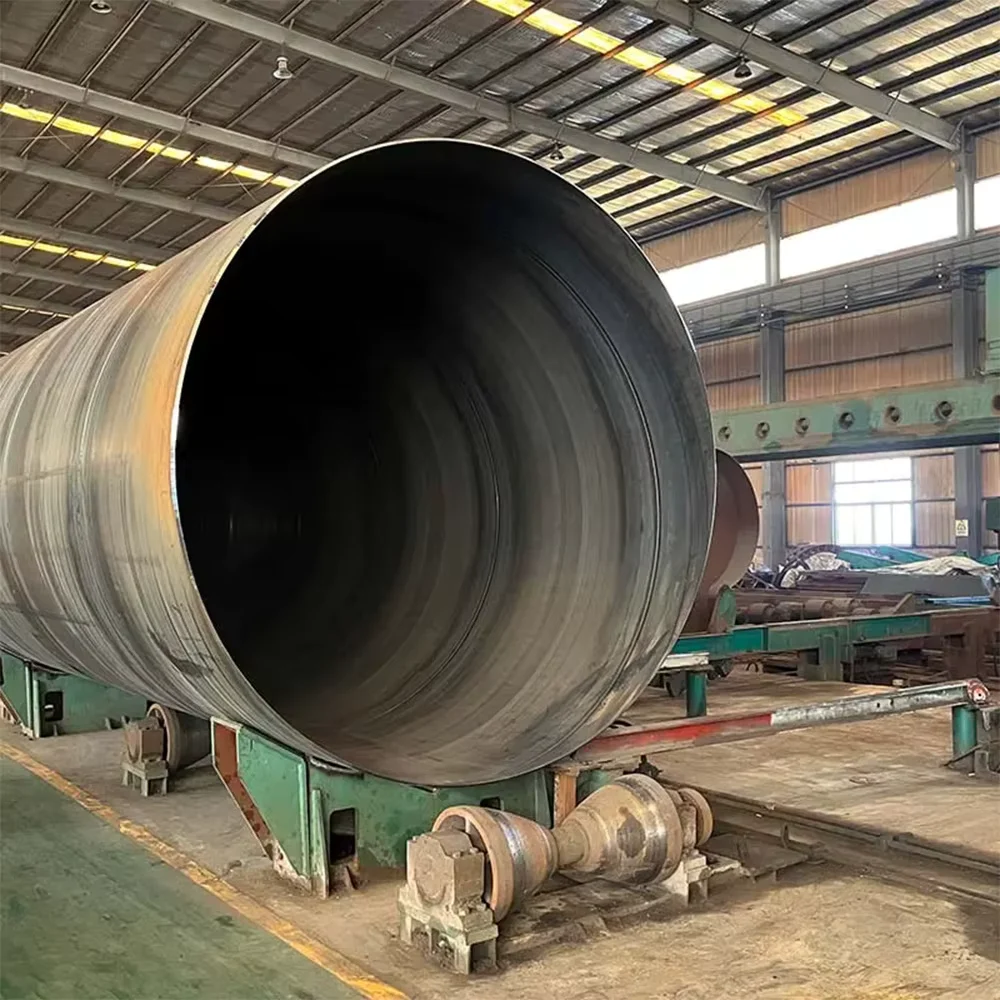
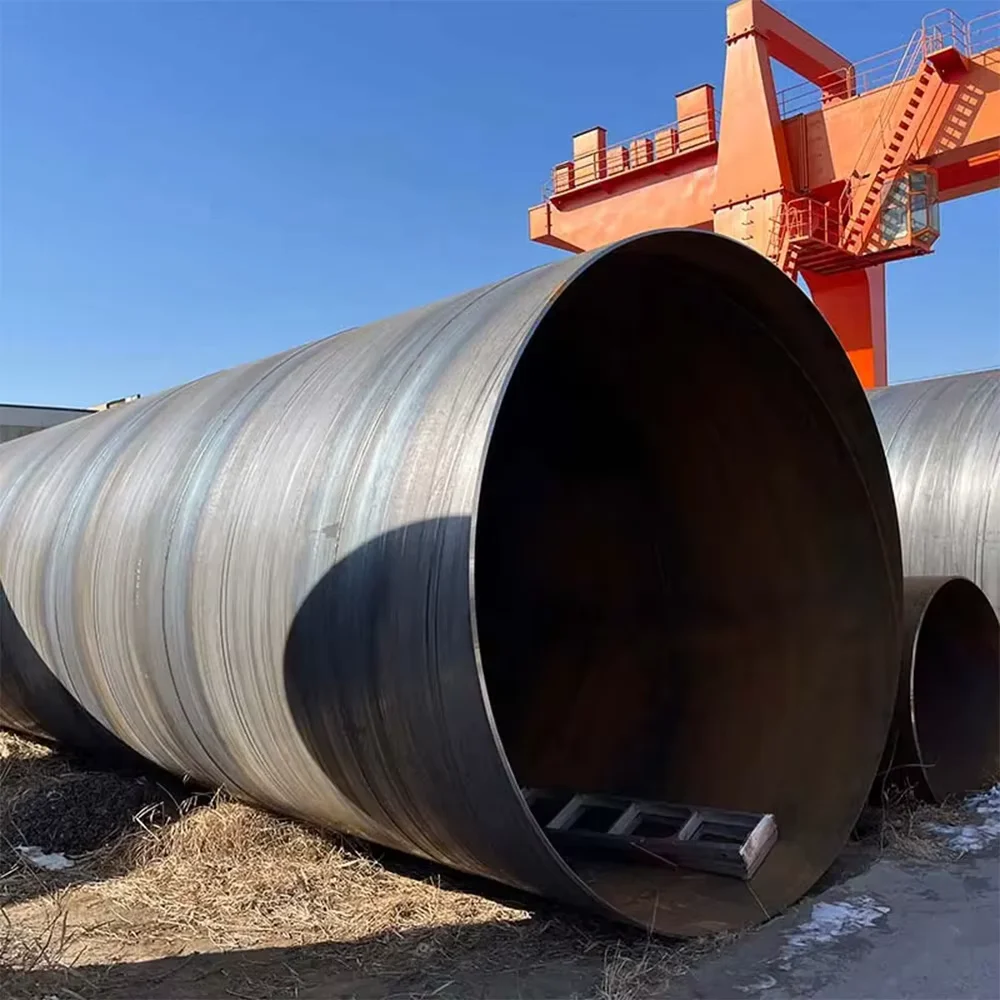
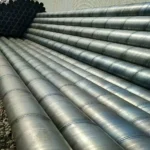
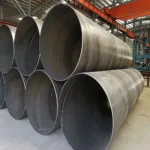
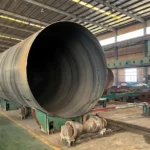

Description
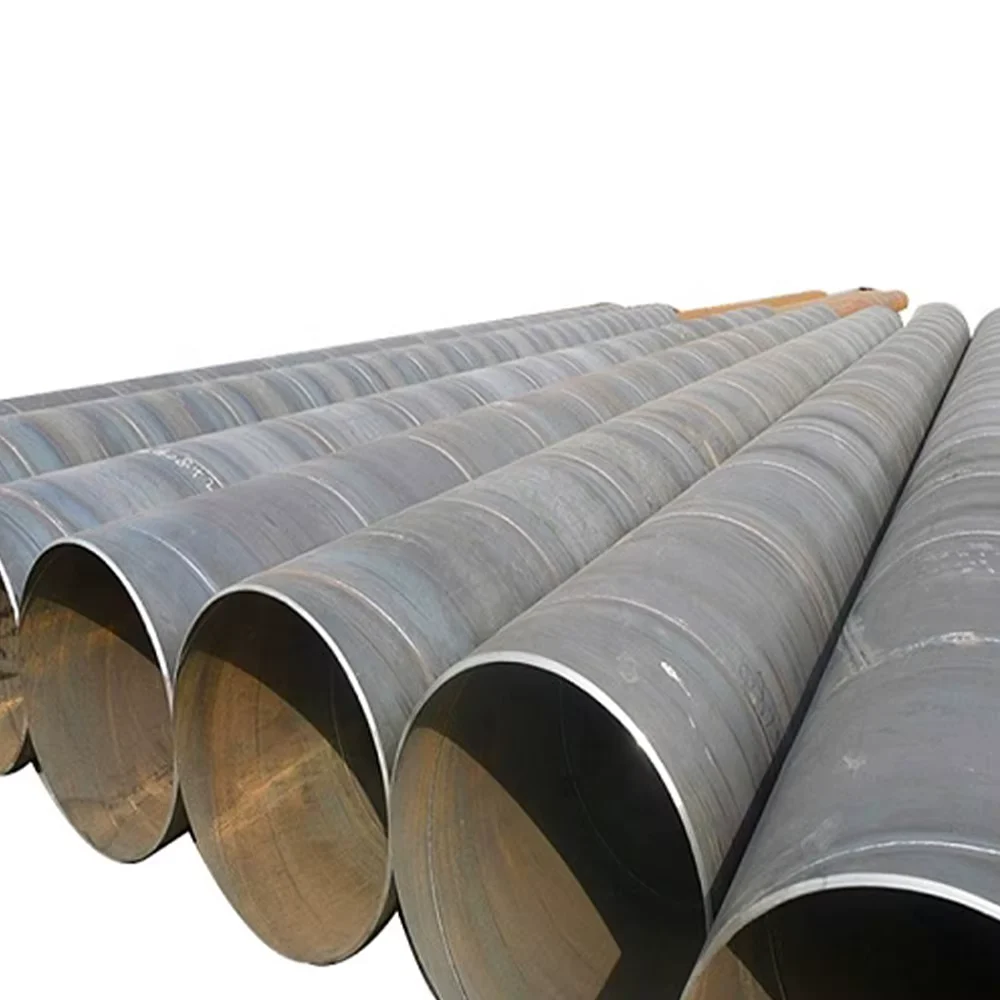
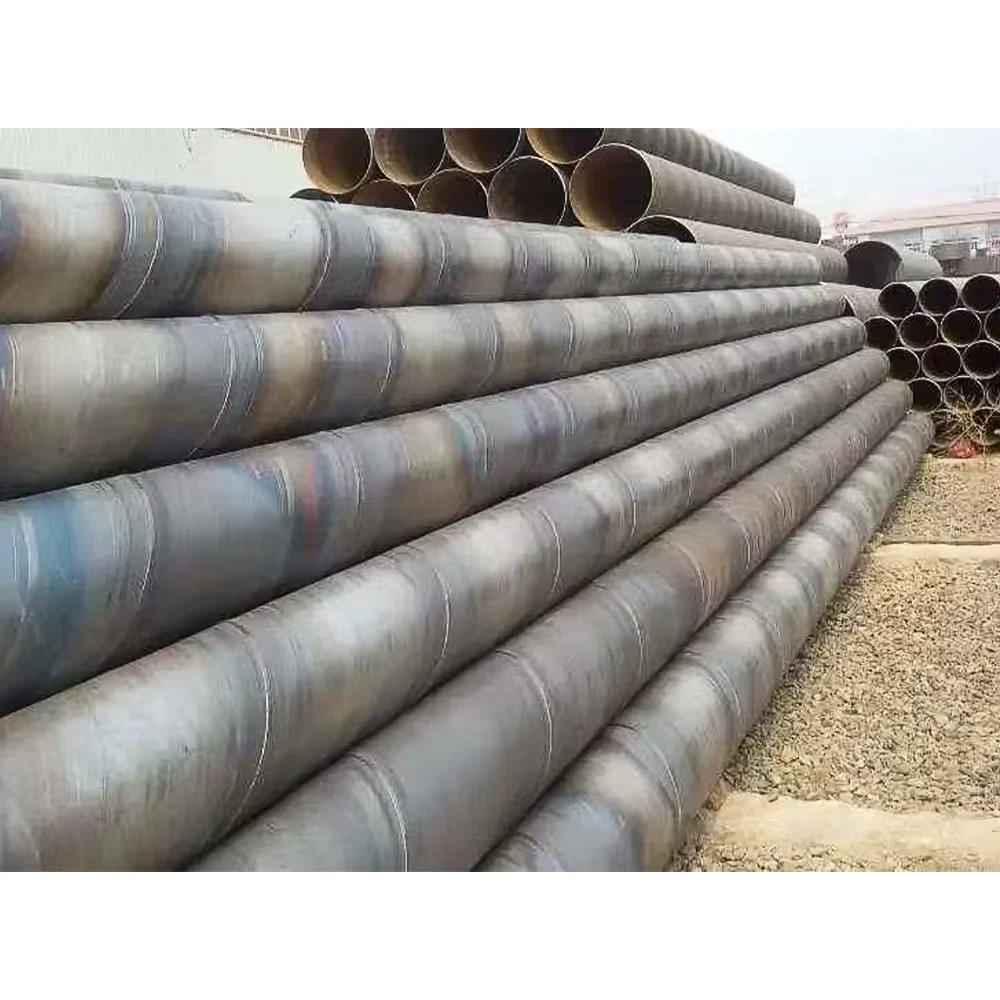
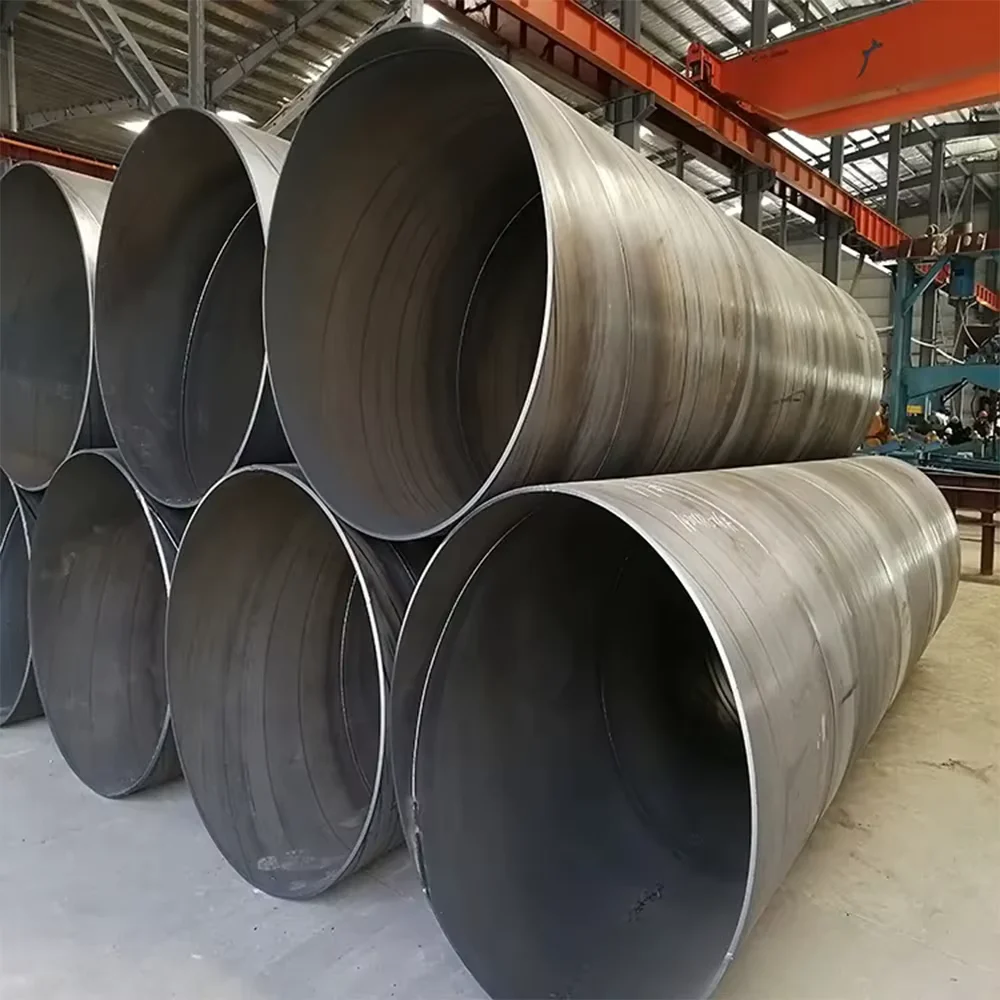
Factory-Direct ERW Pipe Supply — ASTM A53 and ASTM A500 round pipes shipped with original mill test certificates and third-party inspection reports for project compliance.
Technical Specifications
| Parameter | Value |
|---|---|
| Designation | ASTM A53 ERW Welded Steel Pipe |
| Product Type | ERW Welded Steel Pipe |
| Steel Grade | ASTM A53, ASTM A500, ASTM A36, JIS G3444, Q195, Q235A-B, Q345A-E, 20#, 10#, SS400, St37, St52, S235JR, S355JR |
| Standard | ASTM A53, ASTM A500, ASTM A36, ASTM A106, JIS G3444, GB/T 3091-2001, GB/T 13912-2002, BS 1387 |
| Section Shape | Round |
| Size Range | Outer Diameter 10–1000 mm |
| Wall Thickness | 1–80 mm |
| Length | 1–12 m (or customized) |
| Technique | ERW / Hot Rolled |
| Surface Treatment | Black Painting / Oiled / Non-oiled |
| Tolerance | ±1% |
| Ends | Plain / Beveled (per standard) |
| Application | Fluid transport / Construction structure / Fencing / Furniture / Plumbing / Greenhouse / Machinery parts / Curtain wall |
| MOQ | 5 Tons |
| Origin | Shandong, China |
Application Suitability
| Industry | Typical Applications |
|---|---|
| Construction & Infrastructure | Structural frames, scaffolding uprights, fencing posts, curtain wall supports |
| Fluid & Energy | Water supply lines, gas distribution pipelines, low-pressure oil transport |
| Industrial & Commercial | Greenhouse framing, furniture tubing, machinery component housings |
| Agricultural | Irrigation systems, livestock fencing structures, equipment supports |
When Wall-Thickness Tolerance Decides Whether a Container Passes Inspection
A pipe measured at 1.2 mm instead of the specified 1.5 mm wall thickness fails third-party calibration — and the entire shipment gets rejected at port.
Global buyers sourcing ASTM A53 ERW welded steel pipe regularly encounter three compounding problems: material properties that drift between heats, certificates that cannot be traced back to the original mill, and wall thickness that falls outside acceptable tolerance once measured with proper calipers. [NEED_CITE: ASTM A53 dimensional tolerance requirements for ERW pipe] When pipes arrive at a project site with inconsistent weld seams or undocumented steel grades, the cost is never just the pipe — it is rework, delayed handover, and failed structural inspections. Sourcing from a single ASTM A53 ERW welded steel pipe supplier who controls production in-house and ships every batch with verifiable mill test certificates eliminates the guesswork that costs bulk buyers time and money.
Matching ERW Round Pipe to Structural and Fluid Applications
ASTM A53 ERW welded steel pipe in OD 10–1000 mm and wall thickness 1–80 mm covers the dimension range most commonly specified for structural frames, scaffolding, and low-pressure fluid lines. The ERW process with hot-rolled base material produces a consistent longitudinal weld seam suitable for load-bearing frames and fencing posts where seamless pipe would add unnecessary cost. For greenhouse structures and curtain wall supports, the black painted or oiled surface treatment provides adequate short-term corrosion protection during transit and installation, while Q235 and S235JR grades meet the yield requirements for typical non-critical structural applications.
Engineering Compliance and Certification Requirements
Structural applications governed by EN 1993 or AISC specifications require documented proof that the steel grade conforms to the stated standard — not just a supplier’s declaration. [NEED_CITE: EN 10219 cold-formed structural hollow section compliance] For projects shipping to the European market, CE certification under EN 10210 or EN 10219 is often a customs clearance prerequisite, while North American buyers typically require ASTM A53 or A500 compliance with full chemical and mechanical test data. The ±1% tolerance on ASTM A53 ERW welded steel pipe means wall thickness must be verified at multiple points around the circumference, and beveled ends must match the welding procedure specification for the project. Custom cut-to-length orders between 1 m and 12 m reduce on-site secondary cutting waste and keep the project schedule on track.
Steel Grade Selection and ERW Process Fundamentals
The ASTM A53, ASTM A500, and ASTM A36 grades represent the North American specification system, while Q195 through Q345 follow the Chinese GB standard, and S235JR/S355JR belong to the European EN system — each system defines different minimum yield strength thresholds and chemical composition limits. [NEED_CITE: steel grade equivalence between ASTM, EN, and GB standards] ERW (Electric Resistance Welding) forms the round section from hot-rolled coil and fuses the longitudinal seam through electrical resistance heating, producing a pipe that is cost-effective for structural and low-to-medium pressure fluid applications compared to seamless alternatives. The hot-rolled base material ensures the weld zone and parent metal have compatible microstructures, which matters when the pipe will be bent, drilled, or welded on site. Surface treatment choices — black painting for indoor structural use, oiled for transit corrosion prevention, or bare for subsequent galvanizing — should match the end-use environment and the project’s installation timeline.
Hidden Costs of Procuring Without Verified Documentation
Pipes supplied without original mill test certificates or with wall thickness below the specified tolerance create costs that do not appear on the purchase order: customs holds due to missing compliance documents, structural inspection failures that require replacement of installed sections, and project delays while the buyer searches for a verified replacement supplier. [NEED_CITE: consequences of non-compliant steel materials in structural engineering] An ASTM A53 ERW welded steel pipe that measures below the ±1% tolerance at multiple points will fail third-party SGS or BV inspection regardless of the supplier’s verbal assurance, and the financial exposure falls on the buyer when the project specification demands certified material.
Why Bulk Buyers Source ASTM A53 ERW Pipe From Jinan
Every ASTM A53 ERW welded steel pipe order ships with an original mill test certificate documenting chemical composition and mechanical properties per heat number, traceable back to the production batch. The in-house laboratory conducts three-stage inspection before shipment, and SGS or BV third-party inspection is available on request for buyers who require independent verification. With 2,800+ specifications in ready stock covering ASTM, EN, JIS, and GB grade systems, mixed-grade project orders can be consolidated into a single shipment rather than sourced from multiple suppliers. Custom non-standard sizes and cut-to-length orders between 1 m and 12 m are fulfilled within typical production lead times, and the professional export team handles container loading optimization to minimize freight cost per ton for heavy pipe shipments.
Documentation & Compliance
- Mill test certificate documenting ASTM A53 chemical composition and mechanical properties per heat number
- CE certificate under EN 10210 / EN 10219 for European market structural hollow section compliance
- ISO 9001:2015 quality management system certificate covering the full production process
- SGS or BV third-party inspection report available on request for independent quality verification
- Full material traceability by heat number linking each pipe to its original mill test data
- Customs documentation package including packing list, bill of lading, and certificate of origin
Packaging, Loading & Delivery
- ASTM A53 ERW welded steel pipe bundled with steel strips and edge protectors to prevent surface damage during ocean transit
- Black painted or oiled surface treatment preserved through seaworthy wrapping with waterproof paper and plastic caps on pipe ends
- Container loading optimized for round pipe OD 10–1000 mm to maximize payload per 20ft or 40ft container
- Cut-to-length service available for 1–12 m pipes to reduce on-site waste and handling
- Heat number and steel grade stenciled on each pipe bundle for site identification and traceability
- FOB, CIF, and DDP shipping terms with professional export documentation handling
Starting Your ASTM A53 ERW Pipe Procurement
Submit your specification sheet including outer diameter, wall thickness, steel grade, quantity, and destination port to receive a competitive bulk quotation with volume pricing and confirmed delivery timeline. Non-standard sizes, custom lengths, and mixed-grade orders are quoted separately with production feasibility confirmed before contract signing.
Request Your ASTM A53 ERW Pipe Quotation with Mill Test Certificates
Send your specifications via email or WhatsApp to receive factory-direct pricing, material documentation, and container loading plans within 12 hours.
Email: admin@sdxinjiyuan.com
Mobile / WhatsApp / WeChat: +86 188 5315 7756
Tel: +86 531 8573 6315
Frequently Asked Questions
Q: What is the difference between ASTM A53, ASTM A500, and ASTM A106 for ERW pipe?
A: ASTM A53 covers general use for steam, water, air lines and structural applications, ASTM A500 is specifically for cold-formed welded and seamless structural tubing, and ASTM A106 is designed for high-temperature service. The appropriate grade depends on your project specification and the pressure or structural load requirements.
Q: How can I verify the material authenticity of ASTM A53 ERW welded steel pipe?
A: Every batch ships with an original mill test certificate documenting chemical composition and mechanical properties by heat number. SGS or BV third-party inspection is available on request for independent verification before shipment.
Q: Can I order non-standard sizes or custom lengths for ASTM A53 ERW pipe?
A: Yes, custom outer diameters, wall thicknesses, and lengths between 1 m and 12 m are available. Standard sizes are held in ready stock for immediate dispatch, while custom orders are produced within typical lead times.
Q: What surface treatment options are available for ASTM A53 ERW welded steel pipe?
A: Black painting provides basic corrosion protection for indoor structural use, oiled surface prevents rust during transit and storage, and non-oiled bare pipe is suitable for subsequent galvanizing or coating at the project site.
Q: How do you optimize container loading for heavy round pipe shipments?
A: Our export team prepares container loading plans based on your pipe dimensions and quantities to maximize payload per container, reducing freight cost per ton. Professional documentation and port coordination are handled in-house.