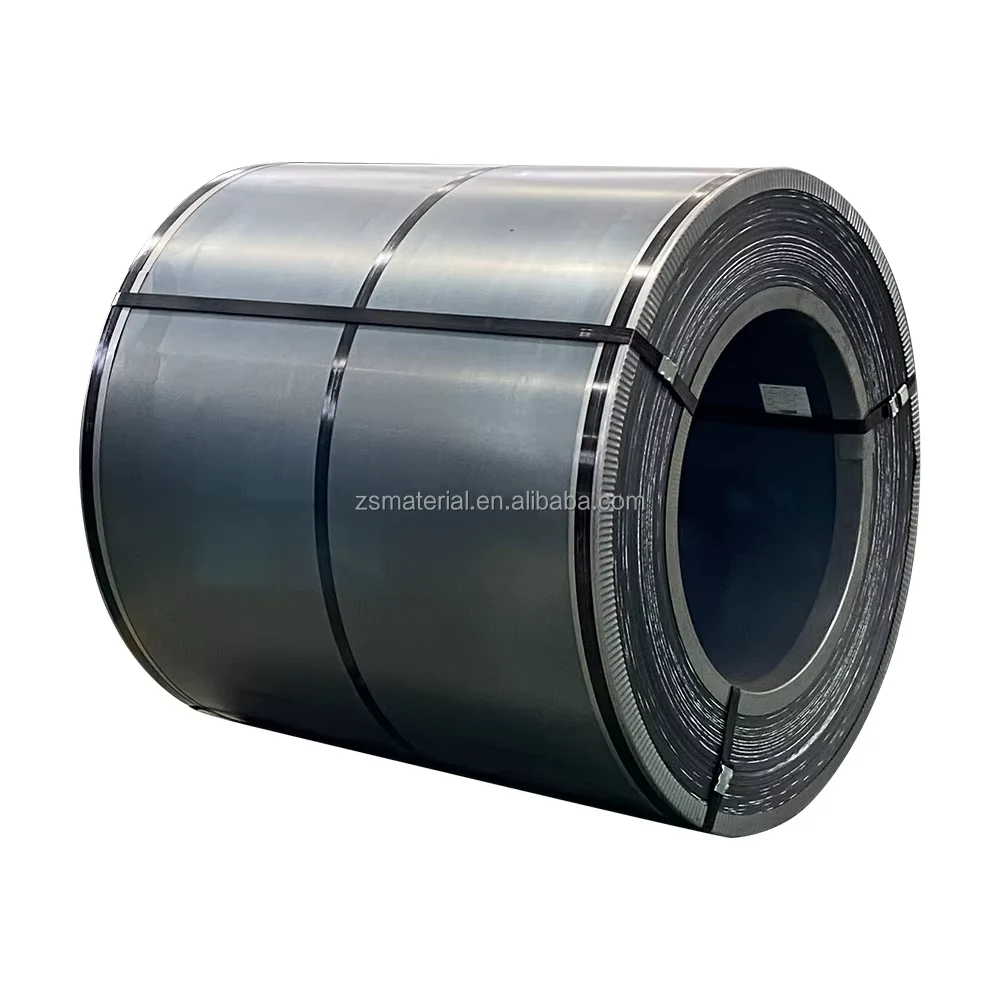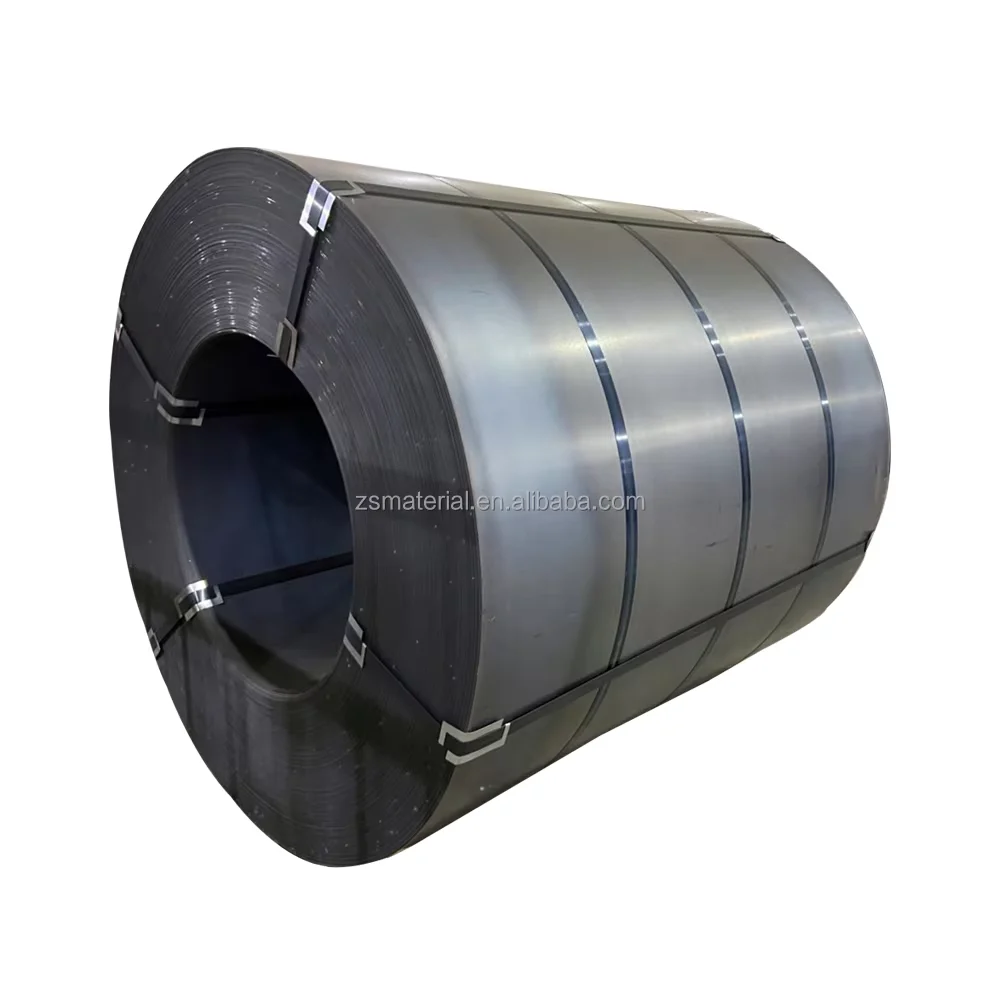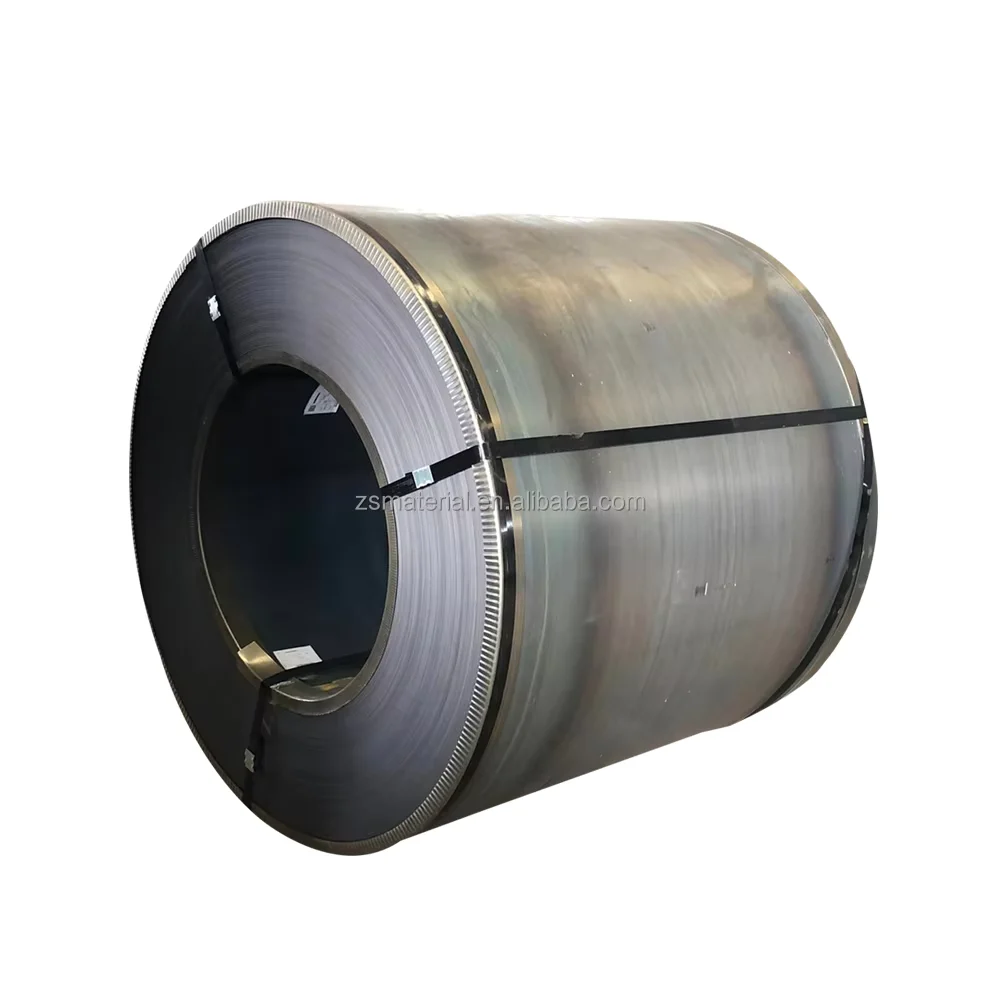








Description
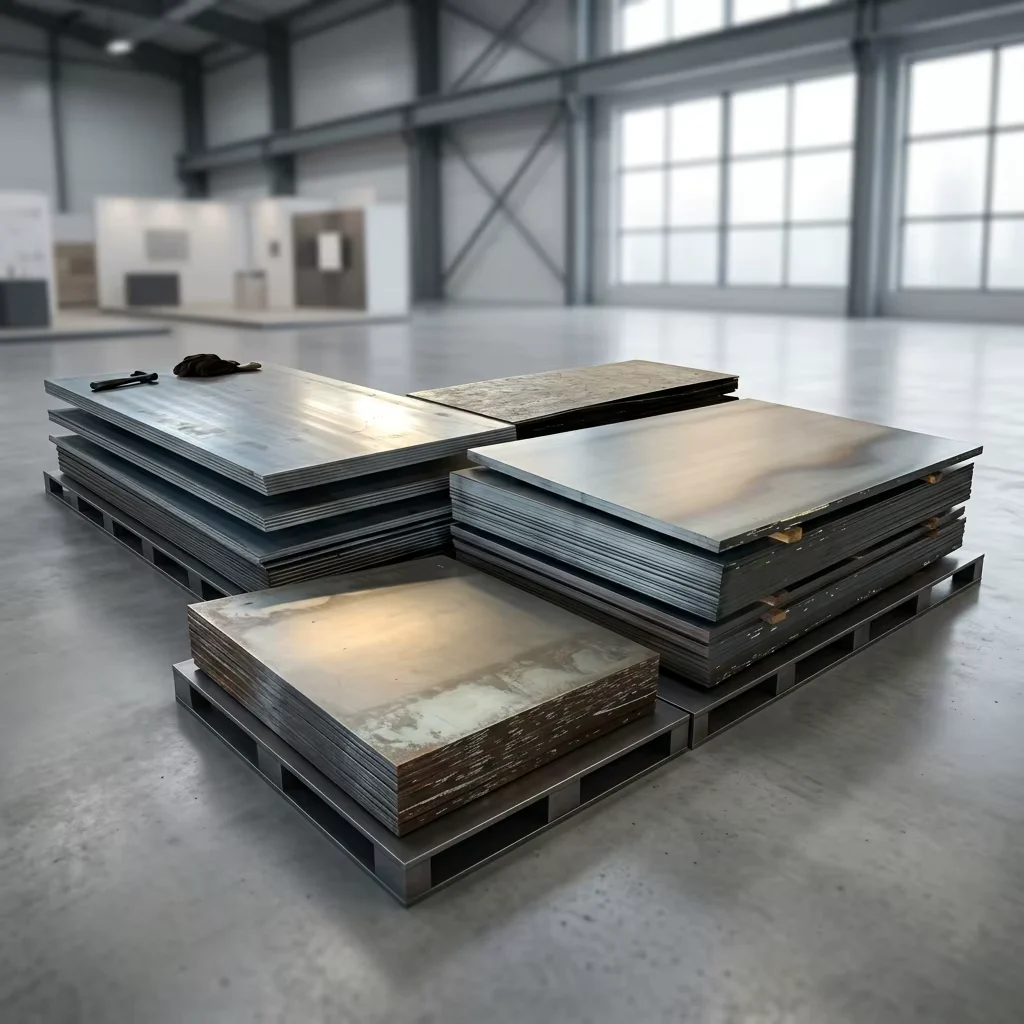
Factory-Direct Hot Rolled Plates — Every ASTM A36, Q235B, and Q345B plate rolls off our own mill lines in Jinan, shipped with original mill test certificates and no trader markup.
Technical Specifications
| Parameter | Value |
|---|---|
| Designation | ASTM A36 / Q235B / Q345B Hot Rolled Carbon Steel Plate |
| Product Type | Steel Plate |
| Steel Grade | ASTM A36, Q235B, Q345B |
| Standard | ASTM A36, GB/T 700, GB/T 1591 |
| Section Shape | Flat Plate |
| Thickness Range | 1mm–20mm |
| Technique | Hot Rolled |
| Surface Treatment | Hot Rolled Finish |
| Application | Shipbuilding, Construction, Fabrication, Cutting, Bending, Welding |
| Origin | Shandong, China |
Application Suitability
| Industry | Typical Applications |
|---|---|
| Shipbuilding | Hull plating, deck stiffeners, bulkhead panels |
| Construction | Building frame gussets, bridge splice plates, foundation base plates |
| Industrial Fabrication | Machinery base plates, pressure vessel shells, conveyor frame gussets |
Thickness Tolerance Is Where Most Carbon Steel Plate Orders Lose Money
A plate that measures under spec at the job site triggers rejection, re-order, and schedule collapse.
I have watched an entire container of Q345B plate get downgraded at a West African port because the 6mm material arrived at 5.2mm — the mill ran aggressive negative tolerance and the project engineer refused sign-off. That single shipment cost the buyer a full re-order plus crane idle time. [NEED_CITE: EN 10029 hot rolled plate thickness tolerance classes] When you source an ASTM A36 Q235B Q345B hot rolled carbon steel plate supplier who does not caliper-check every heat before loading, you inherit that risk. Certification gaps compound the problem: without original mill test certificates matched to heat numbers, customs agents hold the cargo and the project timeline slips.
Matching Plate Grade to Structural Load Paths
Hot rolled carbon steel plates in ASTM A36, Q235B, and Q345B grades cover the full spectrum from light fabrication to primary structural members. Q235B serves general construction and non-critical fabrication where formability matters more than ultimate strength. Q345B steps up to low-alloy high-strength territory, suitable for bridge splice plates and heavy machinery bases where load-bearing capacity drives the design. ASTM A36 bridges the gap for North American spec projects, offering reliable weldability and bending performance. Our Jinan mill runs all three grades on dedicated lines, so a single container can carry mixed grades for multi-discipline EPC projects without cross-contamination risk.
Engineering Compliance and Certification Requirements
Structural plate used in load-bearing frames must comply with the chemical composition and mechanical property requirements defined in GB/T 700 for Q235B, GB/T 1591 for Q345B, and ASTM A36 for the North American market. [NEED_CITE: ASTM A36 structural steel plate requirements for building construction] Corrosion exposure determines whether hot rolled finish suffices or whether downstream galvanizing or paint systems are required — hot rolled scale provides a baseline but will not protect in marine splash zones. Third-party inspection by SGS or BV confirms that the plates delivered match the mill test certificates submitted at contract stage, which is the document customs authorities and project inspectors request first. [NEED_CITE: SGS BV third-party steel inspection procedures for bulk plate shipments]
Understanding the Grade Selection Across Standards
The Q-series (Q235B, Q345B) follows the Chinese GB standard system where the number after “Q” indicates minimum yield strength in MPa — Q235B yields at approximately 235 MPa while Q345B delivers roughly 345 MPa, making Q345B the preferred choice when structural weight optimization matters. ASTM A36 belongs to the US system with a 250 MPa minimum yield point, widely specified for general structural applications in North American-designed projects. The hot rolling process produces a mill scale surface that is ideal for subsequent painting or coating, and the elevated forming temperature ensures uniform grain structure through the full 1mm–20mm thickness range. Negative tolerance is where procurement teams must stay alert: ordering by theoretical weight without specifying minimum actual thickness opens the door to undersized plates that pass weight checks but fail structural review. [NEED_CITE: negative tolerance impact on hot rolled steel plate actual weight versus theoretical weight]
Hidden Costs of Incorrect Plate Procurement
Selecting Q235B when the structural calculation demands Q345B creates a latent safety margin deficit that only surfaces under load testing or inspection audit. Plates arriving without heat-number traceability cannot be verified against mill test certificates, meaning the entire batch may be rejected by the supervising engineer. Missing or mismatched certification documents cause customs holds at destination ports, generating demurrage charges that often exceed the plate cost itself. [NEED_CITE: steel plate customs clearance documentation requirements by destination country] Re-ordering after rejection adds weeks to the project schedule while cranes and crews stand idle — a cost that dwarfs any per-ton price saving from an unverified supplier.
Procurement Confidence Through Verified Supply
Every ASTM A36 Q235B Q345B hot rolled carbon steel plate supplier claim should be backed by verifiable evidence, not marketing language. Our Jinan facility operates three hot rolling lines with in-house metallurgical lab testing at three production stages — incoming slab, mid-roll, and finished plate. Each heat receives an original mill test certificate documenting chemical composition and mechanical results, and SGS or BV third-party inspection is available for buyers who require independent verification before shipment. We hold ISO 9001:2015 and Lloyd’s CE certification, and our export team handles complete documentation including packing lists, bills of lading, and certificates of origin. With over 2,800 specifications in ready stock, standard thickness plates ship within days while custom orders complete within typical production lead times. Professional container loading optimization ensures that mixed-thickness plate orders maximize payload without exceeding weight limits.
Documentation & Compliance
- Mill test certificate documenting Q345B chemical composition (C, Mn, Si, P, S) and yield strength per GB/T 1591 for each heat number
- Original mill test certificate for ASTM A36 plates confirming tensile strength and elongation per ASTM A36 standard requirements
- ISO 9001:2015 quality management certificate covering the full hot rolling production process
- SGS or BV third-party inspection report available upon request, verifying thickness, surface quality, and dimensional accuracy before container sealing
- Heat number traceability from slab to finished plate, enabling full material certification chain for project audit
- Complete customs documentation package including commercial invoice, packing list, bill of lading, and certificate of origin
Packaging, Loading & Delivery
- Hot rolled plates bundled with high-tensile steel strips at four points, with edge protectors preventing damage to plate edges during ocean transit
- Surface coated with anti-rust oil to preserve hot rolled finish quality during humidity exposure in container shipping
- Mixed-thickness container loading plan prepared by our logistics team, placing heavier 15–20mm plates at the bottom and lighter 1–6mm plates on top to optimize weight distribution
- Custom cut-to-length service available for Q235B and Q345B plates, reducing on-site cutting waste at the construction yard
- Each plate stenciled with heat number, steel grade, and thickness for immediate site identification and traceability verification
- FOB, CIF, and DDP shipping terms supported with professional export documentation and real-time container tracking
Securing Your Plate Order with Verified Specifications
Submit your required thickness, steel grade, quantity, and destination port to receive a competitive bulk quotation with volume-based pricing and complete mill test certificate documentation. Our team responds within hours with a detailed offer including loading plan and estimated production timeline. For projects requiring non-standard thickness or mixed-grade containers, we provide consolidated loading solutions that reduce per-ton freight cost.
Request Your ASTM A36 Q235B Q345B Hot Rolled Carbon Steel Plate Quote
Send your specifications, steel grade, quantity, and destination port via email or WhatsApp to receive a factory-direct quotation with mill test certificates and loading plan within hours.
Company: Shandong Xin Jiyuan Special Steel Tube Co., Ltd
Website: www.sdxinjiyuan.com
Tel: +86 531 8573 6315
Mobile/WhatsApp/WeChat: +86 188 5315 7756
Email: admin@sdxinjiyuan.com
Address: No.11889, Jingshi West Road, Lulian Group, Jinan City, Shandong Province, China
Frequently Asked Questions
Q: What is the difference between ASTM A36, Q235B, and Q345B steel grades?
A: ASTM A36 follows the US standard system with a minimum yield point of 250 MPa, commonly specified for North American structural projects. Q235B conforms to GB/T 700 with a minimum yield strength of 235 MPa, suitable for general construction and fabrication. Q345B follows GB/T 1591 as a low-alloy high-strength grade with approximately 345 MPa yield strength, preferred for heavy structural and bridge applications.
Q: Can you provide mill test certificates and third-party inspection for customs clearance?
A: Yes, every batch of ASTM A36 Q235B Q345B hot rolled carbon steel plate ships with original mill test certificates documenting chemical composition and mechanical properties per the applicable standard. SGS or BV third-party inspection is available upon request for independent verification before shipment, and our export team prepares complete customs documentation including certificate of origin.
Q: What is the minimum order quantity for custom thickness or non-standard sizes?
A: We accept flexible order quantities starting from trial orders of 1 ton up to full-container bulk shipments. Standard thickness plates from 1mm to 20mm are available from ready stock, while custom thickness or non-standard dimensions follow typical production lead times.
Q: How do you handle international shipping and container loading optimization for heavy steel plates?
A: Our professional export team prepares a detailed container loading plan that maximizes payload by placing heavier plates at the bottom and lighter plates on top. We support FOB, CIF, and DDP terms with real-time container tracking, and mixed-grade or mixed-thickness orders can be consolidated into a single container to reduce freight costs.
Q: What is the typical production lead time for bulk orders?
A: Standard thickness plates in ASTM A36, Q235B, and Q345B grades ship from ready stock within days. Custom orders or non-standard specifications follow typical production lead times, and our three hot rolling lines running simultaneously ensure consistent output for large-volume project requirements.