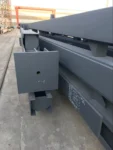
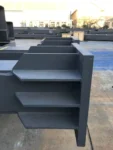
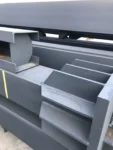
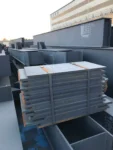
Description
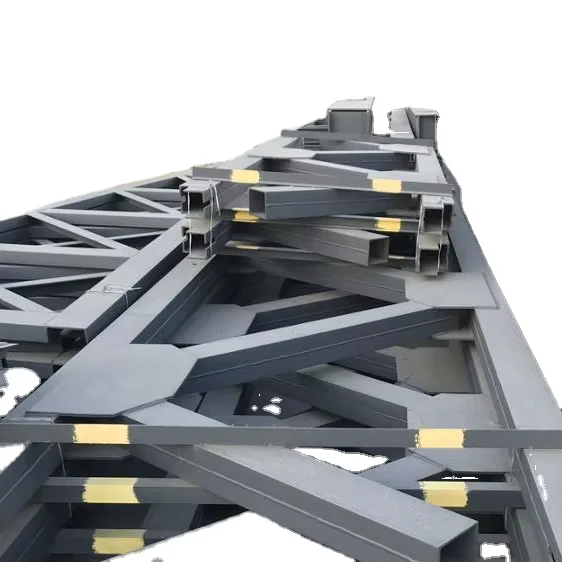
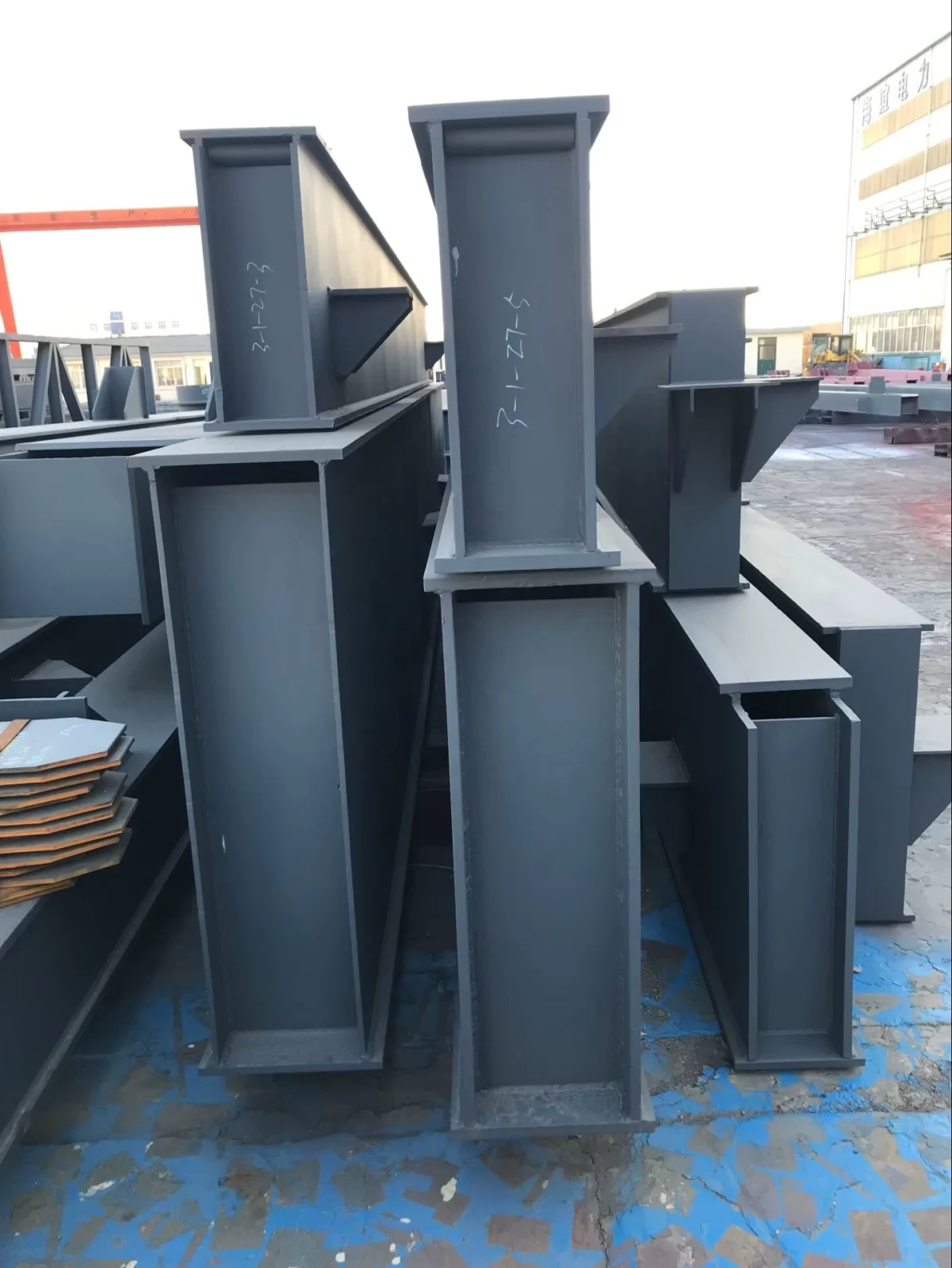
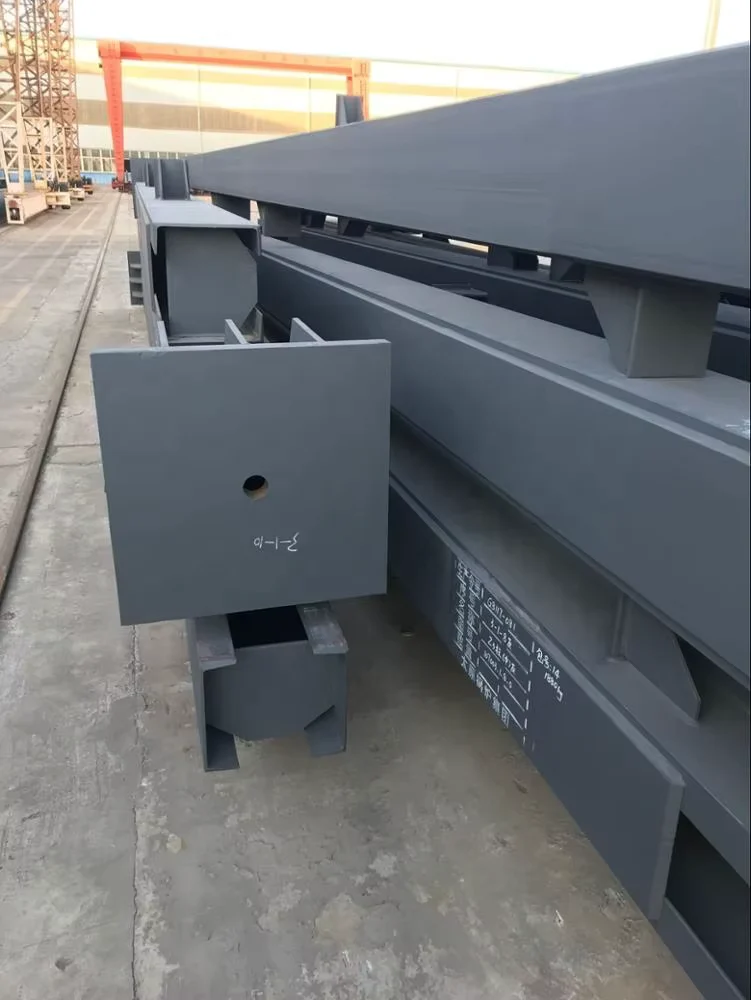
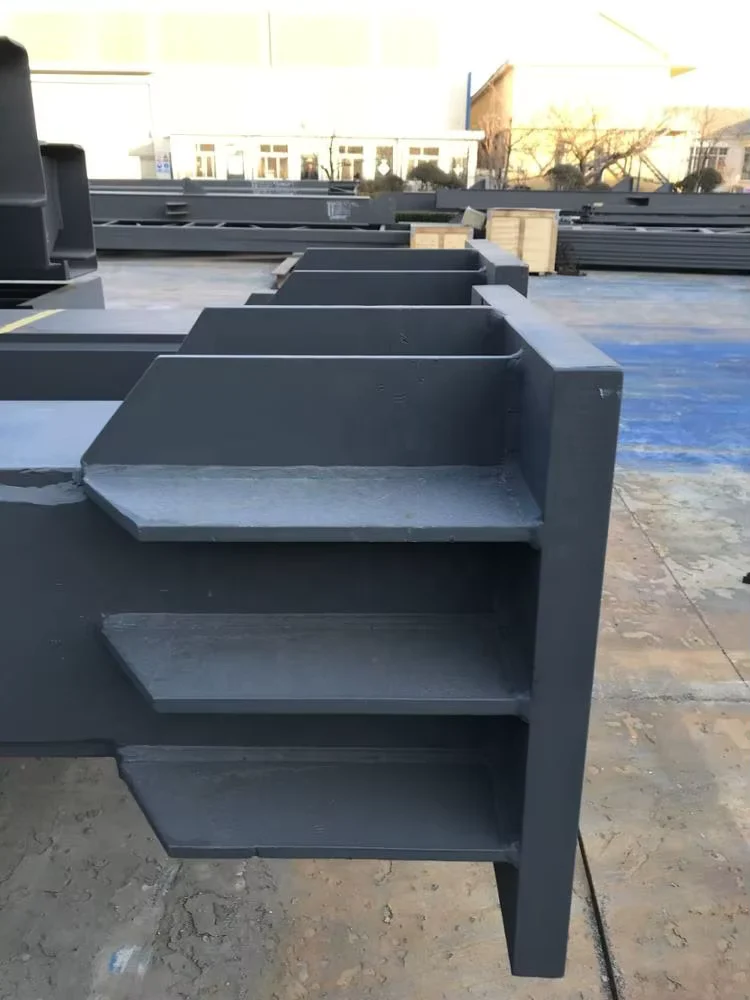
Factory-Direct Fabrication Pricing — ASTM A36 and A992 structural steel members cut, welded, and drilled in-house with no trading markup, shipped with full mill traceability.
Technical Specifications
| Parameter | Value |
|---|---|
| Designation | ASTM A36/A992 Structural Steel Fabrication |
| Product Type | Fabricated Steel Structure |
| Steel Grade | ASTM A36, ASTM A992, Q235, Q345 |
| Standard | ASTM A36, ASTM A992, AISI, BS, DIN, GB, JIS |
| Section Shape | H-beam, I-beam, C/Z-section purlin |
| Dimensions | Customized per drawing |
| Tolerance | ±1% |
| Technique | Welded (Ultrasonic/X-ray inspection) |
| Surface Treatment | Galvanized, Sandblasting, Painting |
| Processing Service | Bending, Welding, Decoiling, Cutting, Punching, Drilling |
| Application | Steel workshop, Industrial building, Warehouse, Commercial structure |
| Origin | Shandong, China |
Application Suitability
| Industry | Typical Applications |
|---|---|
| Industrial Construction | Main frame columns and rafters for steel workshops and manufacturing plants |
| Logistics & Warehousing | Portal frame structures and mezzanine support beams for distribution centers |
| Commercial Building | Roof trusses, wall girts, and C/Z purlin systems for retail and office complexes |
| Infrastructure & Energy | Equipment support platforms, pipe rack structures, and conveyor gantries |
Why ASTM A36 and A992 Are Not Interchangeable on a Fabrication Order
Selecting the wrong grade between A36 and A992 means either overpaying for unnecessary yield strength or risking structural rejection at inspection.
Procurement teams sourcing fabricated structural members from overseas often receive quotes mixing A36 and A992 without clear justification. ASTM A36 A992 structural steel fabrication supplier documentation must specify which grade applies to which member — A992 is the standard for wide-flange beams carrying primary gravity loads, while A36 suits secondary framing, base plates, and connection elements. When a fabricator substitutes without notification, the entire load-path calculation collapses, and the project engineer faces re-submission to the structural consultant. Fragmented sourcing across multiple pipe and plate suppliers compounds this: connection plates arrive in one grade, main beams in another, and the mill test certificates do not cross-reference. [NEED_CITE: ASTM A992 specification requirements for structural wide-flange shapes]
Matching Fabricated Members to Portal Frame and Purlin Systems
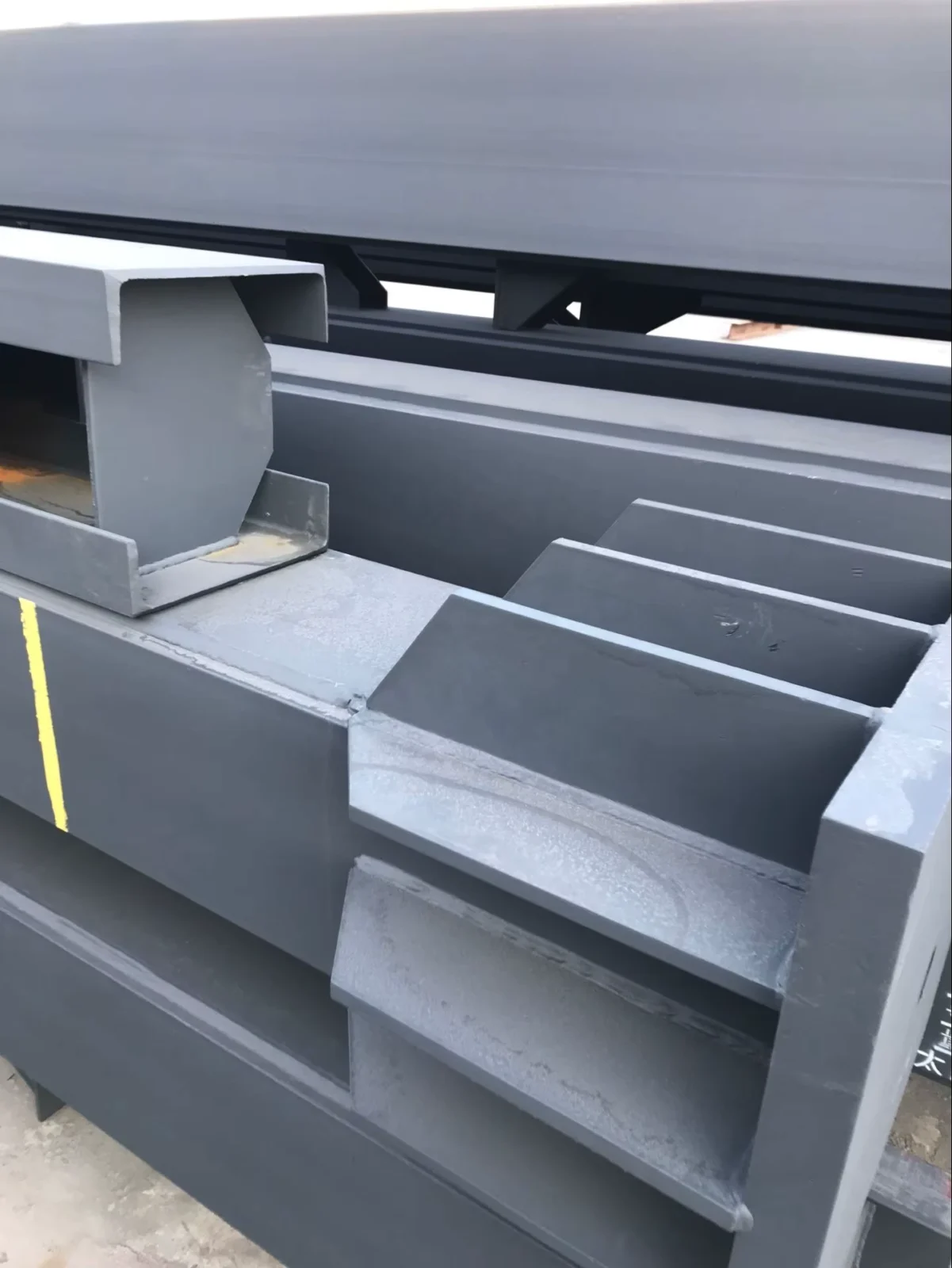
Structural workshops and warehouses rely on a hierarchy of members: primary H-beam columns and rafters carry roof and crane loads, while C/Z purlins distribute cladding weight across the frame. An ASTM A36 A992 structural steel fabrication supplier must coordinate welding procedures across these different profiles — full-penetration welds on moment connections, fillet welds on purlin cleats — all within ±1% dimensional tolerance so that bolt holes align when the container opens at the job site. Our three production lines run cutting, fit-up, and welding simultaneously, allowing main frames and purlin systems to ship in consolidated containers rather than staggered deliveries from separate vendors.
Structural Code Alignment and Surface Protection for Corrosive Environments
Load-bearing fabricated structures must conform to the design assumptions in the governing code — AISC 360 for North American projects, EN 1993 for European-spec work. The steel grade, weld procedure, and surface treatment all feed into that compliance chain. ASTM A992 wide-flange members require certified mill test reports showing chemical composition and mechanical properties traceable to heat numbers; substituting unmarked material voids the engineer of record’s liability coverage. For warehouses in coastal or industrial zones, hot-dip galvanizing after fabrication protects weld zones that sandblasting and painting alone cannot seal. Third-party inspection by SGS or BV verifies both weld quality and coating thickness before the container is sealed. [NEED_CITE: AISC code of standard practice for steel building structures]
Understanding the Weld Quality and Grade Selection Process
ASTM A36 offers a minimum yield strength suitable for secondary members, base plates, and bracing elements where ductility matters more than raw load capacity. ASTM A992, the dominant grade for wide-flange beams in modern construction, provides higher yield strength with tighter controls on carbon equivalent — critical for weldability on thick flanges. Our fabrication process uses submerged arc welding on main beam seams, with ultrasonic testing on full-penetration groove welds and magnetic particle inspection on fillet welds at connection plates. X-ray testing is applied to critical moment connections where code requires volumetric examination. Surface preparation follows SSPC standards: Sa 2.5 blast cleaning before painting, or full immersion galvanizing for members exposed to sustained moisture. The ±1% tolerance on fabricated dimensions ensures that splice plates and end connections match the engineer’s drawings without field reaming or torch-cutting on site.
The Real Cost When Fabrication Drawings Do Not Match Delivered Members
Ordering structural fabrication without verified mill certificates and non-destructive testing reports creates downstream failures that dwarf the initial purchase price. Members cut to wrong dimensions force on-site rework — torch-cutting, re-welding, re-drilling — that delays erection crews and invalidates the original weld procedure qualification. Material substituted without documentation triggers customs holds and third-party inspection rejections at the port of entry. When ASTM A36 is shipped in place of A992 on primary beams, the structural engineer must recalculate the entire frame, potentially requiring additional bracing or member upsizing that no amount of discount can offset. [NEED_CITE: consequences of non-conforming structural steel in building construction]
Direct Fabrication Control from Drawing to Container
Every fabricated member leaves our facility with heat-number traceability from raw plate to finished weldment. Our in-house laboratory issues mill test certificates covering chemical composition and tensile properties for each heat, and our welding procedure specifications are qualified per AWS D1.1. The three-line production setup handles cutting, welding, and surface treatment under one roof, so a warehouse order with H-beam columns, rafters, and C/Z purlins ships in coordinated containers rather than piecemeal from different subcontractors. Volume buyers receive tiered pricing reviewed every six months, and consolidated loading plans maximize container utilization for mixed-section orders. SGS or BV inspection is available at any production stage before the container is sealed.
Documentation & Compliance
- Mill test certificate documenting ASTM A36 or A992 chemical composition, yield strength, and tensile properties per heat number
- Welding procedure qualification records (WPQR) and welder performance qualifications per AWS D1.1 for all structural connections
- Non-destructive testing reports covering ultrasonic inspection of groove welds and magnetic particle inspection of fillet welds
- ISO 9001:2015 quality management certificate covering the full fabrication process from material receipt to final shipment
- SGS or BV third-party inspection report available for dimensional verification, coating thickness, and weld quality before container loading
- Export documentation package including packing list, bill of lading, and certificate of origin for customs clearance at destination port
Packaging, Loading & Delivery
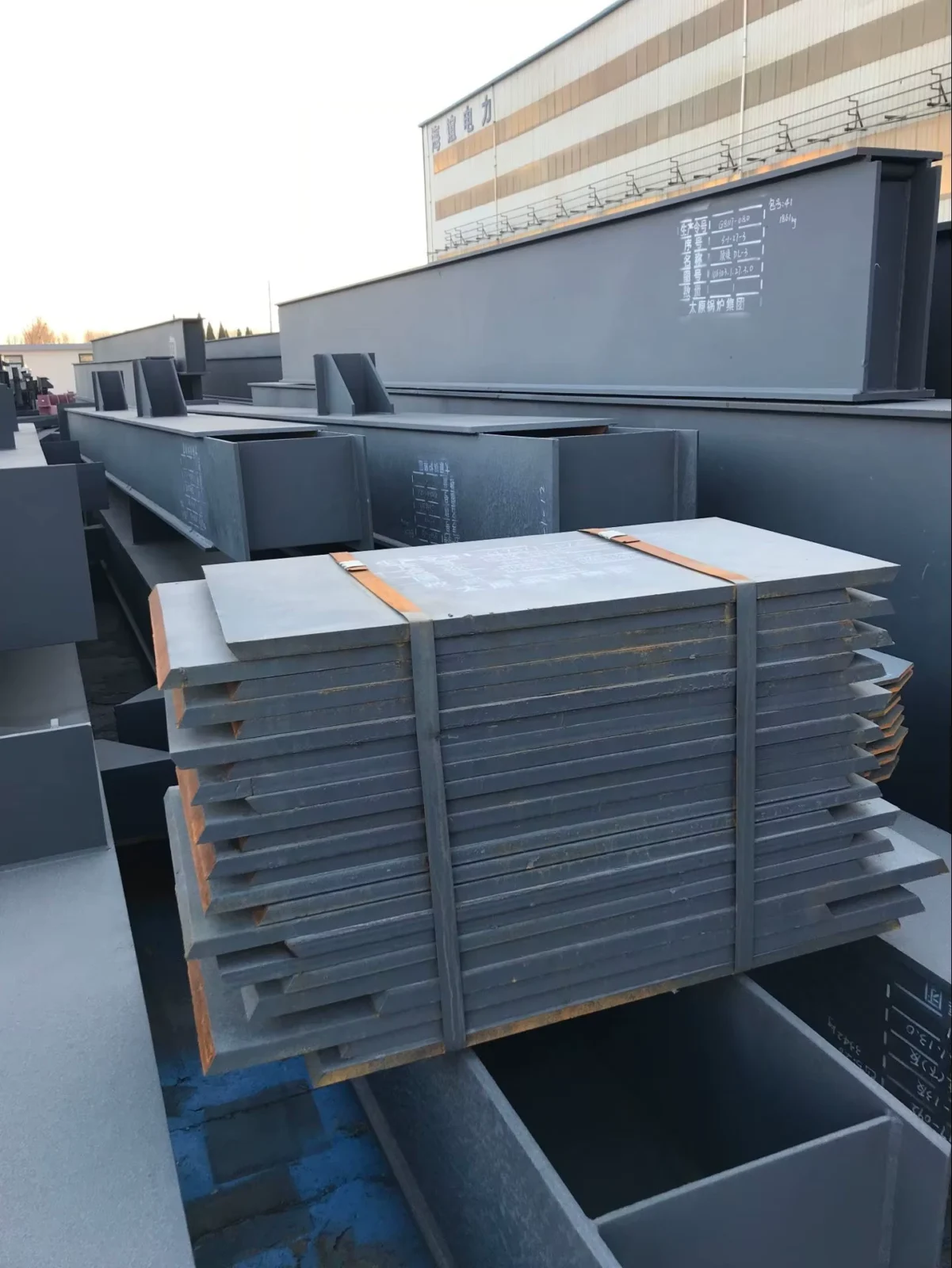
- Fabricated H-beam and I-beam members secured in steel strip bundles with timber edge protectors to prevent coating damage during ocean transit
- Galvanized purlins and connection plates wrapped in waterproof paper and bundled by section profile to preserve the zinc coating layer
- Custom cutting lengths marked with heat number and piece marks per erection drawing, enabling direct staging at the job site without re-identification
- Mixed-section container loading plans optimized for 20ft and 40ft open-top or flat-rack containers based on member length and weight distribution
- FOB, CIF, and DDP shipping terms available with professional export documentation handling for customs clearance at destination
- Surface-treated members (painted or galvanized) loaded with separation spacers to prevent contact damage and allow ventilation during transit
Getting a Fabrication Quote with Full Material Traceability
Submit your structural drawings, member schedule, steel grade requirements, and destination port to receive a detailed fabrication quote including mill test certificate scope, NDT coverage, and container loading plan. Our engineering team reviews connection details and tolerance requirements within one business day, confirming weld procedure qualifications and surface treatment specifications before production begins.
Request Your ASTM A36 A992 Structural Steel Fabrication Quote
Send your drawings and material specifications to admin@sdxinjiyuan.com or contact via WhatsApp at +86 188 5315 7756 for pricing, mill test certificate samples, and delivery scheduling.
Frequently Asked Questions
Q: What is the difference between ASTM A36 and A992 for structural fabrication?
A: ASTM A36 is a carbon steel grade commonly used for plates, bars, and secondary structural members, while ASTM A992 is the standard grade for wide-flange shapes used in primary building frames. A992 provides higher yield strength with better weldability controls, making it the preferred choice for main beam and column fabrication.
Q: Can you fabricate non-standard member sizes and what is the minimum order?
A: Custom dimensions are fabricated per your engineering drawings with ±1% tolerance on all critical dimensions. Trial orders starting from one ton are accepted, with volume pricing available for recurring procurement schedules.
Q: How do you verify welding quality on fabricated structural members?
A: All full-penetration groove welds undergo ultrasonic testing, while fillet welds at connection plates receive magnetic particle inspection. X-ray testing is applied to critical moment connections where project specifications require volumetric examination. Welding procedures are qualified per AWS D1.1 standards.
Q: Which surface treatment is appropriate for my project environment?
A: Hot-dip galvanizing provides long-term corrosion protection for members exposed to moisture or coastal environments. Sandblasting followed by primer and topcoat painting suits indoor or controlled environments. Sandblasting alone prepares surfaces for field painting at the job site.
Q: What documentation is provided for customs clearance and project compliance?
A: Each shipment includes original mill test certificates with heat-number traceability, welding procedure qualification records, NDT inspection reports, ISO 9001:2015 certificate, and complete export documents including packing list, bill of lading, and certificate of origin. Third-party inspection reports from SGS or BV are available upon request.
Get Your ASTM A36 A992 Structural Steel Fabrication Quote Today
Email your project drawings and material schedule to admin@sdxinjiyuan.com or message +86 188 5315 7756 on WhatsApp to receive pricing, lead times, and mill test certificate documentation.