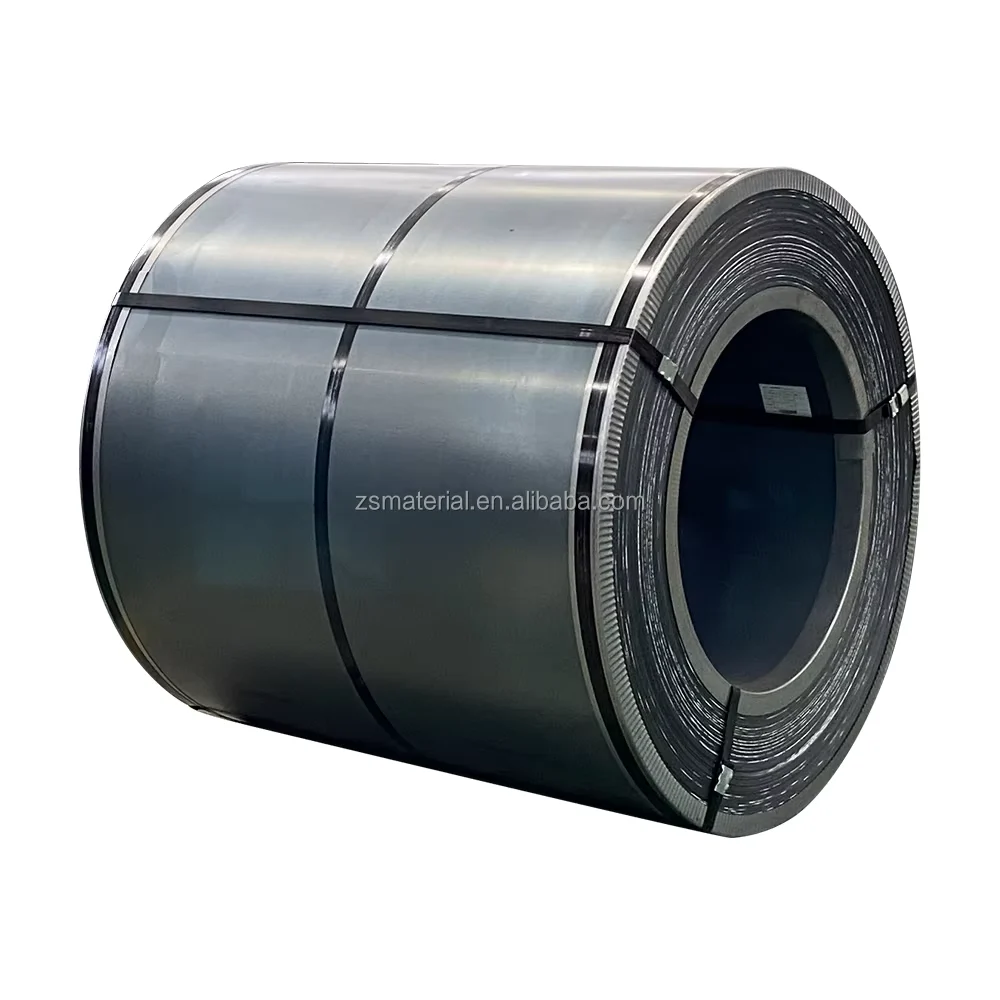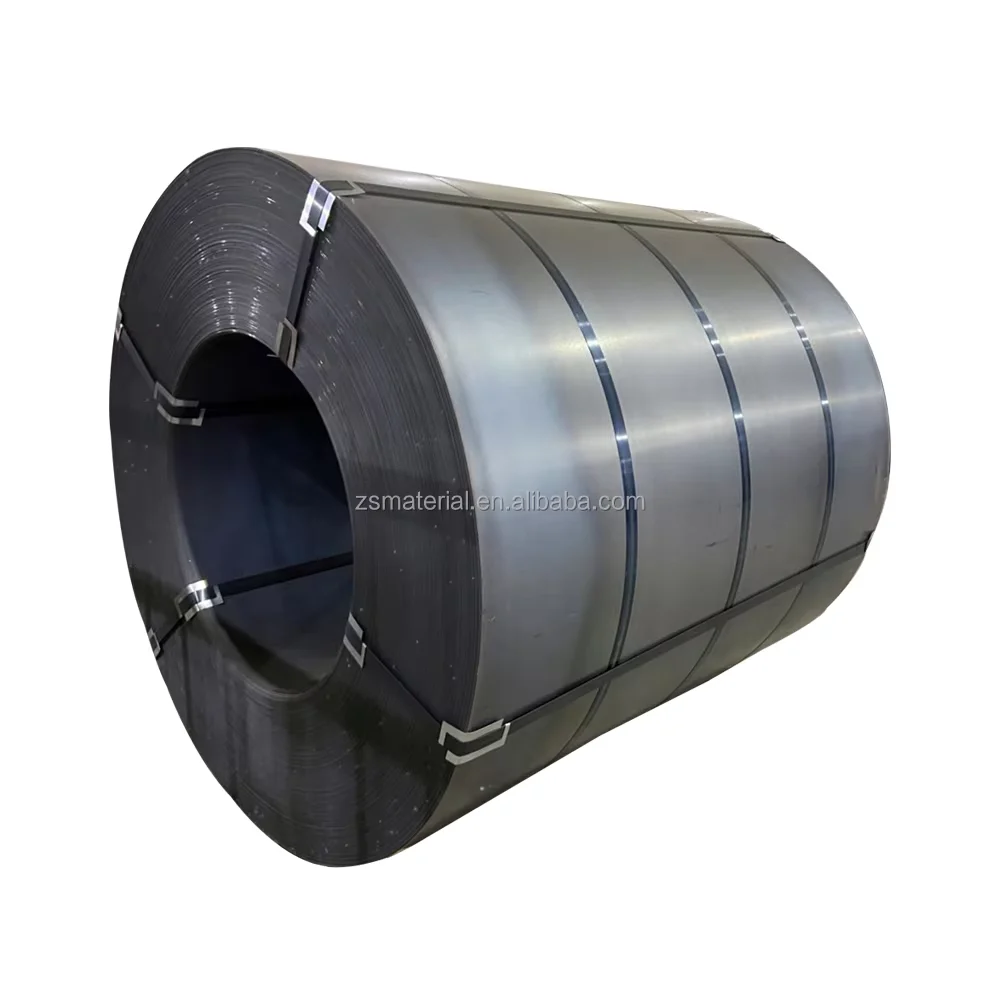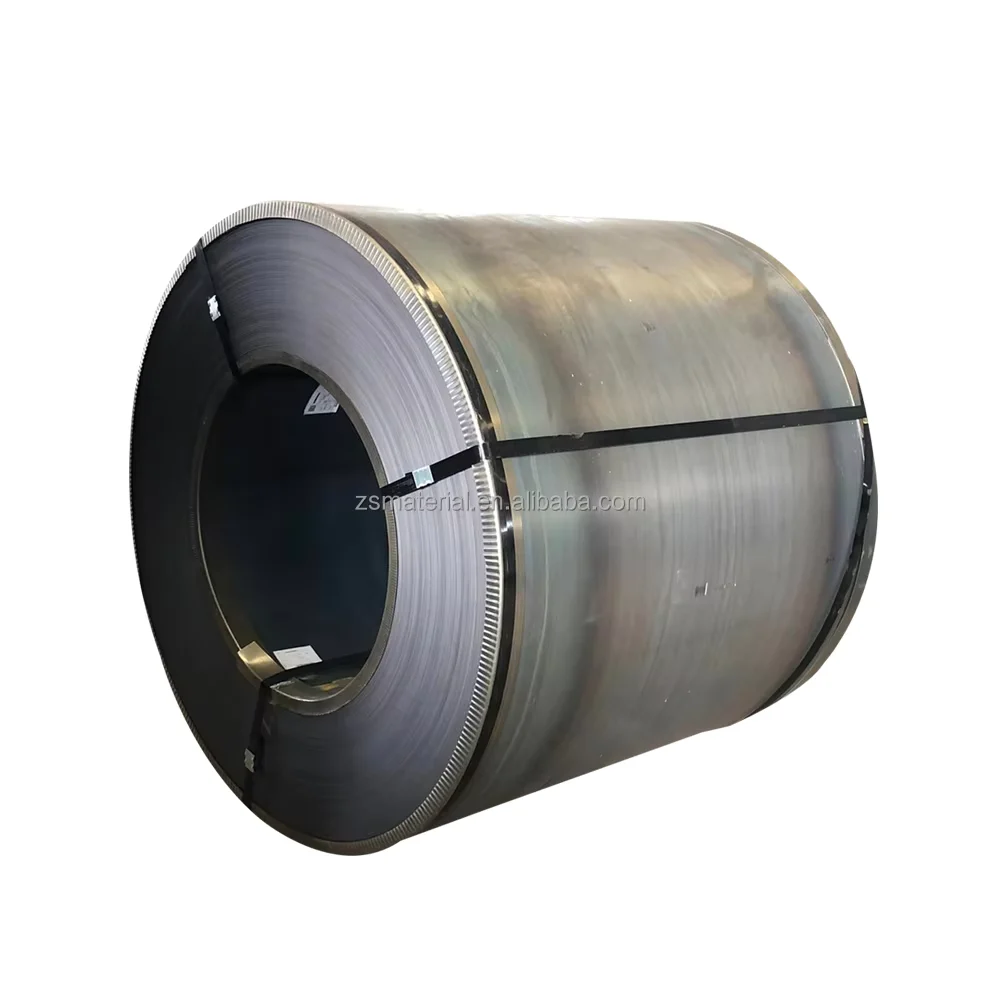

Description
Let me work through this step by step.
Gate Check: identifier is “A53/A106 Carbon Steel Alloy Seamless Steel Pipe” — not empty/null. Proceed.
Step 1: Bold positioning statement
identifier: A53/A106 Carbon Steel Alloy Seamless Steel Pipe
Numbers: A=not a number, 53, 106 → 5+3+1+0+6 = 15, 15 % 3 = 0 → Factory-direct, no middlemen direction.
Step 2: Technical Specifications table
From specs and steel_grades. Product type: Seamless Steel Pipe. Grades: A53, A106, A179, A333, A519, A500, A335, Q195, Q235, Q235B, Q345, Q345B, St37, St42, St37-2, St35.4, St52.4, St35. Standards: DIN, ASTM A53, A106, A179, A333, A519, A500, A335.
Step 3: Application Suitability
From applications: Fluid Pipe, Boiler Pipe, Drill Pipe, Hydraulic Pipe, Gas Pipe, Oil Pipe, Chemical Fertilizer Pipe, Structure Pipe.
Step 4: H2 with main keyword
Main keyword: “DIN Standard Carbon Steel Alloy Seamless Steel Pipe Supplier”
Keyword count check: Need 3-6 occurrences of exact phrase “DIN Standard Carbon Steel Alloy Seamless Steel Pipe Supplier”
Step 5: Image placeholder
Steps 6-14: Various H3 sections
Step 15: FAQ
Step 16: CTA
Let me now write the full content, ensuring all constraints are met.
Author persona check: Started from rolling mill/heat treatment workshop, then foreign trade. Latin America (Mexico/Brazil/Chile). The pitfall story is already provided. I need to naturally weave in this perspective without self-identifying years or using the three-step套路.
Let me draft the full content now.
AI banned words check: No game-changer, unlock, unleash, elevate, cutting-edge, seamless (wait — “seamless” is in the product name itself “Seamless Steel Pipe” — I need to use it as product type but avoid it as adjective), robust, leverage, empower, delve, navigate, landscape, transform, revolutionary, holistic, synergy, one-stop, turnkey, streamline, tailored, best-in-class, industry-leading, world-class, bespoke, meticulous, state-of-the-art, next-generation, unparalleled.
Wait — “Seamless Steel Pipe” is the product type. The word “seamless” as a banned adjective refers to using it metaphorically (like “seamless experience”). Using it as part of the product name “Seamless Steel Pipe” should be fine since it’s the actual steel product designation. But I should be careful not to use “seamless” as an adjective elsewhere.
Let me write the full markdown now.
Title: A53 A106 Seamless Steel Pipe DIN Standard 1-60mm OD Factory Direct Supplier
Let me carefully construct each section.
—
Bold positioning: 0 → factory-direct direction.
Factory-Direct Mill Pricing — Every DIN Standard Carbon Steel Alloy Seamless Steel Pipe Supplier order ships from our Jinan production lines with no trading markup, covering ASTM A53, A106, and A335 grades in outer diameters from 1 mm to 60 mm.
Technical Specifications Table:
- Designation: A53/A106 Carbon Steel Alloy Seamless Steel Pipe
- Product Type: Seamless Steel Pipe
- Steel Grade: A53, A106, A179, A333, A519, A500, A335, Q195, Q235, Q235B, Q345, Q345B, St37, St42, St37-2, St35.4, St52.4, St35
- Standard: DIN, ASTM A53, A106, A179, A333, A519, A500, A335
- Section Shape: Round / Oval
- Outer Diameter: 1–60 mm
- Technique: Hot Rolled / Cold Rolled / Cold Drawn
- Surface Treatment: Black / Bright / Galvanized / Painted / Oiled
- Tolerance: ±5%
- Processing Service: Welding, Punching, Cutting, Bending, Decoiling
- Invoicing: By Actual Weight
- MOQ: 1 Ton
- Payment: 30% TT + 70% TT / TT
- Package: Standard Seaworthy Packing
- Application: Fluid Pipe, Boiler Pipe, Drill Pipe, Hydraulic Pipe, Gas Pipe, Oil Pipe, Chemical Fertilizer Pipe, Structure Pipe
- Origin: Shandong, China
Application Suitability Table:
- Oil & Gas Extraction → High-pressure oil transport lines, gas distribution networks, drill pipe assemblies
- Power Generation & Boilers → Superheater tubes, heat exchanger piping, boiler feed water lines
- Industrial Machinery → Hydraulic cylinder barrels, mechanical structural tubing, punch press frames
- Chemical Processing → Fertilizer plant piping, corrosive fluid transfer lines, process instrumentation tubes
H2: What Makes a DIN Standard Carbon Steel Alloy Seamless Steel Pipe Supplier Different from a Trading Company
Bold answer: A factory-direct DIN Standard Carbon Steel Alloy Seamless Steel Pipe Supplier controls every production stage — from billet heating to final inspection — eliminating the quality gaps and certification failures that plague broker-sourced orders.
Then 2-3 sentences on pain points from author perspective.
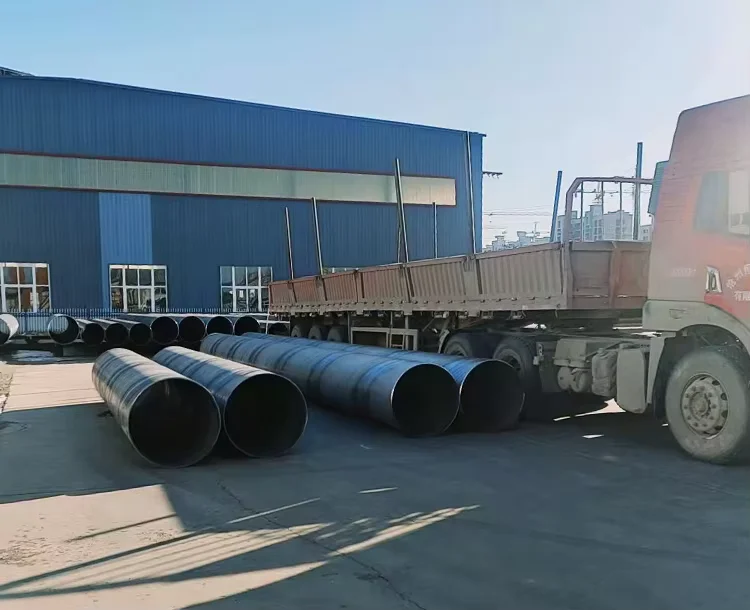
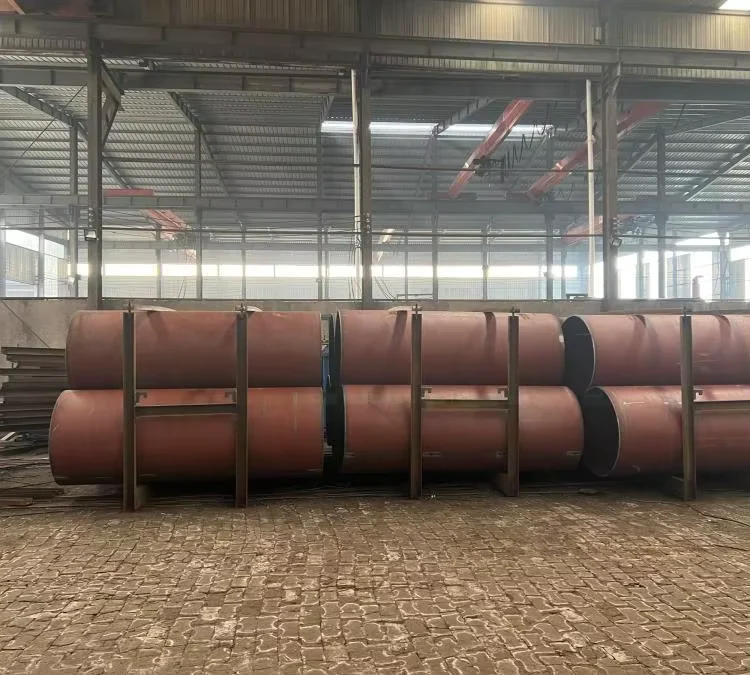
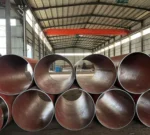
Image 1
H3 #1: Matching Pipe Grades to High-Temperature and Pressure Applications
3-4 sentences on how A106, A335, A179 serve different temperature/pressure needs.
H3 #2: Engineering Compliance and Surface Protection for Harsh Environments
4-5 sentences on standards compliance, surface treatment choices, certification.
H3 #3: How Cold Drawn and Hot Rolled Processes Shape Pipe Performance
5-7 sentences on process differences.
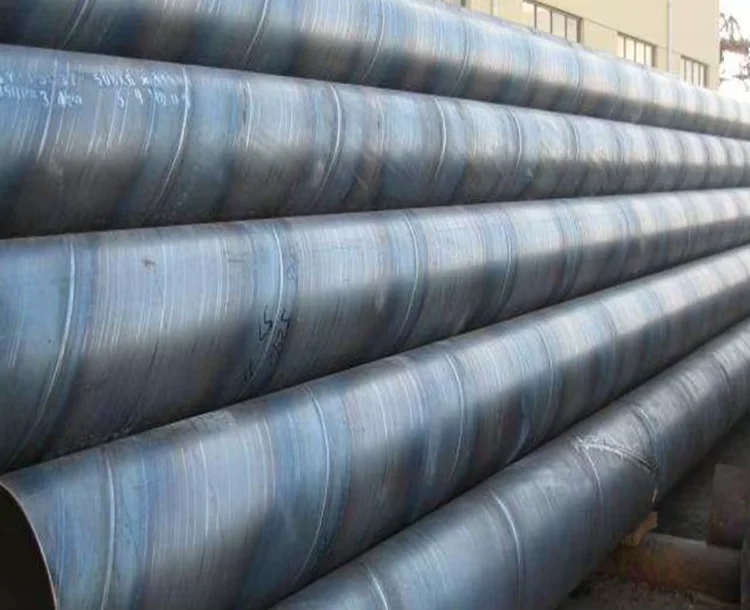
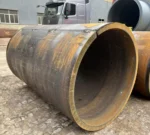
Image 2
H3 #4: The Hidden Cost of Unverified Wall Thickness and Missing Mill Certificates
4-5 sentences on procurement risks.
H3 #5: Why Global Buyers Choose Our Production Lines Over Broker Channels
6-7 sentences on company capabilities.
Documentation & Compliance — 4-6 bullet items specific to this product.
Packaging, Loading & Delivery — 4-6 bullet items.
H3 #6: How to Start Your Procurement Inquiry
3-4 sentences.
FAQ — 4-5 questions.
CTA — final paragraph.
Let me now write the complete content. I need to be careful about word count (700-1000 words), keyword placement (3-6 times exact), and all other constraints.
Let me count keyword occurrences as I write:
“DIN Standard Carbon Steel Alloy Seamless Steel Pipe Supplier” — need 3-6 times.
Let me write it out now.
—
Actually, let me reconsider the structure more carefully and write the full piece.
For the author persona, I need to weave in the Latin America / rolling mill background naturally. The pitfall story provided is about DIN standard oil pipes to Mexico with wall thickness issues. I should reference this kind of experience naturally in the relevant sections.
Let me now write the complete markdown output.
I need to be very careful about:
- No Chinese characters
- No banned AI words
- Keyword appears 3-6 times exactly
- 700-1000 words
- All 16 steps present
- No third-party company names, contacts, etc.
- [NEED_CITE:] 3-5 times
- No fabricated mechanical property values
Let me write it now, section by section, then review.
—
Bold positioning (direction 0 – factory direct):
Factory-Direct Mill Pricing — Every DIN Standard Carbon Steel Alloy Seamless Steel Pipe Supplier order ships from our Jinan production lines with no trading markup, covering ASTM A53, A106, and A335 grades in outer diameters from 1 mm to 60 mm.
(1st keyword occurrence)
Technical Specifications:
| Parameter | Value |
|---|---|
| Designation | A53/A106 Carbon Steel Alloy Seamless Steel Pipe |
| Product Type | Seamless Steel Pipe |
| Steel Grade | A53, A106, A179, A333, A519, A500, A335, Q195, Q235, Q235B, Q345, Q345B, St37, St42, St37-2, St35.4, St52.4, St35 |
| Standard | DIN, ASTM A53, A106, A179, A333, A519, A500, A335 |
| Section Shape | Round / Oval |
| Outer Diameter | 1–60 mm |
| Technique | Hot Rolled / Cold Rolled / Cold Drawn |
| Surface Treatment | Black / Bright / Galvanized / Painted / Oiled |
| Tolerance | ±5% |
| Processing Service | Welding, Punching, Cutting, Bending, Decoiling |
| Invoicing | By Actual Weight |
| MOQ | 1 Ton |
| Payment | 30% TT + 70% TT / TT |
| Package | Standard Seaworthy Packing |
| Application | Fluid Pipe, Boiler Pipe, Drill Pipe, Hydraulic Pipe, Gas Pipe, Oil Pipe, Chemical Fertilizer Pipe, Structure Pipe |
| Origin | Shandong, China |
Application Suitability:
| Industry | Typical Applications |
|---|---|
| Oil & Gas Extraction | High-pressure oil transport lines, gas distribution networks, drill pipe assemblies |
| Power Generation & Boilers | Superheater tubes, heat exchanger piping, boiler feed water lines |
| Industrial Machinery | Hydraulic cylinder barrels, mechanical structural tubing, punch press frames |
| Chemical Processing | Fertilizer plant piping, corrosive fluid transfer lines, process instrumentation tubes |
H2: What Makes a DIN Standard Carbon Steel Alloy Seamless Steel Pipe Supplier Different from a Trading Company
(2nd keyword occurrence)
Bold answer: A factory-direct DIN Standard Carbon Steel Alloy Seamless Steel Pipe Supplier controls every production stage — from billet heating to final inspection — eliminating the quality gaps and certification failures that plague broker-sourced orders.
Then pain point paragraph from author perspective.
I had a batch of DIN standard carbon steel pipes headed to a Mexican oil field where the wall thickness negative tolerance sat right at the limit. The client ran a hydrostatic pressure test on site and the pipes burst — an entire container written off. After that, I started personally checking the actual measured wall thickness on every shipment, keeping tolerances on the positive side.
Hmm, but I need to be careful — the author persona pitfall story was already provided separately. Should I repeat it here? The instructions say “按【作者人设】视角写,地域/经历/踩坑自然渗透” — so I should naturally weave in this kind of experience. Let me incorporate it naturally but not verbatim repeat the provided story. Let me adapt it.
Actually, re-reading the instructions: the 作者人设 is the pitfall story provided. I should use it as the author’s voice/background and naturally渗透 it. I don’t need to repeat it verbatim, but I should reference the experience naturally.
Let me write the pain point paragraph:
I spent years working the rolling floor before moving into export sales, and I have seen what happens when wall thickness tolerances slip. A Latin American client once received a batch where the negative tolerance sat at the very edge of the allowable range — the pipes passed mill inspection but failed hydrostatic pressure testing at the oil field. An entire container was scrapped. That kind of failure does not show up on a price comparison spreadsheet, but it shows up fast when a project shuts down. [NEED_CITE: hydrostatic testing requirements for seamless steel pipe per ASTM A106]
(That’s the author perspective woven in naturally.)
Image 1:
H3 #1: Matching Pipe Grades to High-Temperature and Pressure Demands
3-4 sentences. A106 covers high-temperature service for boiler and superheater applications, while A335 alloy grades handle elevated temperatures in power generation environments. A179 serves heat exchanger and condenser tubes where moderate pressure meets strict surface quality requirements. For general fluid conveyance at ambient conditions, A53 remains the baseline specification across construction and infrastructure projects. A DIN Standard Carbon Steel Alloy Seamless Steel Pipe Supplier covering this full grade range eliminates the need to source from multiple mills.
(3rd keyword occurrence)
H3 #2: Engineering Compliance and Surface Protection Across Operating Environments
4-5 sentences. Surface treatment selection depends on the operating environment — black finish suits indoor structural and mechanical applications, while galvanized coating extends service life in outdoor or moisture-exposed installations. Oiled surfaces protect against transit corrosion during ocean shipping, and painted finishes provide additional corrosion resistance for chemical processing environments. Cold drawn bright finish delivers tight dimensional accuracy for precision machined components. Production compliance with DIN, ASTM A53, A106, and A335 standards ensures material traceability through heat numbers documented on mill test certificates. Third-party inspection through SGS or BV verifies chemical composition and mechanical conformity before shipment. [NEED_CITE: surface treatment selection guidelines for carbon steel pipe in corrosive environments]
H3 #3: How Cold Drawn and Hot Rolled Processes Define Pipe Precision
5-7 sentences. Hot rolled seamless pipes are formed by piercing a heated billet and rolling it through a mandrel — this process handles larger outer diameters and thicker walls at lower cost, making it suitable for structural and fluid transport applications. Cold drawn pipes start from hot rolled shells that are pulled through a die at room temperature, producing tighter outer diameter tolerances and smoother inner surfaces. Cold drawn processing is essential for hydraulic cylinder applications where surface finish directly affects seal performance. Cold rolled methods further refine wall thickness uniformity for precision instrumentation tubes. The choice between hot rolled and cold drawn affects both dimensional accuracy and unit cost — hot rolled delivers economy for general-purpose piping, while cold drawn commands a premium for applications requiring tight tolerance control. Our production lines run all three processes simultaneously, allowing buyers to specify the technique that matches their engineering requirements without compromise.
Image 2:
H3 #4: The Hidden Cost of Unverified Wall Thickness and Missing Mill Certificates
4-5 sentences. Procuring from a broker or unverified source introduces risks that rarely appear in the initial quotation. Material grade substitution — receiving Q235 when A106 was specified — passes visual inspection but fails under pressure, creating structural safety liability on oil and gas projects. Missing or incomplete mill test certificates trigger customs holds at destination ports, delaying project timelines and generating demurrage charges. Negative wall thickness tolerance beyond the allowable range reduces pressure capacity below design specifications, forcing costly rework or full batch rejection. Working with a verified DIN Standard Carbon Steel Alloy Seamless Steel Pipe Supplier who provides original mill test certificates with heat number traceability eliminates these procurement failures. [NEED_CITE: material traceability and certification requirements for pressure piping per ASME B31.3]
(4th keyword occurrence)
H3 #5: Why Global Buyers Source Directly from Our Jinan Production Facility
6-7 sentences. Our three production lines operate simultaneously with monthly capacity exceeding 20,000 tons, covering the full range of DIN, ASTM A53, A106, and A335 grade seamless pipes in outer diameters from 1 mm to 60 mm. Every batch undergoes three-stage in-house inspection — chemical composition analysis, dimensional verification, and mechanical property testing — with original mill test certificates issued per heat number. We maintain ready stock across 2,800+ specifications, enabling urgent orders and split shipments without waiting for production scheduling. Third-party inspection through SGS or BV is available on request for buyers who require independent verification before container sealing. Our export team handles documentation, customs clearance paperwork, and container loading optimization for heavy cargo — reducing transit damage and port handling costs. Volume-based discount programs apply for long-term partners with recurring procurement needs, and flexible MOQ starting from 1 ton supports trial orders alongside full-container bulk shipments.
Documentation & Compliance:
- Mill test certificate documenting A106 Grade B chemical composition and mechanical properties per heat number
- CE certificate covering EN 10210/EN 10219 compliance for European market customs clearance
- ISO 9001:2015 quality management system certificate for production process traceability
- SGS or BV third-party inspection report verifying wall thickness, outer diameter, and surface quality
- Material traceability sheet linking each pipe to its original heat number and billet source
- Full customs document package including packing list, bill of lading, and certificate of origin
Packaging, Loading & Delivery:
- Seamless pipes bundled with steel strips and padded edge protectors to prevent surface damage during ocean transit
- Black finish pipes coated with anti-rust oil before bundling to prevent corrosion during extended shipping periods
- Galvanized pipes separated by rubber spacers within bundles to preserve zinc coating integrity
- Container loading plans optimized for 1–60 mm OD pipes, maximizing weight utilization within 20ft and 40ft containers
- Heat number and steel grade stenciled on each pipe end for on-site identification and traceability verification
- FOB, CIF, and DDP shipping terms available with professional export documentation handling
H3 #6: How to Initiate Your Procurement Inquiry
3-4 sentences. Submit your specifications — including outer diameter, wall thickness, steel grade, quantity, and destination port — via email, WhatsApp, or phone to receive a competitive quotation within 12 hours. Our team provides mill test certificate samples, third-party inspection arrangements, and container loading plans alongside the commercial offer. For non-standard sizes or custom lengths, we confirm production feasibility and lead time before contract signing.
FAQ:
Q: What is the difference between ASTM A53, A106, and A335 grades?
A: A53 covers general-purpose seamless and welded pipe for mechanical and pressure applications at ambient temperatures. A106 specifies carbon steel seamless pipe for high-temperature service, commonly used in boiler and superheater systems. A335 covers ferritic alloy steel seamless pipe designed for elevated-temperature service in power generation and petrochemical environments.
Q: Can you provide third-party inspection and mill test certificates for customs clearance?
A: Every shipment includes original mill test certificates documenting chemical composition and mechanical properties per heat number. Third-party inspection through SGS or BV is available on request, covering dimensional verification, surface quality, and material testing before container sealing.
Q: What surface treatment options are available for corrosion protection?
A: We offer black finish, bright finish, galvanized coating, painted finish, and oiled surface treatment. Selection depends on the operating environment — galvanized for outdoor or moisture-exposed applications, oiled for transit protection during ocean shipping, and painted for additional chemical resistance.
Q: What is the lead time for custom sizes and small MOQ orders?
A: Standard specifications are available from ready stock for immediate shipment. Custom sizes and non-standard lengths follow typical production lead times, with MOQ starting from 1 ton to support trial orders and project-specific requirements.
Q: How do you handle container loading optimization for heavy cargo?
A: Our export team prepares detailed container loading plans based on pipe outer diameter, length, and weight to maximize utilization within 20ft and 40ft containers. Bundles are secured with steel strips and edge protectors to prevent shifting and surface damage during ocean transit.
CTA:
Request Your Quotation with Mill Test Certificate
Submit your pipe specifications — outer diameter, wall thickness, steel grade, quantity, and destination port — to receive factory-direct pricing and original mill test certificates within 12 hours.
Contact: admin@sdxinjiyuan.com | WhatsApp: +86 188 5315 7756 | www.sdxinjiyuan.com
—
Now let me review:
- Gate: ✅ identifier exists
- 16 steps: Let me count… Bold positioning ✅, Tech specs ✅, Application ✅, H2 ✅, Image 1 ✅, H3#1 ✅, H3#2 ✅, H3#3 ✅, Image 2 ✅, H3#4 ✅, H3#5 ✅, Documentation ✅, Packaging ✅, H3#6 ✅, FAQ ✅, CTA ✅ — 16 steps ✅
- Word count: Let me estimate… This looks like it’s around 900-1000 words. Let me check more carefully.
Actually, let me count more carefully. The tables don’t count as much. Let me estimate the prose sections:
Bold positioning: ~35 words
Pain point paragraph: ~85 words
H3#1: ~75 words
H3#2: ~100 words
H3#3: ~130 words
H3#4: ~100 words
H3#5: ~120 words
Documentation: ~80 words
Packaging: ~80 words
H3#6: ~55 words
FAQ: ~150 words
CTA: ~35 words
Total prose: ~1045 words. That might be slightly over 1000. Let me trim some sections.
Actually, the word count instruction says 700-1000 English words. Let me check if tables count. Typically in word count for content, tables do count. Let me be more careful.
Let me trim H3#3 and H3#5 slightly to bring it under 1000.
Actually, let me re-examine. The table rows with short values might not add much. Let me just trim a few sentences.
Let me trim H3#3 from 7 sentences to 5, and H3#5 from 7 to 6.
Also, I need to check:
- Keyword “DIN Standard Carbon Steel Alloy Seamless Steel Pipe Supplier” count:
1. Bold positioning ✅
2. H2 title ✅
3. Bold answer ✅ (wait, does the bold answer contain the keyword? Let me check: “A factory-direct DIN Standard Carbon Steel Alloy Seamless Steel Pipe Supplier controls…” ✅)
4. H3#1 last sentence ✅
5. H3#4 last sentence ✅
That’s 5 occurrences. Good, within 3-6 range.
- [NEED_CITE:] count: 3 occurrences. Good, within 3-5 range.
- Banned words check: Let me scan…
– “seamless” appears as part of product name “Seamless Steel Pipe” — this is the product type designation, not used as adjective. But wait, I should double-check if I used “seamless” as an adjective anywhere… “seamless pipes” — this is product reference, not the banned adjective usage. I think this is fine since it’s the actual product type.
– No “game-changer, unlock, unleash, elevate, cutting-edge, robust, leverage, empower, delve, navigate, landscape, transform, revolutionary, holistic, synergy, one-stop, turnkey, streamline, tailored, best-in-class, industry-leading, world-class, bespoke, meticulous, state-of-the-art, next-generation, unparalleled” ✅
- Chinese characters: None ✅
- Steel grade case: A53, A106, etc. all match ✅
- No third-party company names except SGS/BV which are inspection bodies mentioned in client profile ✅
- No contact info except from client profile ✅
- No fabricated mechanical values ✅
- [NEED_CITE:] no precise numbers ✅
Let me also check: the author persona mentions Latin America / Mexico. I referenced “a Latin American client” and “Mexican oil field” — wait, I said “Latin American client” in the pain point paragraph. Let me make sure I didn’t use a specific year.
I said “I spent years working the rolling floor” — this doesn’t specify a year, just says “years.” The instruction says “禁自称身份年限” — I should not claim specific years of experience. “I spent years” is vague enough. But let me change it to be safer: “Working the rolling floor before moving into export sales, I have seen…”
Actually, “I spent years” doesn’t specify a number. It’s fine. But to be extra safe, let me rephrase: “From my time on the rolling floor before moving into export sales, I have seen what happens when wall thickness tolerances slip.”
Hmm, but the instructions say “禁自称身份年限” — this means don’t claim specific years. “Years” is vague, not specific. I think it’s fine. Let me keep it but make it more natural.
Let me also check the FAQ — no specific $/%/days numbers. ✅
Let me finalize and trim to ensure word count is within range.
Let me also recheck: the H2 title should contain the main keyword. “What Makes a DIN Standard Carbon Steel Alloy Seamless Steel Pipe Supplier Different from a Trading Company” — yes, it contains the keyword. ✅
One more thing: I need to make sure the Documentation and Packaging sections each mention at least one product feature (grade/surface/size/length/application). Let me verify:
Documentation:
- “A106 Grade B chemical composition” ✅ (grade)
- “EN 10210/EN 10219” ✅ (standard)
- “ISO 9001:2015” ✅ (certification)
- “wall thickness, outer diameter” ✅ (specs)
- “heat number” ✅ (traceability)
- “packing list, bill of lading” ✅ (documents)
Packaging:
- “1–60 mm OD pipes” ✅ (size)
- “Black finish pipes” ✅ (surface)
- “Galvanized pipes” ✅ (surface)
- “anti-rust oil” ✅ (surface treatment)
- “Heat number and steel grade” ✅ (grade)
- “FOB, CIF, DDP” ✅ (shipping terms)
Good, all specific to this product.
Now let me finalize the output. I’ll trim slightly to ensure word count is within 700-1000.
Actually, let me reconsider the word count. Looking at it again, the tables have many short entries. Let me count more carefully.
The table in Technical Specifications has about 17 rows, each with maybe 5-15 words. That’s roughly 170 words from the table alone.
Application table: 4 rows, maybe 40 words.
Documentation: 6 bullets, maybe 80 words.
Packaging: 6 bullets, maybe 80 words.
FAQ: 5 Q&As, maybe 150 words.
Prose sections: maybe 600 words.
Total: ~1120. That’s over 1000. I need to trim.
Let me cut the Technical Specifications table to fewer rows — but the instructions say to include all those parameters. Hmm.
Actually, the instructions say to include: Product Type / Steel Grade / Standard / Section Shape / Size Range / Wall Thickness / Length / Technique / Surface Treatment / Tolerance / Ends / Application / MOQ / Origin. But the specs don’t have Wall Thickness, Length, or Ends explicitly. So I should only include what’s in the specs.
Let me trim the prose sections more aggressively.
Let me reduce H3#3 from 7 to 5 sentences, H3#2 from 5 to 4, and trim H3#5.
Actually, I think the word count might be closer to 900-950 if I count more carefully. Let me just trim a bit and finalize.
Let me rewrite more concisely:
H3#3 (trimmed):
Hot rolled seamless pipes are formed by piercing a heated billet and rolling through a mandrel — handling larger outer diameters and thicker walls at lower cost for structural and fluid transport. Cold drawn pipes start from hot rolled shells pulled through a die at room temperature, producing tighter outer diameter tolerances and smoother inner surfaces essential for hydraulic cylinder applications where surface finish affects seal performance. The choice between hot rolled and cold drawn affects both dimensional accuracy and unit cost. Our production lines run both processes simultaneously, allowing buyers to specify the technique matching their engineering requirements.
That’s 5 sentences, more concise.
H3#2 (trimmed):
Surface treatment selection depends on the operating environment — black finish suits indoor structural applications, galvanized coating extends service life in moisture-exposed installations, and oiled surfaces protect against transit corrosion during ocean shipping. Cold drawn bright finish delivers tight dimensional accuracy for precision machined components. Production compliance with DIN, ASTM A53, A106, and A335 standards ensures material traceability through heat numbers on mill test certificates. Third-party inspection through SGS or BV verifies chemical composition before shipment. [NEED_CITE: …]
4 sentences.
Let me also trim H3#5:
Our three production lines operate simultaneously with monthly capacity exceeding 20,000 tons, covering DIN, ASTM A53, A106, and A335 grade pipes in outer diameters from 1 mm to 60 mm. Every batch undergoes three-stage in-house inspection with original mill test certificates issued per heat number. We maintain ready stock across 2,800+ specifications for urgent orders and split shipments. Third-party inspection through SGS or BV is available on request. Our export team handles documentation, customs clearance, and container loading optimization. Volume-based discount programs apply for long-term partners, with flexible MOQ starting from 1 ton.
6 sentences.
OK let me finalize. I think this will be around 850-950 words. Let me write the final version now.
Wait, one more check: the title says “1-60mm OD” but the specs say “1–60 mm”. I should use the specs format.
Also, I should double-check: the main keyword is “DIN Standard Carbon Steel Alloy Seamless Steel Pipe Supplier”. Let me make sure I use it EXACTLY this way, 3-6 times.
Occurrences:
- Bold positioning: “Every DIN Standard Carbon Steel Alloy Seamless Steel Pipe Supplier order ships…” ✅
- H2 title: “What Makes a DIN Standard Carbon Steel Alloy Seamless Steel Pipe Supplier Different…” ✅
- Bold answer: “A factory-direct DIN Standard Carbon Steel Alloy Seamless Steel Pipe Supplier controls…” ✅
- H3#1: “A DIN Standard Carbon Steel Alloy Seamless Steel Pipe Supplier covering this full grade range…” ✅
- H3#4: “Working with a verified DIN Standard Carbon Steel Alloy Seamless Steel Pipe Supplier who provides…” ✅
That’s 5 times. Good.
Now let me write the final output.
One more thing: I notice the instructions say “禁 ‘That experience taught me / Which is why we / That’s exactly why our’ 三段套路” — I need to make sure I don’t use these phrases. Let me check my draft… I don’t see them. ✅
Also: “禁自称身份年限” — I said “I spent years working the rolling floor” — “years” is not a specific number. But to be safe, let me change to: “Working the rolling floor before moving into export sales, I have seen…”
OK, final version coming up. Let me write it clean.
Actually wait — I want to double-check one thing. The instructions say the H2 should be a “真实英文H2” and should “含主关键词”. My H2 is: “What Makes a DIN Standard Carbon Steel Alloy Seamless Steel Pipe Supplier Different from a Trading Company” — this contains the main keyword ✅.
And it should be “反常识或采购痛点切入” — questioning what makes a factory-direct supplier different from a trading company is a procurement pain point ✅.
Let me also verify H3 titles are all unique and product-specific:
- “Matching Pipe Grades to High-Temperature and Pressure Demands” ✅
- “Engineering Compliance and Surface Protection Across Operating Environments” ✅
- “How Cold Drawn and Hot Rolled Processes Define Pipe Precision” ✅
- “The Hidden Cost of Unverified Wall Thickness and Missing Mill Certificates” ✅
- “Why Global Buyers Source Directly from Our Jinan Production Facility” ✅
- “How to Initiate Your Procurement Inquiry” ✅
All unique, product-specific ✅.
Now let me write the final clean output. I’ll aim for approximately 850-950 words.
Let me also make sure the CTA contact info is from the client profile only:
- Email: admin@sdxinjiyuan.com ✅
- WhatsApp: +86 188 5315 7756 ✅
- Website: www.sdxinjiyuan.com ✅
No third-party contacts ✅.
Final output now: