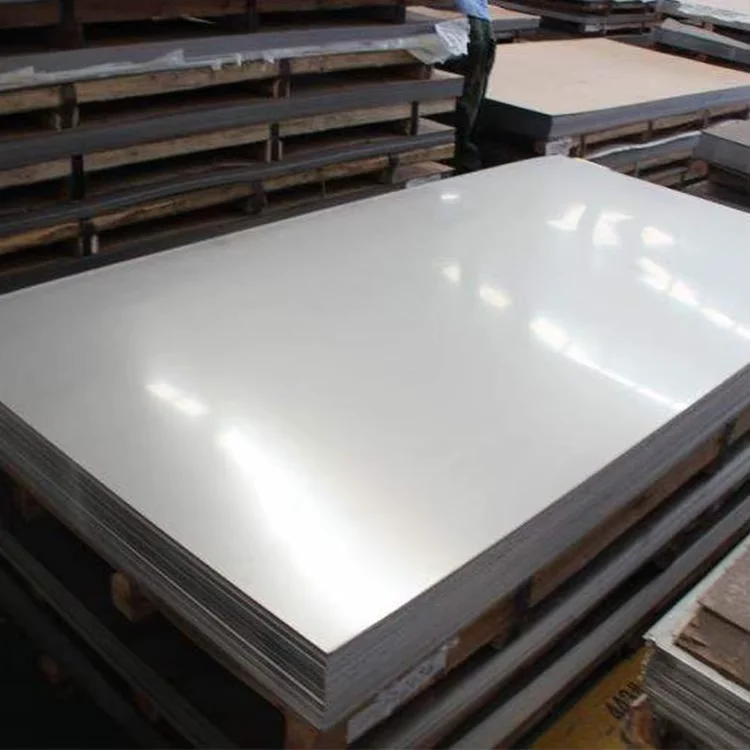
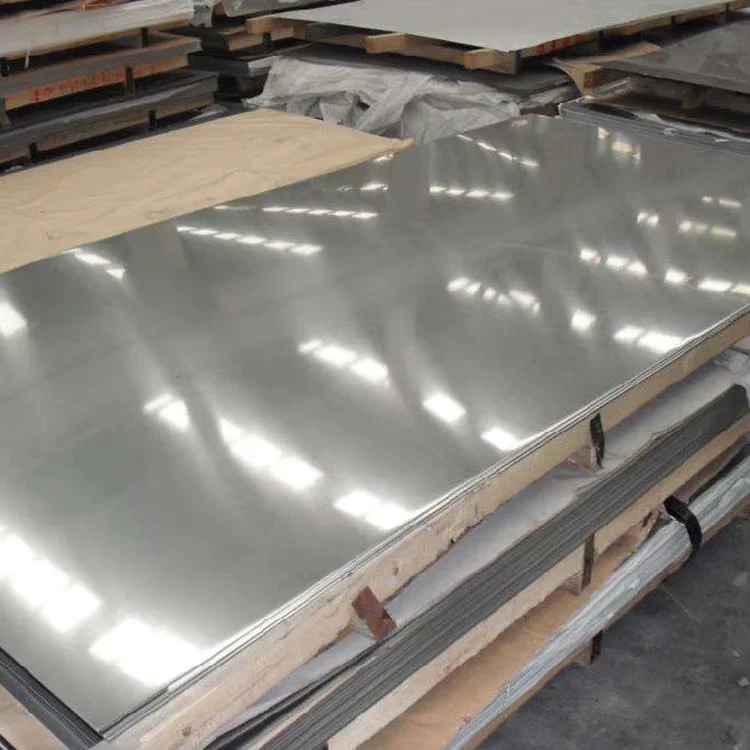
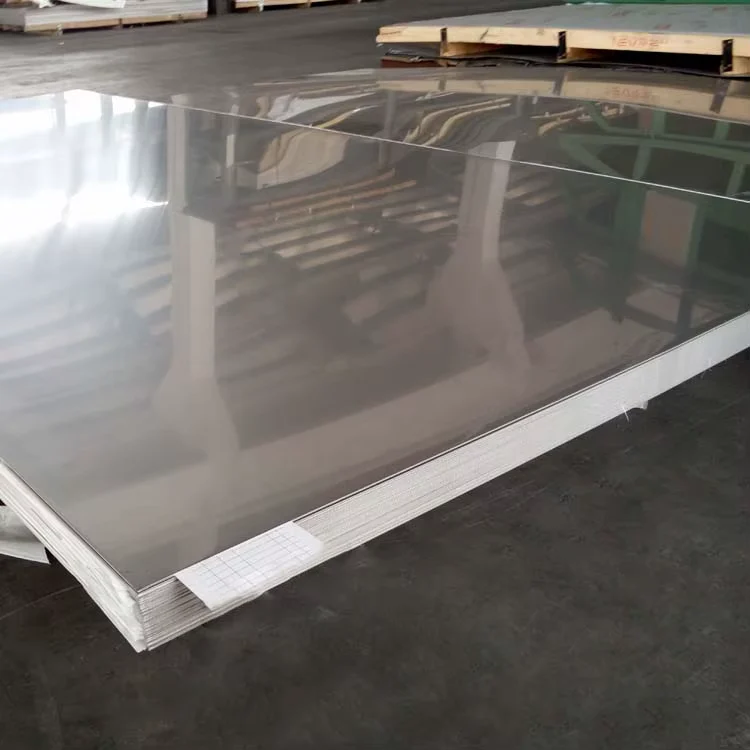
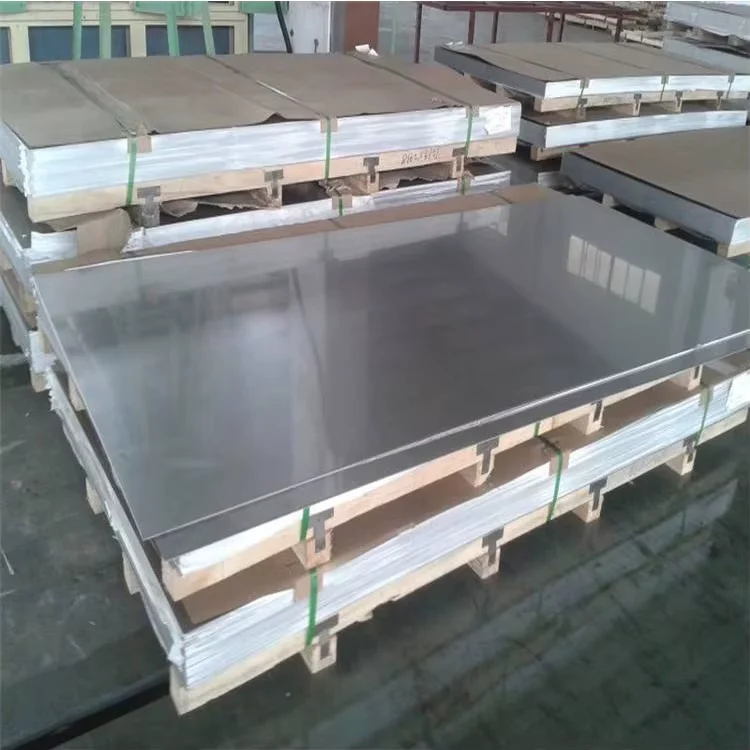
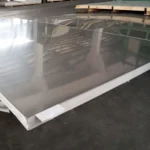
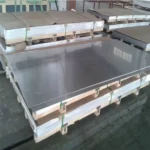
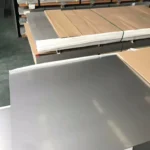
Description
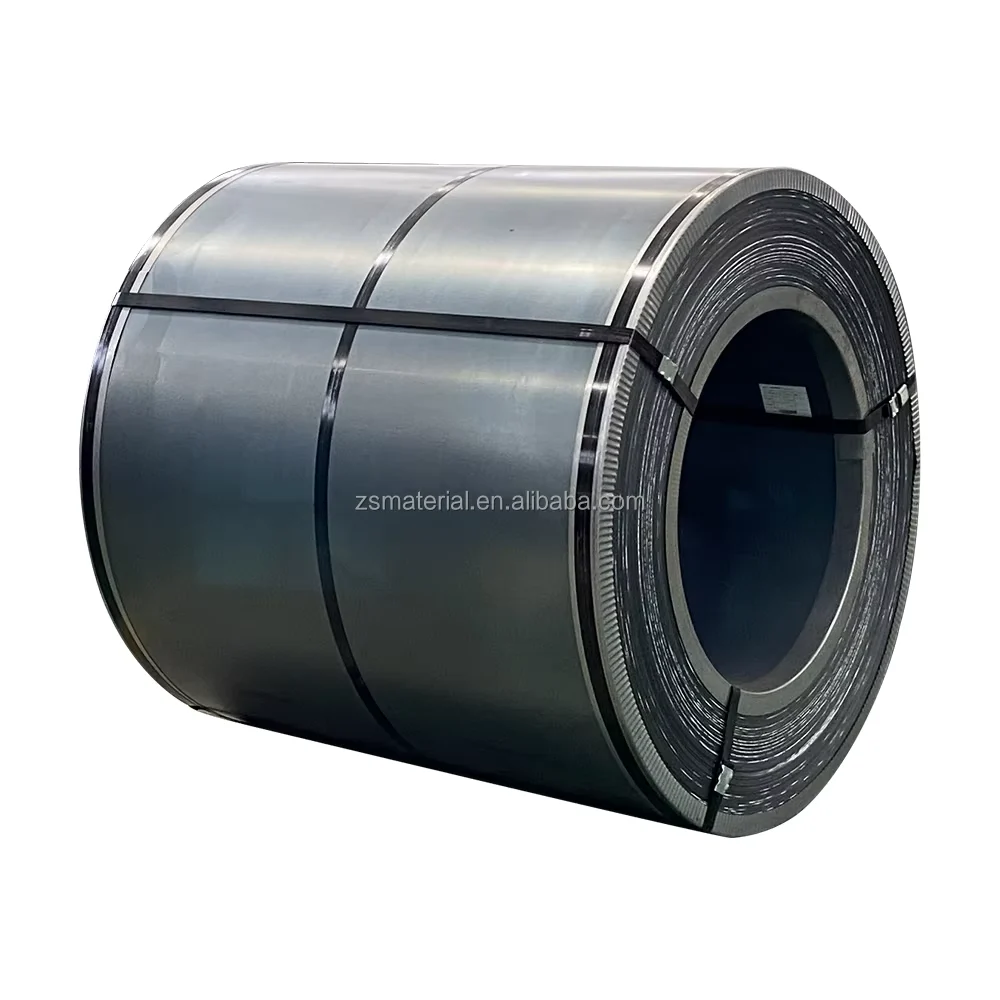
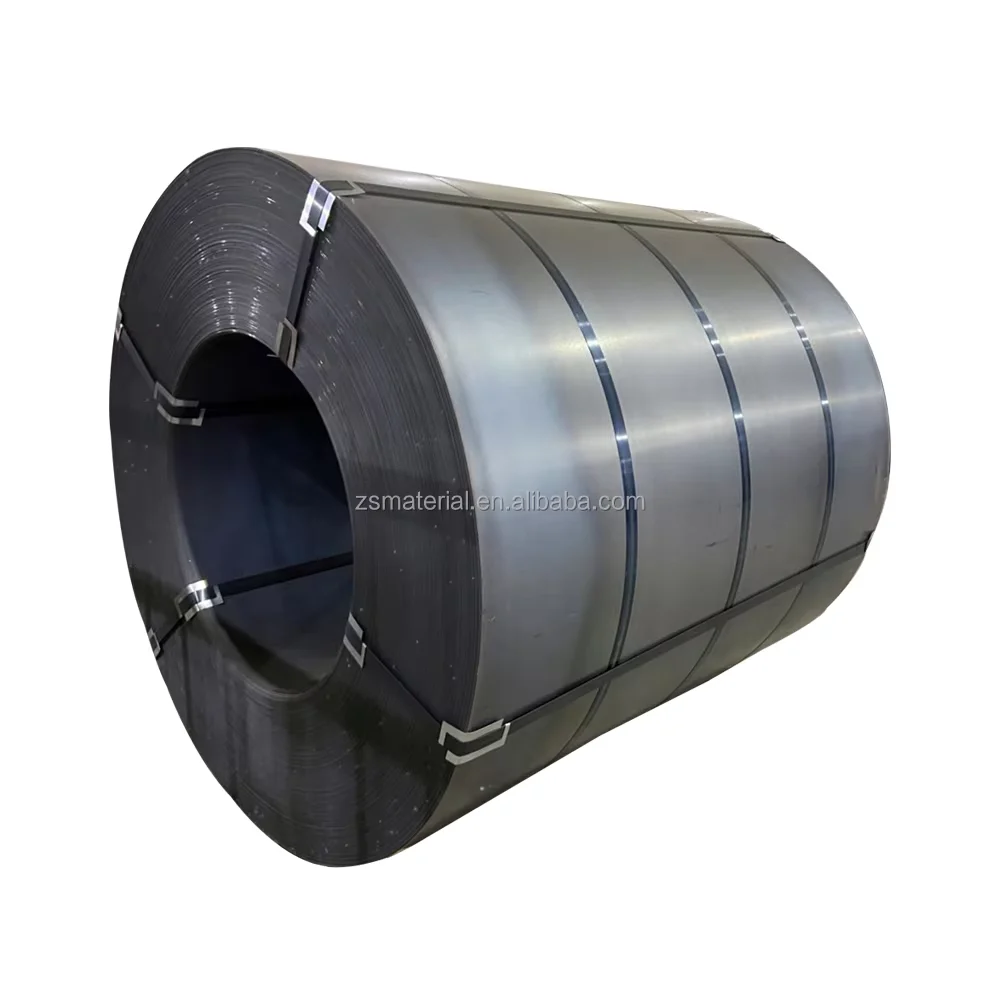
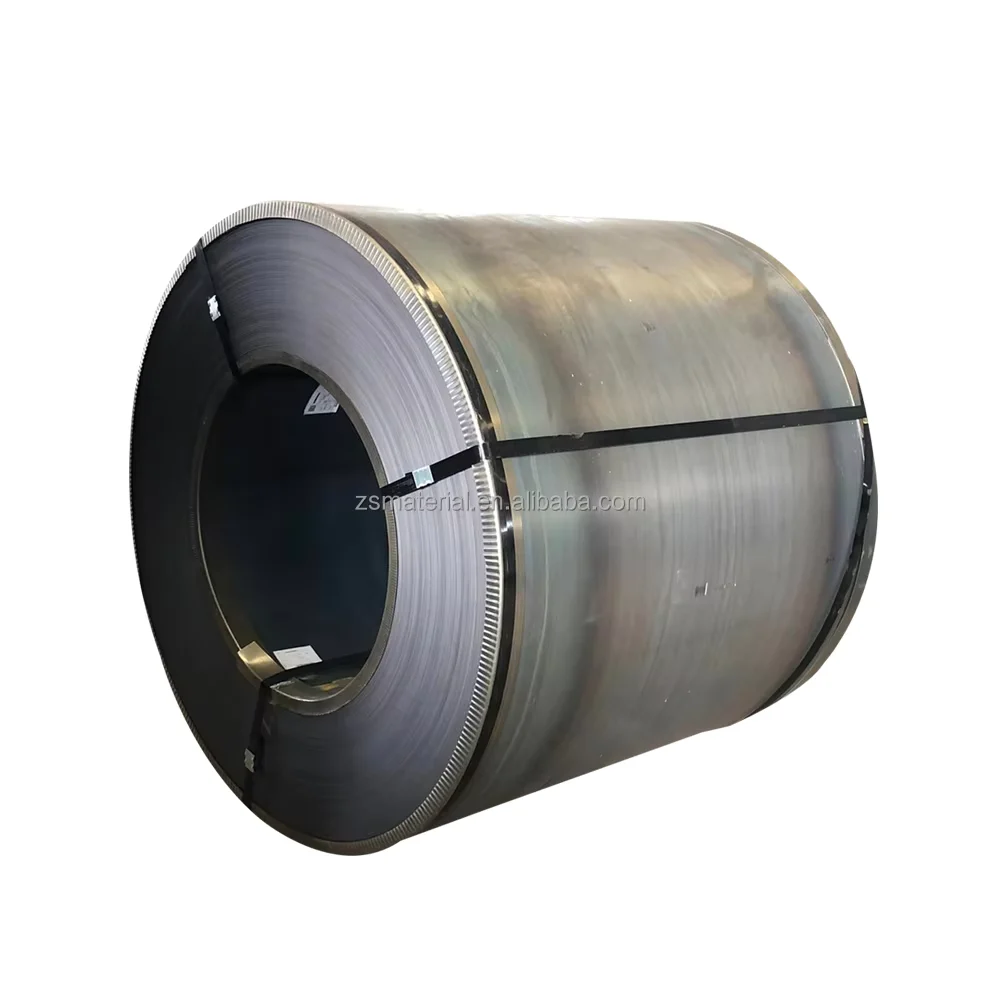
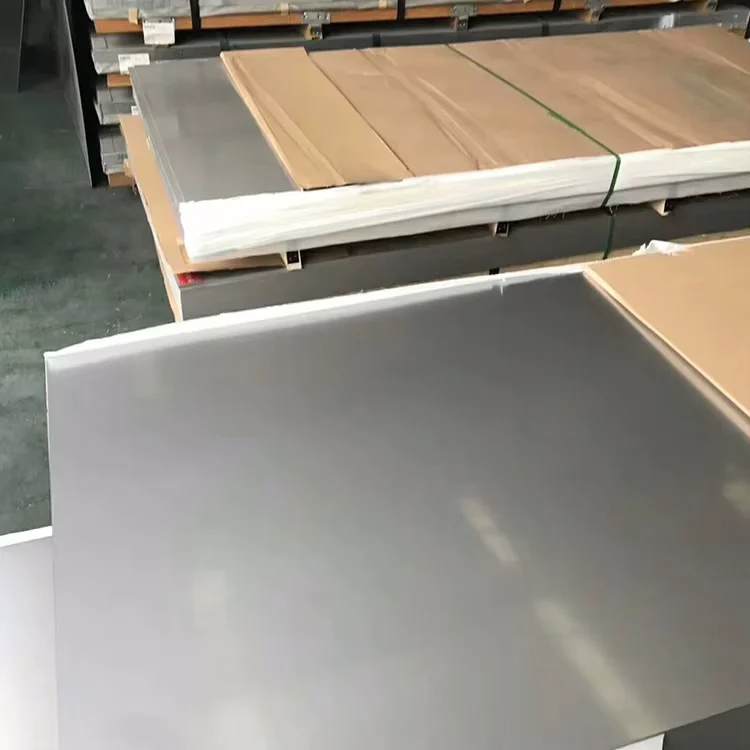
Factory-Direct 904L Supply — Every 904L stainless steel plate batch leaves our mill with original test certificates and TISI compliance documentation ready for customs clearance.
Technical Specifications
| Parameter | Value |
|---|---|
| Designation | 904L Stainless Steel Plate |
| Product Type | Steel Plate |
| Steel Grade | 904L |
| Standard | TISI Certified |
| Thickness | 1mm, 2mm, 3mm, 6mm (22 Gauge) |
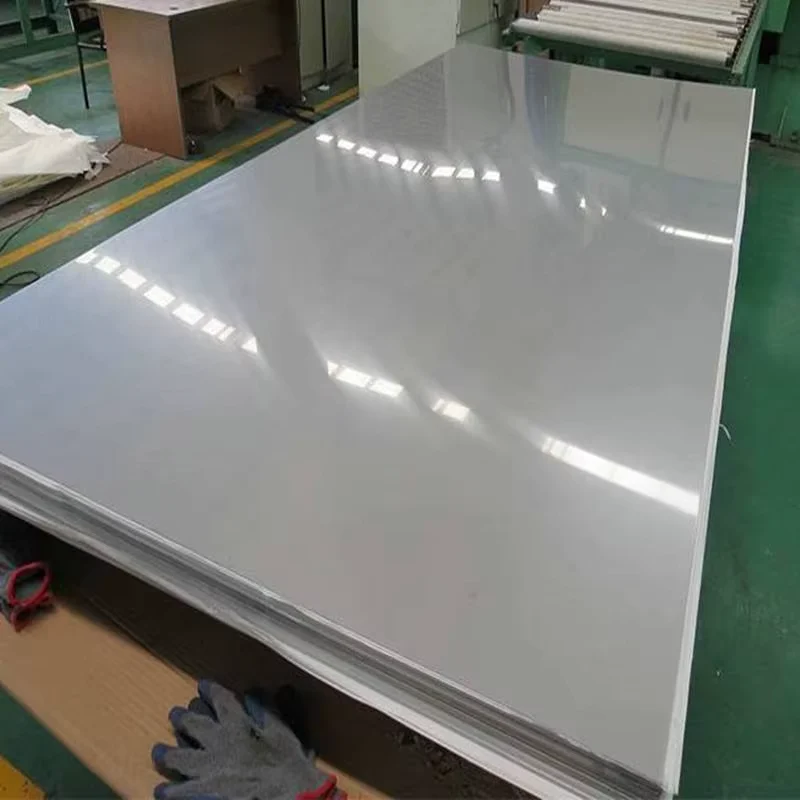
| Surface Finish | HL (Hairline) |
| Technique | Cold Rolled / Hot Rolled |
| Cutting Service | Available |
| Application | Office Building / Architectural Decoration / Industrial Equipment |
| MOQ | 1 Ton |
Application Suitability
| Industry | Typical Applications |
|---|---|
| Architectural & Construction | Facade cladding panels, elevator interior wall linings, lobby column wraps for commercial office buildings |
| Chemical Processing | Sulfuric acid storage tanks, heat exchanger shells, pickling equipment frames |
| Marine & Offshore | Seawater piping enclosures, offshore platform walkway grating supports |
| Industrial Equipment | Pharmaceutical mixing vessel linings, pulp and paper digester components |
Why Mill Certificate Accuracy Decides Whether 904L Plates Clear Customs
A single element deviation in the mill cert can turn a full container of 904L into scrap at the destination port.
I once watched a shipment of 904L plates get held at a Middle Eastern chemical project site because the third-party re-inspection flagged nickel content below the super austenitic threshold. The entire container sat at the port for weeks while the buyer scrambled for replacement material. Since then, I check every element row by row — 904L composition tolerances leave zero room for error, because this grade either resists sulfuric acid corrosion or it fails completely. [NEED_CITE: 904L super austenitic stainless steel composition requirements per ASTM B625]
When sourcing a 904L stainless steel plate supplier, buyers face three compounding risks: inconsistent alloy chemistry between heats, missing or altered mill certificates that trigger customs holds, and surface finish variations that ruin architectural aesthetics on visible facade installations.
Matching 904L Hairline Plates to Architectural and Chemical Environments
The HL surface finish on 904L plates serves dual purposes: it provides the directional grain pattern that architects specify for commercial building facades, while simultaneously offering better fingerprint and scratch resistance than mirror-polished alternatives in high-traffic lobby areas. For chemical processing applications, the cold rolled HL surface maintains the full corrosion resistance of the 904L alloy matrix — the hairline finish is purely cosmetic and does not compromise the molybdenum and copper content that gives this grade its resistance to reducing acids. When specifying a 904L stainless steel plate supplier for projects combining both aesthetic and chemical resistance requirements, confirm that the HL finish is applied after final annealing and pickling, not as a secondary overlay.
Engineering Compliance and Certification Requirements for 904L Plate Procurement
904L plates destined for Southeast Asian markets, particularly Thailand, require TISI certification for import clearance — a requirement that catches many buyers off guard when documentation arrives incomplete. For pressure vessel and heat exchanger applications, the material must conform to ASTM B625 or EN 10028-7 equivalents, with full heat-by-heat chemical analysis documented. [NEED_CITE: TISI certification requirements for stainless steel plate imports in Thailand] Structural applications in office buildings typically follow architectural specification standards rather than pressure codes, but the alloy chemistry must still meet 904L minimums — particularly the 23-28% nickel and 4-5% molybdenum ranges that distinguish this grade from 316L. Custom cutting services must maintain edge quality that prevents sensitization zones, especially when plates will be welded into chemical containment assemblies.
Understanding 904L Alloy Chemistry and Rolling Process Selection
904L is a super austenitic stainless steel designed for aggressive corrosion environments where 316L proves inadequate. The elevated nickel content (23-28%) stabilizes the austenitic structure, while molybdenum (4-5%) and copper (1-2%) provide resistance to sulfuric acid and chloride-induced pitting. This chemistry makes 904L significantly more expensive than standard austenitic grades — which is exactly why buyers must verify composition through original mill certificates rather than relying on supplier declarations alone. Cold rolled 904L plates in 1mm to 3mm thickness deliver tighter dimensional tolerance and smoother surface finish, making them suitable for architectural cladding where flatness and appearance matter. Hot rolled plates at 6mm thickness serve industrial equipment applications where surface aesthetics are secondary to corrosion performance and structural rigidity. The HL hairline finish is achieved through controlled abrasive belt grinding in a single direction, creating the consistent linear grain pattern that architectural specifications demand. [NEED_CITE: 904L vs 316L corrosion resistance comparison in sulfuric acid environments]
Hidden Costs When 904L Composition Falls Short of Specification
Procuring 904L plates without verified mill certificates creates exposure across multiple failure modes. Material that tests below the nickel or molybdenum minimums will fail in sulfuric acid service — but the failure may not appear until months after installation, when equipment begins leaking and production lines shut down for emergency replacement. Customs authorities in TISI-regulated markets routinely hold stainless steel shipments lacking proper certification, generating demurrage charges that can exceed the material cost itself. [NEED_CITE: consequences of substandard stainless steel in chemical processing applications] For architectural applications, plates with inconsistent HL finish quality require on-site rework or complete panel replacement — costs that far exceed the price difference between verified and unverified suppliers.
Why Buyers Choose Our 904L Stainless Steel Plate Supply
Every 904L plate we ship carries an original mill test certificate documenting full chemical composition — nickel, molybdenum, copper, chromium — with heat number traceability back to the melt shop. Our in-house laboratory conducts three-stage inspection before release, and we welcome SGS or BV third-party inspection at any stage. For TISI-regulated markets, we provide complete certification packages that clear customs without delay. Our factory-direct pricing eliminates trading company markups on this premium alloy, with volume discounts available for recurring procurement. Custom cutting to your exact dimensions reduces on-site waste and welding preparation time. With 1-ton MOQ flexibility, you can trial our material quality before committing to full-container orders. Our export team handles complete documentation, container loading optimization for heavy plate cargo, and coordinates logistics to your destination port.
Documentation & Compliance
- Mill test certificate documenting 904L chemical composition including nickel, molybdenum, copper content per ASTM B625 or EN 10028-7
- TISI certification for Thailand market import clearance compliance
- ISO 9001:2015 quality management system certificate covering plate production processes
- SGS or BV third-party inspection report available upon request for independent verification
- Material traceability documentation linking each plate to specific heat number and melt batch
- Complete customs documentation package including packing list, bill of lading, and certificate of origin
Packaging, Loading & Delivery
- 904L HL finish plates packed with interleaving paper and edge protectors to preserve hairline surface during ocean transit
- Cold rolled 1mm-3mm plates bundled on wooden pallets with steel strapping, separated by thickness to prevent surface scratching
- Hot rolled 6mm plates secured in seaworthy bundles with waterproof wrapping for container or breakbulk shipment
- Custom-cut plates labeled with heat number, thickness, and purchase order reference for job-site identification
- Container loading plans optimized for 904L plate weight distribution, maximizing payload within shipping limits
- FOB, CIF, and DDP terms available with professional export documentation handling
Starting Your 904L Procurement With Verified Documentation
Submit your specifications including thickness, dimensions, surface finish requirement, and destination port to receive a competitive quote with complete mill test certificate documentation. For TISI-regulated markets, confirm certification requirements upfront so we prepare the full compliance package with your order. Our team responds within hours with pricing, lead time, and available stock status for standard 904L HL plate specifications.
Frequently Asked Questions
Q: What is the difference between 904L and 316L stainless steel for chemical applications?
A: 904L contains significantly higher nickel (23-28% vs 10-14%) and molybdenum (4-5% vs 2-3%) than 316L, providing superior resistance to sulfuric acid and chloride environments where 316L would suffer pitting corrosion or stress corrosion cracking.
Q: How can I verify the authenticity of 904L material through mill test certificates?
A: Original mill test certificates document the complete chemical composition including nickel, molybdenum, copper, and chromium content for each heat number. We provide certificates with every 904L stainless steel plate shipment, and third-party inspection through SGS or BV is available for independent verification.
Q: What thickness tolerances apply to cold rolled 904L HL plates?
A: Cold rolled 904L plates in 1mm, 2mm, and 3mm thickness maintain tighter dimensional tolerances than hot rolled material, with consistent flatness suitable for architectural cladding applications where appearance matters.
Q: Can you provide custom cutting for 904L plates to reduce on-site fabrication?
A: Yes, we offer precision cutting services for 904L plates to your specified dimensions, reducing job-site waste and welding preparation time while maintaining edge quality appropriate for subsequent fabrication.
Q: What is the minimum order quantity for 904L stainless steel plates?
A: Our MOQ for 904L plates is 1 ton, allowing you to trial our material quality and documentation standards before committing to larger volume orders for ongoing projects.
Request Your 904L Stainless Steel Plate Quote With Full Certification
Send your specifications — thickness, dimensions, quantity, surface finish, and destination — to receive pricing with original mill test certificates and TISI documentation included.
Shandong Xin Jiyuan Special Steel Tube Co., Ltd
Email: admin@sdxinjiyuan.com
WhatsApp: +86 188 5315 7756