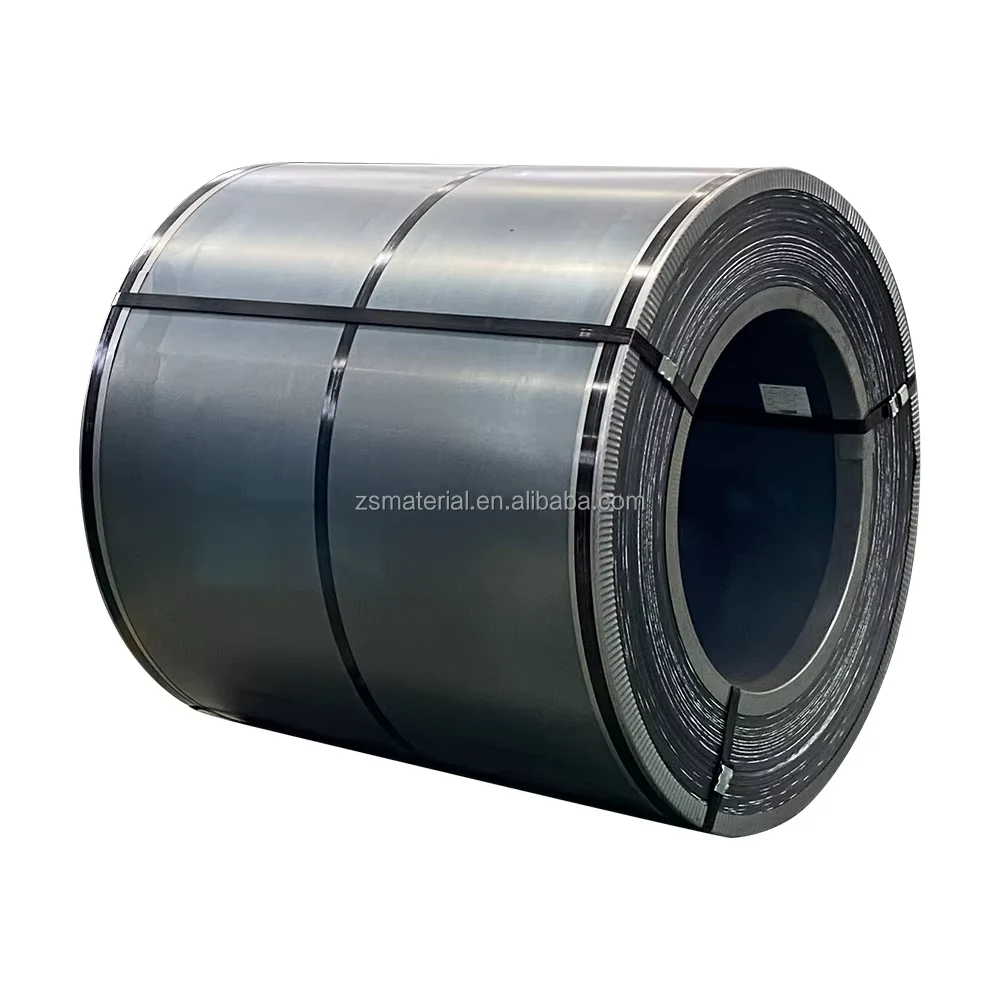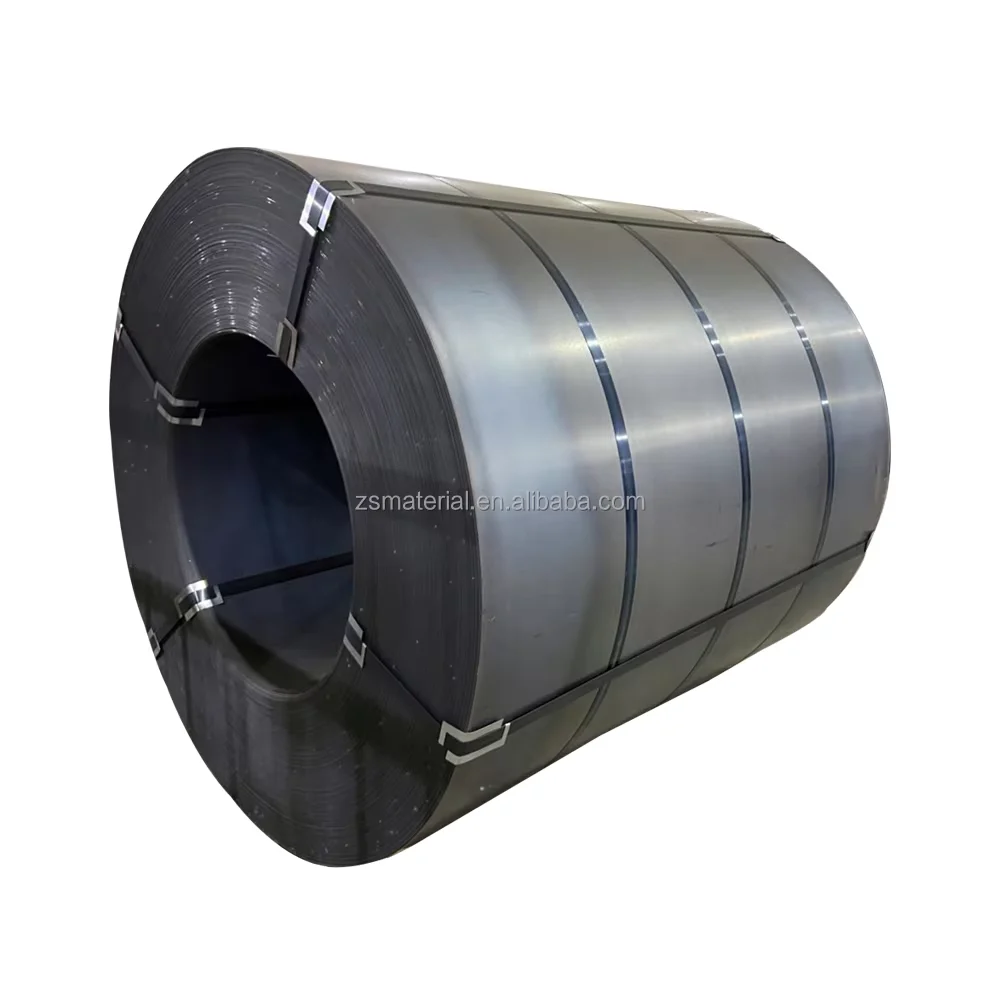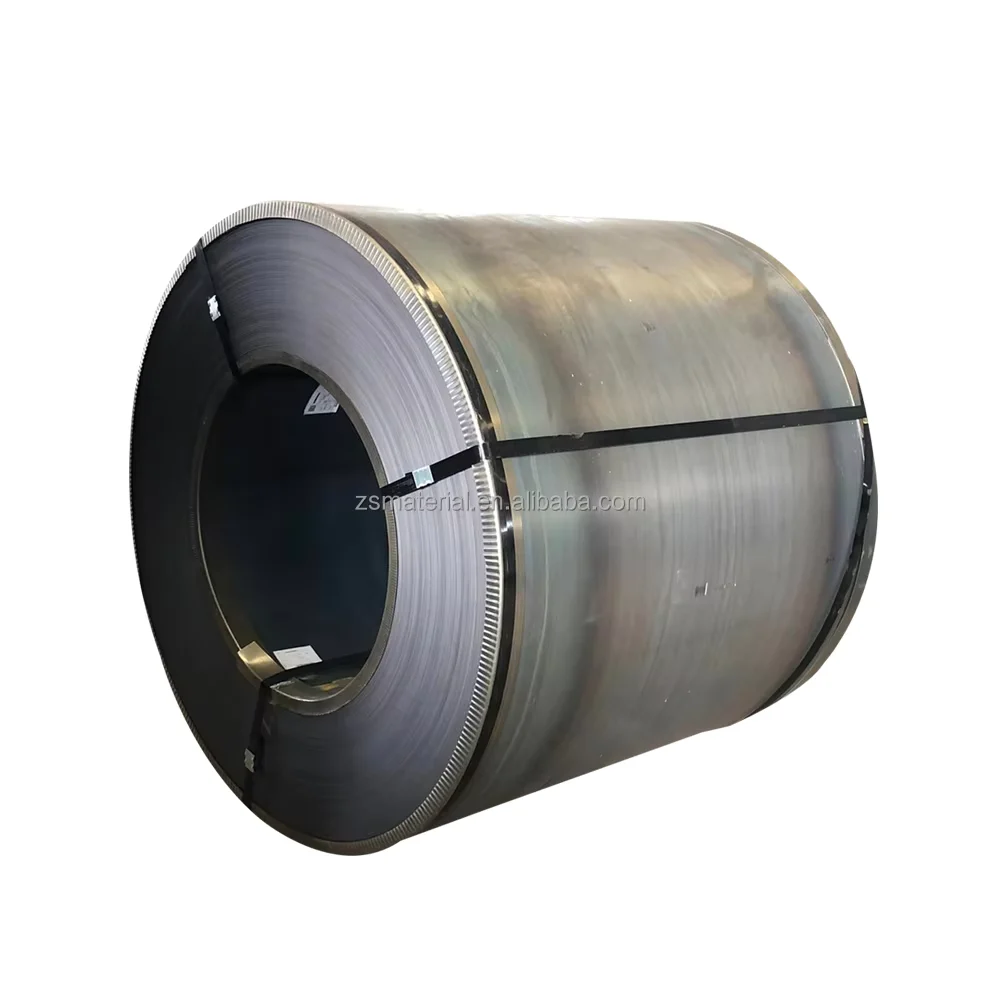
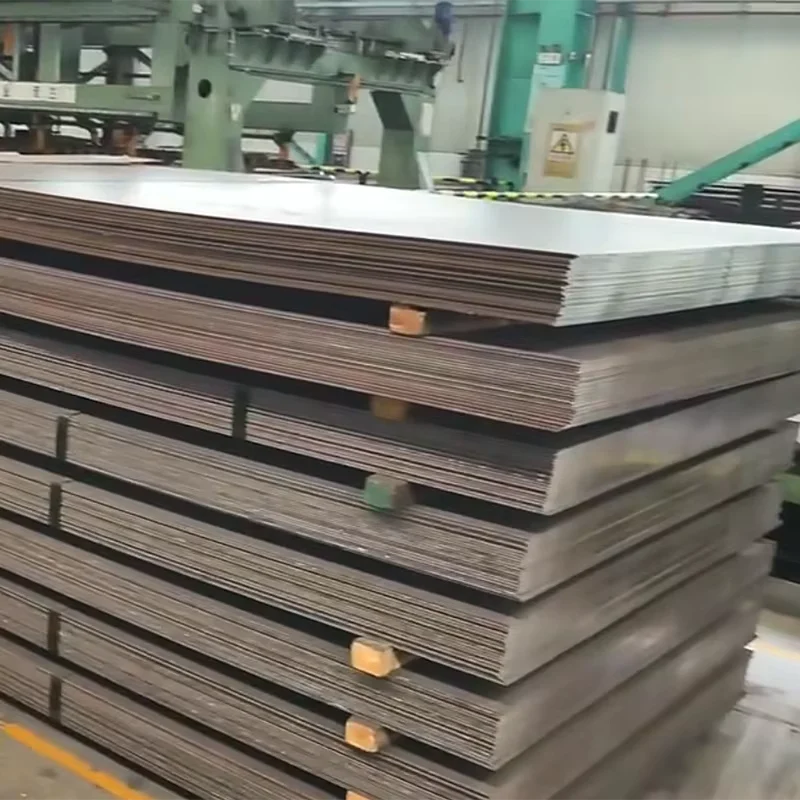
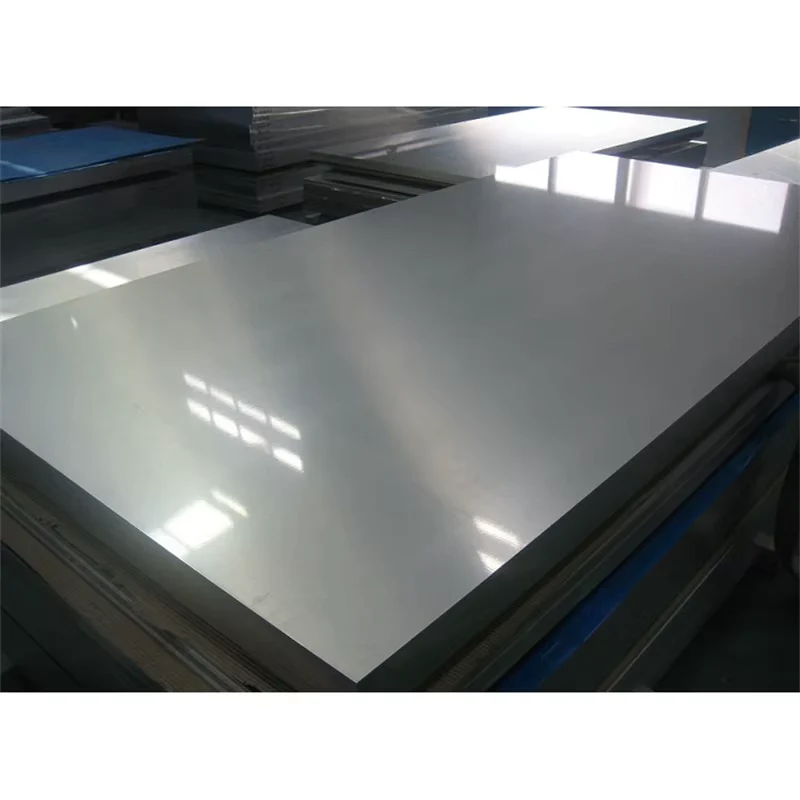
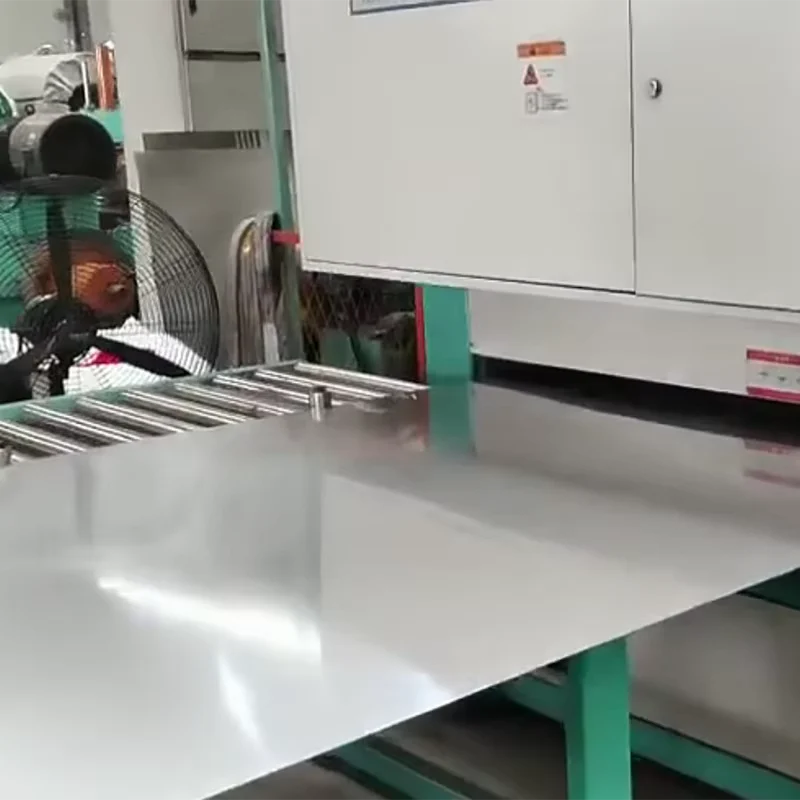
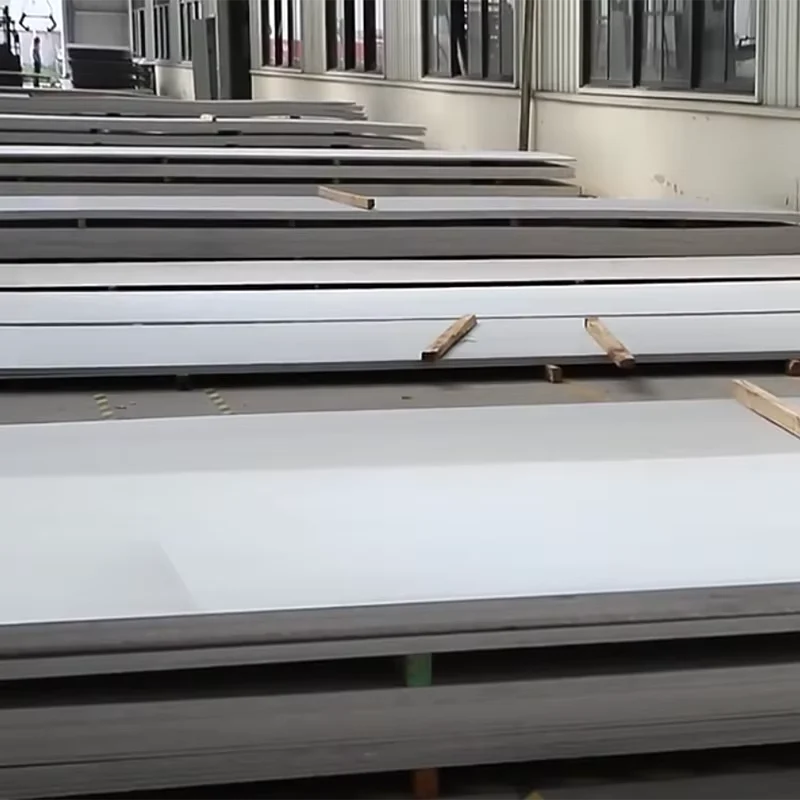
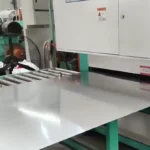
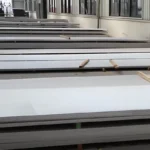
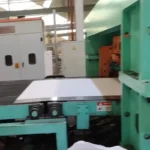
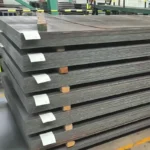
Description
Factory-Direct 300 Series Plates — 0.1mm to 60mm thickness rolled in-house with original mill test certificates for every heat number.
Technical Specifications
| Parameter | Value |
|---|---|
| Designation | 300 Series Stainless Steel Plate |
| Product Type | Steel Plate |
| Steel Grade | 201, 202, 301, 301L, 304, 304L, 304N, 304J1, 316, 316L, 316Ti, 317L, 321, 309S, 310S, 409L, 410, 410L, 410S, 420J1, 420J2, 430, 436, 441, 444, 904L, 2205, 2507, 2101, 2520, 2304 |
| Standard | AISI, ASTM, DIN, EN, JIS, GB, BS, NB |
| Thickness | 0.1mm–60mm |
| Width | 600mm–1800mm (1219/1500/1800/2000mm standard) |
| Length | 1000mm–6000mm (2438/6000mm standard) |
| Technique | Cold Rolled, Hot Rolled |
| Surface Finish | No.1, 2B, BA, 6K, 8K Mirror, No.4, Hairline |
| Tolerance | ±1% |
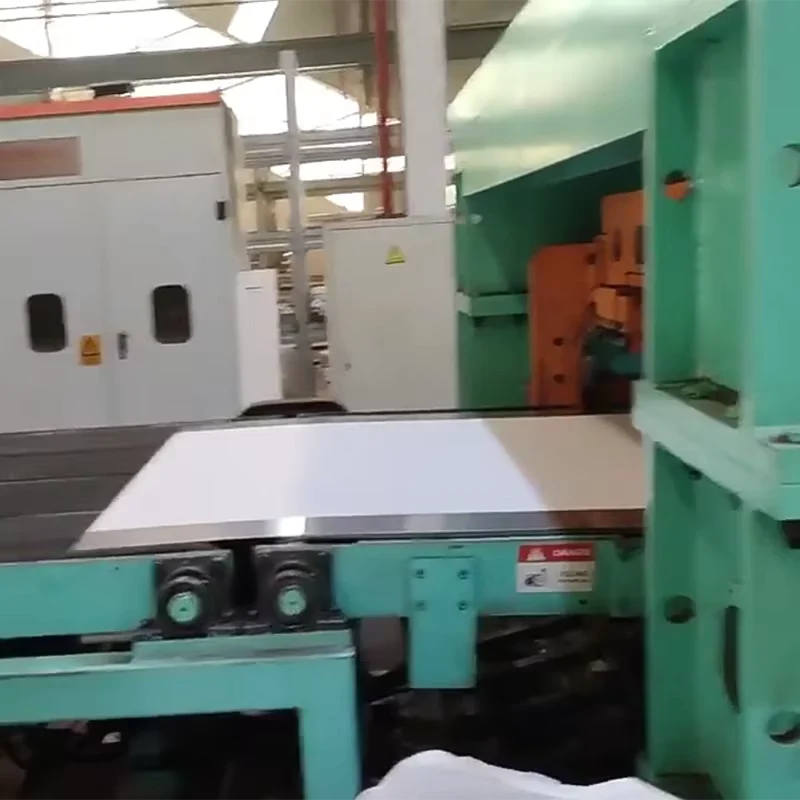
| Processing Services | Cutting, Bending, Welding, Decoiling, Punching |
| Application | Containers, furnace shells, bridge and automobile steel plates, boiler steel plates, pressure vessel steel plates, pattern steel plates, tractor parts and welded components, industrial fabrication |
| MOQ | 1 Ton |
| Origin | Shandong, China |
Application Suitability
| Industry | Typical Applications |
|---|---|
| Petrochemical & Chemical Processing | 316L and 317L plates for reactor vessels, heat exchangers, and chloride-exposed piping systems |
| Power Generation & Boiler Manufacturing | 321 and 310S plates for furnace shells, superheater tubes, and high-temperature exhaust ducts |
| Marine & Offshore Engineering | Duplex 2205 and 2507 plates for ballast tanks, deck fittings, and seawater-cooled condensers |
| Architectural & Decoration | 304 and 430 plates with 8K Mirror or Hairline finish for elevator panels, façade cladding, and interior wall systems |
| Food & Pharmaceutical Equipment | 304L and 316L plates with 2B or BA finish for sanitary tanks, processing hoppers, and clean-room partitions |
| Transportation & Heavy Machinery | 201 and 409L plates for container bodies, exhaust mufflers, and structural welded components |
Why Heat Number Traceability Decides Whether Your 304 316L Stainless Steel Plate Supplier Ships or Holds
A plate without a readable heat number on its mill test certificate is a plate that cannot pass customs or project inspection.
I once watched a full container of 316L plates get rejected at destination because the nickel content on the independent lab report did not match the heat numbers printed on the certificates. The supplier had mixed furnace batches and copied certificates from adjacent lots. Two weeks of argument, a return shipment, and a delayed project — all because nobody checked the mill cert against the physical stamp before loading. That is why every plate we ship carries an original mill test certificate with chemical composition and mechanical properties tied to a specific heat number, and we arrange SGS or BV pre-shipment inspection when the buyer requests it [NEED_CITE: mill test certificate requirements for stainless steel export compliance].
Matching Plate Thickness and Finish to Corrosive and Structural Environments
Selecting the right 304 316L stainless steel plate starts with the service environment, not the price list. For indoor architectural cladding or dry industrial housing, 304 with a No.4 or Hairline finish provides adequate corrosion resistance at lower cost. Once chloride ions enter the equation — coastal facades, chemical processing tanks, marine deck structures — 316L becomes the minimum acceptable grade because its molybdenum content resists pitting corrosion that 304 cannot withstand. For temperatures exceeding 800°C, 310S and 321 maintain oxidation resistance where standard austenitic grades would scale and weaken. Our in-house cutting, bending, and welding services let buyers receive plates pre-sized for their drawings, reducing on-site secondary work and material waste.
Engineering Compliance and Certification Requirements Across Markets
Pressure vessel and boiler applications demand plates that conform to ASME or EN 13445 material specifications, and the mill test certificate must document chemical composition within the allowed range for the declared grade [NEED_CITE: EN 10088 stainless steel plate specification requirements]. European projects require CE marking and documentation traceable to EN standards, while North American buyers typically reference ASTM A240 or A167 for chromium and chromium-nickel plate. The ±1% thickness tolerance we maintain ensures that structural calculations based on nominal dimensions remain valid — a common failure point when suppliers ship plates at the lower edge of negative tolerance, forcing engineers to derate the entire assembly. Third-party inspection reports from SGS or BV confirm both chemistry and dimensional accuracy before the container is sealed.
How Austenitic, Ferritic, and Duplex Grades Differ in Practice
The 300 Series stainless steel plate family spans three metallurgical families, each with distinct trade-offs. Austenitic grades — 304, 304L, 316L, 321, 310S — offer the best combination of formability, weldability, and general corrosion resistance; the low-carbon L variants prevent sensitization and intergranular corrosion after welding. Ferritic grades — 430, 409L, 441, 444 — contain little or no nickel, making them cheaper and resistant to stress corrosion cracking in chloride environments, though they sacrifice some ductility. Duplex grades — 2205, 2507, 2101, 2304 — combine austenitic and ferritic structures to deliver roughly double the yield strength of standard austenitic grades with superior resistance to pitting and stress corrosion, making them the preferred choice for offshore and chemical applications where wall thickness reduction matters. Cold rolled plates achieve tighter dimensional tolerance and smoother surface finish (2B, BA, 8K Mirror), while hot rolled plates serve structural and industrial applications where surface appearance is secondary to thickness and strength [NEED_CITE: duplex stainless steel selection guide for marine applications].
The Hidden Cost of Buying Stainless Plate Without Verified Chemistry
Ordering 316L plates at a price that seems too good often means the supplier substituted 304 or a lower-nickel alternate grade — a swap invisible to the naked eye but catastrophic in a chloride environment. Pitting corrosion appears within months, warranty claims follow, and the project owner traces the failure back to the mill certificate that never matched the physical material. Beyond chemistry, plates shipped without proper surface protection develop contact corrosion or iron contamination during transit, ruining the finish before installation even begins. Certification gaps — missing CE documents, incomplete heat number records, or forged mill certs — trigger customs holds that delay the entire project schedule and incur demurrage charges [NEED_CITE: stainless steel grade misidentification failure case studies].
Procurement Confidence Built on In-House Production and Full Documentation
As a factory operating three production lines with monthly capacity exceeding 20,000 tons, we quote directly without trading margins — volume discounts apply for repeat orders above standard thresholds. Every heat number is traceable from our in-house laboratory through to the original mill test certificate, and we welcome SGS or BV third-party inspection at any stage before shipment. Our inventory covers over 2,800 specifications across 200, 300, and 400 series plus duplex grades, meaning standard sizes ship from stock while custom thickness or cut-to-size orders complete within typical production lead times. Professional export handling includes optimized container loading plans that maximize weight per TEU for heavy plate orders, complete customs documentation, and dedicated account management for long-term partners who review volume pricing every six months.
Documentation & Compliance
- Mill Test Certificate documenting 316L chemical composition (Ni, Mo, Cr content) and mechanical properties per ASTM A240 or EN 10088 for each heat number
- CE certificate confirming compliance with EN 10210/EN 10219 for structural stainless steel plate supplied to European projects
- ISO 9001:2015 quality management certificate covering the full production and inspection process from raw coil to finished plate
- SGS or BV third-party inspection report verifying surface finish, dimensional tolerance, and chemistry before container sealing
- Full material traceability linking each plate to its heat number, rolling batch, and original slab casting record
- Export customs documents including packing list, bill of lading, and certificate of origin formatted for the destination country
Packaging, Loading & Delivery
- Plates bundled with steel straps and edge protectors, separated by interleaving paper to prevent surface scratching on 2B, BA, and 8K Mirror finishes during ocean transit
- Hot rolled No.1 finish plates packed in seaworthy bundles with waterproof wrapping for 60mm thickness heavy plates shipped in breakbulk or open-top containers
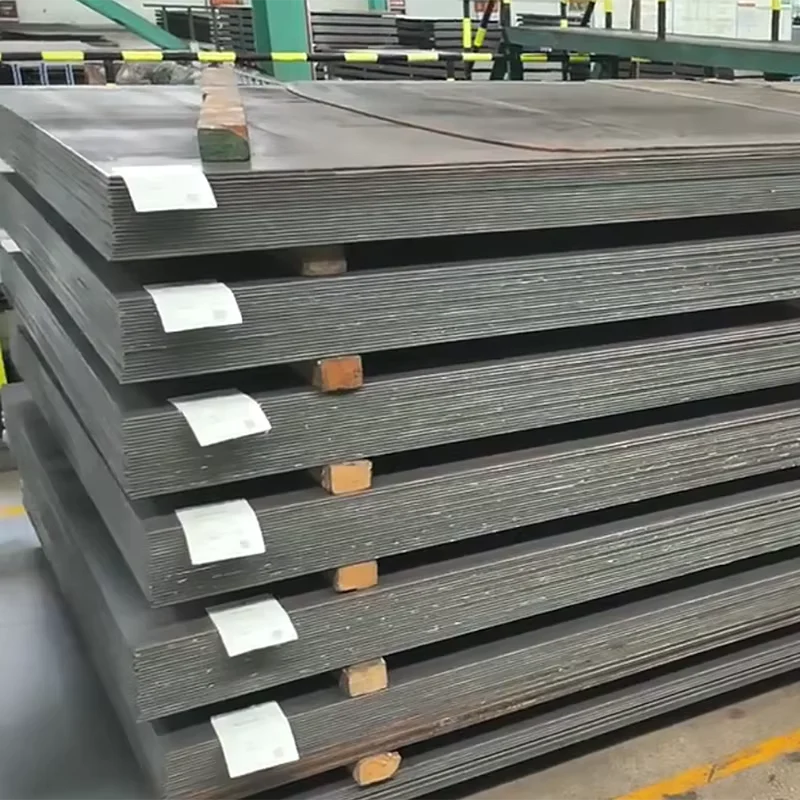
- Custom cut-to-size plates stacked by dimension with heat number labels clearly marked on each piece for easy site identification and inventory control
- Container loading plans optimized for 6000mm length plates in 20ft and 40ft containers, maximizing weight utilization while respecting port handling limits
- FOB, CIF, and DDP shipping terms available with professional documentation handling for customs clearance at destination ports across Southeast Asia, Middle East, Africa, and South America
Start Your Quotation With Verified Specifications and Mill Certificates
Submit your required steel grade, thickness, width, length, surface finish, and quantity to receive a factory-direct quotation with delivery schedule and sample mill test certificate. For non-standard dimensions or duplex grade requirements, our engineering team provides cut-to-size proposals with confirmed lead times. Confirm certification needs (CE, SGS/BV) and destination port early to ensure documentation aligns with local customs requirements.
Request Factory-Direct Pricing With Original Mill Test Certificates
Send your specifications by email or WhatsApp for a detailed quotation within 12 hours, including volume pricing and available stock sizes.
Email: admin@sdxinjiyuan.com
WhatsApp: +86 188 5315 7756
Frequently Asked Questions
Q: What is the difference between 304, 304L, and 316L for plate applications?
A: 304 is the standard austenitic grade for general corrosion resistance. 304L has lower carbon content to prevent intergranular corrosion after welding, making it preferred for thick plates and welded structures. 316L adds molybdenum for superior resistance to pitting and chloride corrosion, essential for marine, chemical, and coastal applications.
Q: Can you provide SGS or BV third-party inspection for project compliance?
A: Yes. SGS and BV third-party inspection is available on request before shipment. The inspection covers chemical composition verification, dimensional tolerance measurement, surface finish check, and packaging condition, with the full report included in your documentation package.
Q: What is the MOQ for custom cut-to-size plates and non-standard thickness?
A: The MOQ is 1 Ton. We support trial orders for custom thickness within the 0.1mm–60mm range and cut-to-size dimensions, with typical production lead times for non-standard specifications.
Q: Which surface finish should I choose for architectural versus industrial use?
A: For architectural and decorative applications, 8K Mirror, No.4, or Hairline finishes on cold rolled 304 or 430 plates provide the required aesthetic appearance. For industrial, chemical, or food processing use, No.1 or 2B finishes on hot rolled or cold rolled plates prioritize function and corrosion resistance over appearance.
Q: What export documents are included with each shipment?
A: Every shipment includes the original mill test certificate with heat number traceability, commercial invoice, packing list, bill of lading, and certificate of origin. CE certificates and third-party inspection reports are provided when required for project compliance or destination customs clearance.