
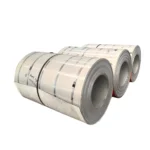
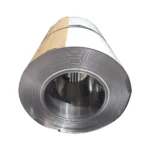
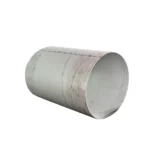
Description
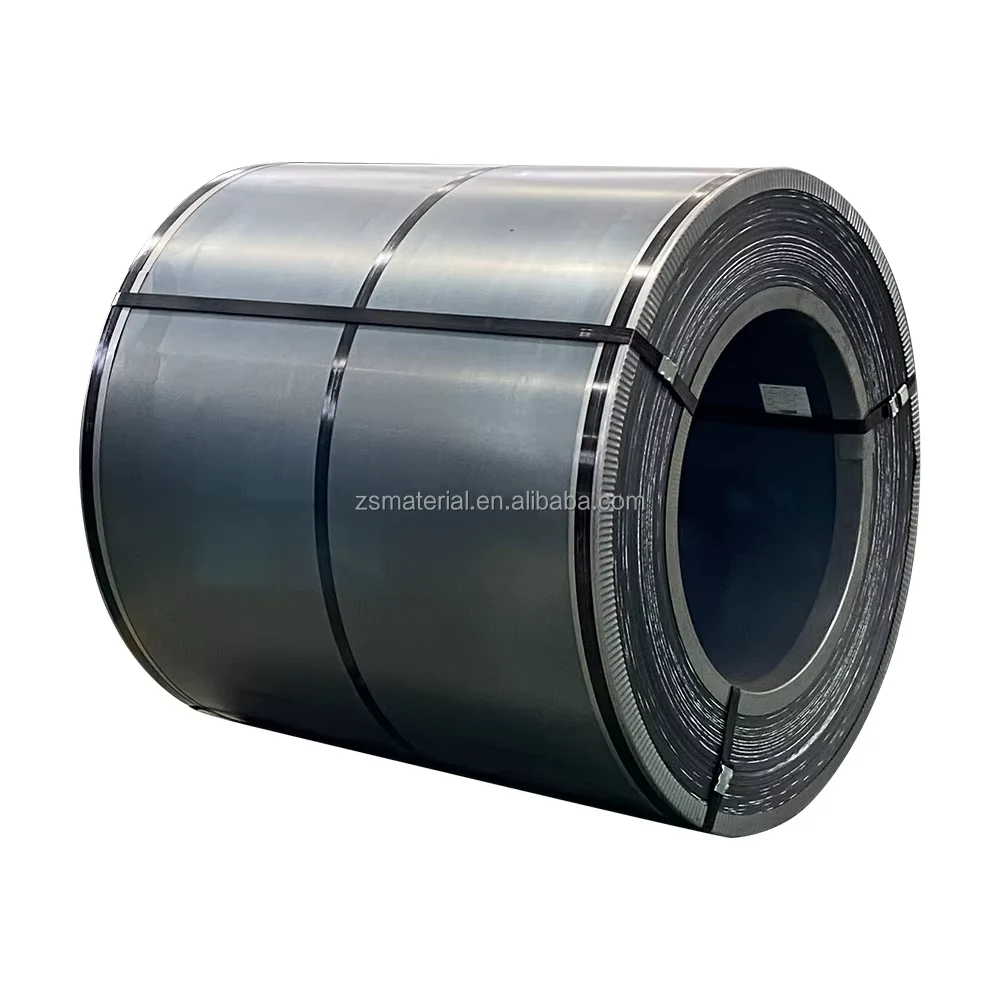
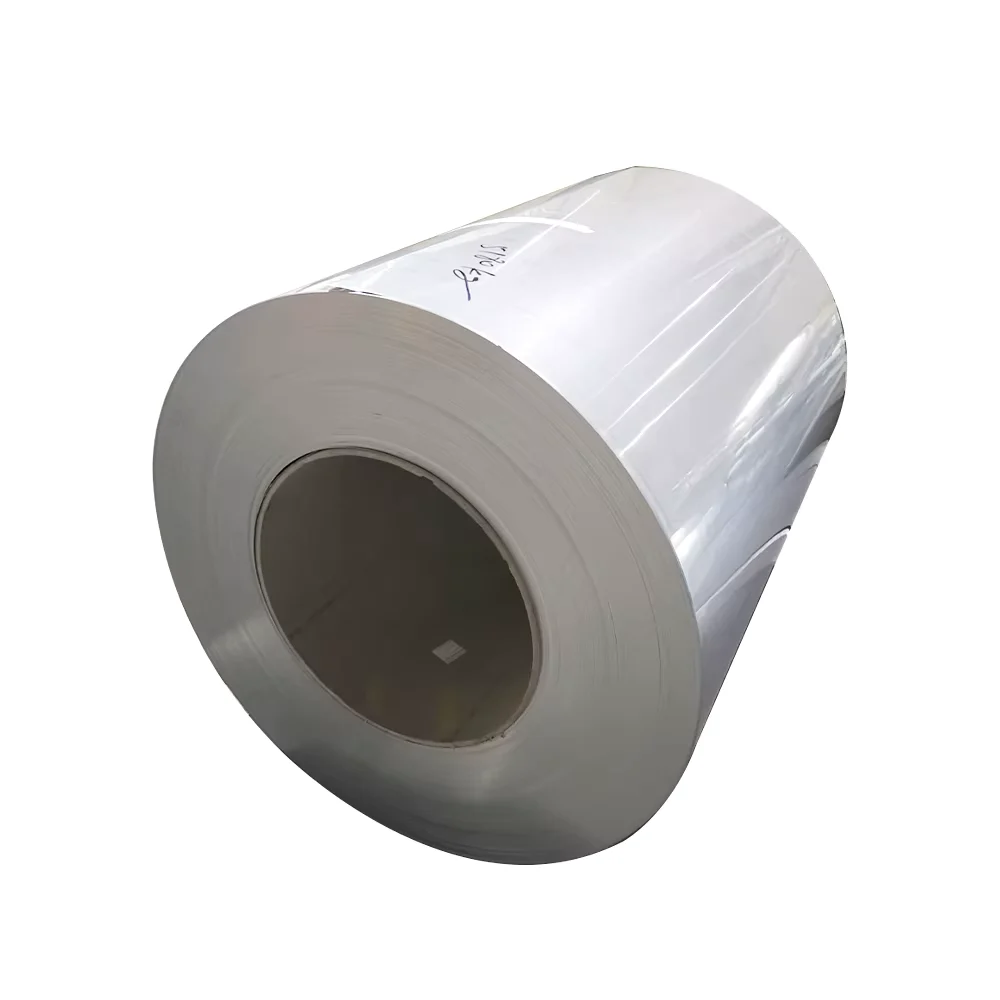
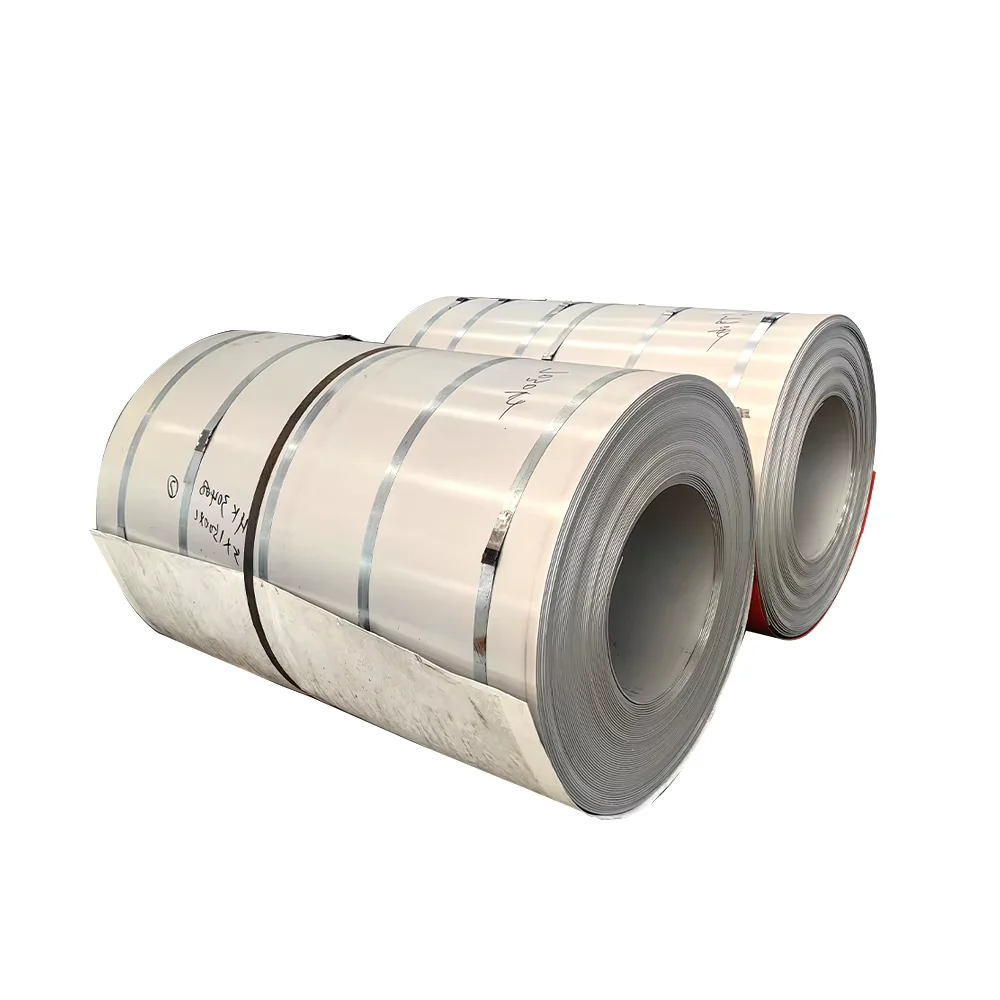
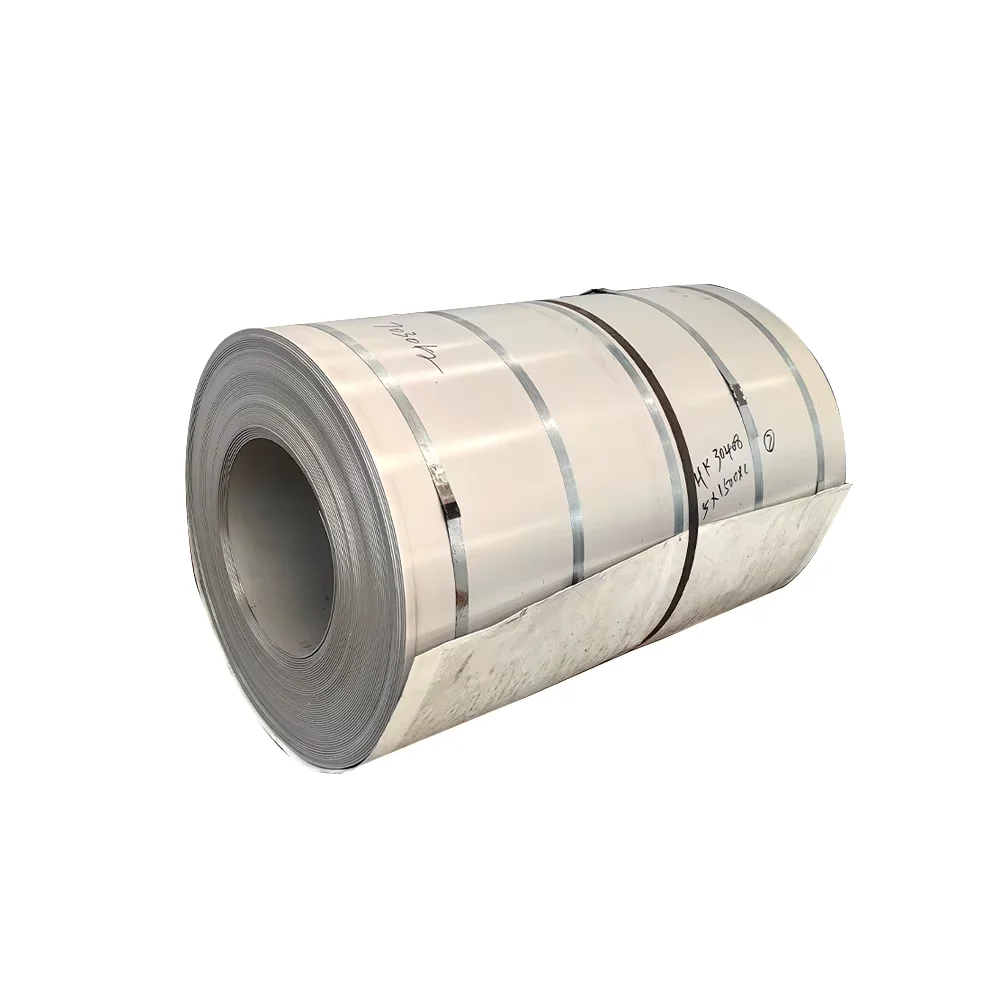
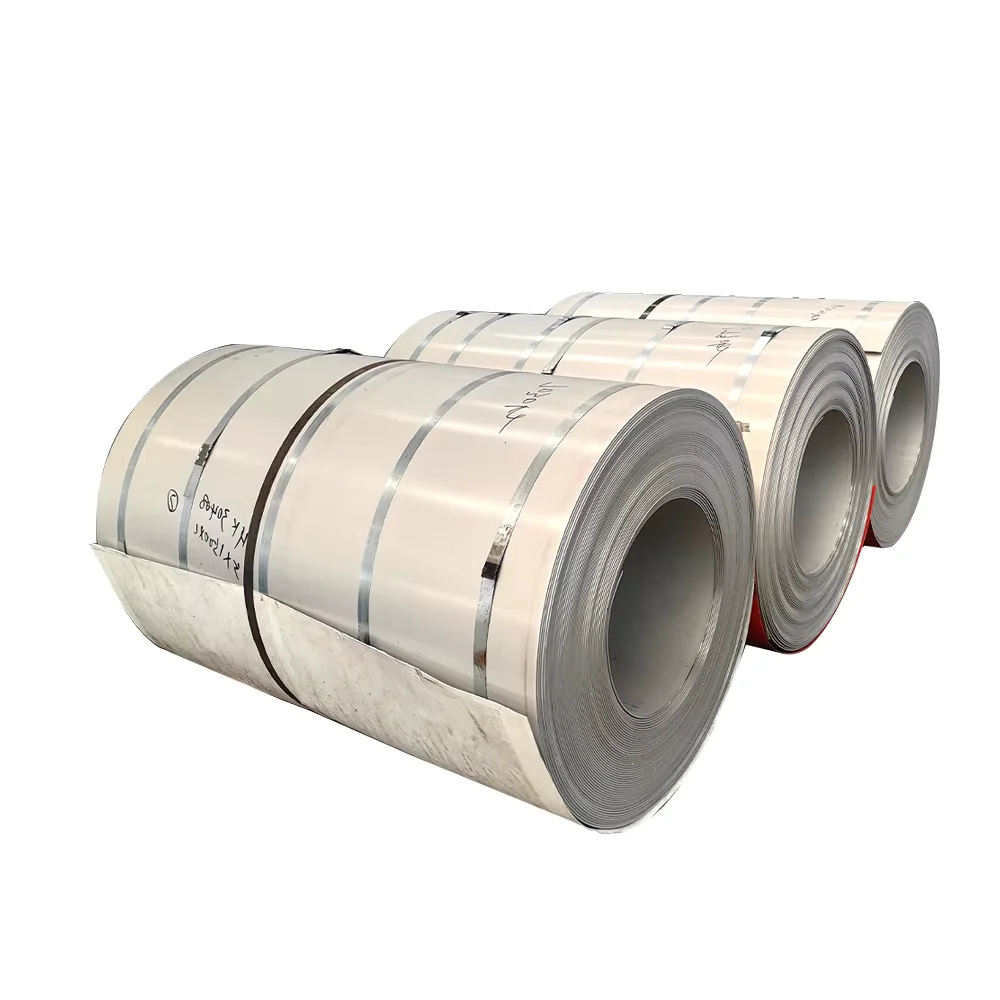
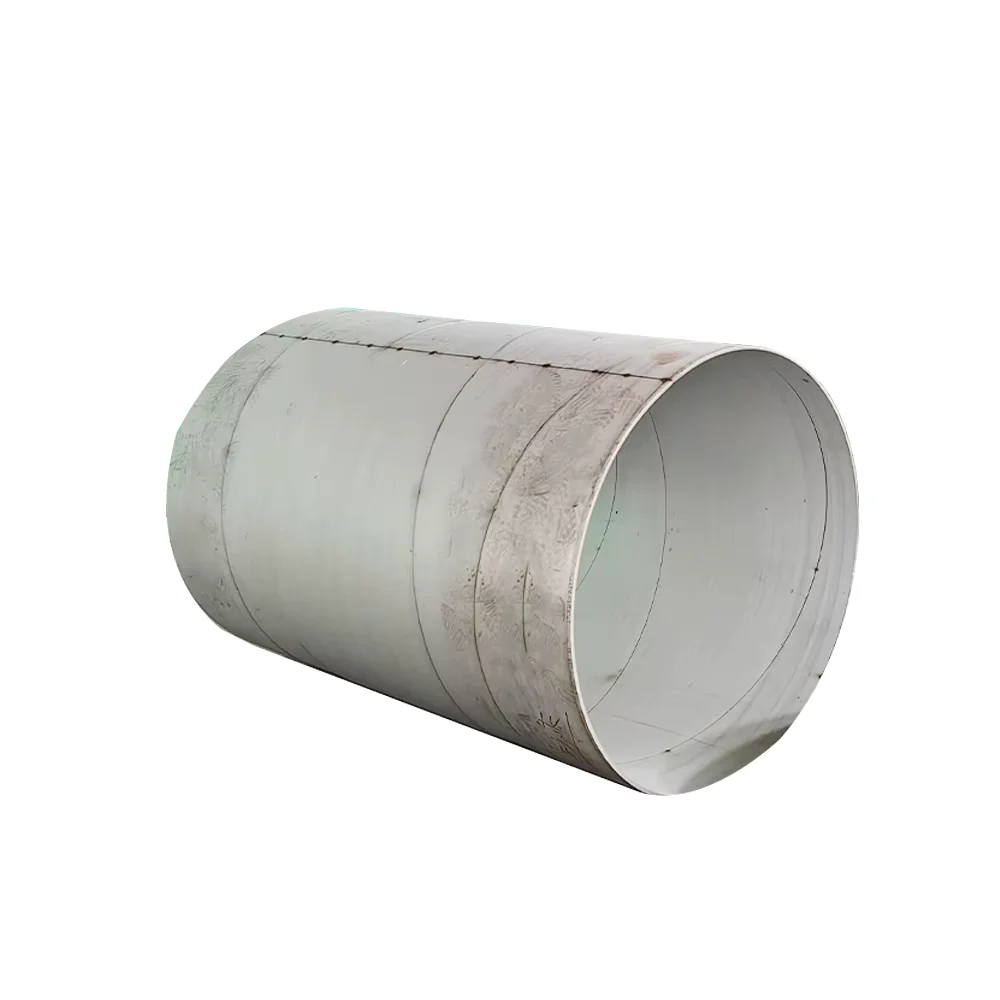
Factory-direct cold rolled stainless steel coil supply — every 201, 304, 321, 309S, 316L, and 430 coil ships with original mill test certificates and optional SGS verification, eliminating grade mismatches before they reach your port.
Technical Specifications
| Parameter | Value |
|---|---|
| Designation | 201/304/321/309S/316L Cold Rolled Stainless Steel Coil |
| Product Type | Steel Coil |
| Steel Grade | 201, 304, 321, 309S, 316L, 430 |
| Technique | Cold Rolled |
| Surface Treatment | 2B Finish |
| Thickness | 0.2mm–3mm |
| Width | 1000mm, 1219mm, 1500mm |
| Application | Kitchenware, fabrication, decorative and architectural applications, industrial equipment |
Application Suitability
| Industry | Typical Applications |
|---|---|
| Food Processing & Kitchenware | Commercial sink basins, countertop panels, food conveyor trays, restaurant equipment housings |
| Architectural & Interior Decoration | Elevator interior panels, column cladding, ceiling trim, retail display fixtures |
| Industrial Equipment Manufacturing | Heat exchanger shells, furnace liner panels, exhaust ductwork for high-temperature zones |
| Chemical & Pharmaceutical | Storage tank inner liners, piping wrap, cleanroom wall panels |
When Nickel Content on a Certificate Does Not Match the Metal
A mill certificate alone cannot guarantee grade integrity — independent verification closes the trust gap.
I once watched a 20-ton container of 0.5mm 304 cold-rolled coil get rejected at Hai Phong port because the buyer’s handheld XRF gun read nickel levels closer to 201 than 304. The paper said one thing; the metal said another. For buyers sourcing Cold Rolled Stainless Steel Coil 304 316L supplier batches from multiple Chinese mills, this gap between documentation and actual chemistry is the single most expensive risk in stainless procurement. [NEED_CITE: XRF spectroscopy for stainless steel grade verification on-site]
Beyond chemistry mismatches, fragmented sourcing creates its own hidden costs — ordering 304 for kitchenware from one vendor, 316L for marine hardware from another, and 309S for furnace parts from a third means three sets of certificates to reconcile, three quality baselines to trust, and three delivery schedules to coordinate. [NEED_CITE: supply chain fragmentation costs in industrial metal procurement]
Matching Coil Grade to Corrosion and Temperature Environments
Selecting the correct grade within a Cold Rolled Stainless Steel Coil 304 316L supplier order determines whether the material survives its service environment. For kitchenware and food processing, 304 provides adequate corrosion resistance against organic acids and cleaning agents at lower cost. When chloride exposure increases — coastal architecture, chemical processing, or pharmaceutical cleanrooms — 316L’s molybdenum addition prevents pitting corrosion that 304 cannot resist. For furnace components and exhaust systems operating above 800°C, 309S and 321 maintain oxidation resistance where standard austenitic grades would scale and weaken. The 2B finish delivers a uniform, reflective surface suitable for both visible architectural applications and further polishing or PVD coating.
Engineering Compliance and Certification Requirements
Cold-rolled stainless coils destined for EU markets must carry documentation that satisfies EN 1088 surface finish and dimensional tolerance expectations, while North American buyers often reference ASTM A240 for chemical composition limits. [NEED_CITE: ASTM A240 vs EN 10088 stainless steel plate and coil standards] Traceability by heat number becomes non-negotiable when project specifiers require material test reports aligned with specific purchase orders. Third-party inspection through SGS or BV provides independent confirmation that the shipped chemistry matches the ordered grade — a requirement increasingly written into EPC contracts across Southeast Asia and the Middle East. Custom width slitting to 1000mm, 1219mm, or 1500mm reduces on-site waste and eliminates the need for buyers to arrange separate slitting services.
Understanding Grade Selection Across the 200, 300, and 400 Series
The Cold Rolled Stainless Steel Coil 304 316L supplier range spans three metallurgical families. The 200 series (201) uses manganese and nitrogen to partially replace nickel, offering lower cost for indoor decorative applications where corrosion demands are minimal. The 300 series (304, 316L, 321, 309S) are austenitic grades with full nickel content, providing superior formability, weldability, and corrosion resistance — 321 adds titanium stabilization to prevent chromium carbide precipitation during welding, while 309S delivers elevated chromium and nickel for sustained high-temperature service. The 400 series (430) is ferritic, offering magnetic properties and lower cost for applications where extreme corrosion resistance is unnecessary. Cold rolling achieves tighter thickness tolerance than hot rolling, and the 2B finish — produced by cold rolling followed by bright annealing — provides a smooth, moderately reflective surface ideal for further finishing or direct use.
The Hidden Cost of Procuring Without Verified Traceability
Accepting a Cold Rolled Stainless Steel Coil 304 316L supplier shipment without independent chemistry verification exposes buyers to rejection at destination port, project compliance failure, and potential structural or sanitary consequences in food-contact or pressure applications. [NEED_CITE: consequences of misidentified stainless steel grades in food processing equipment] When a 316L order arrives with 304 chemistry, the molybdenum deficiency will not show on visual inspection — it reveals itself only through spectroscopic analysis or, worse, through premature pitting corrosion in service. Replacing installed material costs multiples of the original purchase price, and project delays from customs holds or failed inspections cascade through entire construction schedules.
Why Buyers Consolidate Stainless Coil Procurement With Us
Our Jinan facility operates three production lines with full inventory coverage across 201, 304, 321, 309S, 316L, and 430 grades in 0.2mm–3mm thickness and widths up to 1500mm — meaning a single purchase order covering kitchenware stock, architectural trim, and furnace components ships in one container with unified documentation. Every Cold Rolled Stainless Steel Coil 304 316L supplier order leaves our warehouse with original mill test certificates showing heat-by-heat chemistry, and we arrange SGS or BV third-party inspection on request before container sealing. Factory-direct pricing eliminates trading company markups, with volume discount tiers for partners placing recurring orders. Our export team handles consolidated loading optimization — mixing widths and gauges within a single container to maximize payload and minimize freight cost per ton.
Documentation & Compliance
- Mill test certificate documenting 304 and 316L chemical composition including nickel, chromium, and molybdenum content per ASTM A240 or EN 10088
- ISO 9001:2015 quality management certificate covering cold rolling and annealing processes
- SGS or BV third-party inspection report verifying grade chemistry and dimensional tolerance before shipment
- Full heat number traceability linking each coil to its original melt record and mechanical test results
- Export documentation including commercial invoice, packing list, bill of lading, and certificate of origin for customs clearance
- CE marking and FPC certificate available for coils destined for European architectural and structural applications
Packaging, Loading & Delivery
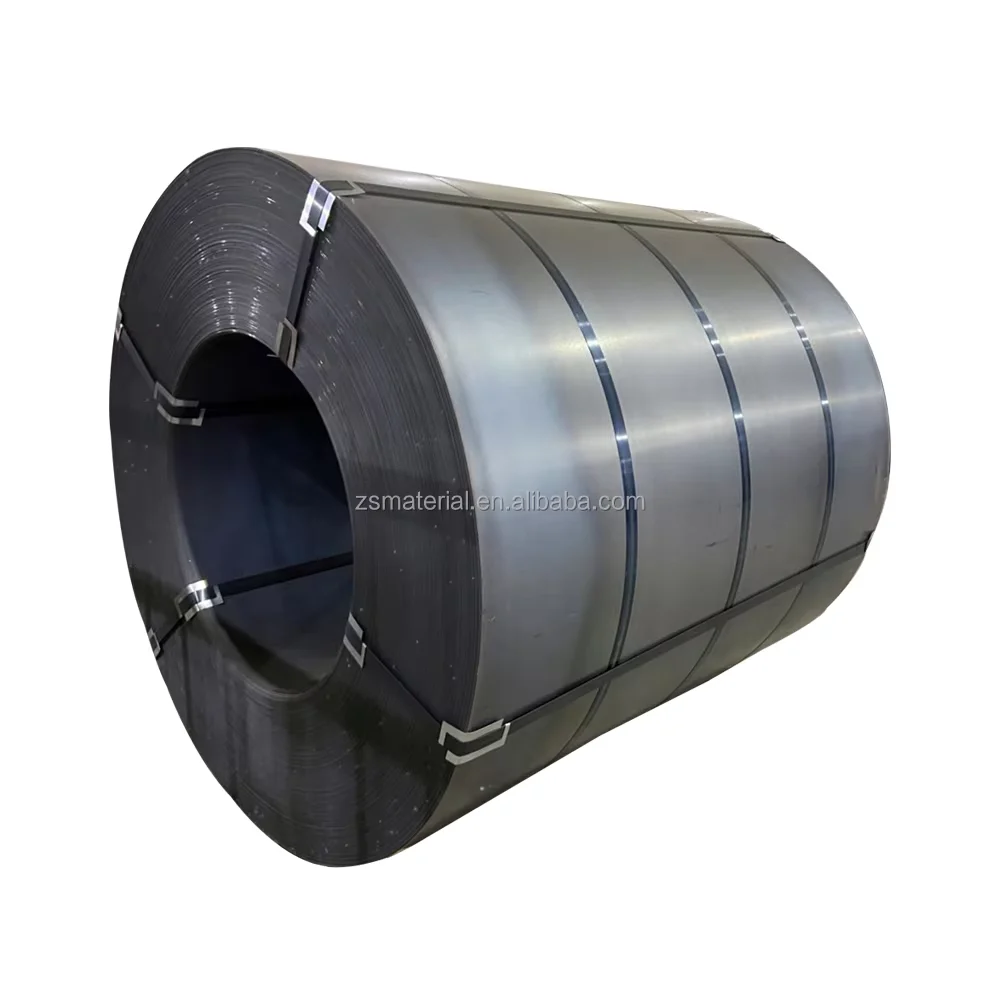
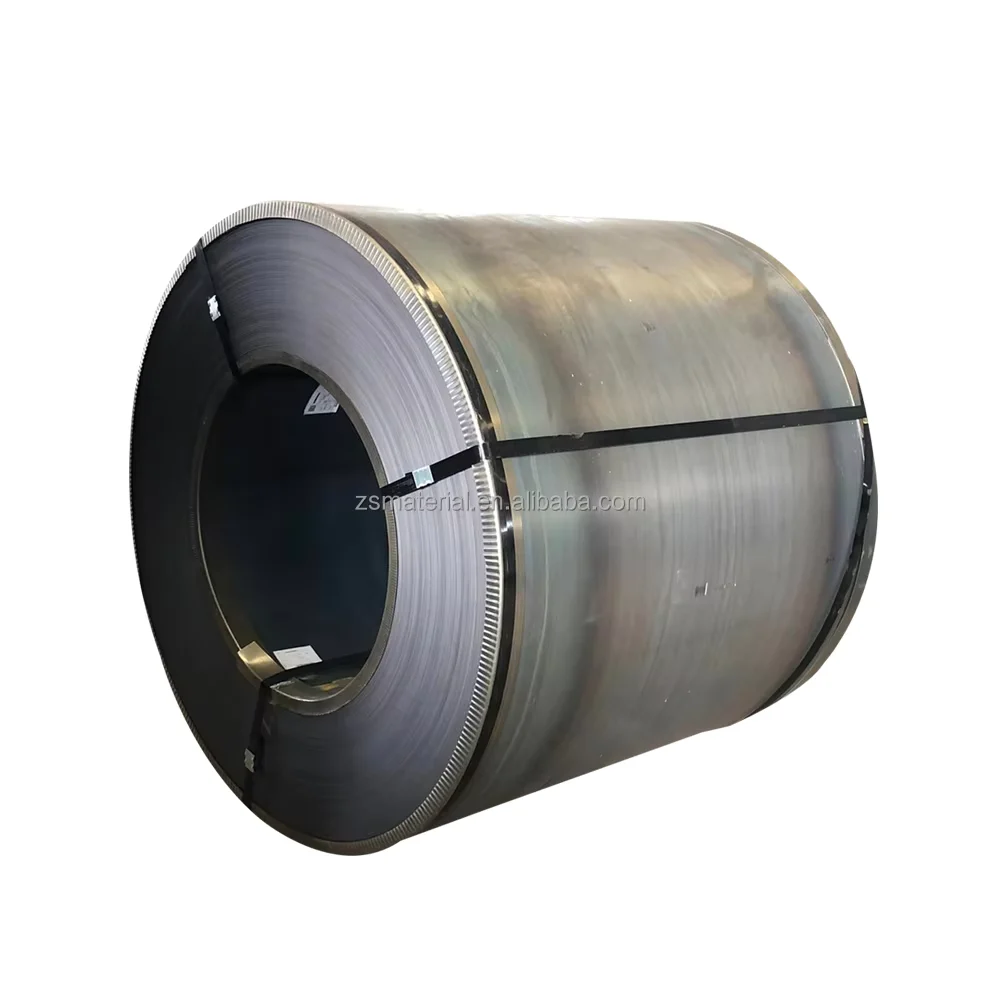
- Cold rolled stainless steel coils packed with inner plastic wrap and outer steel sheet protection to preserve the 2B finish surface during ocean transit
- Width-specific loading plans optimize container payload for 1000mm, 1219mm, and 1500mm coils, reducing empty space and freight cost per ton
- Each coil labeled with heat number, steel grade (201/304/316L/321/309S/430), thickness, width, and net weight for immediate identification at destination
- Thickness range 0.2mm–3mm accommodates both lightweight decorative applications and heavier industrial fabrication within a single shipment
- FOB, CIF, and DDP terms available with professional container loading supervision to prevent edge damage and surface contamination
- Custom slitting to exact width requirements available before shipment, eliminating on-site slitting waste and handling cost
Securing Your Coil Order With Verified Chemistry and Clear Documentation
Submit your required steel grade, thickness, width, quantity, and destination port to receive a detailed quotation with volume pricing, production lead time, and available mill test certificate formats. For projects requiring third-party inspection or non-standard width slitting, specify these requirements at inquiry stage so we can confirm feasibility and include associated costs in the offer. Our team responds within 12 hours with pricing, available stock status, and documentation options tailored to your destination market compliance requirements.
Frequently Asked Questions
Q: What is the difference between 201, 304, and 316L grades for cold rolled coils?
A: 201 uses manganese-nitrogen to reduce nickel content, making it suitable for indoor decorative use. 304 is the standard austenitic grade for general corrosion resistance in kitchenware and architecture. 316L adds molybdenum for superior resistance to chloride pitting, essential for coastal, chemical, and marine environments.
Q: Can you arrange third-party inspection before shipment?
A: Yes, SGS and BV third-party inspections are available on request. The inspector verifies chemical composition, dimensional tolerance, surface quality, and packaging condition before container sealing, with the full report included in your documentation package.
Q: What is the minimum order quantity for cold rolled stainless steel coils?
A: We accept trial orders starting from 1 ton, with volume discount tiers available for recurring bulk purchases. Standard widths (1000mm, 1219mm, 1500mm) in common thicknesses are available from ready stock for faster delivery.
Q: How do you optimize container loading for mixed-width coil orders?
A: Our loading team plans container stowage to maximize payload when orders combine different widths and thicknesses. This consolidation reduces freight cost per ton and simplifies customs documentation by shipping multiple specifications under a single bill of lading.
Q: What certifications are provided for EU customs clearance?
A: Each shipment includes original mill test certificates, ISO 9001:2015 quality certificate, and export documentation. CE marking and FPC certificates conforming to EN standards are available for architectural and structural applications requiring European compliance.
Request Your Cold Rolled Stainless Steel Coil Quotation With Full Traceability
Send your grade, thickness, width, quantity, and destination port to receive factory-direct pricing and mill test certificate samples within 12 hours.
Mobile/WhatsApp/WeChat: +86 188 5315 7756
Email: admin@sdxinjiyuan.com