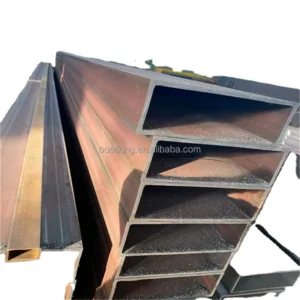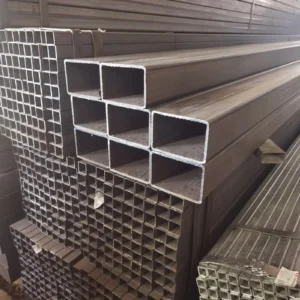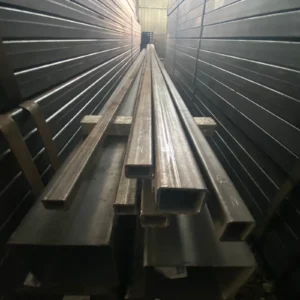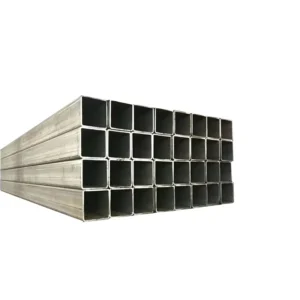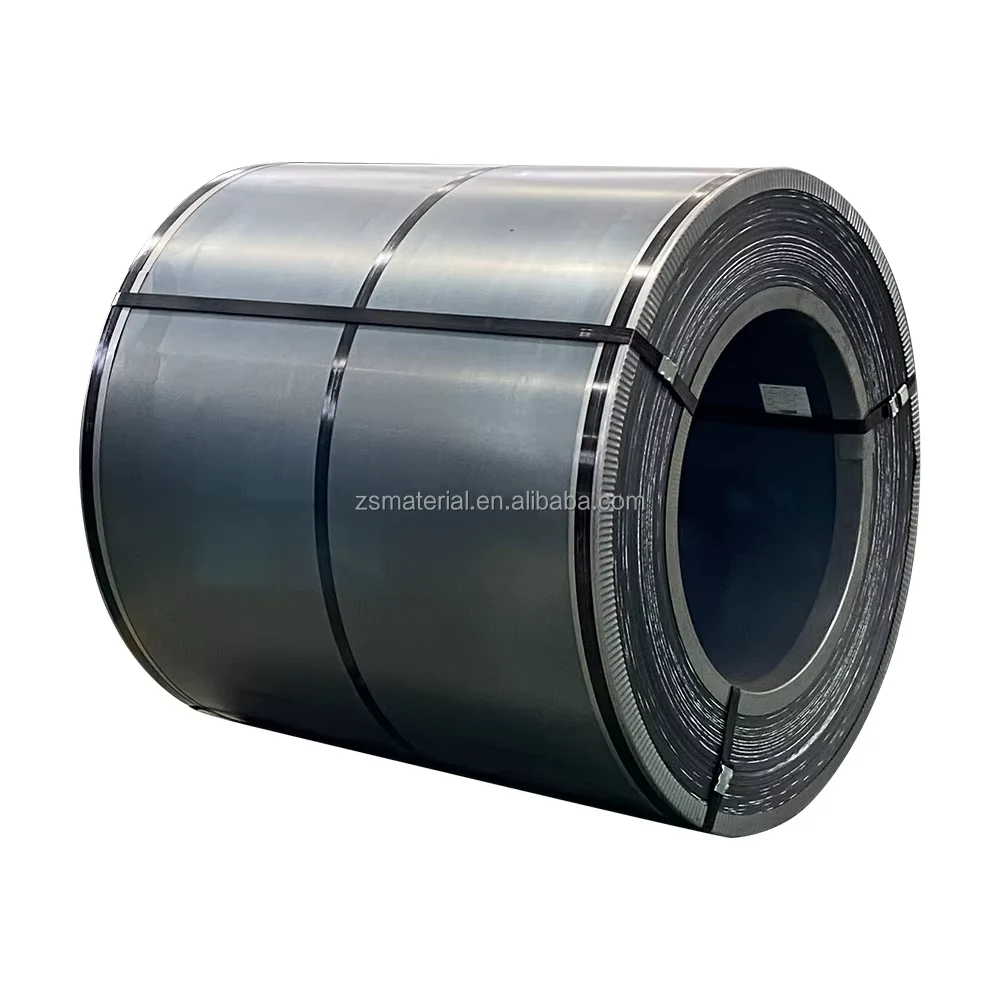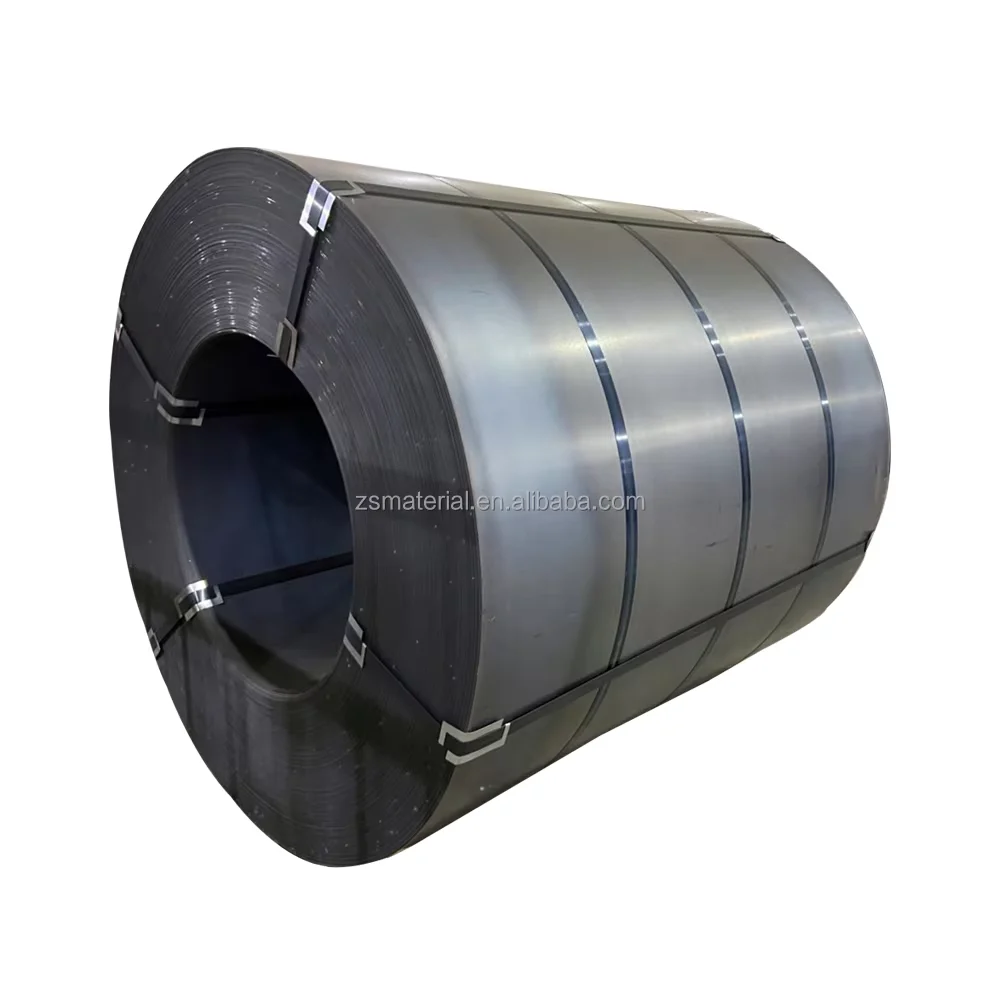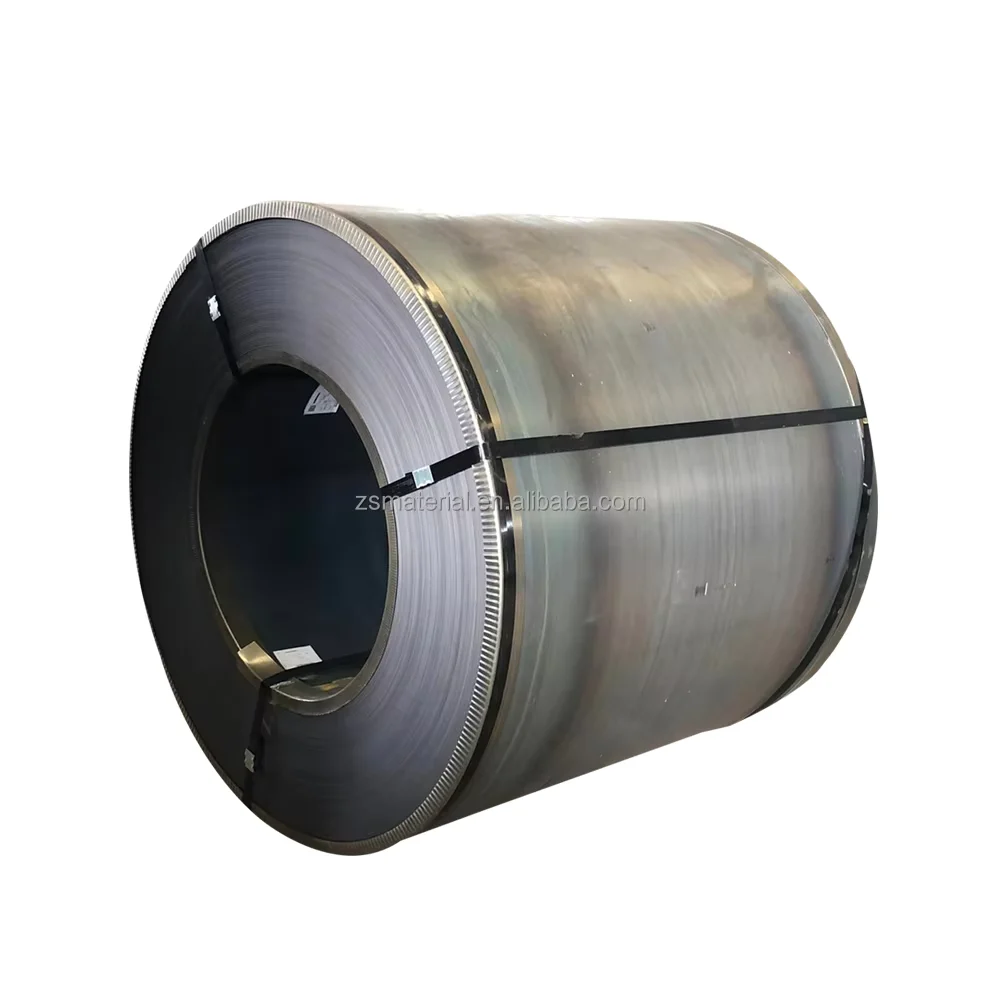



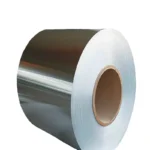

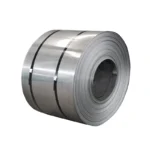
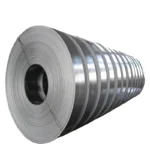
Description
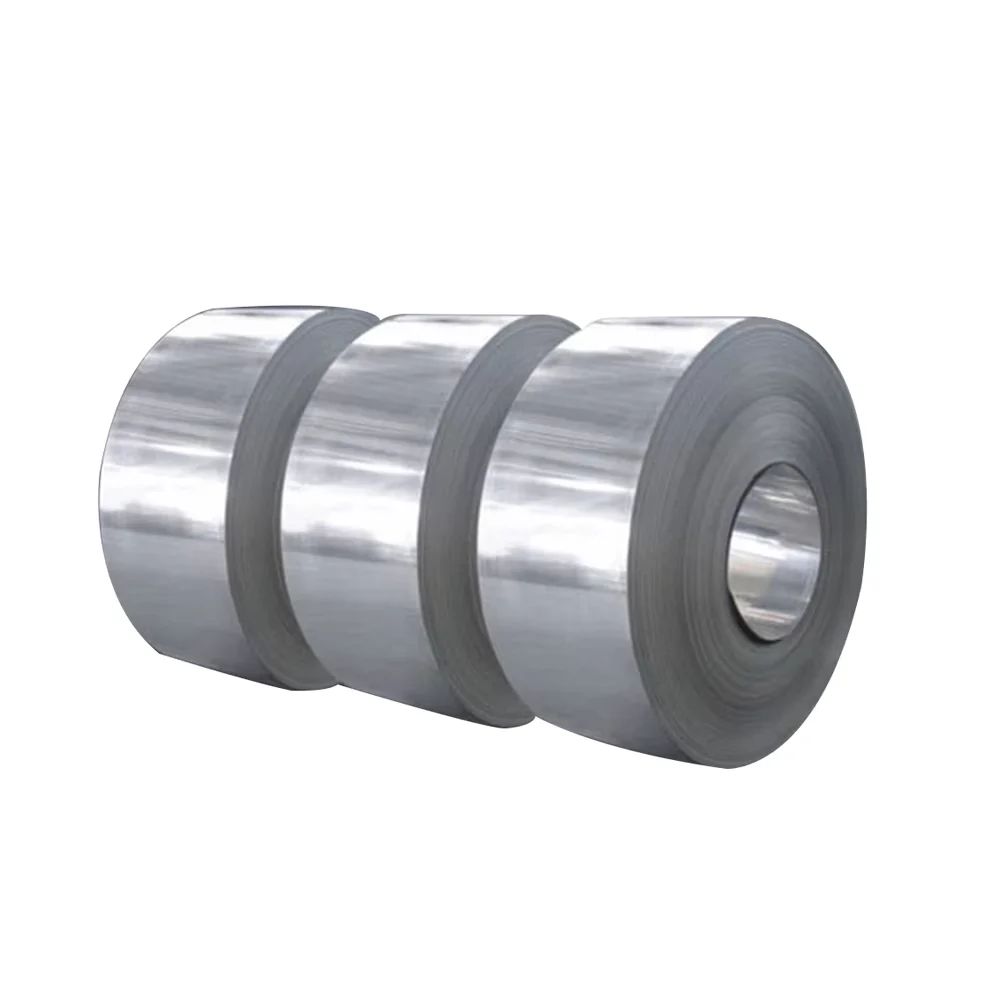
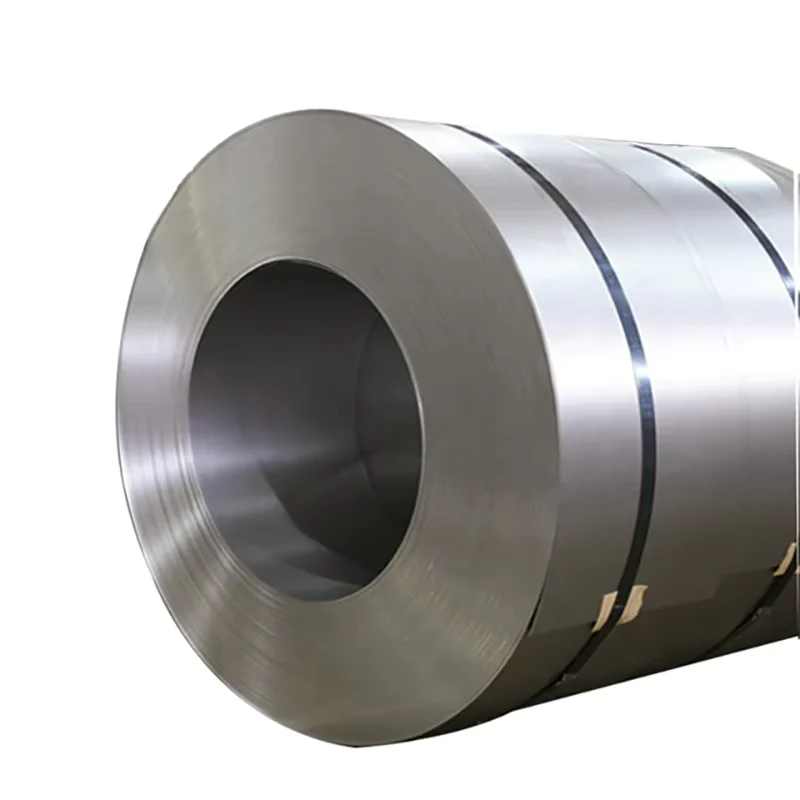
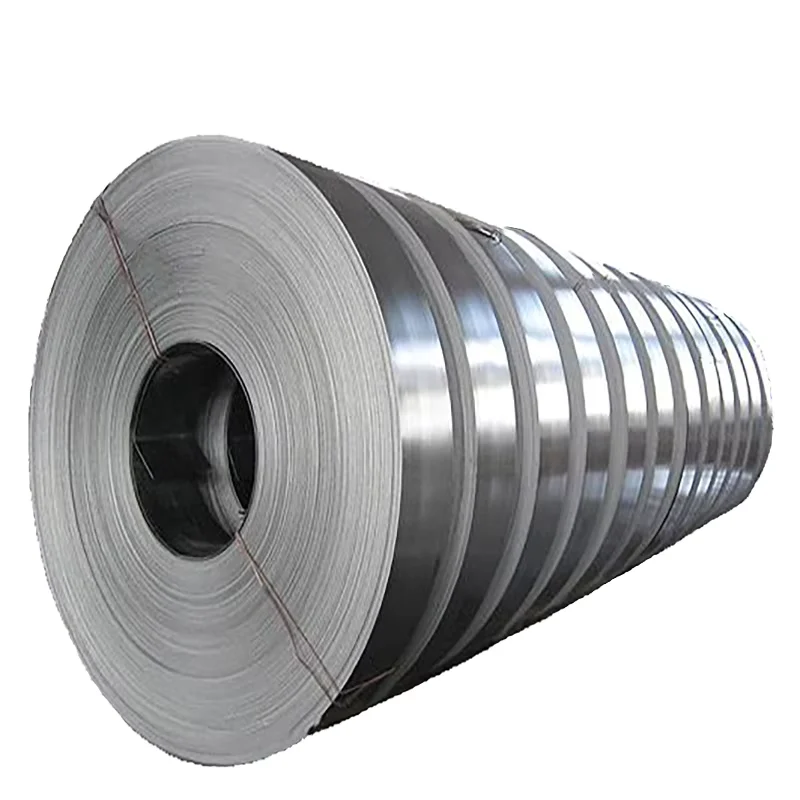
Factory-Direct Stainless Coil Supply — Every 201, 304, 316, 430, and 2205 coil ships with original mill test certificates and passes in-house three-stage dimensional inspection before container sealing.
Technical Specifications
| Parameter | Value |
|---|---|
| Designation | Stainless Steel Coil / Strip |
| Product Type | Steel Coil |
| Steel Grade | 201, 202, 304, 310S, 316, 430, 904L, 2205, SUS series |
| Standard | ASTM, JIS, GB, AISI, DIN, BS, EN |
| Section Shape | Coil / Strip |
| Size Range | Width: 1000mm, 1219mm, and other widths |
| Technique | Hot Rolled / Cold Rolled |
| Surface Treatment | Gold finish available |
| Application | Chemical industry, food processing equipment, construction and architecture, decorative applications |
| MOQ | 1 Ton |
| Origin | Shandong, China |
Application Suitability
| Industry | Typical Applications |
|---|---|
| Chemical & Petrochemical | Reaction vessel cladding, heat exchanger shells, pipeline wrapping using 316 and 904L coils |
| Food & Pharmaceutical | Hygienic processing tanks, conveyor belts, filling line enclosures requiring 304-grade surfaces |
| Construction & Architecture | Roofing panels, wall cladding, elevator interior panels, decorative trim with 304, 430, and gold-finished strips |
| Industrial Equipment | Exhaust systems, furnace components, and high-temperature ducting using 310S coils |
Where Thickness Tolerance Decides Whether a Coil Order Gets Accepted or Returned
A negative tolerance deviation beyond the acceptable range turns a cost-saving purchase into a full return and re-shipment.
I learned this the hard way shipping a batch of 316L cold-rolled coils to Brazil. The client measured thickness at the port and found negative tolerance exceeding 8%. The entire lot was rejected. Ocean freight, demurrage, and rework cost tens of thousands of dollars — all because nobody checked the mill cert against actual gauge readings before loading. Quality uncertainty in stainless coil sourcing is not a theoretical risk; it is a recurring cost that erodes margins for import wholesalers and project buyers who assume “mill standard” means “within spec.” When multiple suppliers are involved across different grades, the inconsistency multiplies. [NEED_CITE: stainless steel coil thickness tolerance standards per ASTM A480]
Matching Stainless Coil Grades to Corrosive and Structural Environments
Selecting the correct stainless coil grade determines whether a project survives its intended service life or fails prematurely in corrosive conditions. For chemical processing plants handling chloride-rich media, 316 and 904L coils provide molybdenum-enhanced pitting resistance that 304 simply cannot deliver. In architectural cladding where appearance matters alongside moderate corrosion resistance, 430 ferritic coils offer a cost-effective alternative with adequate surface finish for interior and sheltered exterior panels. The duplex 2205 grade bridges high-strength structural demands with chloride stress corrosion cracking resistance, making it suitable for coastal construction and offshore support structures. As a Stainless Steel Coil Strip Supplier Factory Price source, we consolidate these grades across hot-rolled and cold-rolled processes so buyers avoid fragmented sourcing from separate mills.
Engineering Compliance and Certification Requirements for Stainless Coil Procurement
Stainless coil procurement for regulated industries must satisfy both material traceability and regional certification frameworks. Projects in the European market require compliance with EN standards and often demand CE-marked documentation alongside mill test certificates that confirm chemical composition and mechanical properties per heat number. [NEED_CITE: EN 10088 stainless steel corrosion resistance grade classification] North American buyers typically reference ASTM A240 for plate and coil specifications, while JIS G4304 and G4305 govern hot-rolled and cold-rolled stainless sheets in Japanese-specification projects. Surface treatment choices — whether standard mill finish or decorative gold coating — must align with the end-use environment; gold-finished strips for architectural applications require additional protective film lamination to prevent surface scratching during transit and fabrication. Third-party inspection by SGS or BV provides independent verification that the shipped material matches the ordered grade and dimensional tolerance, reducing customs clearance disputes and on-site rejection risks.
Understanding Stainless Steel Grade Families and Rolling Process Differences
The 200-series grades (201, 202) use manganese-nitrogen substitution for partial nickel replacement, offering lower cost with moderate corrosion resistance suitable for indoor decorative applications and light structural trim. The 300-series (304, 310S, 316, 904L) are austenitic chromium-nickel steels where 304 serves as the general-purpose workhorse, 316 adds molybdenum for marine and chemical environments, 310S provides elevated temperature oxidation resistance up to 1150°C, and 904L delivers superior sulfuric acid corrosion resistance for specialized chemical processing. The 400-series (430) represents ferritic stainless with lower nickel content, magnetic properties, and good resistance to nitric acid and atmospheric corrosion. Duplex 2205 combines austenitic and ferritic microstructures for roughly double the yield strength of standard austenitic grades with excellent chloride stress corrosion resistance.
Hot-rolled stainless coils undergo high-temperature rolling that produces a scaled surface and wider thickness tolerance, making them suitable for industrial applications where surface appearance is secondary and cost efficiency matters. Cold-rolled coils pass through further reduction at room temperature, achieving tighter thickness tolerance, smoother surface finish, and higher strength through strain hardening — essential for precision fabrication, decorative panels, and food-grade equipment where surface quality directly affects end-product acceptance. Width options at 1000mm and 1219mm cover standard slitting requirements, while custom widths accommodate specific project profiles to minimize edge trimming waste.
Hidden Costs of Procuring Stainless Coils Without Verified Material Certification
Ordering stainless coils based on price alone, without verified mill test certificates and independent inspection, exposes buyers to material substitution risk where lower-grade steel is shipped under a higher-grade designation. The consequences extend far beyond the purchase price: failed material verification at port triggers customs holds and demurrage charges; on-site fabrication with incorrectly graded material leads to premature corrosion failure, structural non-compliance, and costly teardown-and-replace cycles. [NEED_CITE: stainless steel grade misidentification consequences in engineering projects] Certification gaps also create liability exposure when end-use applications involve food contact, pharmaceutical processing, or pressure-containing equipment where regulatory bodies demand full material traceability from heat number through final delivery.
Procurement Advantages of Direct Factory Supply for Stainless Coil Orders
Sourcing directly from a factory-based supplier eliminates intermediary markups that accumulate through trading companies and regional agents, translating to measurable cost savings on recurring bulk orders. Our Jinan production facility operates three lines simultaneously with monthly capacity exceeding 20,000 tons, maintaining ready stock across 2,800+ specifications to support urgent requirements and split shipments without production delays. Every batch undergoes three-stage in-house inspection covering dimensional accuracy, surface quality, and chemical composition verification, with original mill test certificates issued per heat number for full material traceability. ISO 9001:2015 certification governs our quality management system, while Lloyd’s CE certification and FPC certification support European market compliance requirements. Third-party inspection through SGS or BV is available on request for buyers requiring independent verification before shipment. Professional export documentation handling covers commercial invoice, packing list, bill of lading, and certificate of origin, while container loading optimization maximizes payload per shipment to reduce per-ton freight costs.
Documentation & Compliance
- Mill test certificate documenting chemical composition (C, Cr, Ni, Mo, Mn content) and mechanical properties (tensile strength, yield strength, elongation) per ASTM A240 or EN 10088 for each heat number
- CE certificate confirming compliance with EN 10088 stainless steel product standards for European market customs clearance and project acceptance
- ISO 9001:2015 quality management system certificate covering production process control and inspection procedures
- SGS or BV third-party inspection report verifying dimensional tolerance, surface finish quality, and grade conformity prior to container sealing
- Full material traceability linking each coil to its original heat number, chemical analysis report, and rolling batch record
- Complete customs documentation package including packing list with coil dimensions and weight, bill of lading, and certificate of origin
Packaging, Loading & Delivery
- Cold-rolled stainless coils (201, 304, 316, 430 grades) packed in seaworthy export bundles with waterproof paper wrapping and outer steel strip banding to prevent edge damage and moisture ingress during ocean transit
- Gold-finished decorative strips receive additional protective PE film lamination before bundling to preserve surface appearance through handling and shipping
- Hot-rolled coils (310S, 904L, 2205 grades) shipped with anti-rust oil coating and VCI paper interleave to prevent surface oxidation during extended transit periods
- Container loading optimized for 1000mm and 1219mm width coils using wooden cradles and edge protectors to maximize payload while preventing coil shifting and telescoping
- Each coil clearly marked with heat number, steel grade, specification, and net weight for on-site identification and traceability verification
- FOB, CIF, and DDP shipping terms available with professional documentation handling for customs clearance at destination port
Submit Specifications to Receive Graded Quotation with Mill Test Certificates
Provide your required stainless steel grade, coil width, thickness, rolling process preference, and destination port to receive a detailed quotation including volume-based pricing and delivery timeline. Our team responds within 12 hours with factory-direct pricing, available stock confirmation for standard specifications, and production lead time for custom orders. Request original mill test certificates and third-party inspection options during the inquiry stage to ensure material compliance before order confirmation.
Request Your Stainless Steel Coil Quotation with Full Material Certification
Submit your specifications via email at admin@sdxinjiyuan.com or contact us via WhatsApp at +86 188 5315 7756 to receive factory-direct pricing and mill test certificate documentation for your next stainless coil procurement.
Frequently Asked Questions
Q: What are the key differences between 201, 304, and 316 stainless steel coils for my application?
A: Grade 201 offers cost savings through manganese-nitrogen substitution for nickel, suitable for indoor decorative and light structural applications with moderate corrosion resistance. Grade 304 provides excellent general-purpose corrosion resistance for food processing, architectural cladding, and chemical equipment. Grade 316 contains molybdenum addition for superior resistance to pitting and crevice corrosion in chloride environments such as marine applications, chemical processing, and coastal construction.
Q: What is the difference between hot-rolled and cold-rolled stainless steel coils in terms of tolerance and surface quality?
A: Hot-rolled coils are produced at high temperatures with wider thickness tolerance and scaled surface finish, making them cost-effective for industrial applications where appearance is secondary. Cold-rolled coils undergo further room-temperature reduction achieving tighter thickness tolerance, smoother surface finish, and higher strength through strain hardening, essential for precision fabrication, decorative panels, and applications requiring superior surface quality.
Q: How do you verify material authenticity and grade compliance before shipment?
A: Every stainless steel coil shipment includes original mill test certificates documenting chemical composition and mechanical properties per heat number. Our in-house laboratory conducts three-stage inspection covering dimensional accuracy, surface quality, and composition verification. Third-party inspection through SGS or BV is available on request for independent quality verification prior to container loading.
Q: Can you supply non-standard widths or custom thickness specifications for stainless steel coils?
A: Standard widths include 1000mm and 1219mm with ready stock availability. Custom width slitting and specific thickness requirements are available with typical production lead times for non-standard specifications. Minimum order quantity is 1 ton, supporting both trial orders and full-container bulk procurement with flexible split shipment options.
Q: What export documentation and certification do you provide for international stainless coil shipments?
A: Each shipment includes original mill test certificates, commercial invoice, packing list, bill of lading, and certificate of origin. We hold ISO 9001:2015 certification and Lloyd’s CE certification for European market compliance. SGS or BV third-party inspection reports are available upon request. Our export team handles complete documentation preparation and customs clearance coordination for destination port requirements.