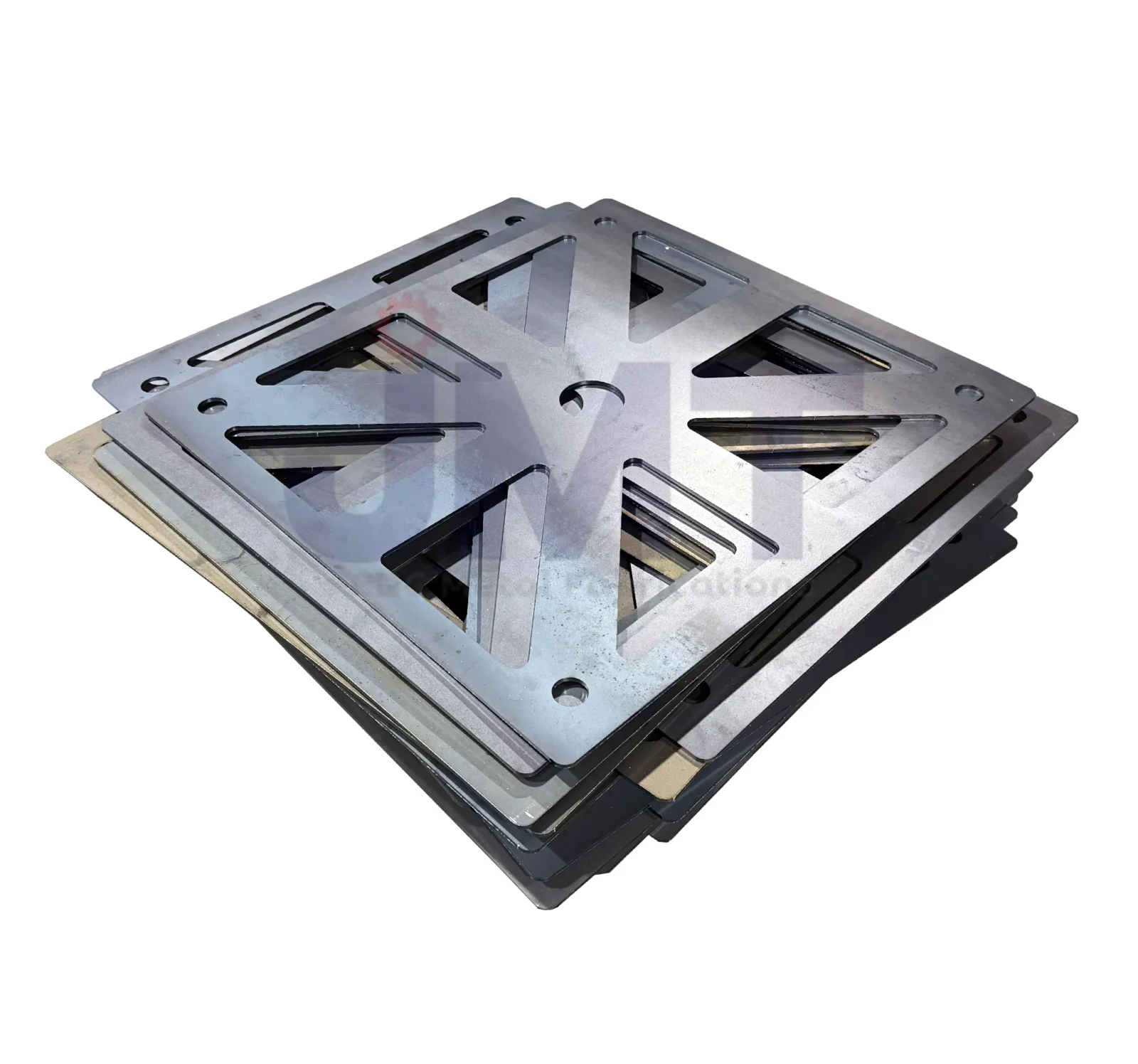
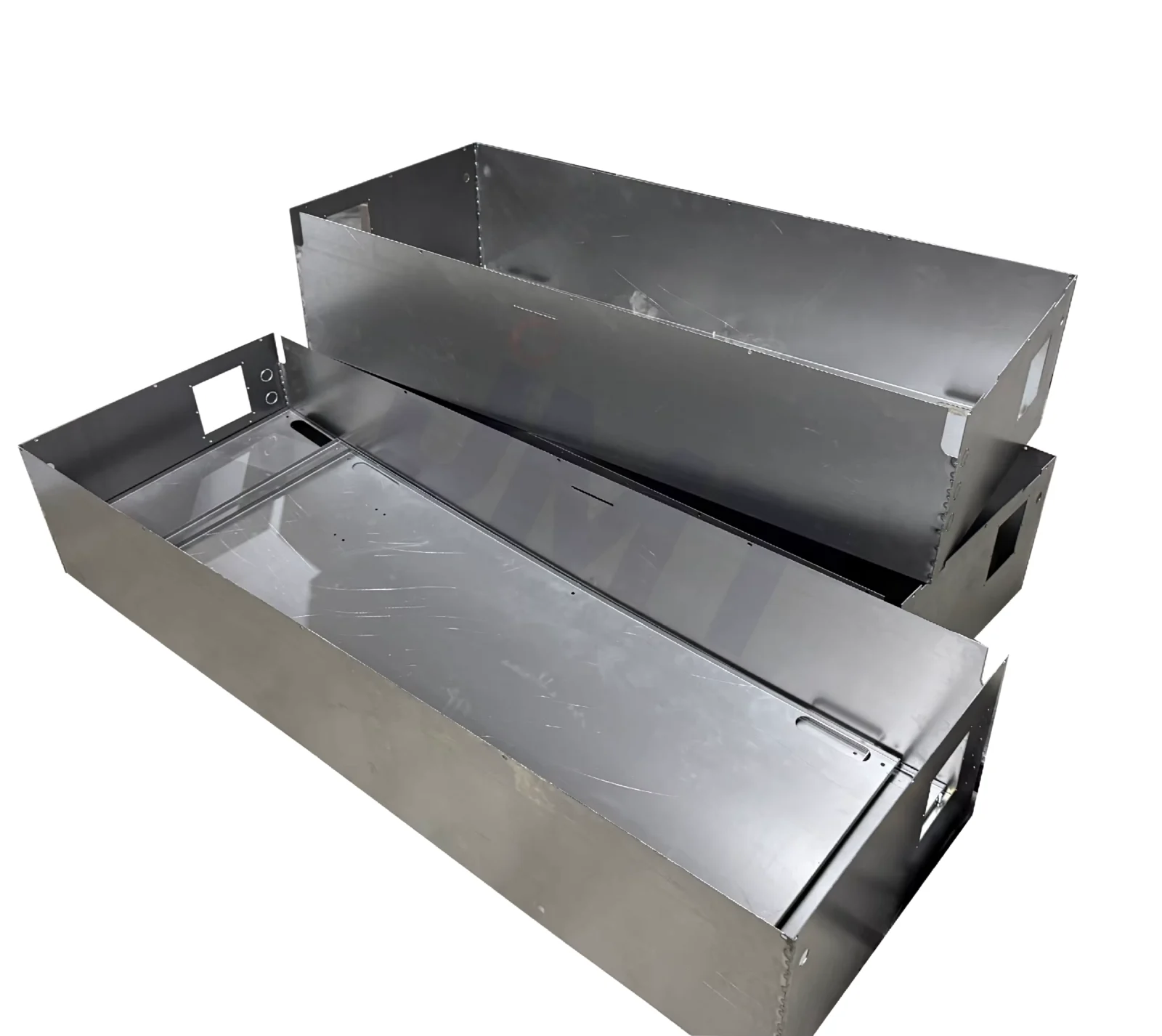
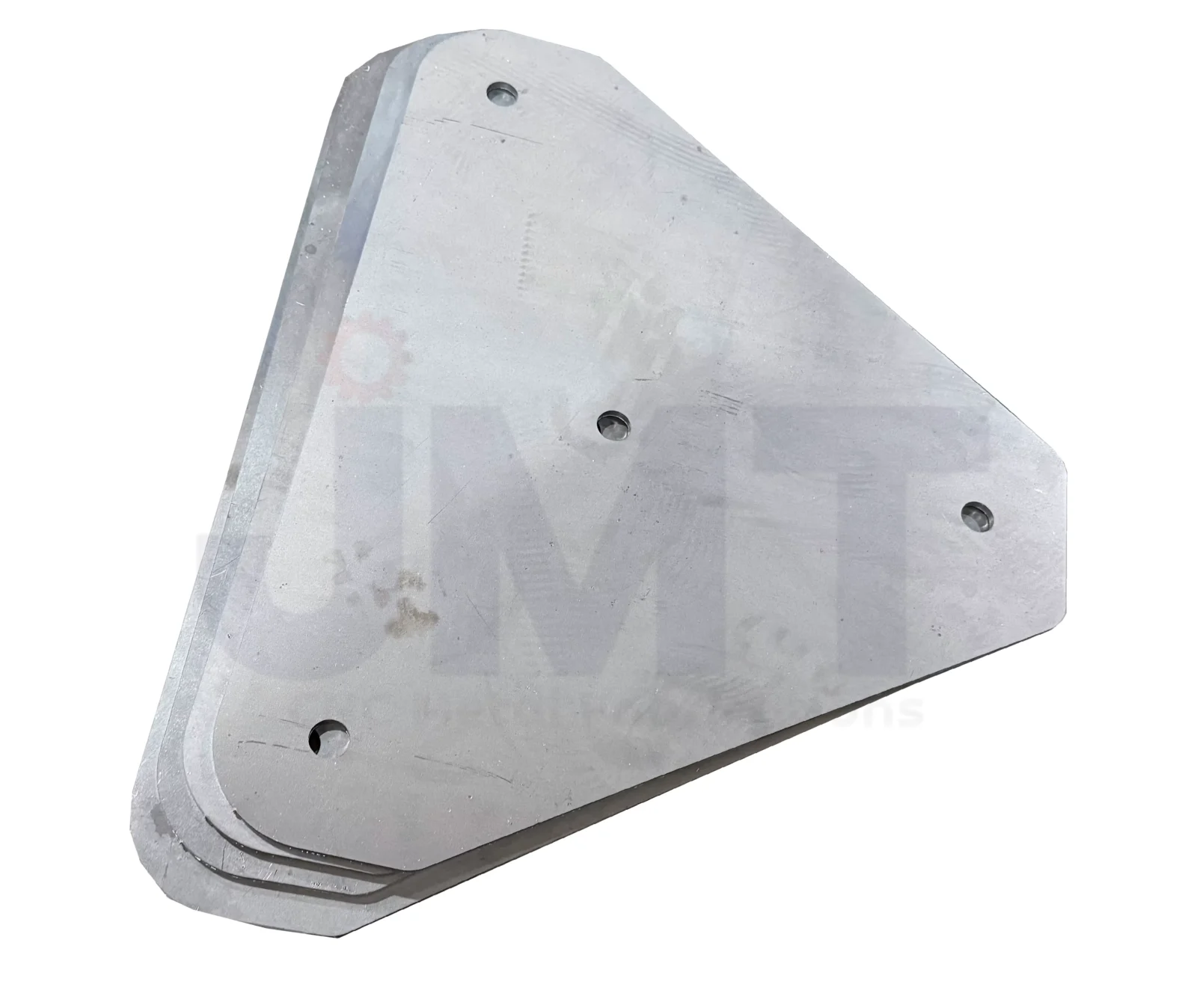
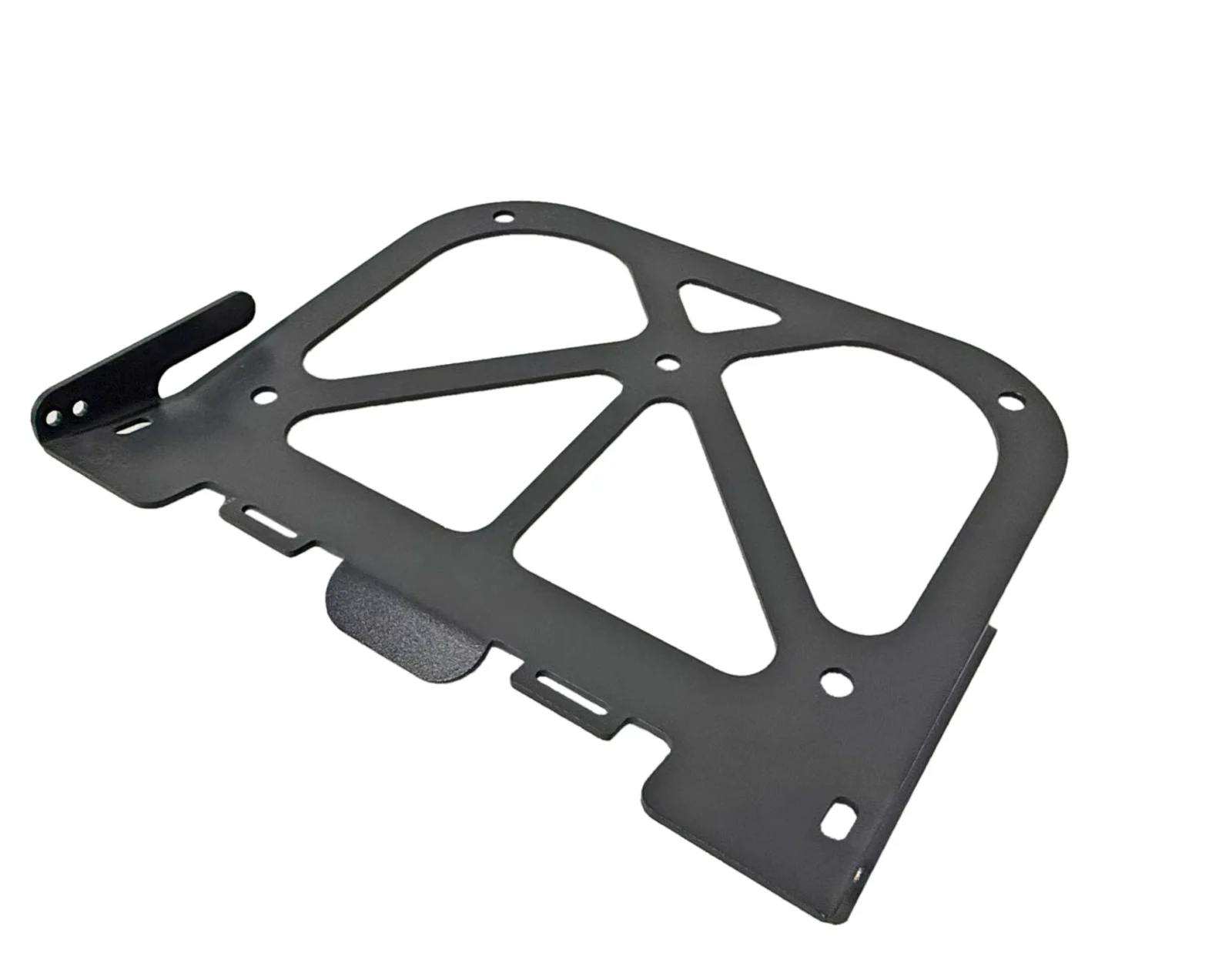
Description
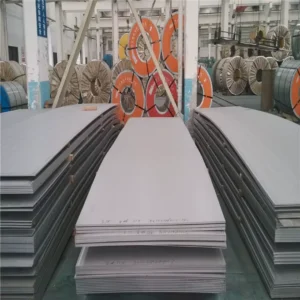
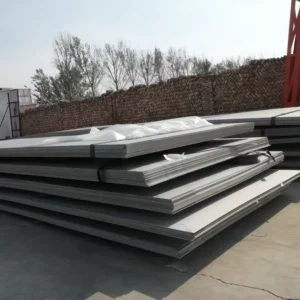
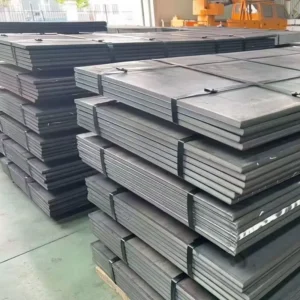
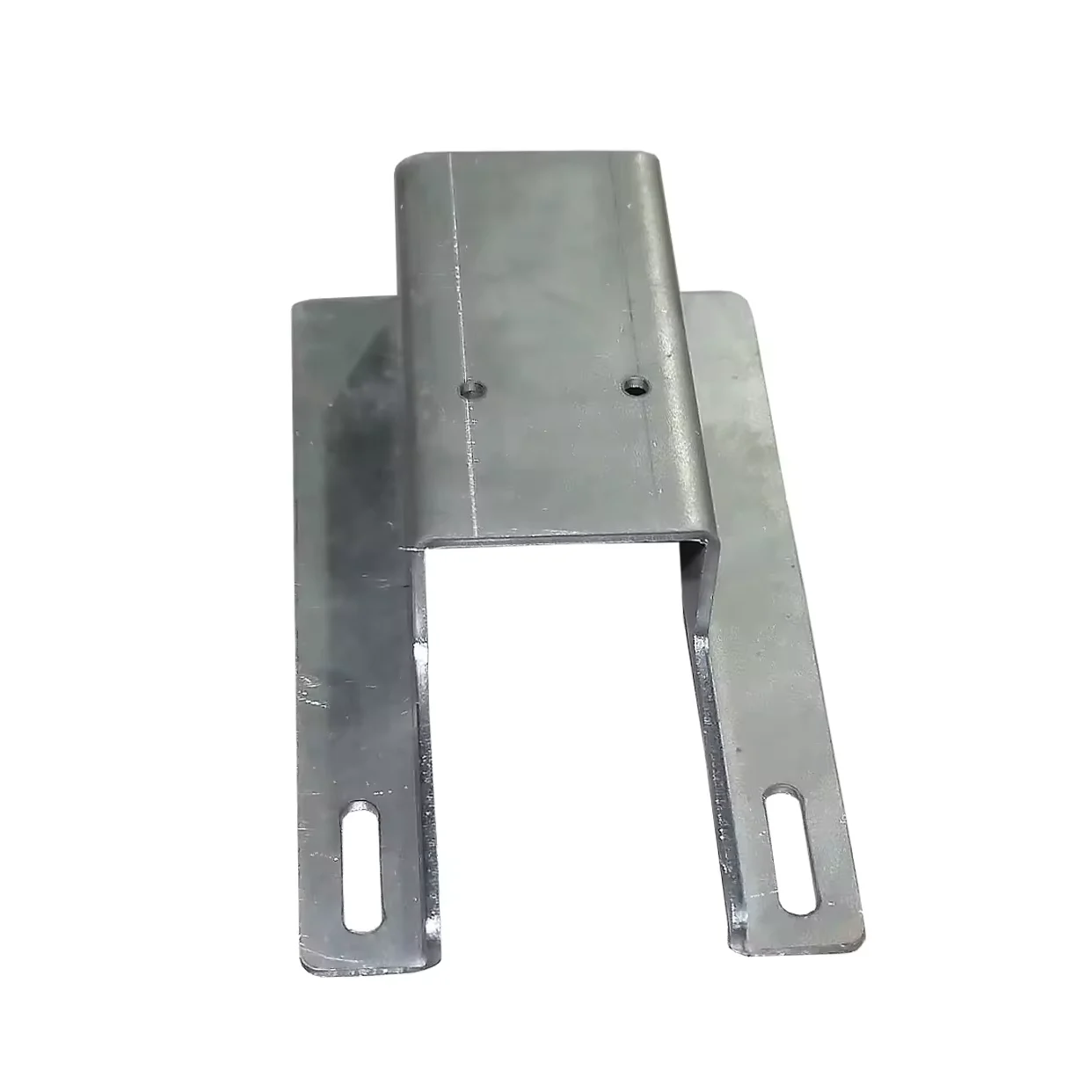
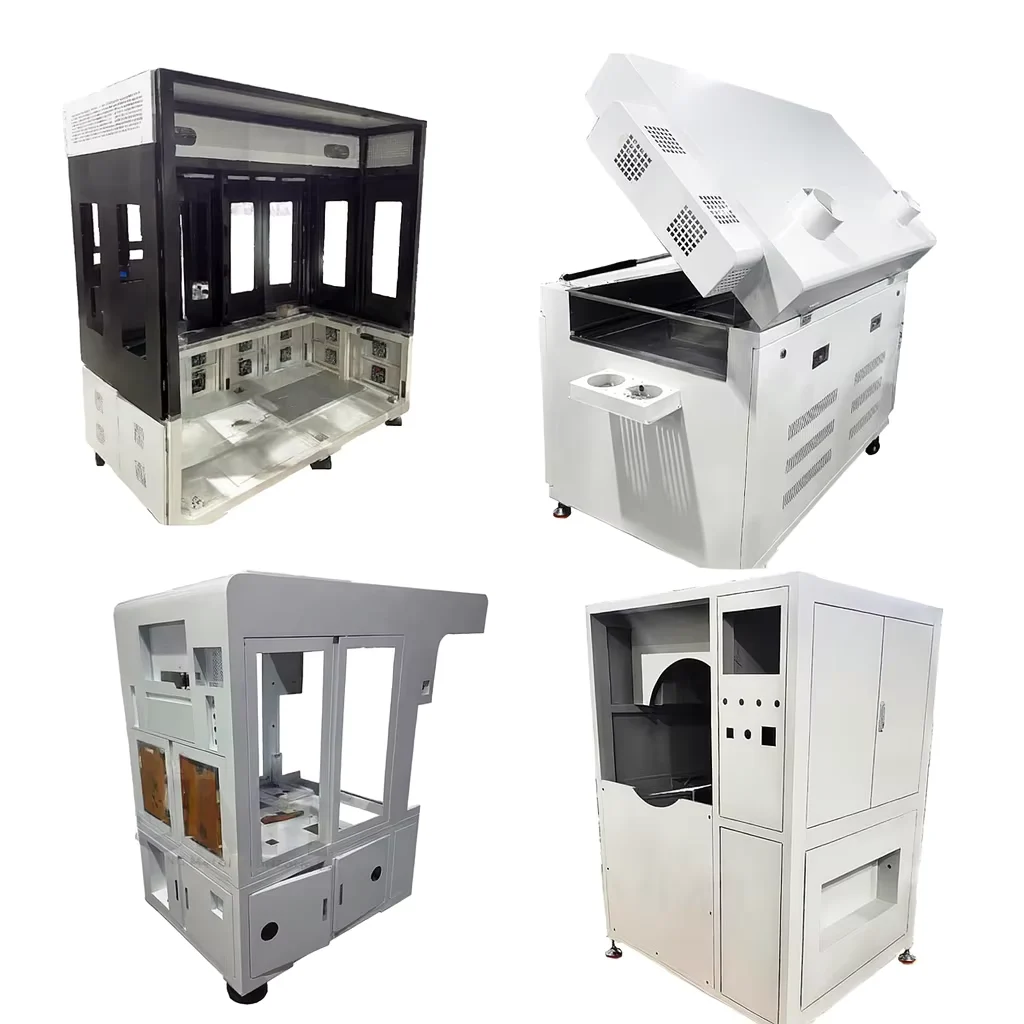
Factory-Direct Laser Fabrication — STEP files go straight to our CNC floor with no trading markup, cutting lead times for structural components.
Technical Specifications
| Parameter | Value |
|---|---|
| Designation | Structural Components – Laser Cut Sheet Metal Fabrication |
| Product Type | Machined Steel Product / Fabricated Steel Structure |
| Steel Grade | Stainless Steel, Carbon Steel, Aluminum |
| Standard | DIN ISO 2768 |
| Technique | Laser Cutting / CNC Bending / Welding |
| File Support | STEP / STP / SolidWorks / DXF |
| Tolerance | ±0.5mm |
| Surface Finish | Powder Coating / Brushed / Anodized |
| Assembly Support | Riveting / Fasteners / Sub-Assembly |
| Production Scope | Prototype / Small Batch / OEM Volume |
| Inspection | CMM / Caliper / Visual QC |
| Application | Automation Equipment / Industrial Equipment / Robotics / Structural Components |
Application Suitability
| Industry | Typical Applications |
|---|---|
| Automation Equipment | Machine frames, conveyor guards, sensor mounting brackets, control panel enclosures |
| Industrial Equipment | Structural supports, equipment bases, cable tray systems, platform grating |
| Robotics | Chassis plates, arm linkages, end-effector brackets, mobile base frames |
| Structural Components | Load-bearing brackets, gusset plates, connection nodes, modular frame joints |
Why Fragmented Fabrication Vendors Cost You More Than the Part Itself
Splitting laser cutting, bending, welding, and finishing across different shops adds hidden coordination layers that compound errors at every handoff.
I’ve watched OEM buyers in the Middle East source laser-cut blanks from one vendor, send them to a separate bending shop, then truck the sub-assemblies to a third for welding — only to find hole patterns misaligned by 1.2mm after bending springback shifted the datum. Re-cutting a batch of carbon steel gussets means scrapping the welding prep too. When you contract a custom laser cut sheet metal fabrication supplier that runs the entire chain under one roof, the datum stays locked from the first cut to the final powder coat. [NEED_CITE: multi-process fabrication quality control in structural steel]
Matching Fabrication Precision to Structural and Automation Requirements
Every automation frame and industrial equipment enclosure carries a tolerance chain — the cumulative stack-up of every cut, bend, and weld determines whether the final assembly bolts together on-site or requires field rework. A custom laser cut sheet metal fabrication supplier running laser cutting, CNC bending, and welding in sequence can hold ±0.5mm across the full part geometry because the same fixture references carry through every operation. Stainless steel brackets for robotics chassis demand burr-free edges and consistent bend radii; carbon steel machine guards need flat weld seams that accept powder coating without visible porosity. Our fabrication floor processes all three materials — Stainless Steel, Carbon Steel, and Aluminum — so mixed-material assemblies ship as completed sub-units rather than kits of loosely matched parts.
Engineering Compliance and Surface Treatment Selection
Structural components destined for industrial environments face competing demands: load-bearing capacity dictates minimum section thickness, while corrosion exposure determines whether powder coating, brushing, or anodizing is the right surface path. Carbon steel frames in humid warehouse settings require full powder coating coverage on weld zones — not just visible faces — to prevent under-film corrosion that passes visual QC but fails within eighteen months. Aluminum robotics brackets benefit from anodizing that preserves the ±0.5mm tolerance without adding film thickness that interferes with mating parts. [NEED_CITE: surface treatment standards for fabricated structural steel in industrial environments] For projects requiring CE marking or third-party material verification, every heat of raw material carries traceable certification, and SGS or BV inspection can be scheduled before container sealing.
Steel Grade and Process Selection for Fabricated Structures
The choice between Carbon Steel, Stainless Steel, and Aluminum is rarely just a cost calculation — it reflects the service environment, weight constraints, and post-fabrication finishing requirements of the end application. Carbon steel offers the highest strength-to-cost ratio for machine frames and structural supports where corrosion is managed through surface coating. Stainless steel eliminates the coating step entirely for food-grade or marine-adjacent equipment, though its higher hardness requires adjusted laser parameters to maintain clean kerf edges. Aluminum reduces assembly weight for robotics and portable industrial equipment, but its thermal expansion during welding demands fixturing strategies that prevent distortion beyond the ±0.5mm tolerance band. CNC bending of any material introduces springback that varies by alloy and temper — a factor our programming team compensates for in the bend allowance calculation before the first part runs. [NEED_CITE: laser cutting parameters for different steel grades and aluminum alloys]
The Hidden Cost of Tolerance Drift in Multi-Vendor Orders
When a buyer sources laser-cut blanks from one shop and bending from another, the second vendor has no obligation to the first vendor’s datum scheme. A 0.3mm shift in bend line position — well within a standalone shop’s acceptable range — can push a mating bracket assembly outside functional clearance. The cost is not the scrapped part; it is the field rework, the delayed equipment commissioning, and the strained relationship with the end-user who expected a bolt-together assembly. [NEED_CITE: tolerance stack-up analysis in multi-process sheet metal fabrication] Ordering from a single custom laser cut sheet metal fabrication supplier that controls cutting, bending, welding, finishing, and inspection eliminates inter-vendor datum drift entirely.
Why OEM Buyers Consolidate Fabrication With Us
Our fabrication floor runs three production lines simultaneously, processing STEP and SolidWorks files directly into machine code without manual redrawing — the same workflow that prevents the version-control errors I learned to respect the hard way. Every batch goes through CMM inspection against the original digital file, with dimensional reports tied to heat numbers for full traceability. We hold ISO 9001:2015 certification, and original mill test certificates accompany every shipment. For buyers running prototype-to-volume programs, the same fixture tooling and program files carry from the first sample through OEM production runs, so the tenth unit matches the first. Third-party inspection by SGS or BV is available on request before container loading.
Documentation & Compliance
- Mill test certificate documenting chemical composition and mechanical properties of the base Carbon Steel, Stainless Steel, or Aluminum stock per material standard
- ISO 9001:2015 quality management certificate covering the full fabrication process chain from file import to final inspection
- Dimensional inspection report generated by CMM, confirming ±0.5mm tolerance compliance per DIN ISO 2768 against the submitted STEP or SolidWorks file
- SGS or BV third-party inspection report available upon request, covering material verification and dimensional audit before shipment
- Material traceability sheet linking each fabricated component to its original stock heat number and mill certificate
- Full customs documentation package including packing list, bill of lading, and certificate of origin
Packaging, Loading & Delivery
- Powder coated and anodized components wrapped in individual PE foam sleeves to prevent surface scratching during transit, then palletized with edge protectors
- Carbon steel assemblies coated with anti-rust oil on all machined and welded surfaces before wrapping in VCI film for ocean shipment
- Mixed-material orders consolidated into a single container with internal partitioning to separate Stainless Steel, Carbon Steel, and Aluminum parts and prevent galvanic contact
- Custom crating available for large structural frames exceeding standard pallet dimensions, with steel skids rated for forklift handling at destination
- Heat number and steel grade markings stenciled on each bundle exterior for on-site identification and traceability verification
- FOB, CIF, and DDP shipping terms available with professional export documentation handling and container loading optimization
Getting Your Fabrication Quote Moving
Send your STEP, STP, SolidWorks, or DXF files along with material grade, quantity, surface finish preference, and destination port — our engineering team responds within twelve hours with a detailed quote covering laser cutting, bending, welding, finishing, and inspection. For non-standard geometries or tight-tolerance assemblies, we’ll flag any manufacturability concerns and suggest tolerance adjustments before you commit to a production run.
Start Your Custom Fabrication Order
Submit your 3D files and specifications to receive a competitive quote with full material certification and dimensional inspection reports included.
Contact: Shandong Xin Jiyuan Special Steel Tube Co., Ltd
Mobile / WhatsApp / WeChat: +86 188 5315 7756
Email: admin@sdxinjiyuan.com
Website: www.sdxinjiyuan.com
Frequently Asked Questions
Q: What file formats do you accept for custom laser cut sheet metal fabrication?
A: We accept STEP, STP, SolidWorks, and DXF files. Our engineering team imports your 3D model directly into our CAM system — no manual redrawing, which eliminates transcription errors between your design intent and the machine toolpath.
Q: What materials and surface finishes are available?
A: We fabricate in Stainless Steel, Carbon Steel, and Aluminum. Surface finish options include powder coating, brushed finish, and anodizing. We can also deliver parts with mill finish or pre-treated and primed surfaces ready for final coating at your facility.
Q: What tolerance can you hold, and how is it verified?
A: We hold ±0.5mm per DIN ISO 2768 on laser-cut and CNC-bent features. Every batch is inspected using CMM and calibrated calipers, with a dimensional report generated against your original file geometry and included with the shipment.
Q: Can you handle prototype runs through to volume OEM production?
A: Yes. Prototype quantities and full OEM volume runs use the same program files and fixture references, so dimensional consistency carries across the entire production lifecycle. We support split shipments if you need phased delivery against a blanket order.
Q: What certifications and inspection reports come with the shipment?
A: Every order ships with original mill test certificates for material traceability, CMM dimensional inspection reports, and our ISO 9001:2015 quality certificate. SGS or BV third-party inspection is available on request before container loading.