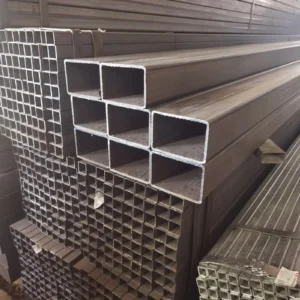
Description
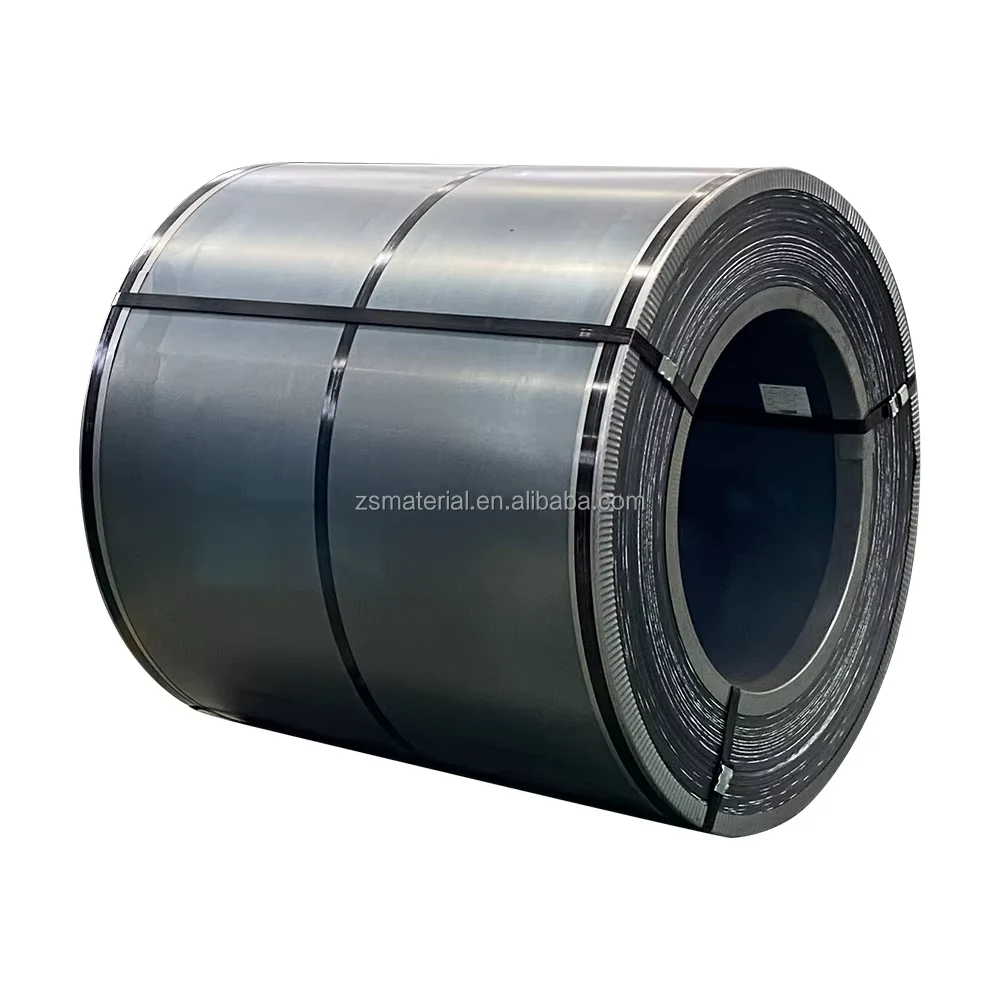
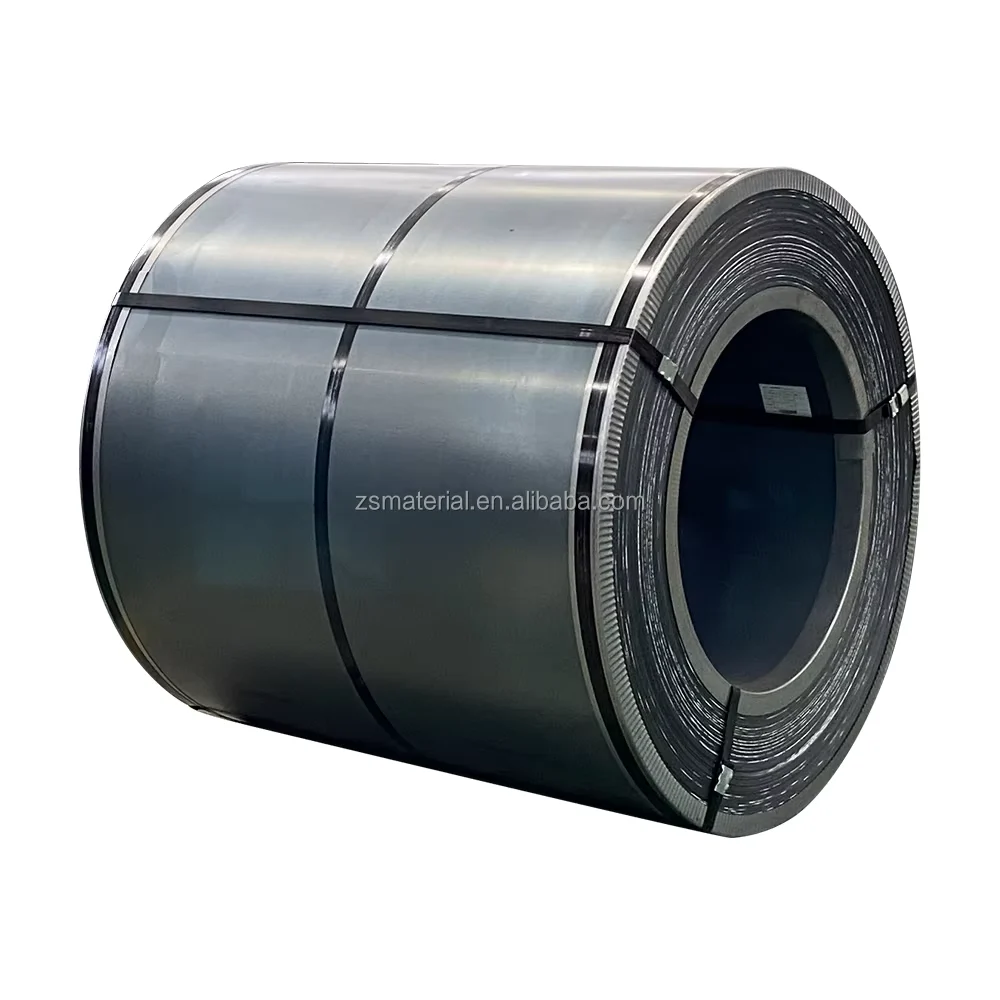
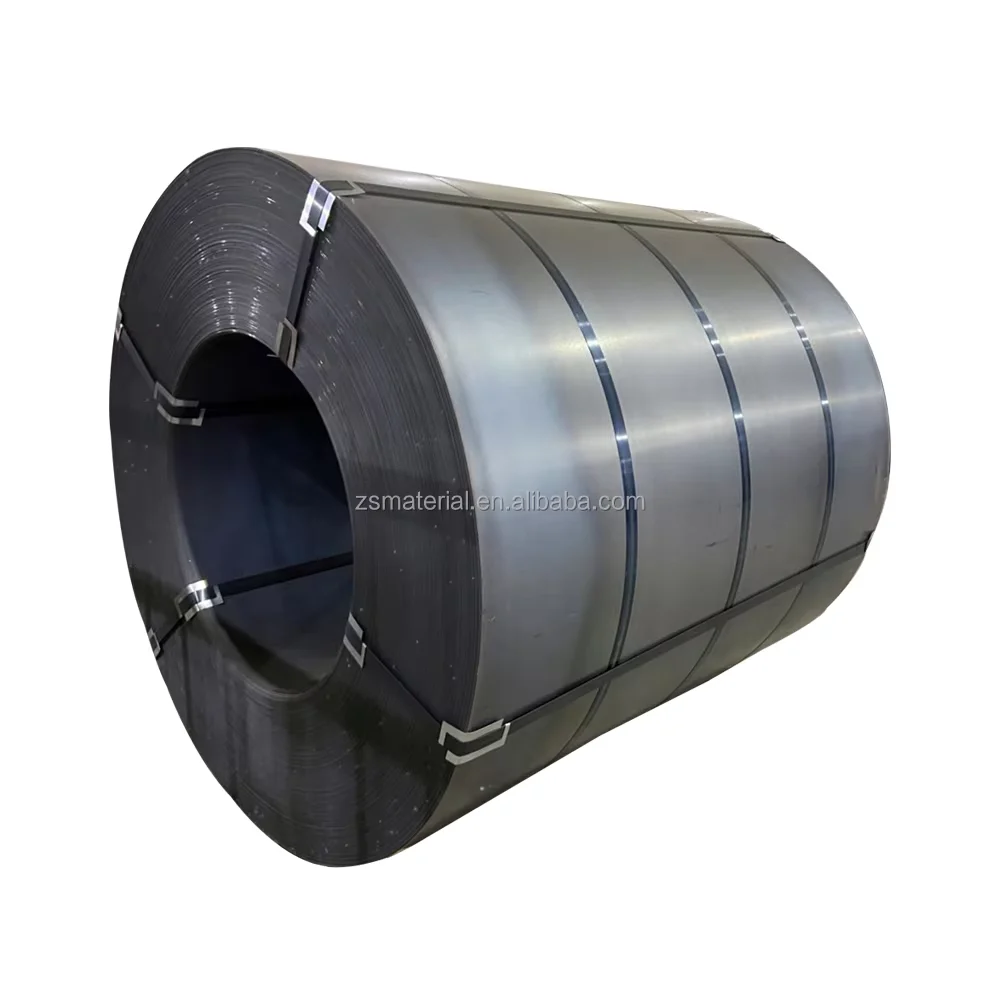
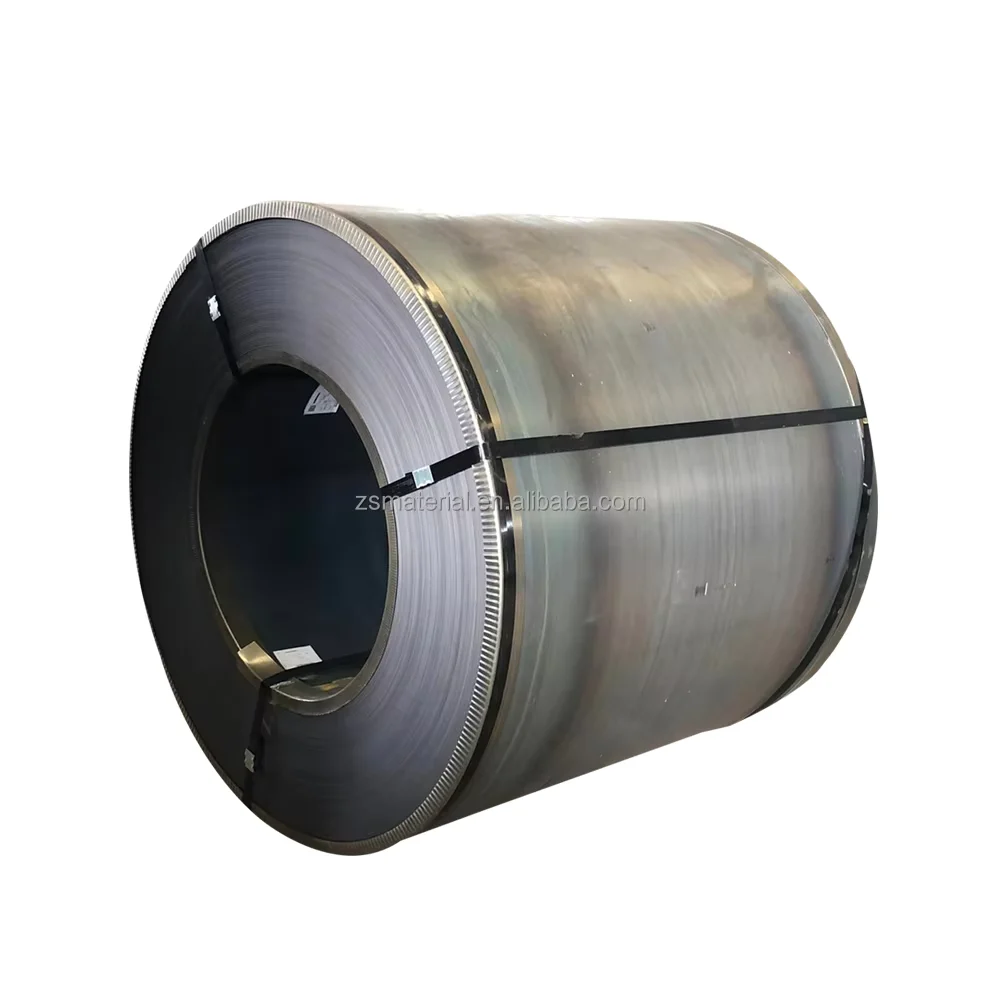
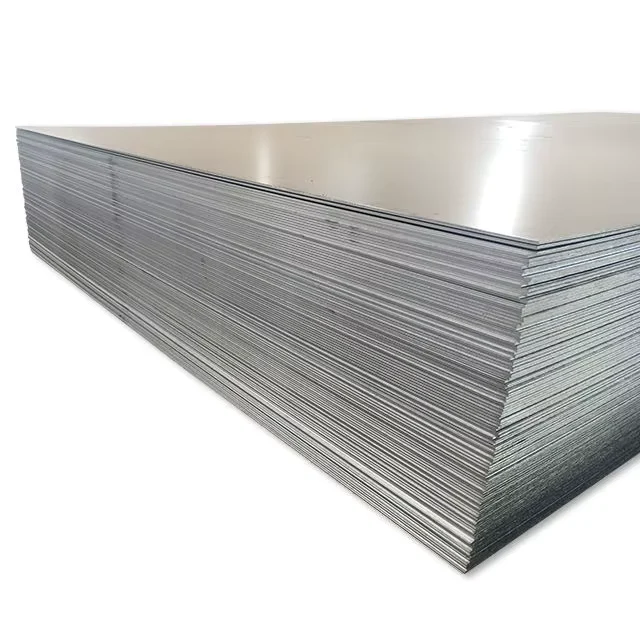
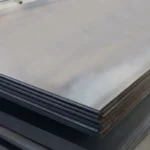
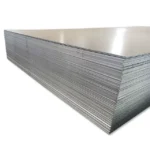
Factory-direct hot rolled plates — every batch of SS400 Q235 A36 St52 A283 hot rolled steel plate ships with original mill test certificates and supports SGS/BV third-party inspection before loading.
Technical Specifications
| Parameter | Value |
|---|---|
| Designation | SS400 / Q235 / A36 / St52 / A283 Hot Rolled Steel Plate |
| Product Type | Steel Plate |
| Steel Grade | SS400, Q235, A36, St52, A283 Gr.C, A516 Gr.70 |
| Standard | ASTM, DIN, BS, JIS, GB |
| Section Shape | Flat plate |
| Thickness | 3–200 mm |
| Width | 1500 mm |
| Length | 6000 mm |
| Technique | Hot Rolled |
| Surface Treatment | Hot Rolled |
| Application | Structural fabrication, pressure vessels, shipbuilding, industrial equipment, construction |
| Origin | Shandong, China |
Application Suitability
| Industry | Typical Applications |
|---|---|
| Construction & Infrastructure | Building frames, column base plates, bridge gusset plates |
| Pressure Vessel Manufacturing | Boiler shells, storage tank walls, heat exchanger end plates |
| Shipbuilding | Deck plating, hull structural panels, bulkhead partitions |
| Industrial Equipment | Machinery base plates, conveyor support frames, crane booms |
| Structural Fabrication | Welded beam-to-column connections, embedded steel plates |
Why Certification Gaps Cost More Than the Steel Itself
Missing mill test certificates or unverified steel grades turn a routine shipment into a customs hold or a failed project inspection.
Sourcing carbon steel plates across multiple grades — SS400, Q235, A36, St52, A516 Gr.70 — means dealing with different national standard systems simultaneously. Buyers often receive plates labeled with a grade name but no traceable heat number, no chemical breakdown, and no mechanical test data. When that plate goes into a pressure vessel or a load-bearing structural frame, the absence of documentation becomes a liability far heavier than the steel itself [NEED_CITE: EN 10219 cold-formed hollow section documentation requirements].
Working with an ASTM SS400 Q235 hot rolled steel plate supplier who provides original mill test certificates per batch — and supports SGS/BV third-party inspection — eliminates the guesswork. Every plate in the bundle is traceable back to its heat number, its chemical composition, and its rolling date.
Matching Grade Selection to Structural Load Requirements
An ASTM SS400 Q235 hot rolled steel plate in 3–200 mm thickness covers a wide engineering envelope — from light-gauge structural brackets to heavy-pressure vessel walls. Q235 and SS400 serve general construction and fabrication where moderate yield strength suffices, while A36 meets North American structural codes for building frames and bridges. A516 Gr.70 steps into pressure vessel territory, where elevated-temperature service demands tighter chemistry control. St52 fills the gap for heavy machinery and crane structures requiring higher strength-to-weight ratios. Selecting the right grade against the actual load path — rather than defaulting to the cheapest option — prevents costly over-engineering or under-specification downstream.
Engineering Compliance and Surface Condition
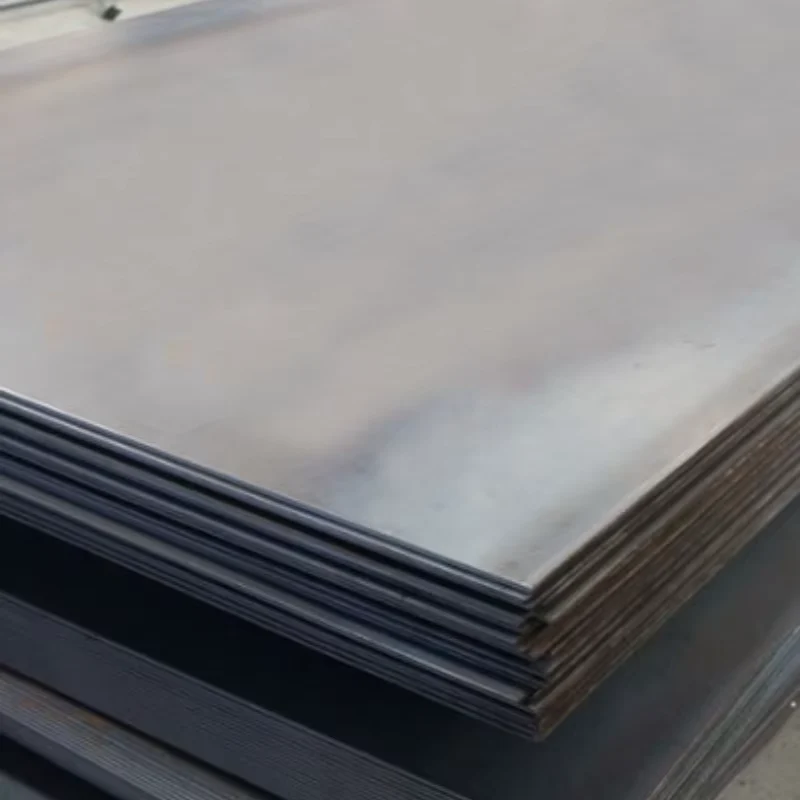
Hot rolled plates carry a mill scale surface that suits structural welding and further fabrication without additional coating requirements. For pressure vessel applications under ASME or EN 13445 frameworks, the plate must conform to the specified grade’s chemistry and mechanical envelope — A516 Gr.70 plates require normalized or as-rolled conditions verified by certified test reports [NEED_CITE: ASME Section II material specification requirements]. Shipbuilding plates must align with classification society rules, and the mill test certificate must reflect the correct grade designation recognized by Lloyd’s, DNV, or ABS. Custom cut-to-length and width services reduce on-site waste and welding seams, while fixed 6000 mm lengths optimize container loading for overseas shipment.
Understanding the Hot Rolled Carbon Steel Grade Spectrum
SS400 (JIS G3101) and Q235 (GB/T 700) occupy the mild steel tier — both deliver reliable weldability and formability for general structural work, with SS400 specifying tensile strength rather than yield as its primary mechanical criterion. A36 (ASTM A36) mirrors Q235 in many respects but follows the ASTM yield-based classification system used across North American engineering specifications. St52 (DIN EN 10025) represents a step up in yield strength, making it the preferred choice for heavy equipment frames and load-bearing components where weight reduction matters. A283 Gr.C serves low-to-intermediate tensile strength applications in tank and vessel fabrication, while A516 Gr.70 targets moderate-to-high temperature pressure service with controlled carbon and manganese content for improved notch toughness. The hot rolling process produces a uniform grain structure through controlled deformation above the recrystallization temperature, giving these plates consistent mechanical properties across the full thickness range [NEED_CITE: steel grade equivalence between JIS, GB, ASTM, and EN standards].
The Hidden Cost of Unverified Plate Procurement
Ordering carbon steel plates without verified mill test certificates creates a chain of risks that surface long after the container arrives. A plate stamped Q235 but delivering sub-standard chemistry fails structural inspection under GB or equivalent codes — and the entire batch must be rejected or downgraded. Plates with excessive negative tolerance reduce actual load-bearing cross-section below design calculations, compromising structural safety margins. Missing or forged certificates trigger customs holds at destination ports, generating demurrage charges that exceed the original freight cost [NEED_CITE: customs documentation requirements for steel plate imports]. The true cost of cheap, unverified plates is never the purchase price — it is the project delay, the re-welding, the failed inspection, and the lost client trust.
Procurement Confidence Through Vertical Integration
Every ASTM SS400 Q235 hot rolled steel plate leaving our Jinan facility carries full traceability from slab to finished plate. Our in-house laboratory tests each heat for chemical composition and mechanical properties before release, producing original mill test certificates — not third-party reprints. With three production lines running simultaneously and monthly capacity exceeding 20,000 tons, we hold ready stock across the 3–200 mm thickness range in SS400, Q235, A36, St52, A283 Gr.C, and A516 Gr.70. Factory-direct pricing means no trading markup on volume orders, and flexible MOQ from trial quantities to full-container bulk shipments accommodates both project-specific procurement and ongoing stock replenishment. Our ISO 9001:2015 certified production system and Lloyd’s CE certifications ensure compliance for European and international project specifications, while SGS/BV third-party inspection is available on request for buyers who require independent verification before shipment.
Documentation & Compliance
- Mill test certificate documenting chemical composition (C, Si, Mn, P, S) and mechanical properties for each heat number of SS400, Q235, A36, St52, A283 Gr.C, or A516 Gr.70 plates
- ISO 9001:2015 quality management certificate covering the full hot rolled plate production process
- Lloyd’s CE certificate (EN 10210/EN 10219) supporting European market compliance for structural steel plate applications
- SGS or BV third-party inspection report available on request, covering visual inspection, dimensional measurement, and witness testing
- Full material traceability by heat number linking each plate to its original slab, rolling schedule, and test results
- Export documentation package including commercial invoice, packing list, bill of lading, and certificate of origin for customs clearance
Packaging, Loading & Delivery
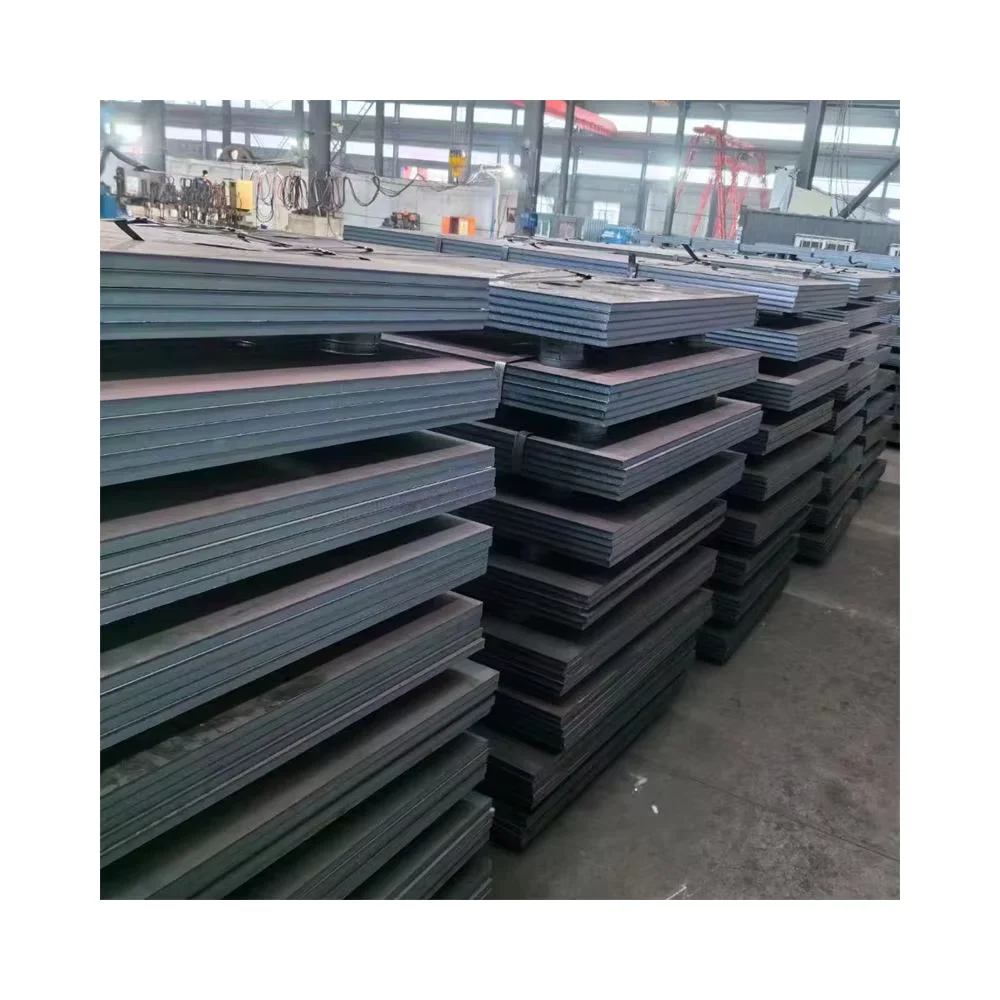
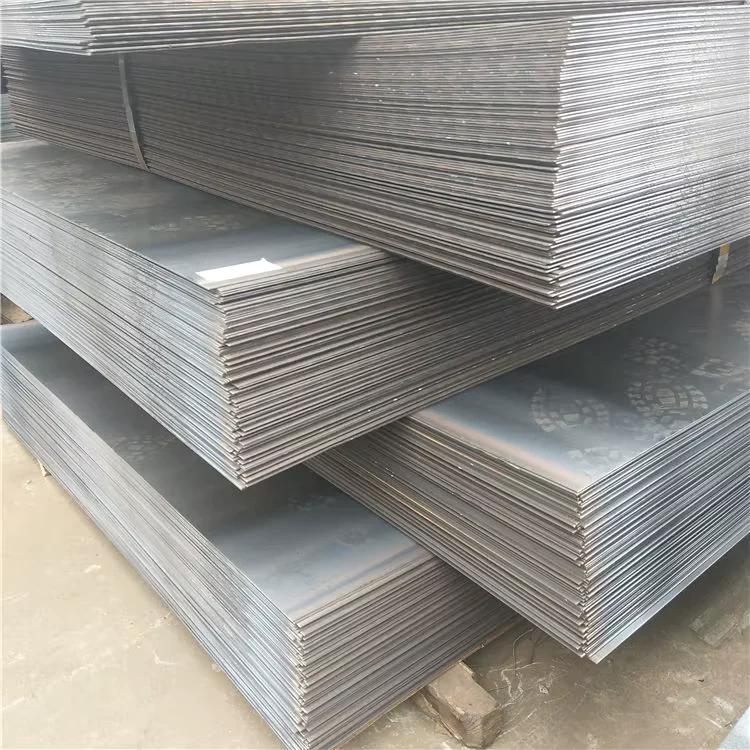
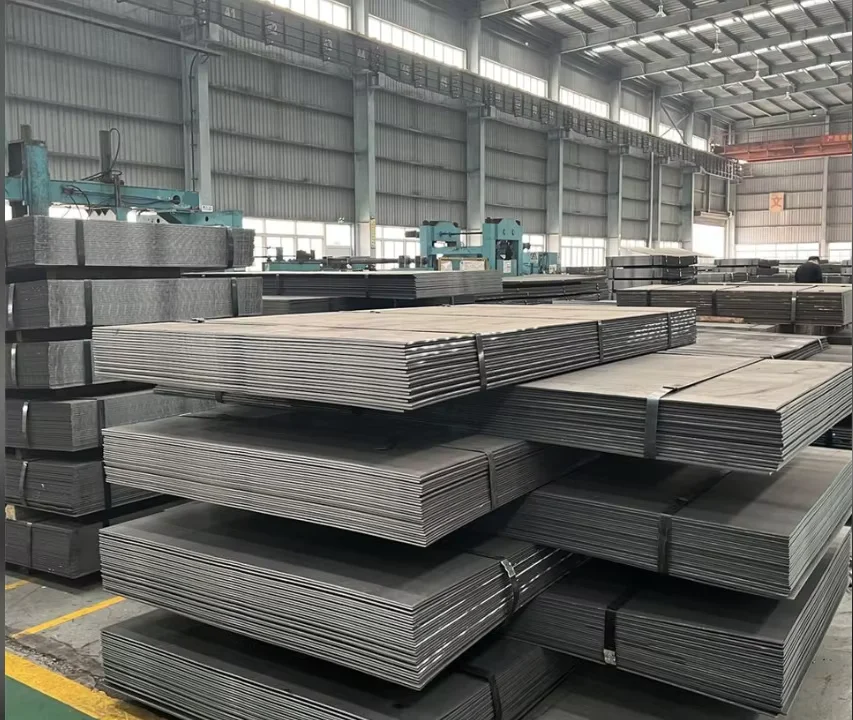
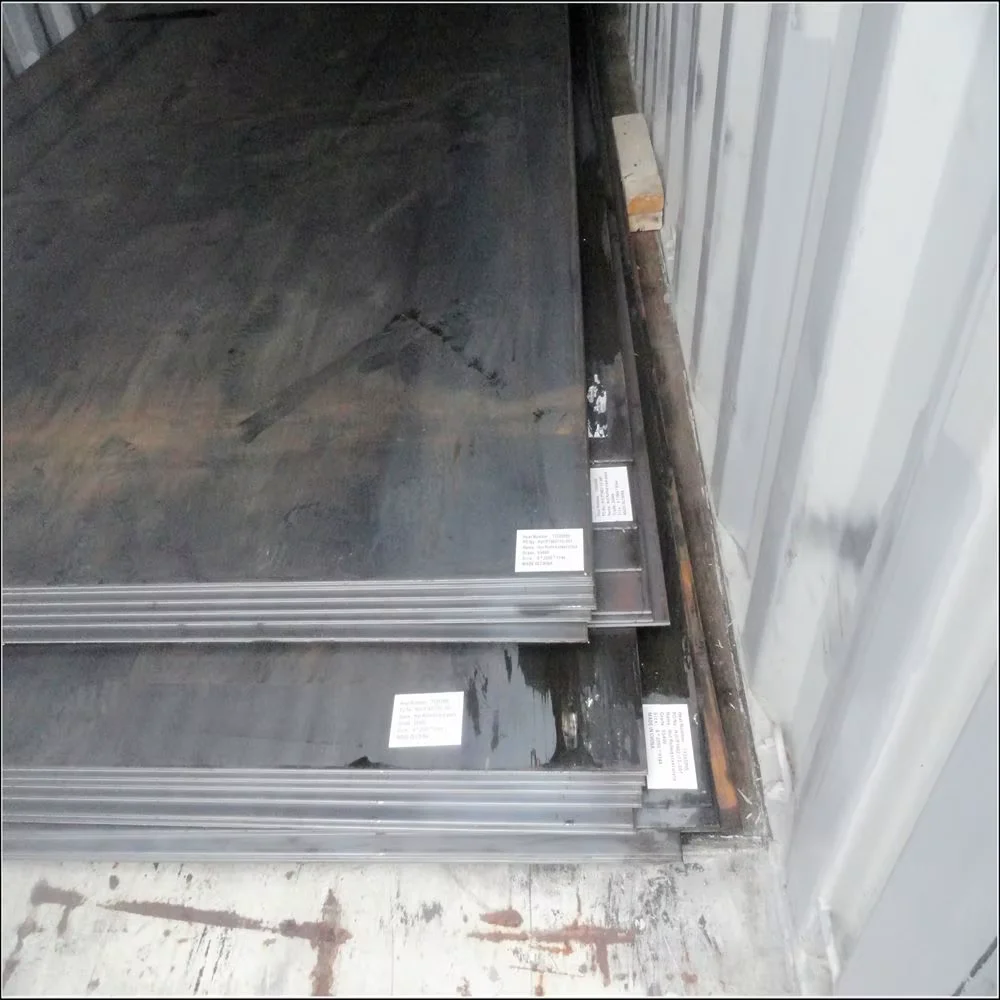
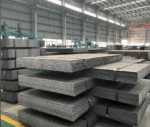
- Hot rolled steel plates bundled with steel strips and edge protectors, preventing surface damage and edge deformation during ocean transit across the 3–200 mm thickness range
- Mill scale surface preserved with anti-rust oil coating on A516 Gr.70 and St52 plates to prevent corrosion during extended sea freight to Southeast Asia, Middle East, and African ports
- Container loading optimized for 1500 mm × 6000 mm plate dimensions, with professional loading plans maximizing weight utilization per 20ft and 40ft containers
- Custom cut-to-length and width services available for A36 and SS400 plates, reducing on-site cutting waste for structural fabrication projects
- Each plate marked with heat number, steel grade designation (SS400/Q235/A36/St52/A283/A516Gr70), and thickness for on-site identification and traceability verification
- FOB, CIF, and DDP shipping terms supported with professional export documentation handling for ASTM SS400 Q235 hot rolled steel plate orders to 50+ countries
Start Your Bulk Plate Procurement
Submit your specification sheet — including steel grade, thickness, width, length, quantity, and destination port — to receive a competitive bulk quotation with volume-based pricing and confirmed delivery timeline. Our team responds within 12 hours with mill test certificate samples, third-party inspection arrangements, and container loading optimization for your ASTM SS400 Q235 hot rolled steel plate order.
Request Factory-Direct Pricing with Mill Test Certificates
Send your specifications via email to admin@sdxinjiyuan.com or contact us on WhatsApp at +86 188 5315 7756 for a detailed quotation and sample mill test certificate within 12 hours.
Frequently Asked Questions
Q: What is the difference between SS400, Q235, and A36 — which grade should I specify?
A: SS400 (JIS G3101), Q235 (GB/T 700), and A36 (ASTM A36) all serve general structural and fabrication purposes with similar weldability and formability. The choice depends on your project’s governing standard — JIS for Japanese-spec projects, GB for Chinese-standard construction, and ASTM for North American engineering specifications. We supply all three grades and can advise on equivalence if your project allows substitution.
Q: Can I request SGS or BV third-party inspection before shipment?
A: Yes. SGS and BV third-party inspection is available on request for any batch of SS400, Q235, A36, St52, A283 Gr.C, or A516 Gr.70 plates. The inspection covers visual quality, dimensional verification, and witness testing, with the report issued before container loading.
Q: What thickness range is available for hot rolled plates?
A: We supply hot rolled steel plates in thickness from 3 mm to 200 mm, with standard width of 1500 mm and length of 6000 mm. Custom cut-to-size is available for project-specific requirements, with typical production lead times for non-standard dimensions.
Q: Do you provide original mill test certificates with every shipment?
A: Yes. Every batch of hot rolled steel plate ships with original mill test certificates documenting chemical composition and mechanical properties, traceable by heat number. These are produced by our in-house laboratory and accompany the shipment as part of the standard documentation package.
Q: What is the minimum order quantity for hot rolled steel plates?
A: We accept flexible order quantities from trial orders of 1 ton to full-container bulk shipments. Volume discount programs apply for long-term partners with recurring procurement needs, and mixed-grade container loading is supported for multi-category project orders.
Get Your Bulk Steel Plate Quote Today
Email your plate specifications — grade, thickness, quantity, and destination — to admin@sdxinjiyuan.com or message +86 188 5315 7756 on WhatsApp for factory-direct pricing and mill test certificate samples within 12 hours.