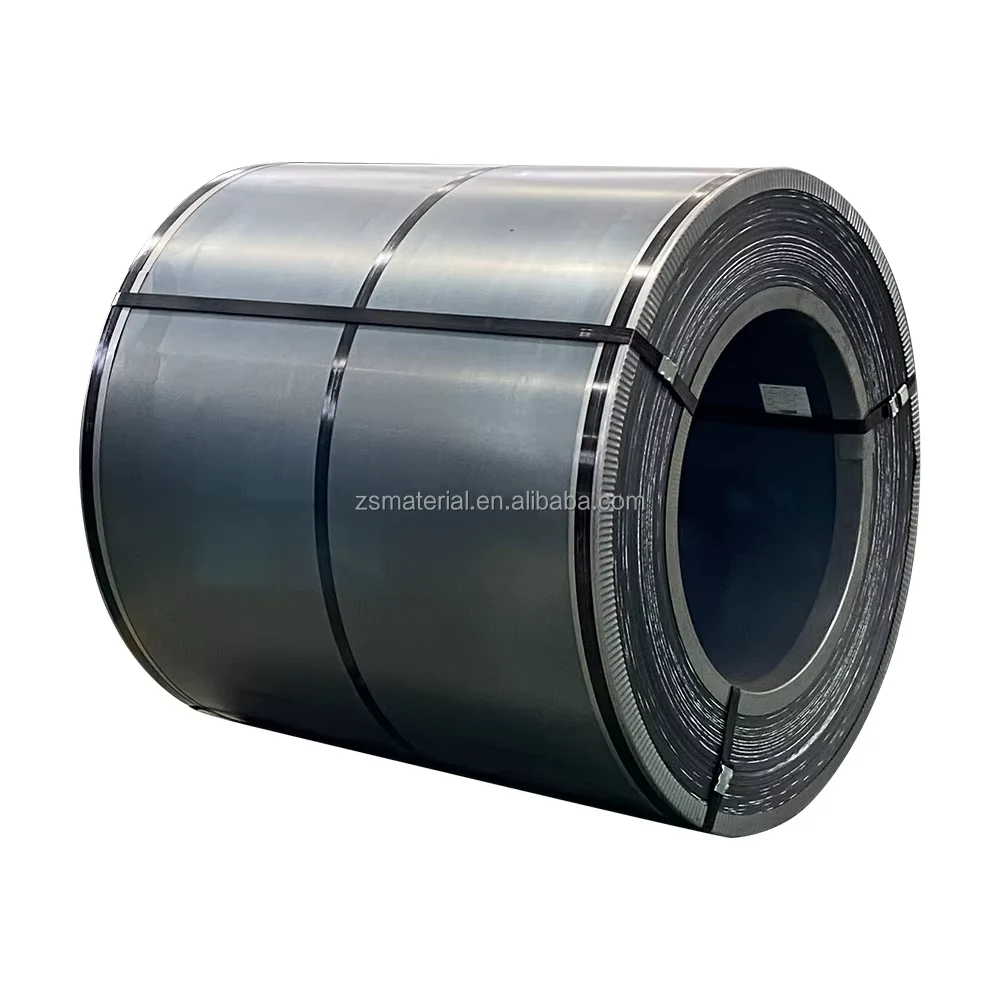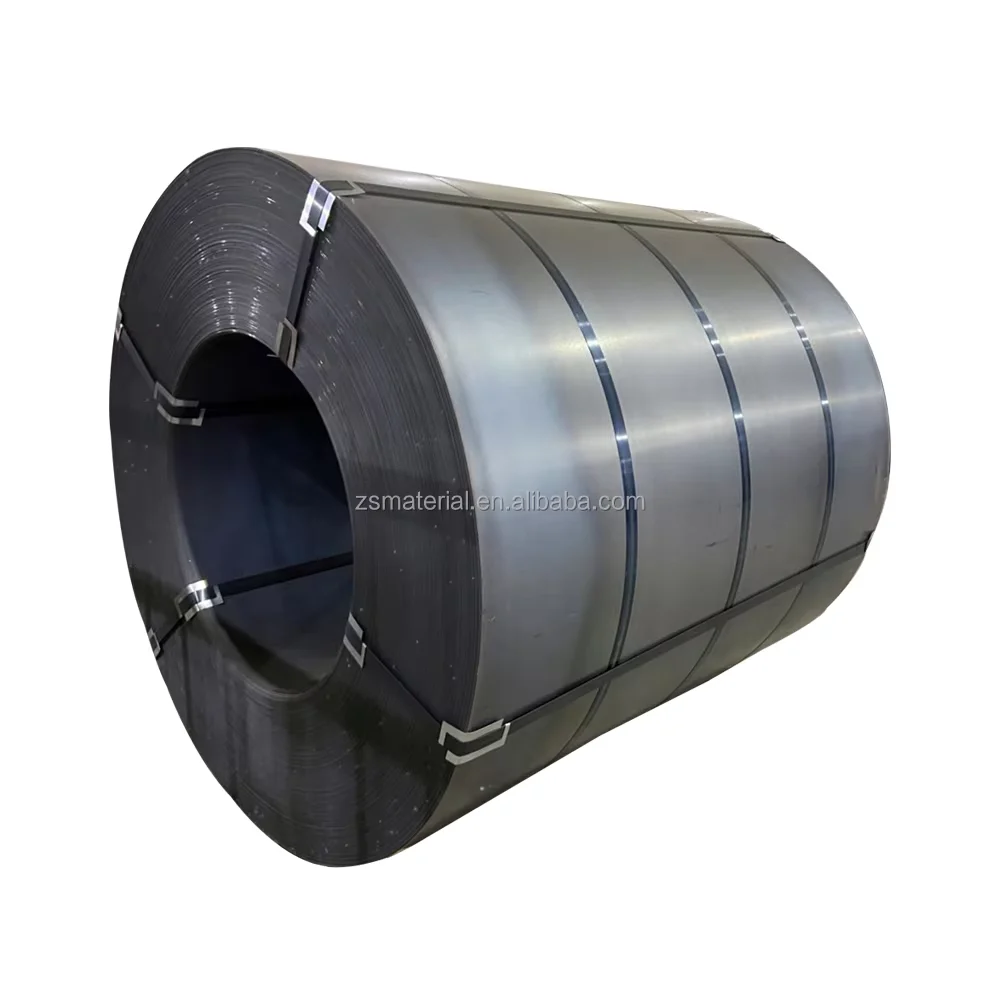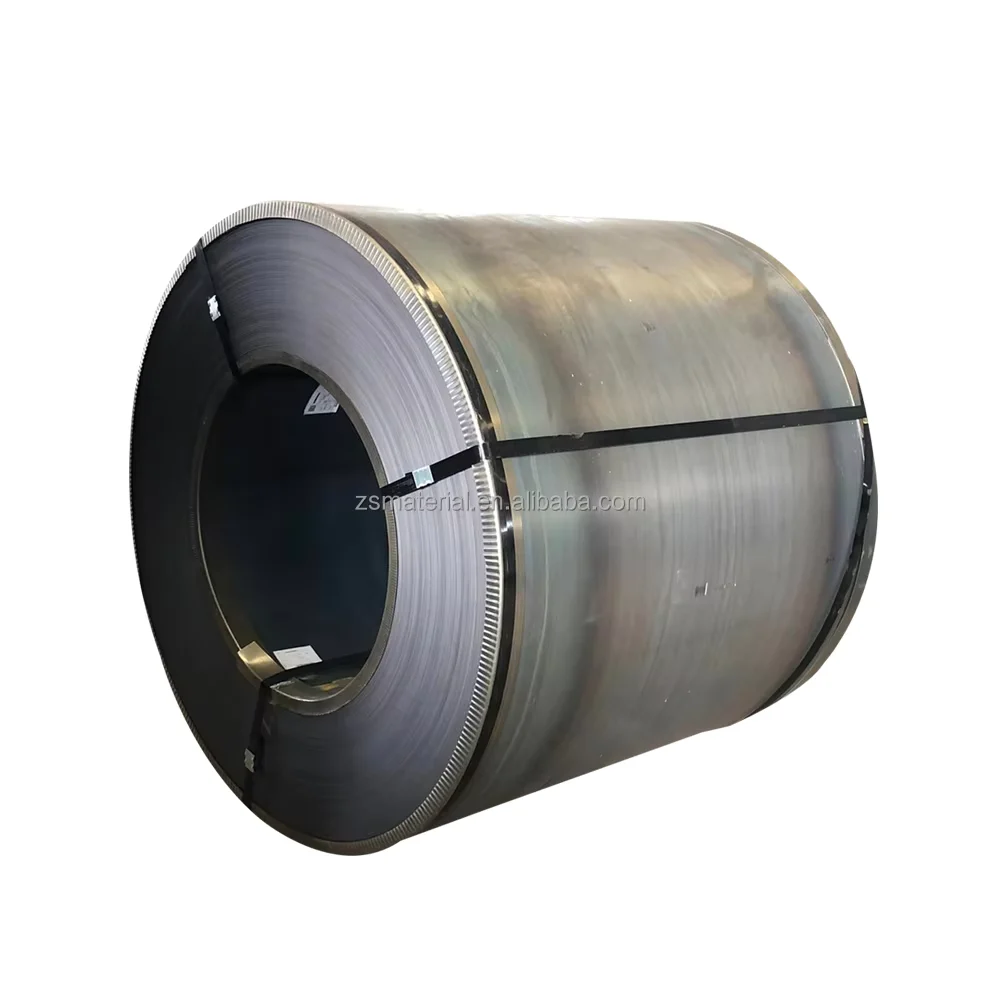
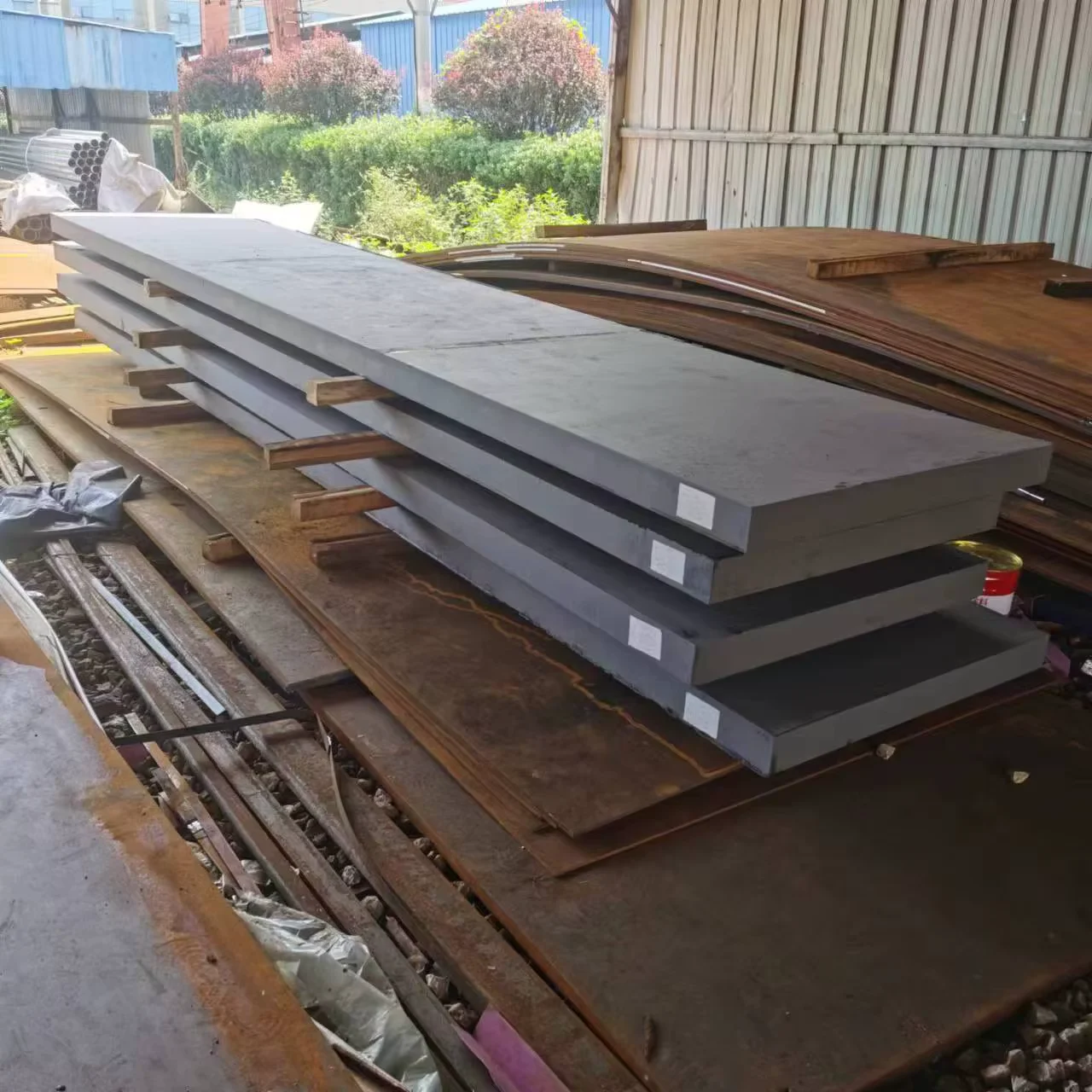
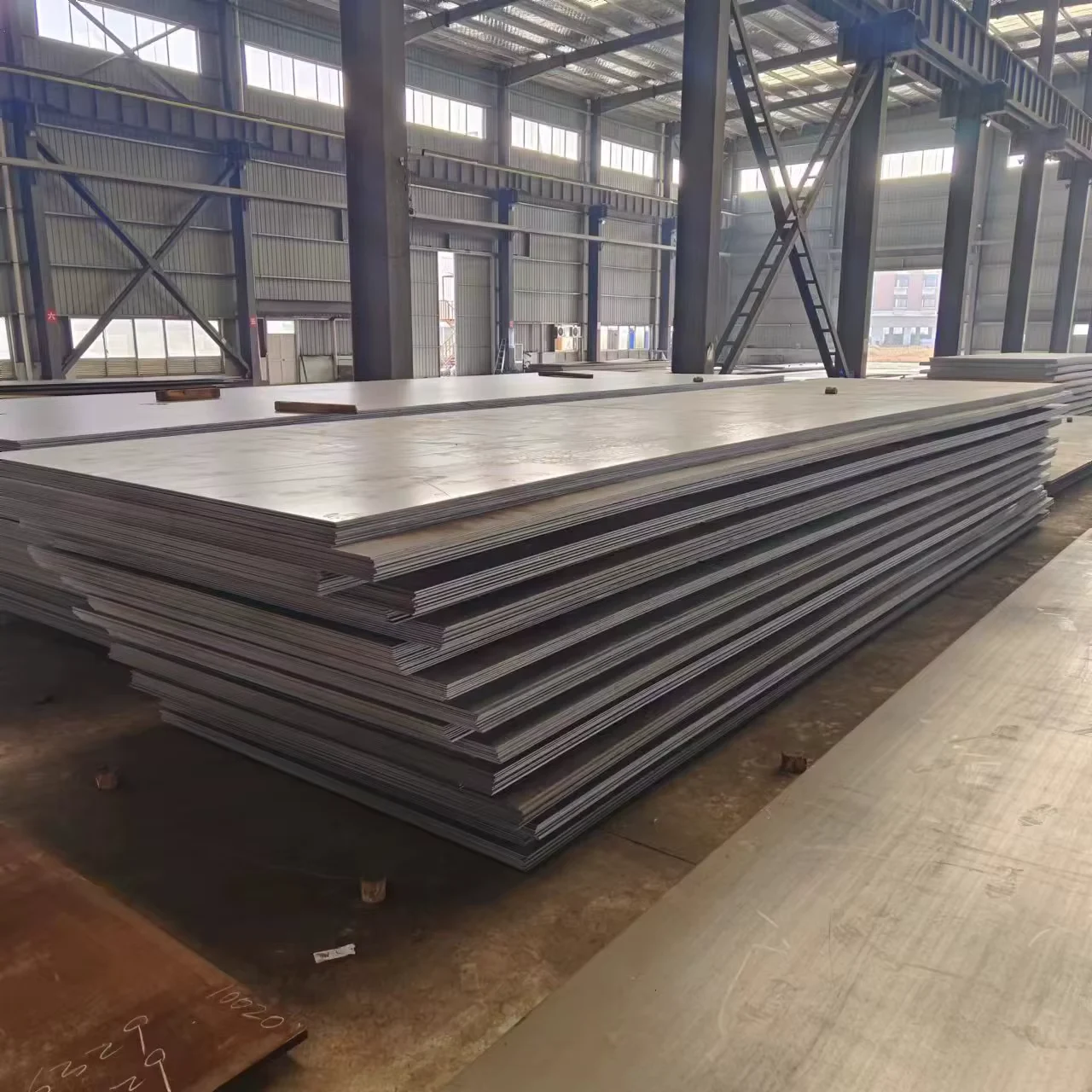

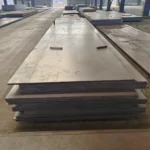
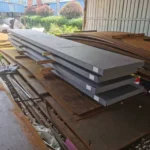
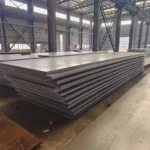
Description
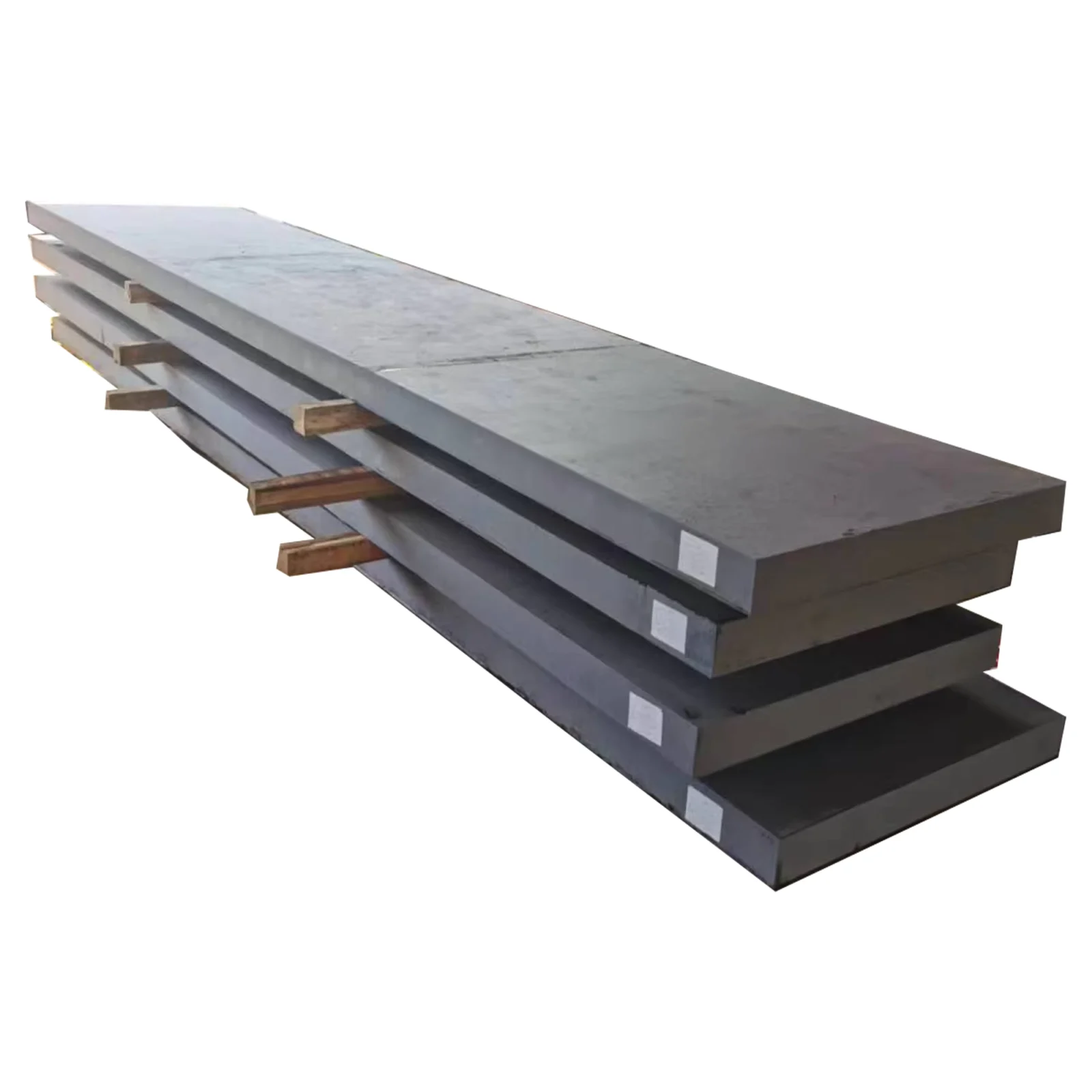
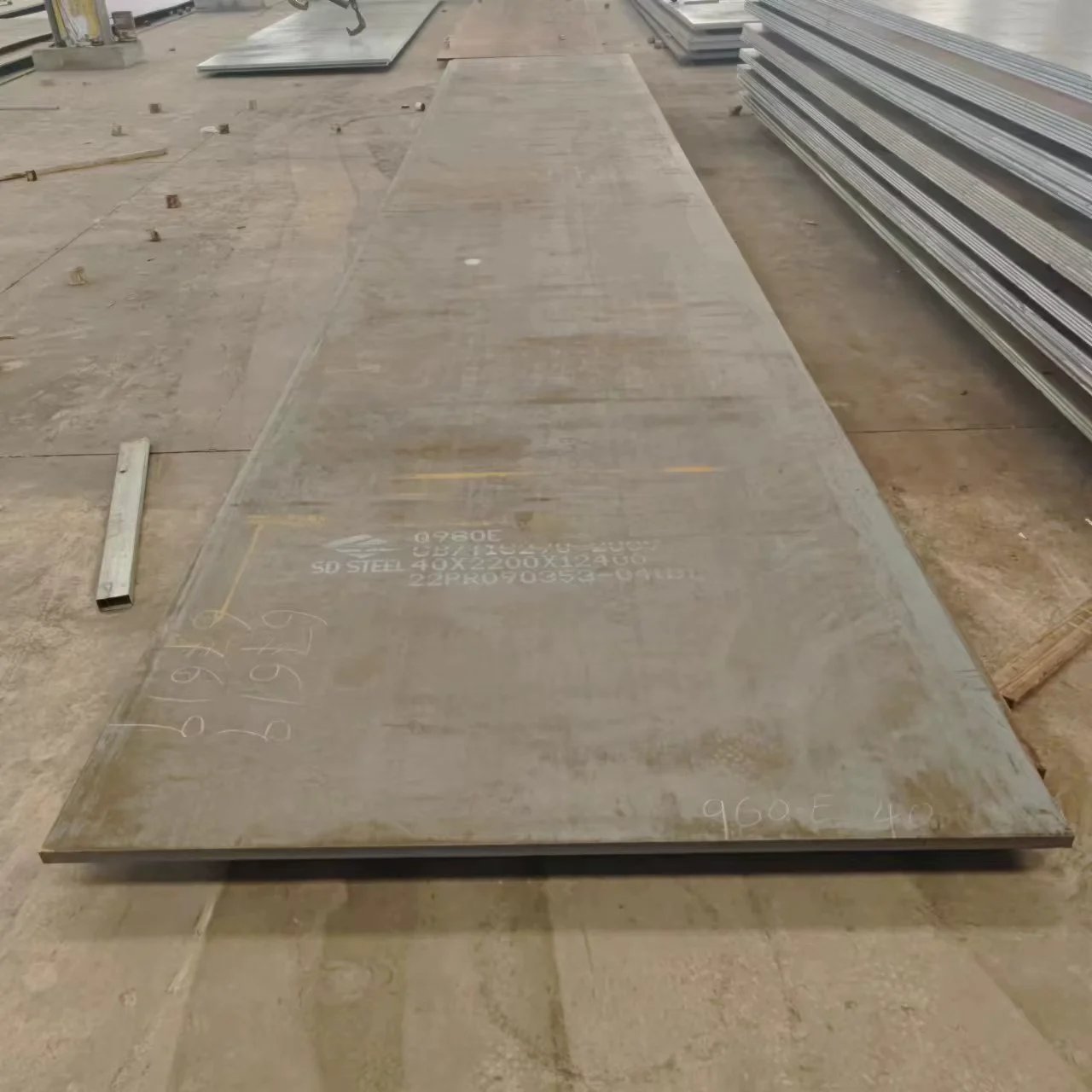
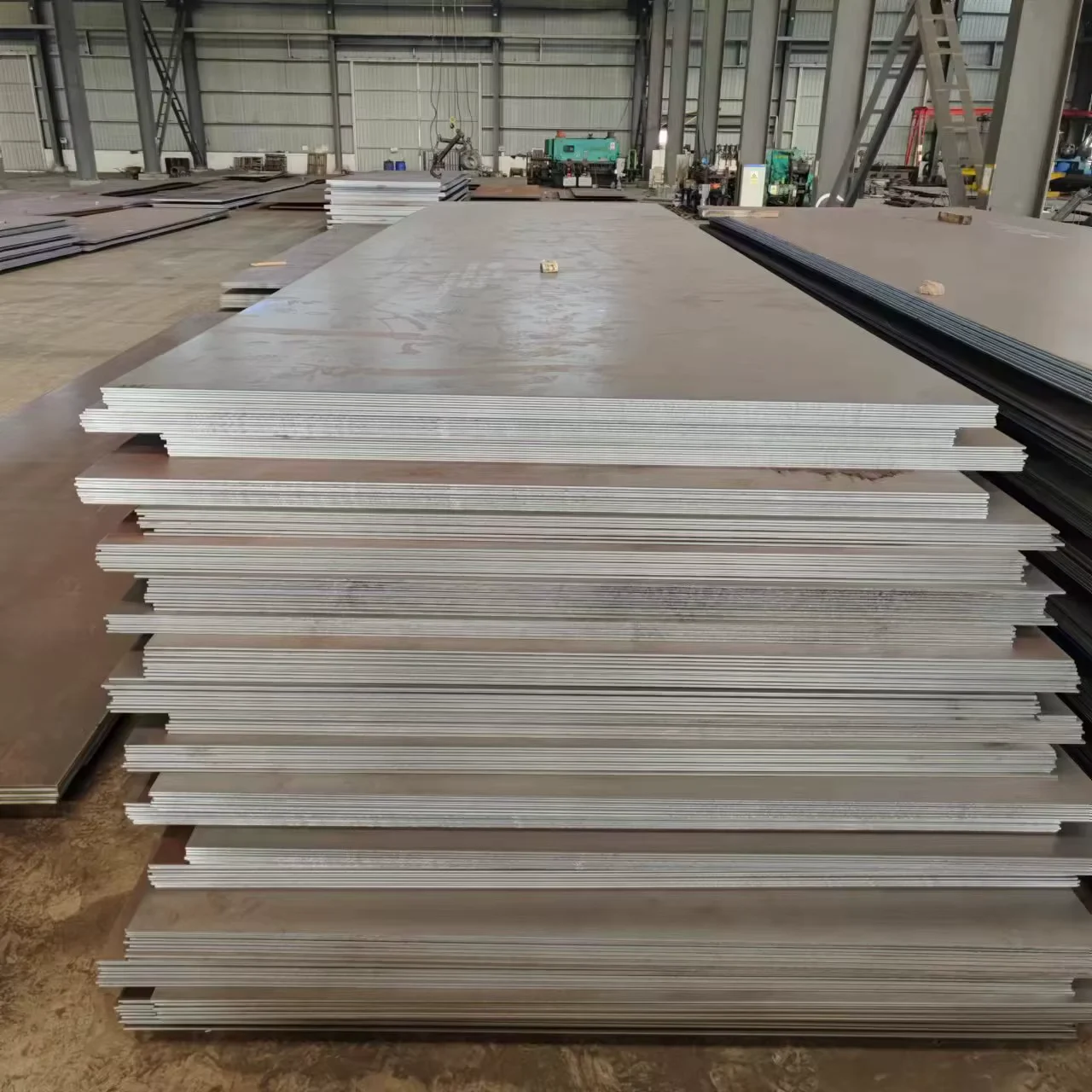
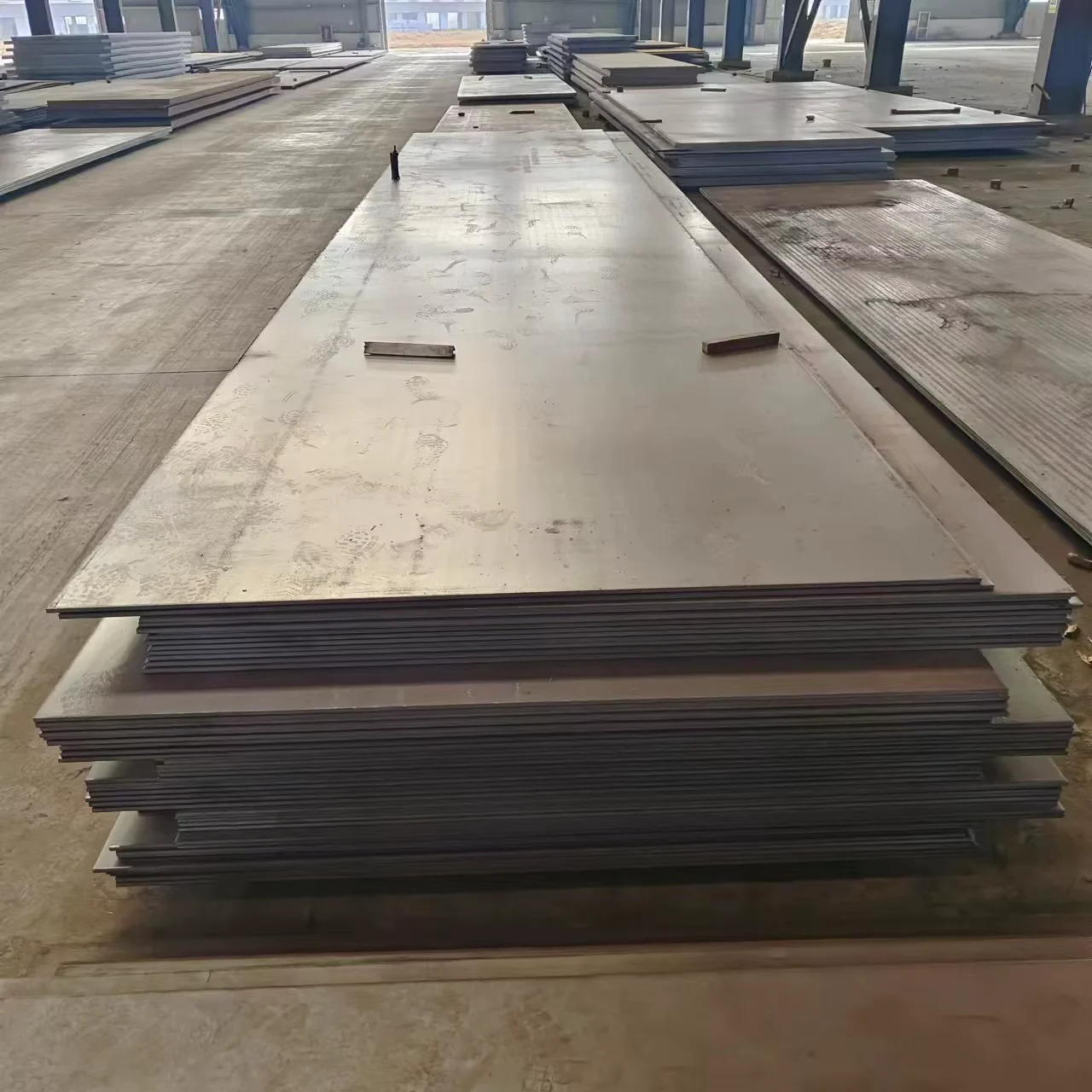
Factory-direct Q355B plates — Every batch ships with original mill test certificates documenting chemical composition and mechanical properties, verified against GB/T 1591 standards before container sealing.
Technical Specifications
| Parameter | Value |
|---|---|
| Designation | Q355B Carbon Steel Plate |
| Product Type | Steel Plate |
| Steel Grade | Q355B, Q195, Q235B, SS400, ST37, A36, AISI 1006, AISI 1008, AISI 1010 |
| Standard | AISI, ASTM, BS, DIN, GB, JIS |
| Thickness | 0.2–200mm |
| Width | 600–2500mm (customizable) |
| Length | 1000–12000mm (customizable) |
| Technique | Hot Rolled / Cold Rolled |
| Surface Treatment | Black |
| Tolerance | ±1% |
| Processing Service | Bending, Welding, Decoiling, Cutting, Punching |
| Special Use | High-Strength Steel Plate |
| Application | Construction, Building, Industrial machinery, Cutting tools, Mechanical wear parts, Fabrication |
| MOQ | 25 Ton |
| Origin | Shandong, China |
Application Suitability
| Industry | Typical Applications |
|---|---|
| Industrial Machinery | Cutting tool blanks, shear blades, crusher liners, conveyor wear plates |
| Construction & Building | Structural base plates, column base connections, embedded steel plates |
| Fabrication & Manufacturing | Machine frames, press brake beds, hydraulic press components |
| Infrastructure Projects | Bridge gusset plates, foundation anchor plates, heavy equipment supports |
Where Thickness Tolerance Decides Whether Your Cutting Tools Pass Hardness Testing
A Q355B high carbon steel plate that fails hardness requirements after arrival is almost always a tolerance and traceability problem, not a steel grade problem.
I once saw a full container of wear plates stuck at Jebel Ali because the mill certificate said Q355B, but SGS re-inspection showed the hardness fell short of what the buyer needed for cutting tool blanks. The plates were technically within national standard tolerance, but the actual thickness variation meant the heat treatment response was inconsistent across the batch. When you are sourcing a Q355B high carbon steel plate for mechanical wear parts, ±1% tolerance control and original mill test certificates with heat-by-heat chemistry are not optional — they determine whether your fabrication shop can rely on consistent machining results. [NEED_CITE: GB/T 1591 Q355B mechanical property requirements and testing methods]
How Q355B Plates Match Wear-Resistant Fabrication Requirements
Q355B high carbon steel plate in 0.2–200mm thickness covers the full range from thin shear blades to heavy crusher liners. Hot rolled plates in the 6–200mm range provide the core thickness needed for structural wear parts, while cold rolled options in thinner gauges serve precision cutting tool blanks. The ±1% tolerance ensures that when your workshop programs CNC cutting paths, the actual material dimension matches the drawing — no unexpected tool path deviations from thickness drift. Every Q355B high carbon steel plate we supply ships with processing services including cutting, bending, welding, and punching to your exact dimensions, so the plates arrive job-ready rather than requiring secondary sizing at your yard.
Engineering Compliance and Certification for Structural Plate Applications
For construction and infrastructure projects, Q355B plates must conform to GB/T 1591 in China, with equivalent recognition under ASTM and EN frameworks depending on destination market requirements. [NEED_CITE: steel grade equivalence between GB Q355B and international standards] The black surface treatment on hot rolled plates provides a clean base for welding and subsequent coating, while the full processing service capability means gusset plates and base plates can be cut and punched to drawing before shipment. Third-party inspection through SGS or BV is available on request, which satisfies most EPC contractor requirements for material verification before container loading. Material traceability by heat number ensures that if any plate fails field testing, the exact production batch can be identified and replaced without disrupting the entire project timeline.
Understanding Q355B Grade Selection and Rolling Process Impact
Q355B belongs to the Chinese low-alloy high-strength steel series, where the “Q” denotes yield strength designation and “355” indicates the minimum yield point in MPa. Compared to Q235B, Q355B offers higher strength-to-weight ratio, making it suitable for applications where reduced plate thickness must still carry equivalent loads. The “B” grade designation specifies impact testing at 20°C, which is appropriate for most ambient-temperature structural and machinery applications. Hot rolled Q355B high carbon steel plate develops a mill scale surface that must be removed before welding or coating, while cold rolled versions provide tighter surface finish for precision components. The choice between hot rolled and cold rolled depends on your application: hot rolled for structural thickness above 6mm where surface finish is secondary, cold rolled for thinner gauges requiring dimensional precision and smoother finish. [NEED_CITE: hot rolled vs cold rolled steel plate mechanical property differences]
Hidden Costs When Plate Certification Does Not Match Actual Chemistry
Ordering a Q355B high carbon steel plate based on price alone, without verified mill test certificates, creates downstream costs that dwarf the initial savings. If the actual manganese or carbon content falls outside the Q355B range, heat treatment response becomes unpredictable — cutting tools may not achieve target hardness, structural plates may fail load testing, and welding procedures qualified for Q355B may produce brittle joints. Customs authorities in many markets now require chemical composition documentation matching the declared steel grade; plates without proper certification face rejection at the port, generating demurrage charges and project delays. [NEED_CITE: customs documentation requirements for steel plate imports] The cost of re-ordering, re-shipping, and re-fabricating from a verified source always exceeds the price difference between certified and uncertified material.
Why Procurement Teams Source Q355B Plates Through Our Production Lines
Our facility operates three production lines simultaneously with monthly capacity exceeding 20,000 tons, meaning your Q355B high carbon steel plate order enters a queue with typical production lead times rather than waiting for batch accumulation. Every plate undergoes three-stage in-house inspection covering dimensional tolerance, surface quality, and chemical verification before release. We maintain ready stock in standard thickness and width combinations, enabling split shipments for projects with phased delivery schedules. The factory-direct pricing structure eliminates intermediary margins, with volume discount programs reviewed every six months for recurring procurement partners. Professional export documentation handling ensures that mill test certificates, packing lists, bills of lading, and certificates of origin are prepared correctly for your destination market, reducing customs clearance friction.
Documentation & Compliance
- Mill test certificate documenting Q355B chemical composition (C, Si, Mn, P, S) and mechanical properties per GB/T 1591, issued with heat number traceability
- ISO 9001:2015 quality management certificate covering the full production process from raw material incoming inspection to final plate inspection
- SGS or BV third-party inspection report available on request, covering dimensional verification, visual surface inspection, and witness testing
- Material traceability documentation linking each plate to its original heat number, production date, and test batch
- Customs clearance package including commercial invoice, packing list with net/gross weight, bill of lading, and certificate of origin
- Compliance declaration confirming Q355B plates meet specified requirements under AISI, ASTM, BS, DIN, GB, or JIS standards as ordered
Packaging, Loading & Delivery
- Q355B high carbon steel plate bundled with steel strips in seaworthy packaging, with edge protectors applied to prevent coating damage during ocean transit
- Black surface plates coated with anti-rust oil before bundling to prevent oxidation during storage and shipping, particularly for cold rolled finishes
- Container loading optimized for plate dimensions — 600–2500mm width plates configured for 20ft and 40ft containers with weight distribution calculated to maximize payload within port handling limits
- Custom cutting to 1000–12000mm length reduces on-site waste and allows direct installation from container to fabrication position
- Each bundle marked with heat number, steel grade Q355B, thickness, width, length, and piece count for inventory verification upon arrival
- FOB, CIF, and DDP shipping terms available with professional logistics coordination covering port handling, customs documentation, and door-to-door delivery
How to Initiate Your Q355B Plate Procurement
Submit your specification requirements including thickness, width, length, steel grade, quantity, and destination port via email, WhatsApp, or phone. Our team responds within 12 hours with a competitive bulk quotation covering factory-direct pricing, delivery timeline, payment terms, and available mill test certificate documentation. For non-standard dimensions or custom processing requirements, we provide technical consultation on achievable tolerances and production scheduling.
Request Your Q355B Plate Quotation with Mill Test Certification
Send your specifications and quantity requirements to receive pricing, delivery schedule, and sample mill test certificates for quality verification.
Contact:
- Email: admin@sdxinjiyuan.com
- WhatsApp: +86 188 5315 7756
- Website: www.sdxinjiyuan.com
Frequently Asked Questions
Q: What is the difference between Q355B and Q235B steel plates for structural applications?
A: Q355B offers higher minimum yield strength than Q235B, making it suitable for applications requiring greater load-bearing capacity with reduced plate thickness. Both grades are available in our production range from 0.2–200mm thickness, with Q355B preferred for heavy machinery components and structural connections where weight optimization matters.
Q: Can you provide third-party inspection for Q355B plates before shipment?
A: Yes, SGS and BV third-party inspection is available on request. The inspection covers dimensional verification, surface quality assessment, visual examination, and witness testing. Inspection reports are issued before container loading, providing independent verification of material compliance.
Q: What processing services are available for Q355B high carbon steel plate?
A: We provide cutting, bending, welding, decoiling, and punching services to your specifications. Plates can be cut to custom dimensions within the 1000–12000mm length range, punched for bolt holes or connection details, and bent to required angles. Processing is completed before shipment, reducing on-site fabrication time.
Q: What is the minimum order quantity for Q355B plates?
A: The standard MOQ is 25 tons. For trial orders or smaller quantities, we can discuss flexible arrangements based on available stock in standard specifications. Volume discount programs apply for recurring orders above this threshold.
Q: How do you ensure Q355B plate quality matches the mill test certificate?
A: Every batch undergoes three-stage in-house inspection covering chemical composition verification, mechanical property testing, and dimensional tolerance checks. Original mill test certificates are issued with heat number traceability. Third-party inspection through SGS or BV provides additional independent verification if required by your project specifications.
Secure Factory-Direct Q355B Plate Supply with Full Certification
Submit your plate specifications, quantity, and destination port to receive competitive pricing, production lead time, and mill test certificate samples within 12 hours.
Contact:
- Email: admin@sdxinjiyuan.com
- WhatsApp: +86 188 5315 7756
- Tel: +86 531 8573 6315
- Website: www.sdxinjiyuan.com