Description
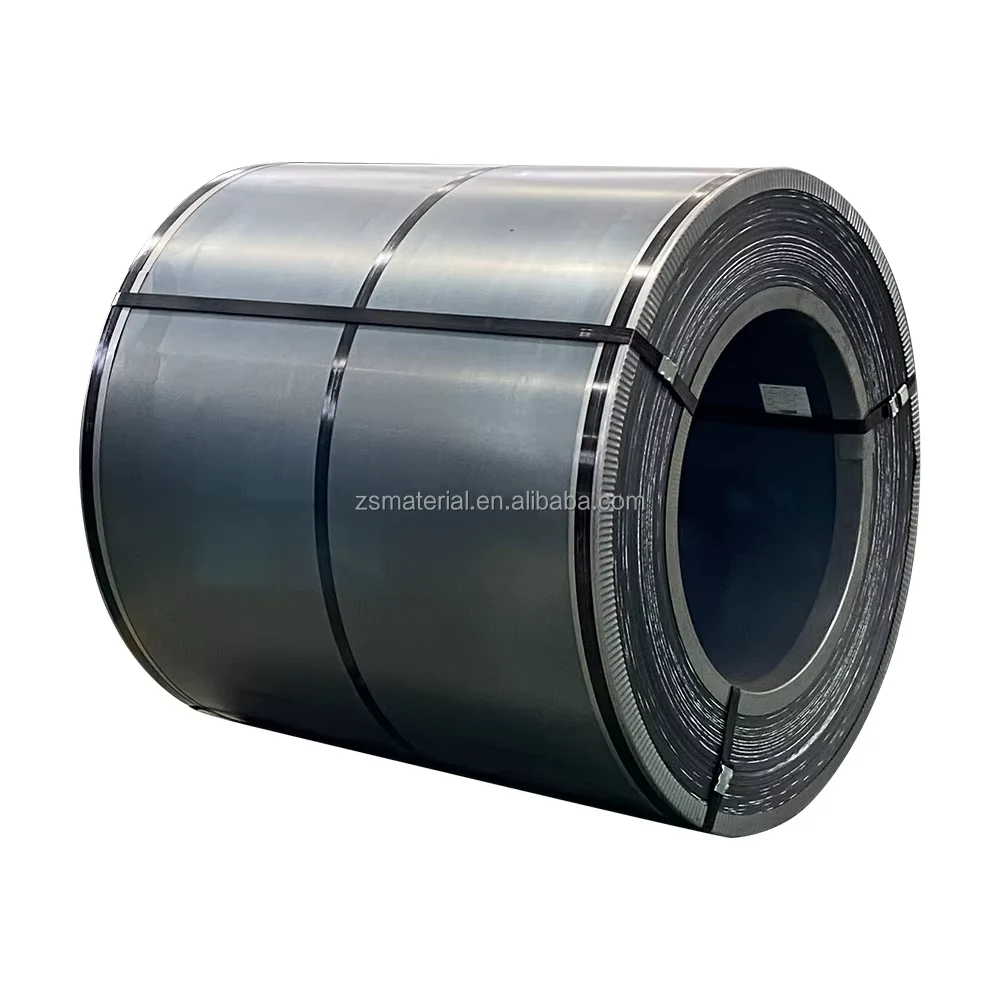
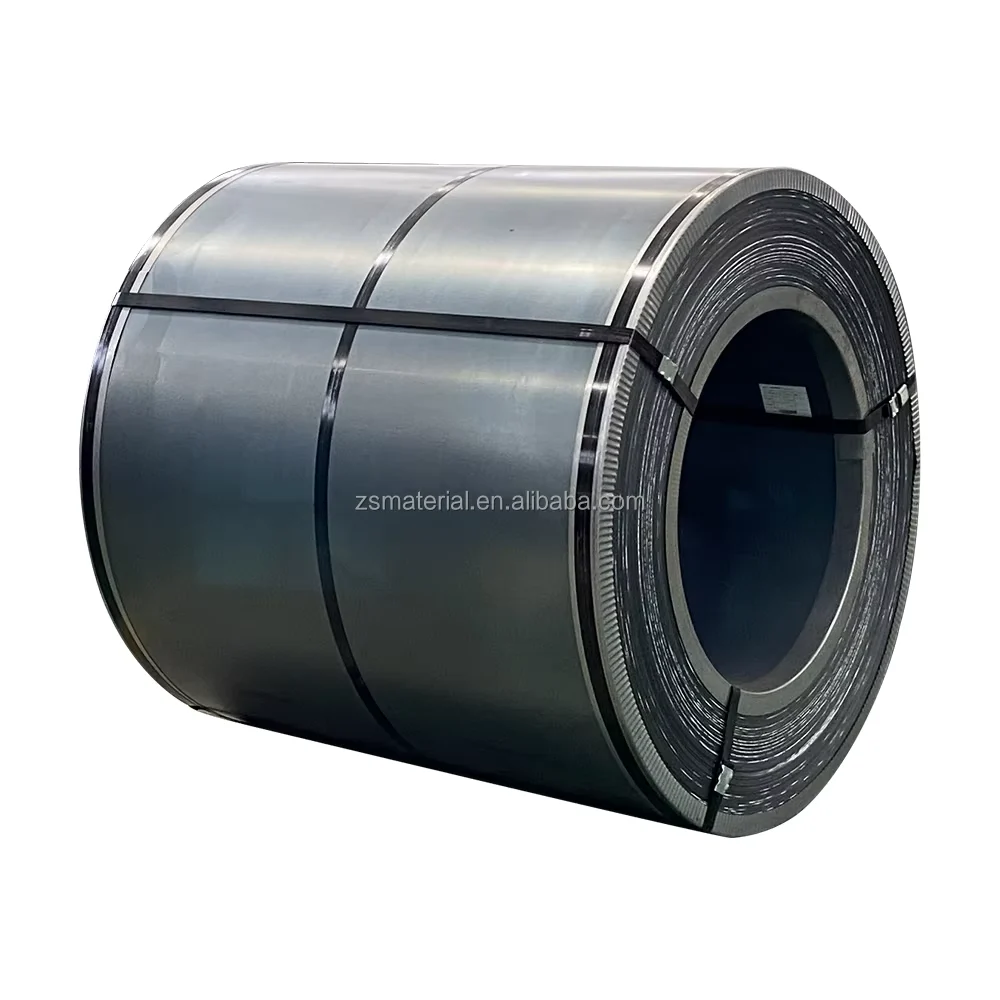
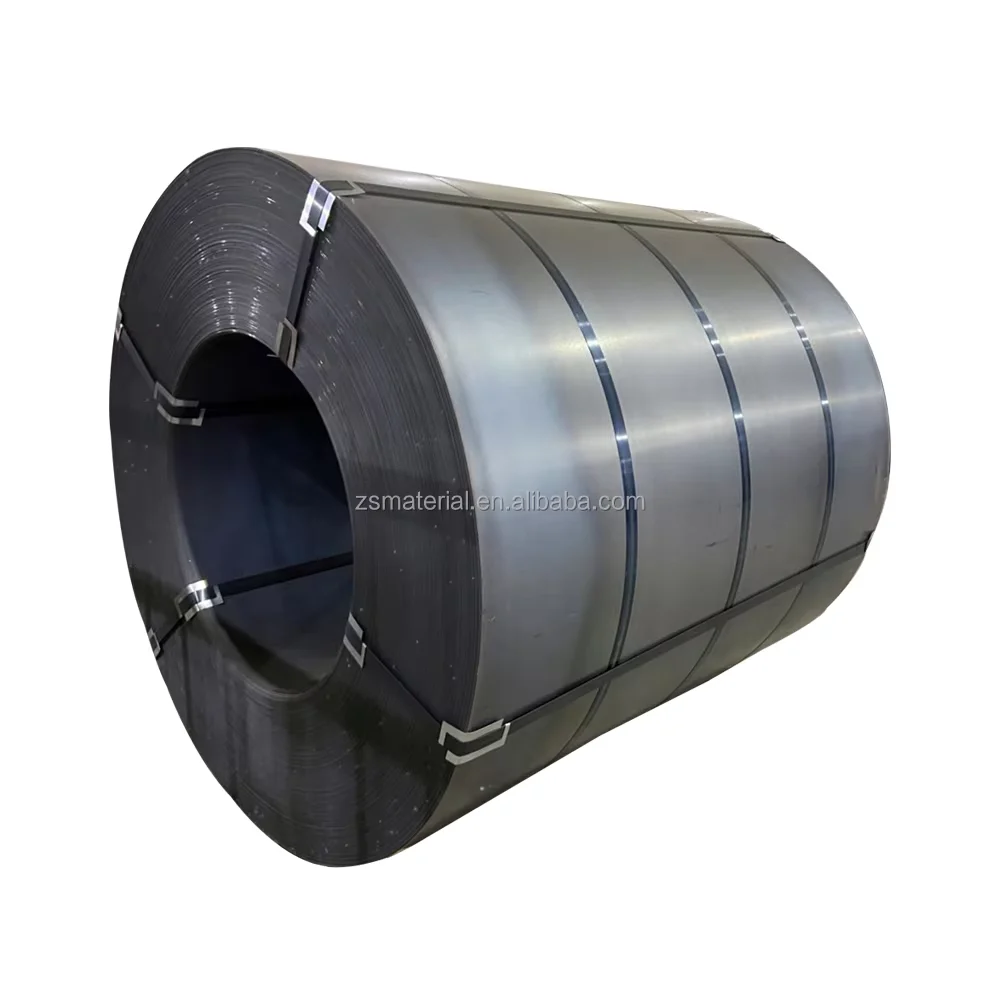
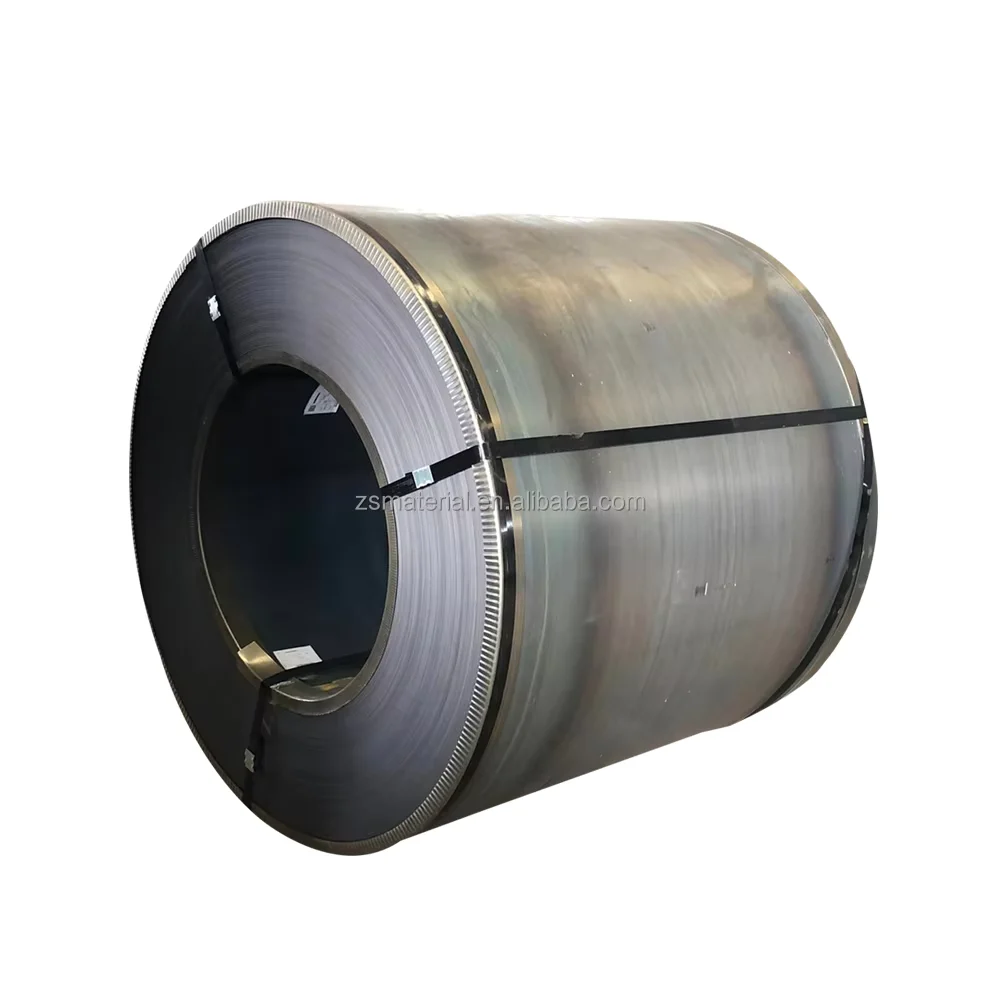
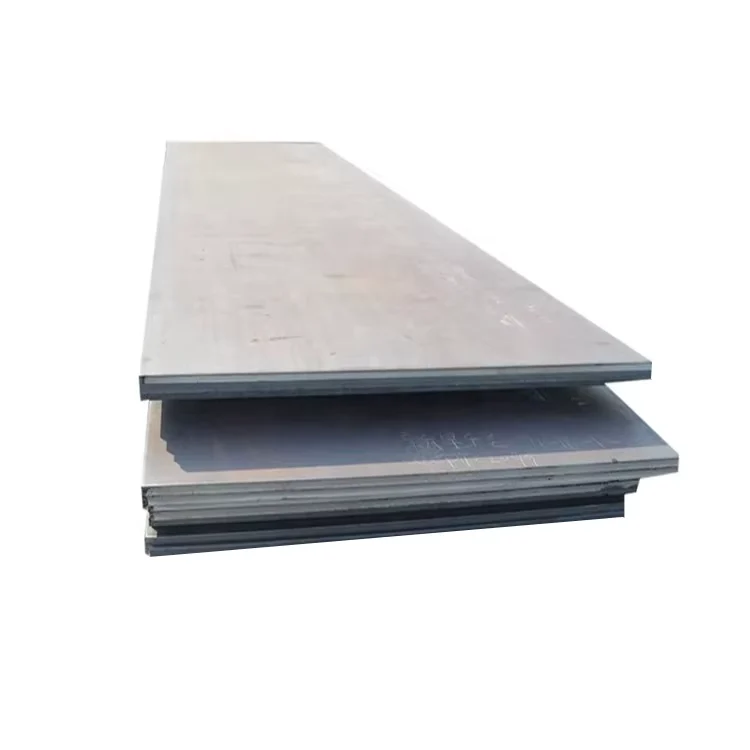
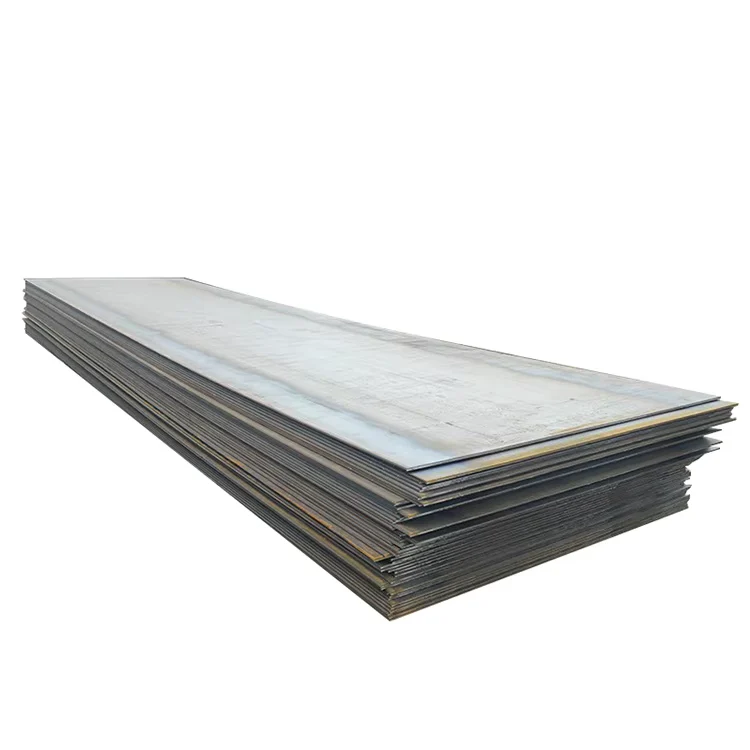
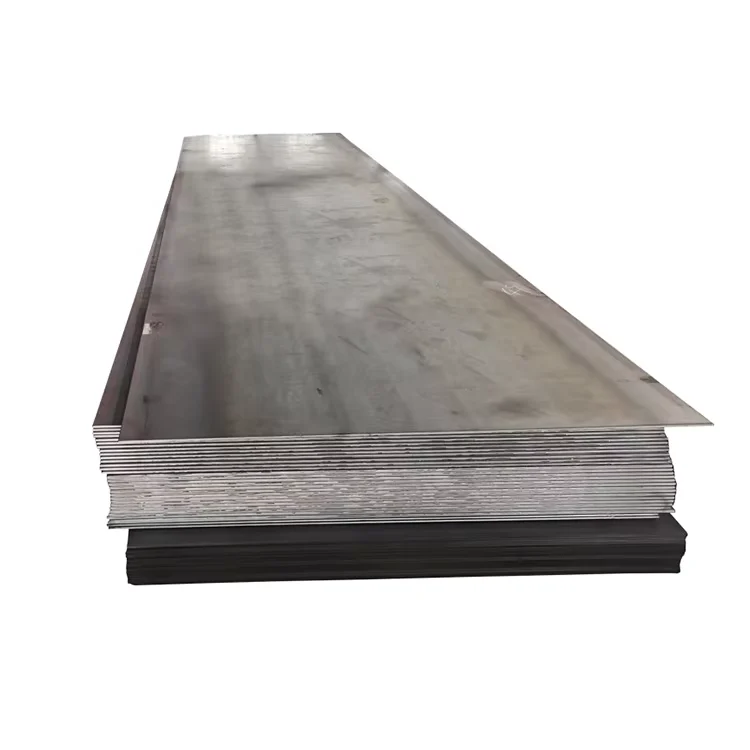
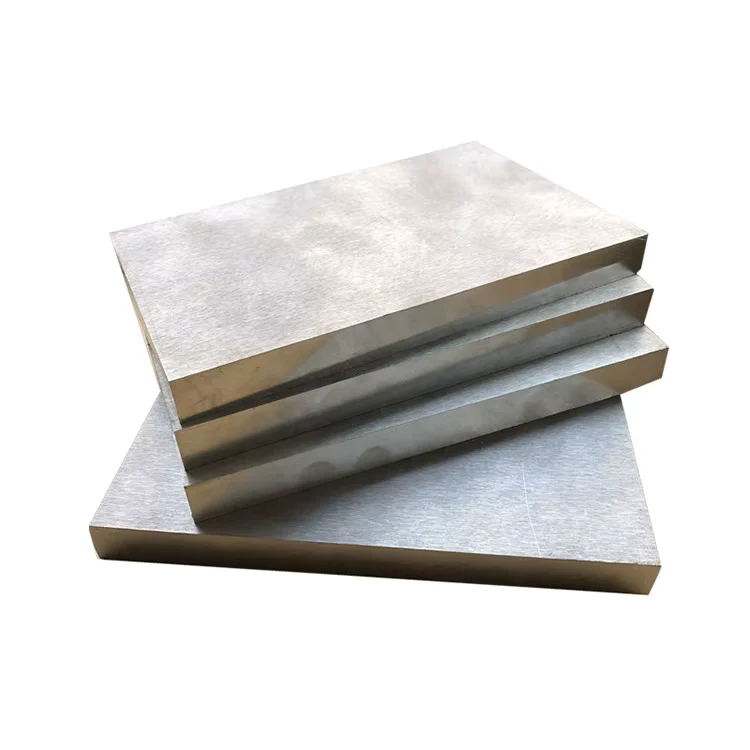
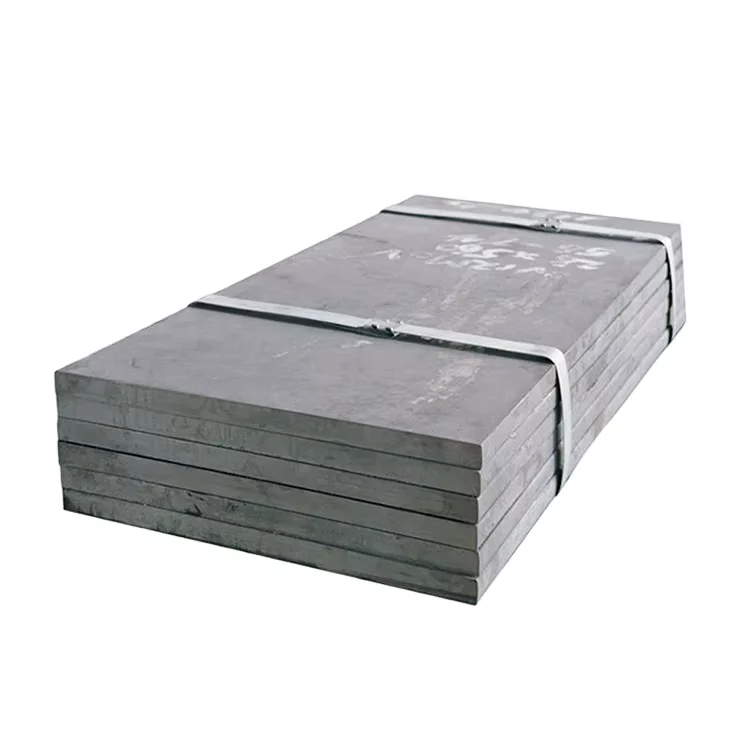
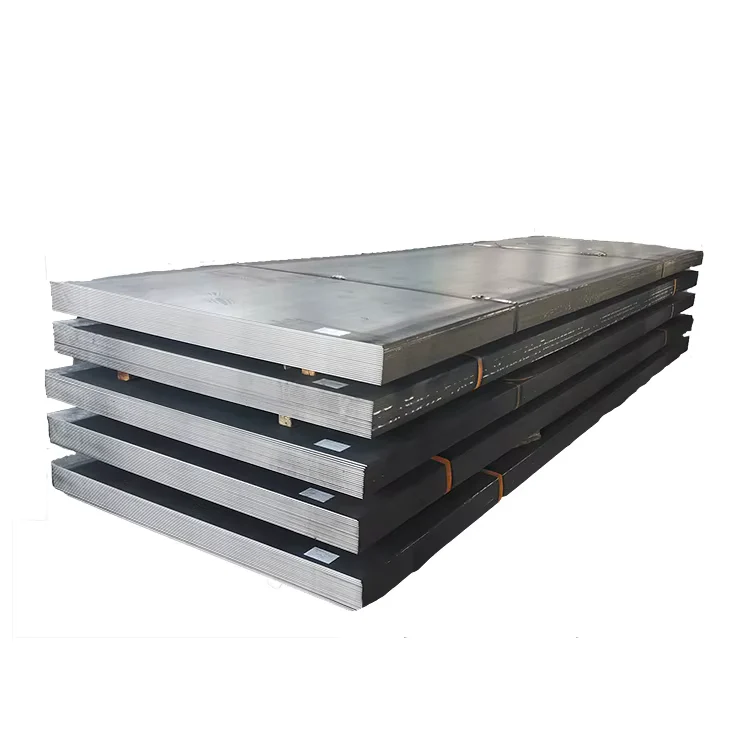
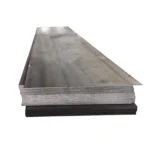
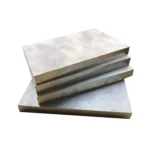
Factory-Direct Carbon Steel Plates — Hot-rolled Q345, S45C, and 65Mn plates processed in-house with laser cutting, bending, and welding, shipped with original mill test certificates.
Technical Specifications
| Parameter | Value |
|---|---|
| Designation | Q345 Carbon Steel Plate (Manganese Wear-resistant, 45# / Q345) |
| Product Type | Steel Plate |
| Steel Grade | Q195, Q215, Q235, Q345, SS490, SM400, SM490, SPHC, SPHD, SPHE, SPHF, SAE1002, SAE1006, SAE1008, SAE1010, S25C, S35C, S45C, 65Mn, SPHT1, SPHT2, SPHT3, SPHT4, QstE |
| Standard | ASTM, BS, DIN, GB/T, JIS |
| Thickness | 0.2–18 mm |
| Width | 610 / 760 / 840 / 900 / 914 / 1000 / 1200 / 1250 mm |
| Thickness Tolerance | ±0.02 mm |
| Width Tolerance | ±2 mm |
| Technique | Hot Rolled |
| Surface Treatment | Coated / Galvanized / Iron gray (low carbon), brown (special alloy / high carbon), partial ochre (weather resistance), temperature oxidation pattern |
| Processing Service | Laser Cutting, Bending, Welding, Decoiling, Punching |
| Special Use | High-Strength Steel Plate / Manganese Wear-resistant |
| Application | Shipbuilding / Automobile / Bridges / Buildings / Machinery / Pressure vessels / Boiler / Structural fabrication |
| MOQ | 1 Ton |
| Origin | Shandong, China |
Application Suitability
| Industry | Typical Applications |
|---|---|
| Construction & Infrastructure | Bridge gusset plates, building structural frames, scaffold base plates, embedded steel components |
| Machinery Manufacturing | Boiler shells, pressure vessel end caps, conveyor roller brackets, crane boom side plates |
| Shipbuilding & Automotive | Hull reinforcement plates, deck stiffeners, chassis cross-members, cargo bed floor liners |
| Industrial Equipment | Mining chute liners, hopper wear plates, silo structural panels, platform grating supports |
What Thickness Tolerance Costs on a Laser-Cut Structural Frame Order
±0.02 mm thickness control across 0.2–18 mm plates keeps CNC nesting accurate and weld gaps consistent.
When you order Q345 carbon steel plate cutting processing supplier services for a structural frame, even a 0.1 mm thickness drift on an 18 mm plate means the laser cut profile shifts — bolt holes misalign by half a pitch, and the entire assembly needs re-drilling on site. I have seen container loads of pre-cut plates arrive at a Middle East project where the supplier’s thickness tolerance was ±0.5 mm instead of the specified ±0.02 mm; the plates were technically within “commercial tolerance” but unusable for precision structural connections. [NEED_CITE: hot-rolled steel plate thickness tolerance standards per GB/T 709] Add missing mill test certificates on top of that, and customs holds the shipment for weeks. The real cost is never the steel price — it is the idle crane, the delayed welders, and the re-cut plates you have to air-freight at ten times the ocean freight rate.
Matching Q345 and 65Mn Plates to Heavy-Duty Engineering Applications
Q345 carbon steel plate cutting processing supplier capabilities matter most when the application demands both structural strength and dimensional precision. For bridge gusset plates and pressure vessel end caps, the Q345 grade delivers higher yield strength than Q235 while maintaining weldability — critical when the fabricator is doing submerged arc welding on 16 mm plates. For mining chute liners and hopper wear surfaces, 65Mn manganese plates resist abrasion far longer than standard carbon steel, and our in-house laser cutting holds edge squareness within ±0.5 mm so the liner segments bolt together flush. We process plates from 0.2 mm SPHC for automotive stamping blanks up to 18 mm Q345 for structural fabrication, all from the same Jinan facility — one purchase order, one set of mill certificates, one container loading plan.
Engineering Compliance and Certification Requirements for Carbon Steel Plates
Structural steel plates used in load-bearing frames, pressure vessels, and bridge components must comply with EN 1993, AISC 360, or equivalent national codes that reference specific steel grade certifications. [NEED_CITE: EN 10025 hot-rolled structural steel product standard requirements] For EU-bound shipments, CE marking per EN 10210/10219 and factory production control (FPC) certification are mandatory for customs clearance — without them, the plates sit at Rotterdam or Hamburg until the importer provides compliant documentation. In North America, ASTM A36 or A572 equivalents are expected, and the mill test certificate must trace each plate back to its heat number. Surface treatment selection also affects compliance: galvanized plates for outdoor structural frames need coating thickness verification per ISO 1461, while hot-rolled plates with mill scale for indoor machinery bases require no additional coating but must carry the original rolling identification. Our three-stage in-house lab inspection covers chemical composition, dimensional tolerance, and surface quality before any plate leaves the production line.
Steel Grade Selection and Hot-Rolling Process for Carbon Steel Plates
The Q-series grades (Q195 through Q345) follow the Chinese GB/T system where the number indicates minimum yield strength in MPa — Q345 delivers roughly 345 MPa yield, making it the workhorse grade for structural frames, bridges, and heavy machinery bases. The S-series (S25C, S35C, S45C) are carbon structural steels where the number indicates approximate carbon content in hundredths of a percent; S45C at 0.45% carbon offers higher hardness for shaft and gear applications but reduced weldability compared to Q235. The 65Mn grade is a manganese spring steel with approximately 0.65% carbon and 1.0% manganese, valued for wear resistance in mining and aggregate processing equipment. Hot-rolling at temperatures above 900°C produces the characteristic iron gray surface on low-carbon grades and brown oxidation on higher-carbon or alloy grades — this mill scale actually provides temporary corrosion resistance during storage and transit. Thickness tolerance of ±0.02 mm across the 0.2–18 mm range is achieved through controlled rolling passes and online gauge measurement, which matters when plates are nested for laser cutting with minimal kerf allowance.
Hidden Costs of Buying Carbon Steel Plates Without Verified Tolerances and Certificates
Ordering plates based on price alone, without confirmed thickness tolerance and valid mill test certificates, creates costs that never appear on the purchase order. Plates that exceed commercial tolerance by even 0.3 mm on a 12 mm nominal thickness will not fit into CNC-cut slots, forcing the fabricator to grind or re-cut every piece. Missing heat number traceability means the inspector rejects the entire batch during structural steel acceptance — and replacing 20 tons of Q345 plates at project-stage pricing costs significantly more than the original order. [NEED_CITE: consequences of non-compliant steel materials in structural engineering projects] Certification gaps — no CE mark for EU, no SGS or BV inspection report for government tenders — result in customs detention, demurrage charges, and missed project milestones. The plate itself may be chemically correct, but without the paper trail, it is legally unusable.
Why Global Buyers Source Q345 Plates Directly from Our Jinan Facility
We operate three production lines in Jinan with a rolling and processing capacity exceeding 20,000 tons monthly, meaning your Q345 carbon steel plate cutting processing supplier order goes straight from our mill to your container — no trading company margin, no secondary handling. Every batch carries original mill test certificates documenting chemical composition and mechanical properties, and we arrange SGS or BV third-party inspection on request for projects that require independent verification. Our inventory covers 2,800+ specifications across plates, tubes, sections, and coils, so a single container can combine Q345 structural plates, S45C machined blanks, and 65Mn wear liners — consolidated loading reduces your freight cost per ton. We handle the full export documentation package including packing lists, bills of lading, and certificates of origin, and our loading team optimizes container weight distribution for heavy plate shipments to prevent shifting during ocean transit. Long-term partners receive volume-based pricing reviews every six months, and our flexible MOQ starts at 1 ton — small enough for trial orders, scalable to full-container bulk.
Documentation & Compliance
- Mill Test Certificate documenting Q345, S45C, or 65Mn chemical composition and mechanical properties per GB/T 1591 or equivalent standard, with heat number traceability
- CE certificate per EN 10210/10219 and Factory Production Control (FPC) documentation for EU market customs clearance
- ISO 9001:2015 quality management system certificate covering the full plate rolling and processing workflow
- SGS or BV third-party inspection report available on request, covering dimensional tolerance, surface quality, and coating thickness for galvanized plates
- Material traceability report linking each plate to its original heat number, rolling date, and chemical analysis
- Complete customs documentation package: commercial invoice, packing list, bill of lading, and certificate of origin
Packaging, Loading & Delivery
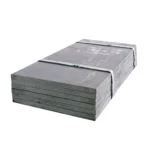
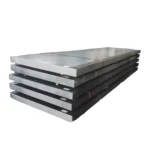
- Hot-rolled Q345 and 65Mn plates bundled with steel strips and edge protectors to prevent coating damage and edge deformation during ocean transit
- Galvanized plates wrapped in waterproof paper and plastic film to preserve the zinc coating; mill-scale plates shipped with anti-rust oil coating for humid climate destinations
- Container loading optimized for 0.2–18 mm plate thickness range — heavy 16–18 mm plates loaded at the bottom with lighter gauge sheets on top to maintain weight distribution within a 20ft or 40ft container
- Laser-cut and punched plates separated by wooden spacers and labeled with heat number, steel grade, and project tag to prevent mixing on site
- Custom length cutting available per project drawing, with cut pieces bundled and marked individually for direct installation without secondary sorting
- FOB, CIF, and DDP shipping terms available; professional export team handles customs clearance and door-to-door logistics coordination
Start Your Q345 Plate Order with Verified Specifications
Send your plate dimensions, steel grade, quantity, and destination port — we return a detailed quotation with volume pricing, processing options, and delivery timeline within 12 hours. Request original mill test certificates and SGS/BV inspection reports before committing, and confirm container loading plans for multi-grade consolidated shipments.
Get Your Q345 Carbon Steel Plate Quote with Mill Test Certificates
Submit your specifications via email at admin@sdxinjiyuan.com or WhatsApp at +86 188 5315 7756 to receive factory-direct pricing and certification documentation.
Frequently Asked Questions
Q: What is the difference between Q345, S355, and ASTM A572 Grade 50?
A: These are equivalent structural steel grades across different standard systems — Q345 follows Chinese GB/T 1591, S355 follows European EN 10025, and ASTM A572 Grade 50 follows the American standard. All three deliver approximately 345–355 MPa minimum yield strength and are used interchangeably in structural frames, bridges, and heavy machinery. We supply plates meeting any of these standards with corresponding mill test certificates.
Q: Can you laser-cut Q345 plates to custom dimensions, and what is the minimum order?
A: Yes, our in-house laser cutting, bending, and welding services handle Q345, S45C, 65Mn, and other grades from 0.2 mm to 18 mm thickness. The minimum order quantity is 1 ton, which supports both trial orders and small-batch project procurement. Custom cut pieces are bundled and labeled individually for direct site installation.
Q: What surface treatment options are available for hot-rolled carbon steel plates?
A: Hot-rolled plates come with the natural mill scale finish — iron gray for low-carbon grades like Q195 and Q235, brown for higher-carbon grades like S45C and 65Mn. We also offer galvanized coating for corrosion protection in outdoor applications, and custom painted or coated finishes per project specification. Surface treatment choice depends on the application environment and project compliance requirements.
Q: What documents do I need for customs clearance when importing carbon steel plates?
A: Standard export documentation includes the commercial invoice, packing list, bill of lading, and certificate of origin. For EU markets, CE certification per EN 10210/10219 and Factory Production Control documentation are mandatory. Every shipment includes original mill test certificates with heat number traceability. Third-party inspection reports from SGS or BV are available on request for government tenders and quality-critical projects.
Q: How do you optimize container loading for heavy steel plate shipments?
A: Our loading team plans weight distribution based on plate thickness and dimensions — heavier 16–18 mm plates are positioned at the container floor, with lighter gauge sheets stacked above. Custom-cut pieces are separated by wooden spacers and secured with steel straps to prevent shifting during transit. We consolidate multi-grade orders into single containers to reduce freight cost per ton and simplify customs clearance at destination.
Ship Your Q345 Carbon Steel Plate Order with Full Certification Support
Contact us at admin@sdxinjiyuan.com or +86 188 5315 7756 to submit your plate specifications and receive factory-direct pricing with mill test certificates.