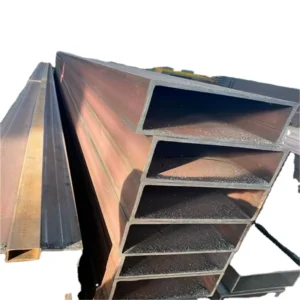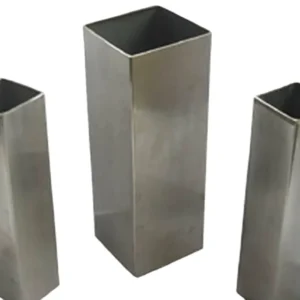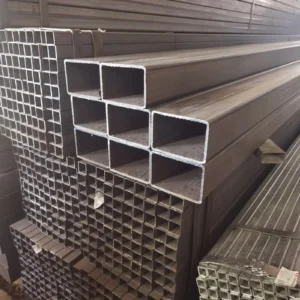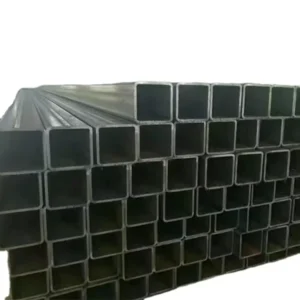
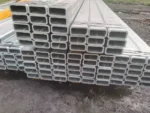
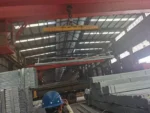
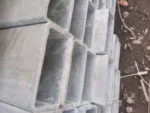
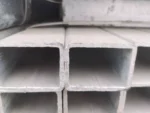
Description
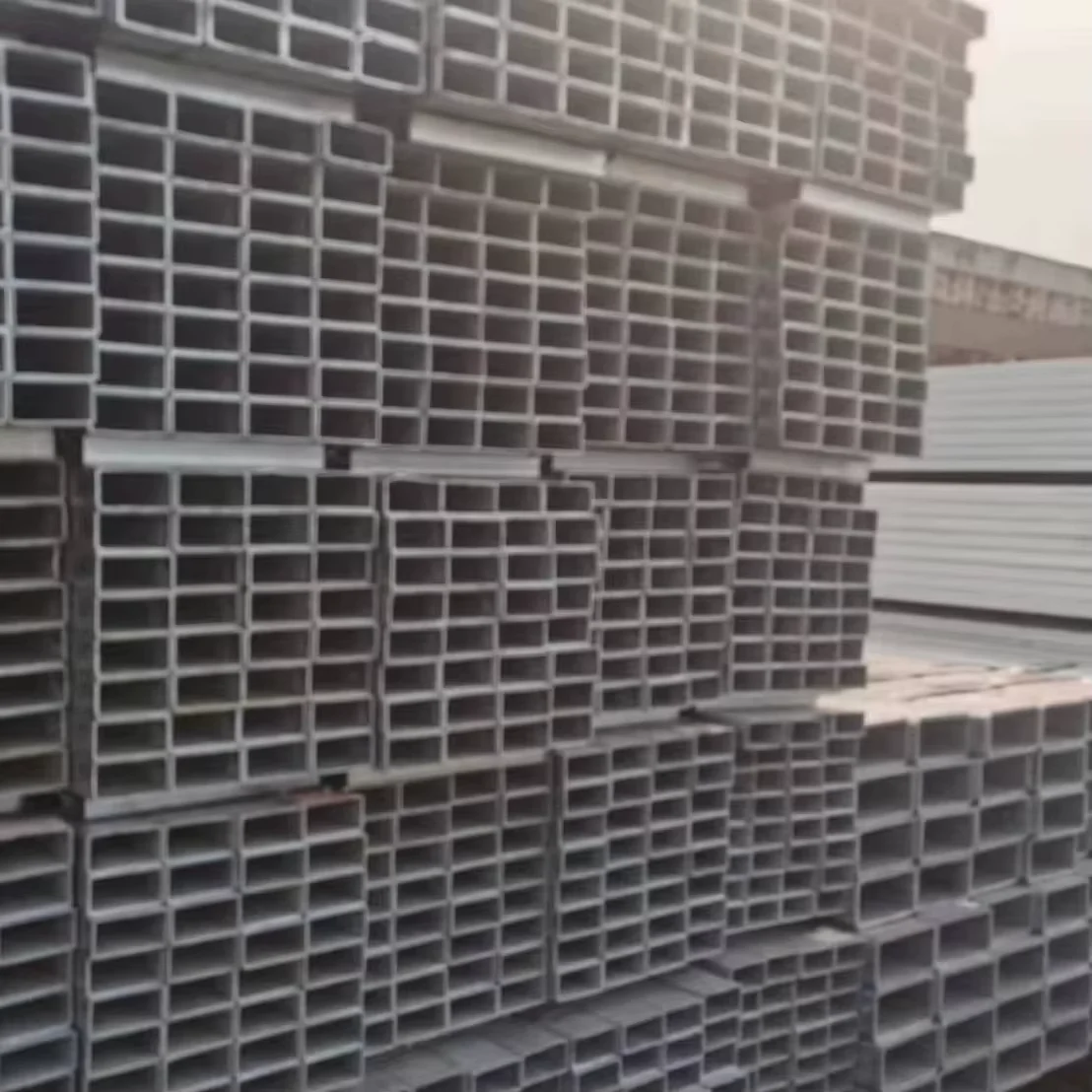
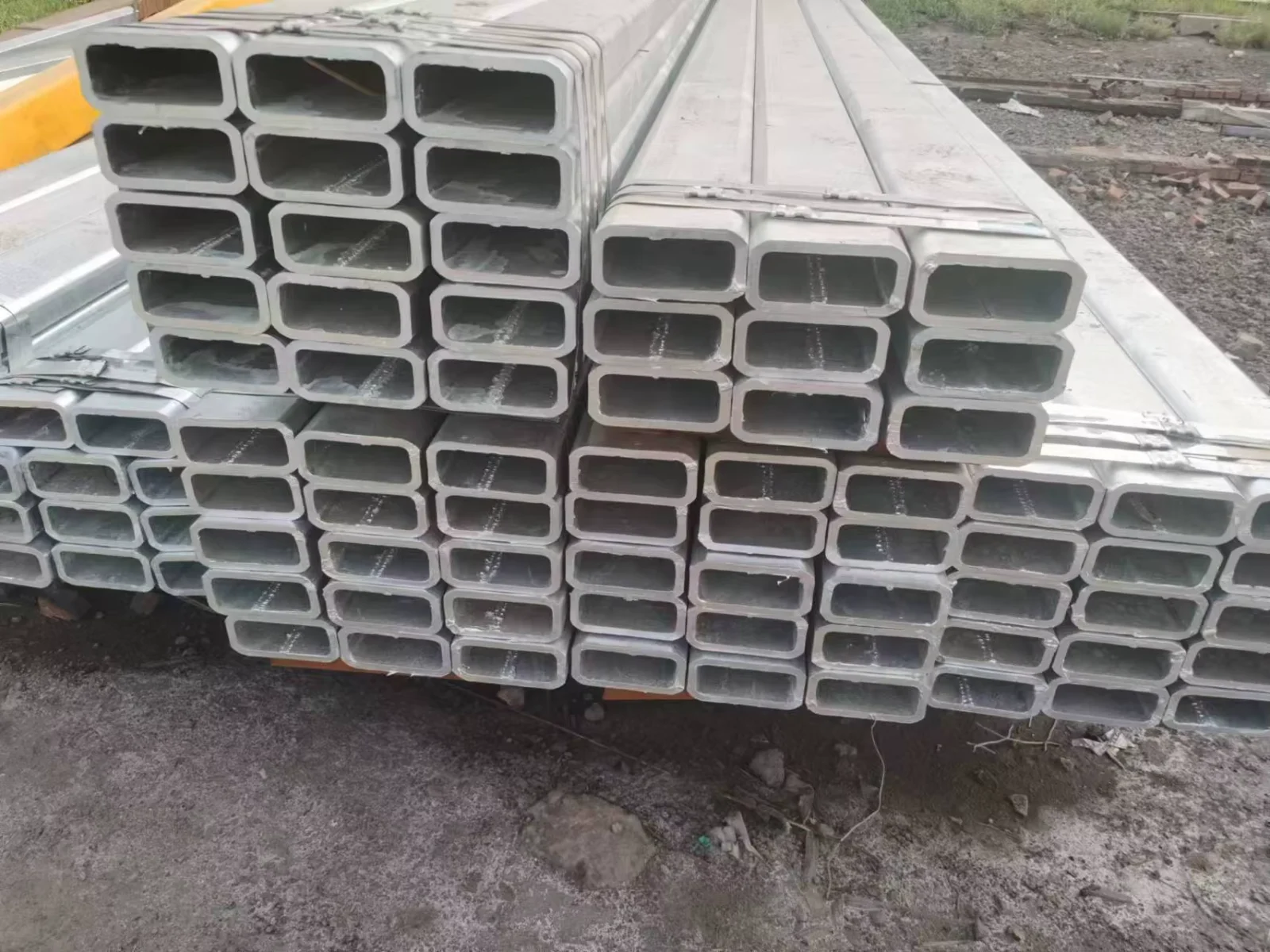
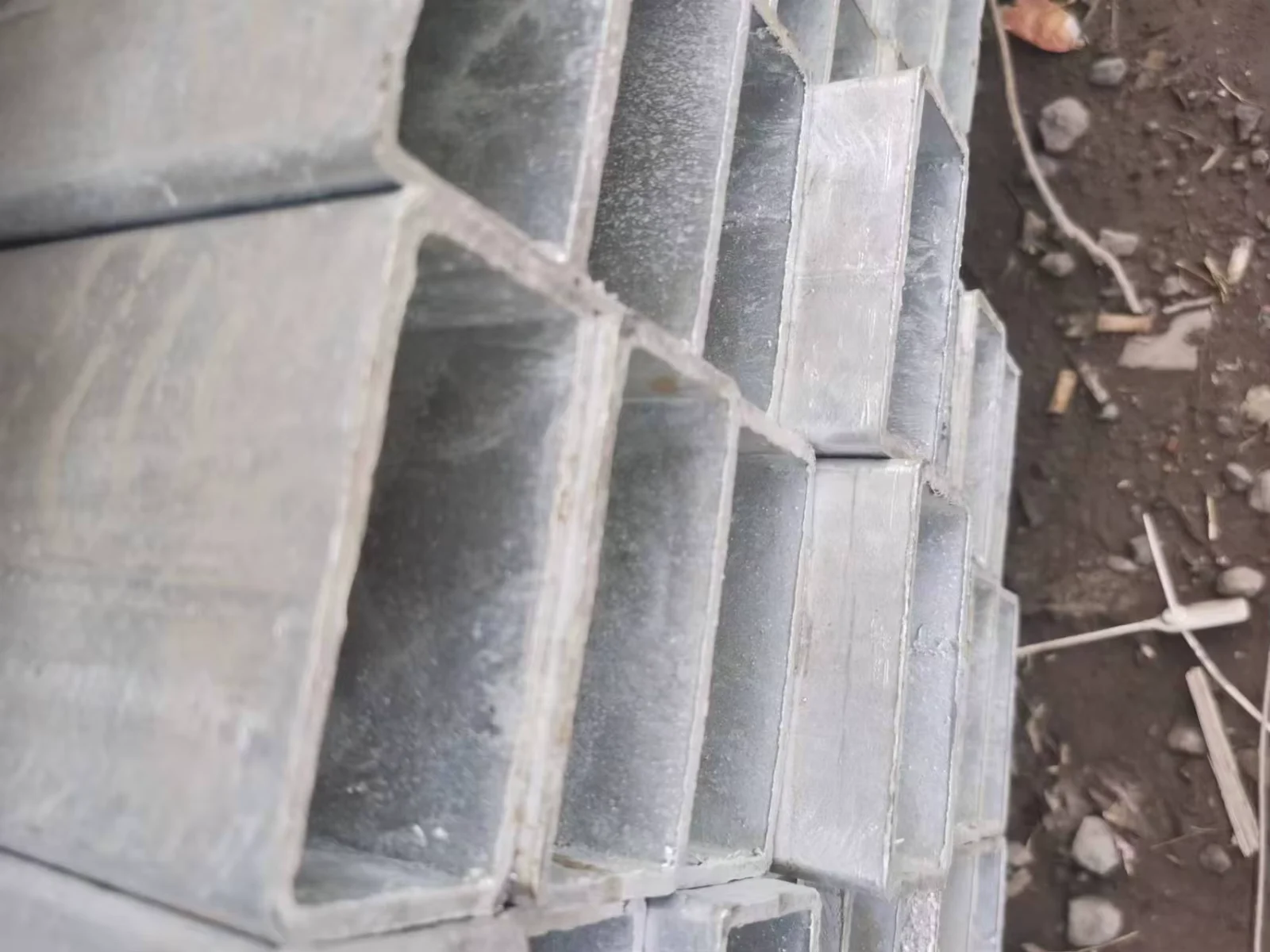
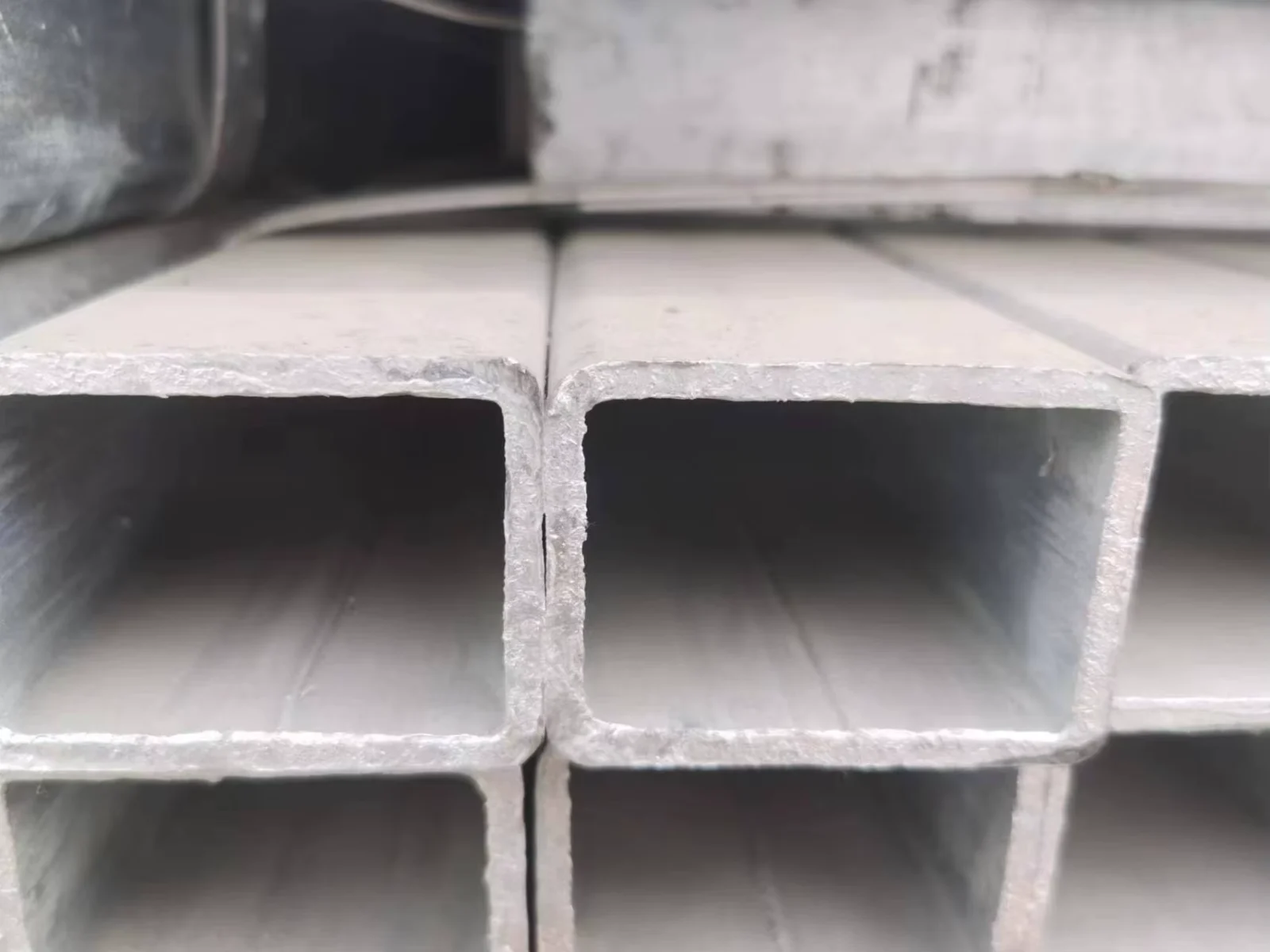
Factory-direct hollow sections — every Q235B and Q345B batch rolls off our own lines with original mill test certificates, cutting out trading markups for structural buyers.
Technical Specifications
| Parameter | Value |
|---|---|
| Designation | Q235B/Q345B Carbon Steel Square/Rectangular Hollow Section |
| Product Type | Square / Rectangular Steel Tube (Hollow Section) |
| Steel Grade | Q195, Q235, Q235B, Q345, Q345B, Q460, SS330, SS400, SS540 |
| Standard | ASTM |
| Section Shape | Square, Rectangular, Round |
| Wall Thickness | 0.5–200 mm |
| Length | 12 m |
| Technique | Cold Rolled / Hot Rolled |
| Surface Treatment | Galvanized / Bare / Customizable |
| Tolerance | ±1% |
| Processing Service | Welding, Punching, Cutting, Bending, Decoiling |
| Application | Fluid Pipe, Boiler Pipe, Drill Pipe, Hydraulic Pipe, Gas Pipe, Steel Structures, Construction Frames, Machinery |
| MOQ | 5 Tons |
| Origin | Shandong, China |
Application Suitability
| Industry | Typical Applications |
|---|---|
| Construction & Infrastructure | Building columns, bridge support frames, warehouse portal structures |
| Industrial Machinery | Hydraulic cylinder housings, conveyor support frames, crane booms |
| Energy & Utilities | Solar panel mounting structures, wind turbine base frames, gas distribution piping |
| Fluid Transport | Low-pressure gas lines, boiler feed pipes, drilling casings |
Where Wall-Thickness Tolerance Decides Structural Acceptance on ASTM Hollow Sections
A ±1% tolerance on a 200 mm wall sounds tight on paper — until the third container arrives at site with minus-side readings that fail ultrasonic gauging.
Global buyers ordering ASTM Carbon Steel Square Rectangular Hollow Section products from fragmented suppliers routinely face specification drift: wall thickness creeps toward the negative edge, steel grade markings do not match the heat number on the mill certificate, and galvanizing thickness varies between bundles within the same shipment [NEED_CITE: EN 10219 cold-formed hollow section dimensional tolerance requirements]. When a single project sources square tubes from one vendor and rectangular sections from another, coordination gaps multiply — different mill certificates, inconsistent surface treatment, and mismatched delivery windows that stall erection schedules. The cost is never just the steel; it is re-inspection, re-welding, and in worst cases, structural elements pulled down after failing load verification [NEED_CITE: consequences of dimensional deviation in structural hollow sections].
Matching Q345B Load Capacity to Structural Frame Demands
Structural frames in warehouses and industrial plants demand hollow sections that carry both axial compression and lateral wind loads without buckling. Q345B ASTM Carbon Steel Square Rectangular Hollow Section products deliver the yield strength step-up from Q235B needed for longer-span portal frames, while the ±1% wall tolerance keeps section modulus calculations reliable across every bundle. Our in-house bending and cutting services mean a single shipment arrives with beam-ready lengths — no secondary fabrication yard detours that add handling damage risk to galvanized surfaces.
Engineering Compliance Across Load Codes and Corrosive Environments
Load-bearing verification for hollow sections typically references AISC 360 or EN 1993-1-1, both of which require documented material properties traceable to heat numbers [NEED_CITE: ASTM A500 structural tubing compliance with AISC 360]. For projects in coastal or industrial atmospheres, the choice between hot-dip galvanized and bare hot-rolled finish determines maintenance intervals over a twenty-year service life. Q460 grades push into heavy-duty territory where wall thickness and corner radii directly affect weld preparation — a detail that separates shop-ready delivery from on-site rework. ASTM Carbon Steel Square Rectangular Hollow Section orders shipped with CE EN 10210/10219 documentation clear European customs without holds, while the same material with ASTM marking satisfies North American specifiers [NEED_CITE: steel grade equivalence mapping between ASTM and EN standards].
Reading the Steel Grade Ladder: Q195 to Q460 and What Each Step Means
The Q-series grading system ties directly to minimum yield strength in MPa — Q195 sits at the entry level for light gauge work, Q235B handles general structural framing, Q345B steps into medium-span bridges and heavy machinery bases, and Q460 covers high-load industrial applications. Cold rolled hollow sections hold tighter dimensional tolerance than hot rolled equivalents, making them preferable for visible architectural elements where surface flatness matters. Hot-rolled bare tubes accept paint and coating systems more readily than galvanized surfaces, which require specialized primers to ensure adhesion. Wall thickness tolerance at ±1% means a nominal 10 mm wall reads between 9.9 mm and 10.1 mm — tight enough for structural calculation confidence, yet wide enough to avoid the premium pricing of precision-ground tolerances that serve machining rather than construction.
The Hidden Cost of Accepting Material Without Verified Traceability
Pricing that undercuts the market by double digits usually signals one of three things: wall thickness sitting permanently at the negative tolerance edge, steel grade downgraded from what the certificate claims, or galvanizing thickness below the micron spec required for outdoor exposure. When a customs inspector opens a container and finds no legible heat number stamp on the tubes, or the mill test certificate references a different chemistry than the portable spectrometer reading, the entire shipment faces rejection — regardless of whether the steel would actually perform [NEED_CITE: import rejection rates for structural steel with incomplete documentation]. The real expense is not the replacement material; it is the crane standing idle, the erection crew sent home, and the liquidated damages clause triggered by missed handover dates.
Why Project Buyers Return for Repeated Hollow Section Orders
Every ASTM Carbon Steel Square Rectangular Hollow Section order rolls through three inspection stages in our own lab — dimensional verification, mechanical testing, and surface coating measurement — before the mill test certificate prints. We hold 2,800+ standard specifications in ready stock, meaning a 20-ton urgent order for Q345B 100×100×6 mm ships within days rather than weeks. Long-term partners receive volume discount reviews every six months, and consolidated container loading lets you mix square tubes, rectangular sections, and H-beams in one shipment without paying for half-empty containers. Third-party inspection through SGS or BV runs alongside our internal checks, giving your project engineer independent verification before the vessel loads. Professional export documentation handling means customs clearance papers, certificates of origin, and packing lists arrive accurate and complete — no port-side surprises.
Documentation & Compliance
- Mill test certificate documenting Q235B and Q345B chemical composition, yield strength, and tensile properties per ASTM requirements, traceable to heat number
- CE certificate covering EN 10210 hot-finished and EN 10219 cold-formed hollow sections for European market compliance
- ISO 9001:2015 quality management certificate covering the full production and inspection workflow
- SGS or BV third-party inspection report available upon request, verifying dimensional tolerance, coating thickness, and mechanical properties before shipment
- Material traceability sheet linking each bundle to its heat number, production date, and test results
- Complete customs documentation package including packing list, bill of lading, and certificate of origin formatted for destination port requirements
Packaging, Loading & Delivery
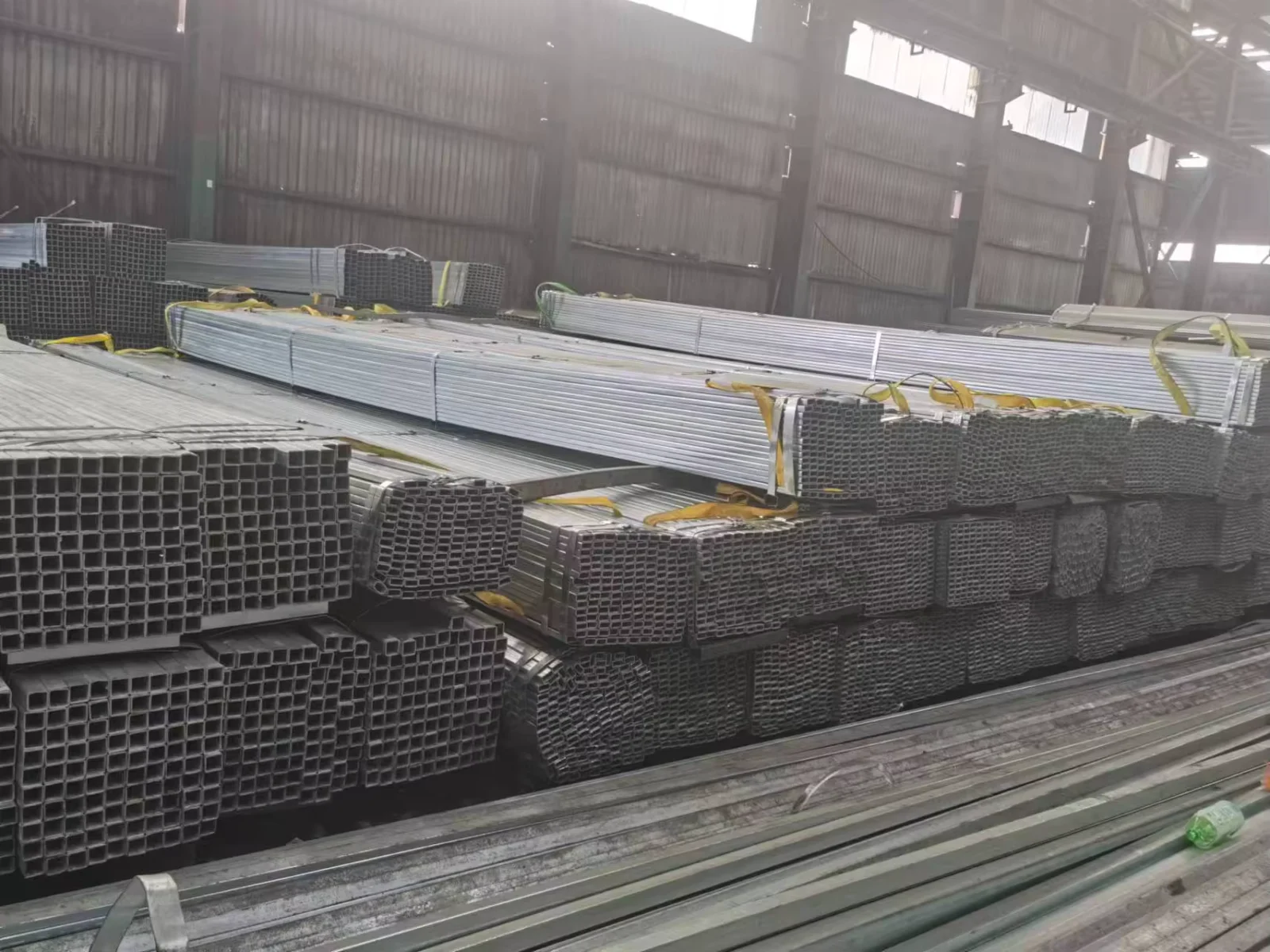
- Q235B and Q345B square and rectangular tubes bundled with steel strips and edge protectors, preventing zinc coating damage during ocean transit
- Galvanized hollow sections wrapped with waterproof paper and secured on wooden cradles, preserving surface finish through tropical humidity exposure
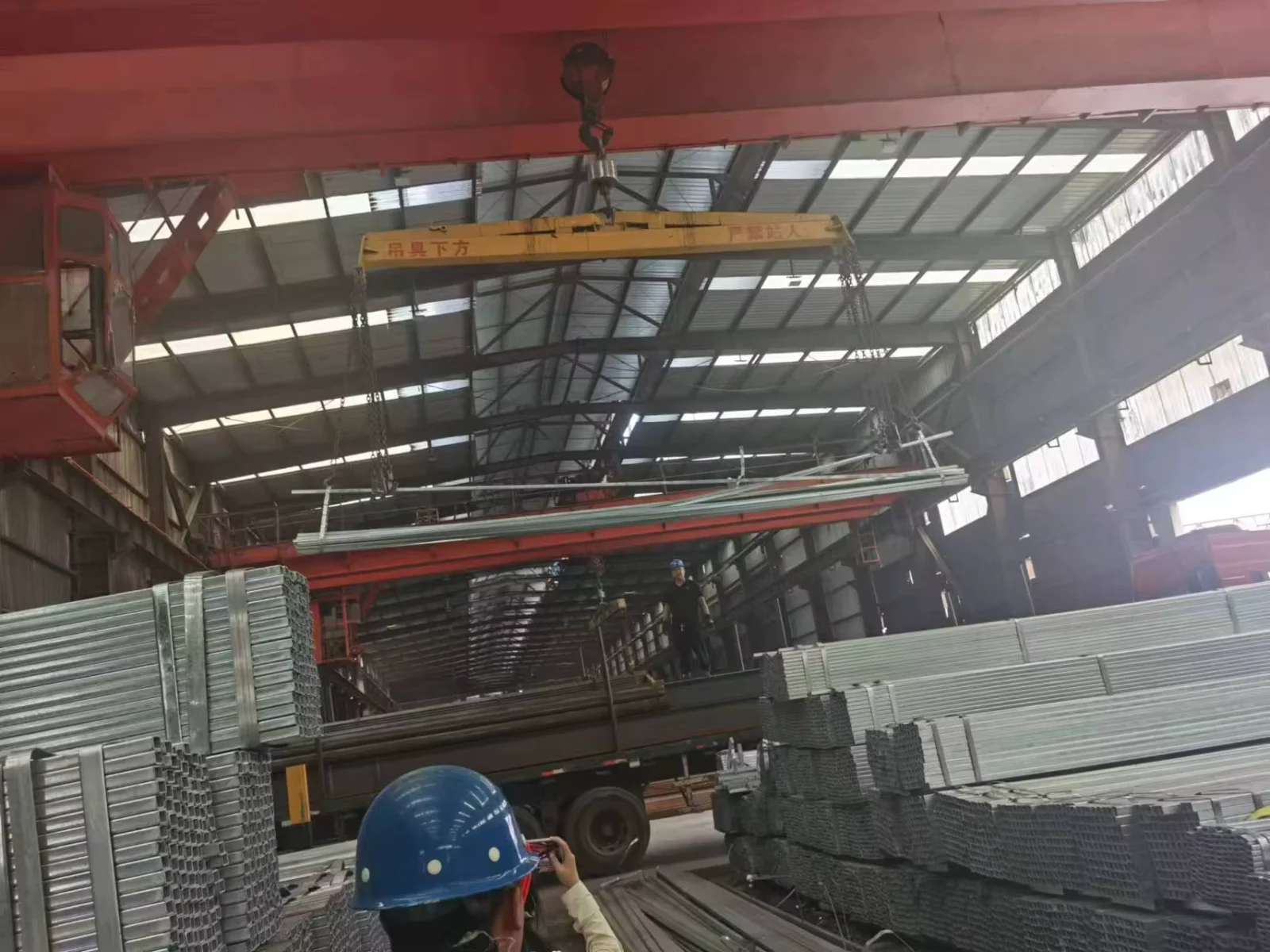
- 12-meter standard lengths loaded with optimized stowage plans, maximizing container payload while maintaining weight distribution for port handling equipment
- Custom-cut lengths from our in-house sawing and bending services packed separately on steel pallets, with each piece labeled by project drawing number
- Heat number and steel grade stenciled on every bundle face, visible without unpacking for rapid site identification and inspection
- FOB, CIF, and DDP shipping terms available, with door-to-door logistics coordinated for landlocked project sites across Africa and South America
Starting Your Hollow Section Procurement With Verified Documentation
Submit your specification sheet — section dimensions, wall thickness, steel grade, quantity, and destination port — and receive a detailed quotation with volume pricing, production timeline, and sample mill test certificate within twelve hours. Non-standard dimensions, custom bending radii, and mixed-container loading plans are scoped alongside the base material quote, so your project budget captures the full delivered cost rather than surprises at the fabrication stage.
Request Your ASTM Hollow Section Quotation With Mill Test Certificates
Send your specifications, steel grade requirements, and destination port to receive detailed pricing and material documentation.
Shandong Xin Jiyuan Special Steel Tube Co., Ltd
Tel: +86 531 8573 6315
Mobile/WhatsApp/WeChat: +86 188 5315 7756
Email: admin@sdxinjiyuan.com
Address: No.11889, Jingshi West Road, Lulian Group, Jinan City, Shandong Province, China
Frequently Asked Questions
Q: What is the difference between Q235B, Q345B, and Q460 grades for structural hollow sections?
A: The Q-series designation indicates minimum yield strength in MPa. Q235B serves general structural framing and light-load applications, Q345B handles medium-span bridges and heavy machinery bases with higher load capacity, and Q460 covers high-stress industrial structures. All three grades are available in square and rectangular hollow sections with full mill test certificates documenting chemical composition and mechanical properties.
Q: Can you provide third-party inspection and original mill test certificates for customs clearance?
A: Every shipment includes original mill test certificates traceable to heat numbers, covering chemical composition and mechanical test results. SGS or BV third-party inspection is available upon request, conducted at our facility before shipment to verify dimensional tolerance, coating thickness, and surface quality. Complete customs documentation including packing list, bill of lading, and certificate of origin is prepared by our export team.
Q: What is the MOQ for custom-cut square and rectangular tubes, and do you support split shipments?
A: Standard specifications carry a 5-ton minimum order quantity. Custom cutting, bending, and punching services are available with flexible MOQ depending on processing complexity. Split shipments against a blanket order are supported for long-term partners, allowing you to draw down inventory across multiple deliveries while maintaining volume pricing.
Q: How do you handle surface treatment options for outdoor applications?
A: Hot-dip galvanized coating provides corrosion protection for outdoor structural elements, solar mounting systems, and coastal environments. Bare hot-rolled or cold-rolled finish suits indoor applications or projects where field painting is specified. Custom coating requirements are reviewed case by case, with surface preparation and coating thickness documented in the mill test certificate.
Q: What are the lead times for standard stock sizes versus custom orders?
A: Standard specifications from our ready stock of 2,800+ sizes ship within days after deposit confirmation. Custom orders involving non-standard dimensions, special steel grades, or processing services typically follow typical production lead times, with exact scheduling confirmed during quotation based on current mill capacity and order complexity.