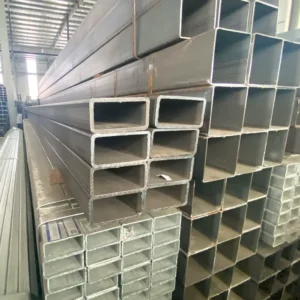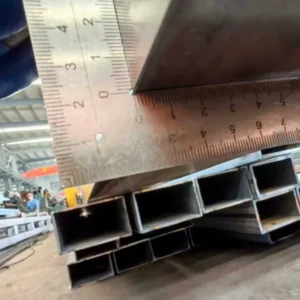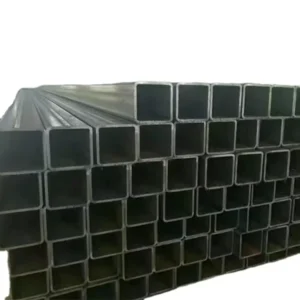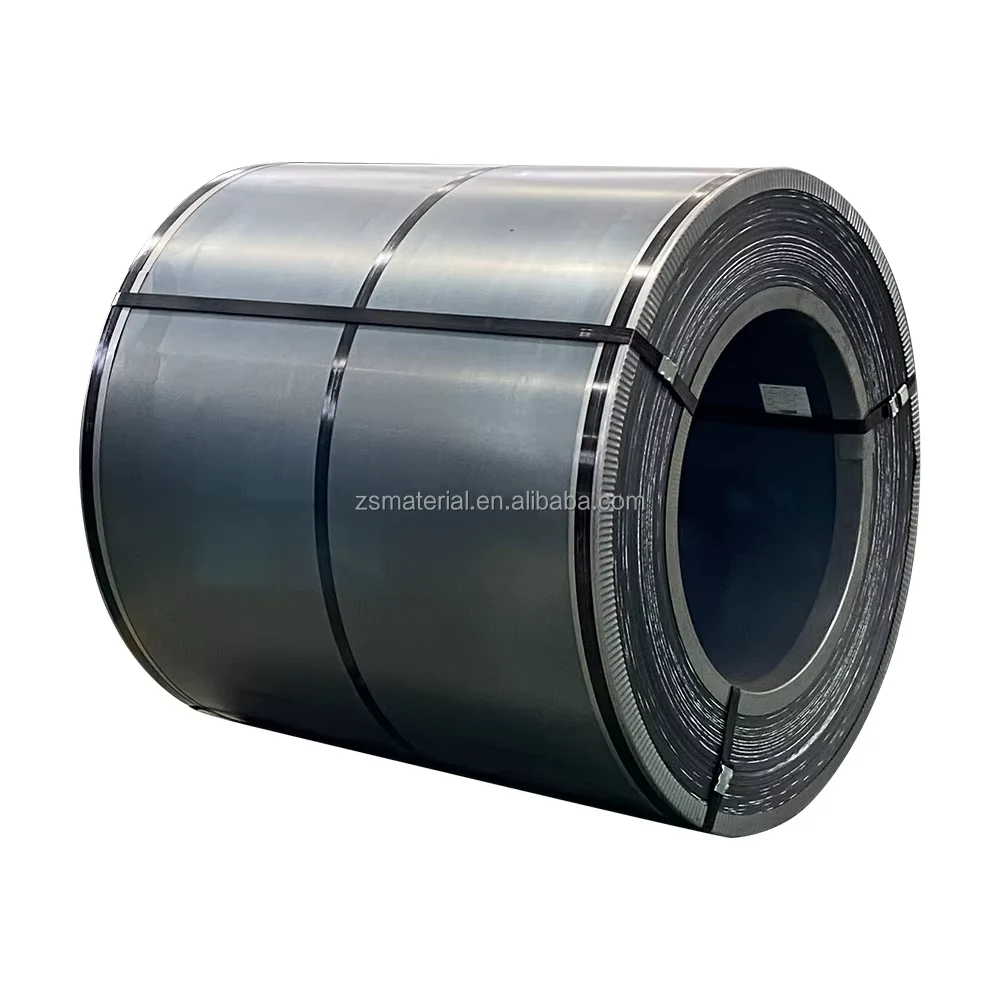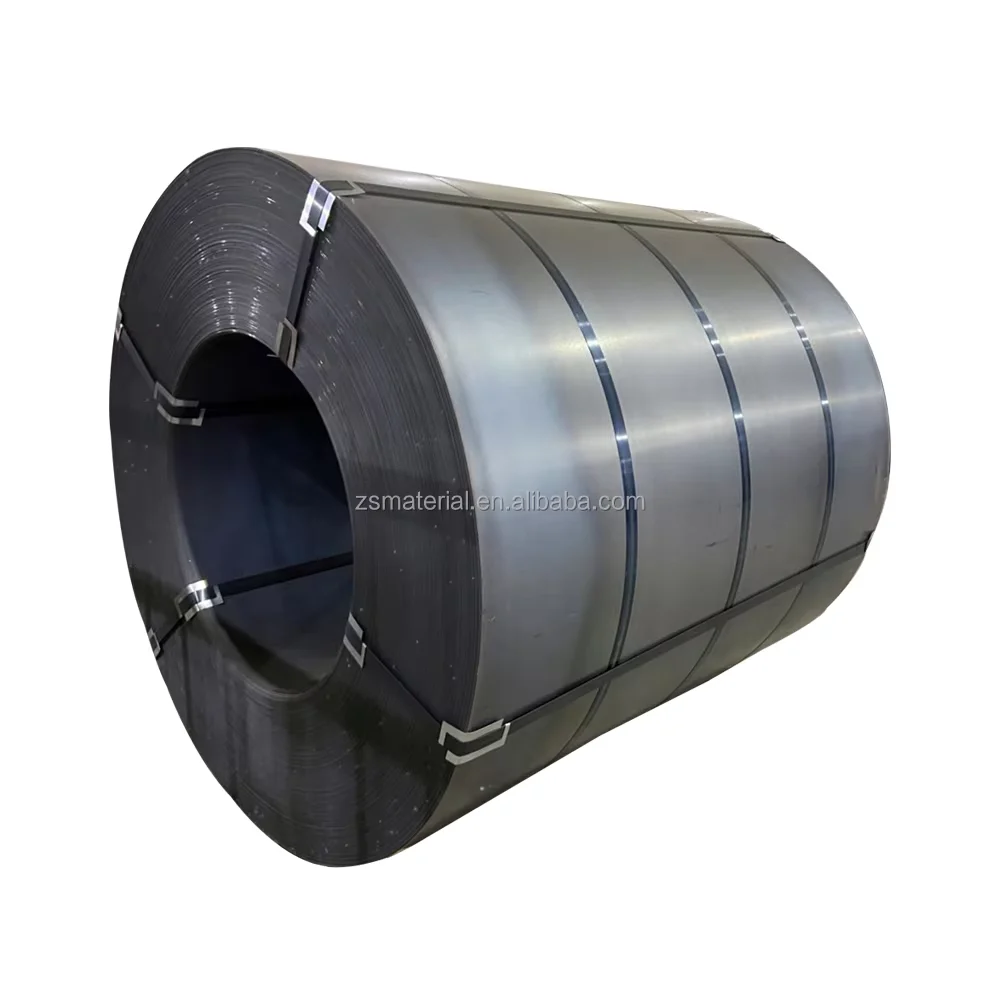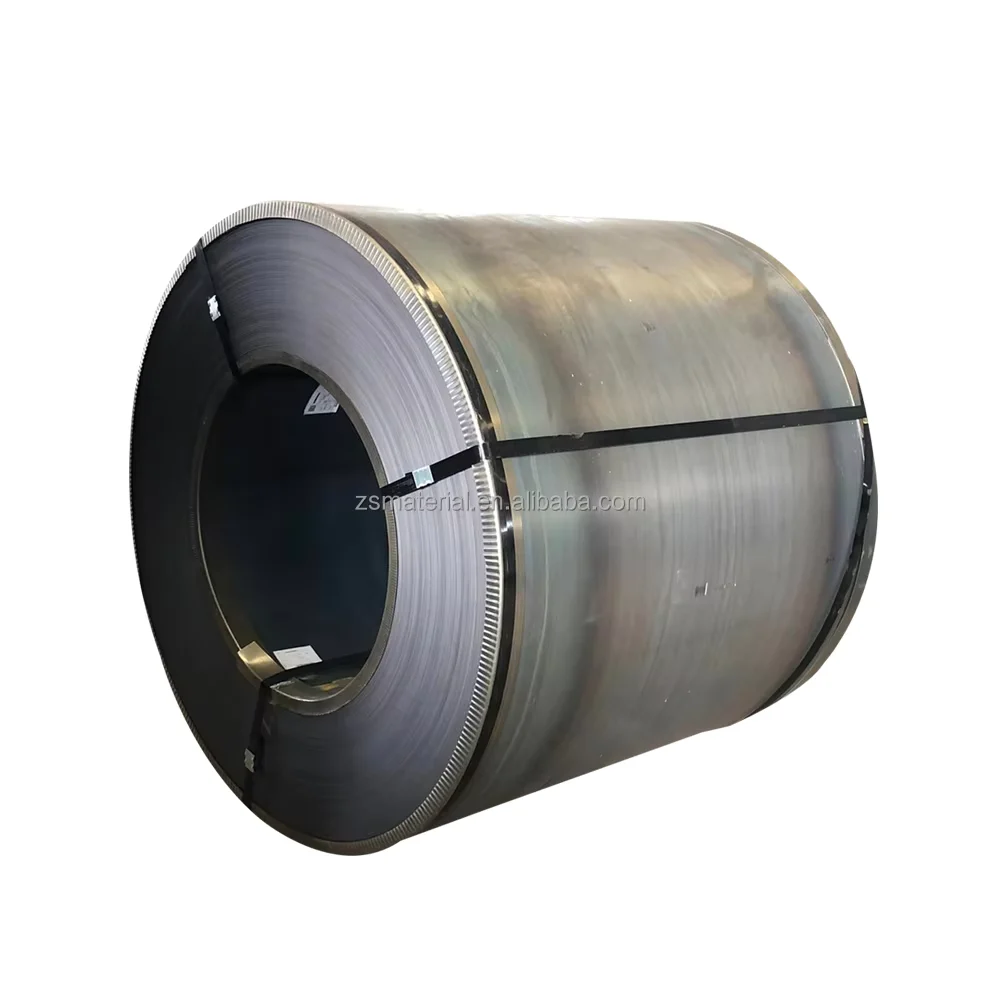
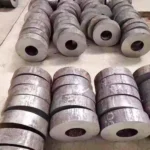
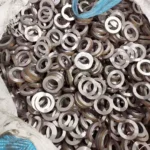
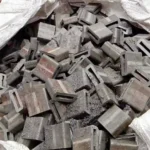
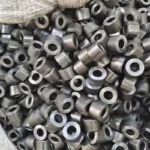
Description
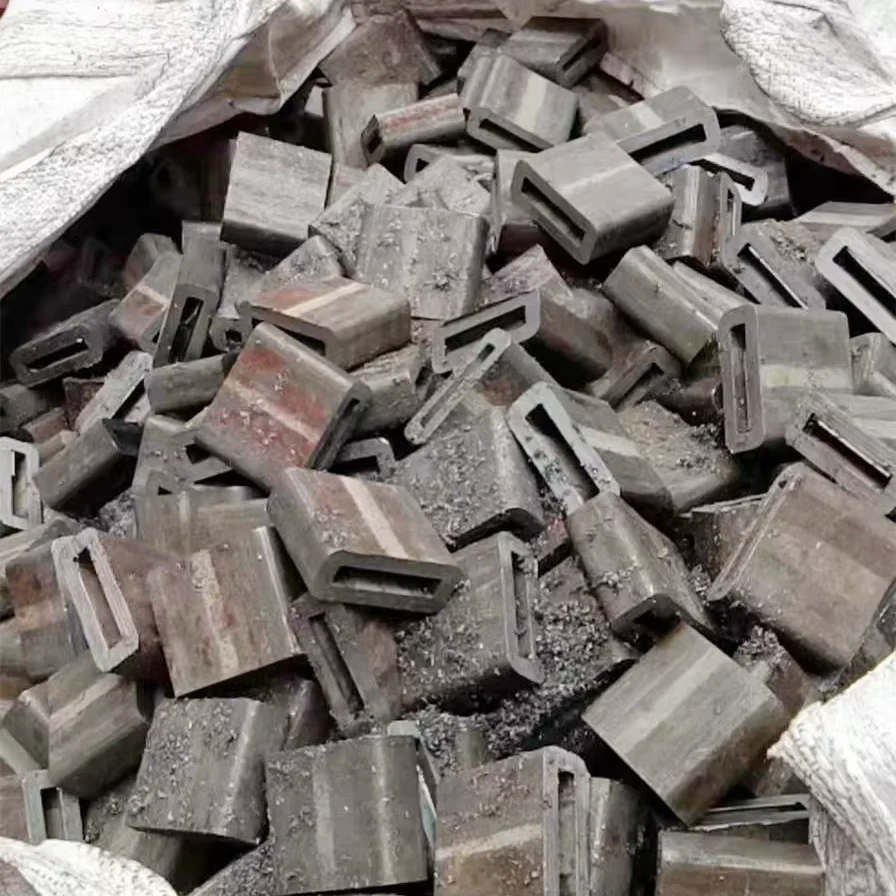
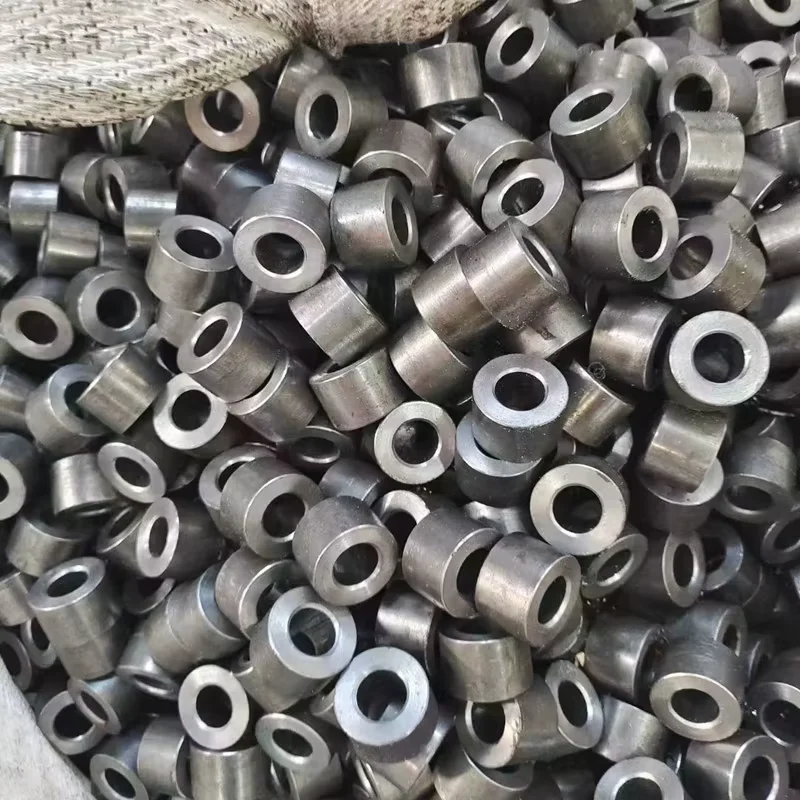
Factory-direct plate cutting — every Q235/Q345/SS400 sheet processed in-house with original mill certificates
Technical Specifications
| Parameter | Value |
|---|---|
| Designation | Q235/Q345/SS400 Carbon Steel Plate Cutting & Processing |
| Product Type | Steel Plate (Custom Cut & Machined) |
| Steel Grade | Q195, Q215, Q235, Q345, SS400, ASTM A500, 10#, 20# |
| Standard | EN, JIS, ISO 9001, CE (EN 10210/10219) |
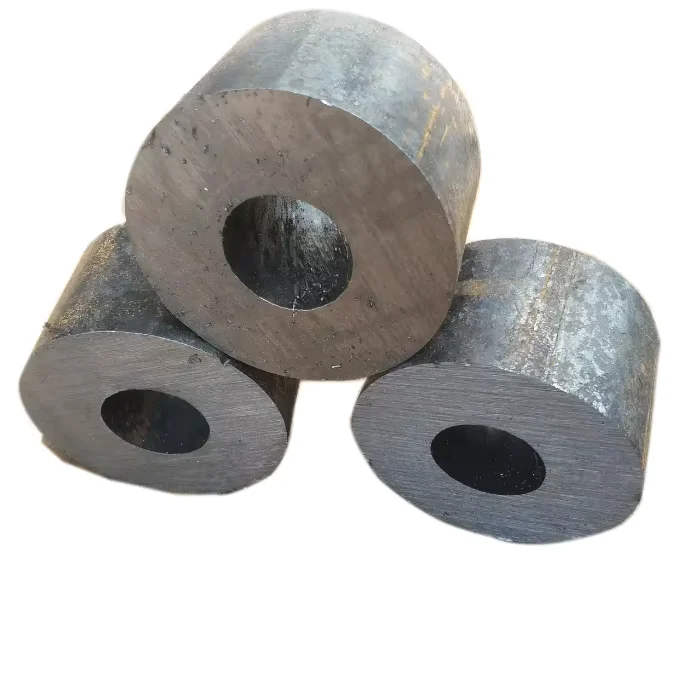
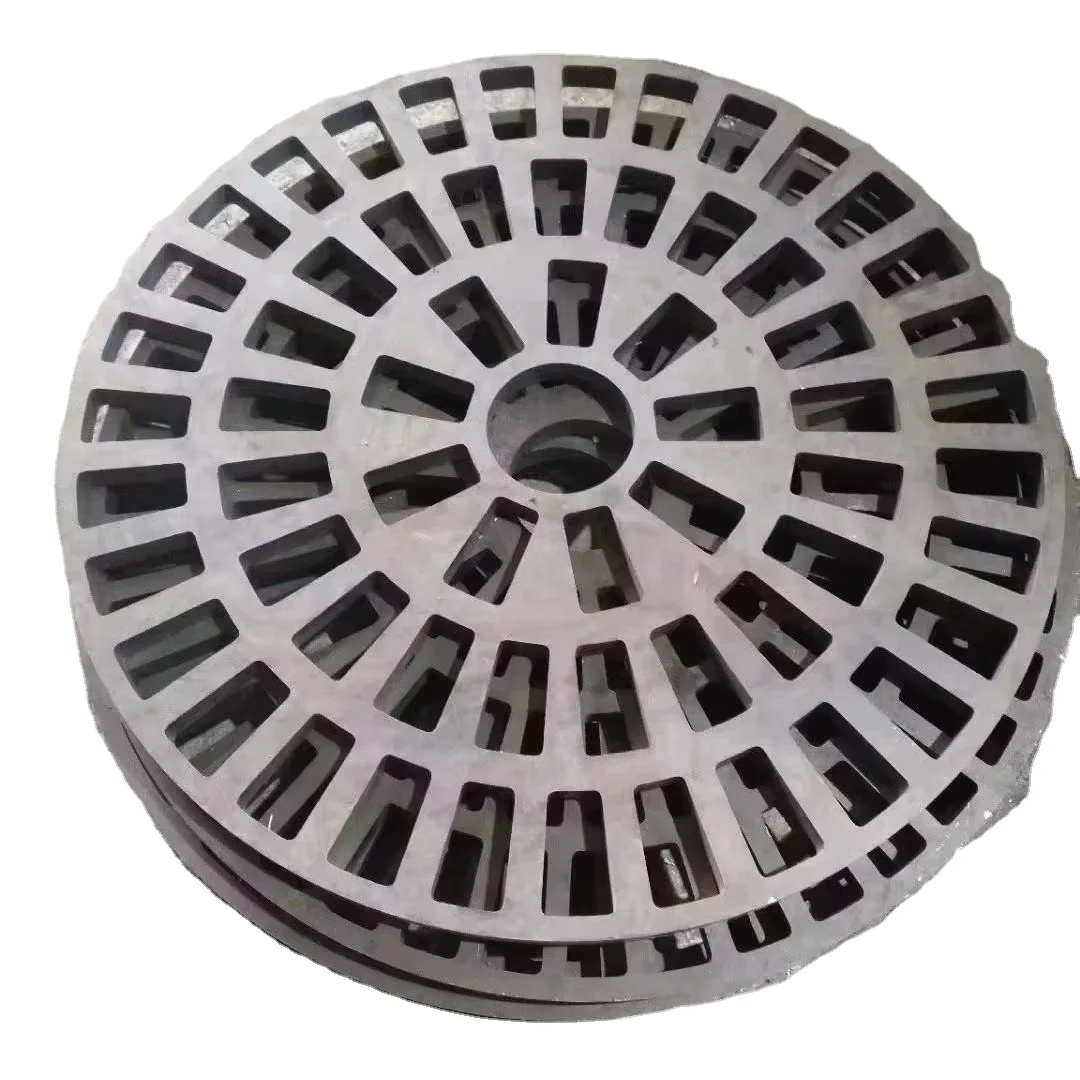
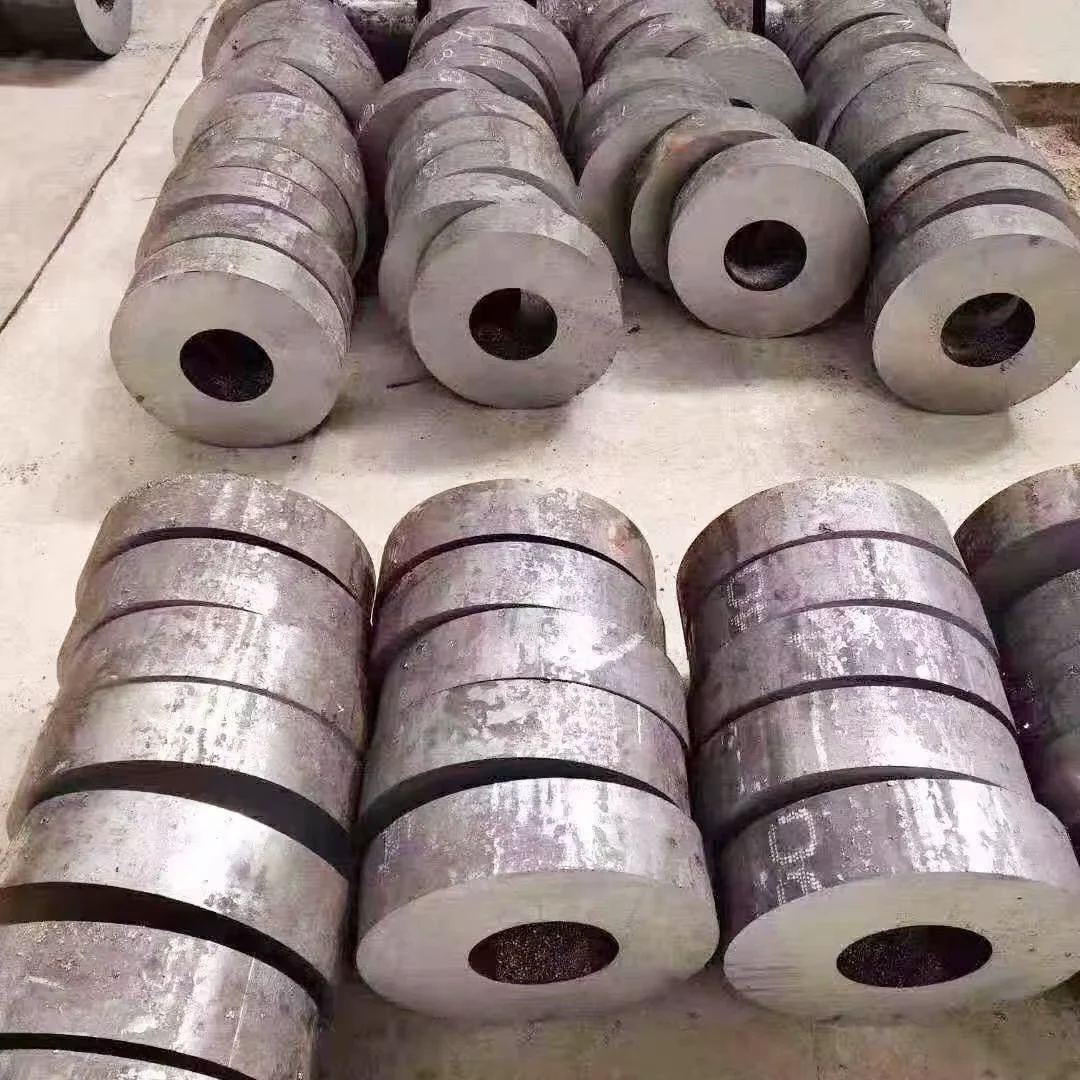
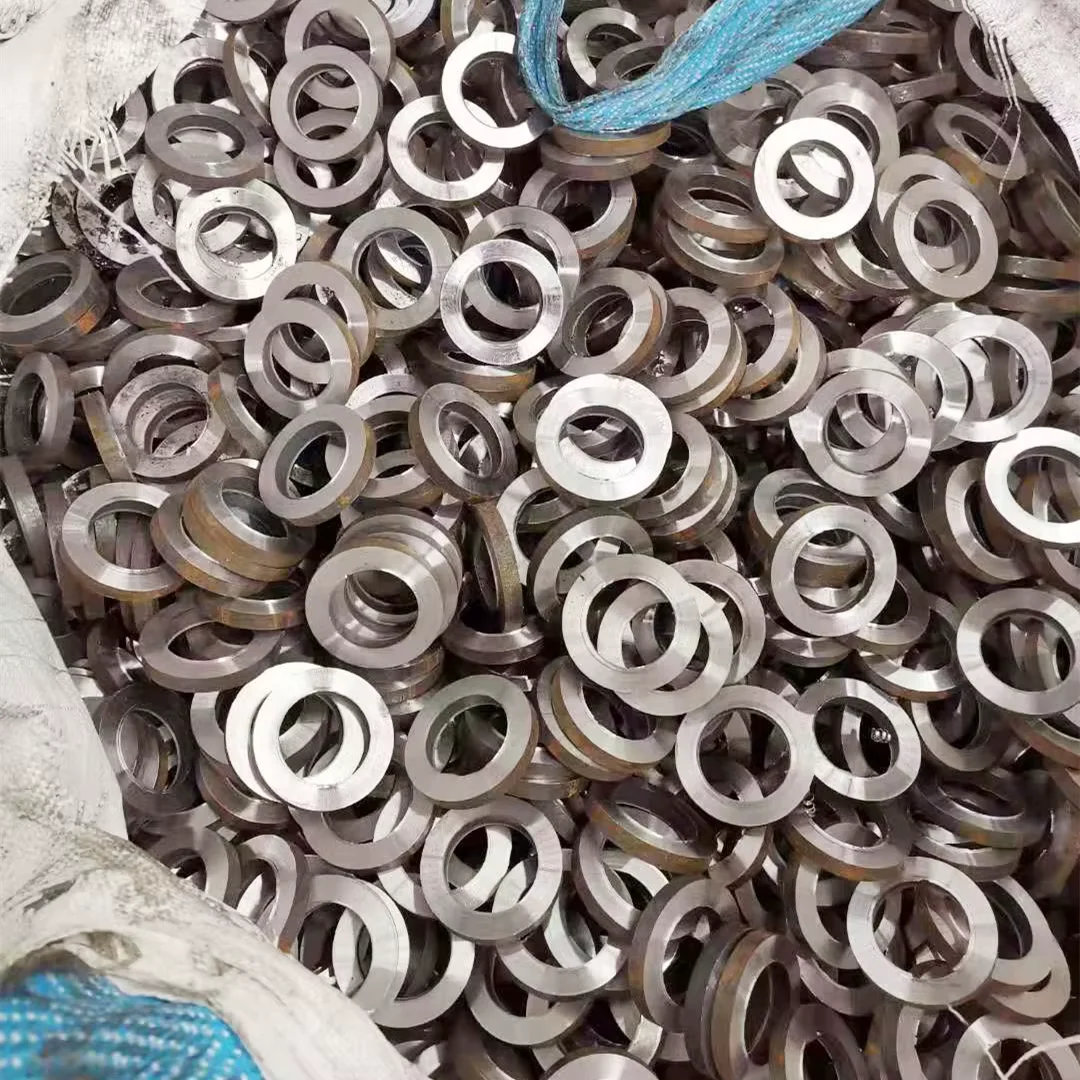
| Section Shape | Flat plate, custom shapes per drawing |
| Thickness | Hot rolled / Cold rolled with tolerance control |
| Width | 100–6000 mm |
| Length | 6000–12000 mm |
| Technique | Hot Rolled / Cold Rolled |
| Surface Treatment | Painted, Galvanized, Chrome Coated |
| Processing Services | Cutting, Bending, Welding, Decoiling, Punching (per drawing) |
| Tolerance | ±1%–±5% depending on specification |
| Application | Boiler, Ship, Container, Flange, Structural fabrication, Machinery parts, Construction steel structures |
| MOQ | 1 Piece |
| Origin | Shandong, China |
Application Suitability
| Industry | Typical Applications |
|---|---|
| Construction & Infrastructure | Building frames, column base plates, beam connection gussets, scaffold base boards |
| Machinery & Equipment OEM | Conveyor side frames, press machine beds, crusher liner plates, gear box mounting plates |
| Pressure Vessel & Shipbuilding | Boiler end caps, flange blanks, deck stiffener plates, container corner castings |
| Steel Structure Fabrication | Moment connection plates, splice plates, anchor base plates for EPC projects |
What Dimensional Drift Costs When You Order Custom Cut Carbon Steel Plate to Drawing
A 2 mm deviation on a 6000 mm base plate means field rework, welding repair, or scrap — paid by whoever approved the drawing tolerance.
When structural plates arrive on site with width or length outside the specified tolerance, fitters either spend hours grinding and re-cutting or the entire connection detail fails inspection. On a recent Southeast Asian high-rise project, a batch of Q345 base plates came in 4 mm short on one axis — the anchor bolt pattern no longer matched, and the contractor had to drill new holes through 25 mm plate on site, delaying the steel erection by nearly a week. The root cause was never the steel grade; it was the cutting shop ignoring the drawing callout. [NEED_CITE: tolerance requirements for structural steel plates per EN 10029]
How Cut-to-Drawing Plates Match Structural Connection Requirements
When a project engineer specifies a custom cut carbon steel plate supplier for moment connection plates or base plates, the critical match is between the drawing tolerance and the cutting process capability. Hot rolled Q345 plates cut by CNC plasma hold ±1 mm on straight edges, which satisfies most EN 1993 connection details without field dressing. For SS400 gusset plates welded into truss nodes, the hole pitch from punching must align with the bolt gauge — a mismatch of even 1.5 mm forces reaming on site. Our three-line facility runs cutting, bending and punching in sequence under one roof, so the plate that leaves Jinan already carries the heat number stamped at the mill and the final dimension verified against the approved shop drawing.
Engineering Compliance and Certification for Structural Plate Orders
Structural plates used in load-bearing frames must comply with both material standards and fabrication codes. Q235 and Q345 conform to GB/T 700 and GB/T 1591 respectively, and their equivalence to S235/S355 under EN 10025 or ASTM A36/A572 is well documented — but customs authorities in the EU and Middle East require the CE mark per EN 10210/10219 and a Factory Production Control certificate before releasing the container. [NEED_CITE: CE marking requirements for structural steel under EN 1090-1] For projects in Southeast Asia, the mill test certificate must show chemical composition and tensile results traceable to the heat number; SGS or BV third-party inspection is often written into the EPC contract as a hold point before shipment. Surface treatment choice — hot rolled mill scale, galvanized zinc coating, or painted finish — depends on whether the plate goes into a dry indoor frame, an outdoor bracing system, or a marine environment, and each option affects the welding procedure specification downstream.
Steel Grade Selection and Processing Method Explained
Q235 remains the workhorse grade for general fabrication across Southeast Asia and Africa because it offers adequate yield strength for non-critical frames at the lowest cost per ton. Q345 steps up the yield to 345 MPa class, making it the default for primary beams, columns and heavy base plates where deflection control matters. SS400, the JIS equivalent, is frequently specified by Japanese contractors working on overseas infrastructure projects and behaves similarly in welding and forming. ASTM A500 plate is the go-to for North American-spec jobs, though it is more commonly associated with tube — when called for in plate form, the chemical and tensile requirements must be verified against the mill certificate.
Hot rolled plates carry a mill scale surface that must be removed by shot blasting before painting or galvanizing; cold rolled plates arrive with a smoother finish suitable for machined parts or visible architectural elements. When the drawing calls for galvanized coating, the plate thickness must account for the zinc build-up — a 10 mm plate ordered to exact finished dimension will end up undersized after hot-dip galvanizing unless the cutting allowance is specified upfront. Tolerance control varies by process: CNC plasma cutting holds tighter edges than oxy-fuel, and laser cutting delivers the best edge quality for plates under 20 mm where welding prep is critical. [NEED_CITE: steel grade equivalence between GB, EN, JIS and ASTM systems]
Hidden Costs of Sourcing Custom Cut Plates from the Wrong Supplier
Ordering from a trader rather than a factory-direct processor means the cutting happens at an unknown subcontractor — and when the plate chemistry does not match the mill certificate, the structural engineer cannot sign off on the connection. Missing CE documentation holds the container at port for weeks, demurrage charges accumulate, and the project timeline slips. Plates cut outside tolerance force the erector to either accept a non-conforming detail or pay for thermal re-cutting on site, where edge quality and dimensional accuracy are impossible to guarantee. The true cost is never the price per kilogram — it is the rework, the delay, and the risk of a failed inspection on a load-bearing joint. [NEED_CITE: consequences of non-conforming structural steel in construction projects]
Why Project Buyers Source Custom Cut Carbon Steel Plate from Xin Jiyuan
We run three production lines simultaneously in Jinan, giving us the capacity to cut, bend and punch over 20,000 tons of plate monthly without queuing behind other orders. Every batch ships with the original mill test certificate — not a trader’s reprint — showing chemical composition and mechanical results traceable to the heat number. Our in-house lab conducts three-stage inspection: incoming coil verification, in-process dimensional check, and final pre-shipment audit. For projects requiring third-party validation, we coordinate SGS or BV inspection at our facility before the container is sealed. With 2,800+ specifications in ready stock and the ability to produce custom shapes from drawing within typical production lead times, we consolidate plate, tube and section steel into a single container load — reducing your freight cost and simplifying customs clearance across 50+ destination countries.
Documentation & Compliance
- Mill test certificate documenting Q235/Q345/SS400 chemical composition and tensile properties per GB/T 700, GB/T 1591 or JIS G3101, traceable to heat number
- CE certificate (EN 10210/EN 10219) and Factory Production Control documentation for EU customs clearance and EN 1090 compliance
- ISO 9001:2015 quality management certificate covering the full cutting, bending and welding process chain
- SGS or BV third-party inspection report available on request, covering dimensional verification and surface treatment coating thickness
- Material traceability sheet linking each plate to its heat number, mill origin and processing record
- Full customs document package: commercial invoice, packing list, bill of lading, and certificate of origin
Packaging, Loading & Delivery
- Q235/Q345/SS400 plates stacked in seaworthy bundles with steel stripping and edge protectors, sized to fit 20ft or 40ft container without overhang
- Galvanized plates wrapped with waterproof paper and plastic film to preserve the zinc coating during ocean transit and prevent white rust formation
- Custom cut shapes nested and separated by timber spacers to prevent scratching on painted or chrome coated surfaces during handling
- Container loading plan optimized for plates up to 6000 mm width and 12000 mm length, maximizing weight utilization while maintaining axle limits for inland transport
- Each plate marked with heat number, steel grade and purchase order reference for site identification and traceability
- FOB, CIF and DDP terms available with professional export documentation handling and real-time shipment tracking
Start Your Custom Cut Plate Inquiry
Submit your drawing file with steel grade, thickness, width, length and quantity to receive a factory-direct quotation with volume pricing, delivery schedule and mill test certificate sample. We confirm dimensional tolerance, surface treatment and certification requirements before production begins — so the plates that arrive on your site match the approved shop drawing exactly.
Request Factory-Direct Pricing and Mill Test Certificates
Send your specifications and drawings via email or WhatsApp for a detailed quotation with material traceability documentation.
Email: admin@sdxinjiyuan.com
Mobile/WhatsApp/WeChat: +86 188 5315 7756
Frequently Asked Questions
Q: What is the minimum order quantity for custom cut carbon steel plate?
A: The MOQ is 1 piece for custom cutting services. We process single prototype plates as well as full-container bulk orders, with the same mill test certificate and quality inspection applied to every shipment regardless of volume.
Q: Can you cut plates to exact dimensions from my drawing file?
A: Yes. We accept DXF, DWG and PDF drawings and cut plates to your specified dimensions using CNC plasma, oxy-fuel or laser cutting depending on thickness and edge quality requirements. Tolerance is confirmed before production and verified against the drawing during final inspection.
Q: What surface treatment options are available for carbon steel plate?
A: We offer hot rolled (mill scale), shot blasted and painted, hot-dip galvanized, and chrome coated finishes. The choice depends on your application environment — galvanized for outdoor or corrosive conditions, painted for indoor structural frames, and mill scale for plates that will be further processed or welded on site.
Q: Do you provide mill test certificates and third-party inspection?
A: Every batch ships with the original mill test certificate showing chemical composition and mechanical properties traceable to the heat number. SGS or BV third-party inspection is available on request and conducted at our facility before shipment.
Q: How do you handle container loading for mixed plate sizes?
A: Our export team prepares a container loading plan that nests custom cut shapes and standard plates together, maximizing weight utilization while protecting surface finishes. We consolidate plate, tube and section steel orders into a single shipment to reduce freight cost and simplify customs clearance.