Description
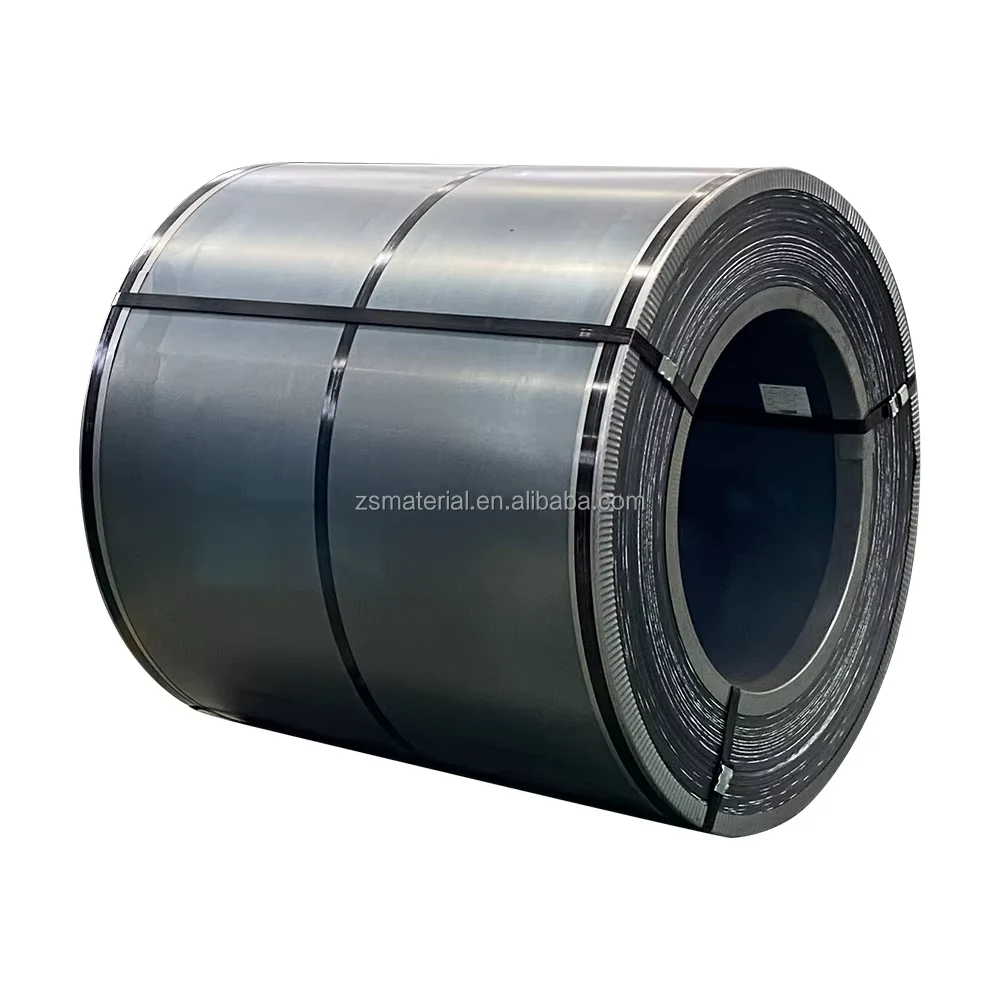
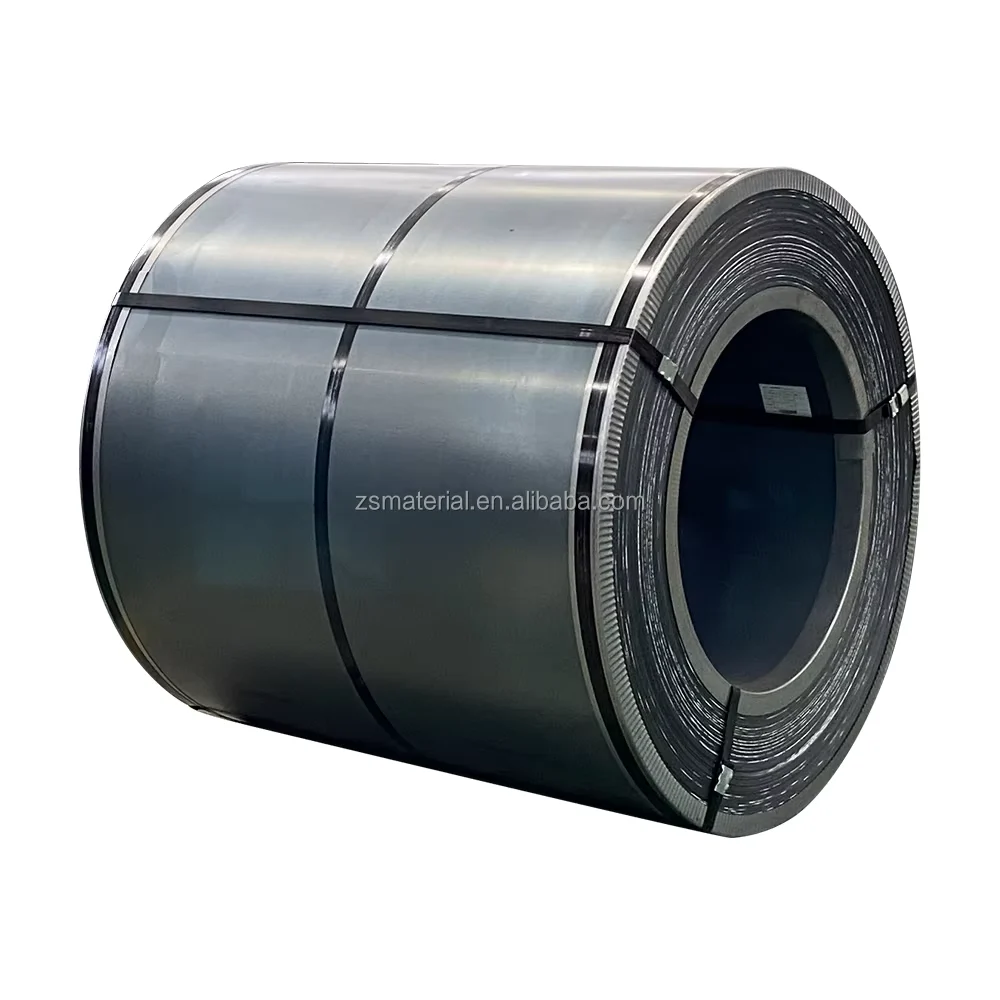
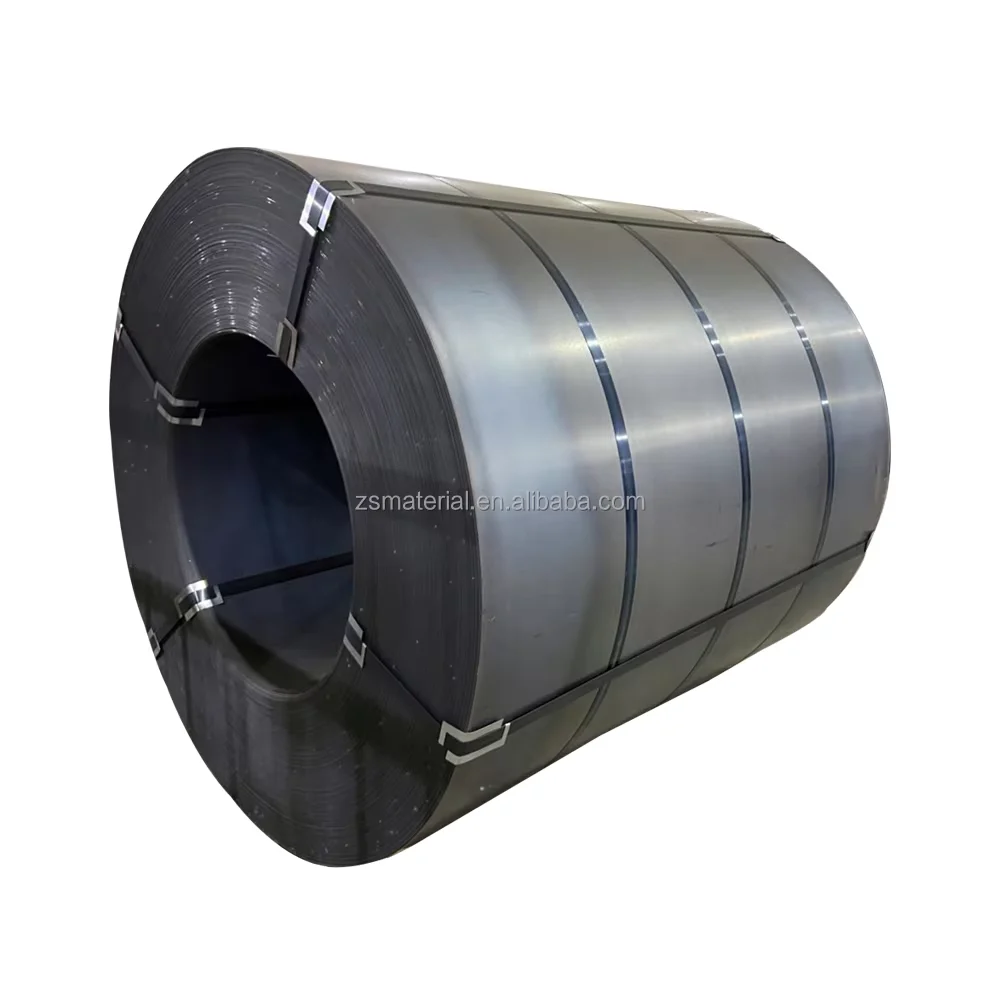
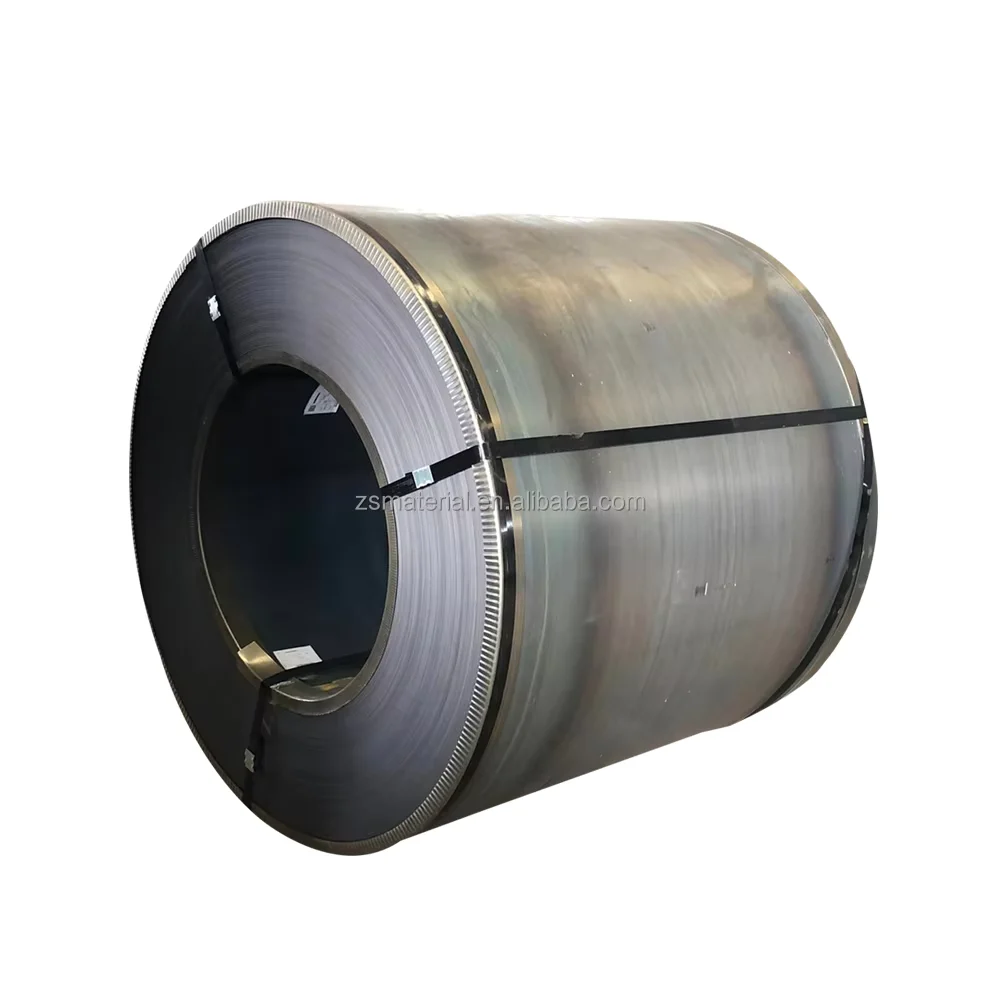
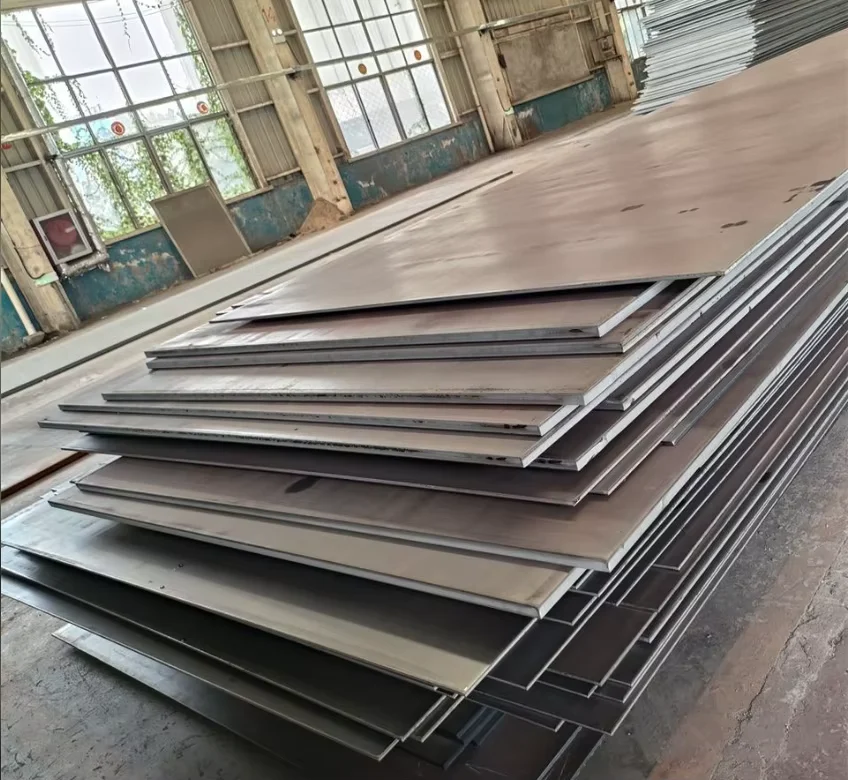
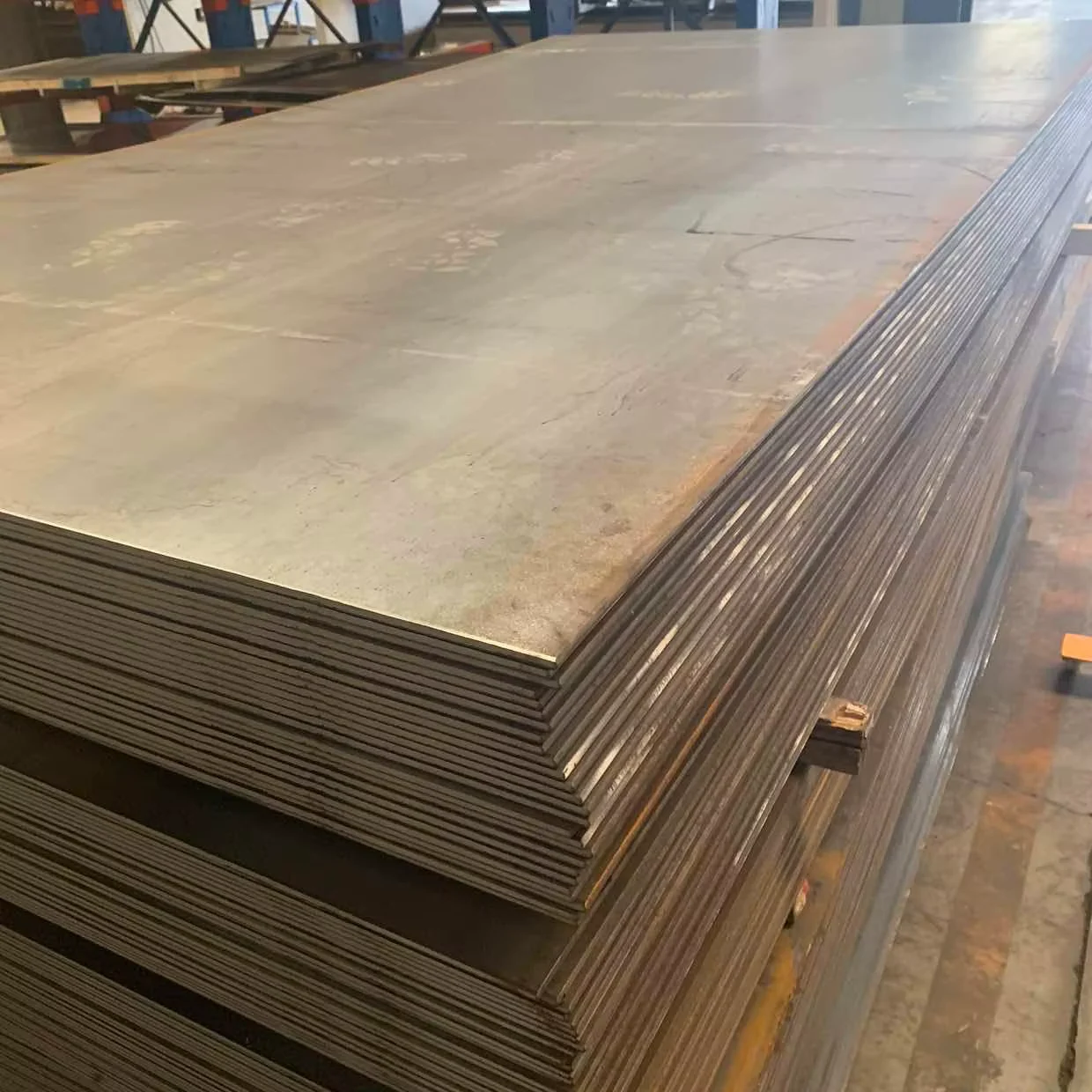
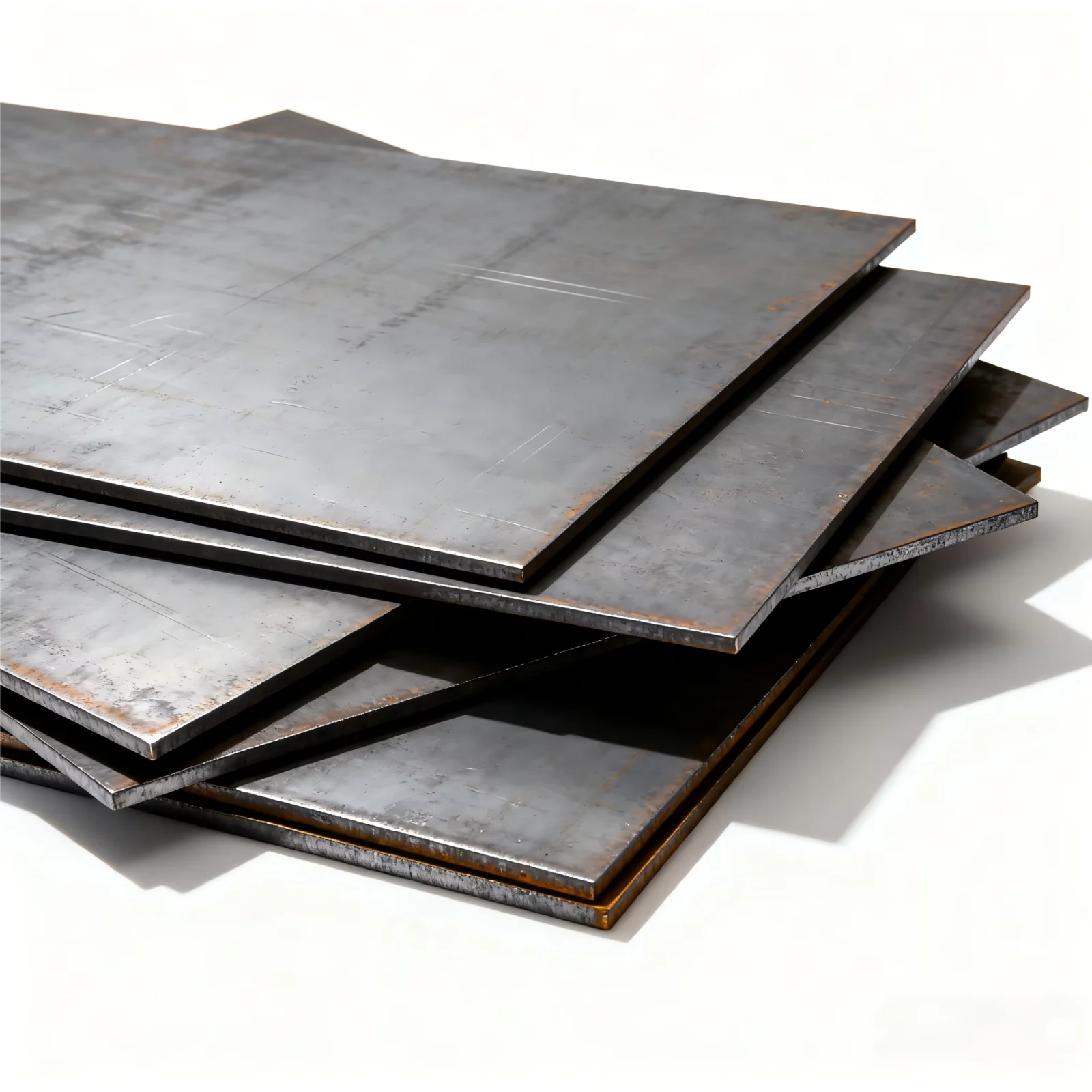
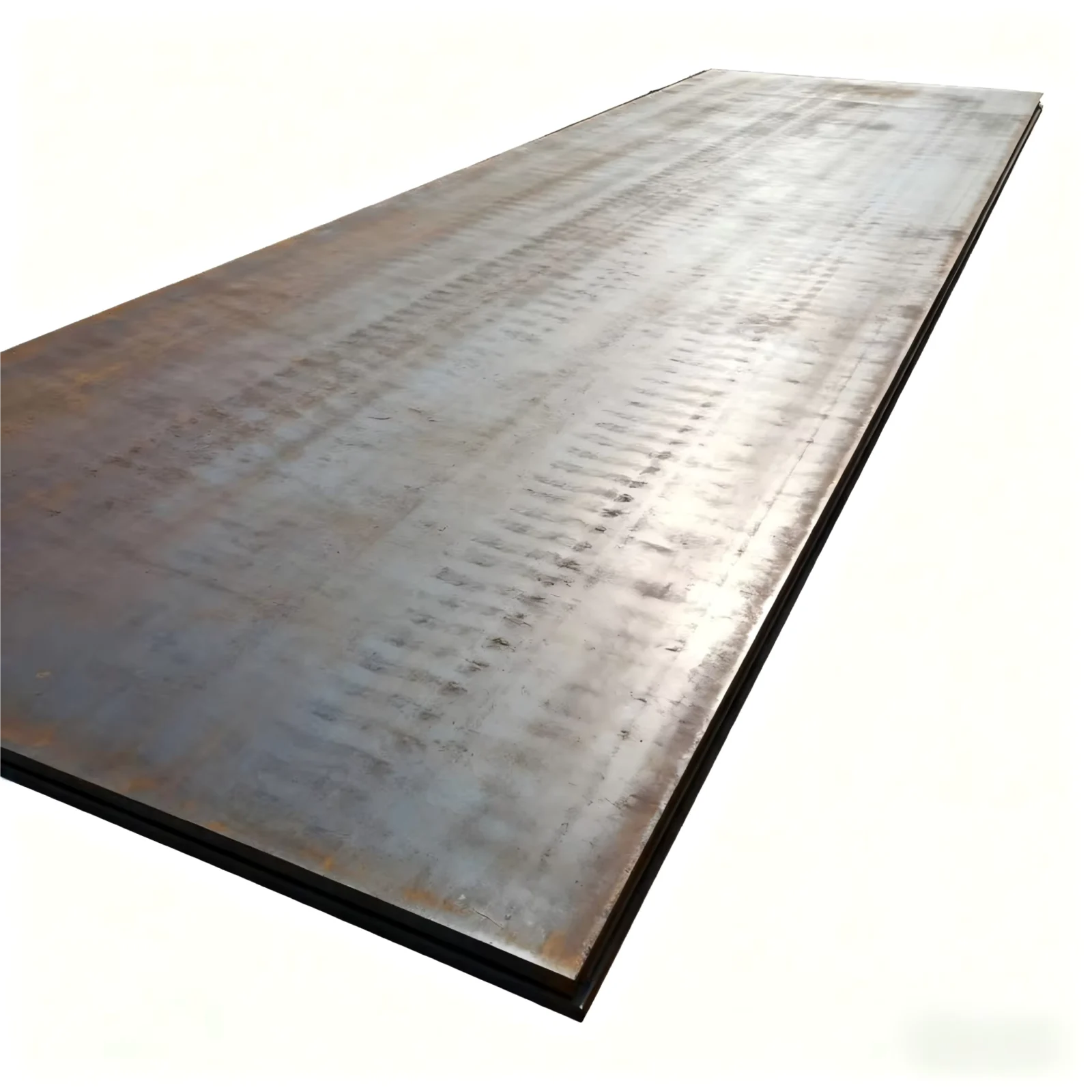
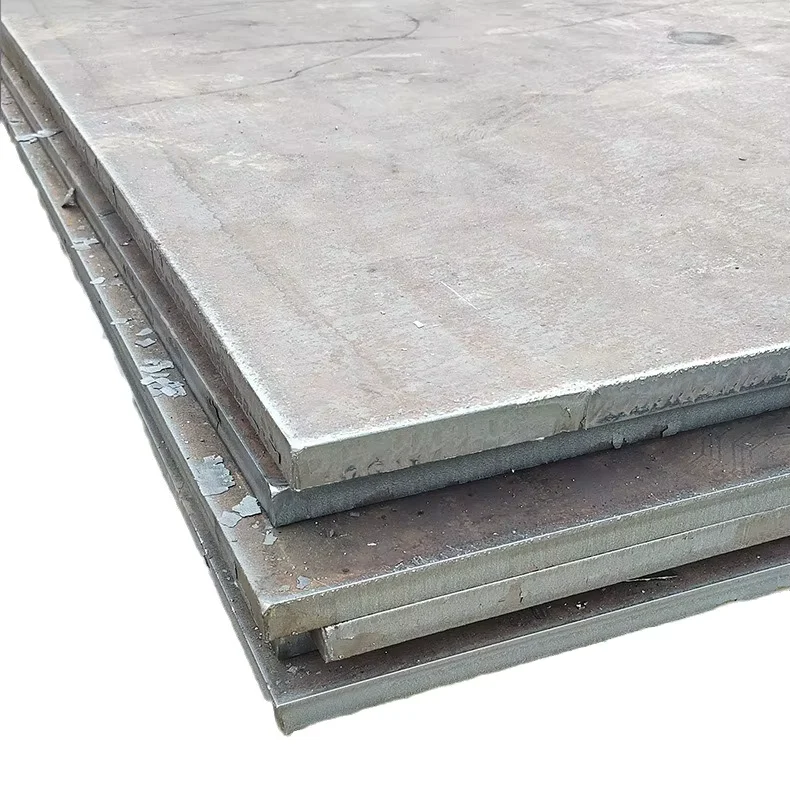
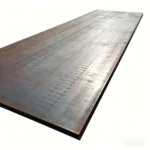
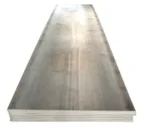
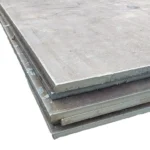
Factory-Direct Hot Rolled Plates — Every Q235 Q345 A36 Carbon Steel Plate Hot Rolled 0.35-200mm Factory Direct Supplier shipment leaves Jinan with original mill test certificates and full heat-number traceability.
Technical Specifications
| Parameter | Value |
|---|---|
| Designation | Carbon Steel Plate for Constructional Engineering |
| Product Type | Steel Plate |
| Steel Grade | Q235, Q345, SS400, A36, S235JR, S355JR, St37-2, Q195–Q460 |
| Standard | AISI, ASTM, BS, DIN, GB, JIS |
| Section Shape | Flat plate |
| Thickness | 0.35–200 mm |
| Width | 1000–2500 mm |
| Length | 2000–12000 mm (6 m–12 m) |
| Technique | Hot Rolled |
| Surface Treatment | Black |
| Tolerance | ±1% |
| Processing Service | Bending, Welding, Decoiling, Cutting, Punching |
| Material | Low Carbon Steel |
| Application | Constructional Engineering, Shipbuilding, Bridge Construction, Boiler Manufacturing, Pressure Vessels, Industrial Fabrication |
| MOQ | 10 Ton |
| Origin | Shandong, China |
Application Suitability
| Industry | Typical Applications |
|---|---|
| Constructional Engineering | Building structural frames, column base plates, floor girders, mezzanine decks |
| Shipbuilding | Hull shell plates, deck plating, bulkhead panels |
| Bridge Construction | Web plates, flange plates, stiffener plates for welded box girders |
| Boiler & Pressure Vessels | Shell courses, tube sheets, head plates |
| Industrial Fabrication | Machine base frames, crane girders, conveyor support structures |
When Thickness Tolerance Decides Whether a Structural Frame Passes Inspection
A ±1% tolerance on a 200 mm plate means 2 mm of deviation — enough to misalign bolt holes across a splice joint.
Procurement teams often discover the problem only at the erection stage: plates arrive, fitters line up the splice, and the bolt holes do not match because the actual thickness drifted beyond the drawing call-out. On bridge and high-rise projects, this triggers re-drilling on site, weld requalification, or outright rejection by the supervising engineer [NEED_CITE: EN 10025 hot-rolled structural steel tolerance requirements]. The root cause is rarely the steel grade itself — it is the mill’s rolling control and the supplier’s outgoing inspection discipline. When a Q345 plate is ordered for a moment-resisting frame, even a small thickness shortfall reduces the section modulus and forces the structural engineer to recalculate the entire connection.
Matching Plate Thickness to Structural Load Paths
A Carbon Steel Plate for Constructional Engineering order typically spans multiple thicknesses within a single project — 12 mm for secondary beams, 25 mm for column gussets, 60 mm for base plates. The key is grouping plates by load path so that each thickness is certified against the correct steel grade. On a recent warehouse frame project, we consolidated Q235B plates at 8–16 mm for purlin brackets and Q345B plates at 30–50 mm for moment connections into one container, with each bundle tagged by heat number and grade. This prevented the common on-site mix-up where a fitter grabs a lower-grade plate for a critical connection because the markings were unclear.
Engineering Code Compliance and Certification Alignment
Structural plates for EU-bound projects must conform to EN 10025-2 with CE marking under the Construction Products Regulation, while North American projects call for ASTM A36 or A572 Grade 50 with MTRs formatted per ASME BPVC [NEED_CITE: steel grade equivalence between EN 10025 and ASTM standards]. Chinese GB/T 700 (Q235) and GB/T 1591 (Q345) map broadly to S235JR and S355JR in chemistry, but the impact testing temperature and elongation requirements differ — a detail that customs inspectors in the Middle East and Southeast Asia routinely check. Plates for boiler and pressure vessel use require additional Charpy V-notch data at specified test temperatures, and the mill test certificate must explicitly state the test standard used.
Steel Grade Selection Across National Standards
The Q-series (Q195–Q460) follows the Chinese GB system where the number denotes minimum yield strength in MPa; Q235 yields at approximately 235 MPa and Q345 at 345 MPa. The S-series (S235JR, S275JR, S355JR) follows EN 10025, with the suffix indicating impact test temperature — JR means 27 J at +20 °C. ASTM A36 covers yield strength of 250 MPa minimum and sits between Q235 and Q345 in practical terms. SS400 under JIS G 3101 is a general structural grade with tensile strength of 400 MPa minimum but no specified yield point, making it unsuitable for designs that rely on yield-based calculations. St37-2 under DIN EN 10025 is the legacy German designation now superseded by S235JR. Hot rolling produces a mill scale surface that is suitable for further treatment — shot blasting, priming, or galvanizing — or for direct use in non-corrosive indoor environments. The ±1% thickness tolerance is standard for hot-rolled plates and is adequate for most structural applications, but pressure vessel plates may require tighter tolerance under EN 10029 Class A or B.
The Hidden Cost of Substituted Grades and Missing Certificates
Ordering Q345 and receiving Q235 is not a paperwork error — it is a 30% drop in yield strength that a structural engineer cannot sign off on. When plates arrive at port without original mill test certificates, customs holds the cargo regardless of whether the material is physically correct, because the importer cannot prove compliance with the project specification [NEED_CITE: customs documentation requirements for structural steel imports]. The cost of delay — demurrage, re-inspection, air-freight replacement — routinely exceeds the price difference between a reputable mill and a trader who cannot guarantee traceability. On a bridge project in West Africa, an entire shipment of 200 tons was rejected because the MTRs referenced a different heat number than what was stamped on the plates. The supplier had consolidated stock from multiple sources without reconciling the documentation.
Procurement Confidence Built on Mill-Level Control
Every Carbon Steel Plate for Constructional Engineering order from our Jinan facility is produced on our own rolling lines, not brokered from third-party stock. Our in-house metallurgical lab tests each heat for chemical composition and mechanical properties before the plate leaves the mill floor, and the resulting mill test certificate travels with the shipment — not emailed weeks later. We maintain 2,800+ specifications in ready stock, which means standard sizes in Q235, Q345, A36, and S355JR can ship within days rather than weeks. For projects requiring non-standard thicknesses or cut-to-size blanks, our processing line handles cutting, bending, and punching to drawing dimensions, eliminating the need for secondary fabrication at the destination port. Third-party inspection by SGS or BV is arranged on request, and our export team prepares the full customs documentation package including certificate of origin, packing list, and bill of lading. Volume buyers receive tiered pricing and consolidated container loading across multiple grades and thicknesses.
Documentation & Compliance
- Mill test certificate documenting Q235/Q345 chemical composition and yield strength per GB/T 700 and GB/T 1591, with heat number traceability to the original slab
- CE certificate confirming compliance with EN 10025-2 for structural steel plates exported to EU member states
- ISO 9001:2015 quality management certificate covering the full production and inspection process at our Jinan mill
- SGS or BV third-party inspection report verifying dimensional tolerance, surface quality, and mechanical test results prior to loading
- Material traceability report linking each plate to its heat number, rolling schedule, and test specimen location
- Customs documentation package including commercial invoice, packing list, bill of lading, and certificate of origin formatted per destination country requirements
Packaging, Loading & Delivery
- Hot rolled black surface plates bundled with high-tensile steel strips at 1.5 m intervals, with edge protectors to prevent coating damage during transit
- Seaworthy packaging on treated timber skids, wrapped in waterproof paper and plastic film to prevent moisture contact during ocean freight
- Container loading optimized for 6 m and 12 m plate lengths to maximize payload per 20ft and 40ft open-top or flat-rack container
- Cut-to-size blanks nested and strapped separately from full-length plates, with each bundle labeled by steel grade, thickness, and heat number
-唛头 stenciled on each bundle end showing steel grade (Q235B/Q345B/A36/S355JR), thickness, width, length, and heat number for rapid site identification
- FOB Jinan or Qingdao port, with CIF and DDP options available to major construction ports across Southeast Asia, the Middle East, Africa, and South America
Securing Your Plate Order with Full Traceability
Submit your plate schedule — thickness, width, length, steel grade, and quantity — via email or WhatsApp, and receive a detailed quotation with FOB/CIF pricing, production lead time, and payment terms within 12 hours. For projects requiring custom cutting or non-standard dimensions, share your fabrication drawings and we will confirm nesting efficiency and processing lead time. We will also confirm which mill test certificates and third-party inspection reports are included, and whether CE or other destination-specific certifications apply to your shipment.
Frequently Asked Questions
Q: What steel grades are available for carbon steel plate and how do they compare across standards?
A: We supply Q235, Q345, SS400, A36, S235JR, S355JR, and St37-2, covering the Chinese GB, European EN, American ASTM, and Japanese JIS systems. Q235 and S235JR are broadly equivalent in yield strength, while Q345 and S355JR represent the next step up. A36 sits between Q235 and Q345. We can provide a grade equivalence table for your specific project specification.
Q: Can you provide mill test certificates and third-party inspection reports?
A: Yes. Every shipment includes an original mill test certificate with chemical composition and mechanical properties, traceable to the heat number. SGS or BV third-party inspection is available on request and can be conducted at our facility before loading.
Q: What is the MOQ and can you accommodate custom sizes or cutting requirements?
A: The MOQ is 10 tons per order. We offer cutting, bending, and punching services to your drawing dimensions. Non-standard thicknesses and widths are available subject to mill rolling schedules, with typical lead times of 15–25 days for custom orders.
Q: How do you handle surface treatment options?
A: Our standard supply is hot rolled with black mill scale surface, suitable for further treatment or direct use. We can arrange shot blasting, primer coating, or galvanizing as secondary processing based on your project requirements.
Q: What documentation is provided for customs clearance and project compliance?
A: We provide a complete documentation package including mill test certificate, commercial invoice, packing list, bill of lading, and certificate of origin. CE certification is available for EU-bound shipments. All documents are prepared by our export team to meet destination country customs requirements.
Get Your Carbon Steel Plate Quotation with Mill Test Certificates
Send your plate schedule — grade, thickness, width, length, and quantity — to receive a factory-direct quotation and sample mill test certificate within 12 hours.
Shandong Xin Jiyuan Special Steel Tube Co., Ltd
Website: www.sdxinjiyuan.com
Mobile/WhatsApp/WeChat: +86 188 5315 7756
Email: admin@sdxinjiyuan.com