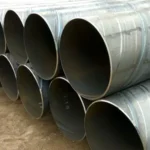
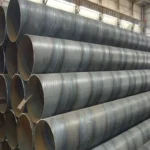
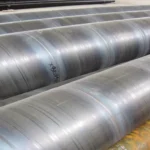
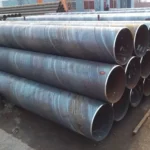
Description
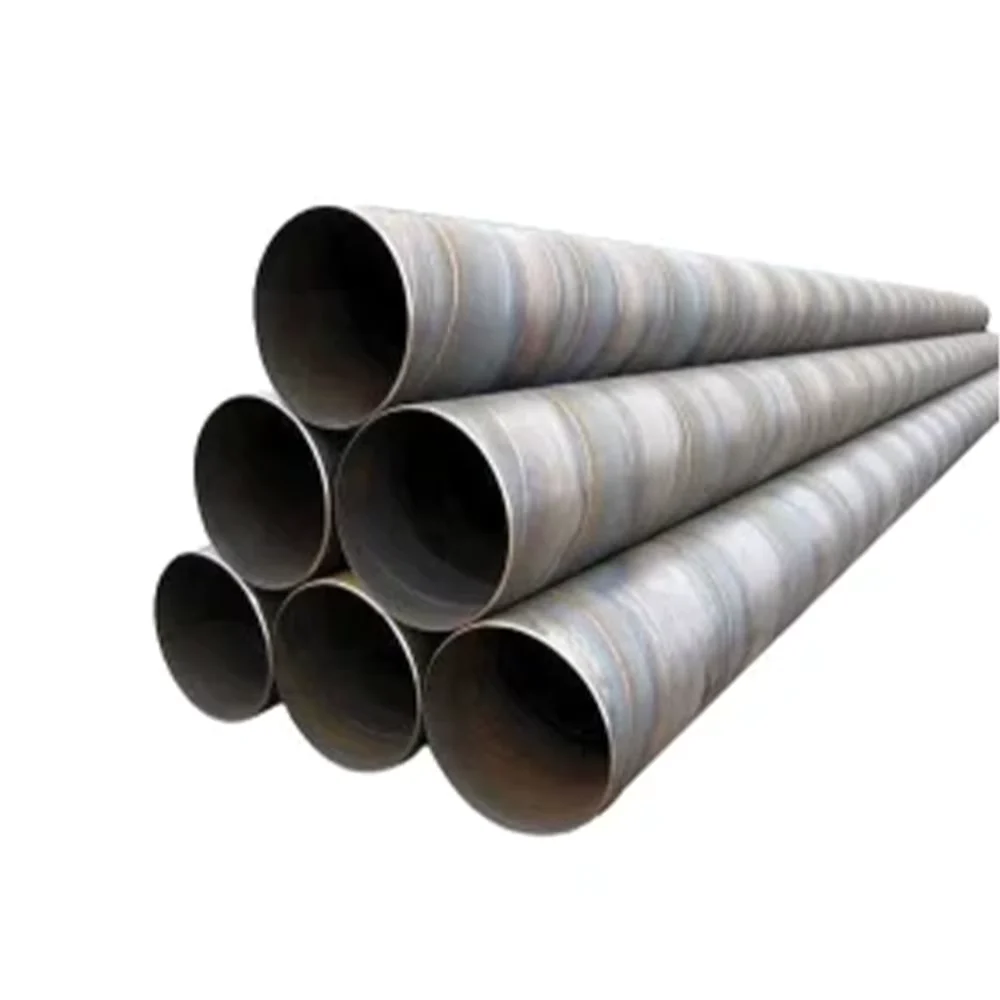
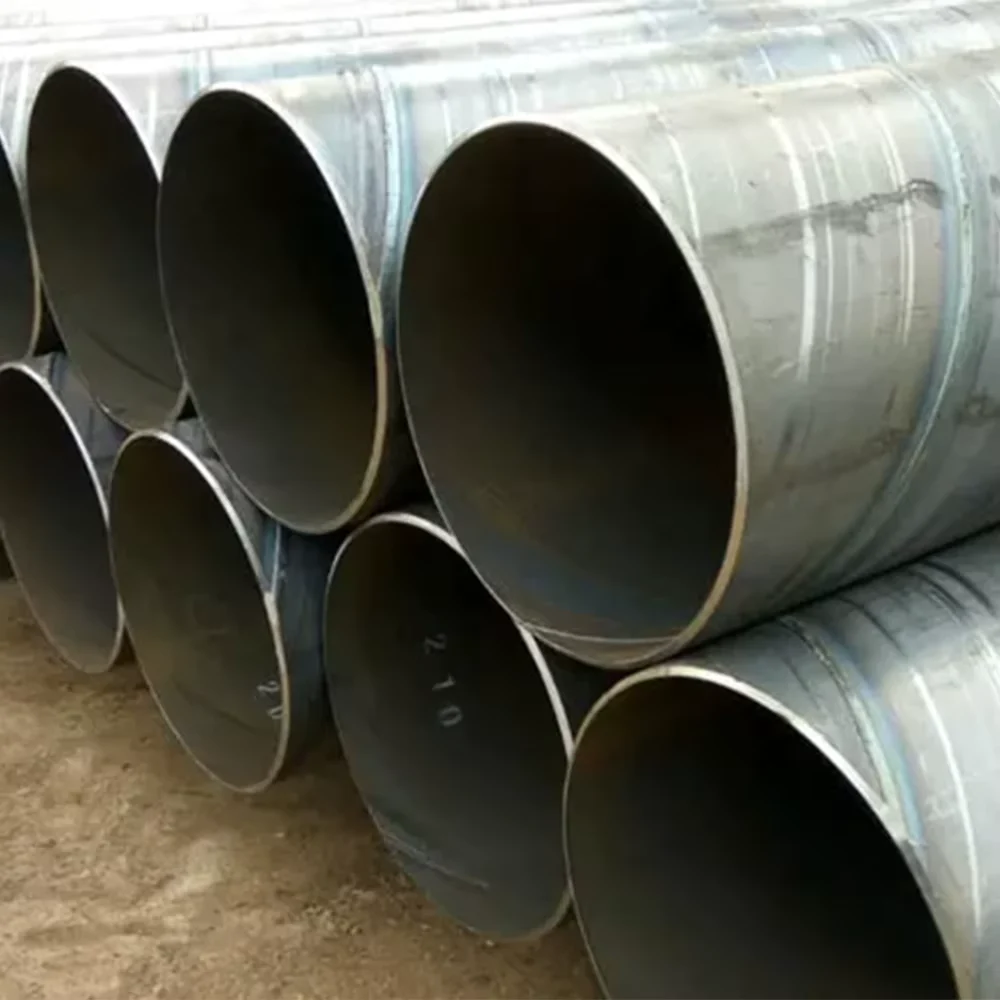
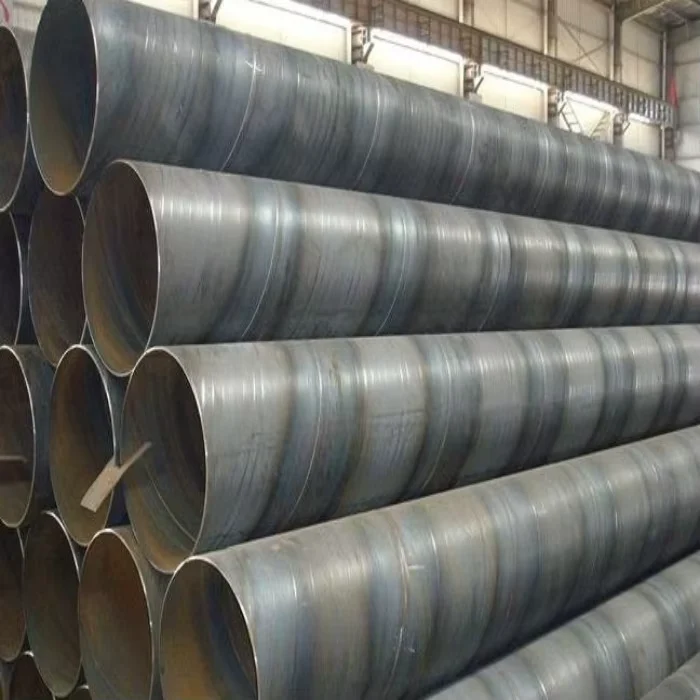
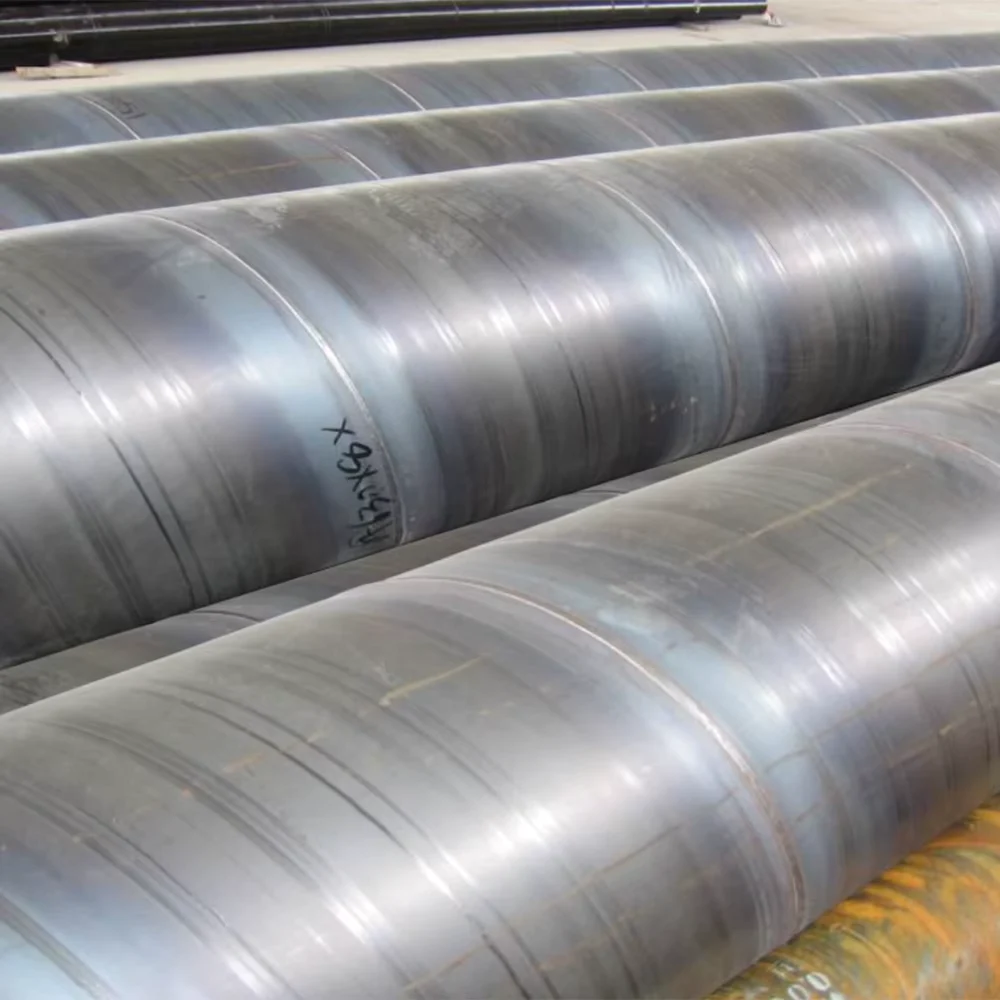
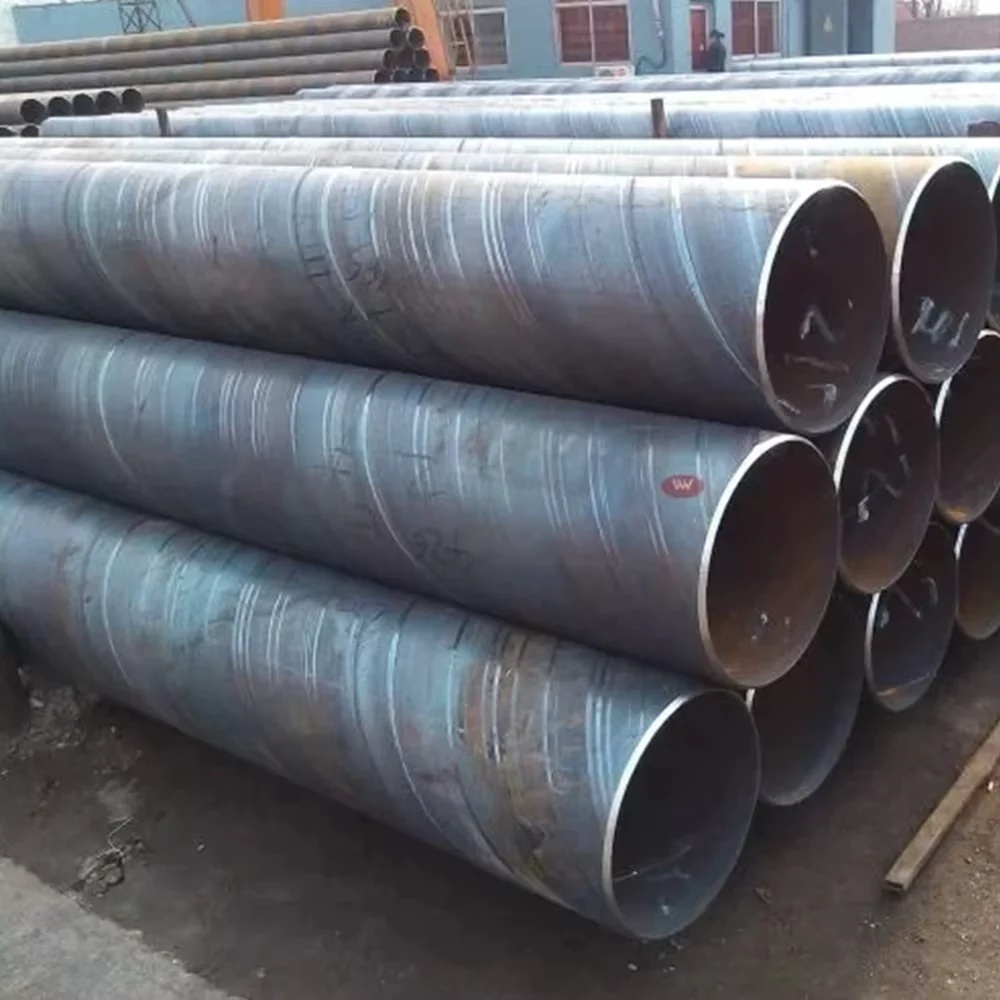
Factory-Direct SSAW Pipe Supply — Every Q235 hot dip galvanized spiral welded steel pipe ships with original mill test certificates and zinc coating thickness reports, eliminating middleman markups and quality guesswork.
Technical Specifications
| Parameter | Value |
|---|---|
| Designation | Q235 Hot Dip Galvanized Spiral Welded Steel Pipe |
| Product Type | Spiral Welded Steel Pipe (SSAW) |
| Steel Grade | Q235, Q195, Q345, ASTM A53, ASTM A36, ASTM A500, ASTM A106, SS400, St37, St52, S235JR, S355TRH, Grade B, X42, X52, X60, X70, L245, L290, L360, L390, L415 |
| Standard | GB/T 3091-2001, GB/T 13912-2002, BS 1387, ASTM F1083, ASTM A53, ASTM A500, ASTM A106 |
| Section Shape | Round |
| Size Range | OD 10–1000 mm |
| Wall Thickness | 1–80 mm |
| Length | 1–12 m (or Customized) |
| Technique | Hot Rolled / Spiral Welded |
| Surface Treatment | Hot Dip Galvanized / Black Painting |
| Ends | Plain / Beveled (available upon request) |
| Application | Piling and foundation construction, fluid delivery, structural pipe, curtain wall, machinery parts |
| MOQ | 5 Tons |
| Origin | Shandong, China |
Application Suitability
| Industry | Typical Applications |
|---|---|
| Infrastructure & Civil Engineering | Bridge piling, port foundation structures, retaining wall supports |
| Water & Gas Utilities | Municipal water mains, gas distribution networks, pump well casings |
| Building Construction | Curtain wall support frames, structural columns, building foundation piling |
| Industrial & Machinery | Machinery part fabrication, industrial pipeline supports, conveyor structures |
When Zinc Coating Thickness Decides Whether Your Piling Pipes Clear Customs
A 45-micron zinc layer on an 80-micron contract means the entire container sits at the port.
I watched a full shipment of galvanized piling pipes get held at Jebel Ali because the supplier’s coating fell short of spec. Third-party inspection caught it before the cargo ever reached the site, but the delay cost weeks of idle equipment and rescheduling. [NEED_CITE: hot dip galvanizing coating thickness requirements per GB/T 13912 and ISO 1461] When you source a Hot Dip Galvanized Spiral Welded Steel Pipe Supplier without verifiable coating data on every batch, you inherit that risk. Inconsistent zinc thickness leads to premature corrosion in soil and marine environments, failed project inspections, and costly replacement cycles that no amount of price savings can offset.
How OD and Wall Thickness Range Serve Piling and Foundation Engineering
Piling and foundation work demands pipes that can withstand driving forces, lateral soil pressure, and long-term corrosion exposure. The OD 10–1000 mm and WT 1–80 mm range of this Hot Dip Galvanized Spiral Welded Steel Pipe covers everything from light-duty structural piling to heavy-load bridge foundations. Hot dip galvanizing provides a metallurgically bonded zinc-iron alloy layer that resists abrasion during driving and protects against soil corrosion for decades. Custom length cutting from 1 to 12 meters reduces on-site welding joints and installation waste, which matters when every joint in a pile is a potential weak point.
Engineering Compliance and Certification Requirements
Structural piling and foundation pipes must meet load-bearing specifications defined by project engineers, often referencing EN 1993 or AISC frameworks for steel structure design. [NEED_CITE: structural hollow section compliance requirements for piling applications] The hot dip galvanized surface treatment must conform to GB/T 13912-2002 or ISO 1461 standards, with coating thickness verified per heat number. Steel grade selection — whether Q235 for general structural use or X42–X70 API-grade for high-stress pipeline piling — directly affects load capacity and design safety factors. Original mill test certificates documenting chemical composition and mechanical properties are mandatory for project acceptance and customs clearance in most import markets.
Steel Grade Selection and Spiral Welding Process Explained
The Q-series grades (Q195, Q235, Q345) follow the Chinese GB standard system where the number indicates minimum yield strength in MPa, making Q235 the default choice for general structural and piling applications. For projects specifying international standards, S235JR (EN), ASTM A36, or ASTM A53 Grade B serve as direct equivalents with documented cross-reference tables. [NEED_CITE: steel grade equivalence between GB, EN, and ASTM standards] API 5L grades from X42 through X70 address higher-stress pipeline and deep-foundation piling where elevated yield strength and weld integrity are critical. The spiral submerged arc welding (SSAW) process produces continuous-length pipes from coiled plate, offering cost advantages over seamless for large-diameter, thick-wall applications while maintaining full weld seam integrity through non-destructive testing. Hot dip galvanizing immerses the finished pipe in molten zinc, creating a coating that bonds metallurgically to the steel surface — fundamentally different from electro-galvanized or pre-galvanized alternatives in both thickness and adhesion.
Hidden Costs of Procuring Galvanized Pipes Without Verified Coating Data
Accepting a lower zinc coating than specified means accelerated corrosion in buried or submerged conditions, potentially compromising structural integrity within years rather than decades. Missing or incomplete mill test certificates trigger customs holds and project compliance failures, turning a cost-saving purchase into a logistics nightmare. [NEED_CITE: consequences of non-compliant steel imports on project timelines] Negative tolerance abuse on wall thickness reduces actual load-bearing capacity below design specifications, creating safety liabilities that surface only during structural inspection or failure analysis. The true cost of incorrect material is never the price difference — it is the idle crane, the rescheduled crew, and the re-ordered cargo arriving weeks late.
Why Project Buyers Source This Hot Dip Galvanized Spiral Welded Steel Pipe From Us
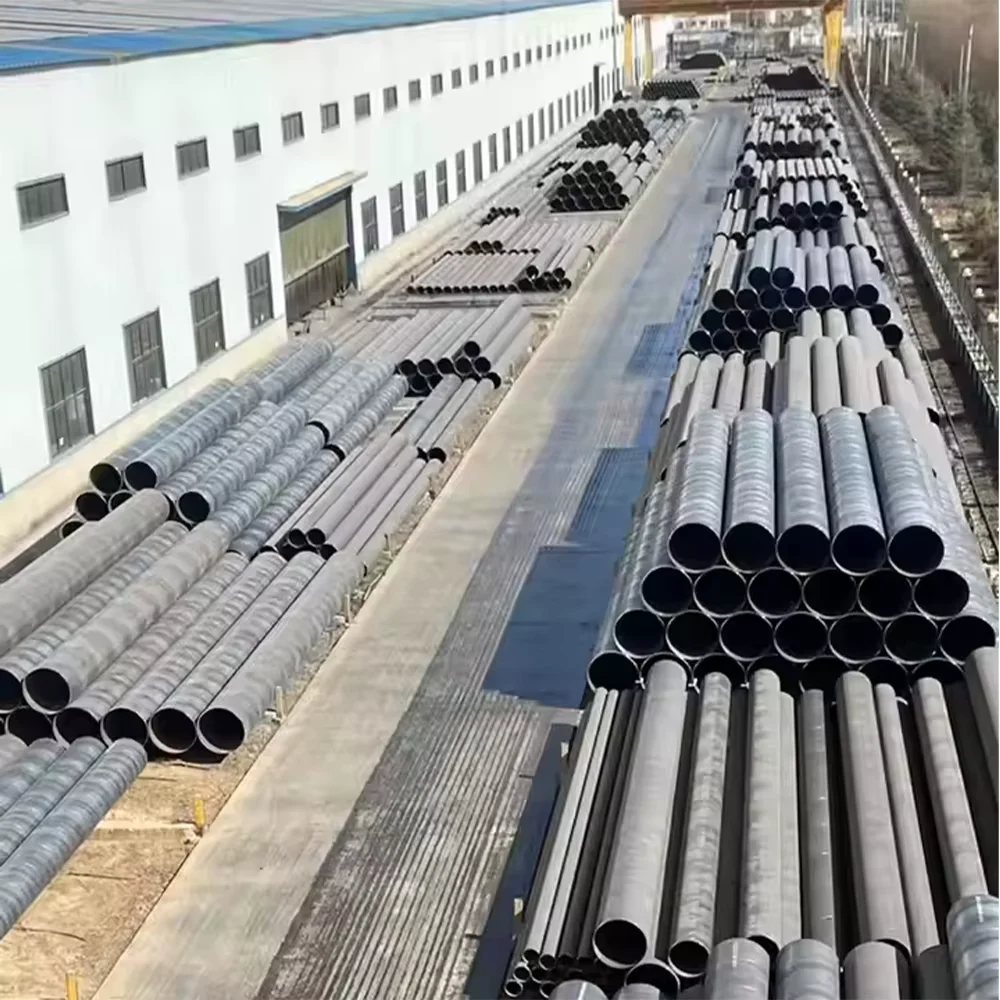
Factory-direct pricing eliminates trading company markups, with volume discount programs for recurring procurement partners. Every production run undergoes three-stage in-house inspection covering dimensional accuracy, weld seam quality, and zinc coating thickness — with results documented in original mill test certificates shipped with each batch. Our 3 production lines running simultaneously deliver monthly capacity exceeding 20,000 tons across 2,800+ specifications, enabling consolidated multi-product container loading for buyers sourcing pipes, plates, and sections from a single partner. Third-party SGS or BV inspection is available on request before container sealing, providing independent verification for projects requiring external quality certification. Professional export documentation handling covers customs clearance requirements for 50+ destination countries, with container loading optimization reducing freight costs for heavy SSAW pipe shipments.
Documentation & Compliance
- Mill test certificate documenting Q235 chemical composition and mechanical properties per GB/T 3091-2001, issued per heat number
- Zinc coating thickness test report per GB/T 13912-2002, verifying hot dip galvanized layer meets project specification
- CE certificate (EN 10210/EN 10219) for structural hollow sections exported to European markets
- ISO 9001:2015 quality management certificate covering production and inspection processes
- SGS or BV third-party inspection report available upon request for independent quality verification
- Complete customs documentation including packing list, bill of lading, and certificate of origin
Packaging, Loading & Delivery
- Hot dip galvanized SSAW pipes bundled with steel strips and edge protectors to preserve zinc coating integrity during ocean transit
- Surface protection maintained through non-oiled finish with careful handling protocols preventing coating damage during loading
- Container loading optimization for OD 10–1000 mm pipes maximizes weight utilization within standard 20ft and 40ft containers
- Custom length cutting from 1–12 meters accommodates project-specific requirements while minimizing transport waste
- Heat number and steel grade identification marked on each pipe end for traceability and site verification
- FOB, CIF, and door-to-door delivery options with professional export team managing documentation and port coordination
Start Your Procurement With Verified Specifications
Submit your requirements including outer diameter, wall thickness, steel grade, quantity, and destination port to receive a competitive bulk quotation with volume pricing and typical production lead times. Request original mill test certificates and zinc coating thickness reports before order confirmation, and specify whether third-party SGS or BV inspection is required for your project compliance.
Request Factory-Direct Pricing With Mill Test Certificates
Send your specification sheet to receive a detailed quotation and quality documentation package within 12 hours. Contact via email at admin@sdxinjiyuan.com or WhatsApp at +86 188 5315 7756.
Frequently Asked Questions
Q: Hot dip galvanized vs. pre-galvanized — which suits piling and foundation use?
A: Hot dip galvanized provides a metallurgically bonded zinc-iron alloy coating with superior thickness and abrasion resistance, essential for pipes driven into soil or submerged in marine environments. Pre-galvanized coatings are thinner and more susceptible to damage during handling and driving, making hot dip the standard choice for piling applications per GB/T 13912-2002.
Q: Steel grade cross-reference: Q235 vs. S235JR vs. ASTM A36 — how to choose?
A: These grades represent equivalent minimum yield strength levels across Chinese GB, European EN, and American ASTM standards. Selection depends on project specification requirements and destination market certification needs. We supply all three systems with documented cross-reference and original mill test certificates.
Q: Can you provide third-party inspection before loading?
A: Yes, SGS and BV third-party inspection is available on request. Inspection covers dimensional verification, weld seam testing, zinc coating thickness measurement, and documentation review before container sealing.
Q: What is the MOQ and can you accept split shipments for trial orders?
A: The standard MOQ is 5 tons. We accommodate trial orders and split shipments to support new customer evaluation and multi-specification procurement consolidation.
Q: How do you optimize container loading for heavy SSAW pipes?
A: Our export team calculates optimal loading plans based on pipe OD, wall thickness, and length to maximize weight utilization within container limits. Consolidated multi-product loading is available for buyers sourcing pipes, plates, and sections together.