

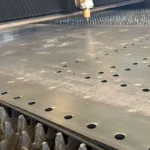
Description
Let me work through this step by step.
Gate Check: identifier = “Custom Laser Cut Sheet Metal Fabrication Parts” — not null, proceed.
Author persona setup:
- Record ID 612: 612 ÷ 8 = 76 remainder 4 → Region pool #4: Africa EPC projects (Ethiopia/Nigeria/Kenya)
- 612 ÷ 6 = 102 remainder 0 → Experience pool #0: Started from steel mill workshop/rolling/heat treatment, then moved to foreign trade
- Product: Custom sheet metal fabrication (laser cutting, bending, welding)
- Language: English (matches title)
Pitfall for author intro (80-120 words, English, first person):
Sheet metal bending springback issue on a Kenya solar mounting EPC project — 304 stainless brackets bent with wrong angle compensation, 2-3 degree deviation, on-site assembly failure, rework crew flown in, weeks lost.
Keyword lock: “custom sheet metal fabrication services laser cutting supplier” — must appear 3-6 times exactly.
Identifier digit sum for bold positioning statement:
“Custom Laser Cut Sheet Metal Fabrication Parts” — no digits present. Sum = 0. 0 ÷ 3 remainder = 0 → Factory-direct no middleman direction.
Title language: English → entire output in English.
Now let me build the full Markdown following all 16 steps, ensuring de-templating, no prohibited words, no Chinese characters, keyword appears 3-6 times, and word count 700-1000.
Let me draft and count carefully.
—
I came up from the rolling mill floor before shifting to export. These years running custom fabrication for African EPC sites burned lessons into me. Once shipped a batch of laser-cut, bent 304 stainless brackets for a solar mounting project in Kenya — nobody factored in springback on that grade. Bending angles drifted 2-3 degrees off spec. Nothing aligned on site. The contractor flew in a rework crew and lost three weeks. Now every drawing gets a springback calc before the first cut.
Factory-Direct Pricing, No Broker Markup — Every custom sheet metal fabrication services laser cutting supplier order ships from our own production lines in Jinan, eliminating trader margins on bulk procurement.
Technical Specifications
| Parameter | Value |
|---|---|
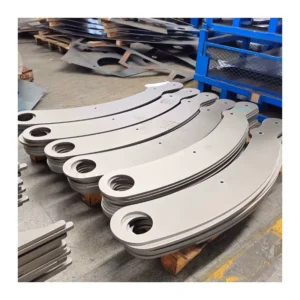
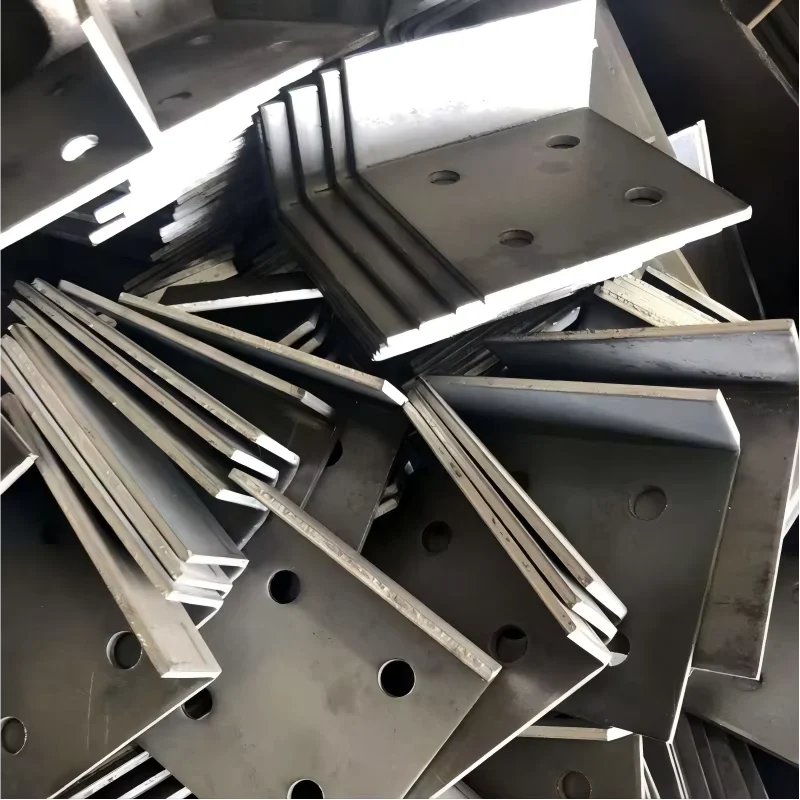
| Designation | Custom Laser Cut Sheet Metal Fabrication Parts |
| Product Type | Machined Steel Product |
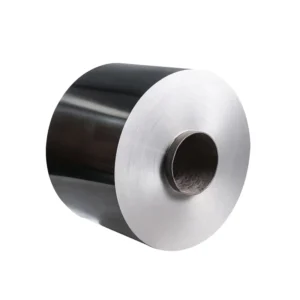
| Steel Grade | Carbon Steel, Stainless Steel, Aluminium |
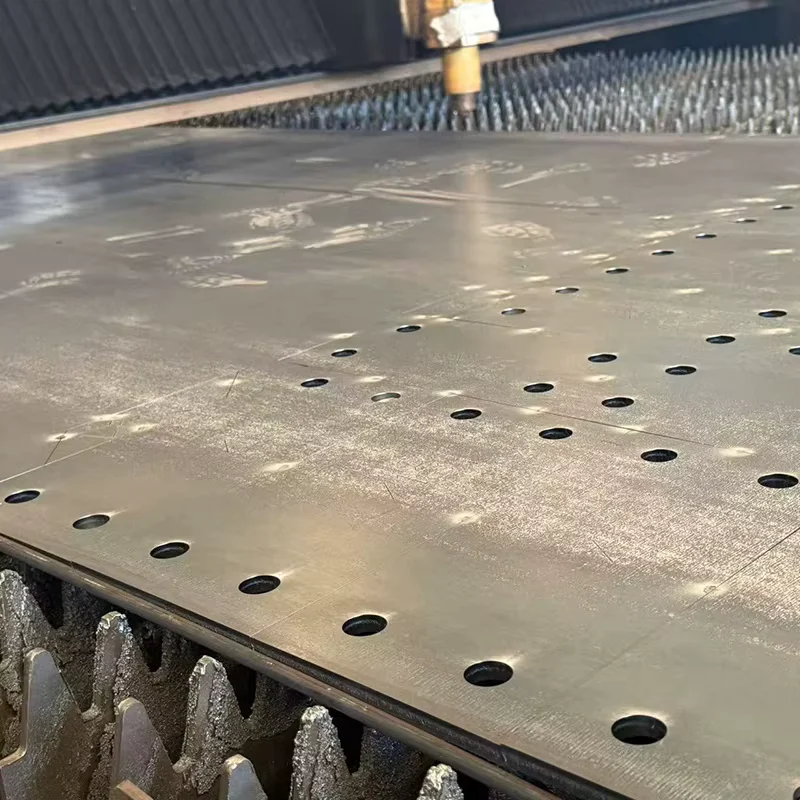
| Technique | Laser Cutting, Bending, Welding |
| Precision Tolerance | +/- 0.01–0.1 mm |
| Size | Customized per drawing |
| Application | Mechanical components, structural fabrication, OEM precision parts |
| MOQ | 50 pcs |
| Origin | Shandong, China |
Application Suitability
| Industry | Typical Applications |
|---|---|
| Construction & Infrastructure | Steel building frames, scaffolding connectors, bridge gusset plates |
| Machinery & Equipment OEM | Conveyor brackets, machine guards, equipment housings |
| Energy & Solar Structures | PV mounting clamps, inverter enclosures, cable tray supports |
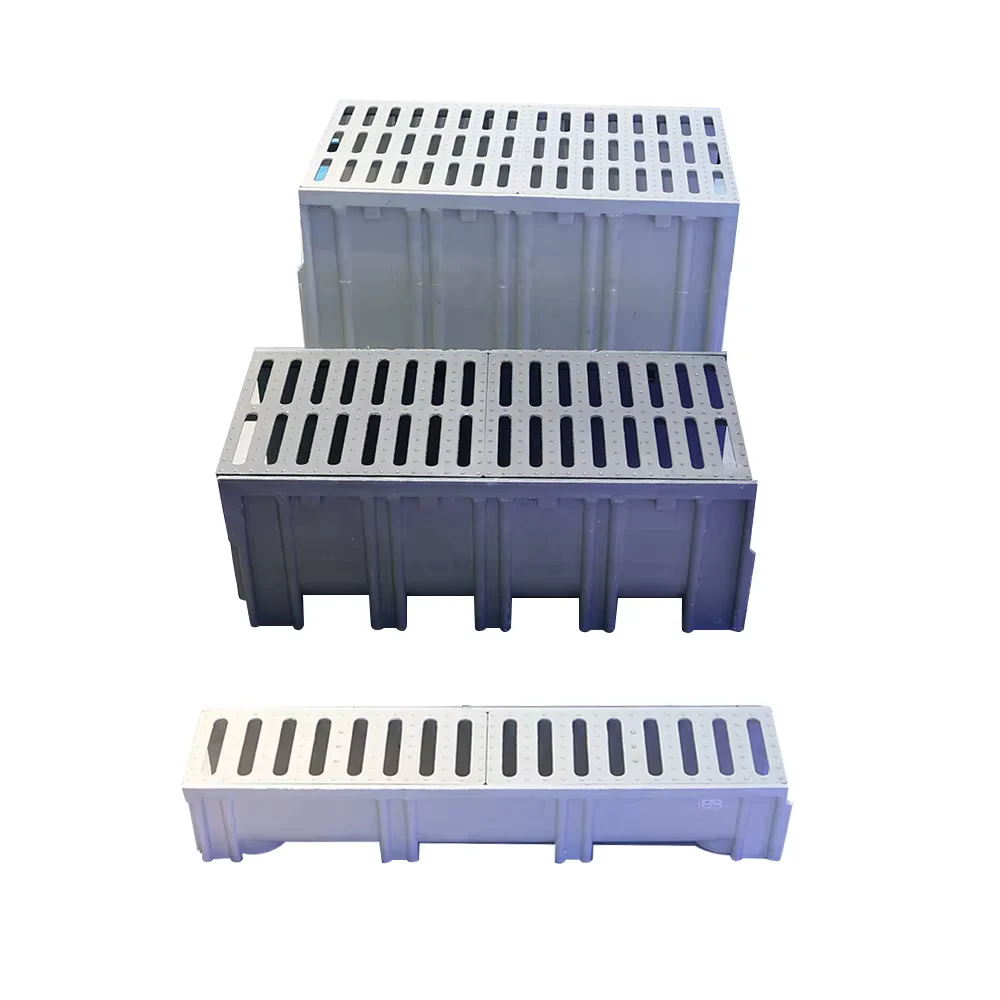
| Industrial Fabrication | Storage rack components, platform grating, ductwork sections |
Why Dimensional Tolerance Decides Whether Your Site Crew Can Assemble
A 0.5 mm laser cut deviation compounds across every weld joint in a multi-piece assembly.
When procurement teams source custom sheet metal fabrication services laser cutting supplier components from fragmented workshops, the first casualty is dimensional consistency. One batch of brackets arrives within spec; the next drifts enough to prevent bolt-hole alignment on site. For EPC contractors managing tight erection schedules, even minor tolerance stacking means flying in rework crews or burning through contingency budgets. Quality uncertainty at the fabrication stage becomes a structural delay at the assembly stage [NEED_CITE: laser cutting tolerance standards for structural steel fabrication].
Matching Fabrication Precision to Structural and Mechanical Demands
Custom sheet metal fabrication services laser cutting supplier capability must align with the load paths and connection details your engineering drawings specify. A solar mounting bracket bent for a coastal Kenyan site demands different corrosion allowance than an indoor conveyor guard in a Lagos warehouse. Our production flow integrates laser cutting, press-brake bending, and MIG/TIG welding under one roof, so dimensional chains stay consistent from flat blank to finished assembly — no re-measuring between subcontractors.
Engineering Compliance and Certification Requirements
Structural fabrication components for load-bearing applications must conform to recognized engineering frameworks. Carbon steel parts destined for European markets require CE marking under EN 10210 or EN 10219, while North American projects reference ASTM A500 or A36 material specifications. Aluminium and stainless steel assemblies for corrosive environments need material traceability tied to heat numbers, verified through original mill test certificates. Third-party inspection by SGS or BV confirms compliance before container sealing [NEED_CITE: CE marking requirements for structural steel components under EN 10219].
Material Selection and Process Fundamentals
Carbon steel offers the highest strength-to-cost ratio for indoor structural frames and machinery bases, where corrosion exposure is limited. Stainless steel — particularly 304 and 316 grades — resists oxidation in coastal or chemical-processing environments, though its higher hardness requires adjusted bending die compensation to account for springback. Aluminium alloys provide weight savings for transport and elevated structures but demand specialized laser parameters to prevent edge oxidation. The bending process itself introduces residual stress; proper die selection and over-bend compensation prevent angular deviation that no amount of post-weld straightening can fully correct. Wall thickness directly affects minimum bend radius — attempting tighter radii than the material allows causes cracking on the outer fiber.
The Hidden Cost of Unverified Fabrication Sources
Choosing a supplier without documented quality control creates downstream expenses that dwarf the initial unit price savings. Material grade substitution — receiving carbon steel where stainless was specified — passes visual inspection but fails corrosion testing within months. Missing mill test certificates trigger customs holds at destination ports, adding demurrage charges and project delays. Tolerance drift across production batches forces on-site rework: drilling new bolt holes, grinding weld seams, or scrapping entire sub-assemblies. Engineering codes require traceable material documentation; without it, structural certification bodies reject the installation outright [NEED_CITE: material traceability requirements in structural steel construction codes].
Why Procurement Teams Consolidate Fabrication Orders With Us
Our Jinan facility operates three production lines running simultaneously, delivering monthly capacity exceeding 20,000 tons across all steel product categories. Every custom sheet metal fabrication services laser cutting supplier order benefits from factory-direct pricing with volume discounts for long-term partners — no broker commissions embedded in the unit cost. An in-house laboratory conducts three-stage inspection at cutting, bending, and welding phases, with original mill test certificates issued per batch. We maintain ready stock across 2,800+ specifications, enabling urgent split shipments when project timelines compress. Professional export documentation, container loading optimization, and customs clearance support reduce the logistics burden on overseas buyers sourcing from China.
Documentation & Compliance
- Mill test certificate documenting Carbon Steel, Stainless Steel, or Aluminium chemical composition and mechanical properties per applicable standard
- CE certificate covering EN 10210/EN 10219 compliance for structural hollow sections and fabricated components destined for European markets
- ISO 9001:2015 quality management system certificate covering the full fabrication process from material receipt to final inspection
- SGS or BV third-party inspection report available upon request, verifying dimensional accuracy, weld quality, and material grade conformity
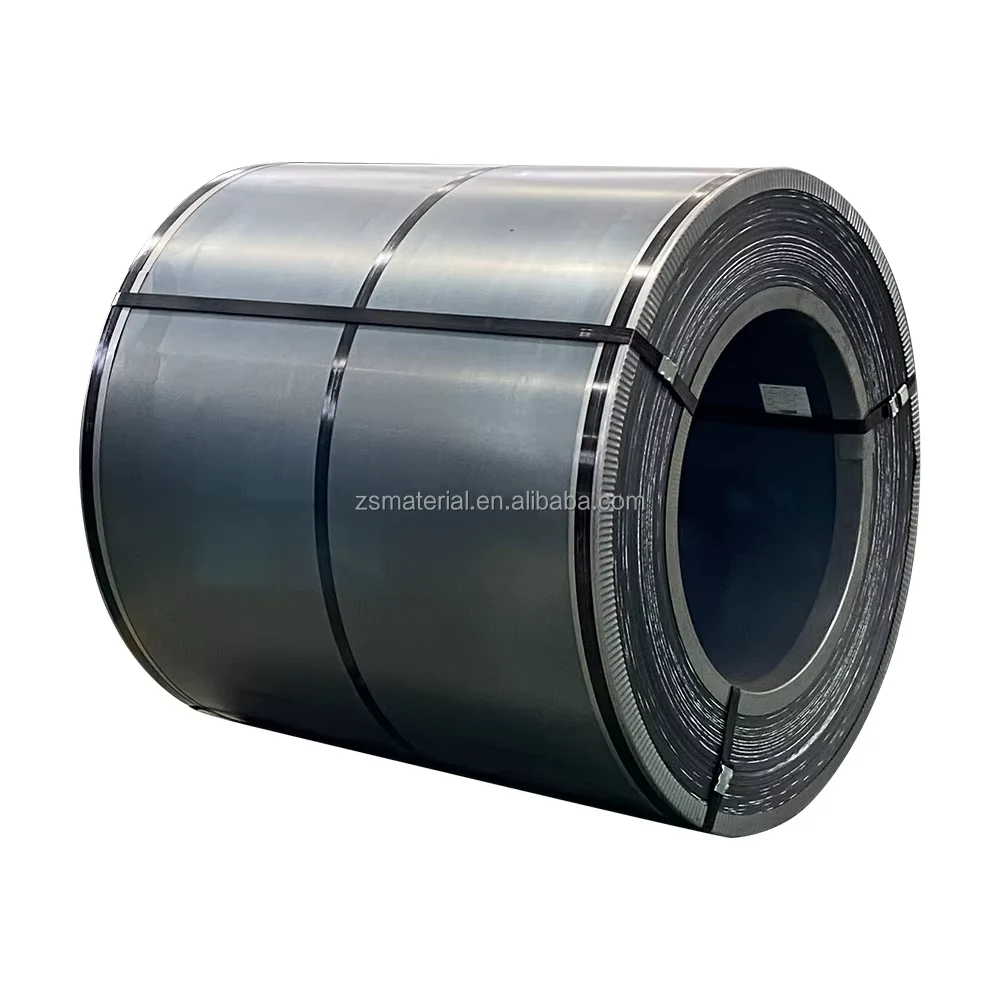
- Heat number traceability linking every cut piece and welded assembly back to the original mill coil or plate
- Complete customs documentation package including packing list, bill of lading, and certificate of origin for destination-port clearance
Packaging, Loading & Delivery
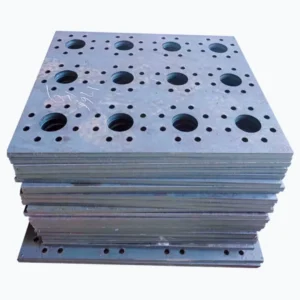
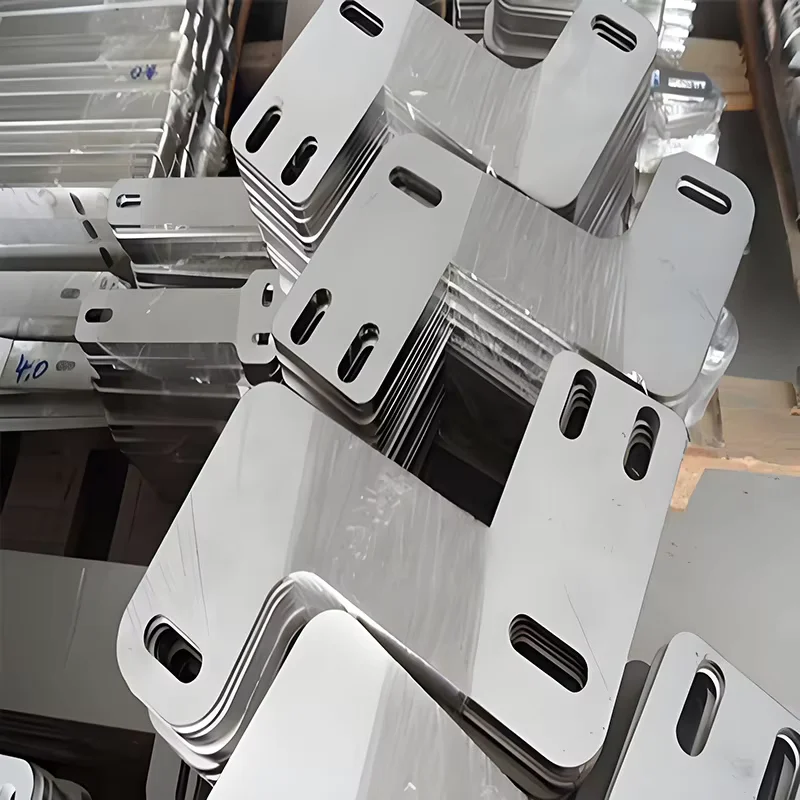
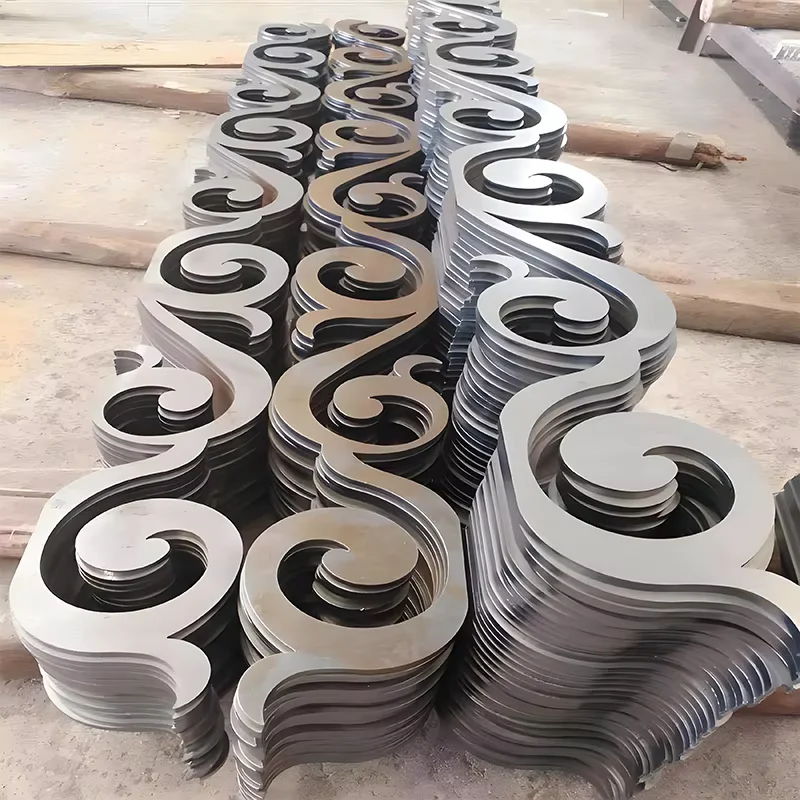
- Laser-cut carbon steel plates stacked with interleaved protective film and bundled with steel straps to prevent edge damage during ocean transit
- Stainless steel and aluminium components wrapped in moisture-resistant paper with edge protectors to preserve surface finish and prevent galvanic contact
- Custom-sized fabrication parts nested and crated to maximize container utilization, reducing per-piece freight cost on mixed-specification orders
- Each bundle labeled with heat number, steel grade, specification, and purchase order reference for immediate site identification
- FOB, CIF, and DDP shipping terms available with professional container loading plans optimized for heavy fabricated components
- Typical production lead times apply for standard specifications; custom orders requiring non-standard bending or welding follow confirmed scheduling
Start Your Fabrication Inquiry With Drawings and Specifications
Submit your engineering drawings, material grade requirements, quantity, and destination port to receive a competitive bulk quotation within 12 hours. Our team reviews each drawing for manufacturability, confirms tolerance feasibility, and provides a detailed cost breakdown including surface treatment and certification options. For recurring procurement, volume discount programs and consolidated multi-product container loading reduce total landed cost.
Request a Fabrication Quote With Mill Test Certificates
Send your specifications, steel grade, and quantity to receive pricing and material documentation.
Mobile/WhatsApp/WeChat: +86 188 5315 7756 | Email: admin@sdxinjiyuan.com
Frequently Asked Questions
Q: What materials can be laser cut and fabricated in a single production order?
A: We process Carbon Steel, Stainless Steel, and Aluminium through integrated laser cutting, bending, and welding workflows. Each material requires adjusted laser parameters and bending die settings to maintain dimensional accuracy and edge quality.
Q: How is quality verified across the fabrication process?
A: Our in-house laboratory conducts three-stage inspection at cutting, bending, and welding phases. Original mill test certificates accompany every batch, and third-party SGS or BV inspection is available on request for additional verification.
Q: What is the minimum order quantity for custom non-standard sheet metal parts?
A: The MOQ for custom fabrication is 50 pcs. Trial orders are accepted, and we support split shipments from ready stock for standard specifications.
Q: What surface treatment options are available for fabricated components?
A: Depending on the base material and application environment, we offer hot rolled finish, galvanized coating, painted surfaces, and oiled protection. Surface treatment selection depends on corrosion exposure and engineering specifications.
Q: How are custom drawings handled from inquiry through delivery?
A: Submit drawings via email or WhatsApp. Our engineering team reviews manufacturability, confirms tolerance feasibility, and provides a detailed quotation including material, processing, certification, and logistics costs within 12 hours.
Get Factory-Direct Fabrication Pricing With Full Documentation
Share your drawings and specifications today to receive a detailed quote with mill test certificates and delivery scheduling.
Mobile/WhatsApp/WeChat: +86 188 5315 7756 | Email: admin@sdxinjiyuan.com